Best Selling Products

Upgrade genuine Capture One account
120 USD

ChatGPT Plus Account (GPT-4)
16 USD

Windows 10 & 11 Pro Key
36 USD

Genuine Cheap Canva Pro
39 USD

Freepik Premium Account
59 USD

Genuine Adobe Illustrator account
99 USD

Capcut Pro 1 Year
39 USD

Upgrade Duolingo Super
29 USD

Copyright Adobe Lightroom Account
59 USD

Adobe Photoshop Copyright - Full App
120 USD

MidJourney Account
29 USD

Autodesk All App Account Copyright
120 USD

Adobe Premiere Pro Account
99 USD

Upgrade Genuine Office 365
49 USD

Plugin Retouch4me
69 USD
Google Veo 3.1 Officially Launched: 1-Minute Videos, Cinematic Graphics, and Impressive, Consistent Characters
Nội dung
- 1. Learn about Google AI Veo 3.1
- 2. 5 Breakthrough Features That Make Veo 3.1 a "Weapon"
- 2.1. Increase Video Duration
- 2.2. Breaking the Consistency of Characters and Settings
- 2.3. Comprehensive Film Control
- 2.4. Natural Sound Integration
- 2.5. Flexible Editing Capabilities
- 3. Current Approaches and Uses of Veo 3.1
More than just a video-making AI, Veo 3.1 proves Google is leading the artificial vision race. The videos it produces are so smooth, logical, and seamless that they look almost indistinguishable from videos shot with real cameras.
Google continues to assert its pioneering position by introducing Veo 3.1 , the latest version of its AI-powered video creation tool, considered the most groundbreaking to date. After months of internal testing and feedback from creators, this version is seen as a major leap forward in AI-generated video technology, capable of simulating cinematic scenes, maintaining character consistency, and creating videos up to one minute long. Previously , creating short AI-generated videos faced limitations such as character facial changes, abrupt transitions, or unnatural movement; now, Veo 3.1 has eliminated most of these limitations.
1. Learn about Google AI Veo 3.1
Veo is an AI video generation model developed by the Google DeepMind team, first announced in mid-2024. The initial version garnered significant attention for its ability to convert text into high-resolution video and simulate complex footage based on short descriptions. However, limitations in length and control prevented it from becoming a practical production tool for creators.
The release of Veo 3.1 marks a completely new milestone. With this version, Google not only improves frame smoothness but also focuses on logic and consistency throughout the entire video. Veo 3.1 can understand contextual elements such as character positioning, lighting direction, and camera movement, and reproduce them faithfully, making the video look like it was shot with a professional camera.
Notably, Veo 3.1 is now integrated into the Google DeepMind Studio ecosystem and is expected to soon be expanded to Google Workspace and YouTube Creator Tools. This means that, in the near future, creators will be able to create videos, edit footage, and optimize content directly within Google's familiar platform, without needing complex post-production software.
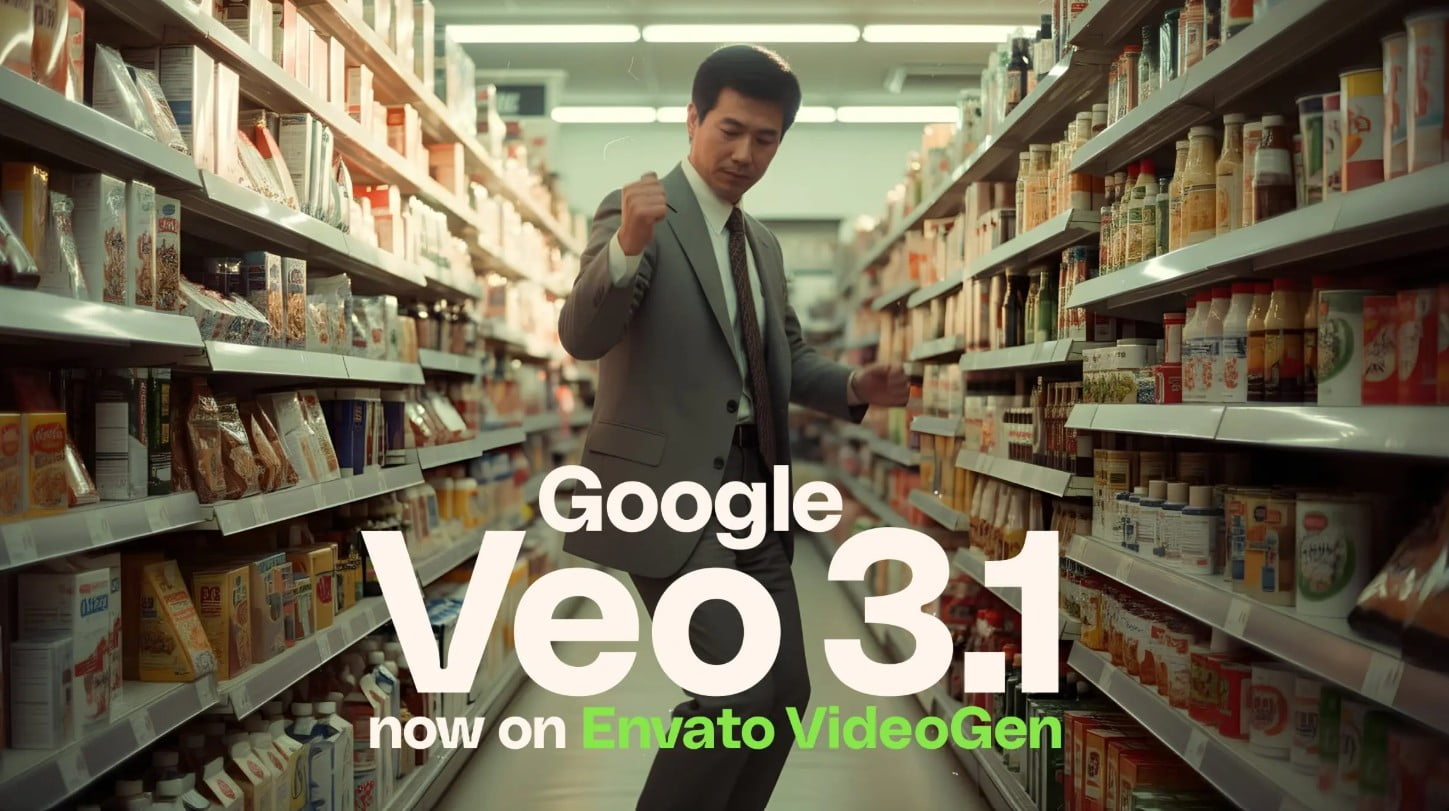
Veo 3.1's core technology is built on a multimodal AI model, capable of simultaneously understanding text, images, audio, and motion. When users enter a description, Veo 3.1 not only "reads" keywords but also "understands" the aesthetic intent, rhythm, and emotions the user wants to convey. The result is videos that are not only accurate in content but also highly artistic and emotionally resonant.
2. 5 Breakthrough Features That Make Veo 3.1 a "Weapon"
Simply calling Veo 3.1 an upgrade isn't enough. Google has included a host of new features that could change how we view AI-powered video production. Let's delve into five key highlights that make Veo 3.1 so powerful.
2.1. Increase Video Duration
One of the biggest limitations of previous AI video creation tools, including Veo 2.0, was the length limit. Most could only create videos in the 5–20 second range, making it difficult to tell a complete story. With Veo 3.1, Google has officially expanded the ability to create videos up to 1 minute, while still ensuring frame quality and content consistency.
This is a revolutionary step forward, as the one-minute duration opens up many practical applications: from short advertising videos and product introduction clips to illustrative footage for marketing campaigns. Google says the system has been trained on a large amount of high-quality video data and uses a multi-frame motion prediction model to ensure smooth scene transitions without interruptions or flickering.
In testing, videos generated by Veo 3.1 were able to maintain consistent quality down to the smallest details such as lighting, shadows, and motion direction. This is what puts Veo 3.1 far ahead of competitors like Runway, Pika Labs, or OpenAI's Sora in terms of length and overall coherence.
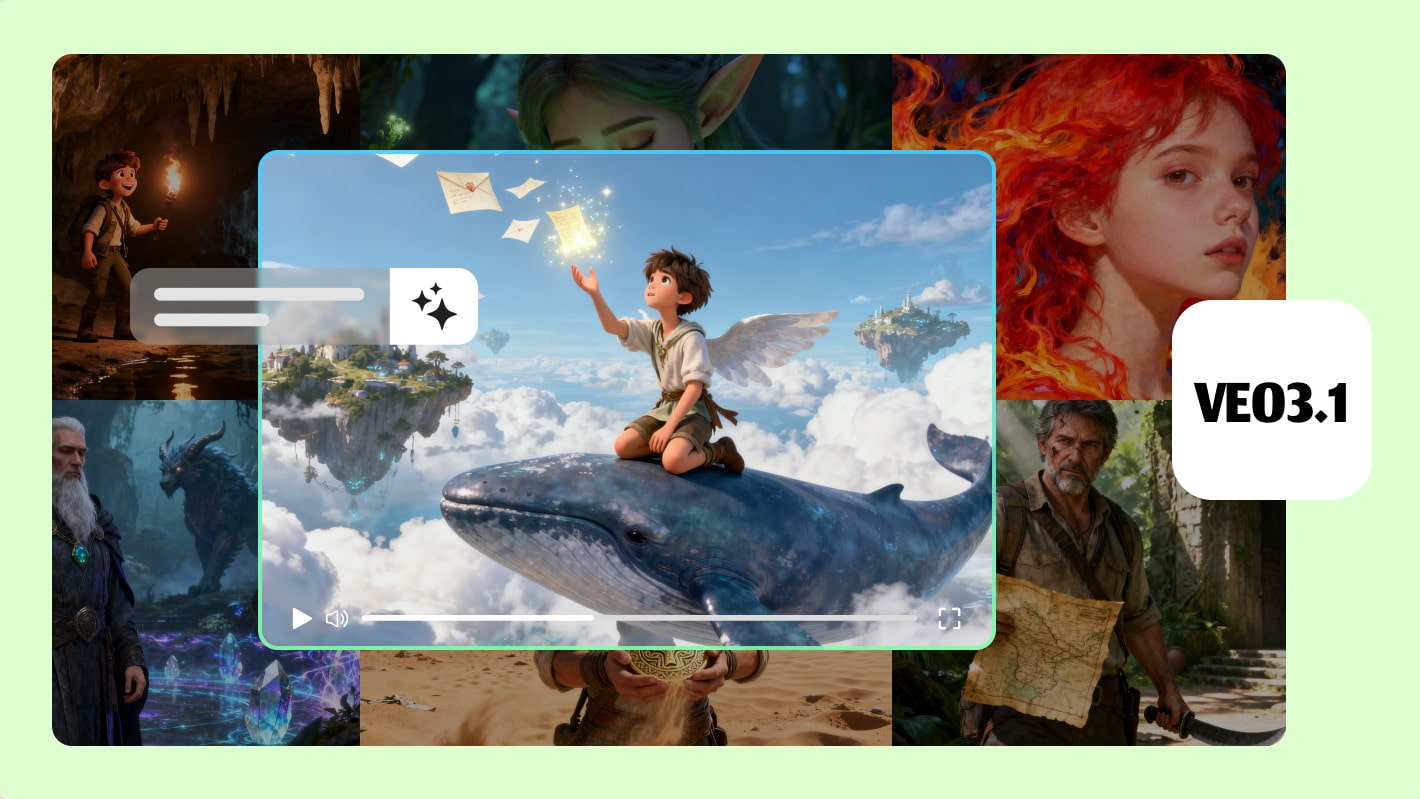
2.2. Breaking the Consistency of Characters and Settings
Previously, creating a character that appeared consistently across multiple frames was nearly impossible: the character's face, clothing, or gait could change unexpectedly in just seconds.
Veo 3.1 has almost completely resolved this issue. With Character & Scene Consistency technology, AI can remember and recreate character details throughout the video, from hairstyle and skin tone to gaze and body movements. Not only the characters, but also the background, lighting, weather, and physical elements are maintained consistently. This provides a seamless and natural feel, just like in real-life footage.
Thanks to this advancement, creators can now tell longer, more nuanced stories. A description like "a girl running along the beach at sunset, the wind blowing through her hair and waves gently lapping against the shore" is now fully rendered in Veo 3.1, with a single character present throughout the scene, eliminating the "transformation" phenomenon.
2.3. Comprehensive Film Control
Veo 3.1 not only creates videos, but also allows users to control cinematic elements like a real director. Users can specify camera angles, focal length, camera speed, or even lighting effects in detail. For example, you can request: "Shoot a close-up of the character's face in the morning light, with the camera panning slowly from left to right," and Veo 3.1 will understand and accurately reproduce that.
This capability stems from the fact that the model has been trained on massive amounts of film data, enabling the AI to not only understand the visual context but also recognize the composition, perspective, and visual language of professional cinema.
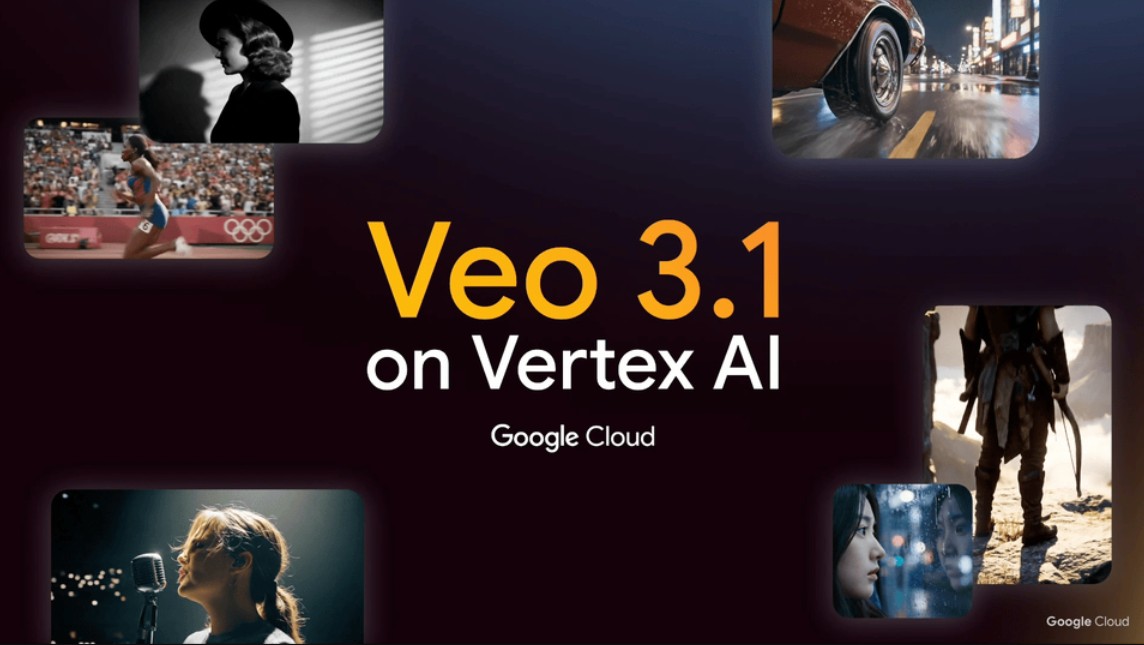
2.4. Natural Sound Integration
One factor that made previous AI videos lack vibrancy was sound. Most tools only produced visual videos, forcing users to add music or sound effects in post-production. Veo 3.1 changed that by creating natural-sounding audio simultaneously with the visuals. When a user describes a scene of "rain falling on a roof," Veo not only displays the image of raindrops but also creates the sound of raindrops and wind that matches the rhythm of the scene.
This feature allows creators to get a complete video immediately after exporting, especially useful for advertising campaigns, social media marketing, or idea demonstration videos. Synchronizing video and audio also makes the video more vibrant and emotionally engaging.
2.5. Flexible Editing Capabilities
In addition to creating new footage, Veo 3.1 also supports AI-powered video editing, allowing users to add, remove, or expand footage with just a short description. For example, you can enter the command "expand the scene to the right to see the entire city" or "add a car driving by," and Veo will automatically calculate the composition, lighting, and motion to harmonize with the rest of the video.
This is especially important for content creators, as it significantly reduces post-production editing time and opens up the possibility of flexible video production, allowing for continuous editing without having to reshoot. Veo 3.1's "inpainting" feature is comparable to "Photoshop for video," taking animation editing to a whole new level.
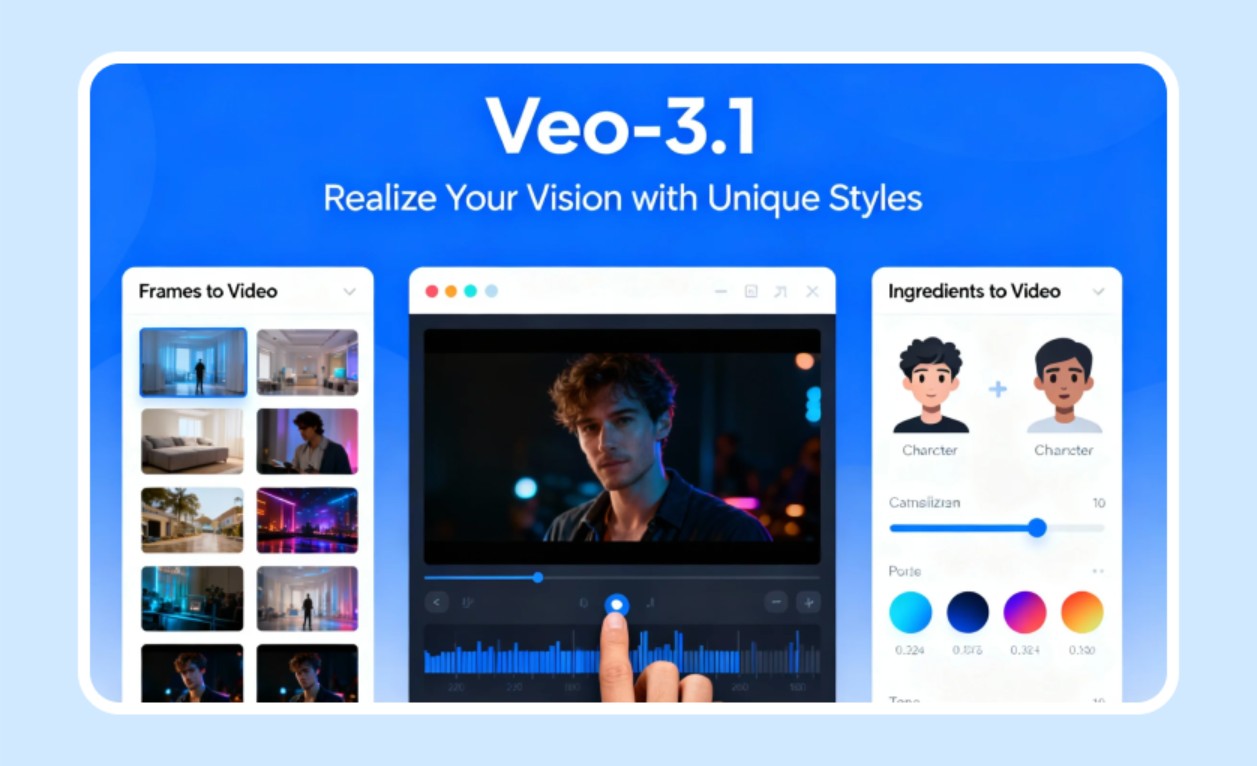
3. Current Approaches and Uses of Veo 3.1
First, through the Gemini API and Vertex AI, Google Cloud's AI development platform, developers and businesses can access the Veo 3.1 Fast or Veo 3.1 Preview model to integrate live video creation features into their applications or production workflows.
Next is the Google AI Pro or Ultra subscription plan. Individual users or creative professionals who subscribe to this plan can gain early access to Veo 3.1's video creation features through the Google Labs or DeepMind Studio platform. Integration with a Google account also allows for data synchronization, storage, and video management on Google Drive, making the creative process seamless.
Finally, Google has partnered with several third-party providers, allowing them to use Veo 3.1 as a supporting tool in their products. Several prominent platforms such as Higgsfield, Imagine Art, and Envato have been granted permission to use this model, bringing Veo 3.1 closer to the global creative community. When users create videos on these platforms, much of the underlying processing utilizes the Veo 3.1 API to ensure image quality and content consistency.
With the launch of Veo 3.1, Google is once again asserting its leadership role in the race for artificial intelligence applications in content creation. More than just a simple AI video tool, Veo 3.1 is becoming a springboard for the future of filmmaking, advertising, and digital media, where ideas are realized through words or brief descriptions.





















VIP Products








Best Selling Products
Upgrade genuine Capture One account
120 USD
ChatGPT Plus Account (GPT-4)
16 USD
Windows 10 & 11 Pro Key
36 USD
Genuine Cheap Canva Pro
39 USD
Freepik Premium Account
59 USD
Genuine Adobe Illustrator account
99 USD
Capcut Pro 1 Year
39 USD
Upgrade Duolingo Super
29 USD
Copyright Adobe Lightroom Account
59 USD
Adobe Photoshop Copyright - Full App
120 USD
MidJourney Account
29 USD
Autodesk All App Account Copyright
120 USD
Adobe Premiere Pro Account
99 USD
Upgrade Genuine Office 365
49 USD
Plugin Retouch4me
69 USD