Best Selling Products

Adobe Photoshop Copyright - Full App
120 USD

Adobe Premiere Pro Account
99 USD

Genuine Adobe Illustrator account
99 USD

Upgrade genuine Capture One account
120 USD

Genuine Cheap Canva Pro
39 USD

Plugin Retouch4me
69 USD

Copyright Adobe Lightroom Account
59 USD

ChatGPT Plus Account (GPT-4)
16 USD

Upgrade Duolingo Super
29 USD

Windows 10 & 11 Pro Key
36 USD

Freepik Premium Account
59 USD

Upgrade Genuine Office 365
49 USD

MidJourney Account
29 USD

Autodesk All App Account Copyright
120 USD

Capcut Pro 1 Year
39 USD
"Google's ChatGPT" or Gemini: Things you didn't know about Google's AI
Nội dung
The term "Google's ChatGPT" often causes confusion. We will delve into Google Gemini, Google's multimodal technology, to understand its true role and potential.
OpenAI, with its ChatGPT, was a pioneer, creating a global wave in the application of AI in communication, learning, writing, content creation, and programming. However, alongside ChatGPT, the "giant" Google also joined the game. Google launched Gemin , considered their answer to ChatGPT. Therefore, many users are asking: "What is Google's ChatGPT?" and "Is Google Gemini a version of ChatGPT developed by Google?"
This article will help you understand the nature of "Google's ChatGPT," explaining in detail what Google Gemini is, what it can do, the differences between Gemini and ChatGPT, and why Google is orienting its AI development in this direction. Let's delve deeper to better understand one of the most advanced artificial intelligence technologies today.
1. What is Google ChatGPT?
First, it's important to clarify: Google does not have a product called "ChatGPT." The term "Google's ChatGPT" is a common term used by the community to refer to an AI conversational tool similar to ChatGPT but developed by Google. And that tool is Google Gemini.
Gemini is not simply a chatbot, but a multimodal AI model, meaning it can process various data types such as text, images, audio, video, and code. While ChatGPT initially only processed text, Gemini was designed from its launch to handle multiple forms of information simultaneously.
Google announced Gemini as a new family of language modeling tools, inheriting and expanding the capabilities of Bard. Instead of keeping Bard as a standalone product, Google merged Bard into Gemini, making it the most intelligent and powerful conversational AI platform in the Google ecosystem.
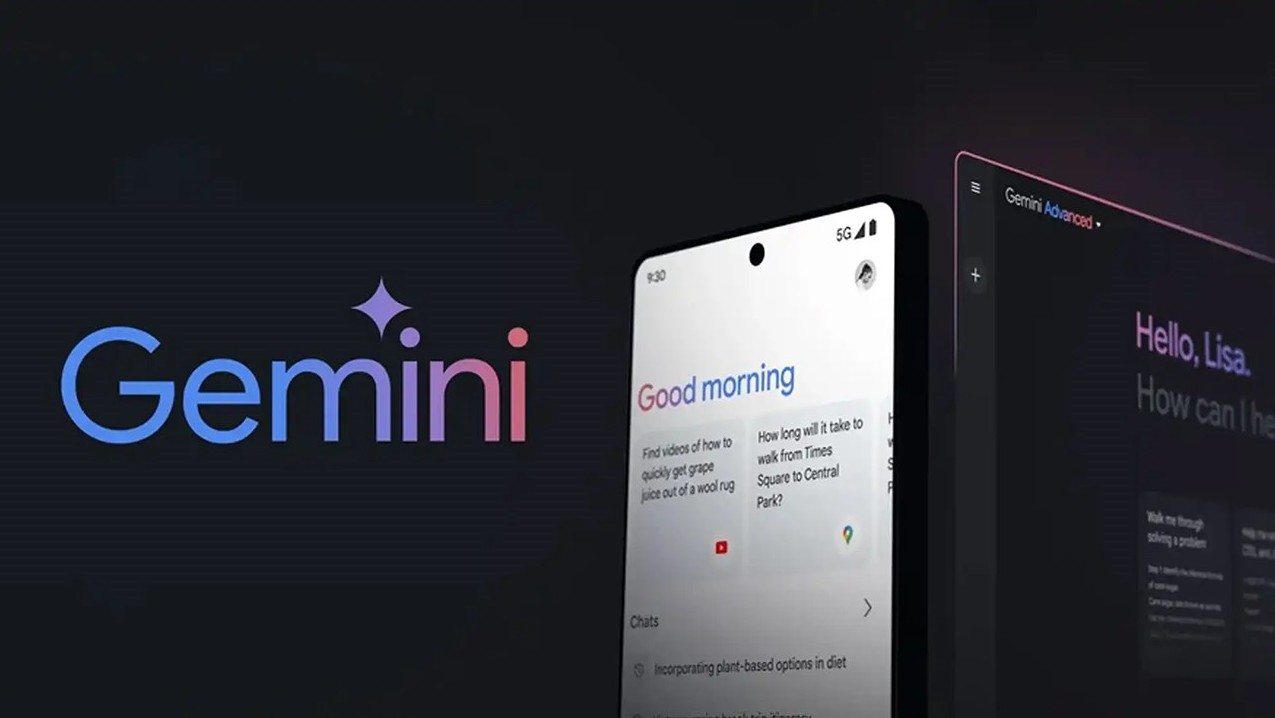
Gemini, developed by the Google DeepMind team, is the AI system that defeated world Go champion Lee Sedol. This shows that Google not only wants to compete with OpenAI at the product level, but also wants to create a core AI platform to serve all services in its ecosystem such as Gmail, Google Docs, Sheets, YouTube, and Android.
In other words, when someone says "Google's ChatGPT," they are referring to Google Gemini, which is touted as a direct competitor to ChatGPT and also a testament to Google's global AI ambitions.
2. What can Google's ChatGPT do?
While ChatGPT stands out for its intelligent conversational capabilities, content creation, and programming support, Gemini, or "Google's ChatGPT," goes even further. Gemini is designed to be a comprehensive AI tool capable of understanding, creating, and processing content in various formats.
2.1. Multimodal Synthesis Tools
The biggest difference between Gemini and traditional chatbots is its multimodal capability. That is, Gemini can not only read and respond to text, but can also understand images, audio, video, and other complex data.
For example, you can upload a photo, ask Gemini "where was this photo taken?", or "write a short description to post on social media," and Gemini will process the image to provide an accurate response. If you upload a chart or data table, Gemini can analyze and summarize trends.
This capability makes Gemini a true intelligent assistant, rather than just a chatbot that answers questions with text. Users can chat with Gemini using voice, images, or text, and the AI will understand it all within the same context.
This is different from ChatGPT (especially the early versions), which only handled text. Although ChatGPT 5.0 also supported multimodal communication, Google had the advantage of deeper integration into tools like Google Lens, Google Photos, and YouTube, making Gemini's image and video processing capabilities more practical and powerful.
2.2. Using the System's Tools and APIs
Gemini is not only for general users but is also developed to serve developers, businesses, and organizations. Google offers Gemini through two main channels: Google AI Studio (a platform for developers to experiment, create prompts, and AI applications) and Vertex AI on Google Cloud (for businesses that want to deploy the Gemini model into their systems).
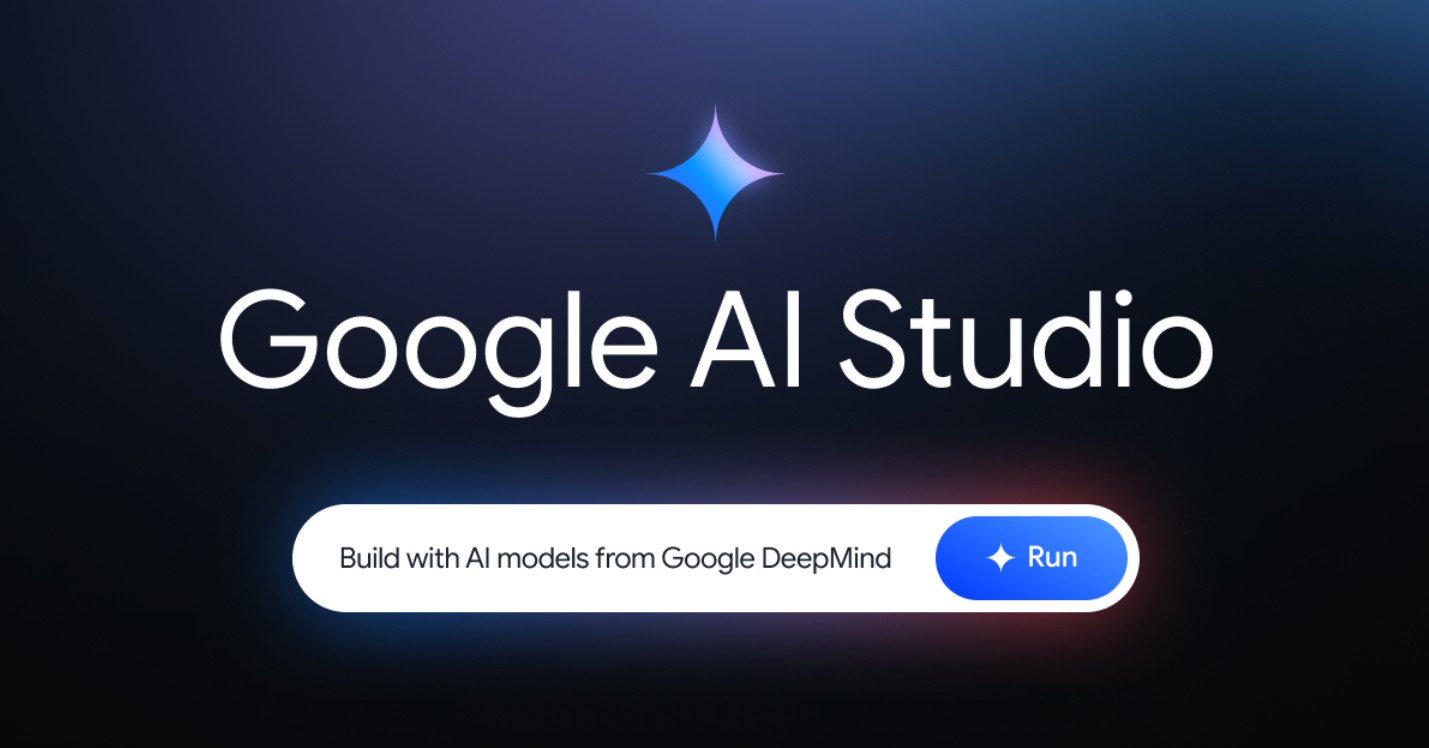
With its open API system, users can integrate Gemini into their own products, build specialized chatbots, or use it to automate workflows. Gemini supports many integration tools such as:
-
Create documents, emails, and summaries.
-
Generate programming code and explain code errors.
-
Analyze data and simulate scenarios.
-
Create advertising content, images, and presentation slides.
-
Search for information directly within Google's database.
Google also allows Gemini to combine the power of other AI tools such as Google Search, Docs, Sheets, Slides, Drive, and Gmail, enabling users to directly command the AI to perform tasks within the app. For example, you can ask Gemini to “create a presentation slide from this document” or “summarize the 5 most important emails in your inbox today.”
For businesses, Gemini acts as a virtual work assistant, helping to reduce labor costs and save time in processing tasks.
2.3. Numerous supporting features
Google Gemini is not only powerful in its ability to understand content, but also has a range of features that help enhance creative productivity.
First, Gemini can write professional content ranging from emails and social media posts to articles, video scripts, or strategic plans. Unlike ChatGPT, which focuses on conversation, Gemini leverages the vast data from Google Search, Google Scholar, YouTube, and many other sources to deliver more up-to-date information.
Gemini also provides excellent support for learning and research. Students can use Gemini to summarize lessons, explain concepts, analyze problems, or create multiple-choice questions. Teachers and researchers can use it to plan lessons, suggest references, or write scientific papers.
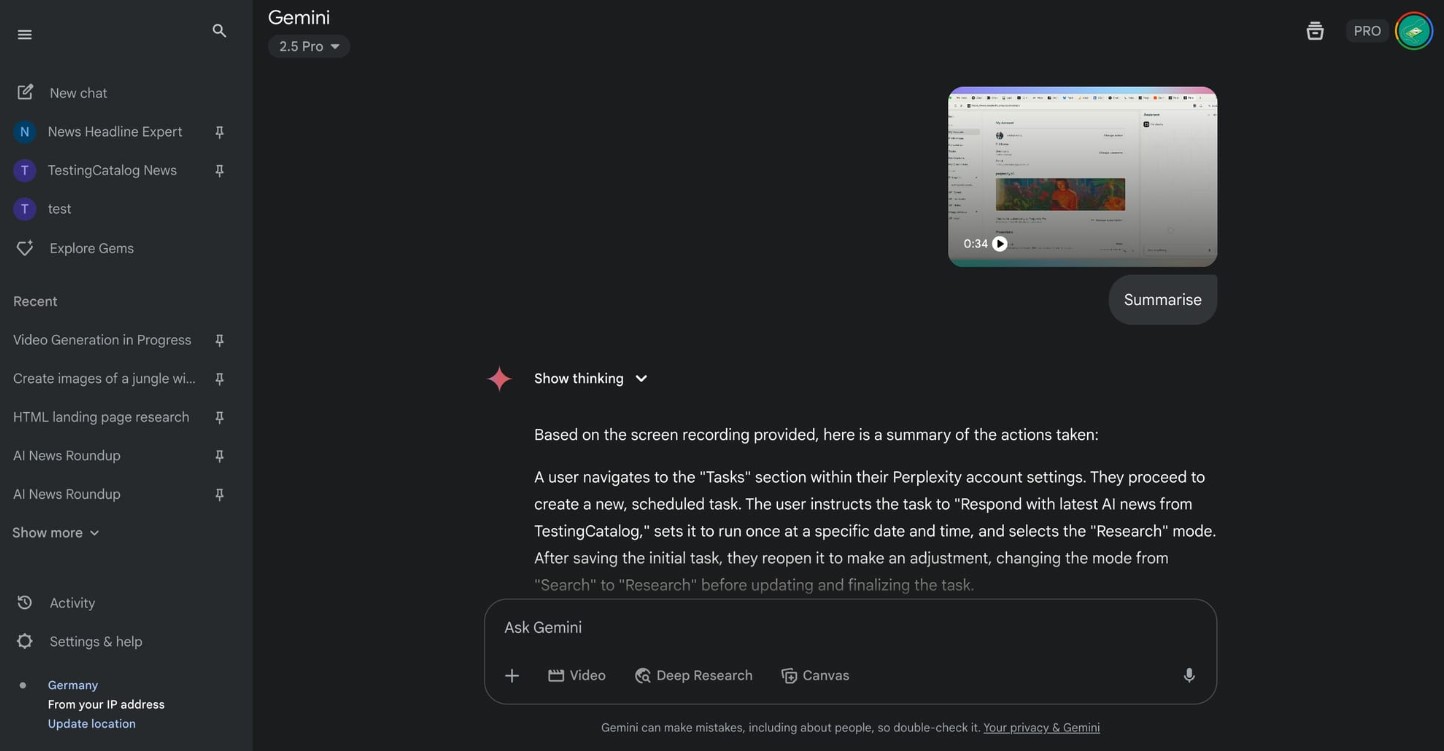
In the creative field, Gemini can generate images, video scenes, or design concept sketches. Marketers can request Gemini to write slogans, create storyboards, or simulate advertising campaigns. Thanks to its multi-modal processing capabilities, Gemini can transform ideas into visual content simply by providing verbal descriptions.
Even in a business environment, Gemini is used for data analysis, automated report writing, and business strategy simulation, saving time processing massive amounts of information without requiring a team of data specialists.
2.4. Superior personalization
Another notable feature of Gemini is its ability to deeply personalize data based on user habits, history, and behavior.
When you allow Gemini access to your Google account, the AI can understand your work context, schedule, meeting times, location, and even your communication style. This allows Gemini to provide more relevant responses, much like a personal virtual assistant that knows exactly what you need.
For example, if you frequently work on Google Docs, Gemini can automatically suggest ways to write or edit content, or suggest related documents. If you're in Gmail, Gemini can compose automatic email replies based on the context of the previous conversation.
This makes the user experience with "Google ChatGPT" more natural and intelligent, as the AI not only answers questions but also understands the user on a personalized level.
3. Comparing Gemini with ChatGPT
Although both are AI chatbots, Gemini and ChatGPT have very different characteristics. Comparing these two platforms will help you better understand which tool is right for your needs.
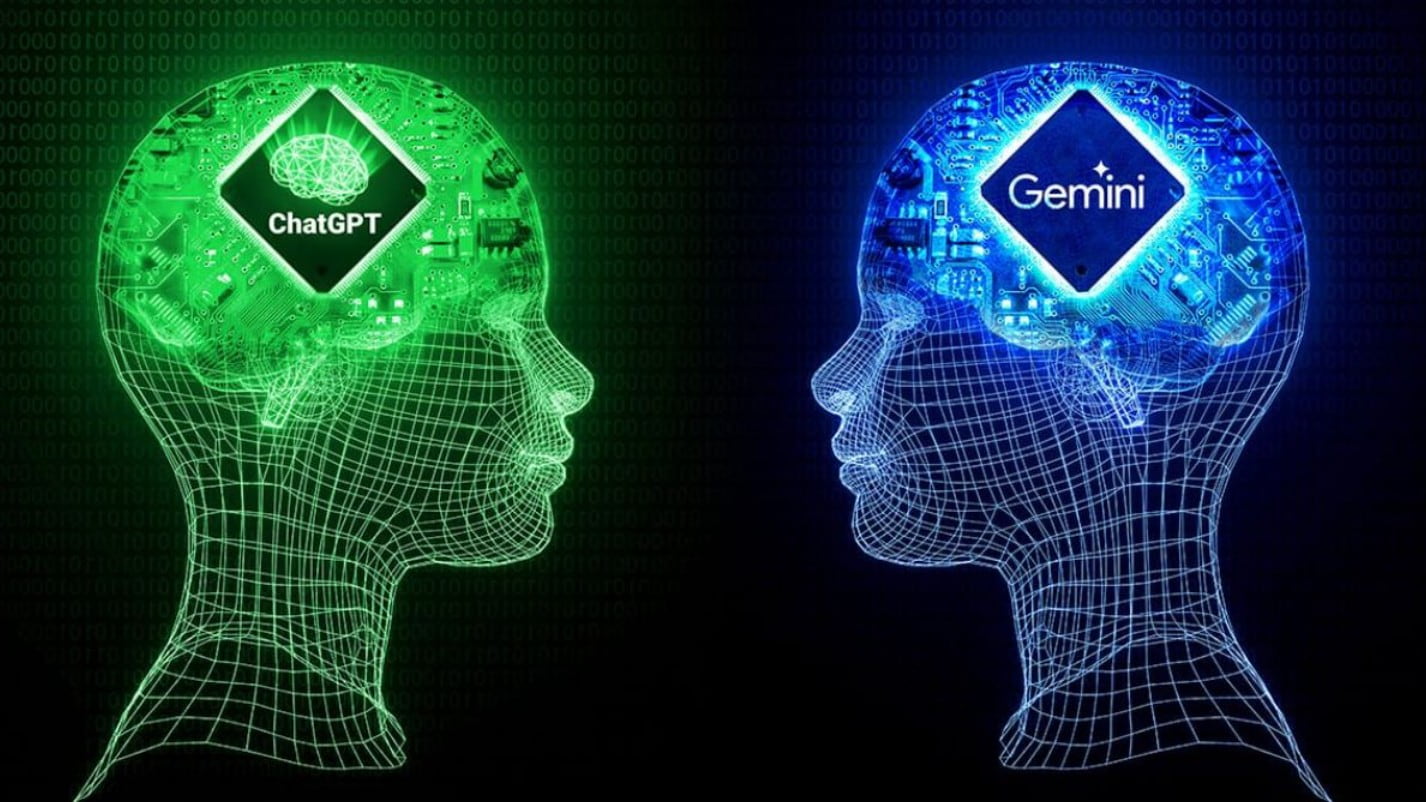
Both are based on large language modeling (LLM) technology, but each has a different approach and direction.
Regarding underlying technology:
ChatGPT is developed by OpenAI, using the GPT (Generative Pre-trained Transformer) model, currently GPT-5. Meanwhile, Google Gemini is built on a completely new architecture, also following the transformer approach but expanding to include multimodal processing capabilities.
In terms of comprehension and responsiveness:
ChatGPT is known for its natural, creative, and logical conversational abilities. Gemini, on the other hand, is stronger in understanding diverse contexts, combining text, images, audio, and video.
Regarding application scope:
ChatGPT is typically used independently, via the website chat.openai.com or the OpenAI API. Gemini, on the other hand, is directly integrated into the entire Google ecosystem, from Gmail, Docs, and Sheets to Android and YouTube. This makes Gemini more convenient for everyday work.
Regarding data up-to-date information:
ChatGPT relies on training data up to a specific point in time (with GPT-5, the data is up to mid-2023). Gemini, on the other hand, thanks to its connection with the Google Search engine, can access the most up-to-date information on the internet.
Regarding development speed:
Google is investing heavily in Gemini, with several versions such as Gemini Nano (for mobile devices), Gemini Pro (for the web platform), and Gemini Ultra (the most advanced version for businesses).
In short, if ChatGPT is likened to an intelligent writer, then Gemini is like an all-powerful digital secretary, capable of both chatting and processing data, searching, analyzing, and creating visual content.
"Google's ChatGPT" is actually Google Gemini, a multimodal conversational AI platform that Google developed to directly compete with OpenAI's ChatGPT. However, calling Gemini simply "Google's version of ChatGPT" is a simplification, because in reality, Gemini is a complex system that integrates AI into all of Google's products and services.
Gemini not only converses, but also understands and processes images, audio, video, and data; it can analyze, create content, and interact with users in a more natural way. With its powerful personalization capabilities, Gemini is becoming a new generation virtual assistant, aiming to accompany users in all aspects of work and life.
Therefore, the choice of which tool to use depends on your purpose. If you work extensively within the Google system and need a smart, up-to-date, and versatile assistant, Gemini is a great option. However, if you need a sophisticated conversational platform, powerful content creation capabilities, and a large community, ChatGPT remains the top contender.





















VIP Products








Best Selling Products
Adobe Photoshop Copyright - Full App
120 USD
Adobe Premiere Pro Account
99 USD
Genuine Adobe Illustrator account
99 USD
Upgrade genuine Capture One account
120 USD
Genuine Cheap Canva Pro
39 USD
Plugin Retouch4me
69 USD
Copyright Adobe Lightroom Account
59 USD
ChatGPT Plus Account (GPT-4)
16 USD
Upgrade Duolingo Super
29 USD
Windows 10 & 11 Pro Key
36 USD
Freepik Premium Account
59 USD
Upgrade Genuine Office 365
49 USD
MidJourney Account
29 USD
Autodesk All App Account Copyright
120 USD
Capcut Pro 1 Year
39 USD