Best Selling Products

Freepik Premium Account
59 USD
Genuine Adobe Illustrator account
99 USD
Upgrade Genuine Office 365
49 USD
Autodesk All App Account Copyright
120 USD
Copyright Adobe Lightroom Account
59 USD

MidJourney Account
29 USD
Adobe Premiere Pro Account
99 USD
Genuine Cheap Canva Pro
39 USD
Upgrade Duolingo Super
29 USD

Capcut Pro 1 Year
39 USD
Upgrade genuine Capture One account
120 USD
Adobe Photoshop Copyright - Full App
120 USD

Windows 10 & 11 Pro Key
36 USD
ChatGPT Plus Account (GPT-4)
16 USD
Plugin Retouch4me
69 USD
What is Generative AI? Discover the top 6 AI tools for 2025.
Nội dung
- 1. Learn about Generative
- 2. Applications of Generative AI
- 2.1 Create new, original content
- 2.2 Supporting the improvement of other AI systems
- 2.3 Exploring and analyzing complex data
- 2.4 Support for automation, saving time
- 3. Top AI generation tools worth trying in 2025
- 3.1 ChatGPT
- 3.2 Bing AI
- 3.3 Google Bard (Gemini)
- 3.4 Midjourney
- 3.5 FROM-E
- 3.6 Codex
Discover the power of Generative AI and leading creative platforms, from text and images to programming.
By 2025, AI will no longer be a trend but the "foundation" of all creative and operational activities. One of the most prominent branches of this technology is Generative AI . Generative AI not only analyzes data but can also create new content: from text, images, audio, and video to programming code. This technology is changing how humans create, work, and communicate with machines. No longer are users simply giving dry commands; they can now just "speak" or "write" their ideas, and the AI will handle the rest.
From popular tools like ChatGPT, Bing AI, and Google Bard to image design platforms like Midjourney and DALL-E, and programming support tools like the Codex, the creative world has entered a new era where AI has become a powerful partner for humans. In this article, we will explore in detail what Generative AI is, why it is considered a creative revolution, and especially the top 6 most worthwhile generative tools to experience in 2025 .
1. Learn about Generative
Generative AI is a field of artificial intelligence focused on the ability to generate new content based on learned data. While traditional AI models only analyze and predict, generative AI goes a step further, creating things that never existed before.
This technology is built upon deep learning models and large language models (LLMs). These models learn to understand the structure, semantics, and relationships in data, then reconstruct them in a new way that fits the context the user desires.
For example:
When you request "write a poem about autumn in the style of Nguyen Du," Generative AI will analyze classical poetic style, rhyme scheme, and language, then generate a completely new poem.
When you type "draw an illustration of a futuristic underwater city," the tool will use image modeling to create that picture in just seconds.
The underlying technologies behind Generative AI include various techniques such as:
GANs (Generative Adversarial Networks) : generative adversarial networks that simulate how two neural networks "compete" to generate increasingly realistic data.
Transformer Models : the technology behind major language models like GPT, BERT, Claude, Gemini, etc., which helps AI understand and generate natural language.
Diffusion Models : a method used in image generation tools such as Midjourney or DALL-E, to reconstruct images from noisy data.
Generative AI is a comprehensive creative tool that can learn, understand, and create from various types of data. It's no longer confined to the lab; it has permeated every field: graphic design, marketing, journalism, art, software engineering, and even medicine and education.
2. Applications of Generative AI
2.1 Create new, original content
The most common application of Generative AI is the creation of innovative content including text, images, videos, music, and programming code.
Previously, creating a quality article, a professional illustration, or a promotional video could take hours, even days. But with AI, it all takes just minutes, or even seconds.
For example, a marketer might enter the prompt: “Create Facebook ad content for an organic cosmetics line for women in their 30s, with a gentle, inspiring tone.” In an instant, the AI will generate 3–5 different versions of the content, complete with headlines, descriptions, and calls to action (CTAs).
Designers can use AI tools like Microsoft Designer, Canva Magic Studio, or Adobe Firefly to create banner, poster, or illustration layouts from short descriptions. Journalists, on the other hand, can use AI to write short news articles, summarize data, or create illustrations for their work.
2.2 Supporting the improvement of other AI systems
Generative AI not only creates content but also has the ability to generate synthetic data to train other AI systems.
In many fields such as healthcare, defense, finance, or cybersecurity, collecting real data can be very difficult due to privacy concerns or costs. In these situations, Generative AI can "simulate" realistic data to mimic scenarios, helping to train machine learning models more effectively.

For example, in medical research, generative AI can generate anonymized medical record data, allowing medical image analysis models to be trained without violating patient privacy laws. In the field of self-driving cars, AI can create millions of virtual traffic scenarios, helping the system learn to react more accurately in real-world situations.
2.3 Exploring and analyzing complex data
Generative AI is also changing how businesses understand and leverage data.
Instead of just viewing dry data tables, users can ask AI to analyze trends, summarize data, and visualize information with charts or automated reports.
An e-commerce company could use AI to generate weekly reports, analyze customer behavior, and even predict which products will be "hot" in the coming month. Researchers could use AI to create hypothetical models to test hypotheses or uncover hidden relationships in large datasets.
Generative AI doesn't just analyze; it interprets data using natural language, enabling people, even those without technical expertise, to understand and make decisions more quickly.

2.4 Support for automation, saving time
In creative work—writing product descriptions, editing text, designing different versions of the same template, or writing small pieces of code—Generative AI will help automate all of those tasks.
For example, a designer might only need to design one main template, and then the AI can generate 10 additional versions with different colors and layouts suitable for each social media platform. Or, a developer could ask the AI to rewrite a piece of code for better performance, along with detailed explanations.
3. Top AI generation tools worth trying in 2025
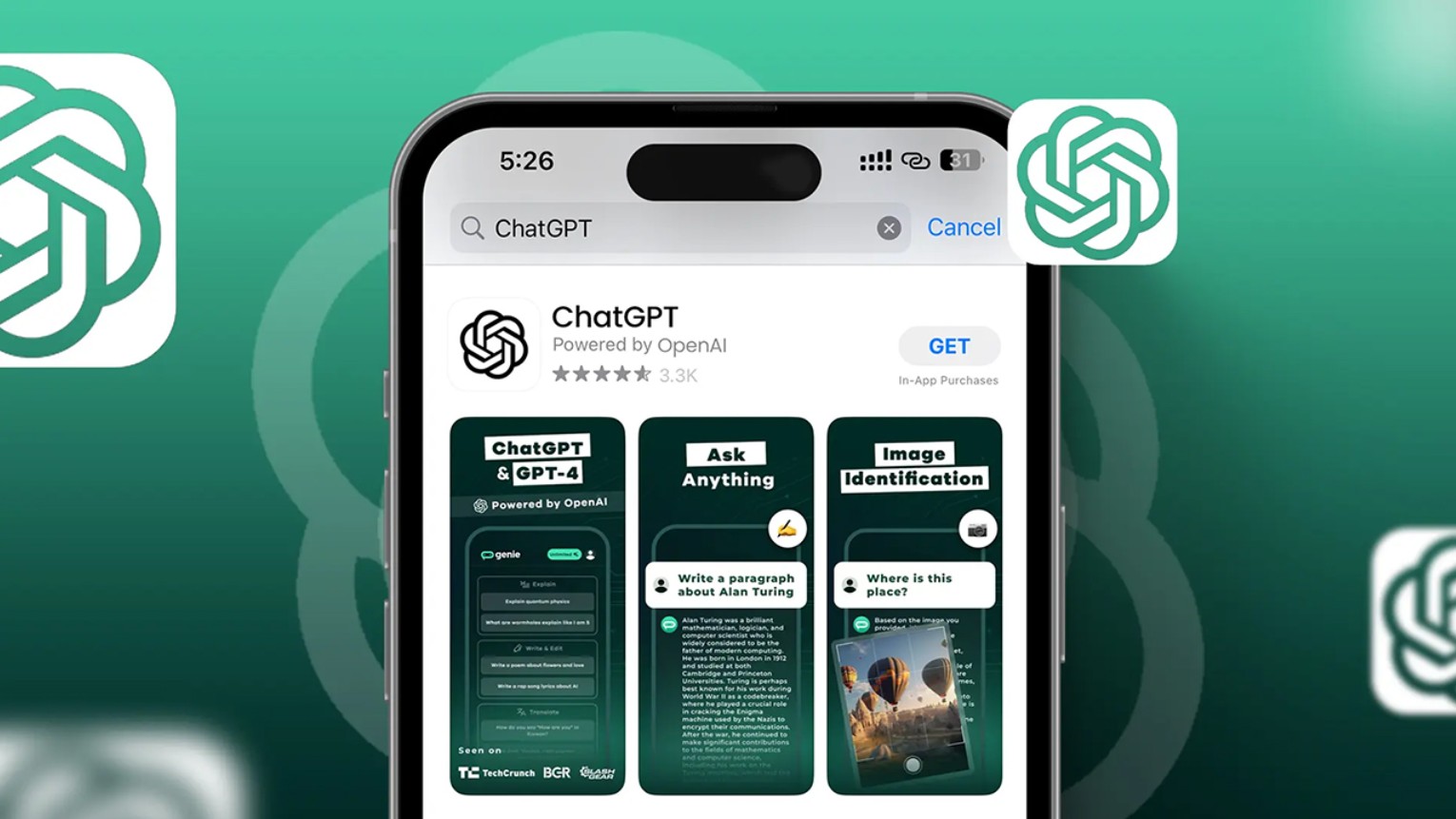
3.1 ChatGPT
It's impossible not to mention ChatGPT, a product of OpenAI, a name that has changed the way the world understands AI.
ChatGPT is a large language model capable of natural conversation, understanding context, and generating structured, logical, and emotional responses like a human. The latest version of ChatGPT (GPT-5) can understand text, images, audio, and even interact in real time.
For content creators, ChatGPT is a powerful assistant: it can write blog posts, create compelling headlines, suggest marketing strategies, compose professional emails, or provide multilingual translations.
For designers, ChatGPT helps describe creative ideas, write product descriptions, video scripts, or UX/UI design guides. For developers, ChatGPT supports coding, debugging, and optimizing programming performance.
3.2 Bing AI
Microsoft's Bing AI combines traditional search engine optimization (GPT) with an advanced GPT model. Beyond simply finding information, Bing AI can synthesize, interpret, and create new content based on search results.
Bing AI is ideal for those who need up-to-date information but also want a creative perspective. Instead of simply listing websites, Bing AI can write a summary, create an outline, or suggest design ideas, article content, marketing campaigns, and more.

Integrated into the Microsoft Edge browser and the Microsoft 365 suite, Bing AI helps users work more efficiently without switching between multiple platforms.
3.3 Google Bard (Gemini)
ChatGPT's biggest competitor is Google Bard, now known as Gemini.
Bard was developed by Google to combine search power with generative capabilities. It can answer complex questions, create content drafts, assist in document writing, planning, or develop creative ideas.
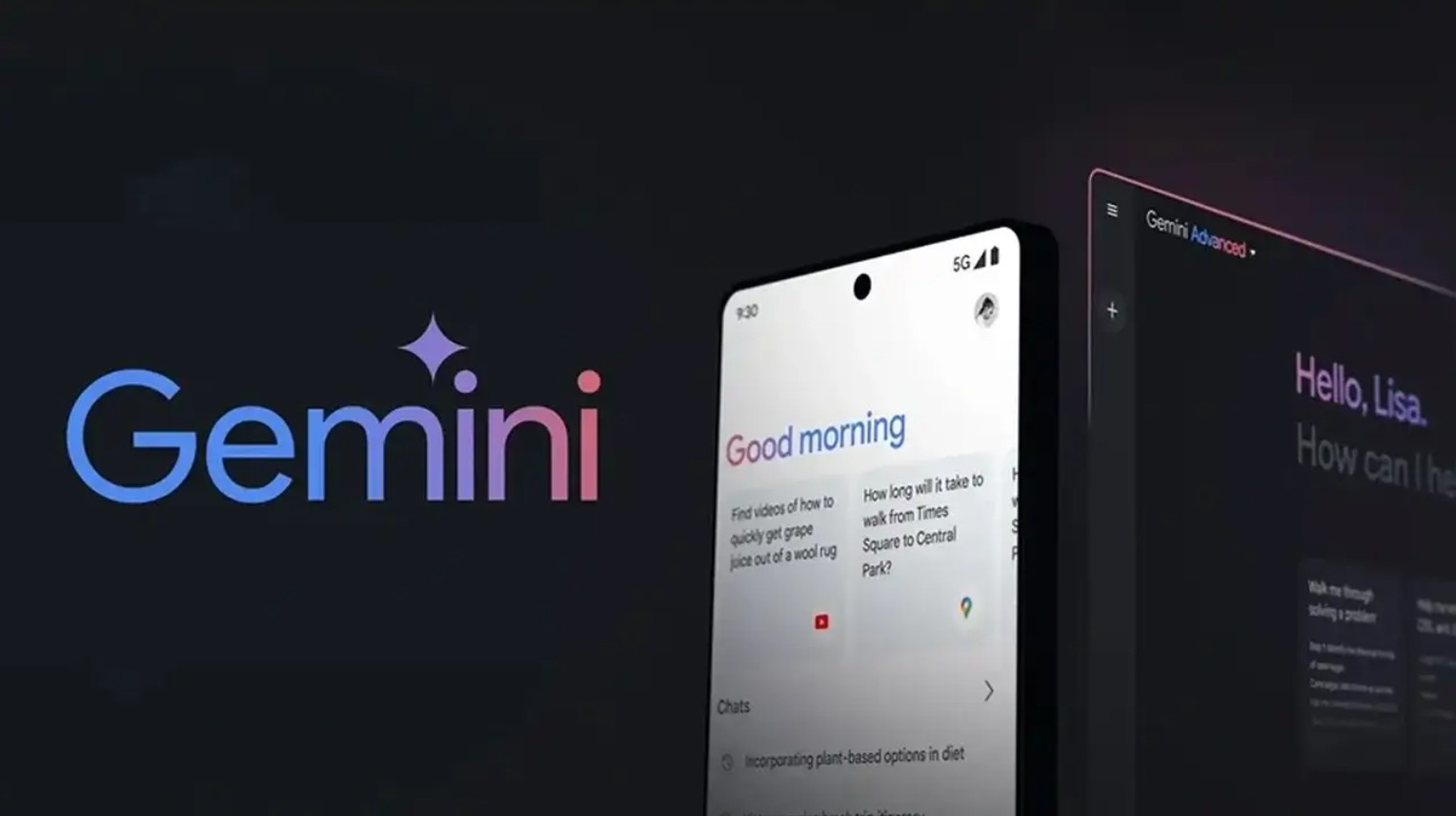
Bard's strength lies in its ability to access up-to-date data in real time, ensuring information is always fresh and accurate. For marketers, market researchers, or content creators, Bard is a great tool for finding inspiration and reliable information.
3.4 Midjourney
Midjourney is a text-to-image creation tool that has taken the creative world by storm. Based on the diffusion model, Midjourney can transform any description into a stunning work of art.
From movie posters and concept art to game characters, product images, and even classical painting styles, everything can be created with just a few lines of prompt.
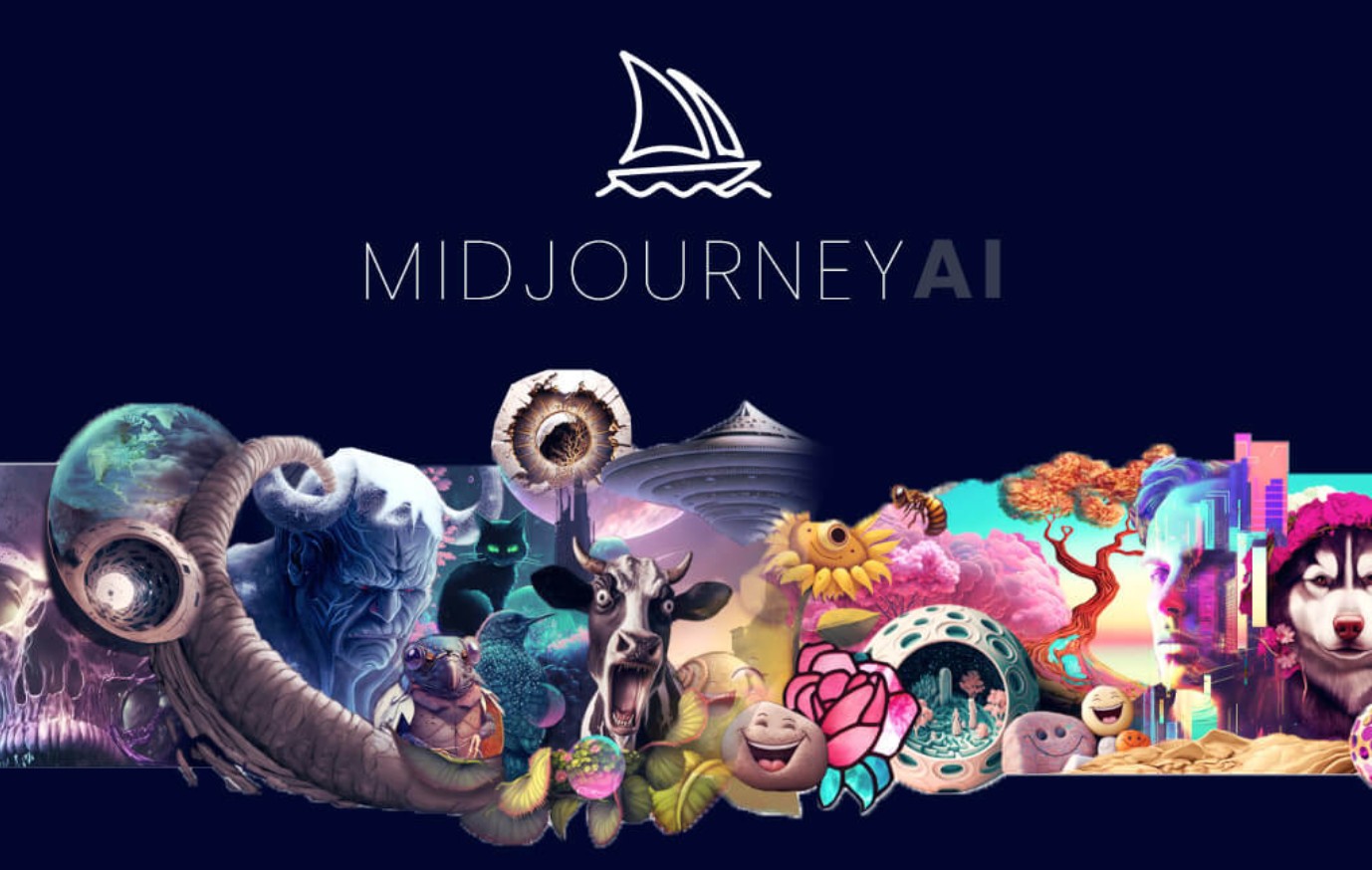
Midjourney's distinguishing feature is its highly artistic visual style, high level of detail, and strong emotional impact. It saves designers, marketers, and artists hours of work compared to traditional graphic design software, while simultaneously opening up countless new creative ideas.
3.5 FROM-E
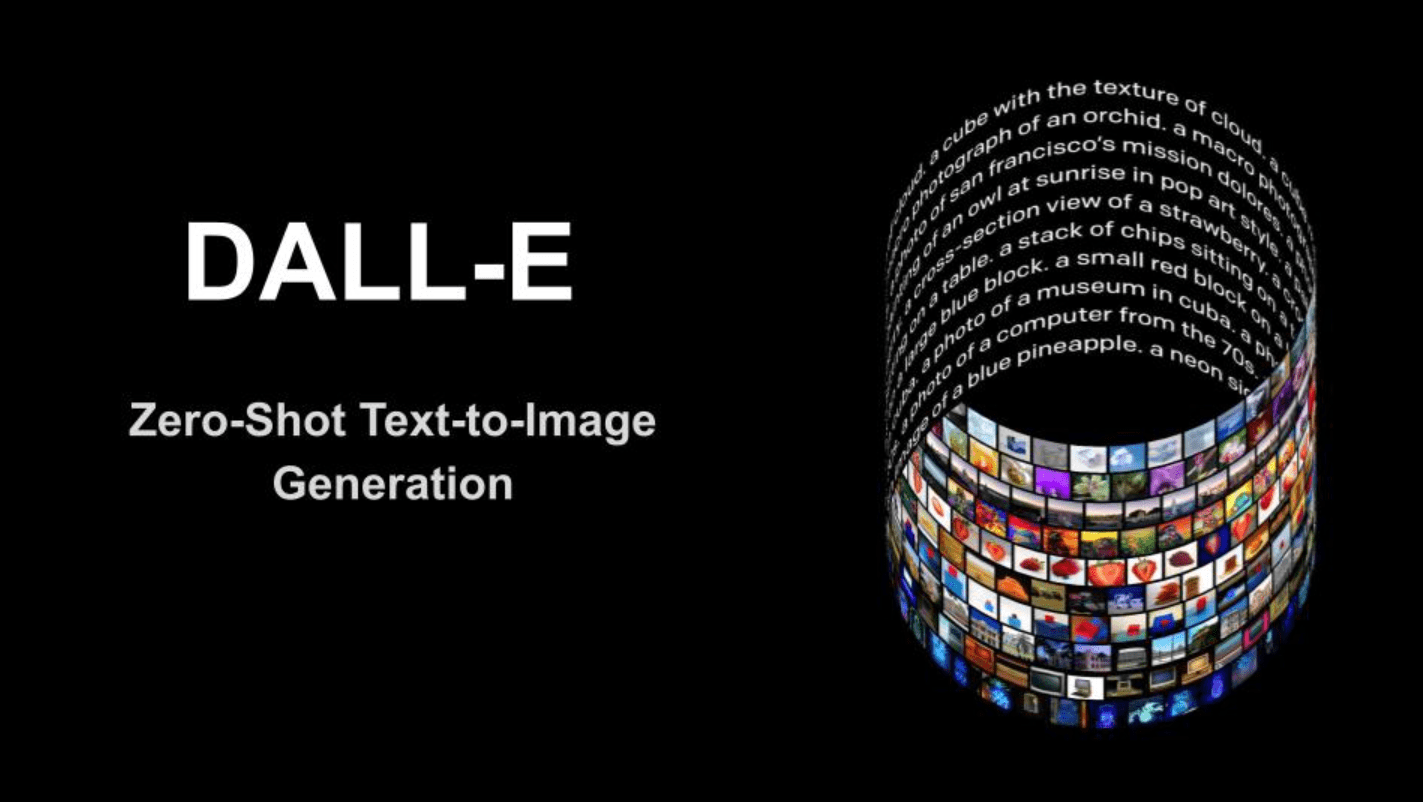
DALL-E, also developed by OpenAI, is one of the pioneering text-to-image creation tools. The latest version, DALL-E 3, has improved natural language understanding, generates images that are more accurate to the intended meaning, and supports image editing directly within ChatGPT.
DALL-E excels at creating realistic images, suitable for commercial, advertising, or product simulation needs. It also allows adding, deleting, or adjusting image details through intuitive commands.
3.6 Codex
Unlike the tools mentioned above, Codex is aimed at programmers. It is an AI platform that helps create, understand, and modify source code intelligently.
Developed by OpenAI, the Codex is a tool used by millions of programmers to automate code completion, suggest functions, write documentation, or create test cases.
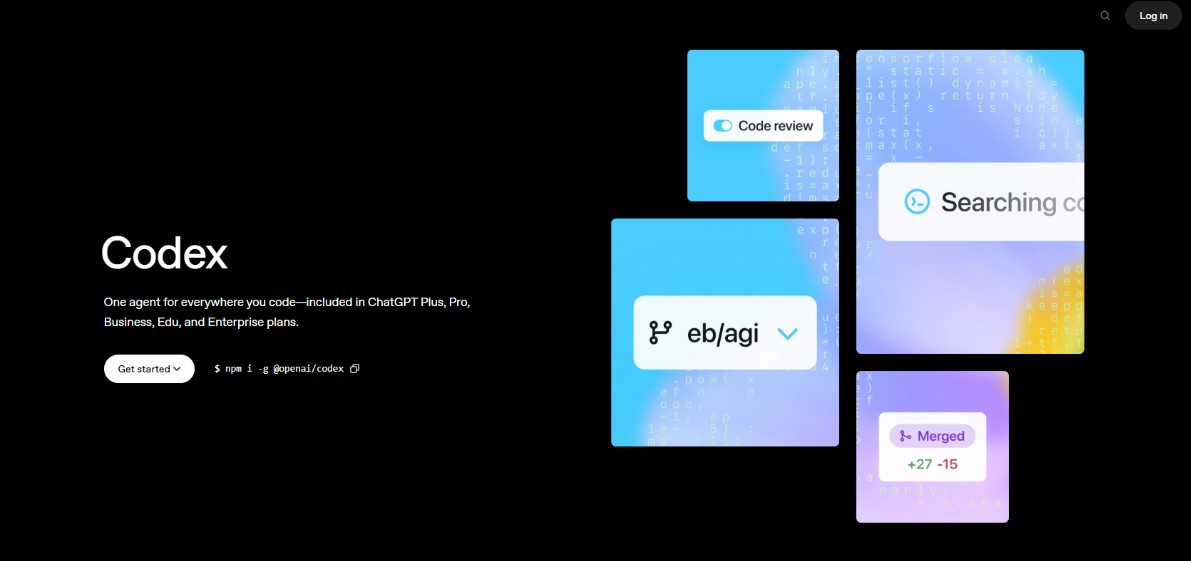
The Codex saves time, reduces errors, and makes it easier for beginners to learn programming. It can translate from natural language to code, for example: "Create an HTML webpage that displays a 10-second countdown timer." And in just a few seconds, you have the complete code.
2025 promises to be the year when generative AI enters its mature phase, with increased personalization features, multimodal capabilities, and deep integration into daily life. Those who know how to leverage AI correctly will be the leaders in this new era.










VIP Products

Best Selling Products
Freepik Premium Account
59 USD
Genuine Adobe Illustrator account
99 USD
Upgrade Genuine Office 365
49 USD
Autodesk All App Account Copyright
120 USD
Copyright Adobe Lightroom Account
59 USD
MidJourney Account
29 USD
Adobe Premiere Pro Account
99 USD
Genuine Cheap Canva Pro
39 USD
Upgrade Duolingo Super
29 USD
Capcut Pro 1 Year
39 USD
Upgrade genuine Capture One account
120 USD
Adobe Photoshop Copyright - Full App
120 USD
Windows 10 & 11 Pro Key
36 USD
ChatGPT Plus Account (GPT-4)
16 USD
Plugin Retouch4me
69 USD