Best Selling Products

MidJourney Account
29 USD
Adobe Photoshop Copyright - Full App
120 USD
Copyright Adobe Lightroom Account
59 USD

Capcut Pro 1 Year
39 USD

ChatGPT Plus Account (GPT-4)
16 USD
Plugin Retouch4me
69 USD
Upgrade Duolingo Super
29 USD
Upgrade Genuine Office 365
49 USD
Genuine Cheap Canva Pro
39 USD
Windows 10 & 11 Pro Key
36 USD

Freepik Premium Account
59 USD
Upgrade genuine Capture One account
120 USD
Genuine Adobe Illustrator account
99 USD
Adobe Premiere Pro Account
99 USD
Autodesk All App Account Copyright
120 USD
Graphic Design Trends 2026 and How to Keep Up Selectively
Nội dung
- 1. Top graphic design trends worth noting in 2026
- 1.1 AI-assisted graphic design
- 1.2 Bold typography
- 1.3 Minimalist and elegant design
- 1.4 3D and hyper-realistic graphics
- 1.5 Motion graphics and animated design
- 1.6 Interactive and data-driven visualization
- 1.7 Personalized and adaptive design
- 2. Tips for keeping up with graphic design trends
- 3. Conclusion
Graphic design is always moving along with technology, culture and public taste. Entering 2026, the field is witnessing an interesting intersection between increasingly powerful artificial intelligence tools and the need to return to values that carry a human imprint, such as personality, imperfection and genuine emotion. For designers, brands or anyone who works with images, understanding these trends is not about chasing every popular style, but about knowing which tools fit your communication goals. The article below analyzes the most prominent trends, while also suggesting how to keep up with trends in a smart and sustainable way.
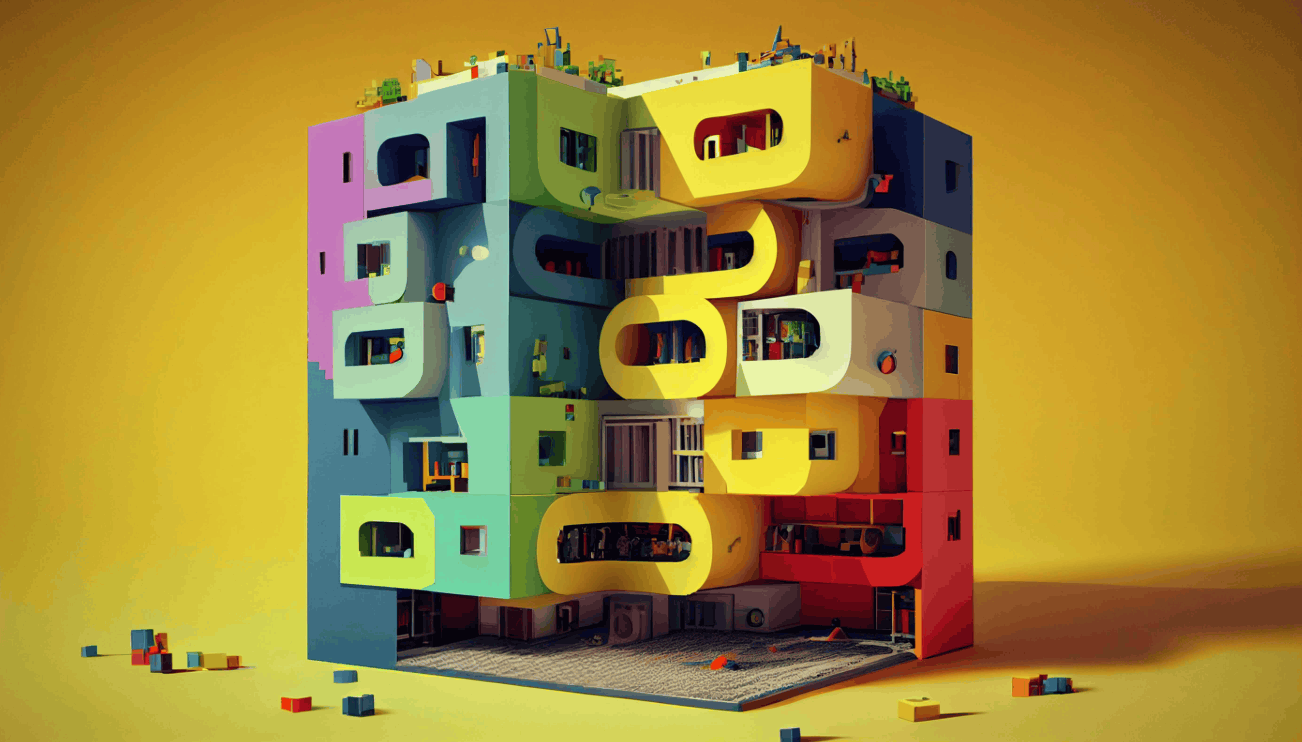
1. Top graphic design trends worth noting in 2026
The design landscape of 2026 is characterized by diversity. On one side are advanced technologies such as artificial intelligence, 3D graphics and motion; on the other are familiar styles such as hand-drawn lines, natural materials and nostalgic aesthetics. They are not mutually exclusive but are often combined to create unique visual effects. The following seven trends represent the clearest directions that the design community is pursuing.
1.1 AI-assisted graphic design
Artificial intelligence has become a familiar part of the designer's workflow. AI tools help generate initial ideas, quickly create visual assets, edit photos, remove or extend backgrounds and produce dozens of variations of the same design in just a few minutes. Tasks that used to take a lot of time, such as isolating subjects, testing color combinations or adjusting sizes for multiple platforms, can now be largely automated, giving designers more time for strategic thinking and refining ideas.
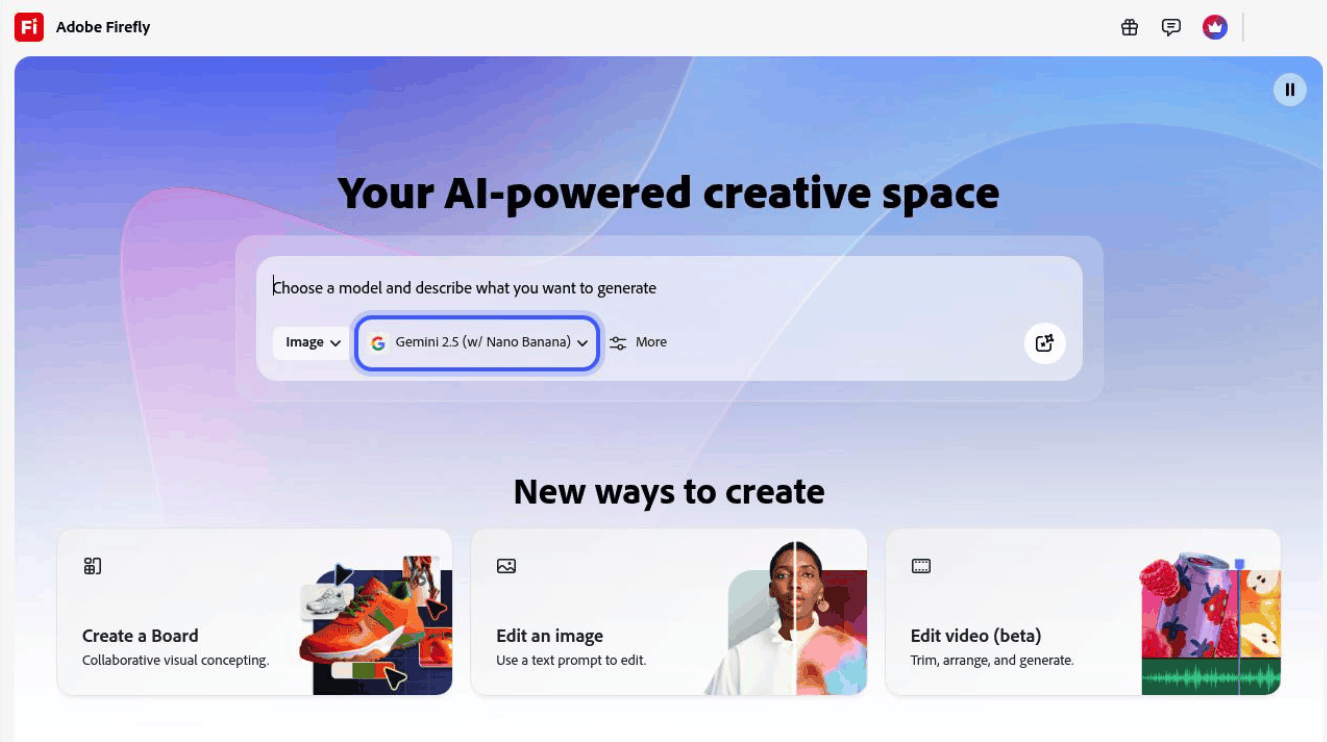
However, it is important to remember that AI is only a supporting tool and does not replace creative thinking. Layout, color, typography, brand identity and the final message still require human judgment and decisions. An AI-generated product usually needs to be evaluated, refined and placed in the right context to be truly effective. Designers who know how to give clear instructions, select results carefully and combine them with their own style will have a big advantage. In addition, attention should be paid to issues of copyright, brand consistency and originality when using AI-generated images in commercial projects.
1.2 Bold typography
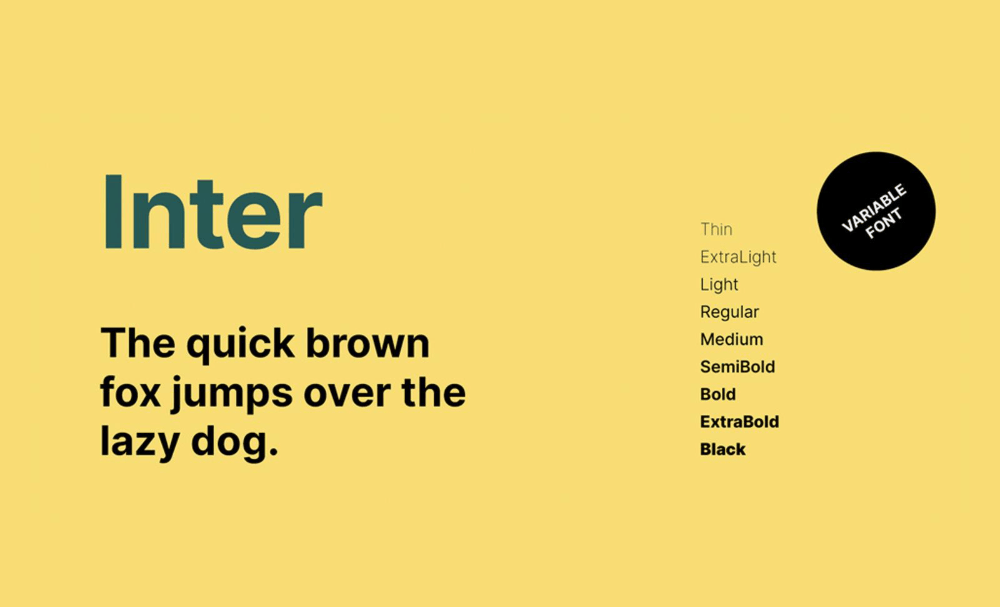
Typography is playing a more prominent role than ever in visual design. Rather than merely a vehicle for conveying content, type is now seen as a leading graphic element, strong enough to make an impression at first glance. This trend shows up in large-size fonts, heavy strokes, cute rounded letterforms, flowing curvy lettering or lettering that imitates characterful handwriting. These choices bring a feeling of playfulness and boldness and are very well suited to the context of users quickly scrolling through content on social media.
Bold typography works well in posters, social media post thumbnails, website interfaces, advertisements and brand identity. However, designers need to keep a balance between visual impact and readability. A line of text that is overly stylized or too large but hard to read will backfire. Some principles to remember are to maintain sufficient contrast between text and background, limit the number of typefaces in a layout, and reserve stylized fonts for headlines, while the main content should use more readable fonts. When used with intention, bold type can become the signature identifier of an entire brand.
1.3 Minimalist and elegant design
Although many new styles have emerged, minimalist design still holds its position wherever clarity and usability are the top priority. A clean layout, a limited number of elements, a simple color palette and sensible white space help viewers focus on important information without being distracted. This is why the style is especially suitable for websites, digital products, presentations and professional brand identity.

What is worth noting is that modern minimalism is no longer synonymous with monotony. Many designers add subtle accents such as characterful typography, light surface texture or a prominent patch of color to create depth while retaining an elegant look. The secret of this style lies in carefully weighing each element, removing what is unnecessary and letting the rest work at full strength. A successful minimalist design is not the one with the fewest details, but the one in which every detail has a reason to exist.
1.4 3D and hyper-realistic graphics
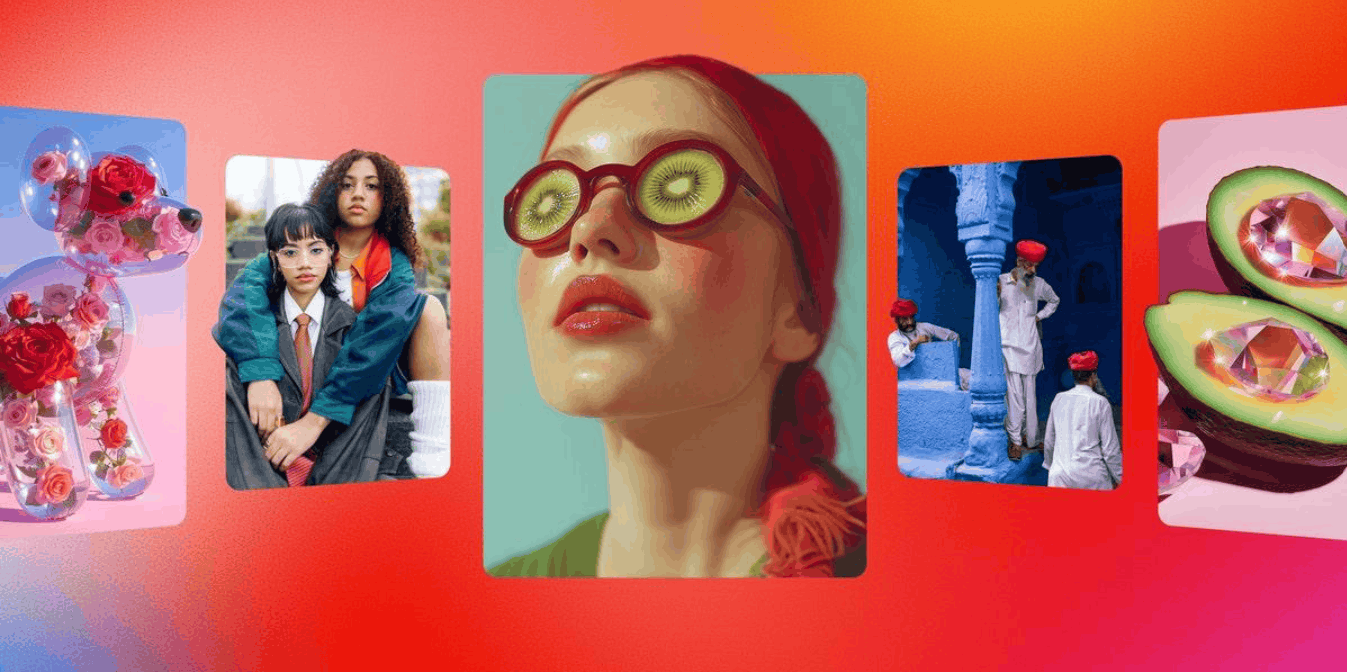
The development of design software and AI tools has made 3D graphics far more accessible than before. Designers do not need to be modeling experts to create objects, spaces, lettering or illustrations with depth and a high degree of realism. These images create a feeling that you could touch them, attract attention and deliver an emotionally rich visual experience.
3D and hyper-realistic graphics are especially useful in product visualization, advertising, packaging, games, entertainment and digital campaigns. In e-commerce, 3D images let customers view a product from many angles, helping them understand it better before buying. For brands, details such as lighting, materials and shadows that are handled with finesse can raise the imagery to a markedly more professional level. Even so, file size, page load speed and display capability across many devices should be considered to ensure the user experience is not affected.

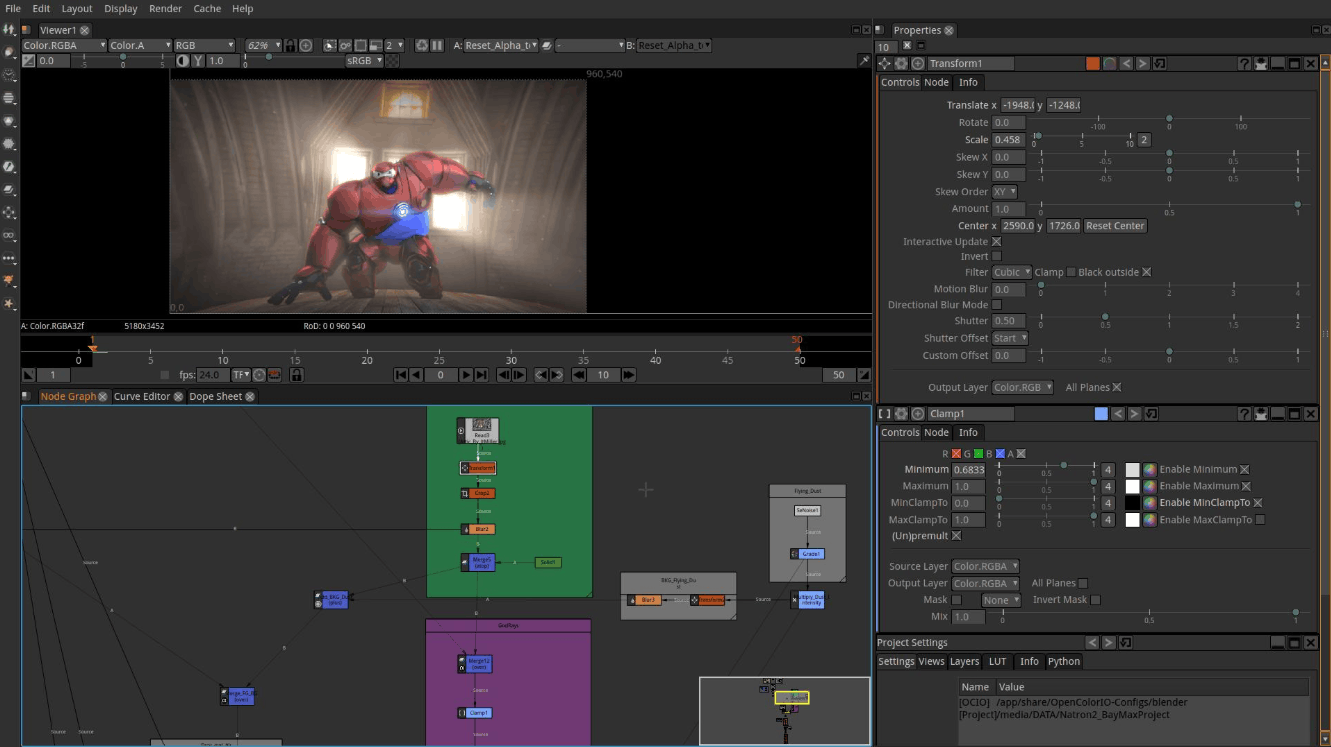
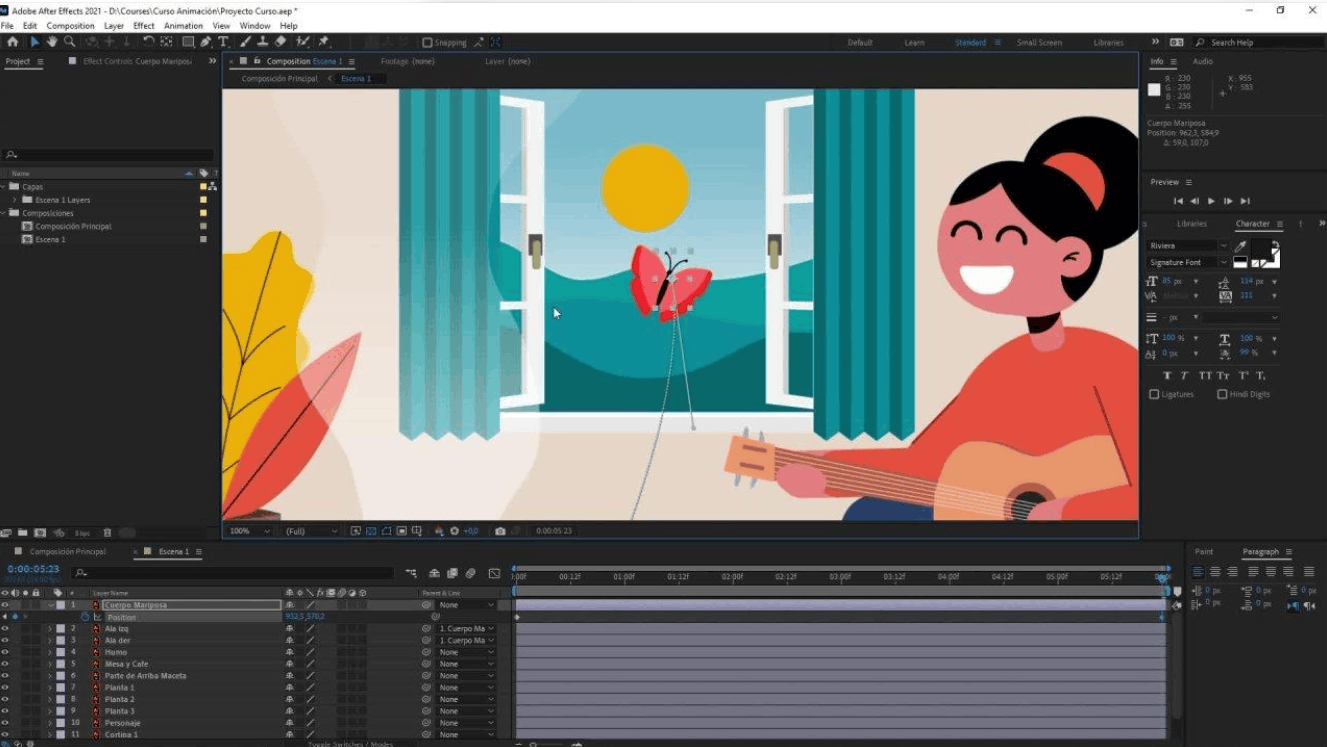
1.5 Motion graphics and animated design
Static designs are increasingly being supplemented with motion elements. Kinetic type, animated graphics, transition effects and micro-interactions not only make content more lively but also help guide the viewer's eye to the right point of focus. A button that responds gently when tapped, a headline that appears letter by letter or an icon that moves when a page loads can all make the experience feel more natural and pleasant.
Motion graphics work well on websites, apps, social media, presentations, advertisements and other digital campaigns. On short-video platforms, content with motion is almost a default requirement for keeping viewers engaged. However, motion needs a clear purpose. Too many or too fast effects can be distracting, slow down the page and affect accessibility, especially for people who are sensitive to motion. A good principle is that each effect should help convey information or improve the experience, rather than just decorate.
1.6 Interactive and data-driven visualization
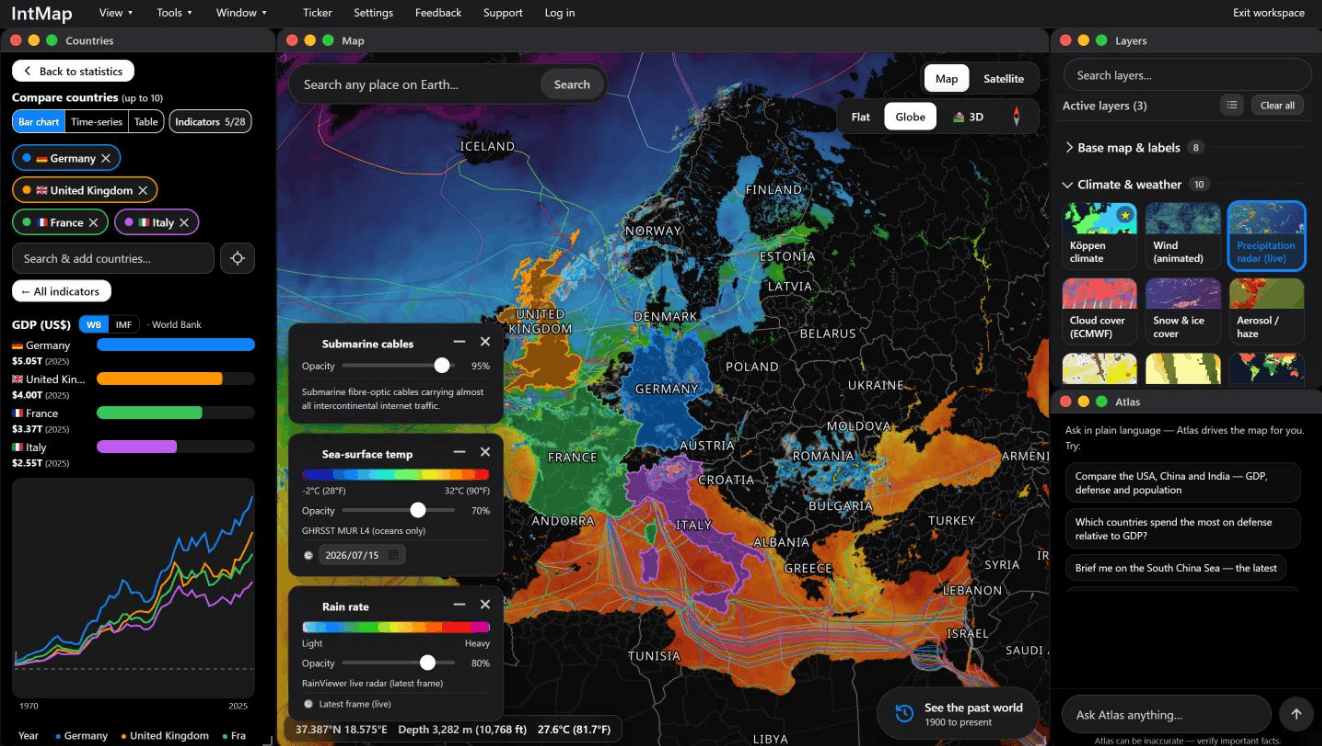
Data is increasingly presented through interactive graphics, dashboards, infographics, animated charts and digital experiences instead of dry, static data tables. This approach allows users to explore information at their own pace, filter by the conditions they care about, hover to see details and draw their own conclusions. That turns complex data into an easy-to-understand and more persuasive story.
This trend is especially useful for financial platforms, technology companies, educational products, research organizations and data-rich websites. For designers, this is an area that demands strong visual communication skills along with an understanding of how users interact with digital products. A good-looking chart is not necessarily effective if viewers do not recognize the main message. Therefore, it is necessary to choose the right chart type, use color with purpose, emphasize important data points and ensure readability across many screen sizes.
1.7 Personalized and adaptive design
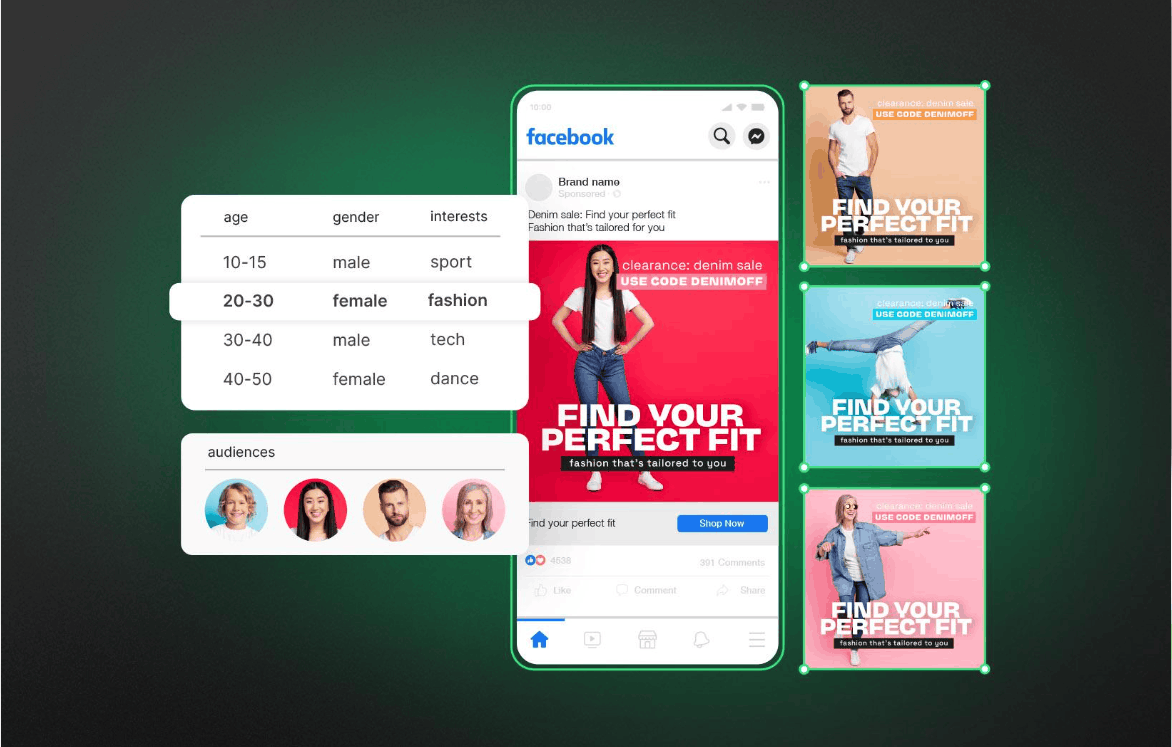
Designers today rarely create just a single image. Instead, they build flexible visual systems that can change for each audience, device, platform and campaign. An identity set can have many variations in color, layout or content while still maintaining a unified spirit. This approach helps brands maintain a consistent image across websites, social media, mobile apps, advertisements and personalized communication channels.
Personalization delivers clear value when users feel that content was created just for them, such as an email with images based on their interests or an advertisement that changes by geographic location. To achieve this, designers need to think in systems, build reusable components, clear usage rules and a layout framework that can stretch and shrink. This is also why system design skills are increasingly valued in the industry.
2. Tips for keeping up with graphic design trends
Keeping up with trends does not mean adopting every style that is getting attention. What matters more is understanding why a trend appears, which needs of viewers it serves and whether it suits your project, audience and goals. A style that works for a fashion brand may be completely unsuitable for a financial organization. Below are some practical approaches.
Follow reputable design publications and industry reports to catch emerging styles, and read the analysis carefully instead of just looking at the images. You should also study the campaigns of major brands to learn how they use typography, color, motion, imagery and layout in each specific context. This analysis helps you understand the reasoning behind each design decision rather than merely copying the surface.
Next, proactively experiment with new tools, including AI tools, through personal projects before applying them to professional work. This helps you understand the limits and strengths of a tool without putting clients at risk. You can also build your own trend board, saving impressive designs and grouping them by theme, color, typography or style. Over time, this board will become a personal source of inspiration and help you recognize recurring patterns.
Most importantly, keep strengthening foundational knowledge such as typography, color theory, layout, visual hierarchy and visual storytelling. Trends change constantly, but foundational principles are durable. Finally, update your portfolio with selected projects that show you apply new techniques thoughtfully. The goal is to treat trends as a source of inspiration, rather than letting them dictate every design choice.
3. Conclusion
The graphic design trends of 2026 show a clear combination of technology, a spirit of experimentation and human creativity. AI-assisted design, bold typography, minimalist style, 3D graphics, motion, interactive data visualization and personalized design are together shaping how designers create and convey messages. In addition, styles with a nostalgic breath, hand-drawn lines and organic shapes are also receiving attention because they bring a sense of closeness and authenticity amid the digital world.
However, trends only truly have value when they serve a clear design goal. Designers who master the fundamentals, stay curious about new tools and nurture their own creative perspective will be able to create unique works that are purposeful and long-lasting, no matter how trends change.









VIP Products


Best Selling Products
MidJourney Account
29 USD
Adobe Photoshop Copyright - Full App
120 USD
Copyright Adobe Lightroom Account
59 USD
Capcut Pro 1 Year
39 USD
ChatGPT Plus Account (GPT-4)
16 USD
Plugin Retouch4me
69 USD
Upgrade Duolingo Super
29 USD
Upgrade Genuine Office 365
49 USD
Genuine Cheap Canva Pro
39 USD
Windows 10 & 11 Pro Key
36 USD
Freepik Premium Account
59 USD
Upgrade genuine Capture One account
120 USD
Genuine Adobe Illustrator account
99 USD
Adobe Premiere Pro Account
99 USD
Autodesk All App Account Copyright
120 USD