Best Selling Products

Copyright Adobe Lightroom Account
59 USD

Genuine Cheap Canva Pro
39 USD

MidJourney Account
29 USD

ChatGPT Plus Account (GPT-4)
16 USD

Capcut Pro 1 Year
39 USD

Plugin Retouch4me
69 USD

Windows 10 & 11 Pro Key
36 USD

Adobe Premiere Pro Account
99 USD

Upgrade Duolingo Super
29 USD

Freepik Premium Account
59 USD

Upgrade Genuine Office 365
49 USD

Autodesk All App Account Copyright
120 USD

Adobe Photoshop Copyright - Full App
120 USD

Upgrade genuine Capture One account
120 USD

Genuine Adobe Illustrator account
99 USD
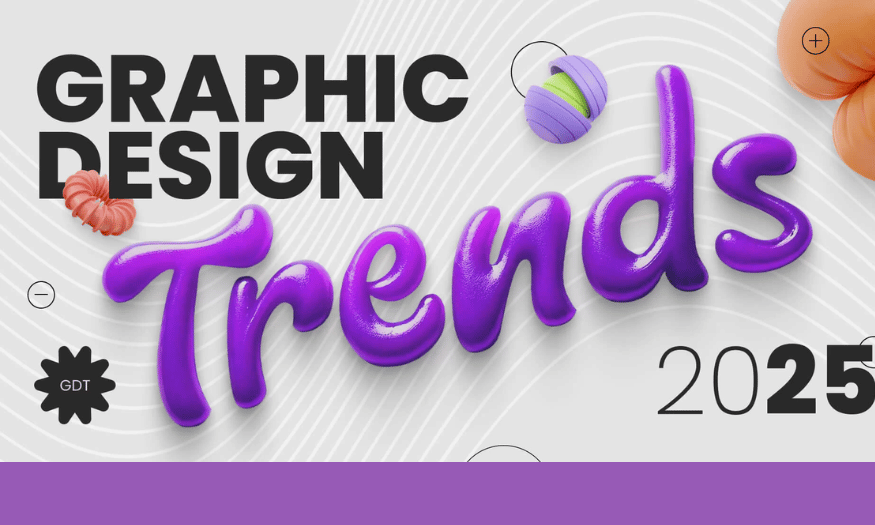
Graphic Design Trends When Combined with AI
Nội dung
2025 will mark an explosion of bold and innovative graphic design trends, especially as artificial intelligence (AI) technology becomes an increasingly essential part of the creative process. The combination of graphic design and AI not only brings new tools but also opens up unprecedented possibilities in creating compelling visual content. From creating unique images to optimizing user experience, designers and brands need to embrace this trend to create outstanding and attractive products.
1. Conceptual & Abstract Design
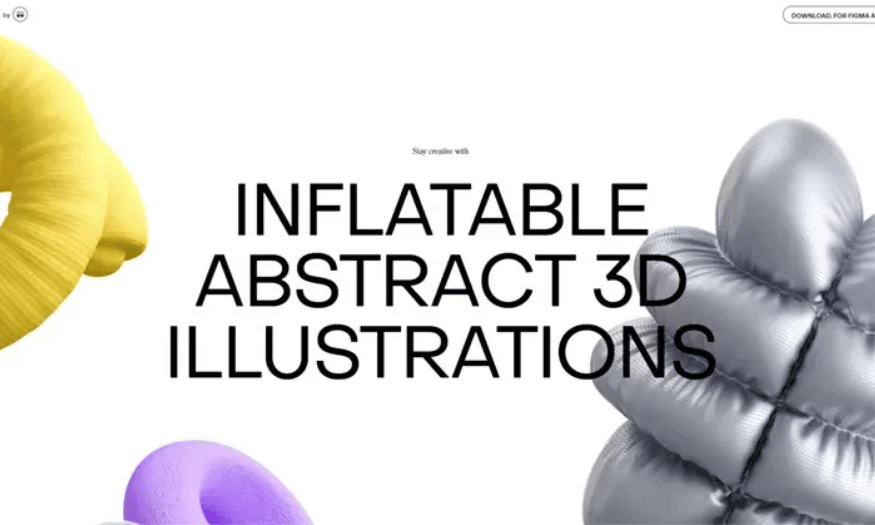
Conceptual & Abstract Design is not just an art style, but a fresh, innovative approach that is reshaping how we perceive art and design in 2025. This style offers viewers a sense of discovery and contemplation, where unstructured shapes and colors are not merely random but contain profound messages.
One of the defining characteristics of abstract design is its unconventional composition. Elements are arranged in an irregular yet deliberate manner, breaking conventional design norms. This not only creates uniqueness but also stimulates the viewer's imagination. Strong color contrast is also a key element, with the combination of bold, sharp hues or seemingly incompatible color palettes. The blend of reality and illusion, where abstract imagery can draw inspiration from real objects but be transformed to create a surreal feel, is a captivating highlight.
In particular, abstract design is not just about "looking good," but also about evoking emotions. From surprise and curiosity to a deep sense of connection, this style takes viewers on a journey of diverse emotional experiences. In branding, abstract elements are used to create a unique impression, expressing the brand's distinct identity. In marketing, the surprise and novelty of abstract design attract attention and interest from customers. Furthermore, it serves as a foundation for digital art projects, NFTs, or digital exhibitions, opening up limitless creative possibilities in the digital world.
2. Storytelling Animation
Storytelling animation is becoming an indispensable design trend in 2025, providing a vivid and engaging experience for viewers. More than just moving images, storytelling animation creates a captivating artistic space where movement and storytelling intertwine to convey messages, values, and emotions visually.
One of the strengths of storytelling animation is its meaningful storyline. Every frame and movement is meticulously crafted, guiding the audience through a specific, memorable, and emotionally resonant narrative. Smooth motion is another element that enhances the viewer experience, with optimized animation effects that avoid interrupting attention. The vibrant, uniquely designed, and expressive characters bring the story to life and make it relatable.
Harmonious sound and background music also play a crucial role in storytelling animation; from voiceovers to background music, everything is subtly coordinated to enhance the appeal. With advancements in animation technology, 2025 will see a significant shift in animation style, moving towards more fluid and organic movement. This not only creates a sense of realism but also helps viewers easily connect with the characters' emotions.
3. Emotion-Powered Characters
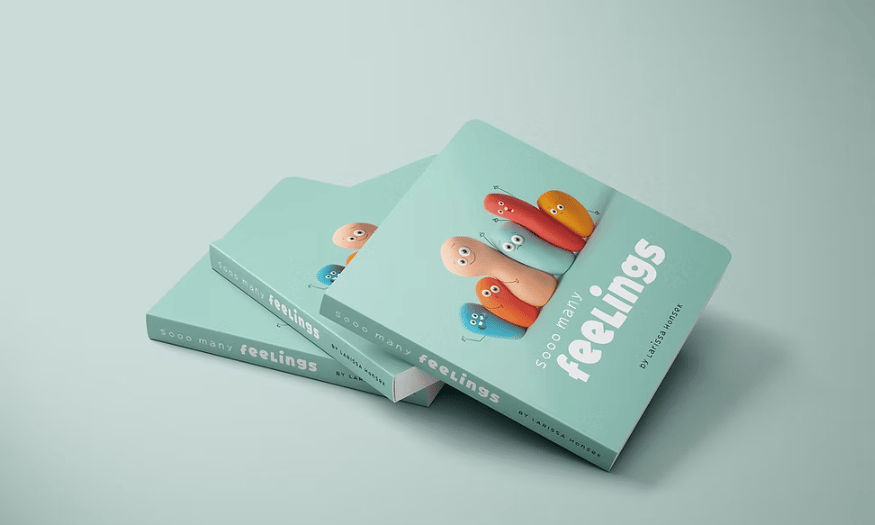
Emotionally-powered characters are becoming a prominent design trend in 2025, focusing on creating characters that can strongly connect with the audience through authentic expressions and emotions. These characters are not just illustrations, but the soul of the story, evoking empathy and leaving a lasting impression on viewers.
The highlight of the emotional characters is their diverse and authentic expressions. From gentle smiles to deep, thoughtful gazes, every detail is designed to reflect emotions naturally and vividly. The flexible design style is also crucial: depending on the context, the character can adopt a cute, realistic, or even surreal cartoon style to create a unique appeal. The synchronization of movement and expression enhances the character's persuasiveness and approachability, creating a deeper connection with the viewer.
Characters imbued with emotional power are opening up a new direction in graphic design, where connection and empathy become central to all creations. This is a trend that designers and brands need to embrace to create works that are not only visually stunning but also possess profound humanistic value.
4. New Naturalism
New Naturalism is a prominent design trend for 2025, celebrating the beauty of nature but reinterpreting it in a modern and creative way. Instead of simply replicating nature, this style integrates natural elements into design, aiming to convey balance, tranquility, and sustainability. New Naturalism is not just a design movement, but also a call for environmental protection and living in harmony with nature.
One of the defining characteristics of New Naturalism is its imagery inspired by nature. The soft lines of branches and leaves, the shapes of mountains and hills, and the harmony between animals and landscapes are all stylized to suit modern design language. Natural colors, with earthy tones, greens, blues, and soft pastels, evoke a sense of calm and comfort for the viewer. These colors are not only pleasant but also reflect a deep connection between humans and nature.
Authentic materials and textures are also a key element in New Naturalism. Designs often evoke natural materials such as wood, stone, plants, or water, with texture effects that create a realistic feel and a sense of intimacy. The blend of tradition and modernity in this style allows designers to combine natural elements with technology and creative layouts, resulting in products that are both familiar and innovative.
5. Retro Vibes Are Back
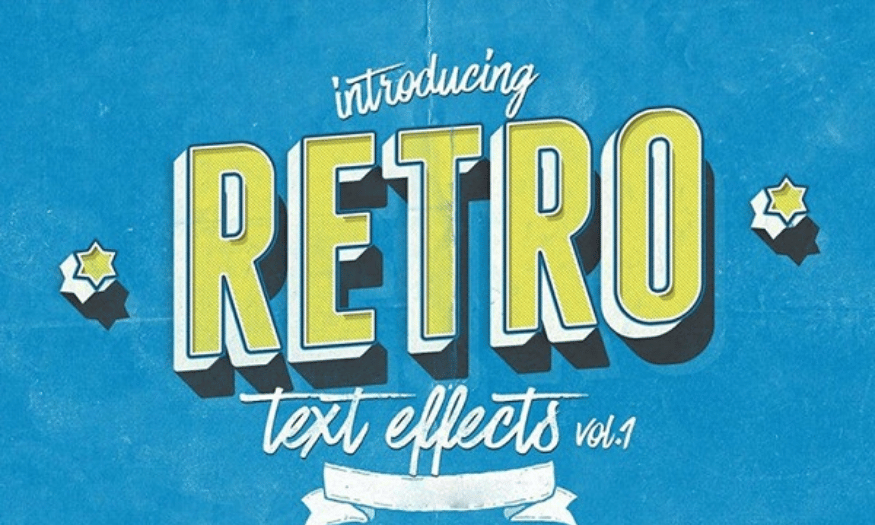
Retro style is making a strong comeback in 2025, not just as a nostalgic trend, but as a reinterpretation of the spirit of the past from a modern perspective. Retro not only evokes memories but also creates bold, innovative, and emotionally rich designs, blending tradition and modernity. This combination appeals not only to lovers of classic style but also to the younger generation seeking novelty in familiar things.
One of the defining characteristics of the Retro style is its nostalgic color palette. The vibrant tones of the 70s, 80s, and 90s, such as burnt orange, mustard yellow, turquoise, and neon purple, are making a comeback, but with a softer, more refined finish to suit modern tastes. Classic fonts, with bold, flowing, or handcrafted styles, will be central to the designs, creating a sense of familiarity and easy recognition.
In fact, the retro trend is being widely applied in advertising and branding. Retro-style advertising campaigns help brands stand out thanks to a sense of familiarity yet freshness. Product packaging designs with a nostalgic style create a strong impression, especially in the food and beverage industry. Furthermore, retro has also infiltrated fashion and lifestyle, from fashion products to accessories, creating a rich and diverse lifestyle. Finally, in the fields of digital art and social media, posts and content with a retro feel often attract engagement due to their nostalgic appeal and unique aesthetics.
6. Personalization Design
Personalization design is becoming one of the strongest trends in 2025. As brands and designers increasingly focus on creating unique and personalized experiences for users, every element from the product to the interface is tailored to individual preferences and needs. This helps create a deep and lasting connection between the brand and the consumer.
A key feature of personalized design is its reliance on user data. Personalized designs are not only based on superficial preferences but also on user data and behavior. This allows for the creation of unique products, interfaces, and messaging that evoke a sense of familiarity in consumers. Automation and AI also play a crucial role in creating customized designs, enhancing accuracy and responsiveness to individual needs.
Personalized design is not simply about changing colors or fonts; it's about creating a unique experience for each user. From website interfaces to advertisements, every element is designed to match the user's preferences and behavior, making them feel respected and valued. Flexible and customizable design is also crucial, encompassing everything from colors and fonts to graphic elements, providing a sense of familiarity and control for the user.
7. Minimal Aesthetics
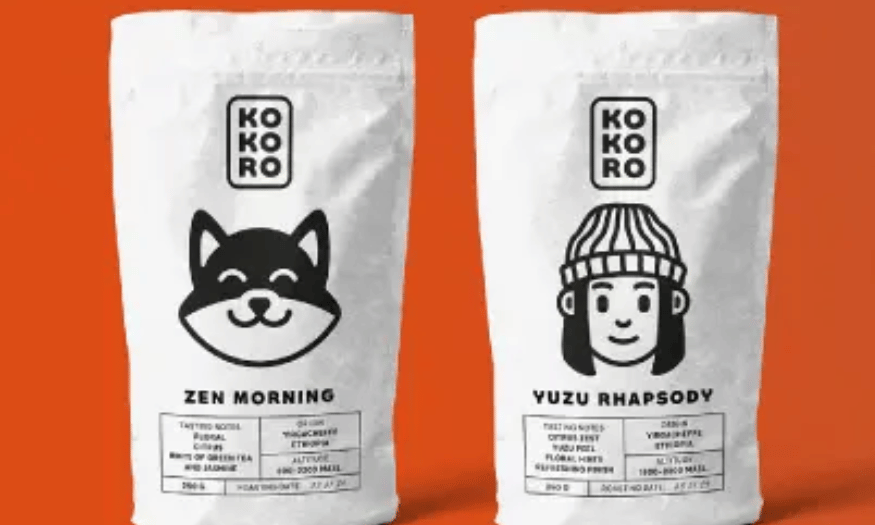
Minimalist aesthetics continues to assert its position in 2025, as simplicity is considered a symbol of elegance. Minimalist style goes beyond simply eliminating superfluous elements; it focuses on highlighting essential elements, thereby providing a refined and pleasant experience. In the modern design world, where information and images are overwhelming, minimalism becomes a tonic, allowing viewers to easily access and understand the message without distraction.
One of the hallmarks of minimalist aesthetics is the skillful use of empty space. This space is not merely the distance between design elements, but an integral part of creating a sense of harmony, allowing the viewer's eye to easily scan and absorb information. Minimalist colors, often neutral tones like white, black, and gray, create a clean, airy foundation, providing a light and relaxing feel. Typography also plays a crucial role, with streamlined and easy-to-read fonts that highlight the message without being visually overwhelming.
8. Next Level Data Visualization
Next-Level Data Visualization is becoming a key trend in design in 2025. In a world where data is increasingly abundant and complex, designers not only want to present information accurately but also create visually engaging, compelling, and easily understandable experiences. Modern technology and innovation have opened up new possibilities, making data more vibrant, accessible, and memorable than ever before.
One of the hallmarks of this trend is interactivity. Charts and graphs are no longer static images; instead, they are interactive, allowing users to explore data in a personalized way. The combination of vibrant colors and sharp images helps convey information clearly, capture attention, and easily distinguish between different data groups. Furthermore, the use of movement and dynamics in data representation makes it easier for viewers to track changes in numbers, thereby grasping information visually and effectively.
9. Creative AI Design
Creative AI design is becoming a groundbreaking trend in 2025. As artificial intelligence (AI) tools are widely applied in the creative process, they not only support designers but also open up new and unique possibilities in design. AI not only speeds up the design process but also encourages creativity, leading to the creation of innovative products.
A key feature of Creative AI Design is its ability to automate the creative process. AI can automatically generate design elements, from colors and styles to layouts, minimizing the time and effort required for creation. Furthermore, AI can analyze millions of existing design samples, learning from them and applying that knowledge to new products, helping designers understand trends and consumer preferences more accurately. The combination of AI power and human creativity promises to deliver unique and inspiring designs.
10. Creative Letter Typography
Creative letter typography is becoming a prominent trend in 2025. Designers are not only focusing on typefaces but also maximizing the shape, structure, and expression of each letter to create unique and impressive works. Typography is not just a means of conveying information but also an essential part of art and branding.
A highlight of Creative Letter Typography is its innovative letter design. Intricate geometric elements and textures are used to create fonts with depth and artistic flair. Beyond static lettering, typography can incorporate motion effects, 3D designs, or creative distortions, offering engaging experiences for the viewer. Free-form layouts, where letters can be arranged flexibly, create unique visuals that emphasize the message they convey.
11. Conclusion
The combination of graphic design and AI will not just be a trend, but an essential part of the creative industry. Designers need to embrace and leverage these new technologies to not only improve work efficiency but also create unique works of art. Creativity will no longer be limited by human capabilities but will be expanded through intelligent tools. To avoid falling behind, brands and designers need to keep up with these trends and apply them flexibly, thereby creating products that are not only visually appealing but also valuable in an increasingly competitive world.





















VIP Products








Best Selling Products
Copyright Adobe Lightroom Account
59 USD
Genuine Cheap Canva Pro
39 USD
MidJourney Account
29 USD
ChatGPT Plus Account (GPT-4)
16 USD
Capcut Pro 1 Year
39 USD
Plugin Retouch4me
69 USD
Windows 10 & 11 Pro Key
36 USD
Adobe Premiere Pro Account
99 USD
Upgrade Duolingo Super
29 USD
Freepik Premium Account
59 USD
Upgrade Genuine Office 365
49 USD
Autodesk All App Account Copyright
120 USD
Adobe Photoshop Copyright - Full App
120 USD
Upgrade genuine Capture One account
120 USD
Genuine Adobe Illustrator account
99 USD