
Best Selling Products

ChatGPT Plus Account (GPT-4)
16 USD

Copyright Adobe Lightroom Account
59 USD

Upgrade genuine Capture One account
120 USD

Capcut Pro 1 Year
39 USD

Autodesk All App Account Copyright
120 USD

Adobe Photoshop Copyright - Full App
120 USD

MidJourney Account
29 USD

Adobe Premiere Pro Account
99 USD

Genuine Cheap Canva Pro
39 USD

Plugin Retouch4me
69 USD

Freepik Premium Account
59 USD

Genuine Adobe Illustrator account
99 USD

Upgrade Genuine Office 365
49 USD

Windows 10 & 11 Pro Key
36 USD

Upgrade Duolingo Super
29 USD
Harnessing the Power of Wind in Landscape Photography
Nội dung
- 1. Understanding Wind to Master Composition and Visual Storytelling
- 2. Mastering Shutter Speed to Control Motion
- 3. Keeping Your Frame Stable with Reliable Equipment
- 4. Using Natural Movement to Create Depth and Emotion
- 5. Combining Light and Aperture to Enhance Image Quality
- 6. Being Patient and Observant to Capture the Perfect Moment
Wind is not only a weather element but also an artistic “material.” Learn how to take advantage of movement to create photographs with depth and emotion. These are practical experiences that will help you produce unique and distinctive frames.
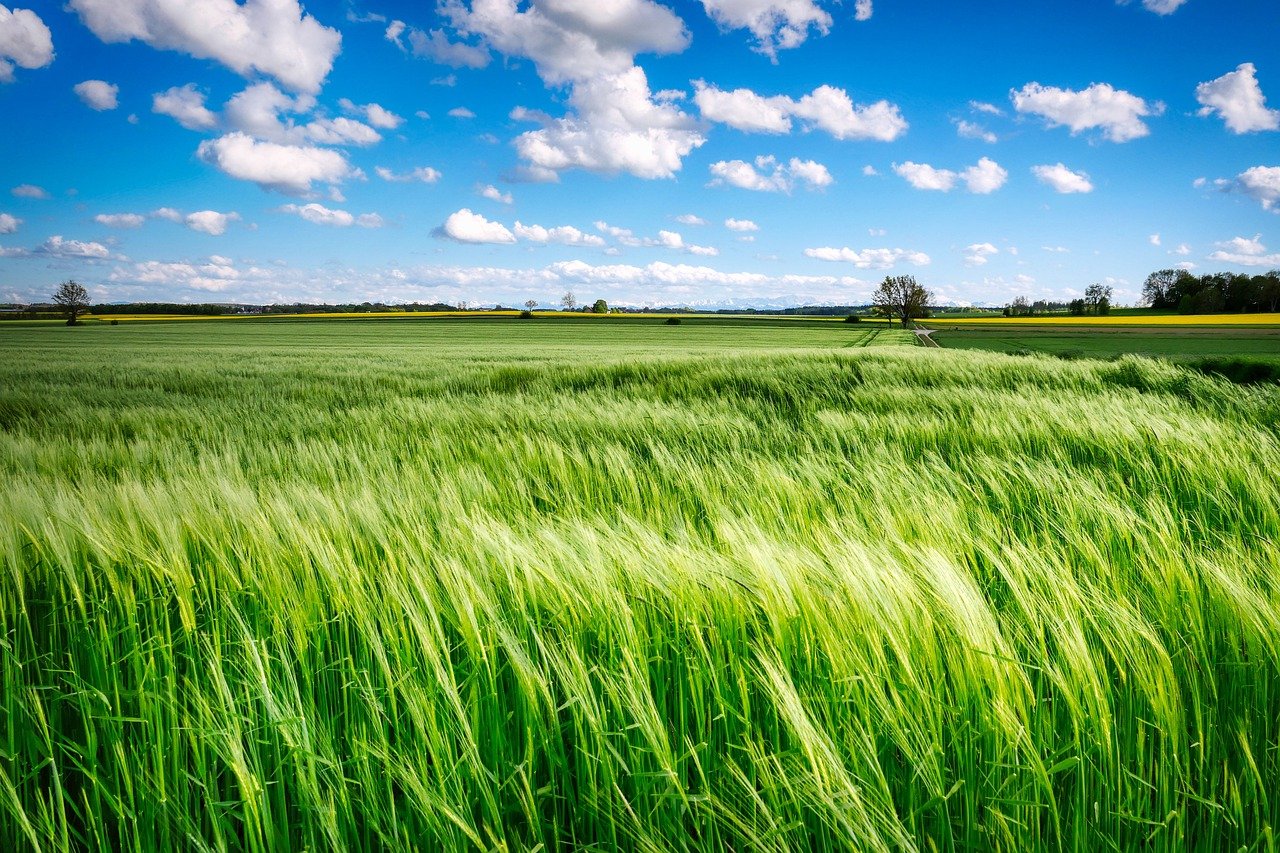
1. Understanding Wind to Master Composition and Visual Storytelling
Before discussing equipment or settings, the most important skill in landscape photography is observation. When standing before a windy scene, you need to spend time sensing how the wind is “interacting” with the surrounding environment.
Wind cannot be seen directly, but its traces appear everywhere. Trees bending, grass swaying, ripples on water, or clouds drifting across the sky are all clear signs of wind. Each type of movement carries its own character and contributes to the emotional impact of the photograph.
When the wind is gentle, elements in the landscape tend to move slowly and gracefully. These conditions are ideal for creating calm, relaxing images. In contrast, strong winds make everything more dramatic, producing a sense of intensity and power. Choosing which conditions to photograph depends on the message you want to convey.
Wind direction is also an important compositional factor. If you shoot in the direction of the wind, the elements within the image will move in the same direction, creating a sense of depth and guiding the viewer’s eye. If you shoot across the wind, the movement becomes more visible, making the image feel more dynamic and visually impactful.
Once you understand how wind affects the landscape, you no longer photograph randomly. Instead, you begin constructing intentional compositions. At that point, every frame becomes more than just a photograph—it becomes a story told through movement and light.
%20(2).jpg)
2. Mastering Shutter Speed to Control Motion
In photography, shutter speed determines how movement is recorded. This becomes especially important in windy conditions because nearly everything within the frame may be moving.
If you want to keep every detail sharp, particularly when strong winds are shaking trees or disturbing water surfaces, a fast shutter speed is the right choice. Speeds such as 1/500 second or faster can “freeze” movement, producing clear and detailed images.
However, freezing motion is not always the best approach. Sometimes it removes the very “soul” of the photograph. Wind is most beautiful when its movement is visible. By reducing your shutter speed, you can record motion as a soft blur. Grass becomes wave-like, clouds stretch into smooth streaks, and water appears calmer.
This effect creates a highly artistic feeling, giving the photograph greater depth and emotional impact. It not only records a moment but also captures the passage of time within the frame.
However, when using slower shutter speeds, maintaining camera stability becomes essential. Even the slightest vibration can unintentionally blur the entire image.
%20(1).jpg)
3. Keeping Your Frame Stable with Reliable Equipment
In windy conditions, keeping the camera stable can be quite challenging. Even experienced photographers often struggle with camera shake during strong winds.
That is why a tripod becomes an indispensable tool. A sturdy tripod helps secure the camera, maintain composition, and ensure image sharpness, especially when using slower shutter speeds.
When setting up a tripod in a windy environment, it is advisable to keep it at a lower height to improve stability. Additionally, hanging extra weight from the tripod can effectively reduce vibrations. These small details can make a significant difference in image quality.
Using a timer mode or remote shutter release can also help minimize vibrations caused by pressing the shutter button. These are simple but highly effective techniques, especially when trying to capture the subtle movements created by the wind.
Stability not only improves sharpness but also increases creative confidence. Once you no longer worry about camera shake, you can focus entirely on composition and emotion..jpg)
4. Using Natural Movement to Create Depth and Emotion
One of the most fascinating aspects of photographing landscapes in windy conditions is the ability to capture natural movement. This element makes an image feel alive and distinct from static scenes.
Rows of grass bending in the wind can become visual leading lines, guiding the viewer’s eyes toward the center of the photograph. Waves make lakes and oceans more dynamic. Moving clouds create a sense of vastness and continuity across the sky.
Rather than trying to eliminate the effects of wind completely, you should embrace them as part of your composition. The combination of motion and stillness creates an engaging balance. For example, a field of grass swaying before a motionless mountain range creates a powerful and visually appealing contrast.
Movement not only enhances beauty but also evokes emotion. Viewers can almost “feel” the wind, atmosphere, and rhythm of the scene. This is precisely what makes a photograph memorable.

5. Combining Light and Aperture to Enhance Image Quality
Light is always a fundamental element in landscape photography, and when combined with wind, it creates unique creative opportunities. Wind often causes clouds to move, resulting in constantly changing light conditions. These changes can produce contrasting areas of light and shadow, sun rays breaking through clouds, or beautifully diffused lighting effects. If you observe carefully and wait patiently, you can capture lighting moments that are otherwise difficult to reproduce.
The best times to take advantage of these conditions are sunrise and sunset. The light during these periods is soft and warm, often carrying golden or orange tones. Combined with the movement created by the wind, it produces scenes that are both dynamic and emotionally rich. Fast-moving clouds illuminated by this light can transform an ordinary photograph into a highly artistic work.
Alongside light, aperture plays a critical role in controlling depth of field and the amount of light entering the lens. For landscape photography, apertures between f/8 and f/16 generally provide optimal sharpness from foreground to background. In windy conditions, when using slower shutter speeds to record the movement of grass, water, or clouds, a carefully selected aperture helps maintain proper exposure while preserving important details. However, it is important not to stop down excessively, such as to f/22, because diffraction can reduce overall image sharpness. A balanced combination of light and aperture allows you to control both the technical and emotional aspects of your photograph.
.jpg)
6. Being Patient and Observant to Capture the Perfect Moment
In landscape photography, technique is only a supporting tool. The deciding factors are patience and the photographer’s ability to perceive the scene. Wind is an unpredictable natural element that constantly changes in direction, strength, and rhythm. It does not always create beautiful movement. Sometimes strong winds make a scene chaotic, while gentle breezes can bring remarkable harmony and subtle beauty.
To take full advantage of this, photographers must carefully observe their surroundings. Watch how grass sways, how waves form, or how clouds travel across the sky. These movements often follow their own rhythms, and once you understand them, you will know exactly when to press the shutter.
For example, when photographing a grassy field, wait until the wind creates smooth, consistent waves flowing across the frame. When photographing water, wait for the moment when the waves reflect light in the most beautiful way, creating a natural sparkling effect. Such moments usually happen quickly and rarely repeat themselves, requiring both patience and readiness.
Photographing landscapes in windy conditions is both a challenge and an opportunity to improve your skills and discover new perspectives. Wind is no longer an obstacle but becomes an essential element that makes photographs more vivid and emotionally engaging. More importantly, always maintain patience and a spirit of exploration. In photography, the most beautiful moments often come to those who are willing to wait and ready to embrace them.





















VIP Products








Best Selling Products
ChatGPT Plus Account (GPT-4)
16 USD
Copyright Adobe Lightroom Account
59 USD
Upgrade genuine Capture One account
120 USD
Capcut Pro 1 Year
39 USD
Autodesk All App Account Copyright
120 USD
Adobe Photoshop Copyright - Full App
120 USD
MidJourney Account
29 USD
Adobe Premiere Pro Account
99 USD
Genuine Cheap Canva Pro
39 USD
Plugin Retouch4me
69 USD
Freepik Premium Account
59 USD
Genuine Adobe Illustrator account
99 USD
Upgrade Genuine Office 365
49 USD
Windows 10 & 11 Pro Key
36 USD
Upgrade Duolingo Super
29 USD