
Best Selling Products

Capcut Pro 1 Year
39 USD

Plugin Retouch4me
69 USD
Upgrade genuine Capture One account
120 USD
Adobe Premiere Pro Account
99 USD

Windows 10 & 11 Pro Key
36 USD
Genuine Cheap Canva Pro
39 USD

MidJourney Account
29 USD
Adobe Photoshop Copyright - Full App
120 USD
Upgrade Genuine Office 365
49 USD

Freepik Premium Account
59 USD

Copyright Adobe Lightroom Account
59 USD
Autodesk All App Account Copyright
120 USD
Upgrade Duolingo Super
29 USD

ChatGPT Plus Account (GPT-4)
16 USD

Genuine Adobe Illustrator account
99 USD
YouTube is testing new ads that are causing viewers "extreme annoyance."
Nội dung
YouTube is experimenting with several new ad formats to optimize revenue and user experience, but these have sparked controversy due to their high level of disruption. Many viewers argue that these new ad types make the video viewing experience more irritating than before.
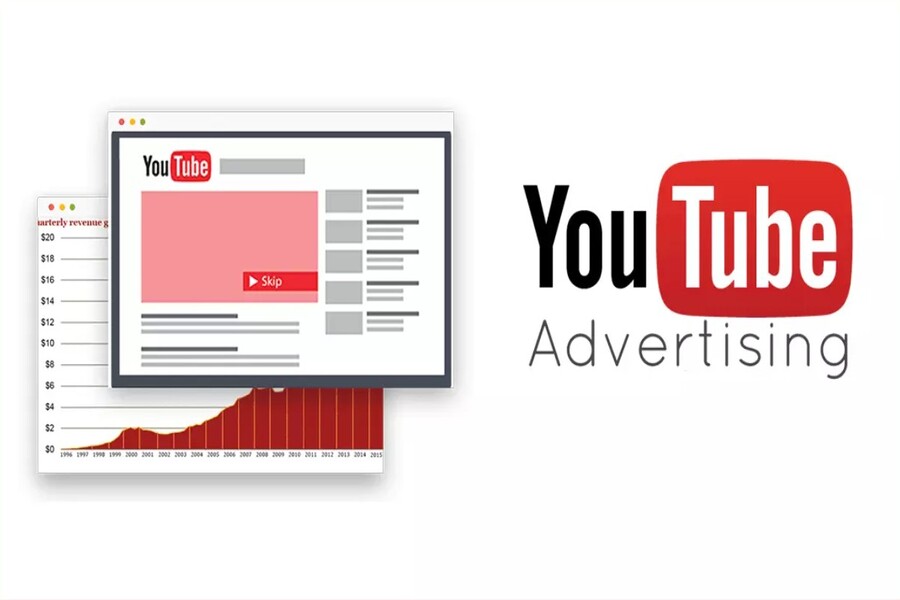
1. Advertising on YouTube and its role in the platform's ecosystem.
Advertising is YouTube's most important financial pillar, sustaining the platform's entire operation and the massive content creation ecosystem behind it. Unlike fully paid services, YouTube operates on a "free with ads" model, where users can watch content without paying, but in return, they see ads inserted during the viewing process. YouTube's ad formats are diverse and increasingly optimized to serve various goals, from pre-roll and mid-roll ads to skippable ads, unskippable ads, and short ads like bumper ads. Furthermore, with the development of YouTube Shorts, short ads are increasingly integrated to capitalize on users' quick viewing habits. Each ad type has its own purpose; some focus on brand awareness, some on conversion optimization, and others on increasing reach. However, the increasing diversity and frequency of advertisements have significantly impacted the user experience. Viewers are sometimes confronted with multiple layers of ads before reaching the main content, especially with long videos or continuous content such as movies, podcasts, or educational guides. This makes advertising both the lifeblood of the platform and the most controversial element in the current YouTube user experience.
2. Why are YouTube ads annoying to users?
The annoyance of watching ads on YouTube doesn't simply stem from the "presence of ads," but from how ads are designed, distributed, and present in the user experience. One of the biggest causes is content interruption. When viewers are focused on a video, especially emotionally charged or informative content, being interrupted by an ad disrupts the flow of the experience. This creates frustration because users have to wait to continue watching the content they were following. Additionally, ads that cannot be skipped or are long also contribute to increased annoyance, as viewers have no choice but to wait for the ad to finish. Another problem is the excessive repetition of the same ad in a short period, making users feel "monitored" or forced to receive the advertising message, rather than having a natural choice. Furthermore, ad distribution algorithms are sometimes inaccurate, leading users to see ads irrelevant to their needs or personal interests. This reduces ad effectiveness and increases frustration. When all these factors combine, the YouTube video viewing experience is no longer seamless, prompting users to seek alternatives such as YouTube Premium or ad blockers. This shows that the advertising problem is not just a technical issue but also a complex psychological issue affecting users.
3. How is YouTube experimenting with and changing its advertising?
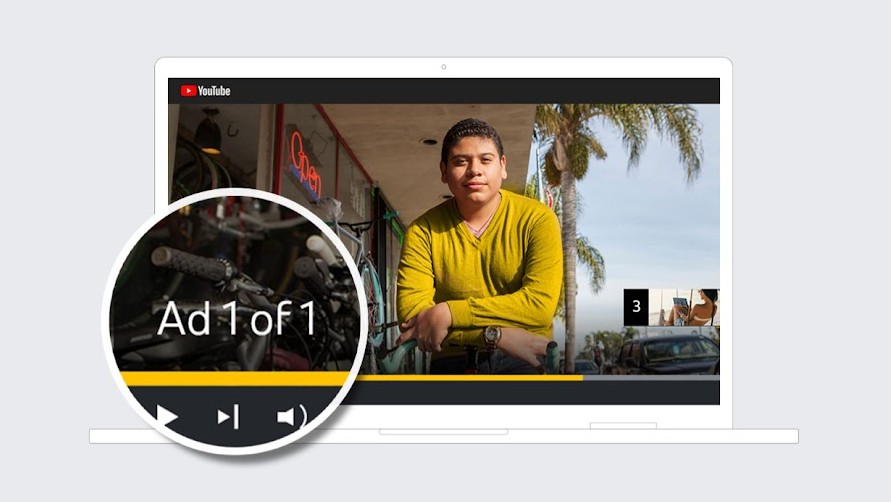
One of the key changes is optimizing ad timing based on the context of video content. Instead of inserting ads at fixed times, the system is gradually using content analysis algorithms to identify natural transition points, thereby placing ads in positions that cause the least disruption to viewers. This helps reduce the feeling of being abruptly interrupted when users are watching seamless content such as storytelling, tutorials, or in-depth analysis. In addition, YouTube is expanding its testing of shorter ad formats, prioritizing concise, easy-to-understand ads and reducing unnecessary ad length to minimize viewer annoyance.
Beyond just improving the format, the platform is also focusing on refining its ad distribution algorithm to increase targeting accuracy. This helps users see ads that are more relevant to their interests, behaviors, and actual needs, thereby reducing the repetition of irrelevant or annoying ads. Additionally, YouTube is experimenting with more flexible ad display models, giving users more choices in certain situations, such as selecting shorter ad types or interacting with ads more actively instead of passively viewing them. Simultaneously, the platform is providing advertisers with tools to optimize campaigns without increasing intrusiveness, such as limiting display frequency or selecting more appropriate contexts for ad placement.
4. The balance between user experience and economic benefits
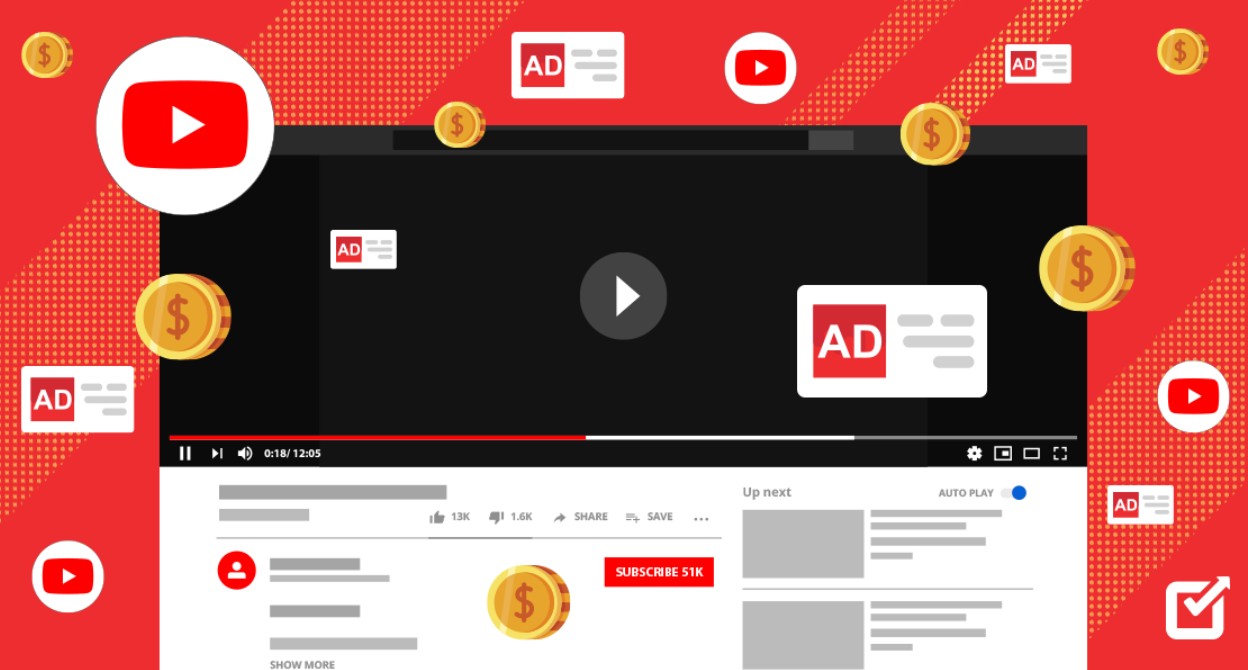
One of YouTube's most critical challenges is balancing user experience with its advertising-driven business model. These two opposing elements coexist within a single ecosystem. If YouTube significantly reduces advertising, the platform risks a serious decline in revenue, directly impacting its ability to maintain infrastructure, pay content creators, and develop new technologies. Conversely, increasing advertising or displaying inappropriate ads negatively affects the user experience, leading viewers to abandon the platform or switch to alternative services, including competing platforms or paid services.
This very contradiction presents YouTube with a problem that has almost no absolute solution, only optimization in stages. To solve it, the platform must continuously collect user behavior data, analyze engagement levels, watch time, ad skip rates, and community feedback to adjust its advertising system in real time. This is a complex process, requiring a delicate balance between economic benefits and user satisfaction.
A key element in this balancing strategy is the introduction of YouTube Premium, a paid model that allows users to experience content without ads. This is seen as a tiered experience solution, where free users accept ads in exchange for content, while paying users enjoy a more seamless experience. This model helps YouTube maintain advertising revenue while generating a stable additional revenue stream from subscriptions, and reduces the pressure to completely satisfy all user groups with the same experience.
5. The impact of advertising changes on users and creators.
For users, these changes can lead to a more positive experience if ads are better optimized in terms of timing, content, and frequency. However, during the transition period, users may also encounter inconsistencies in ad presentation, leading to a feeling of difficulty adapting or confusion as the experience constantly changes.
For content creators, advertising is their primary source of income, so any changes in how ads are distributed can directly impact revenue. If ad frequency is reduced or the way ads are displayed becomes more limited, revenue across multiple channels may fluctuate in the short term. However, in the long term, if the user experience improves, video watch time and platform engagement can increase, offsetting the initial decline and even generating greater value for creators.
For advertising businesses, this change also presents many new challenges in optimizing campaigns. As the way ads are displayed changes, so does user reception behavior, forcing advertisers to adjust content, format, and outreach strategies to achieve higher effectiveness. This makes the entire advertising ecosystem more flexible but also more complex, requiring continuous adaptation from all stakeholders.
YouTube's experimentation and adjustments to advertising types demonstrate an effort to find a balance between economic benefits and viewer experience. However, this is a complex process and cannot be resolved overnight. In the future, YouTube may continue to develop smarter, less disruptive, and more user-relevant advertising formats. The most important thing is balance, because only when users feel comfortable can the platform achieve sustainable long-term growth.














VIP Products




Best Selling Products
Capcut Pro 1 Year
39 USD
Plugin Retouch4me
69 USD
Upgrade genuine Capture One account
120 USD
Adobe Premiere Pro Account
99 USD
Windows 10 & 11 Pro Key
36 USD
Genuine Cheap Canva Pro
39 USD
MidJourney Account
29 USD
Adobe Photoshop Copyright - Full App
120 USD
Upgrade Genuine Office 365
49 USD
Freepik Premium Account
59 USD
Copyright Adobe Lightroom Account
59 USD
Autodesk All App Account Copyright
120 USD
Upgrade Duolingo Super
29 USD
ChatGPT Plus Account (GPT-4)
16 USD
Genuine Adobe Illustrator account
99 USD