Best Selling Products

Upgrade Genuine Office 365
49 USD
Windows 10 & 11 Pro Key
36 USD

ChatGPT Plus Account (GPT-4)
16 USD

MidJourney Account
29 USD

Copyright Adobe Lightroom Account
59 USD

Plugin Retouch4me
69 USD
Adobe Photoshop Copyright - Full App
120 USD

Capcut Pro 1 Year
39 USD
Adobe Premiere Pro Account
99 USD

Freepik Premium Account
59 USD
Autodesk All App Account Copyright
120 USD

Upgrade Duolingo Super
29 USD

Upgrade genuine Capture One account
120 USD

Genuine Cheap Canva Pro
39 USD

Genuine Adobe Illustrator account
99 USD
Choosing a CPU for a Graphics PC in 2026
Nội dung
- 1. CPU AND ITS CORE ROLE IN PROFESSIONAL GRAPHICS COMPUTER SYSTEMS
- 2. UNDERSTANDING THE KEY CPU PARAMETERS FOR GRAPHICS
- 3. SINGLE-COLLEAGUIP AND MULTI-COLLEAGUIPIP PERFORMANCE IN GRAPHICS WORKFLOWS
- 4. SYSTEM BALANCE AND DIFFERENCES BETWEEN INTEL AND AMD IN GRAPHICS
- 5. SUGGESTIONS FOR CHOOSING A CPU BASED ON YOUR NEEDS AND OPTIMIZING YOUR GRAPHICS SYSTEM
- 6. COMMON MISTAKES AND TIPS FOR OPTIMIZING CPU PERFORMANCE ON GRAPHICS COMPUTERS
Choosing the right CPU is a crucial factor in determining the performance of a graphics workstation. A processor that meets your needs will help you work smoothly, reduce rendering time, and optimize your investment costs.
1. CPU AND ITS CORE ROLE IN PROFESSIONAL GRAPHICS COMPUTER SYSTEMS
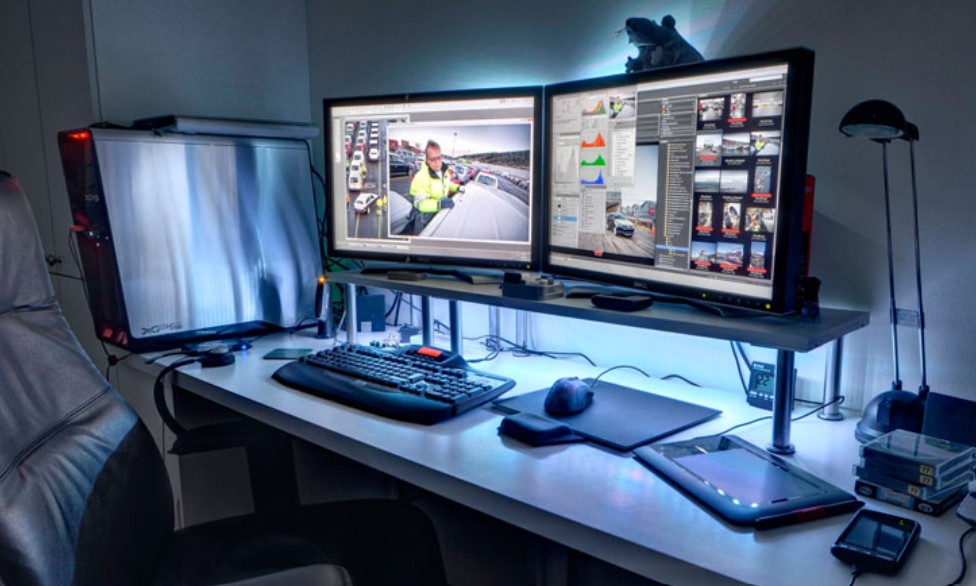
In any computer system used for graphic design, video editing, or intensive image processing, the CPU is always considered the central component that determines overall performance. If we liken the entire computer to a living organism, the CPU is the brain that controls all activities, from processing software instructions and calculating data to coordinating operations between other components such as RAM, GPU, and hard drive. Especially in a graphics environment, where software like Photoshop, Illustrator, After Effects, Premiere Pro, or Blender run continuously with large amounts of data, the CPU must process millions of calculations per second to ensure that the workflow is not interrupted.
According to hardware experts, a powerful CPU not only speeds up processing but also directly impacts the overall work experience. When the CPU isn't powerful enough, users are prone to lag when working with layers, slow response times when editing videos, or even system freezes when rendering heavy projects. Conversely, a suitable CPU optimizes the entire workflow, shortens file export times, increases system stability, and significantly reduces pressure on tight deadline projects.
In the context of the ever-evolving design industry, where design files are becoming heavier, higher-resolution, and incorporating more complex effects, the role of the CPU is becoming increasingly important. It's not simply about "running software"; the CPU must also handle advanced computational tasks such as lighting simulation, 3D physics processing, video rendering, and supporting AI algorithms integrated into modern design software.
2. UNDERSTANDING THE KEY CPU PARAMETERS FOR GRAPHICS
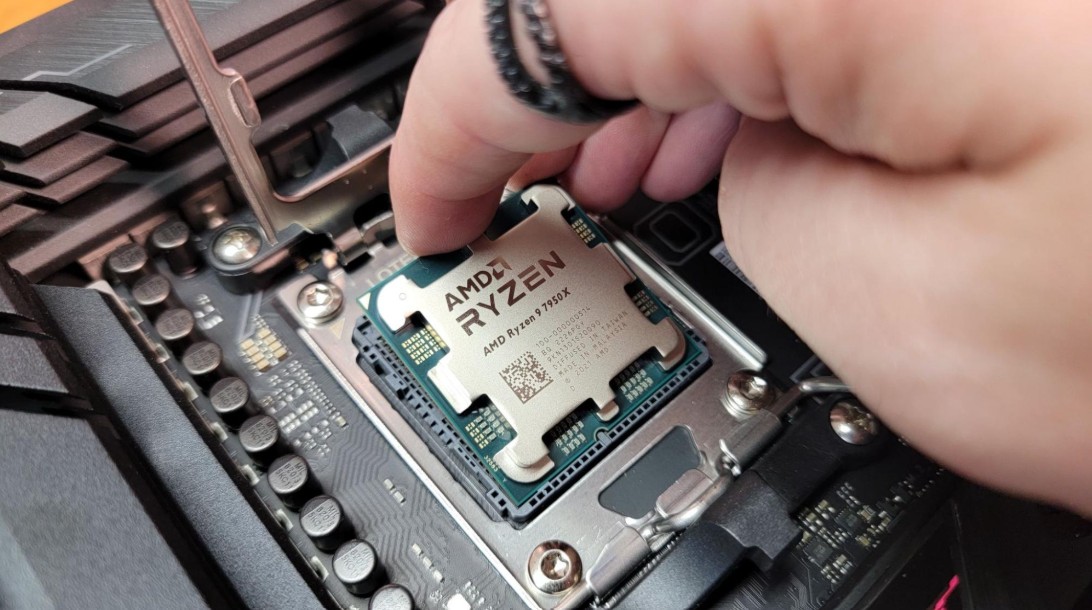
To choose the right CPU for a graphics workstation, users cannot rely solely on product name or brand; they need to understand the core technical specifications. This is the deciding factor in whether the CPU can meet the actual work requirements.
First and foremost, the number of cores and threads is the most important factor when evaluating a CPU's multitasking capabilities. Each CPU core can handle a single task, while the number of threads allows each core to handle multiple tasks in parallel. In tasks such as video rendering, film editing, or 3D simulation, the more cores and threads a CPU has, the faster the processing speed, significantly reducing waiting times.
In addition, clock speed is another crucial factor. The higher the clock speed, the faster the processing of individual tasks. This is especially important in 2D design software like Photoshop or Illustrator, where editing operations need to be responsive to ensure a smooth experience.
Another often overlooked but crucial factor is the cache. This is a high-speed memory area integrated into the CPU that temporarily stores frequently used data. The larger the cache, the faster the CPU accesses data, thereby increasing overall performance when working with large files.
Furthermore, CPU architecture and manufacturing processes directly impact performance and power consumption. Newer generation CPUs are typically manufactured using smaller processes, which increases performance while reducing heat dissipation, thereby improving stability during prolonged operation.
3. SINGLE-COLLEAGUIP AND MULTI-COLLEAGUIPIP PERFORMANCE IN GRAPHICS WORKFLOWS
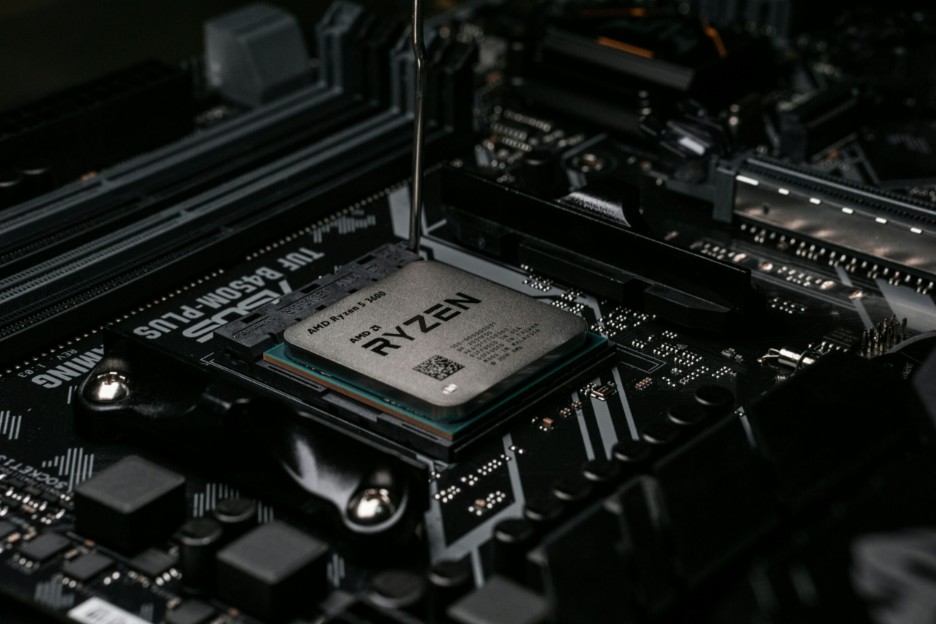
In practical use, a CPU's power isn't simply judged by its strength; it needs to be evaluated based on two crucial aspects: single-core performance and multi-core performance. These are decisive factors when choosing a CPU for specific tasks in the graphics field.
Single-core performance reflects the ability to process one task at a time. This is extremely important in 2D design work, photo editing, layer manipulation, or working with software interfaces. When single-core performance is high, users will experience smoothness with every mouse click, drag-and-drop operation, or detailed image editing.
Meanwhile, multi-core performance plays a crucial role in demanding tasks such as video rendering, film editing, effects processing, or 3D simulation. These tasks are often broken down into multiple parallel tasks, so the more cores and threads a CPU has, the faster the processing speed. This is also why CPU lines like AMD Ryzen 9 or Intel Core i9 are often used in professional workstations.
The difference between these two performance levels shows that there isn't one "absolutely best" CPU for every need, but rather a CPU that's best suited to each specific task. Understanding this helps users avoid wasting money when investing in graphics workstation configurations.
4. SYSTEM BALANCE AND DIFFERENCES BETWEEN INTEL AND AMD IN GRAPHICS
A common mistake when building a graphics workstation is focusing solely on the CPU while neglecting the balance between other components. In reality, the CPU only performs at its best when paired with suitable RAM, GPU, and hard drive. If the CPU is powerful but the RAM is weak, the system will experience data bottlenecks. If the GPU isn't powerful enough, rendering will still be slow even if the CPU is performing well.
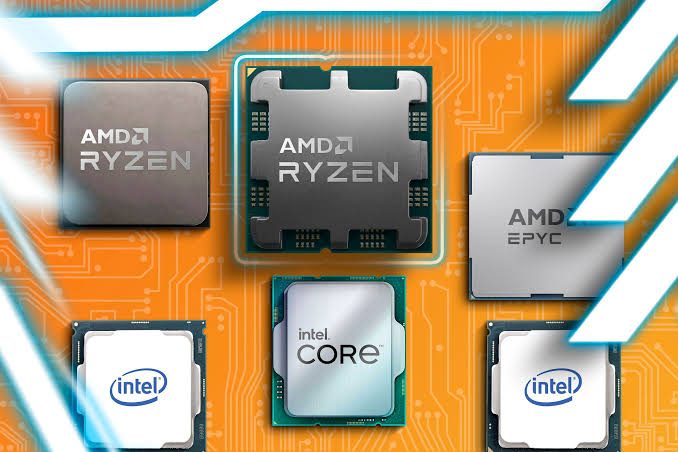
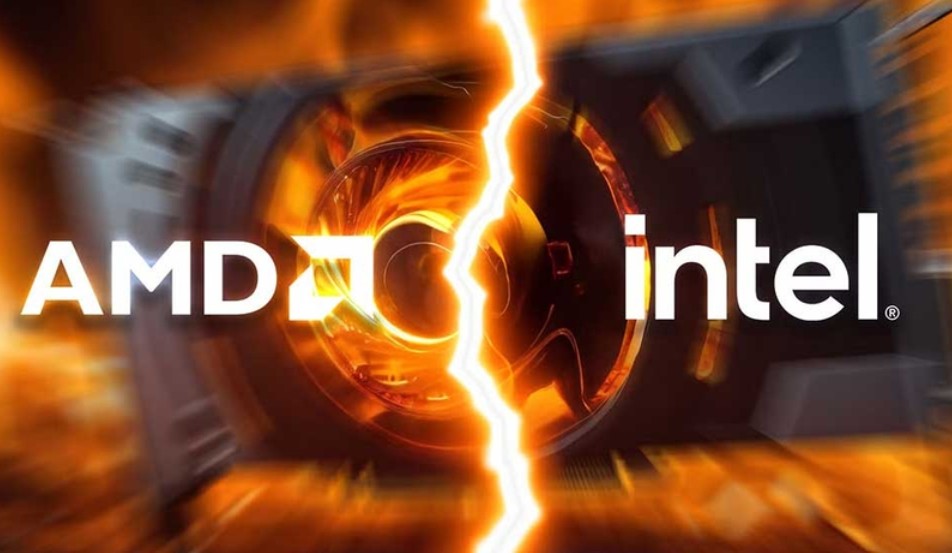
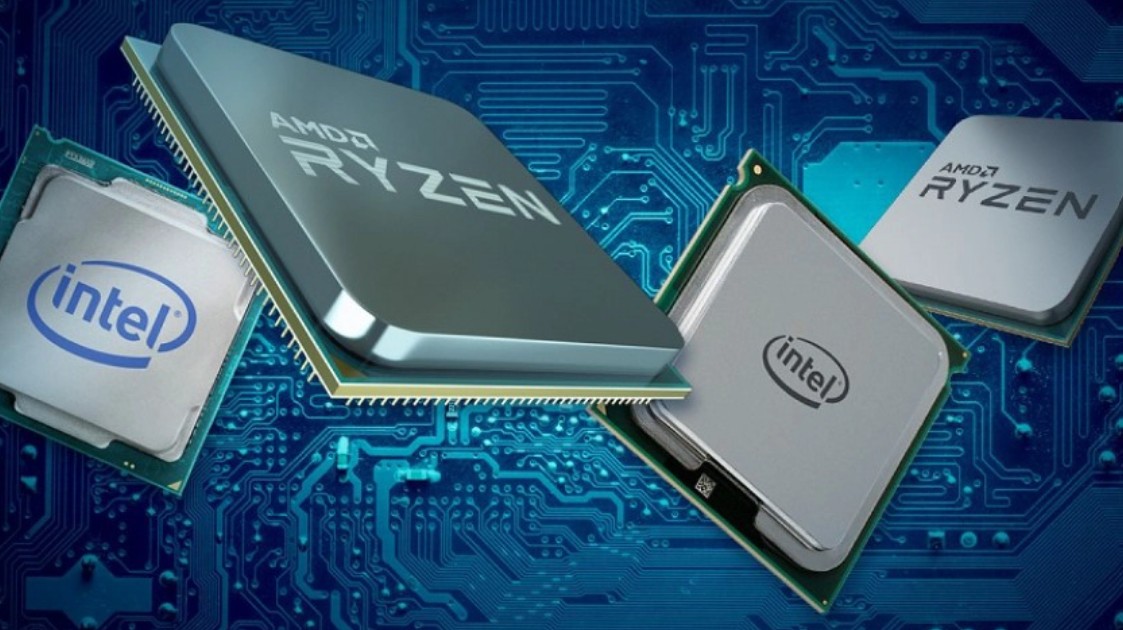
In today's market, the two most popular CPU brands are Intel and AMD, each with its own advantages. Intel typically excels in strong single-core performance, suitable for 2D design software and tasks requiring fast response times. AMD, on the other hand, boasts a higher number of cores and threads, delivering superior performance in multitasking tasks such as video rendering or complex 3D modeling.
New generation Intel Core i7 and i9 CPUs, or AMD Ryzen 7 and Ryzen 9, are currently popular choices for professional graphics workstations. Additionally, higher-end models like Intel Core Ultra or AMD Threadripper are used in large studios where extremely heavy and continuous workloads are required.
Choosing between Intel and AMD depends not only on specifications but also on considering the software ecosystem, budget, and long-term usage goals. A balanced configuration always yields better results than over-investing in a single component.
5. SUGGESTIONS FOR CHOOSING A CPU BASED ON YOUR NEEDS AND OPTIMIZING YOUR GRAPHICS SYSTEM
Choosing the right CPU should be based on the actual needs of each user group. For 2D designers who work primarily with Photoshop, Illustrator, or UI/UX, mid-range CPUs like Intel Core i5 or AMD Ryzen 5 are sufficient for daily tasks.
For video editors, motion graphics professionals, or 4K filmmakers, CPUs like the Intel Core i7 or AMD Ryzen 7 will provide more stable performance, reducing rendering times and improving multitasking capabilities.
Meanwhile, for demanding tasks such as 3D animation, architecture, film editing, or engineering simulation, high-end CPUs like Intel Core i9 or AMD Ryzen 9 are the optimal choice to ensure powerful and stable processing performance over the long term.
Besides choosing the right CPU, users also need to pay attention to optimizing the overall system. An efficient graphics system depends not only on the CPU but also on large RAM capacity, a powerful GPU, a high-speed SSD, and a good cooling system. Synchronization between components will help the system operate stably, avoid bottlenecks, and ensure maximum performance in all tasks.
6. COMMON MISTAKES AND TIPS FOR OPTIMIZING CPU PERFORMANCE ON GRAPHICS COMPUTERS
When choosing a CPU for a graphics workstation, many users often make basic mistakes that significantly impact long-term performance. One of these is focusing solely on clock speed or CPU name without considering the overall architecture and compatibility with other components. This leads to system imbalance and wasted performance.
Another mistake is choosing a CPU that's too powerful for your actual needs, while other components like RAM or GPU aren't adequate. This prevents the system from fully utilizing the CPU's power, resulting in suboptimal investment. Additionally, failing to update to the latest technology or choosing an older generation CPU can significantly limit performance.
To optimize CPU performance, users need to pay attention to the cooling system to ensure stable CPU operation over extended periods, especially during heavy rendering. Using a high-speed SSD instead of a traditional HDD also helps increase data access speed and reduce waiting times when opening large files. Simultaneously, choosing a suitable motherboard and high-speed RAM also contributes to maximizing CPU performance.
In summary, the CPU is the heart of a graphics computer system and plays a crucial role in overall performance. A correct choice not only speeds up processing but also enhances the creative experience, reduces workload, and optimizes long-term investment costs. For SaDesign and those working in the design field, understanding and choosing the right CPU is a vital foundation for building a professional, stable, and sustainable work system over time.

















VIP Products





Best Selling Products
Upgrade Genuine Office 365
49 USD
Windows 10 & 11 Pro Key
36 USD
ChatGPT Plus Account (GPT-4)
16 USD
MidJourney Account
29 USD
Copyright Adobe Lightroom Account
59 USD
Plugin Retouch4me
69 USD
Adobe Photoshop Copyright - Full App
120 USD
Capcut Pro 1 Year
39 USD
Adobe Premiere Pro Account
99 USD
Freepik Premium Account
59 USD
Autodesk All App Account Copyright
120 USD
Upgrade Duolingo Super
29 USD
Upgrade genuine Capture One account
120 USD
Genuine Cheap Canva Pro
39 USD
Genuine Adobe Illustrator account
99 USD