Best Selling Products

ChatGPT Plus Account (GPT-4)
16 USD
Adobe Photoshop Copyright - Full App
120 USD
Upgrade Duolingo Super
29 USD
Upgrade genuine Capture One account
120 USD
Copyright Adobe Lightroom Account
59 USD
Capcut Pro 1 Year
39 USD
Genuine Cheap Canva Pro
39 USD
Autodesk All App Account Copyright
120 USD
Upgrade Genuine Office 365
49 USD
Plugin Retouch4me
69 USD
Adobe Premiere Pro Account
99 USD
Genuine Adobe Illustrator account
99 USD

MidJourney Account
29 USD

Windows 10 & 11 Pro Key
36 USD

Freepik Premium Account
59 USD
How Google Is Fighting Deepfake With Nano Banana – The Hyper-Realistic AI Photo Editing Tool
Nội dung
- 1. What is Nano Banana?
- 2. Its Role in Google’s AI Ecosystem
- 3. Key Highlights of Nano Banana
- 4. Why Is Concern About Deepfake Growing?
- 4.1 What is Deepfake?
- 4.2 The Negative Impact of Deepfake
- 4.3 Why Deepfake Has Become a Global Problem
- 5. How Google Is Fighting Deepfake Through Nano Banana
- 5.1 Fake Image Detection Technology
- 5.2 Algorithms Against Unauthorized Editing
- 5.3 Embedding Watermarks and Metadata Into Images or Videos
- 5.4 Google’s AI Content Moderation System
- 6. Benefits and Risks of Using Google Banana
- 6.1 Clear Benefits
- 6.2 Risks to Be Aware Of
- 6.3 What Should Users Do to Stay Safe?
- 7. Conclusion
Artificial intelligence (AI) is increasingly making its way into every aspect of modern life, from artistic creativity and marketing to data security.
1. What is Nano Banana?
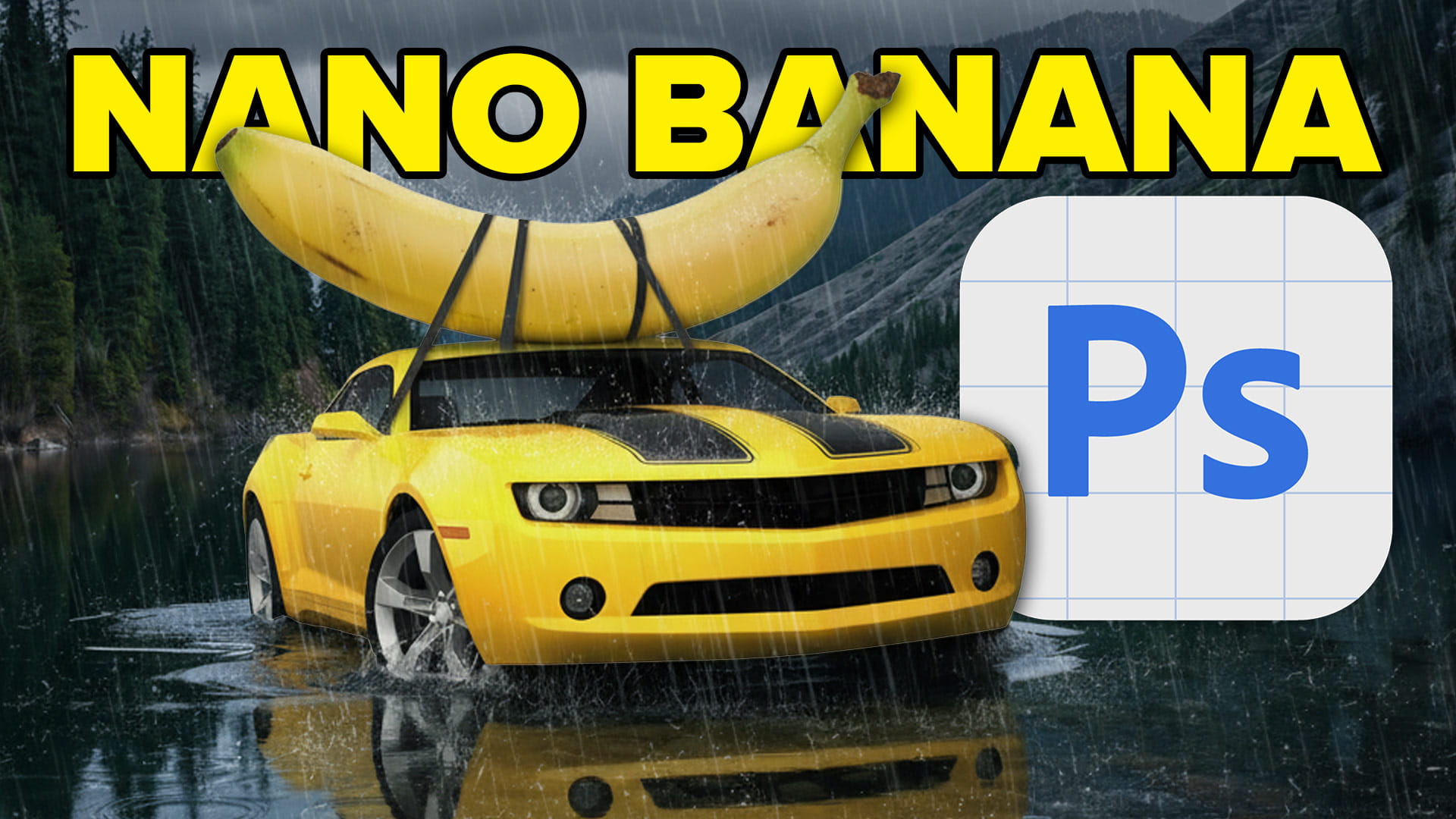
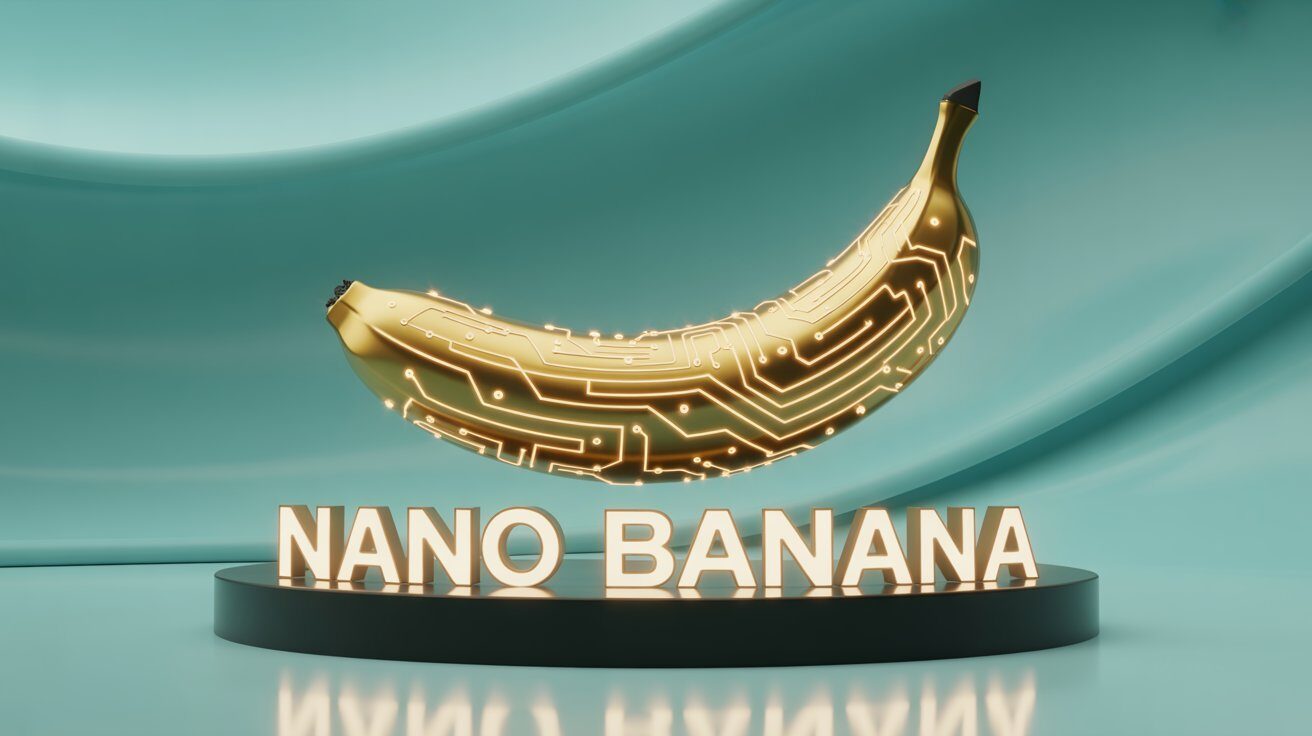
Nano Banana is a next-generation artificial intelligence (AI) photo editing tool recently launched by Google, marking a major advancement in the combination of deep learning technology and visual creativity. Without requiring Photoshop skills or complex design expertise, users simply describe their ideas in words and Nano Banana automatically transforms them into visually stunning, sharp, and impressively realistic images. The tool not only edits photos quickly but can also reconstruct entire scenes, adjust lighting, remove unwanted objects, or add new details while maintaining a completely natural appearance.
What makes Nano Banana special is not only its “blink-fast” processing speed, but also its ability to understand context and emotion within images. Google’s AI can recognize which details are important to preserve and which elements can be replaced without disrupting the composition. With Nano Banana, photo editing tasks that once took hours can now be completed in just seconds. This is not simply a digital tool, but a “virtual creative assistant” that allows anyone to become an artist in the world of visual storytelling.
.png)
2. Its Role in Google’s AI Ecosystem
Behind Nano Banana lies Google’s broader strategy of building a fully integrated AI ecosystem, where every application can learn from, connect with, and support one another. The tool does not operate independently but is designed to integrate tightly with Google Photos, Google Lens, and Google Cloud AI, creating a seamless user experience. For example, users can select an image from Google Photos, edit it using Nano Banana, and then store or share it through Google Drive without ever leaving Google’s ecosystem.
This move clearly reflects Google’s “AI for everyone” vision — bringing advanced technology closer to all users, from individual content creators to businesses. Nano Banana not only helps Google maintain its leadership in AI-powered imaging, but also contributes to shaping how humans interact with digital visuals in the future. By deeply integrating it with core Google products, Google is gradually transforming Nano Banana into a “visual creativity hub” where every idea can be realized with just a few simple actions.
3. Key Highlights of Nano Banana
Nano Banana quickly created a “buzz” among users thanks to its outstanding features, combining powerful technology with user-friendly accessibility. More than just a photo editing tool, Nano Banana demonstrates Google’s vision of bringing artificial intelligence into creative everyday life in a safe and approachable way.
Outstanding image processing speed: powered by Google’s supercomputer infrastructure, Nano Banana can analyze and recreate images in just seconds. This speed is 2–3 times faster than many other open-source AI tools, helping users save maximum time while still maintaining realistic and sharp image quality.
Seamless integration with Google Photos: Nano Banana is designed to work directly within Google Photos, allowing users to edit images directly inside their photo library without downloading files or using third-party software. This provides maximum convenience while also improving personal data security.
Friendly and easy-to-use interface: although powered by advanced AI technology, Nano Banana still maintains a minimalist and intuitive design. Even beginners can edit photos, replace backgrounds, or remove objects using simple drag-and-drop actions. The smooth and accessible experience makes Nano Banana an ideal choice for everyone from casual users to professional creators.
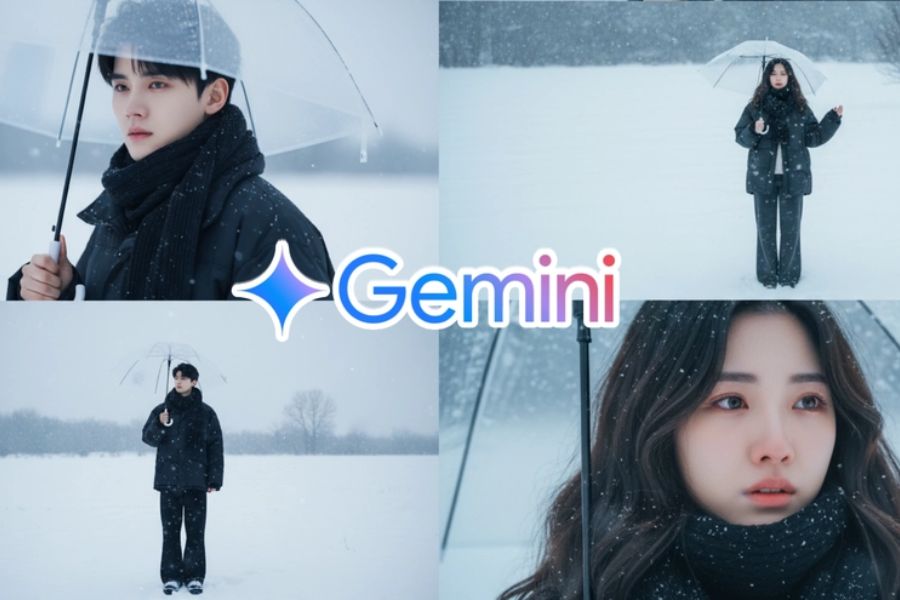
Hyper-realistic image quality: thanks to advanced deep learning technology, Nano Banana can recreate details, lighting, and depth like real photography. The results are not only visually beautiful but also preserve the emotions and natural nuances of the original image.
Optimized for content creation: Nano Banana is not limited to photo editing, but also supports the creation of illustrations, marketing concepts, and product simulations. As a result, it becomes a valuable tool for marketers, designers, and content creators who want to produce exclusive visuals quickly while still maintaining professional standards.
.jpg)
4. Why Is Concern About Deepfake Growing?
Alongside the rapid growth of artificial intelligence, deepfake technology is gradually becoming one of the most concerning technological threats today. From seemingly harmless fake videos at first, deepfake has evolved into a sophisticated tool used for financial fraud, information manipulation, and privacy violations. As AI technologies like Nano Banana introduce hyper-realistic image generation, the line between reality and fabrication becomes more fragile than ever before.
4.1 What is Deepfake?
Deepfake is a technique that uses artificial intelligence to create fake images, videos, or audio with such high realism that humans struggle to distinguish them from authentic content. By training neural networks on thousands of facial or voice data samples, deepfake technology can perfectly recreate expressions, lip movements, eye movements, and vocal tones. With just a few sample videos, AI can “become” virtually anyone, making viewers easily believe fabricated content.
The danger is that deepfake goes far beyond “recreating faces” — it can also imitate voices in phone calls or voice messages. Someone could receive a call from their “boss” urgently requesting a money transfer, or a “family member” asking for financial help. In reality, numerous scams have already occurred using only a few seconds of AI-generated audio. For this reason, the technology is considered a “double-edged sword” — showcasing the incredible power of AI while also carrying unpredictable risks.
4.2 The Negative Impact of Deepfake
Deepfake does not only harm individuals but also significantly impacts society and the global economy. In finance, many fraud cases have occurred when criminals used fake videos to request money transfers or confirm transactions. According to a Europol report in 2024, deepfake-related scams caused global losses exceeding 3 billion USD. In addition, deepfake has been used to create misinformation campaigns, spread fake news, and manipulate public opinion during elections — threatening political security in many countries.
On a personal level, deepfake also causes severe emotional and reputational damage. Many celebrities, especially women, have had their faces inserted into fake explicit videos. Even when victims prove their innocence, the consequences remain serious because the content has already spread widely online. These impacts demonstrate that deepfake is not only a technological issue, but also an ethical, legal, and human rights challenge that requires strict control.
4.3 Why Deepfake Has Become a Global Problem
Deepfake has exploded and become difficult to control for three main reasons. The first is the extremely rapid advancement of AI technology. Algorithms capable of generating fake images and videos are becoming increasingly sophisticated, while legal systems in many countries are still struggling to catch up. This gap makes prevention and enforcement extremely difficult.
Second, humans can barely distinguish real from fake with the naked eye. Modern deepfakes can recreate tiny expressions and even reflections in the eyes, making audiences easily trust misleading content. Finally, the powerful spread of social media amplifies the consequences of deepfake. Once a fake video is shared, it can trigger waves of confusion and damage reputations, trust, and even the security of online communities.
.jpg)
5. How Google Is Fighting Deepfake Through Nano Banana
Amid growing concerns surrounding deepfake technology, Google has proactively emphasized that Nano Banana is not only an intelligent photo editing tool, but also a product reflecting a strong commitment to technological responsibility. Instead of allowing AI to operate freely without limits, Google has integrated multiple layers of security and moderation to prevent misuse of the technology for deceptive purposes. The company’s goal is to create a safe creative environment where AI is used to promote positive value rather than harm communities.
5.1 Fake Image Detection Technology
Google has developed an advanced AI system capable of analyzing and detecting abnormal signs in images, such as pixel inconsistencies, unnatural lighting, or mismatched editing boundaries. Whenever users create or upload images, Nano Banana automatically scans them to identify potential signs of manipulation and displays warnings if deepfake-related elements are detected. As a result, the tool not only supports creativity but also protects users from unintentionally spreading misleading content.
5.2 Algorithms Against Unauthorized Editing
To prevent technology abuse, Google has implemented a content moderation algorithm system that evaluates both input and output directly within Nano Banana. Whenever users request image modifications, the AI analyzes the context and content to determine whether the image contains violent, sensitive, or identity-infringing elements. If violations are detected, the request is automatically rejected. This mechanism helps control deepfake risks from the very beginning of the content creation process while reinforcing Google’s commitment to protecting privacy and ethical AI usage.
5.3 Embedding Watermarks and Metadata Into Images or Videos
One of Google’s most notable solutions is the integration of hidden watermarks and non-removable metadata into every product created by Nano Banana. These identifiers help trace image origins and clearly indicate which content was AI-generated. Social media platforms and fact-checking organizations can easily detect and classify such content, helping prevent the spread of deepfake materials. This is considered a major step forward in the effort to build a transparent and responsible internet environment.
5.4 Google’s AI Content Moderation System
Google does not rely solely on technology to protect users. The company has also announced plans to collaborate with news organizations, regulatory agencies, and international fact-checking teams to monitor, verify, and label AI-generated content. The combination of AI systems and human experts makes the moderation process more comprehensive and trustworthy. Through this direction, Google is setting a new standard for the tech industry: AI should not only be intelligent, but also transparent and ethical.
.jpg)
6. Benefits and Risks of Using Google Banana
Like many other artificial intelligence technologies, Google Banana opens new doors for creativity and productivity. However, alongside its incredible advantages, users must also face various challenges and risks if the tool is not used responsibly.
6.1 Clear Benefits
Google Banana is considered a “creative assistant” for everyone, from marketers, designers, and educators to everyday users. Thanks to the power of AI, image creation, editing, and content processing have become easier than ever before.
Some notable benefits include:
Fast creativity: Generate images, posters, videos, or visual content in just seconds, significantly shortening production time.
Productivity optimization: Supports users by replacing multiple traditional editing tools, saving costs while still maintaining high-quality output.
Easy accessibility: A friendly interface allows even users without graphic design skills to operate easily, encouraging personal creativity.
Driving business innovation: Companies can use Google Banana to accelerate marketing campaigns, product development, and brand communication.
6.2 Risks to Be Aware Of
Despite offering many advantages, Google Banana also carries significant risks if misused. AI technology can be exploited for harmful purposes, from generating fake images to spreading misinformation, potentially causing severe consequences in daily life and media environments.
Common risks include:
Risk of abuse: Some individuals may use Google Banana to create fake content, deepfakes, or sensitive images.
Difficulty distinguishing real from fake: AI-generated products are becoming increasingly sophisticated, making it difficult for viewers to recognize authenticity.
Reputational and legal consequences: Sharing or using AI-generated content without clear origins may result in copyright violations or reputational damage.
Lack of clear legal frameworks: AI regulations are still evolving, making enforcement and control over violations challenging.
6.3 What Should Users Do to Stay Safe?
To use Google Banana safely and effectively, users should equip themselves with security knowledge and choose trustworthy service providers. Understanding the technology and acting responsibly are essential to enjoying AI benefits while minimizing risks.
Some useful recommendations include:
Use official software: Only download and use Google Banana from legitimate channels to avoid viruses, malware, or data theft.
Verify information before sharing: Always check the origin and authenticity of images or videos before posting them online.
Protect personal data: Do not provide sensitive information or private images to unknown AI platforms.
Choose reputable providers: Appvip is a provider of licensed AI accounts with high security standards and regular updates. It is a safe choice for users who want to access AI tools professionally and legally.
.jpg)
7. Conclusion
Nano Banana is not only proof of Google’s creative vision in the AI era, but also a reflection of the company’s responsibility and transparency regarding technological risks. As deepfake becomes a growing global threat, Google’s integration of detection systems, hidden watermarks, and strict moderation policies demonstrates a serious effort to create a safe and ethical creative environment. It can be said that Nano Banana not only brings the power to transform imagination into reality, but also reinforces the idea that AI is truly powerful only when used responsibly. In the future, as the boundary between reality and illusion becomes increasingly fragile, Google’s cautious approach may serve as the foundation that allows AI to become a trusted companion rather than a fear associated with deepfake technology.










VIP Products
Best Selling Products
ChatGPT Plus Account (GPT-4)
16 USD
Adobe Photoshop Copyright - Full App
120 USD
Upgrade Duolingo Super
29 USD
Upgrade genuine Capture One account
120 USD
Copyright Adobe Lightroom Account
59 USD
Capcut Pro 1 Year
39 USD
Genuine Cheap Canva Pro
39 USD
Autodesk All App Account Copyright
120 USD
Upgrade Genuine Office 365
49 USD
Plugin Retouch4me
69 USD
Adobe Premiere Pro Account
99 USD
Genuine Adobe Illustrator account
99 USD
MidJourney Account
29 USD
Windows 10 & 11 Pro Key
36 USD
Freepik Premium Account
59 USD