Best Selling Products
Upgrade genuine Capture One account
120 USD

ChatGPT Plus Account (GPT-4)
16 USD
Genuine Cheap Canva Pro
39 USD

Freepik Premium Account
59 USD

Upgrade Duolingo Super
29 USD
Adobe Photoshop Copyright - Full App
120 USD

Adobe Premiere Pro Account
99 USD
Windows 10 & 11 Pro Key
36 USD
Upgrade Genuine Office 365
49 USD

MidJourney Account
29 USD

Capcut Pro 1 Year
39 USD
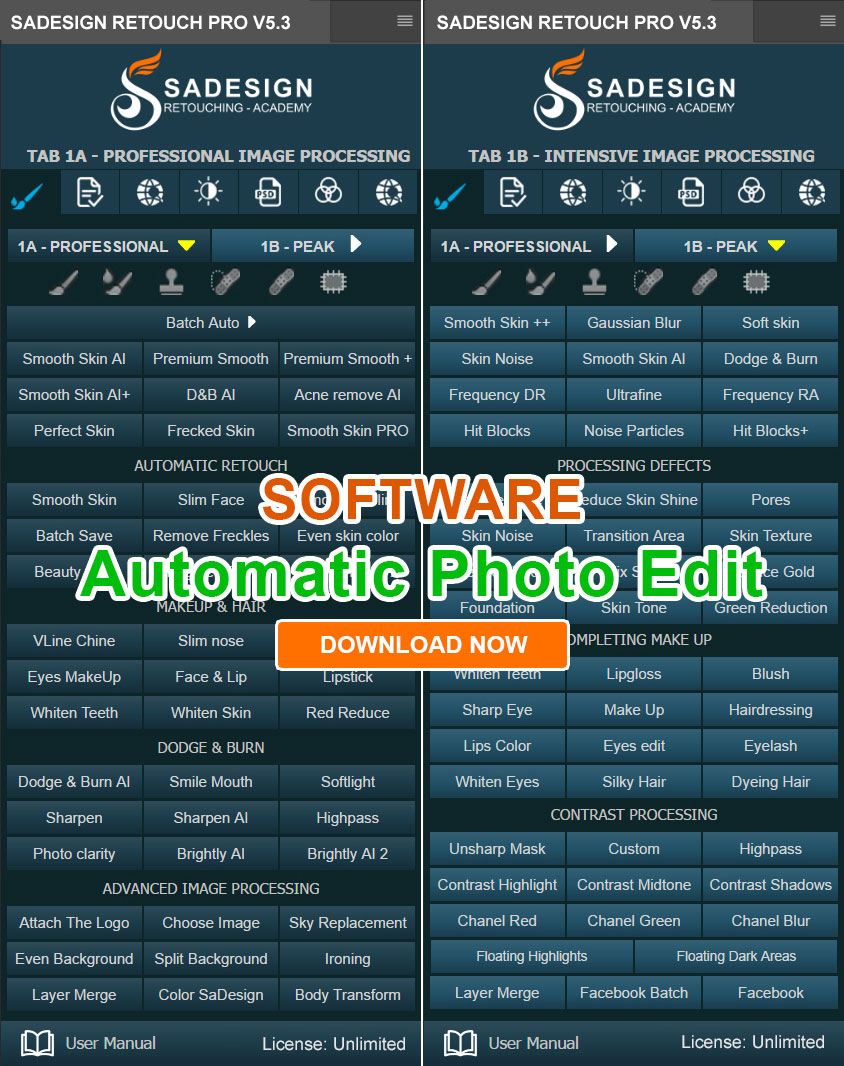
Plugin Retouch4me
69 USD
Genuine Adobe Illustrator account
99 USD
Autodesk All App Account Copyright
120 USD

Copyright Adobe Lightroom Account
59 USD
How to Speed Up a Slow Android Phone After Long-Term Use
Nội dung
If your Android phone is getting slower over time, these are the solutions worth trying before considering replacing it with a new device.
1. Clean Up Storage Space
One of the biggest reasons Android phones become slow is that their storage is full or nearly full. When storage space becomes limited, the system struggles to process data, handle temporary files, and run applications. This directly impacts the responsiveness of the device.
During everyday use, people tend to install many applications, from productivity tools to entertainment, shopping, and social networking apps. However, not all of them are used regularly. Some applications are opened only once and then forgotten, yet they continue consuming storage space and system resources.
To begin the cleanup process, open Settings, go to Storage, and review your list of installed applications. Here, you can easily identify apps that are no longer needed. Uninstall applications that you have not used for a long time. This not only frees up storage but also reduces the burden of managing background applications.
Besides apps, the Downloads folder often accumulates unnecessary files such as downloaded images, temporary documents, and APK installation files. These forgotten files can consume a surprising amount of storage. Reviewing and deleting them can significantly lighten the load on your device.
Another important factor is photos and videos. In the smartphone era, users tend to store large numbers of high-resolution photos and videos. While these memories are valuable, keeping too many on the device can quickly fill up storage. An effective solution is to use cloud storage services like Google Photos or transfer data to an external drive.
.jpg)
Once storage space is “freed up,” the system has more room to process tasks, resulting in a noticeable improvement in overall performance. It can be said that cleaning storage is the most important foundation in the Android optimization process.
2. Clear Cache Memory
Cache memory is an important component that helps speed up data access. Whenever you use an application, the system stores temporary data so the app can open faster next time. However, over time, this temporary data can accumulate and become a burden on the device.
Many people assume that cache is always beneficial and does not require attention. In reality, if not managed properly, cache can consume several gigabytes of storage, especially for browsers, social media apps, and video streaming applications.
To address this issue, go to Settings, select Apps, and choose a specific application. In the application information section, you will find the Clear Cache option. This action frees up storage space without affecting personal data such as login credentials or settings.
.jpg)
Clearing cache is particularly effective for applications that are rarely used but occupy large amounts of storage. These are the “silent culprits” behind storage issues that many users overlook. After clearing cache, you may notice smoother performance, especially when opening applications and switching between tasks.
In addition, regularly clearing cache helps reduce application errors and minimize lag. It is a simple habit that delivers long-term benefits for maintaining your phone’s performance.
3. Always Keep Android Updated
A common mistake among users is ignoring operating system and application updates. Many believe updates are merely cosmetic or worry that newer versions will slow down their devices. However, in most cases, updates are the key to improving performance and stability.
Android developers regularly release updates to fix bugs, optimize performance, and strengthen security. Minor system issues that remain unresolved can accumulate over time and lead to lag, freezing, or excessive battery drain.
Similarly, applications on Google Play are constantly improved to work better with newer Android versions. If you continue using outdated versions of apps, compatibility issues may arise, resulting in a less smooth experience.
.jpg)
You can update the operating system through Settings > Software Update. For applications, simply visit the Google Play Store and check for available updates.
A fully updated device will operate more reliably, reduce errors, and make better use of existing hardware. This is an important step that is often overlooked in Android optimization.
4. The “Perceived Overclocking” Trick
Improving performance does not always require hardware-level changes. Sometimes, simply changing how the system displays animations can make the device feel much faster and smoother. This is the idea behind adjusting animation settings in Developer Options.
Android provides a hidden menu for developers that allows users to customize advanced settings. To activate it, go to Settings > About Phone, then tap Build Number seven times. Once activated, Developer Options will appear.
Inside this menu, there are three important animation settings: Window Animation Scale, Transition Animation Scale, and Animator Duration Scale.
By default, these settings are set to 1x, meaning animations are displayed at standard speed. However, you can reduce them to 0.5x to shorten animation duration. As a result, actions such as opening apps, switching screens, and closing applications feel noticeably faster.
.jpg)
The interesting thing is that this does not actually increase hardware power. Instead, reducing animations improves perceived responsiveness, creating a much smoother experience. It is a small but highly effective trick, especially for devices that have been used for several years.
5. Simplify the Interface to Reduce System Load
For devices with mid-range specifications, limited RAM, or years of use, maintaining too many visual elements simultaneously can slow down performance when opening apps, switching tasks, or returning to the home screen. In many cases, users feel their phones have become noticeably slower, but the issue is not only heavy software—it is also the overloaded interface.
To improve this situation, start with the simplest changes. Review your home screen and remove widgets that are not truly necessary. Widgets such as weather, news, calendars, notes, or quick controls can be useful, but having too many at once means they constantly update data and consume background resources. A cleaner interface allows the phone to run more smoothly and reliably.
.jpg)
In addition, live wallpapers should be disabled, especially on devices that are already showing signs of slowing down. Compared to static wallpapers, live wallpapers require continuous processing, increasing GPU usage and battery consumption. Similarly, overly elaborate interface animations may look attractive but can make actual interactions feel slower.
Another useful tip is to limit continuously updating features such as smart feeds, automatically refreshing content screens, or excessive synchronization across multiple apps. Reducing these elements gives the system more resources to focus on important tasks, improving overall responsiveness.
6. When Should You Perform a Factory Reset?
Essentially, a factory reset returns your phone to a state close to when it first left the factory. All personal data, installed applications, custom settings, and accumulated files are removed from internal storage. As a result, lingering bugs, software conflicts, system clutter, and outdated configurations are eliminated.
This solution is particularly useful when the phone suffers from severe lag, frequent app crashes, unusual overheating despite light usage, unexplained storage consumption, or significant performance degradation without an obvious cause. In these situations, refreshing the entire system can dramatically improve stability.
.jpg)
However, users should not perform this action hastily. Before resetting, it is crucial to back up all important data, including contacts, photos, videos, documents, messages, and login information for important accounts. Without proper preparation, valuable personal data could be permanently lost.
Furthermore, after resetting the device, it is advisable to reinstall applications selectively rather than restoring everything exactly as before. This is an excellent opportunity to remove unnecessary apps, rebuild a cleaner system, and avoid repeating the same performance issues in a short period of time.
7. Important Tips to Prevent Your Phone from Slowing Down Again
The first thing to do is regularly monitor available storage space. A phone that constantly operates with nearly full storage will respond more slowly, take longer to open applications, and experience more performance-related issues. Develop the habit of deleting unnecessary files, cleaning the Downloads folder periodically, and moving large photos and videos to cloud services or other storage devices when needed.
In addition, avoid installing too many applications just to try them out and then forget about them. Every app takes up storage space and may generate background data, cache files, notifications, and background processes. The more unused applications you have, the more unnecessary work the system must perform.
Another important consideration is to keep software updated regularly but selectively. Updating the operating system and applications from official sources helps fix bugs, optimize performance, and improve security. However, after major updates, users should monitor device compatibility and make adjustments if unusual issues appear.
It is also important to manage background applications consistently. Social media, shopping, location tracking, and synchronization apps often consume more RAM and battery than users realize. Only allow background activity for apps that genuinely need it, while restricting others to reduce system load.
.jpg)
One principle worth remembering is to install applications only from trusted sources such as Google Play. Downloading APK files from unknown websites may introduce junk software, malicious apps, or unwanted background processes. This not only slows down the device but also creates serious security and privacy risks.
Finally, maintain a clean and controlled usage habit. There is no need for overly complex procedures—simply inspect your phone regularly, remove unnecessary components, and keep the system as lightweight as possible. By doing so, your phone will not only perform more smoothly today but will also maintain long-term stability, significantly reducing the chances of lag and slowdowns returning.
















VIP Products





Best Selling Products
Upgrade genuine Capture One account
120 USD
ChatGPT Plus Account (GPT-4)
16 USD
Genuine Cheap Canva Pro
39 USD
Freepik Premium Account
59 USD
Upgrade Duolingo Super
29 USD
Adobe Photoshop Copyright - Full App
120 USD
Adobe Premiere Pro Account
99 USD
Windows 10 & 11 Pro Key
36 USD
Upgrade Genuine Office 365
49 USD
MidJourney Account
29 USD
Capcut Pro 1 Year
39 USD
Plugin Retouch4me
69 USD
Genuine Adobe Illustrator account
99 USD
Autodesk All App Account Copyright
120 USD
Copyright Adobe Lightroom Account
59 USD