Best Selling Products
Upgrade Genuine Office 365
49 USD
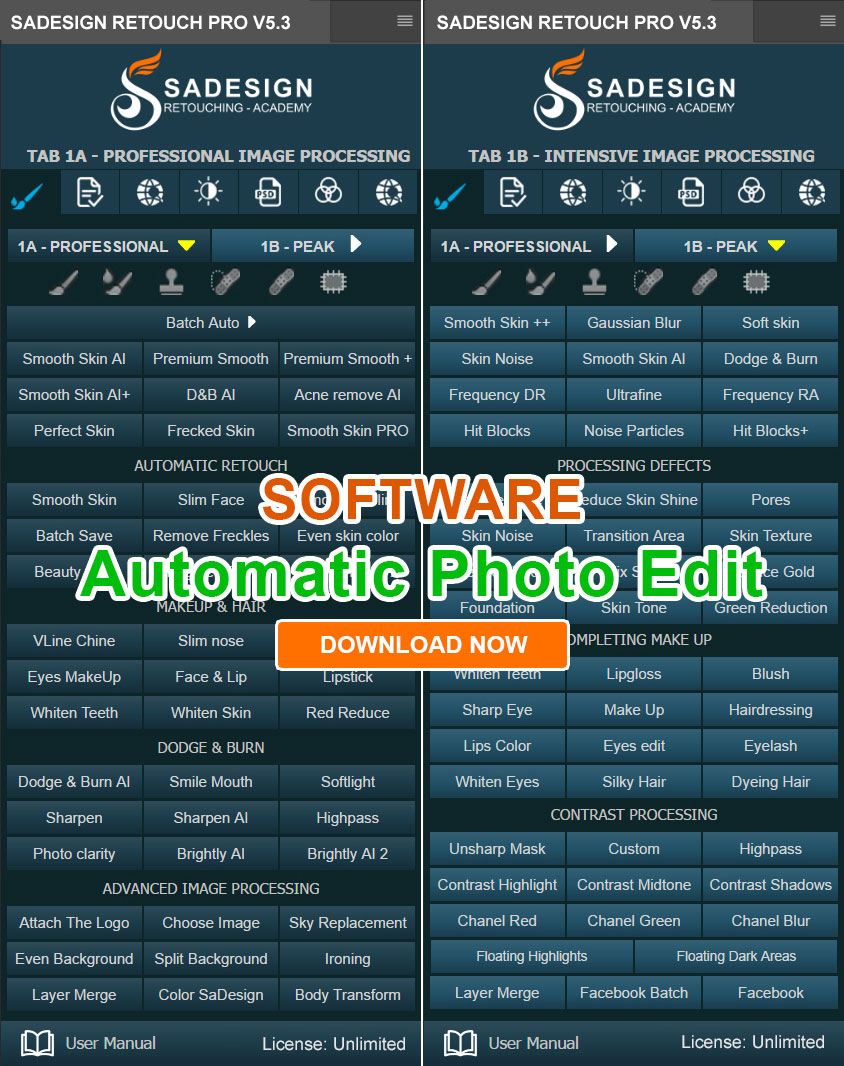
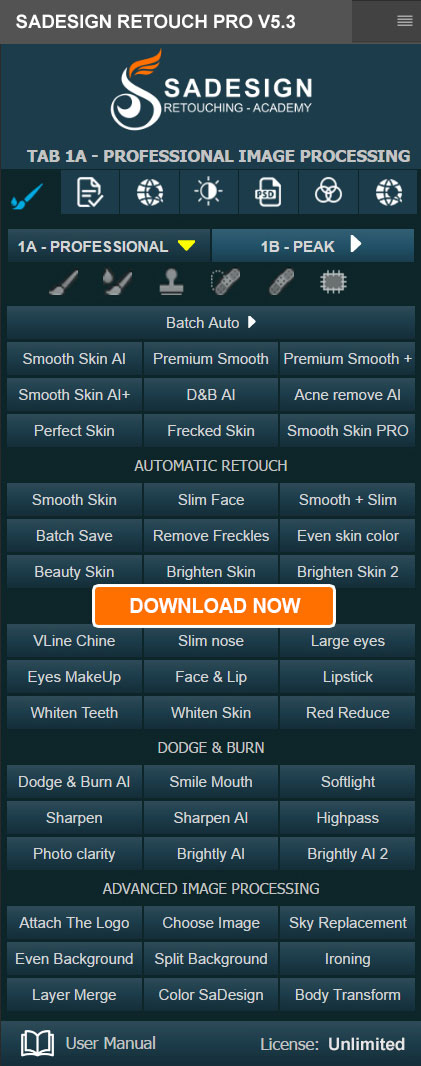
Plugin Retouch4me
69 USD

Capcut Pro 1 Year
39 USD

Freepik Premium Account
59 USD

MidJourney Account
29 USD
Adobe Photoshop Copyright - Full App
120 USD

Windows 10 & 11 Pro Key
36 USD
Autodesk All App Account Copyright
120 USD
Genuine Cheap Canva Pro
39 USD
Copyright Adobe Lightroom Account
59 USD
Adobe Premiere Pro Account
99 USD
Genuine Adobe Illustrator account
99 USD
Upgrade genuine Capture One account
120 USD

ChatGPT Plus Account (GPT-4)
16 USD
Upgrade Duolingo Super
29 USD
Is Being a Designer Difficult? Breaking Down the Profession from a Real-World Perspective.
Nội dung
Those in this profession face pressure, constant innovation, and rapid technological change. If you're considering pursuing this career, this article will be helpful in preparing you mentally and outlining your career path.
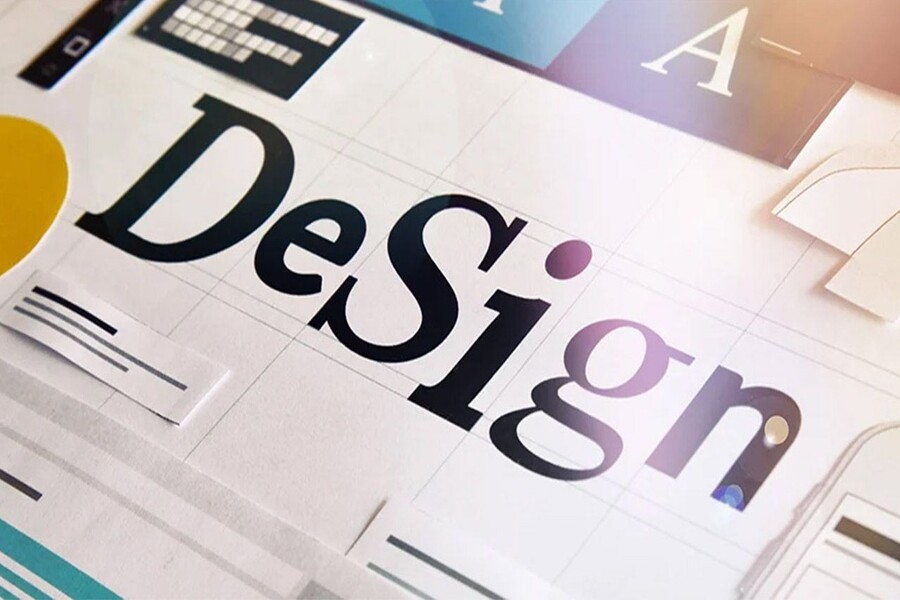
The design profession has become one of the most attractive and important fields in most industries. Whether it's a small business or a large corporation, any brand needs the power of visuals to convey its message, attract viewers, and create a unique impression. Therefore, designers are not only creators of visually appealing images but also problem solvers with creative thinking. However, not everyone fully understands what designers actually do every day, what their responsibilities are, or what positions are available within this vast design industry. For young people exploring the profession or preparing to enter the creative industry, understanding the true nature of a designer's work is crucial before deciding to pursue this path. This article will help you accurately visualize what design is, what specific tasks a designer performs, and the common positions currently available in the industry so you can find the most suitable career path for yourself.
1. What is the design profession?
Design is the process of creating a visual product through creative thinking, artistic skills, and technical tools. Design is not simply about drawing or creating beautiful images; it's an act of combining aesthetics and communication goals to solve a specific problem. The design profession goes beyond creating decorative products; it's a combination of research, analysis, creativity, experimentation, and optimization to deliver the most effective solution for clients or users.
Design is a profession encompassing many fields, from graphic design, fashion design, interior design, interface design to packaging design, motion design, and more. Each field requires different specialized skills, but the common thread is the ability to transform ideas into visually appealing and highly functional products. Beyond a keen aesthetic sense, designers must also understand user psychology, customer behavior, and communication goals to create the most effective design solutions.
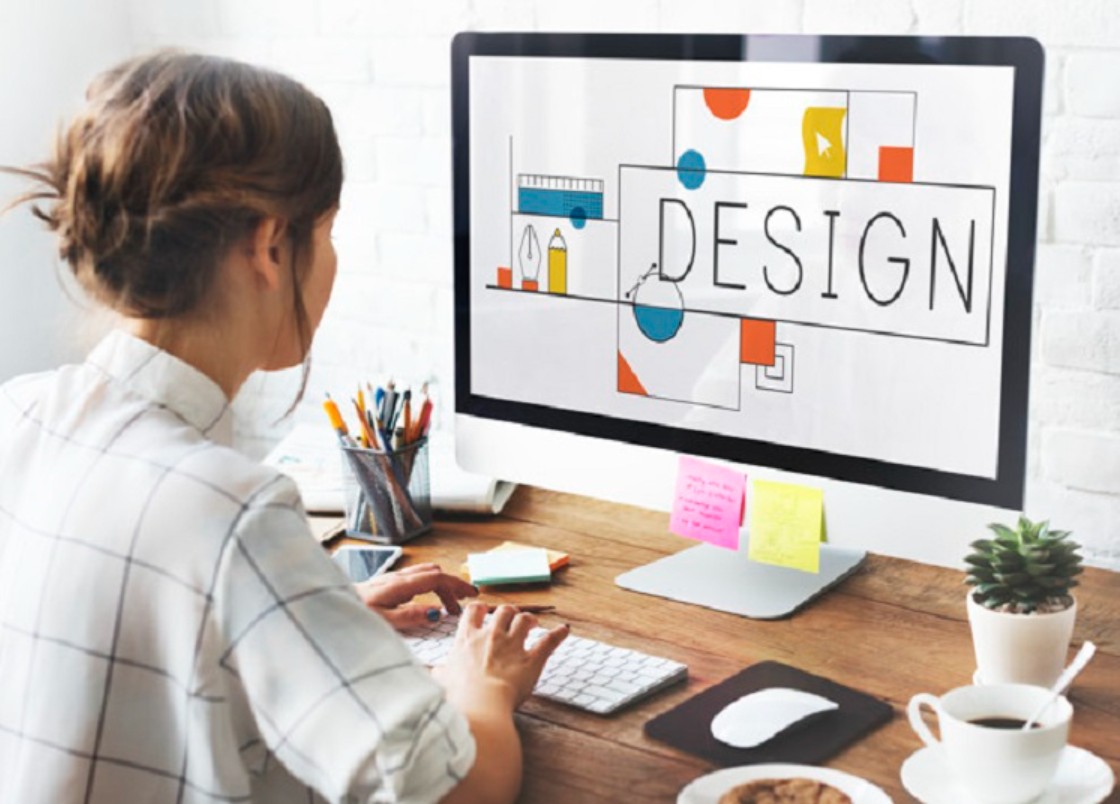
2. The work of a Designer
Images are ubiquitous and play a crucial role in many fields, especially in the marketing and communication activities of businesses of all sizes. In recent years, the role of designers has become more important than ever, as every brand seeks to enhance its competitiveness with unique and professional visual products.
So what exactly does a designer do? Below is a detailed description of the process and tasks that a designer typically undertakes in their daily work.
Meeting, discussing, and advising clients.
A designer's job isn't limited to just design; it also involves working directly with clients or internal teams. Designers need to understand the client's needs, goals, and budget to propose suitable solutions. This communication process is crucial as it helps determine the project's direction, avoid misunderstandings, and ensure the final product meets the initial requirements. Designers not only listen but also advise, provide expert feedback, and guide clients in choosing the optimal design option.
Product sketching and idea development
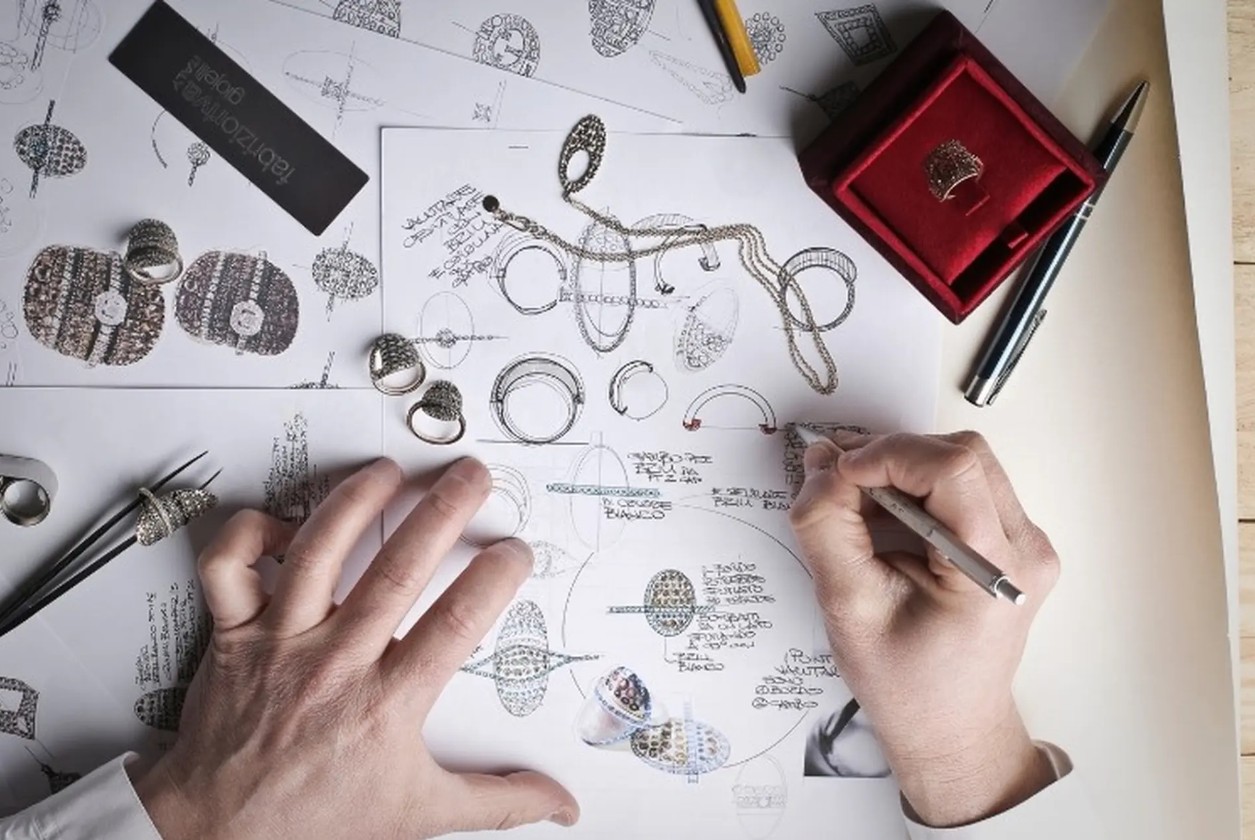
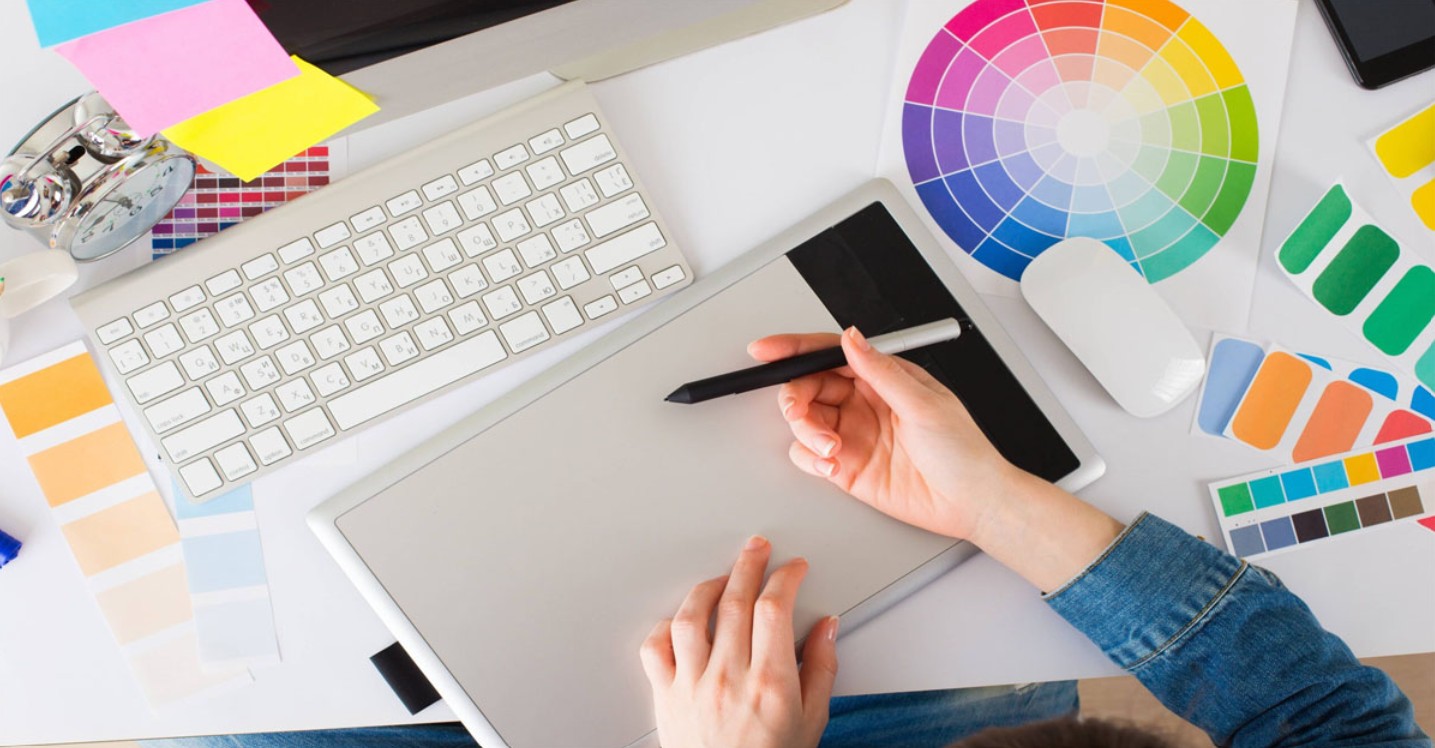
The sketching phase is a crucial step in forming the initial structure of a product. If the designer has hand-drawing skills, this is a significant advantage, allowing for quick idea expression. However, in today's era, the use of drawing tablets like Wacom or digital sketching tools is also common and greatly assists the creative process. The sketching phase helps the designer determine the overall direction of the product before starting detailed design in software. This is the time when the designer can freely experiment with various layouts, styles, and presentation types to choose the best option.
Adapting and developing products based on customer requirements.
A professional designer needs to be flexible in their work process. The client's initial ideas may be incomplete, sometimes vague, or even impractical. In such cases, the designer must know how to analyze, advise, and transform those initial desires into a finished product with high applicability. This requires communication skills, critical thinking, and market knowledge to help clients make informed choices. A good designer not only follows instructions but also knows how to infuse creative value into the product to enhance communication effectiveness.
Adjust the design according to budget and time.
Not every project allows designers to unleash their creativity without time or budget constraints. Therefore, designers must know how to balance technical aspects, aesthetics, and the client's budget. When budgets are limited, designers must find ways to optimize the process and use suitable design solutions. Furthermore, meeting deadlines is extremely important. Designers must know how to organize work, manage time, and divide tasks into stages to ensure timely completion.
Review images and colors before printing.
For printed materials such as brochures, packaging, posters, or brand identity kits, the designer is responsible for reviewing product images, checking colors, monitoring the printing process, and ensuring the final product meets requirements. Colors displayed on a screen and colors in print can differ, so designers need a thorough understanding of color systems like CMYK and RGB, and various color processing techniques to avoid discrepancies. This step requires meticulous attention to detail and experience.
Handing over the product to the customer.
After completing the design, the designer must deliver the files according to the specified standards: vector files, print files, original files, or publication files, depending on the client's requirements. Delivery can be done online or on similar storage devices. A professionally delivered set of files will allow the client to reuse the product in the future and demonstrate the designer's attention to detail.
Stay up-to-date with the latest design and technology trends.
Design is a constantly changing field, with new trends, colors, techniques, and tools emerging every day. If designers don't learn and update their knowledge, their work will become outdated compared to the market. Improving personal skills such as software proficiency, enhancing aesthetic sense, and learning motion graphics or UI/UX will help designers upgrade their value and have more career opportunities.
3. Currently, there are various types of designers.
The design industry is very broad, encompassing many different fields and specialties. Choosing a suitable career path depends on each individual's abilities, experience, and aspirations. For those who are exploring or preparing to enter the industry, here are five of the most common types of designers today.
3.1. Graphic Designer
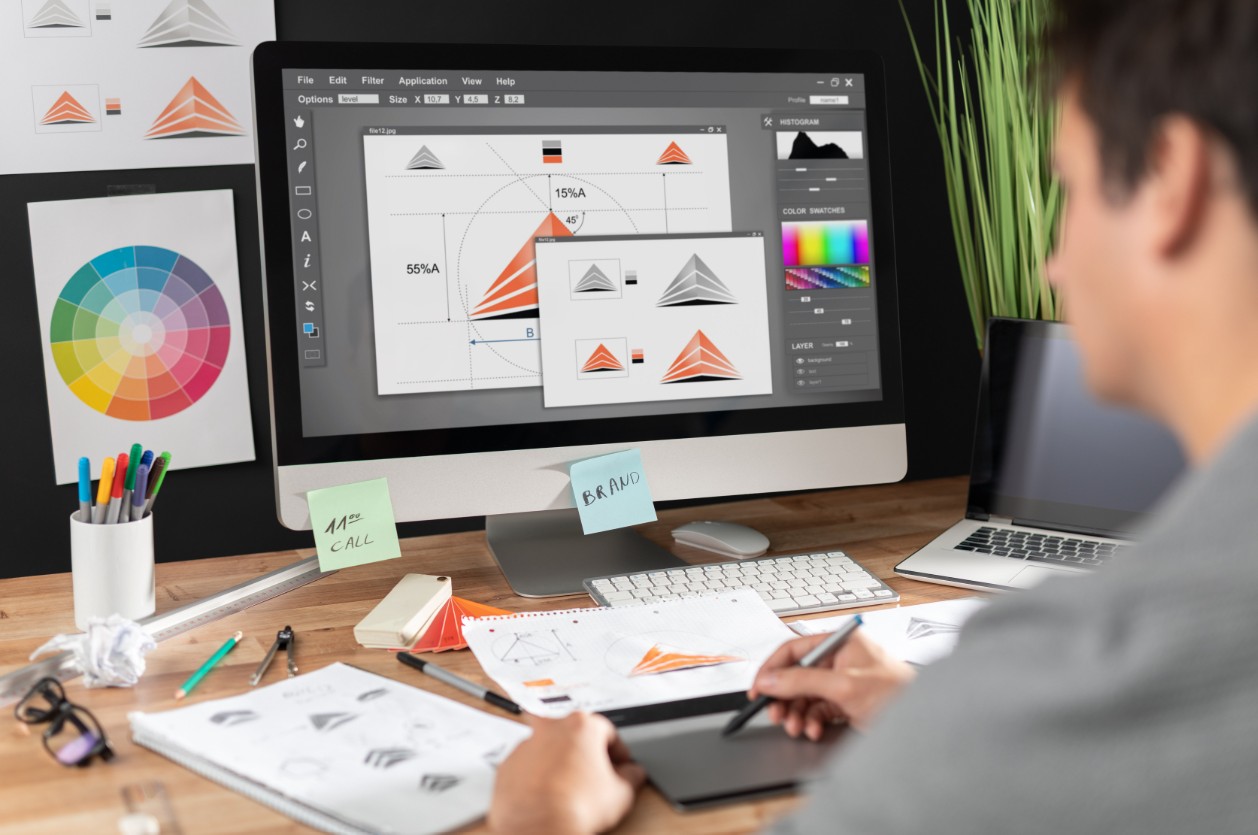
Graphic Designer is one of the most common and familiar positions in the design industry. Their work primarily involves creating visuals using graphic design software such as Adobe Photoshop, Illustrator, or InDesign. Graphic designers create products for marketing, communication, or brand identity. They design logos, brand identity packages, advertising materials, posters, banners, product packaging, and many other forms of visual content. This position is suitable for those with strong composition and color sense and a passion for creating diverse visual products.
3.2. Web Designer
A web designer is responsible for designing website interfaces. Their work focuses not only on aesthetics but also on user experience. Web designers need to understand how to arrange content scientifically, and how to use colors, fonts, and images to create a comfortable user experience. Beyond aesthetics, web designers need basic knowledge of HTML, CSS, and JavaScript to effectively collaborate with programmers during website development. This position is suitable for those who enjoy combining visual design and technology.
3.3. Motion Graphics Designer
Motion Graphics Designers create animated visual products, bringing elements like shapes, letters, icons, or illustrations to life with motion effects. They use software like After Effects or Cinema 4D to create advertising videos, intros, animations, dynamic infographics, and social media content. The work of a Motion Designer requires creativity, a sense of rhythm, and a deep understanding of motion to create highly engaging products. This is a rapidly growing field with high demand for talent.
3.4. UI/UX Designer
A UI/UX designer is someone who designs user interfaces and user experiences. This profession combines design, psychology, technology, and behavioral research. UI designers are responsible for the visual aspects of the interface, such as layout, color, and fonts, while UX designers focus on user behavior, analyzing user flow and suggesting ways to optimize the experience. In practice, these two roles are often combined into a single UI/UX designer position. They create interfaces for apps, websites, software, and many other digital platforms. This job is suitable for those who enjoy logic, analytical thinking, and possess systems thinking skills.

3.5. Fashion Designer
Fashion designers are people who create clothing and fashion accessories. Their work requires the ability to keep up with trends, analyze the market, understand the human body, and create collections with a unique style. Beyond artistic knowledge, fashion designers must also be skilled in sewing techniques, fabric selection, and design implementation. This is a field that demands creativity.
Design is a vast field with countless opportunities, but only those who are truly persistent and constantly improve themselves can go far. If you are preparing to enter the profession, start by understanding your strengths, finding the right position, and building a career path based on your passion. The design profession will always have room for those who are willing to be creative, innovative, and make a difference.









VIP Products


Best Selling Products
Upgrade Genuine Office 365
49 USD
Plugin Retouch4me
69 USD
Capcut Pro 1 Year
39 USD
Freepik Premium Account
59 USD
MidJourney Account
29 USD
Adobe Photoshop Copyright - Full App
120 USD
Windows 10 & 11 Pro Key
36 USD
Autodesk All App Account Copyright
120 USD
Genuine Cheap Canva Pro
39 USD
Copyright Adobe Lightroom Account
59 USD
Adobe Premiere Pro Account
99 USD
Genuine Adobe Illustrator account
99 USD
Upgrade genuine Capture One account
120 USD
ChatGPT Plus Account (GPT-4)
16 USD
Upgrade Duolingo Super
29 USD