Best Selling Products

Upgrade genuine Capture One account
120 USD

ChatGPT Plus Account (GPT-4)
16 USD

Capcut Pro 1 Year
39 USD

Genuine Cheap Canva Pro
39 USD

Copyright Adobe Lightroom Account
59 USD

Upgrade Duolingo Super
29 USD

Genuine Adobe Illustrator account
99 USD

Freepik Premium Account
59 USD

Adobe Photoshop Copyright - Full App
120 USD

MidJourney Account
29 USD

Adobe Premiere Pro Account
99 USD

Autodesk All App Account Copyright
120 USD

Plugin Retouch4me
69 USD

Upgrade Genuine Office 365
49 USD

Windows 10 & 11 Pro Key
36 USD
OpenAI discontinues the ChatGPT Atlas browser, focusing on building a comprehensive ChatGPT ecosystem.
Nội dung
According to OpenAI, the discontinuation of Atlas was not due to the entire project failing, but rather because the experience gained from the product had been transferred to the new generation of ChatGPT applications.
1. ChatGPT Atlas Project
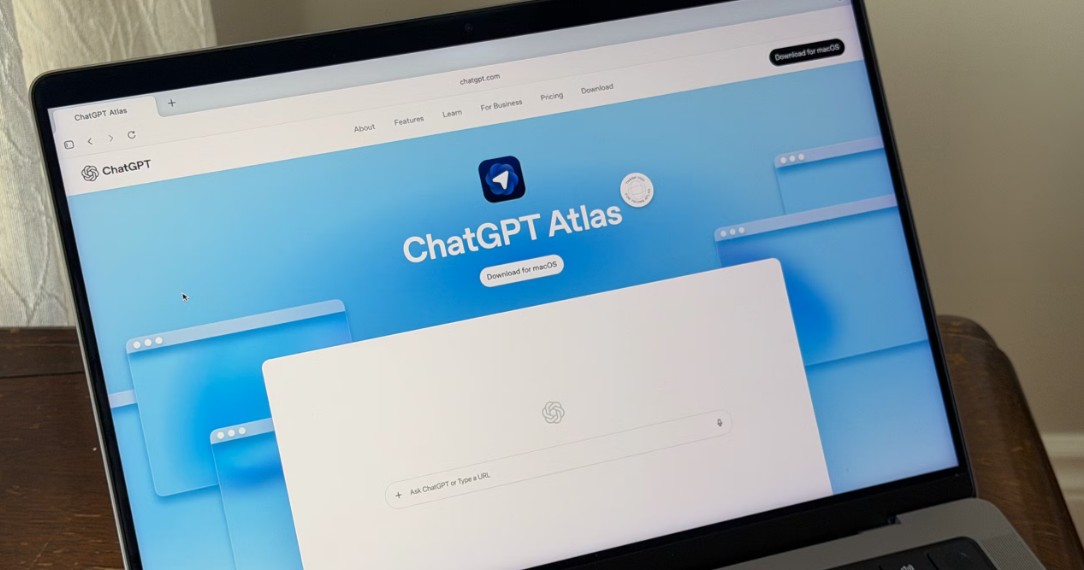
When introduced in October 2025, ChatGPT Atlas quickly garnered attention from the tech community. OpenAI describes it as a browser built around ChatGPT, with the ambition of turning AI into a companion assistant in all internet activities. Instead of just opening web pages like a traditional browser, Atlas can understand the context of the task, assist in information searching, analyze content, and perform many tasks while browsing the web.
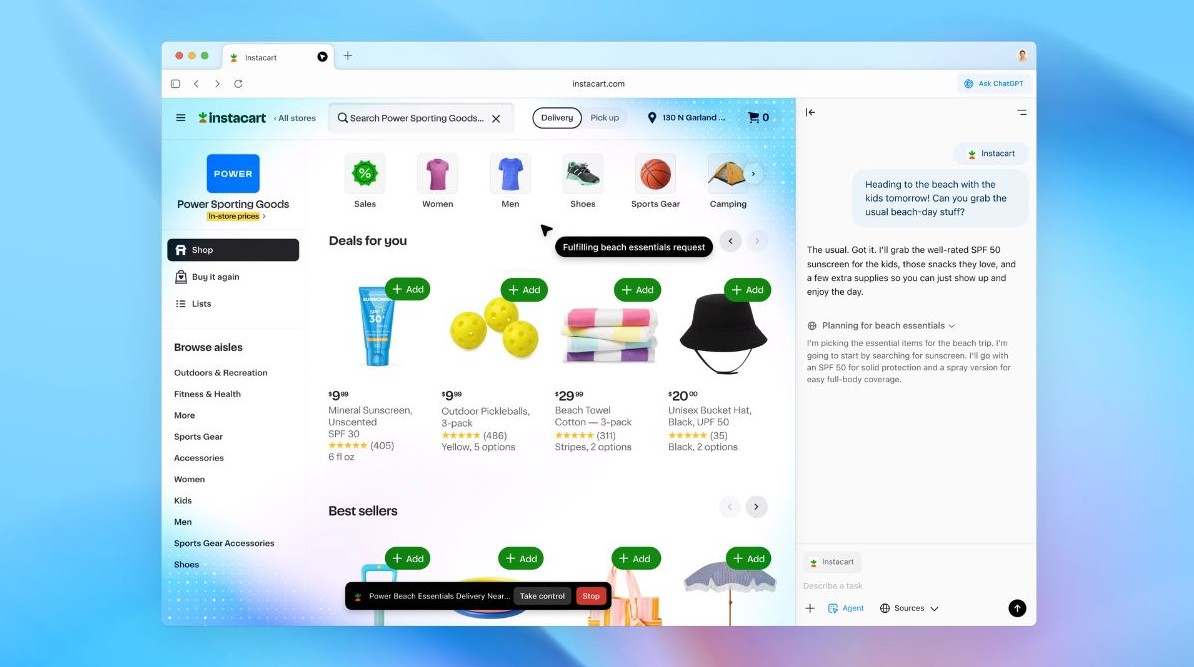
The biggest differentiator of Atlas lies in its integration of AI directly into the web browsing experience. Users can ask questions about content on a webpage, request AI to summarize articles, compare multiple sources, analyze data, or assist with repetitive tasks without switching to a separate chatbot. OpenAI's goal is to reduce the number of manual actions and help users complete tasks faster.
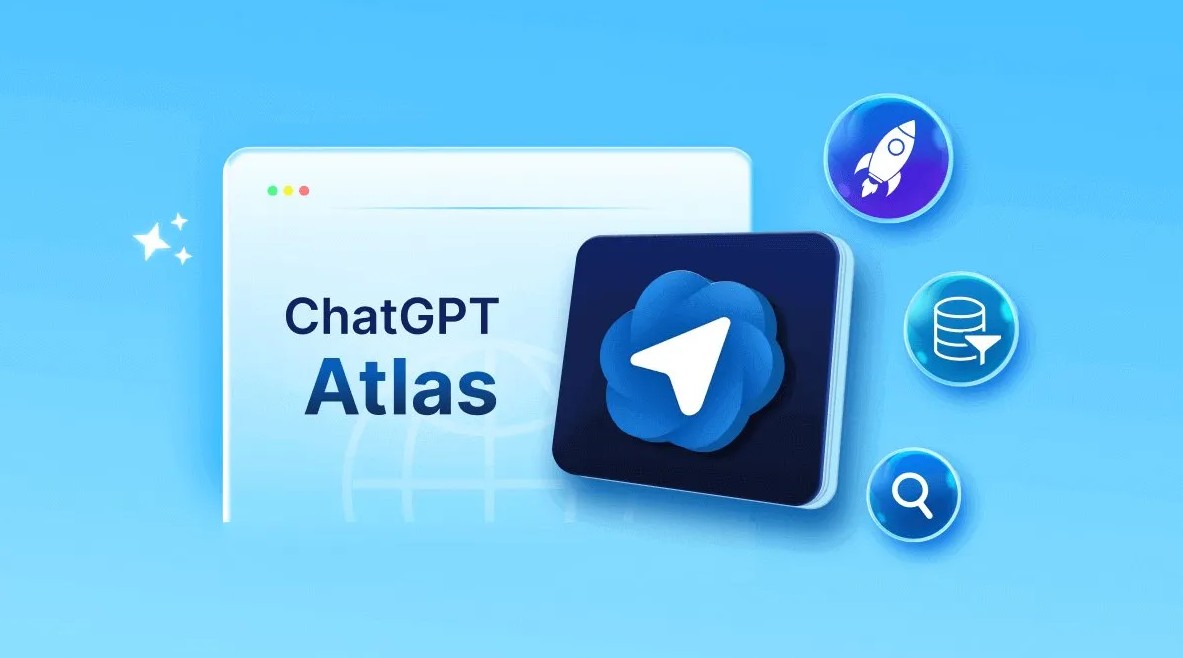
Atlas was once expected to compete directly with popular browsers like Google Chrome and Microsoft Edge thanks to its deeper AI integration. OpenAI also envisioned the product as a platform to help users work more efficiently through features such as Agent Mode, context recognition, research support, automation of many browser operations, and processing multi-step tasks with a single natural language request.
At launch, Atlas only supported macOS, with a Windows version promised to follow later. However, this plan did not materialize when OpenAI decided to halt the entire project before the official Windows release. This also means Atlas had a relatively short lifespan compared to the initial expectations for the product.
2. Why did OpenAI decide to discontinue ChatGPT Atlas?
According to OpenAI, the discontinuation of Atlas was not due to the entire project failing, but rather because the experience gained from the product had been transferred to the new generation of ChatGPT applications.
In an official announcement, the company stated that it will integrate Atlas's intelligent web browsing capabilities, AI-powered tasks, and other features into ChatGPT and the Codex. This eliminates the need for users to switch between multiple applications, allowing them to perform searches, research, programming, document editing, and data mining all within a single unified platform.
OpenAI is clearly shifting from a model of developing multiple standalone applications to building a centralized ecosystem centered around ChatGPT. Instead of investing resources in maintaining a separate browser, the company chose to integrate Atlas's best technologies into the ChatGPT desktop application. This strategy reduces development costs while providing a more seamless user experience.
In other words, Atlas didn't disappear completely but became the technological foundation for building a more powerful ChatGPT experience. The lessons learned about AI agents, website interaction capabilities, and task automation will continue to be inherited in future versions of ChatGPT.
Additionally, OpenAI recommends that users back up important data before Atlas ceases operation. Data such as bookmarks, browsing history, open tabs, or certain personal settings will not be automatically transferred to the new ChatGPT application. This is a necessary step to ensure users do not lose important information after Atlas officially stops working.
3. Limitations that prevented ChatGPT Atlas from meeting expectations.
One reason is that this browser is developed based on Google's Chromium platform. This makes Atlas compatible with many websites and extensions, but it also makes it difficult for it to create a significant difference from Chrome, Microsoft Edge, or many other browsers that also use the Chromium platform. For many users, Atlas does not offer enough value to replace the familiar browser they use every day.
Furthermore, Atlas's web browsing performance isn't particularly outstanding. Some reviews suggest that page load speeds and overall user experience aren't superior to traditional browsers. Specifically, Agent Mode still handles many tasks more slowly than direct user interaction, especially for tasks requiring multiple steps or continuous website interaction.
Beyond performance, developing an AI browser also presents numerous challenges regarding security, privacy, and compatibility with various online services. As AI gains deeper access to website content and user data, the demands for stability, accuracy, and security become increasingly stringent. These are issues that not only OpenAI but many other technology companies are also grappling with.
Maintaining a product that hasn't yet created a clear competitive advantage can lead to a dispersion of resources. Therefore, OpenAI chose to focus on ChatGPT instead of continuing to invest in Atlas as a standalone product.
4. New step: Focus on integrated ChatGPT application
Instead of continuing to develop Atlas, OpenAI is now focusing on building the ChatGPT application for computers on both Windows and macOS. This is considered a significant shift in the company's development strategy, as ChatGPT is no longer just an AI chatbot but is gradually becoming a central hub for processing tasks and supporting users in many fields.
The new version not only offers the ability to chat with AI but also integrates many work-related tools such as the Codex for programming, ChatGPT Work to support research, information synthesis, and document processing. Users can look up data, compare multiple sources of information, summarize content, extract data, or perform research tasks all within a single interface without switching between multiple applications.
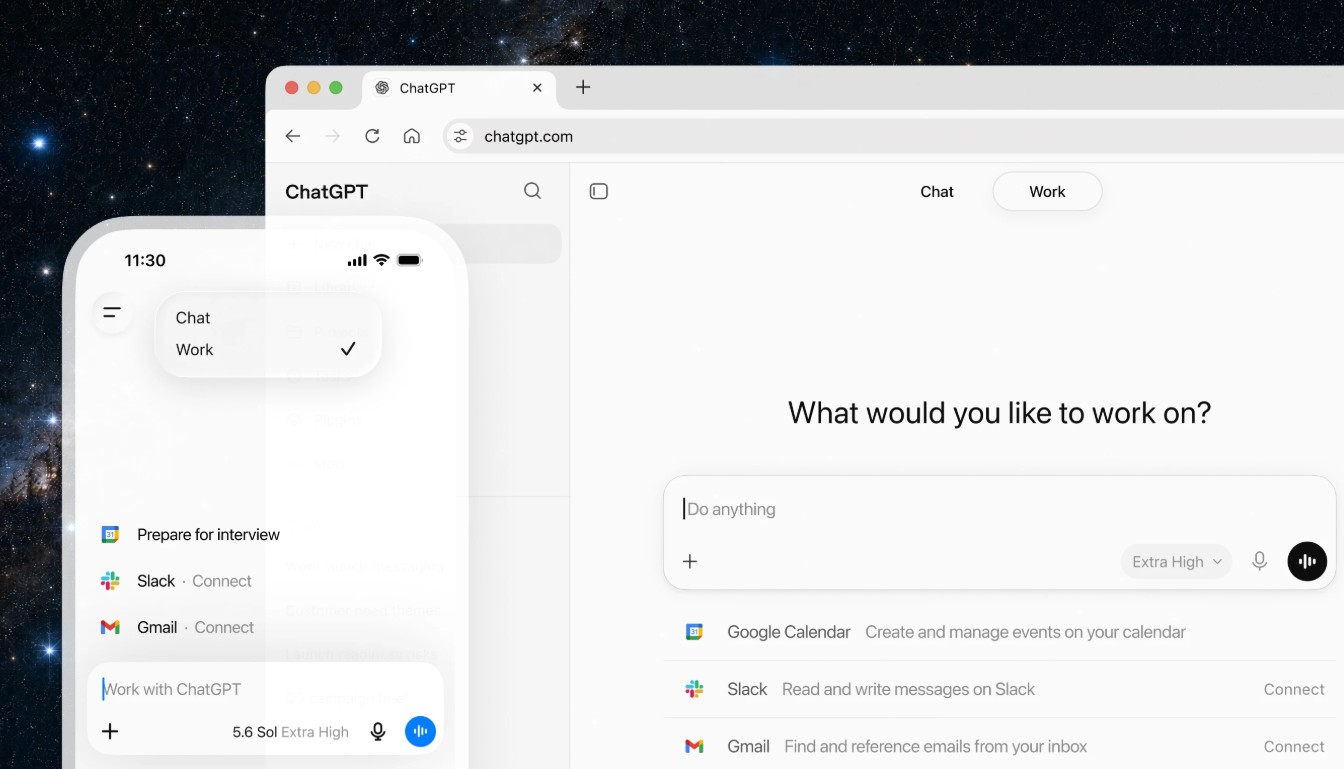
Another notable feature is the ability to work directly with files from Google Workspace and Microsoft 365. Users can open, read, edit, and refine documents directly within ChatGPT, making the workflow more seamless. This integration is particularly useful for office workers, researchers, programmers, and work teams that frequently use various types of documents.
Furthermore, the ChatGPT application is also envisioned as a versatile AI platform capable of supporting planning, data analysis, content writing, programming, market research, and handling various workflows using AI. This shows that OpenAI not only aims to develop a chat tool but is gradually building a comprehensive AI assistant serving both work and study.
The new strategy shows that OpenAI is aiming to build ChatGPT as the centerpiece of its entire AI ecosystem, rather than developing individual products separately. Technologies previously developed for Atlas will continue to be inherited and integrated into ChatGPT to provide a unified experience and optimize development resources in the long term.
5. What happens to ChatGPT Atlas users?
OpenAI has announced that Atlas will officially cease operations on August 9, 2026. Before this date, users should proactively export important data such as passwords, cookies, bookmarks, browsing history, and websites they want to save to avoid losing information after the service stops working.
The good news is that ChatGPT chat history is not affected by Atlas's shutdown. Conversations are still saved in your ChatGPT account as before, depending on your service plan and settings. This makes the transition to the new ChatGPT application smoother and doesn't disrupt ongoing work.
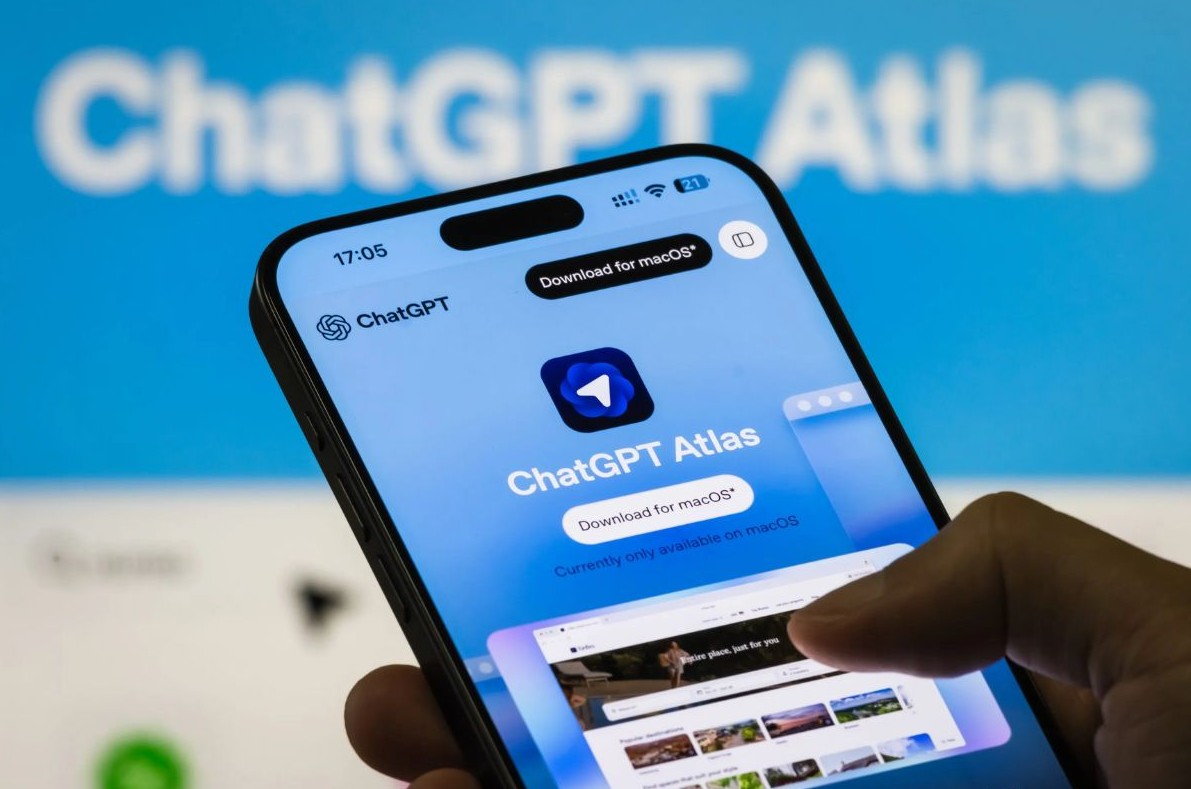
For those who still want to use AI while browsing the web, OpenAI continues to develop the ChatGPT extension for Chromium-based browsers, while also upgrading the browsing experience within the ChatGPT desktop application. Instead of installing a new browser, users can leverage AI features directly in their familiar browser or use them directly within the ChatGPT application for searching, researching, and processing tasks.
OpenAI also expects that integrating features into ChatGPT will provide users with a simpler and more consistent experience. Instead of managing multiple applications with different functions, most AI-related needs can now be met within a single platform.
7. Conclusion
OpenAI's unexpected discontinuation of ChatGPT Atlas marks the end of a project that once received high expectations but failed to create a clear competitive advantage. However, this is not necessarily a step backward but reflects a strategy of focusing resources on a unified AI ecosystem.
In the future, instead of developing numerous standalone applications, OpenAI will likely continue to integrate its best technologies into ChatGPT to build a more comprehensive platform. For users, this means an increasingly seamless, powerful AI experience that serves multiple work needs within a single application. The end of Atlas can therefore be seen as a turning point, paving the way for a new phase of development for the ChatGPT ecosystem and OpenAI's AI tools.





















VIP Products








Best Selling Products
Upgrade genuine Capture One account
120 USD
ChatGPT Plus Account (GPT-4)
16 USD
Capcut Pro 1 Year
39 USD
Genuine Cheap Canva Pro
39 USD
Copyright Adobe Lightroom Account
59 USD
Upgrade Duolingo Super
29 USD
Genuine Adobe Illustrator account
99 USD
Freepik Premium Account
59 USD
Adobe Photoshop Copyright - Full App
120 USD
MidJourney Account
29 USD
Adobe Premiere Pro Account
99 USD
Autodesk All App Account Copyright
120 USD
Plugin Retouch4me
69 USD
Upgrade Genuine Office 365
49 USD
Windows 10 & 11 Pro Key
36 USD