Best Selling Products

Freepik Premium Account
59 USD

Genuine Adobe Illustrator account
99 USD

ChatGPT Plus Account (GPT-4)
16 USD

MidJourney Account
29 USD

Adobe Premiere Pro Account
99 USD

Capcut Pro 1 Year
39 USD

Upgrade Genuine Office 365
49 USD

Adobe Photoshop Copyright - Full App
120 USD

Upgrade genuine Capture One account
120 USD

Plugin Retouch4me
69 USD

Autodesk All App Account Copyright
120 USD

Copyright Adobe Lightroom Account
59 USD

Genuine Cheap Canva Pro
39 USD

Upgrade Duolingo Super
29 USD

Windows 10 & 11 Pro Key
36 USD
Perplexity and Claude: Which AI Tool Should You Choose?
Nội dung
- 1. What are the main differences between Perplexity and Claude?
- 2. Comparing Core Competencies Between Perplexity and Claude
- 3. The Main Strengths of Perplexity and Claude
- 3.1 Strengths of Perplexity
- 3.2 Claude's Strengths
- 4. Price Comparison Between Perplexity and Claude
- 5. What are the limitations of these tools?
- 6. When should you use Perplexity, and when should you use Claude?
- 7. Conclusion
- 8. Frequently Asked Questions
In the context of rapidly developing artificial intelligence, Perplexity and Claude are two names frequently mentioned when users search for a reliable AI assistant. Both are capable of answering questions, searching for information, writing content, and analyzing data, but their approaches differ significantly. This article will analyze the differences, pricing, and when to use each tool to help you make the best choice for your needs.

1. What are the main differences between Perplexity and Claude?
Perplexity and Claude can both answer questions, create content, analyze information, and utilize up-to-date web data, but the design philosophies behind each tool are entirely different.
Perplexity is built around the concept of artificial intelligence-based search, therefore it excels when users need the latest information, multiple sources, and specific citations in a single answer. Perplexity's interface and workflow are optimized for quick information retrieval, comparison, and verification.
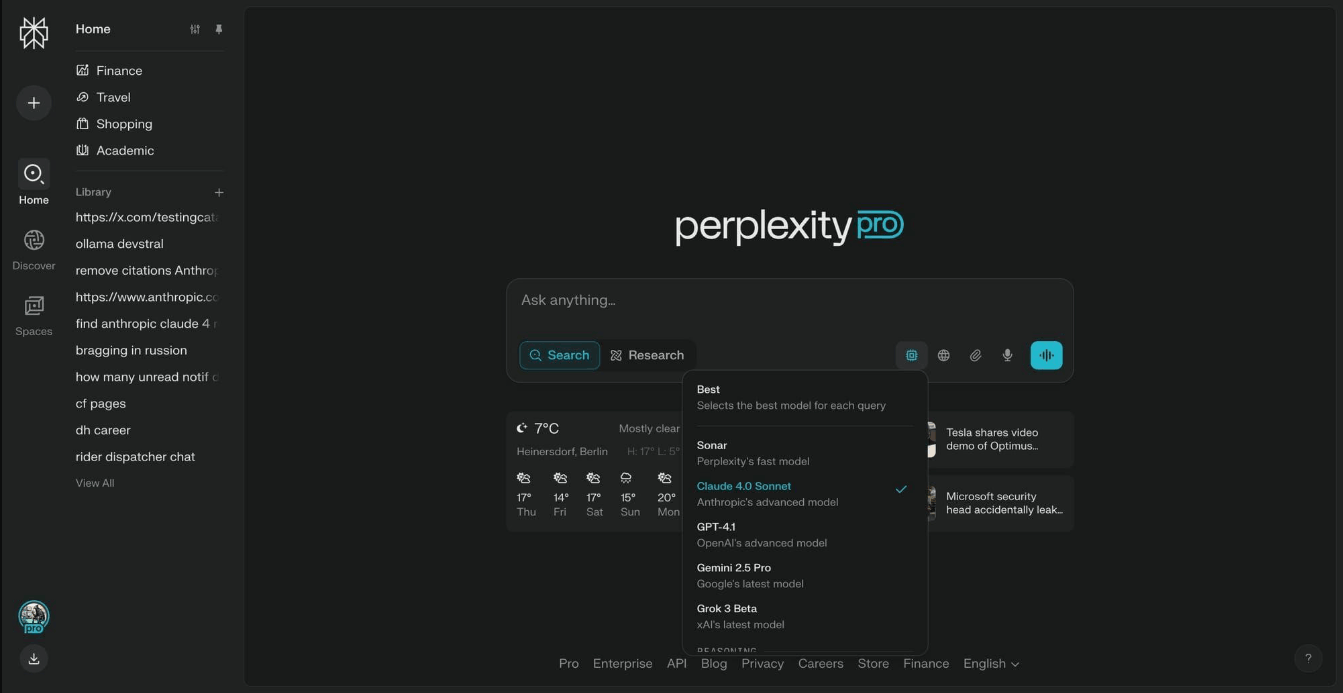
Meanwhile, Claude focuses more on handling detailed instructions, documentation, ideas, and source code to create or finalize the product. Claude also supports web search and citation research, so the gap in information retrieval capabilities between the two tools is no longer as large as it used to be.
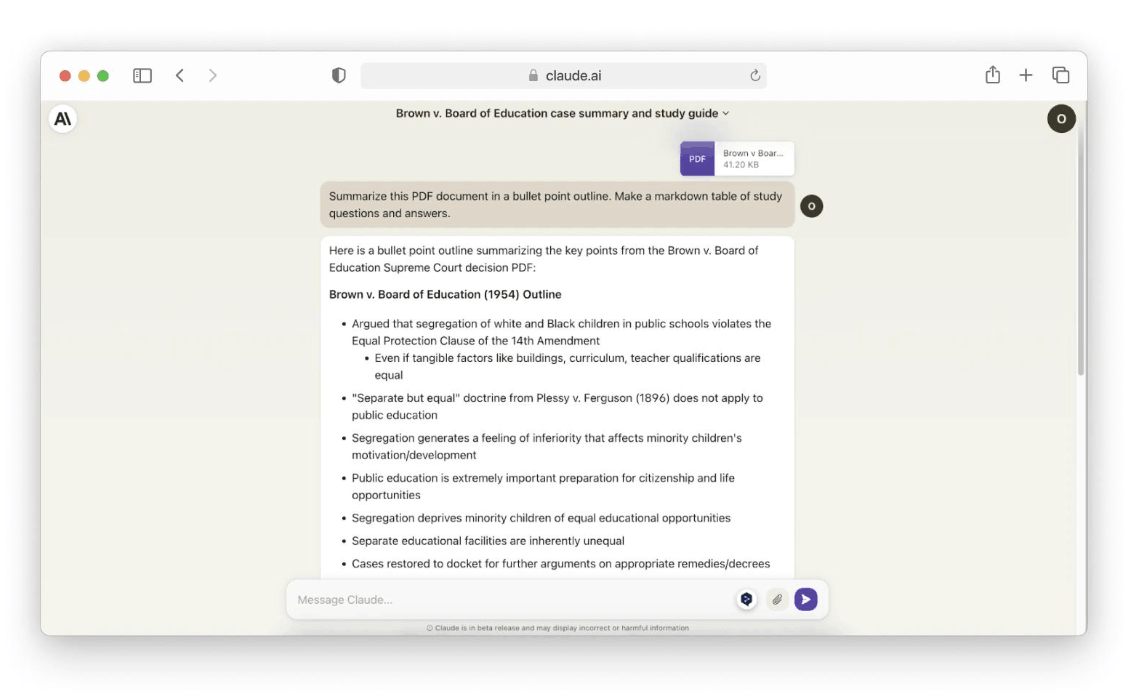
Simply put, Perplexity is generally better suited for research-oriented tasks, while Claude is often a better choice for writing, programming, analysis, and tasks requiring handling multiple contexts simultaneously.
2. Comparing Core Competencies Between Perplexity and Claude
Both tools cover many similar tasks, so the right choice largely depends on the nature of the work you need to do. Perplexity has a powerful search-oriented workflow, while Claude is well-suited for creating and refining content based on detailed instructions and provided data.
| Capacity | A more suitable tool | Reason |
|---|---|---|
| Web research | Perplexity | Searching and providing answers with references is central to the workflow. |
| Discover the source of information. | Perplexity | The answer includes citations and links to the source of support. |
| Write long content | Claude | Ideal for drafting, rewriting, and finalizing content. |
| Document analysis | Claude | Suitable for handling the provided file and context. |
| Programming | Claude | A powerful tool for code generation, debugging, and software development. |
| Verify current information | Perplexity | Built upon up-to-date web data and citations. |
| Summary of research | Claude | Suitable for transforming information into structured analysis. |
| In-depth research project | Both | Perplexity gathers the data, Claude analyzes and develops the final product. |
These two platforms now have more points of overlap than before. Perplexity Pro allows users to pay for access to a wider range of advanced AI models, including Claude models, while Claude has also added web search capabilities and in-depth research modes.
3. The Main Strengths of Perplexity and Claude
Perplexity and Claude can handle many of the same tasks, but each tool excels in unique aspects. Understanding these strengths will help you choose the right tool for each specific job.
Overall, Perplexity is stronger in research and providing well-referenced answers, while Claude is generally a better choice for writing, analysis, programming, and handling detailed context.
3.1 Strengths of Perplexity
Perplexity is designed to find information and present results in a clear, organized manner. The tool combines AI-powered feedback with web search capabilities, making it useful for research-focused tasks.
Timely information is the first notable strength, as Perplexity uses web search to provide the most up-to-date answers on news, trends, products, and frequently changing topics. In addition, the source citation system allows users to verify the information sources behind each answer, increasing the credibility of the content created.
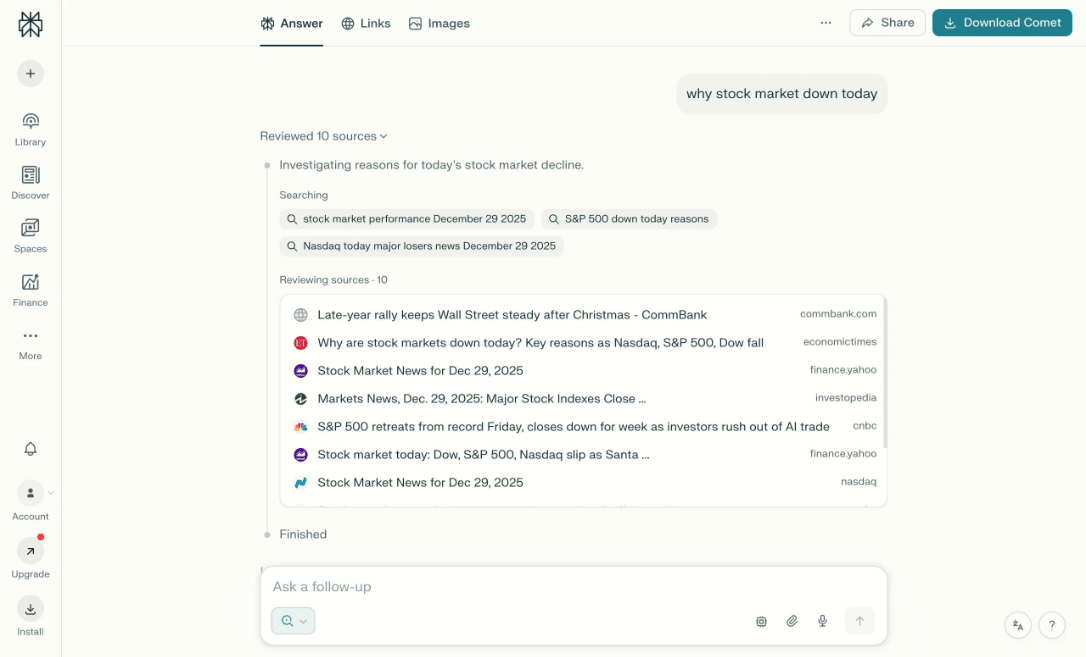
The ability to conduct rapid research is also a major plus, as Perplexity can synthesize information from multiple sources into a single answer, significantly saving time on manual research. Additionally, Perplexity's paid plans provide access to a variety of AI models, catering to diverse applications.
Ultimately, Perplexity's workflow is designed to help users efficiently search, compare, and verify information. These strengths make Perplexity a suitable choice when your primary goal is to gather information, fact-check, or find reliable sources before starting a project.
3.2 Claude's Strengths
Claude is particularly useful when you already have information and need a tool to help transform it into a finished product. Claude works well in tasks requiring deep reasoning and multiple rounds of editing.
Regarding long-form content writing, Claude can handle articles, reports, and other lengthy content while maintaining a coherent and consistent structure. Claude also excels at document analysis, working efficiently with uploaded files, notes, research papers, and detailed instructions.
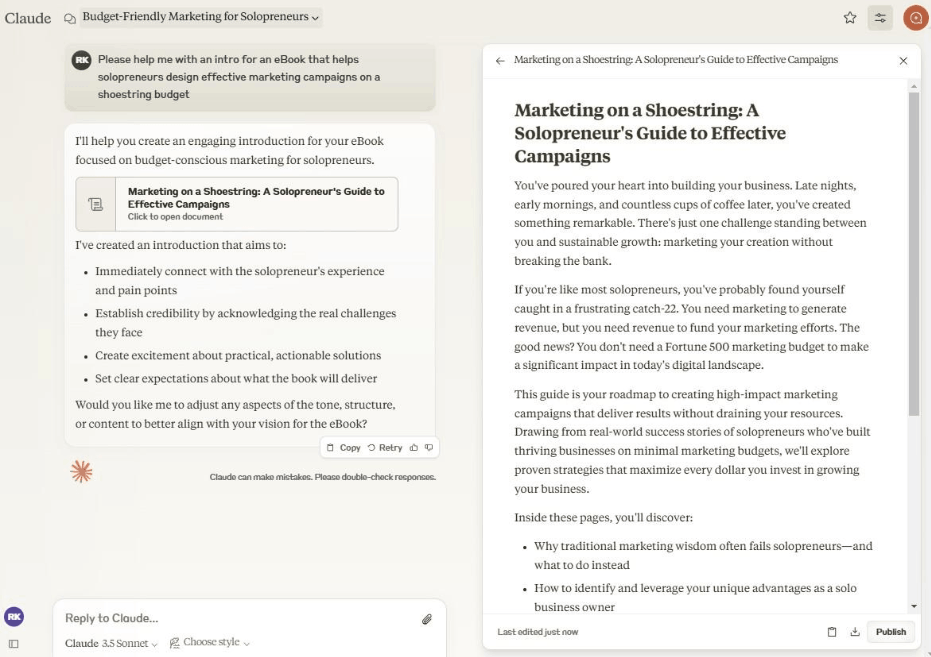
Programming support is also a prominent strength, as Claude assists with code generation, debugging, explanation, and various other software development tasks. Furthermore, his strong reasoning abilities enable him to effectively handle complex questions requiring step-by-step analysis and thinking.
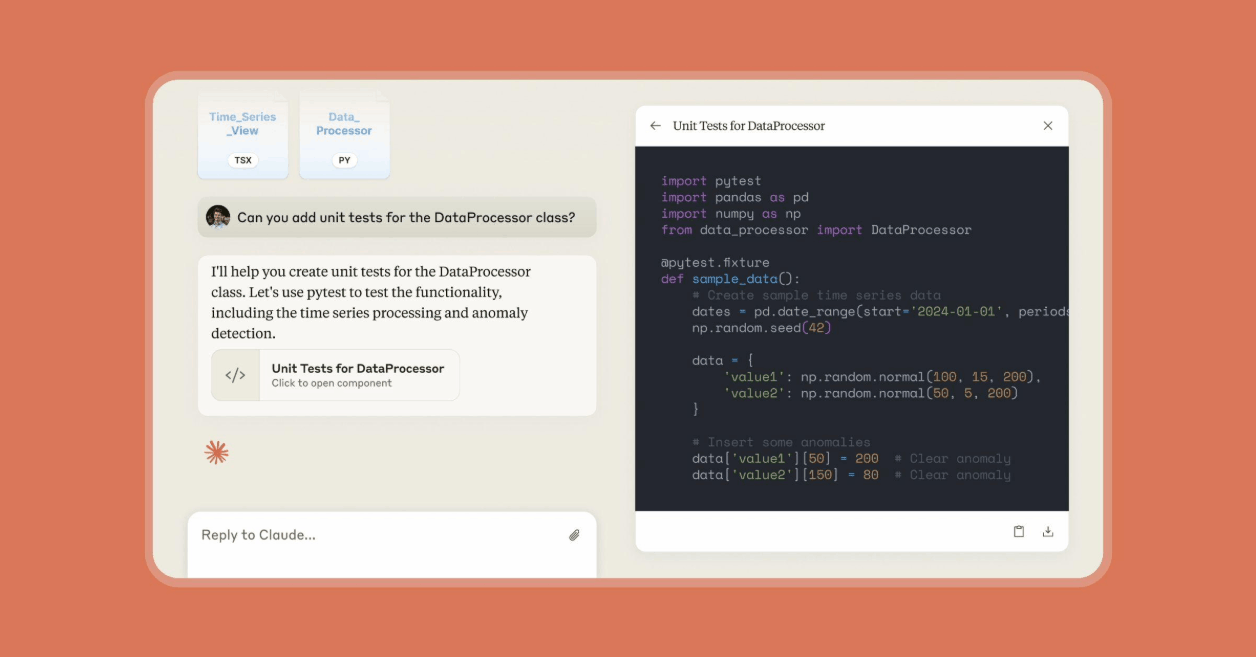
For projects that require maintaining context across multiple rounds of communication, Claude's project features help keep the flow of information consistent throughout the workflow. Thanks to these strengths, Claude is a suitable choice for writing, programming, document processing, and projects that require multiple rounds of completion rather than just a quick response.
4. Price Comparison Between Perplexity and Claude
Both Perplexity and Claude offer free plans, while the main paid plans for each platform are priced similarly in the US market.
Perplexity Pro focuses on searching, researching, analyzing files, and accessing multiple AI models, while Claude Pro offers higher usage limits along with features such as projects, in-depth research, and programming support. Both platforms have higher-priced packages for users with greater usage needs.
| Package | Perplexity | Claude |
|---|---|---|
| Free of charge | $0 | $0 |
| Main paid package | Pro: $20 per month or $200 per year | Pro: $20 per month or $200 per year |
| Higher-end package | Max: $200 per month or $2,000 per year | Max 5x: $100 per month, Max 20x: $200 per month |
| Main focus | Search, research, source code, file analysis, and various AI models. | High usage limits, projects, research, programming, and advanced features. |
For most individual users, the $20-per-month plan is the most important benchmark for comparison between the two platforms. Users with higher usage needs may consider more expensive plans, but the actual value depends on how each person utilizes the tool.
5. What are the limitations of these tools?
Neither tool alone can meet all artificial intelligence needs, and users requiring more specialized tasks such as unlimited image creation often have to turn to entirely different platforms.
Perplexity excels in web research and provides cited answers; however, its answers may still require further source verification and editing before being used in complete content. Sometimes, over-reliance on multiple sources can lead to answers lacking the necessary analytical depth.
Claude also has web search capabilities, but its main strength lies in handling instructions, documents, source code, and other types of context. Claude's answers may still contain errors, so users should proactively double-check important information before using it.
Both tools have different usage limitations depending on the service package. Therefore, instead of trying to find a tool that is absolutely superior in every aspect, users should evaluate them based on the specific nature of the work they need to accomplish.
6. When should you use Perplexity, and when should you use Claude?
You should choose Perplexity when you need up-to-date information from the web, explore sources, get specific citations, or want a quick lookup. This tool is useful for fact-checking, product comparison, business research, and aggregating information from multiple sources.
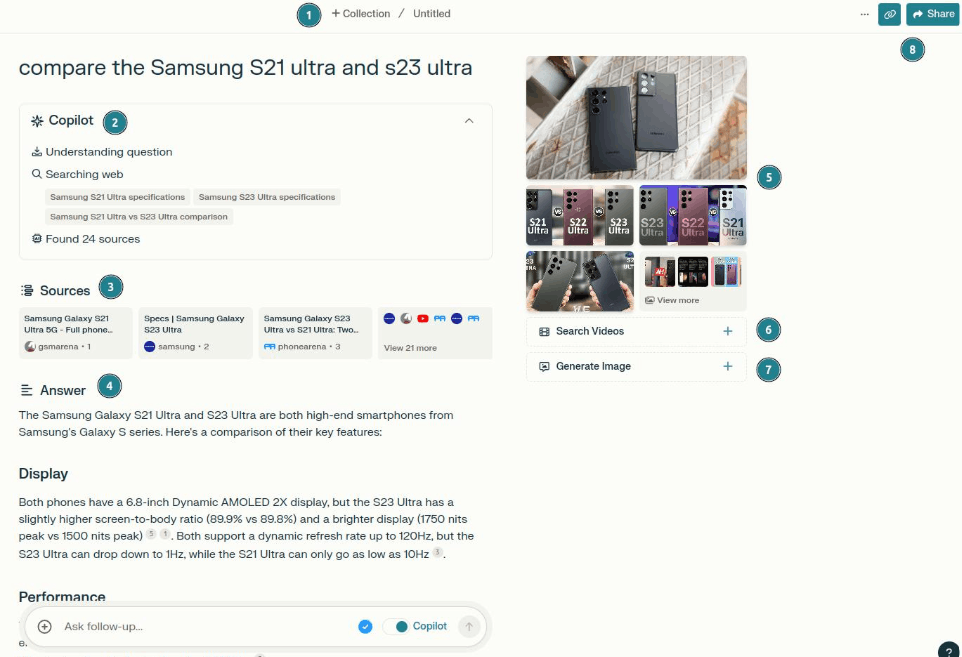
Conversely, you should choose Claude when you need to transform information into a concrete product such as articles, reports, analyses, or source code. Claude is also a suitable choice for tasks requiring multiple rounds of editing or complex reasoning.
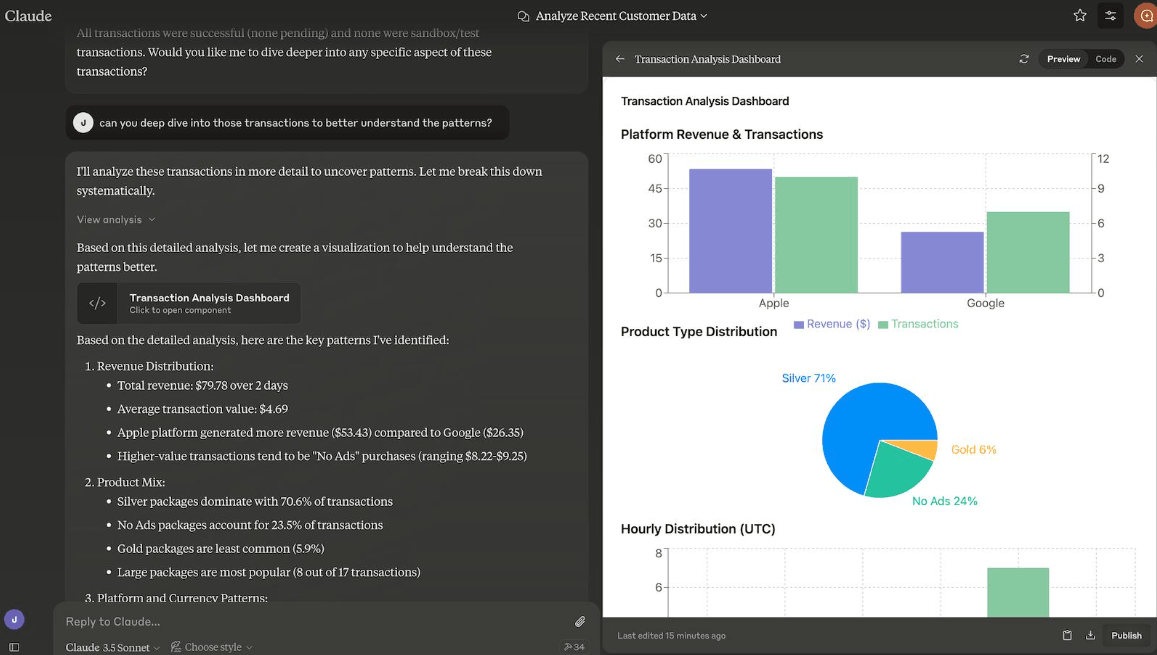
For in-depth research projects, you can absolutely combine both tools. Perplexity helps in gathering and verifying information, while Claude helps in organizing, analyzing, and developing the final product. The best choice depends on where most of your work begins.
7. Conclusion
After comparing features, prices, strengths, and limitations, the choice between Perplexity and Claude largely depends on how you intend to use each tool.
Perplexity is a suitable choice when research, up-to-date information, and source citations are paramount. Claude, on the other hand, is better suited for writing, programming, document analysis, and tasks requiring multiple rounds of completion.
In fact, using both tools in parallel is very effective when a project begins with the research phase and ends with the finalized content. You don't necessarily have to view these two tools as direct replacements for each other; rather, let your own work determine the most suitable choice.
8. Frequently Asked Questions
Is Claude's web search capability as good as Perplexity's?
Although Claude already has web search and in-depth research features, Perplexity's search capabilities are more specialized and superior when it comes to up-to-date information. Web search on Claude remains more of a support function, while Perplexity's entire workflow revolves around finding and citing sources.
Is it possible to use Perplexity and Claude together in a workflow?
It's entirely possible, and many professionals have adopted this combination. A common process is to use Perplexity for initial research and sourcing, then switch to Claude to leverage his superior reasoning and writing abilities to analyze the material and refine the final product.
Does Claude have the same in-depth research capabilities as Perplexity?
Yes, Claude offers a research mode that works similarly to Perplexity's in-depth research feature. This feature breaks down the question into sub-questions, performs multiple searches, and compiles them into a cited report, making Claude a formidable competitor in this field.
Which tool is better for programming and debugging?
Claude excels in programming-related tasks. It performs exceptionally well in code generation, debugging, source code refactoring, and providing detailed explanations, making it the preferred choice for programmers and complex engineering projects.





















VIP Products








Best Selling Products
Freepik Premium Account
59 USD
Genuine Adobe Illustrator account
99 USD
ChatGPT Plus Account (GPT-4)
16 USD
MidJourney Account
29 USD
Adobe Premiere Pro Account
99 USD
Capcut Pro 1 Year
39 USD
Upgrade Genuine Office 365
49 USD
Adobe Photoshop Copyright - Full App
120 USD
Upgrade genuine Capture One account
120 USD
Plugin Retouch4me
69 USD
Autodesk All App Account Copyright
120 USD
Copyright Adobe Lightroom Account
59 USD
Genuine Cheap Canva Pro
39 USD
Upgrade Duolingo Super
29 USD
Windows 10 & 11 Pro Key
36 USD