Best Selling Products
Upgrade genuine Capture One account
120 USD

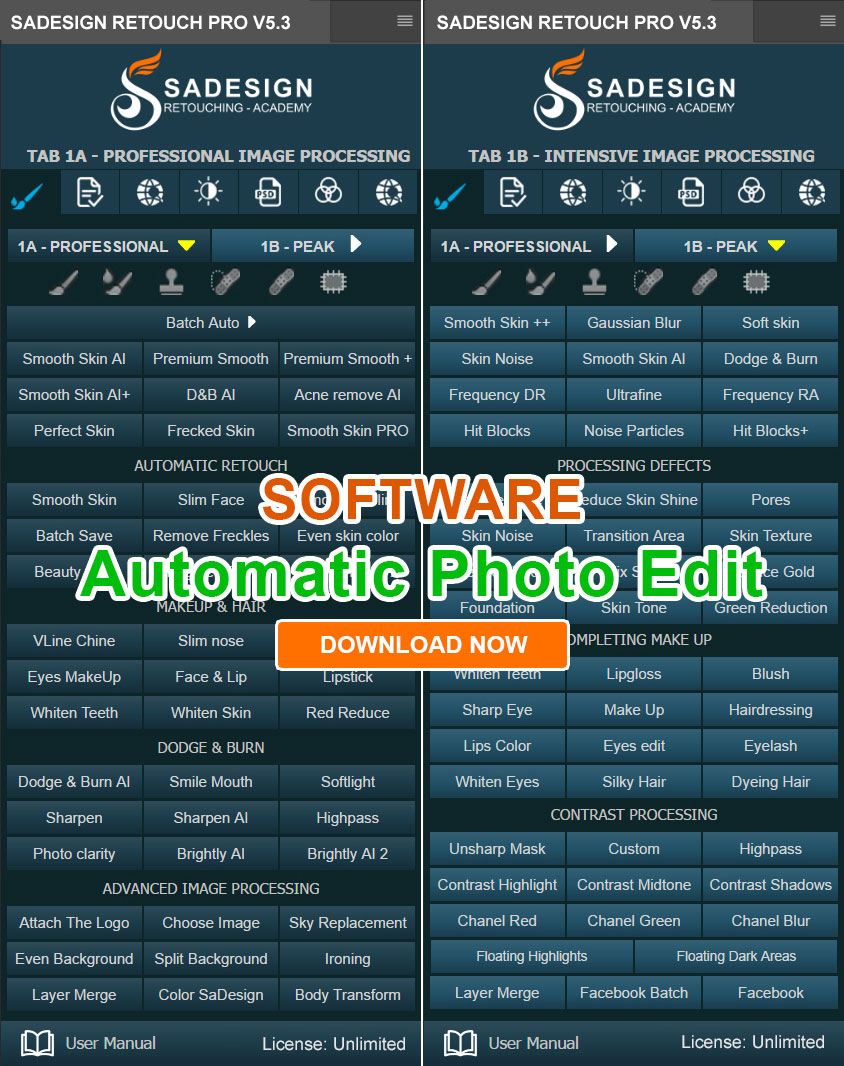
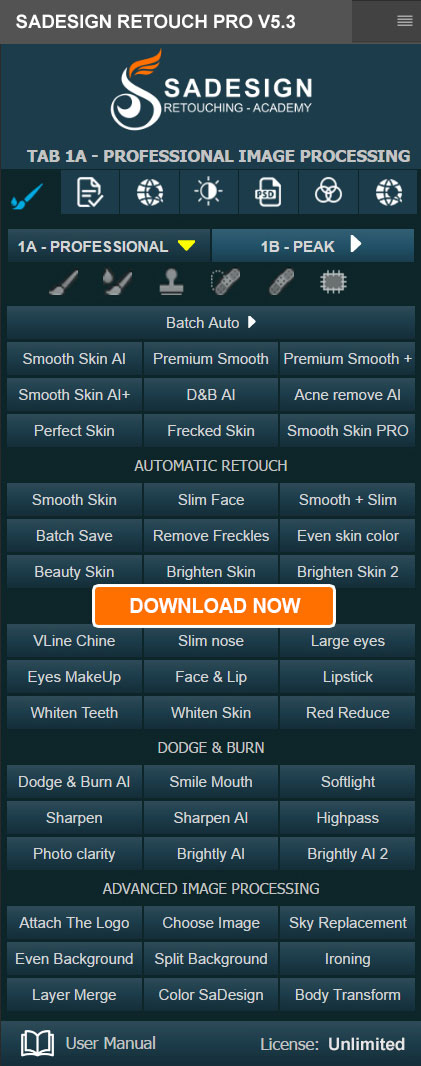
Plugin Retouch4me
69 USD

MidJourney Account
29 USD

Adobe Premiere Pro Account
99 USD

Upgrade Duolingo Super
29 USD
Genuine Cheap Canva Pro
39 USD

Genuine Adobe Illustrator account
99 USD

ChatGPT Plus Account (GPT-4)
16 USD
Copyright Adobe Lightroom Account
59 USD

Capcut Pro 1 Year
39 USD

Upgrade Genuine Office 365
49 USD

Freepik Premium Account
59 USD
Autodesk All App Account Copyright
120 USD
Adobe Photoshop Copyright - Full App
120 USD
Windows 10 & 11 Pro Key
36 USD
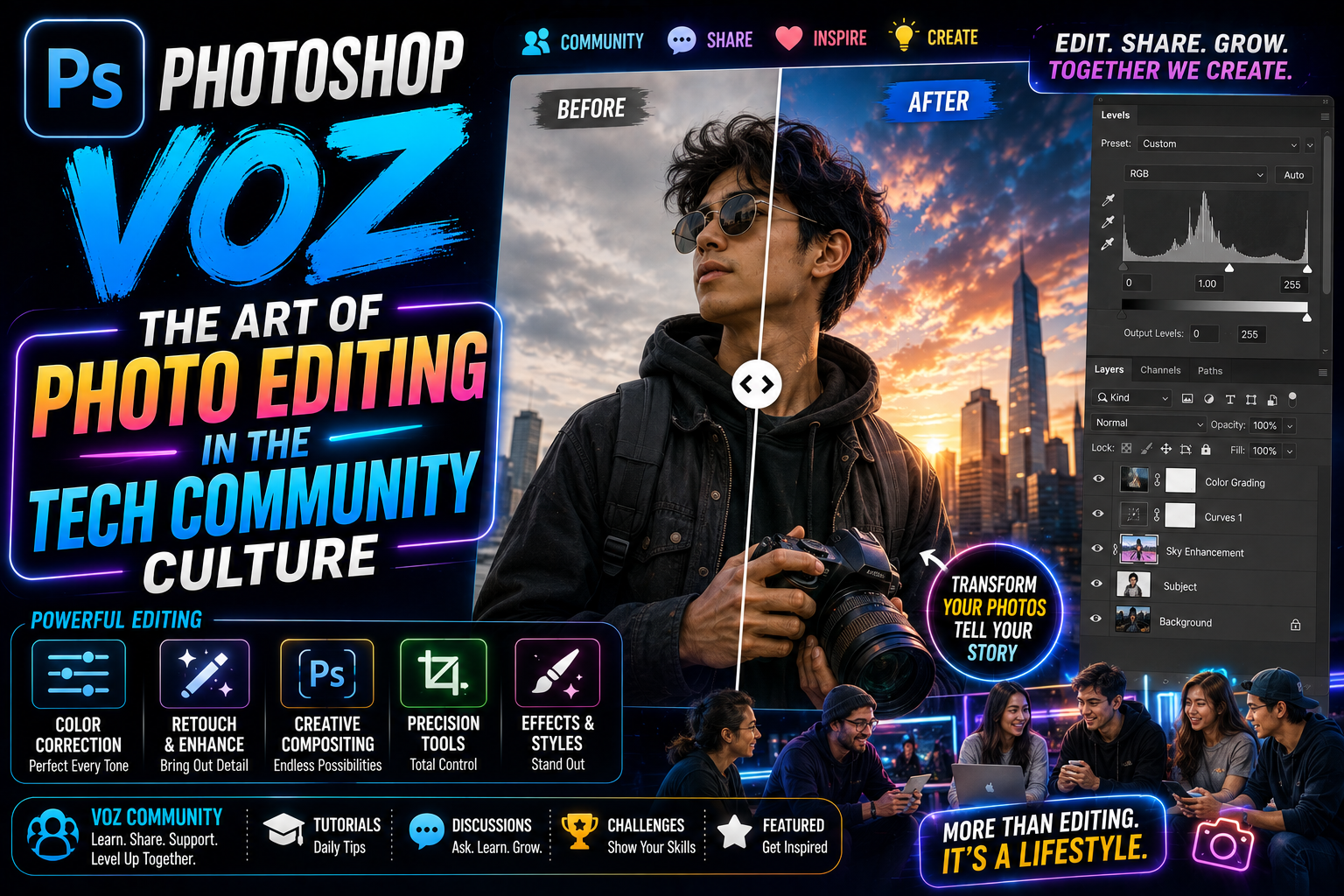
Photoshop Voz: The Art of Photo Editing in the Tech Community Culture
Nội dung
- 1. Image structuring and data processing mechanisms in Photoshop (voz)
- 1.1. Algorithm system for smoothing and recreating textures
- 1.2. Automatic defect identification and resolution using AI
- 1.3. Tone analysis and multi-dimensional light adjustment
- 2. Popular photo editing techniques favored by the community.
- 2.1. Techniques for restoring and upgrading low-quality images
- 2.2. The art of cutting, pasting, and manipulating complex layers.
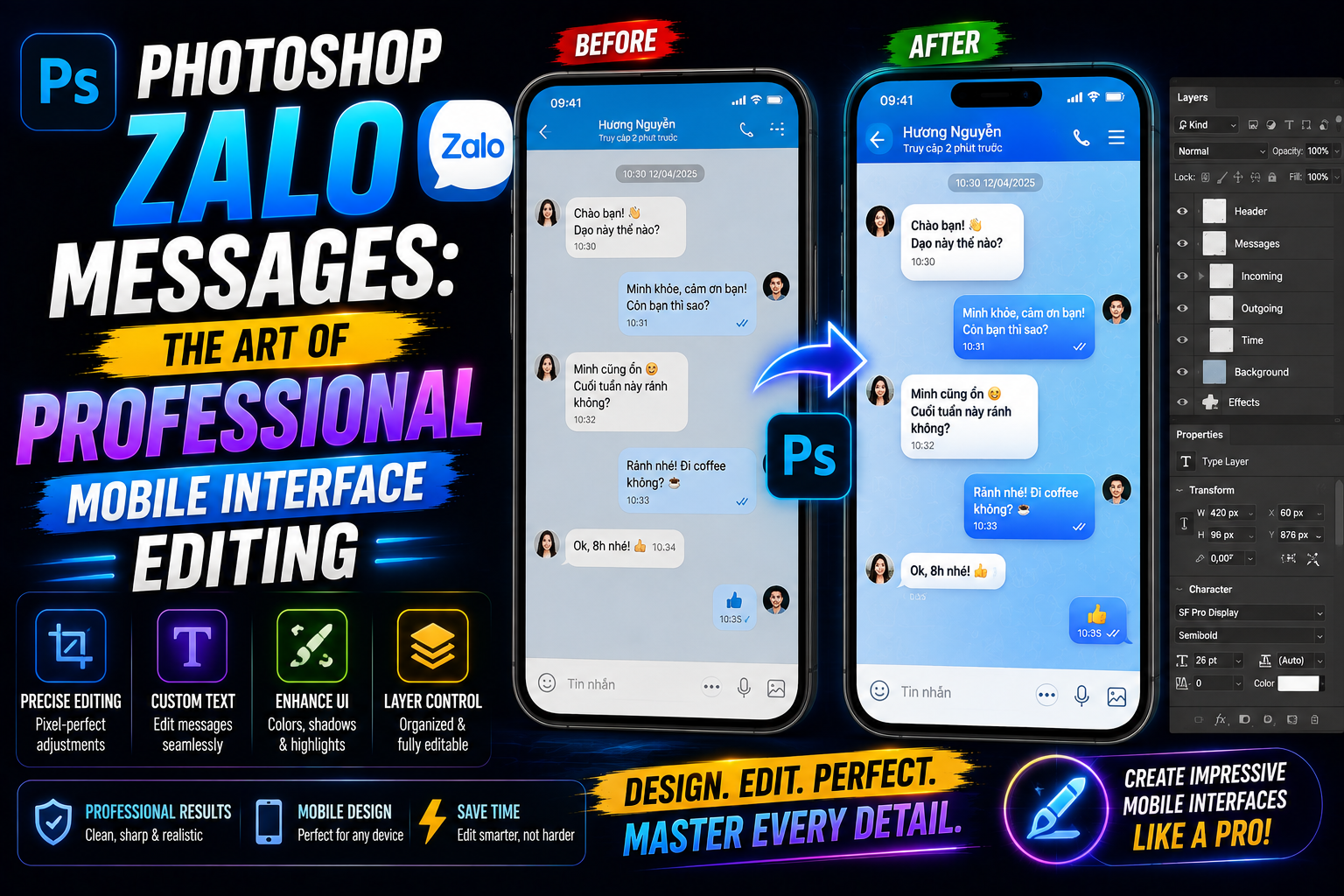
- 2.3. Inserting text and designing standard mobile interface typography.
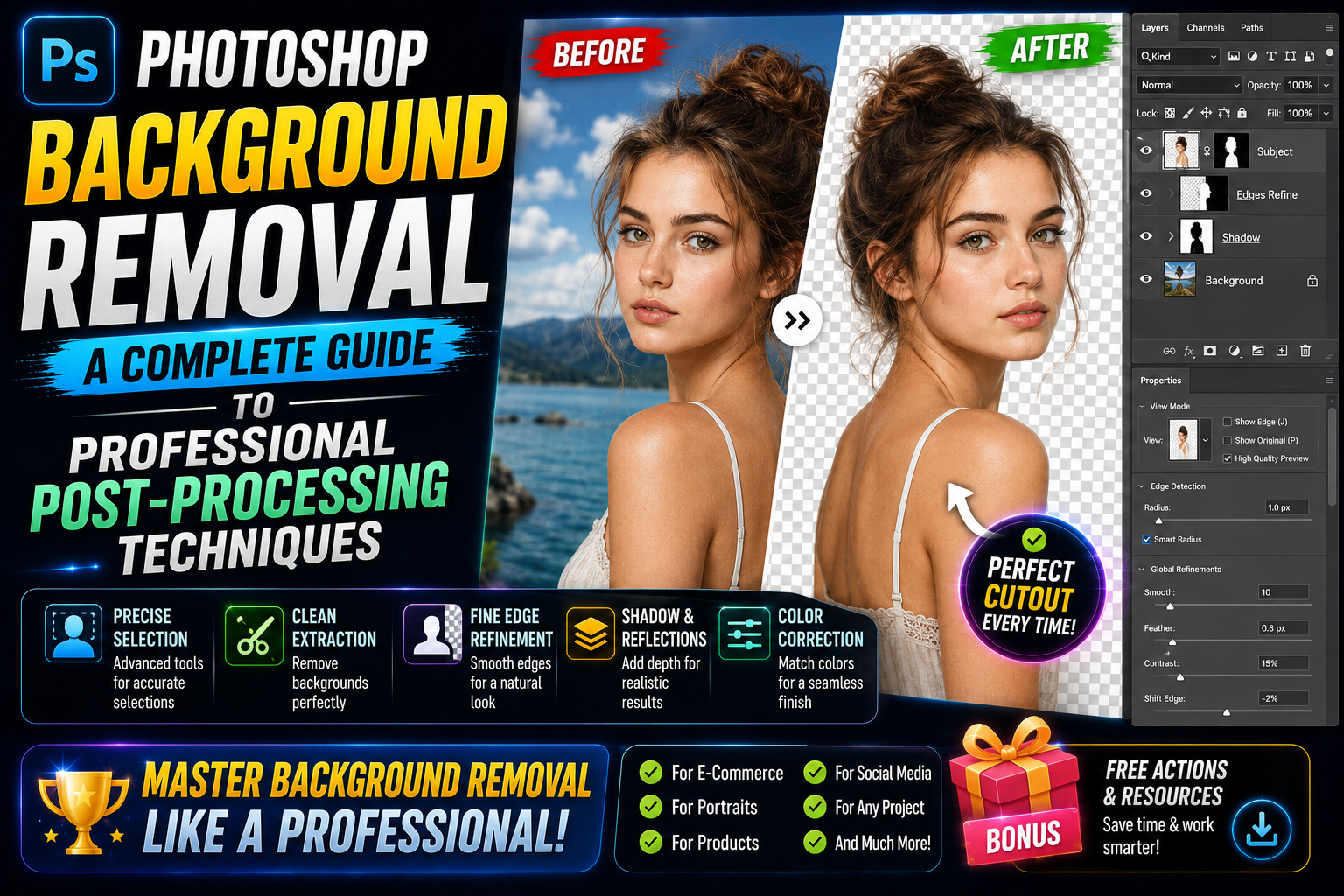
- 3. Advanced Photoshop background removal and subject processing procedures.
- 3.1. Using the Pen Tool for Vector Precision
- 3.2. Processing hair and ultra-fine details using Select and Mask
- 3.3. Synchronizing Noise and Grain for Composite Images
- 4. The importance of Photoshop in life and work.
- 4.1. Applications in advertising and branding design
- 4.2. Supporting digital communication and content creation.
- 5. Elevate your creative thinking with the service ecosystem at Appvip.ai
- 6. Common mistakes and how to fix them when processing images.
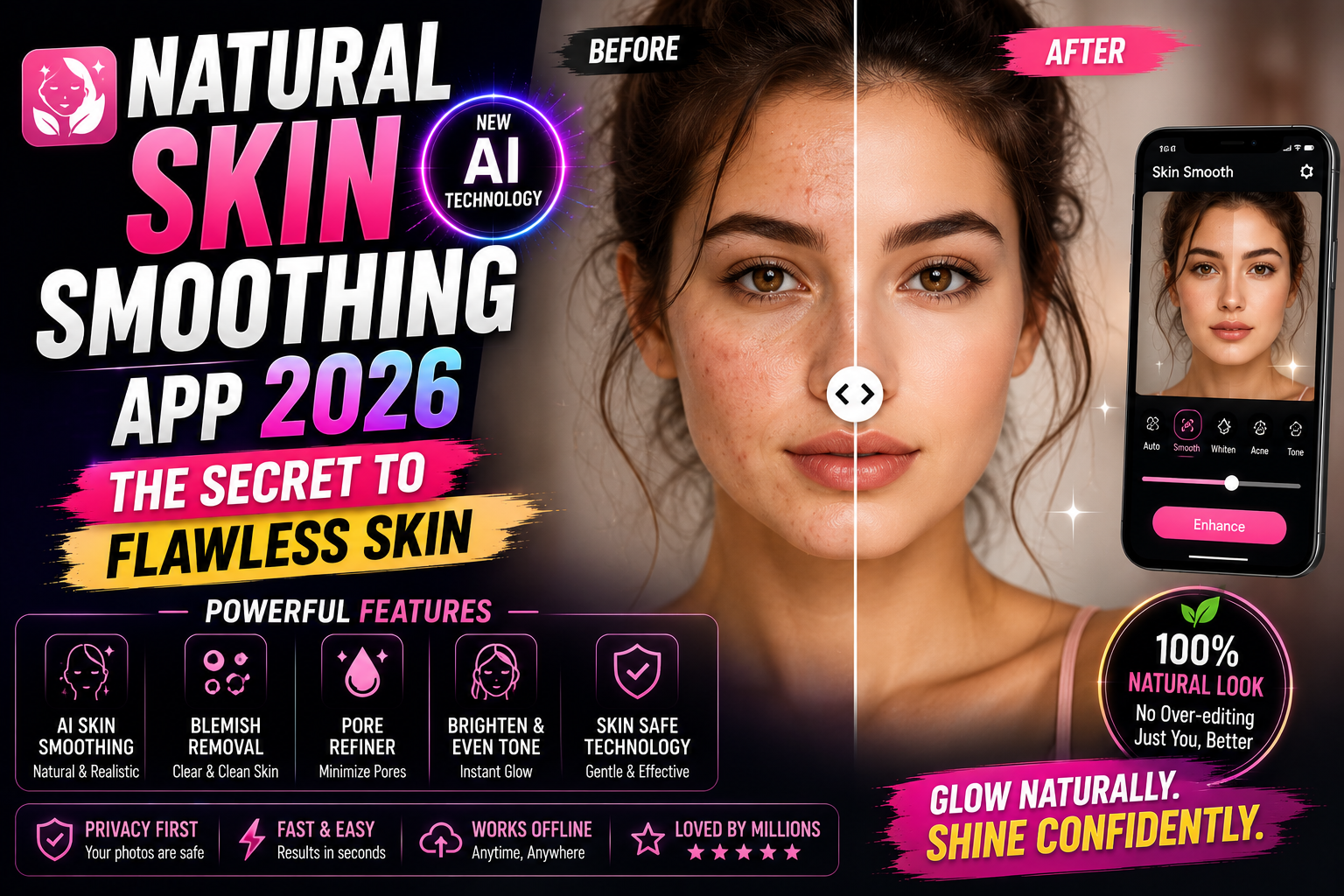
- 6.1. Overuse of smoothing filters
- 6.2. Deviations in light direction and shadows
- 6.3. Ignoring resolution consistency
- 7. Trends in Photoshop's development in the AI era
- 7.1. Natural Language Editing (Generative Fill)
- 7.2. Automating Batch Post-Production Processes
- 8. Conclusion
Explore the world of Photoshop on Voz with professional and humorous photo editing techniques.
1. Image structuring and data processing mechanisms in Photoshop (voz)
Every outstanding graphic design piece begins with understanding the structure of pixels and how software interacts with the source data. In the shared environment of the technology community, realism and sharpness are always paramount.
1.1. Algorithm system for smoothing and recreating textures
Advances in image processing have made editing more sophisticated through data restructuring. Beyond simply applying a blurring layer, Photoshop experts on Voz often employ frequency separation techniques. This system separates the image into distinct color and texture layers, allowing for the removal of imperfections while preserving the detail of skin or object surfaces, resulting in a completely natural look.
1.2. Automatic defect identification and resolution using AI
Artificial intelligence today is capable of analyzing millions of pixels to identify areas requiring intervention. After identification, the software extracts data from neighboring areas to skillfully fill in the gaps. This process is fully automated in the latest versions of Photoshop, significantly saving time for those who frequently participate in community graphic design projects.
1.3. Tone analysis and multi-dimensional light adjustment
Beyond simply cutting and pasting, Photoshop on Voz requires the ability to adjust color tone and white balance adaptively. The system recognizes the lighting environment of the original image to adjust the newly added subject to appear rosy and natural. The technique of creating virtual shading helps to create appropriate light and dark areas, giving the feeling that the subject completely belongs in that space.
2. Popular photo editing techniques favored by the community.
The forum environment demands a diverse range of skills, from restoring old photos to creating highly iconic images.
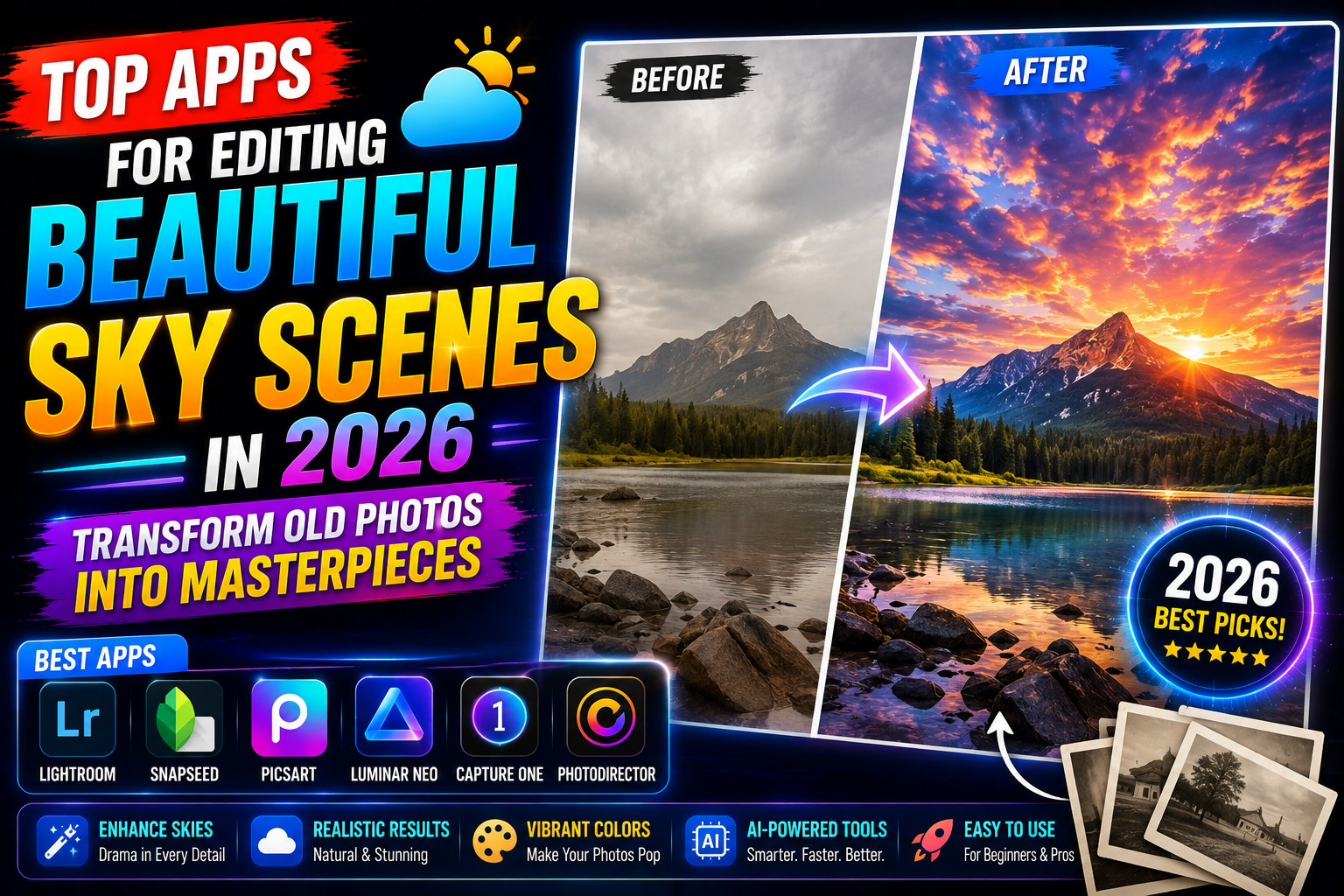
2.1. Techniques for restoring and upgrading low-quality images
There is a huge demand in the community for restoring old or low-resolution photos. Using tools like Super Resolution combined with Neural Filters, users can increase pixel density without losing sharpness. This is especially useful when wanting to transform a blurry archival photo into a sharp, HD image.

2.2. The art of cutting, pasting, and manipulating complex layers.
Managing hundreds of layers is the skill that distinguishes a beginner from a Photoshop expert. Using layer masks instead of the eraser tool allows for undoing and fine-tuning down to the pixel. This technique enables the integration of different elements into a single image without leaving any visible traces of manipulation.
2.3. Inserting text and designing standard mobile interface typography.
In interface editing or meme creation requests, font selection and spacing (tracking/leading) are extremely important. The system fonts of mobile devices need to be accurately modeled in terms of thickness and sharpness to ensure consistency in the final artwork.
3. Advanced Photoshop background removal and subject processing procedures.
One of the most common tasks is separating an object from its background to change the environment or create a poster.
3.1. Using the Pen Tool for Vector Precision
Even with the advancement of AI, the Pen Tool remains an irreplaceable tool for complex outlines. Creating paths around objects ensures smooth, jagged curves. This is a fundamental technique that anyone wanting to pursue professional Photoshop skills must master.
3.2. Processing hair and ultra-fine details using Select and Mask
Separating the background for subjects with complex hair is a challenging task. The Refine Edge tool in the Select and Mask panel automatically separates fine hair strands from the background while still allowing for manual adjustments, resulting in a more vivid and realistic appearance.
3.3. Synchronizing Noise and Grain for Composite Images
To prevent the subject from looking "fake" when superimposed onto a new background, adding a slight layer of noise is a secret of Photoshop users on the Voz forum. This helps synchronize the pixel texture between the sharp subject and the background with natural noise, making it difficult for the viewer to notice the difference.
4. The importance of Photoshop in life and work.
Photo editing skills are not just for entertainment on forums; they also open up many attractive career opportunities.
4.1. Applications in advertising and branding design
Mastering advanced Photoshop techniques enables individuals to handle professional banner and poster design projects. The ability to subtly process product images enhances brand value and effectively attracts potential customers.

4.2. Supporting digital communication and content creation.
In the visual age, those with Photoshop skills always have an advantage in producing content for social media platforms. Unique images with a strong personal touch have a higher chance of going viral, helping to build a solid community of followers.
Below is the completely rewritten content for section 5, ensuring uniqueness, a professional writing style, and keyword optimization while retaining the core message:
5. Elevate your creative thinking with the service ecosystem at Appvip.ai
The website Appvip.ai is known as a reliable destination specializing in providing licensed graphic design software solutions and top-quality digital resources! Here, the Photoshop-loving community on Voz can easily access genuine Adobe Creative Cloud account packages, a modern image processing plugin system, and a rich library of design materials ranging from vectors to exclusive fonts.
Leveraging the platform's features not only simplifies tedious manual post-production processes but also unleashes a flow of ideas, transforming abstract concepts into sharp works of art. With dedicated technical support and a continuous technological update roadmap, this is the perfect launching pad for designers to shorten their workflow while achieving superior aesthetic results, meeting the stringent standards of contemporary graphic design.
6. Common mistakes and how to fix them when processing images.
Even experienced users sometimes make basic mistakes that make their Photoshop creations less convincing.
6.1. Overuse of smoothing filters
A common mistake is making the skin so smooth that pores and natural details are obscured. To fix this, always retain a layer of the original texture and use the Opacity slider to adjust the intensity of the effect, ensuring the photo retains its realistic essence.
6.2. Deviations in light direction and shadows
When superimposing an object onto a new background, neglecting the direction of the light source will result in a disjointed artwork. Always analyze the direction of shadows cast on the background image to redraw the shadows of the new object accordingly, using tools like the Burn Tool or soft Drop Shadow effects.
6.3. Ignoring resolution consistency
Combining a sharp subject with a blurry background (or vice versa) is the quickest way to reveal signs of editing. The person doing the editing needs to selectively use Blur or Sharpen filters to bring all the elements in the image to the same level of detail.
7. Trends in Photoshop's development in the AI era
Artificial intelligence technology is completely changing the way we interact with images, opening up new boundaries for Photoshop.

7.1. Natural Language Editing (Generative Fill)
The Generative Fill feature allows users to add, delete, or expand images using only text commands. This makes creating complex artwork easier, where creativity is no longer limited by mouse manipulation skills.
7.2. Automating Batch Post-Production Processes
AI helps automate repetitive tasks such as batch background removal and synchronized color correction for photo sets. This is an inevitable trend that allows graphic designers to focus more on creative thinking rather than purely technical operations.
8. Conclusion
Mastering and practicing Photoshop on Voz is not simply about learning how to use a software program, but about cultivating observational thinking and aesthetic sense. In a world dominated by images, the ability to transform and recreate reality through pixels becomes a powerful creative force. Stay updated with the latest trends, utilize smart tools, and practice continuously to turn even the boldest ideas into reality.















VIP Products




Best Selling Products
Upgrade genuine Capture One account
120 USD
Plugin Retouch4me
69 USD
MidJourney Account
29 USD
Adobe Premiere Pro Account
99 USD
Upgrade Duolingo Super
29 USD
Genuine Cheap Canva Pro
39 USD
Genuine Adobe Illustrator account
99 USD
ChatGPT Plus Account (GPT-4)
16 USD
Copyright Adobe Lightroom Account
59 USD
Capcut Pro 1 Year
39 USD
Upgrade Genuine Office 365
49 USD
Freepik Premium Account
59 USD
Autodesk All App Account Copyright
120 USD
Adobe Photoshop Copyright - Full App
120 USD
Windows 10 & 11 Pro Key
36 USD