
Best Selling Products

Freepik Premium Account
59 USD

Plugin Retouch4me
69 USD

Genuine Cheap Canva Pro
39 USD
Adobe Premiere Pro Account
99 USD
Adobe Photoshop Copyright - Full App
120 USD
Genuine Adobe Illustrator account
99 USD

Upgrade Duolingo Super
29 USD

Windows 10 & 11 Pro Key
36 USD

Capcut Pro 1 Year
39 USD
Copyright Adobe Lightroom Account
59 USD

Autodesk All App Account Copyright
120 USD

Upgrade Genuine Office 365
49 USD
Upgrade genuine Capture One account
120 USD

ChatGPT Plus Account (GPT-4)
16 USD

MidJourney Account
29 USD
The Effects of Low-Angle Shots in Photography and Cinema
Nội dung
- 1. How to use low-angle shots to create visual effects
- 1.1. What is a low-angle shot?
- 1.2. Using low-angle shots to express power and dominance
- 1.3. Portraying fear and unease
- 1.4. Common low-angle variations
- 1.5. Combining lenses and distance to enhance perspective
- 1.6. Using lighting and composition to complete the image
- 2. Mistakes to avoid when using low-angle shots
- 3. Conclusion
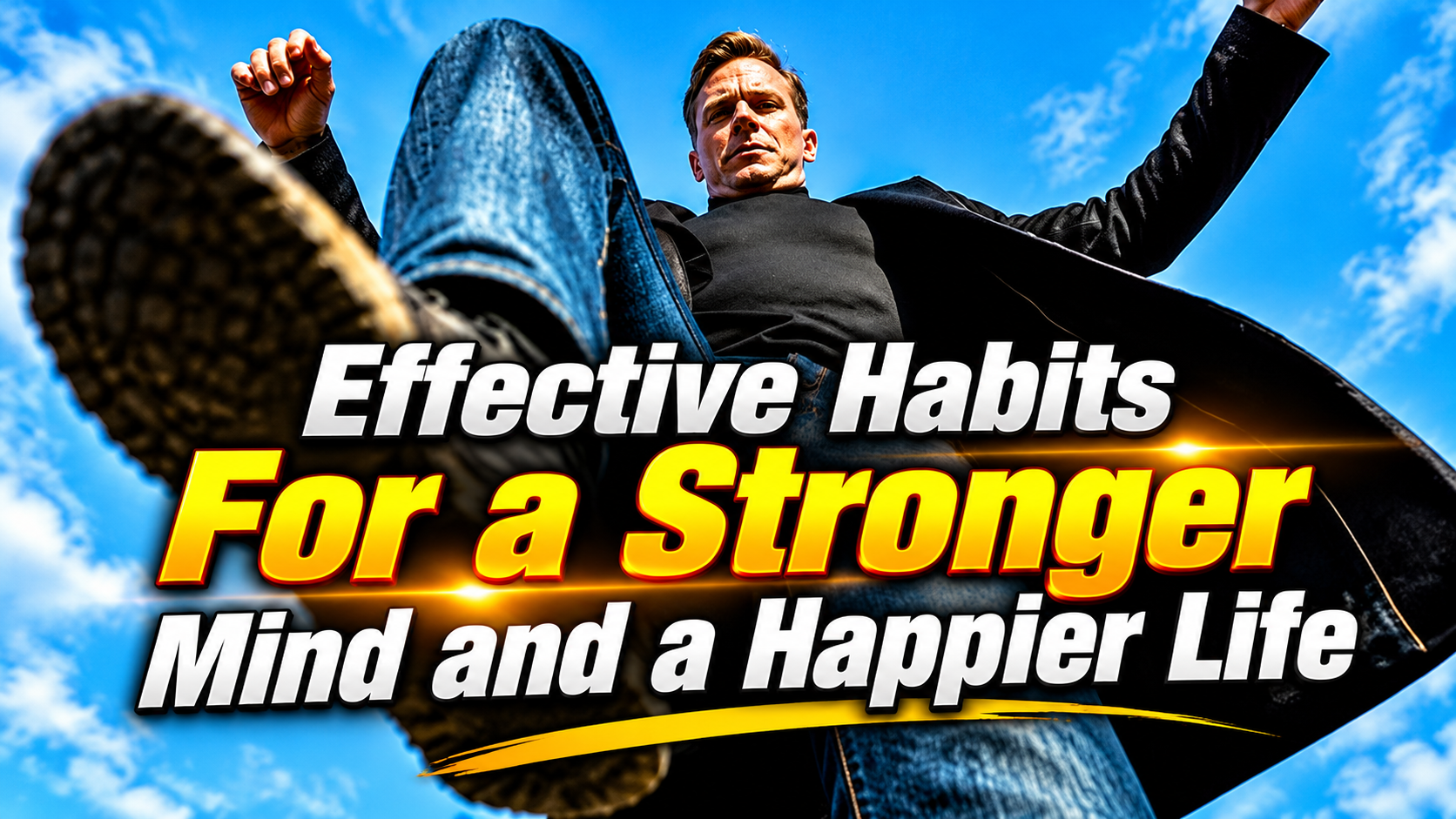
The basic concept of the low-angle shot and how this technique creates powerful visual effects in filming and photography.
1. How to use low-angle shots to create visual effects
1.1. What is a low-angle shot?
The low-angle shot is a technique of placing the camera or film camera at a position lower than the subject, then pointing the lens upward. The camera position can be at knee level, close to the ground or below the character's eye level, depending on the purpose of the depiction.
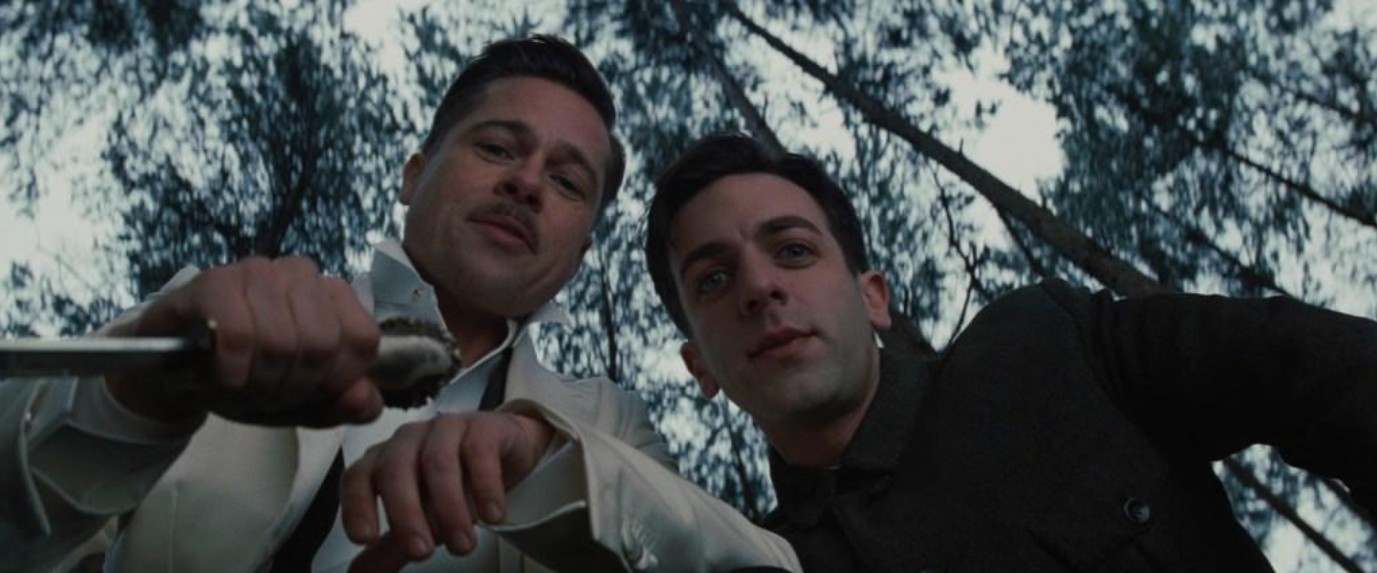
Compared with an eye-level shot, the low-angle shot creates a different viewpoint in terms of proportion and perspective. When a character stands close to the camera, the parts of the body nearer the lens can look relatively larger than those farther away. At the same time, the background, such as buildings, the sky or tall objects, can also become more prominent.
In cinema, the low-angle shot is often used to build the image of a powerful character, create a sense of threat or emphasize the feeling of being overwhelmed by a superior force.
In photography, this technique is also applied when shooting portraits, fashion, architecture and advertising photos. For example, when photographing a model from a low position, the photographer can create the impression of longer legs and a more striking figure in the frame.
What matters is that the low-angle shot does not inherently carry a positive or negative meaning. The final effect depends on how the photographer combines camera position, expression, lighting and context.
1.2. Using low-angle shots to express power and dominance
One of the most common applications of the low-angle shot is to build the image of a character who is strong, has status or holds control of the situation.
When the camera is placed low and points up at the character, the subject usually dominates in size within the frame. If combined with an upright stance, a downward gaze and high-contrast lighting, the character can create a sense of majesty or fearsomeness.
In superhero films, the low-angle shot often appears when the main character steps into the frame, faces an enemy or displays strength. For villains, this technique can heighten the sense of threat, making viewers feel the power imbalance more clearly.
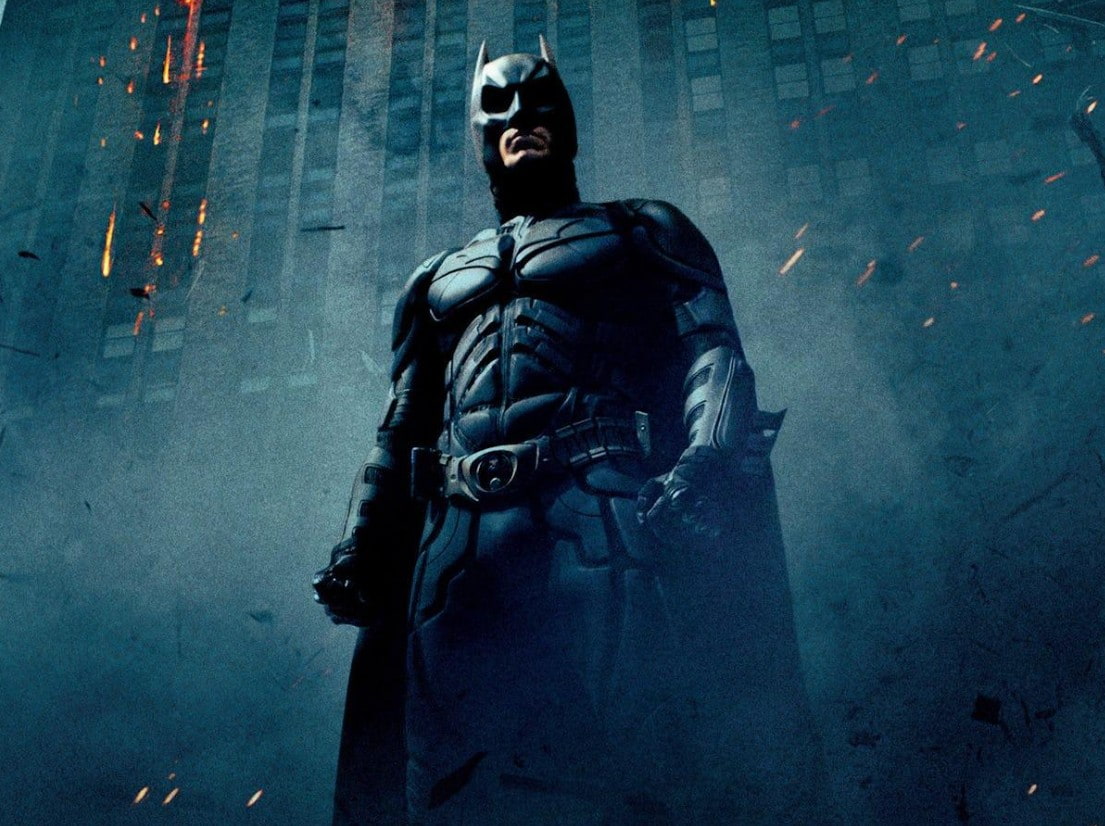
To increase the effect, the photographer can combine side lighting to give the face dimension, while keeping the background simple to avoid distracting attention.
However, if the angle is too low or a wide-angle lens is used at too close a distance, body proportions may be distorted unintentionally. Therefore, it is necessary to choose a camera position that suits the visual goal.
1.3. Portraying fear and unease
A low-angle shot does not always make a character look powerful. In some situations, this technique can create a feeling of unease or emphasize how small a person is before a larger force.
In horror and psychological films, the low-angle shot can also be used to create the sense that something is threatening the character. When the camera is placed close to the ground and points up a dark corridor, viewers may feel the space becoming abnormal or unpredictable.
Another approach is to combine the low-angle shot with dim lighting, deep shadows and an unbalanced composition. These elements help increase tension without depending entirely on the character's actions.
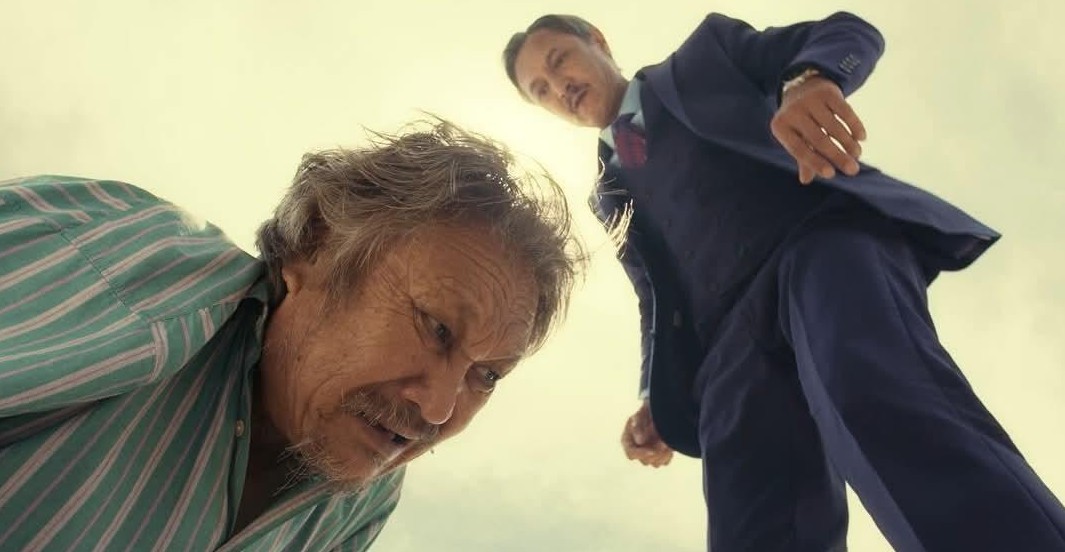
For creative photography, you can try photographing a person standing in a wide space, using the leading lines of architecture or trees to emphasize the difference in size. The character's expression and posture will determine whether the image leans toward a feeling of loneliness, unease or being overwhelmed.
1.4. Common low-angle variations
To use the low-angle shot effectively, photographers need to understand the differences between camera positions and how they affect composition.
Standard low-angle shot
The camera is placed below eye level but not too close to the ground. This is a suitable choice for portraits, fashion photos or scenes where the character needs to feel confident and stand out.
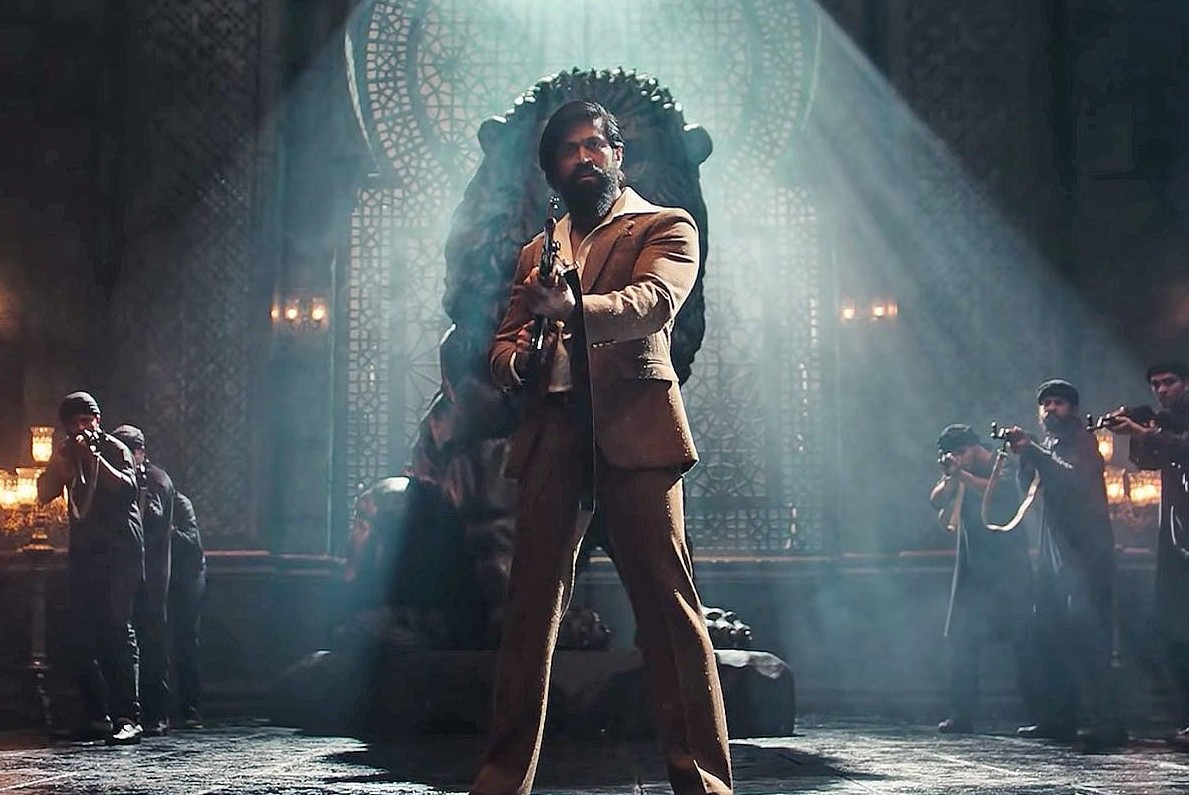
Photographers should pay attention to the horizon line and the background. If there are many distracting details behind the subject, change the camera position or the angle of the lens to make the frame cleaner.
Extreme low-angle shot
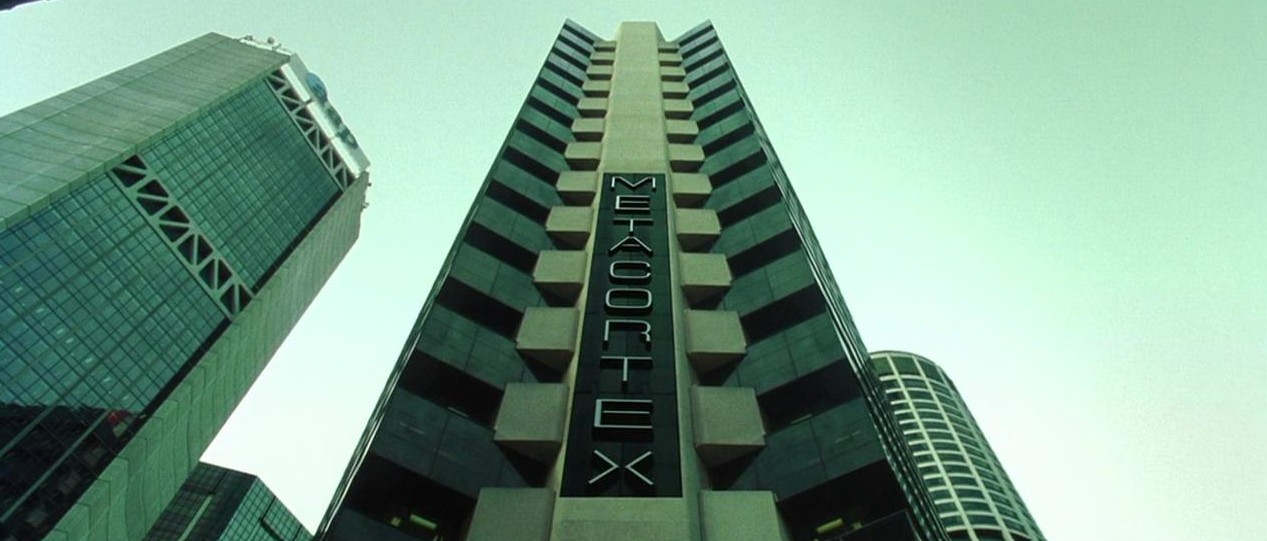
The camera is placed close to the ground and points sharply upward. This way of shooting makes objects near the camera stand out, while emphasizing the height of the subject or structure.
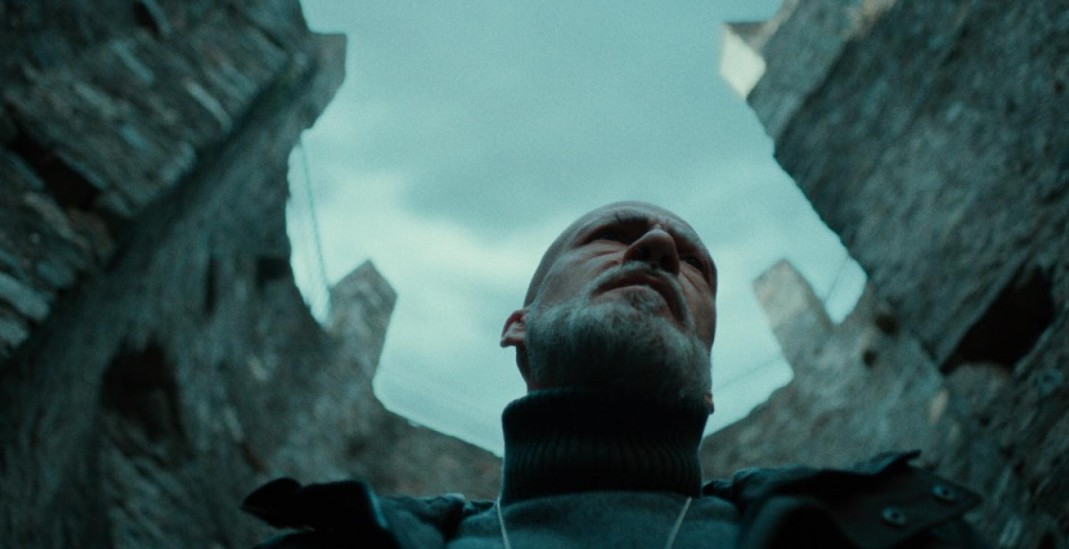
The extreme low-angle shot is suitable for architecture photos, street photos, edgy fashion photos and shots that need to make a strong impression. However, body proportions need to be controlled when photographing people at close range.
Low-angle shot combined with a tilted angle
The tilted angle (Dutch angle) is a technique of rotating the camera so that the horizon line deviates from horizontal. When combined with the low-angle shot, the frame can create a feeling of imbalance, instability or chaos.
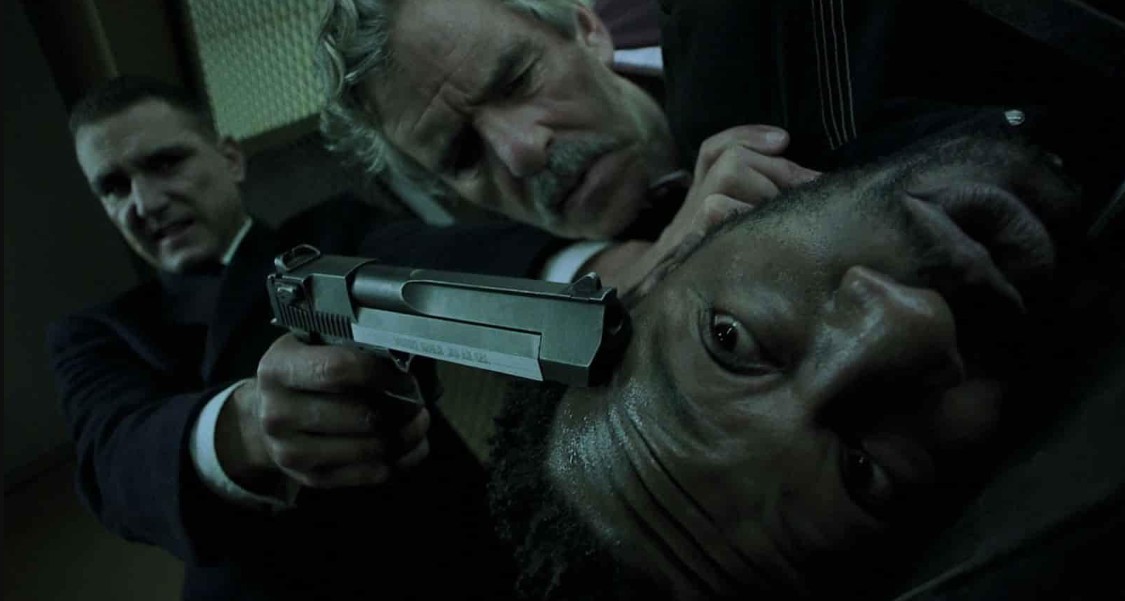
These two techniques are often suitable for tense psychological scenes, action films or images with an experimental style. Even so, they should not be overused, because an angle tilted too strongly can make viewers lose focus on the subject.
It should be noted that the extreme low-angle shot and the tilted angle are two different techniques. One relates to the height of the camera, while the other relates to the rotation of the frame.
1.5. Combining lenses and distance to enhance perspective
Lenses and shooting distance significantly affect how the subject appears in the frame.
Wide-angle lenses are usually suitable when you want to capture both the character and the surrounding space. When the camera is placed close to the subject, the difference in distance between body parts increases the perspective effect. As a result, the character can look more prominent or have more striking proportions.
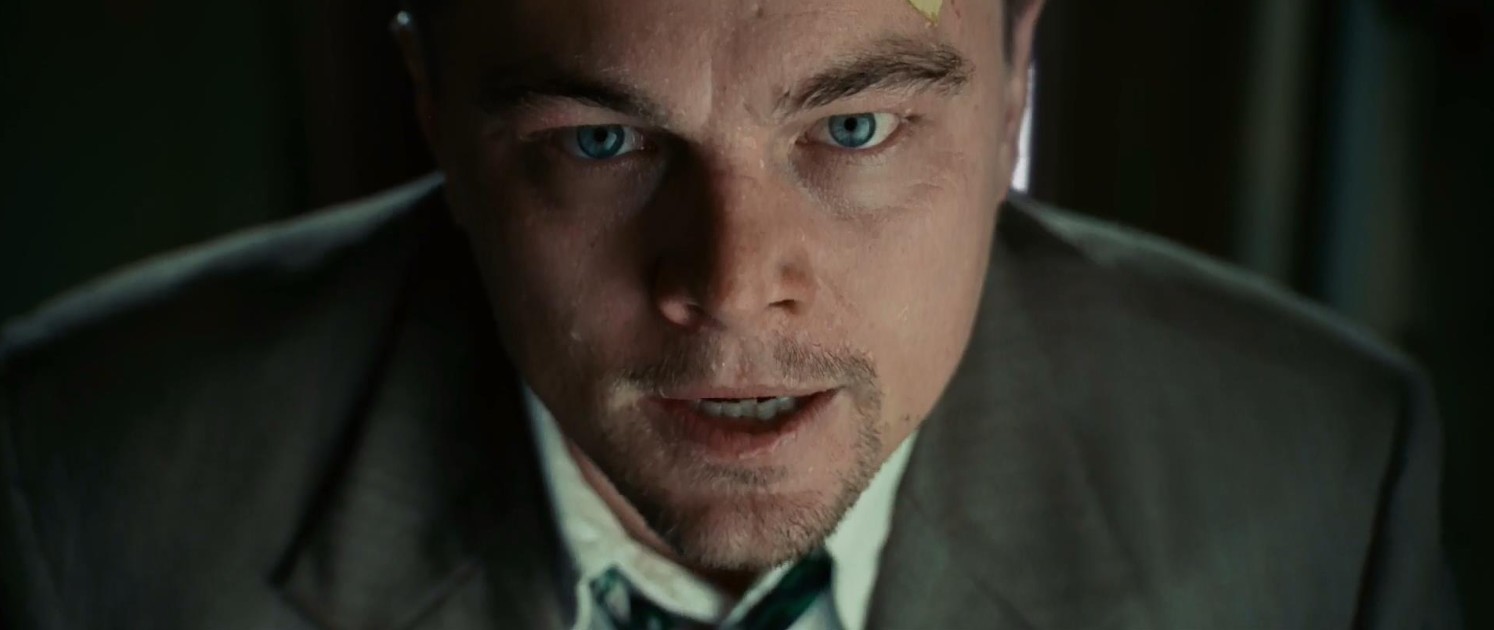
If you want a more natural image, you can move the camera back and adjust the focal length appropriately. For portraits, choosing a reasonable focal length and distance helps limit facial distortion while still keeping the low viewpoint.
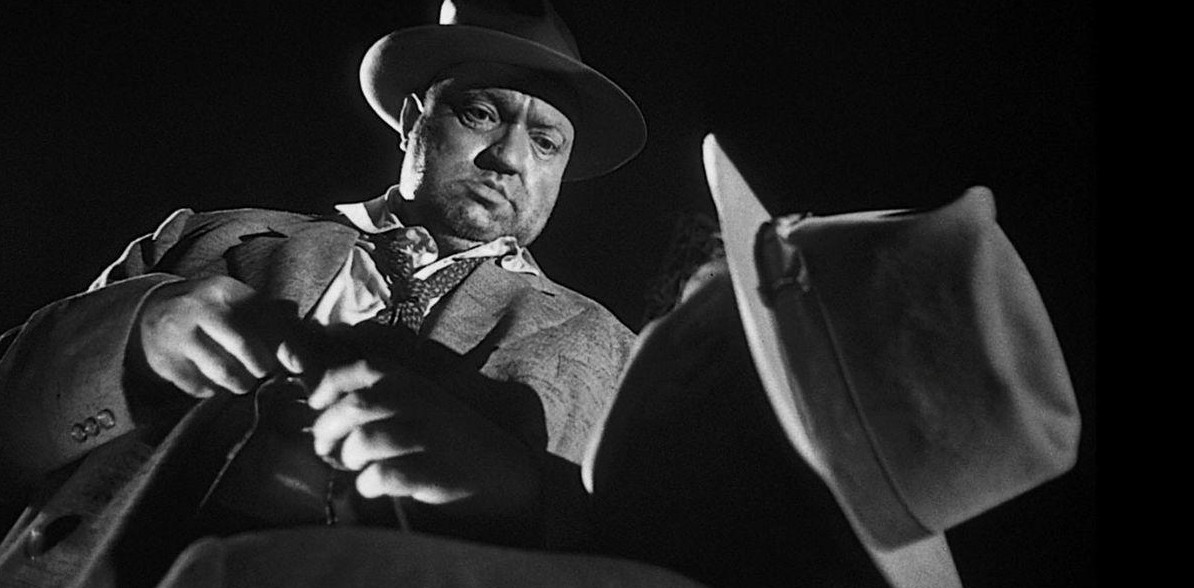
In addition, pay attention to the background. The straight lines of buildings, lampposts or rows of trees can lead the eye toward the character, creating a sense of depth and increasing the photo's appeal.
1.6. Using lighting and composition to complete the image
Camera angle is only one part of the process of building an image. Lighting and composition are the elements that complete the emotion the photographer wants to convey.
If you want to express power, you can use side lighting to clarify the facial structure, combined with a dark background to increase contrast. A firm stance, open shoulders and a steady gaze will support the visual message.
If you want to depict fragility or unease, the lighting can be arranged unevenly, leaving part of the face in shadow. The empty space around the character can also heighten the feeling of loneliness.
In addition, leading lines and frame proportions play an important role. Architectural lines pointing upward can emphasize height, while wide space above the character makes them look smaller.
In post-production, you can adjust contrast, white balance and color to unify the emotion of the photo. However, you should retain important details and avoid excessive editing that makes the image lose its naturalness.
With a suitable workflow, photographers can combine shooting techniques and post-production to create works that have depth, clear intent and consistent style.
2. Mistakes to avoid when using low-angle shots
Although it can create strong effects, the low-angle shot still needs to be used with intention. Some common mistakes can reduce image quality.
First, unintentionally distorting the subject. When the camera is placed too close and a wide-angle lens is used, some body parts can look abnormally large. Adjust the distance and check the proportions before shooting.
Second, leaving a cluttered background. An upward-facing angle usually captures many details behind the subject, such as electrical wires, signs or buildings. Change your standing position or choose another shooting angle to make the frame cleaner.
Third, using a low-angle shot that does not suit the message. If the goal is to create a feeling of closeness and naturalness, an eye-level shot may be more effective. The low-angle shot should only be used when it truly supports the visual idea.
Fourth, ignoring lighting. A good camera angle cannot completely make up for uncontrolled lighting. Observe the direction of light, the shadow areas and the contrast to ensure the subject remains clear.
Finally, overusing the effect. If every character is filmed from a low angle, the differences in standing and emotion will diminish. Changing the camera angle according to each situation makes the visual story more vivid.
3. Conclusion
The low-angle shot is an important technique in photography and cinema, helping photographers proactively steer how the audience perceives characters and space. To achieve good results, you need to pay attention to camera position, focal length, shooting distance, lighting and composition. At the same time, clearly define the emotion you want to convey before choosing the viewpoint. A suitable camera angle not only makes the image look better but also makes the story more convincing.
The best way to master this technique is to practice with many different camera positions, compare the results and observe how perspective changes. When you understand the relationship between viewpoint and emotion, you will have another tool to create striking photos that have depth and a personal signature.
















VIP Products




Best Selling Products
Freepik Premium Account
59 USD
Plugin Retouch4me
69 USD
Genuine Cheap Canva Pro
39 USD
Adobe Premiere Pro Account
99 USD
Adobe Photoshop Copyright - Full App
120 USD
Genuine Adobe Illustrator account
99 USD
Upgrade Duolingo Super
29 USD
Windows 10 & 11 Pro Key
36 USD
Capcut Pro 1 Year
39 USD
Copyright Adobe Lightroom Account
59 USD
Autodesk All App Account Copyright
120 USD
Upgrade Genuine Office 365
49 USD
Upgrade genuine Capture One account
120 USD
ChatGPT Plus Account (GPT-4)
16 USD
MidJourney Account
29 USD