Best Selling Products

Adobe Premiere Pro Account
99 USD

Freepik Premium Account
59 USD

Adobe Photoshop Copyright - Full App
120 USD

Upgrade Duolingo Super
29 USD

Autodesk All App Account Copyright
120 USD

ChatGPT Plus Account (GPT-4)
16 USD

Copyright Adobe Lightroom Account
59 USD

MidJourney Account
29 USD
Capcut Pro 1 Year
39 USD

Windows 10 & 11 Pro Key
36 USD

Upgrade genuine Capture One account
120 USD
Upgrade Genuine Office 365
49 USD

Genuine Adobe Illustrator account
99 USD
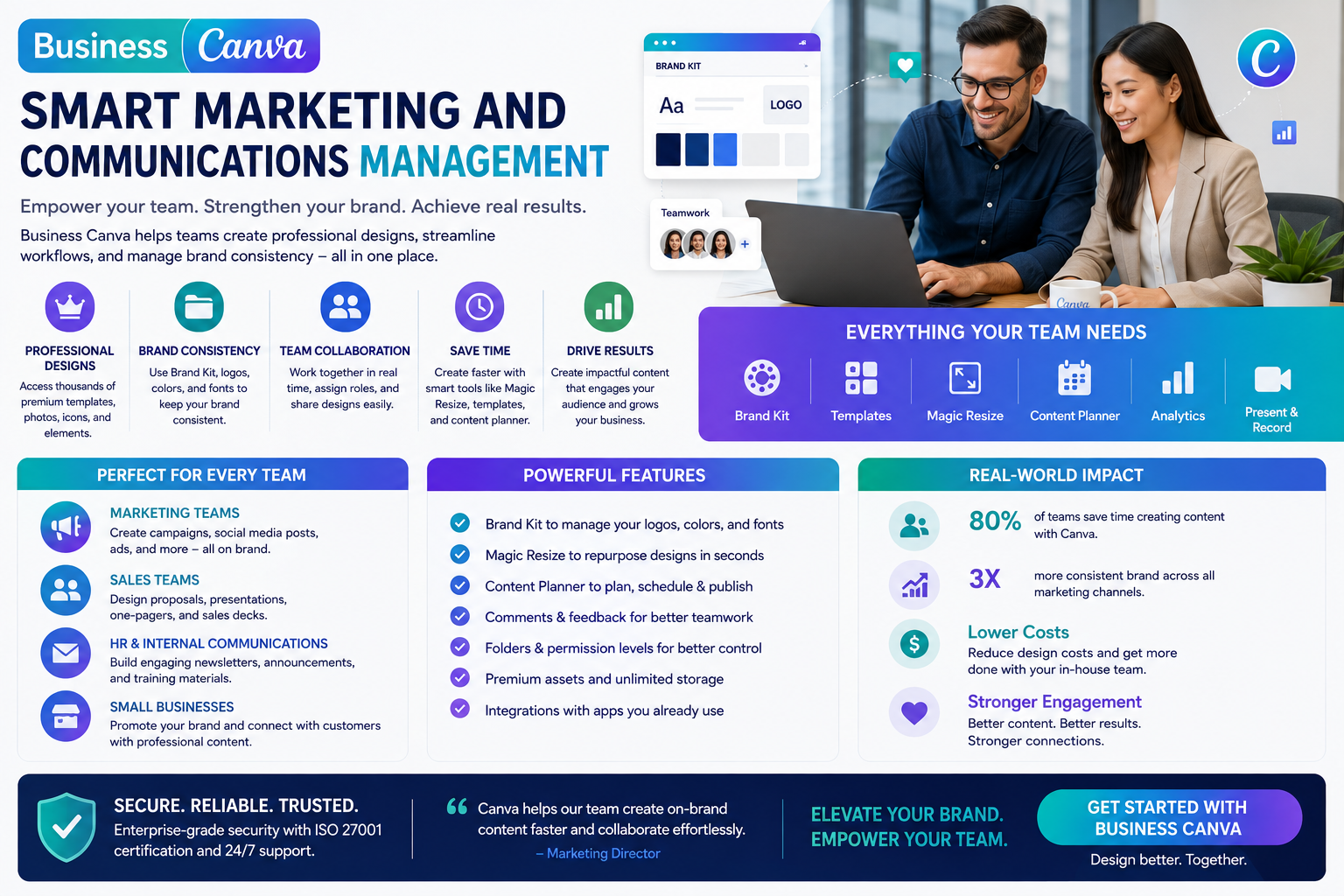
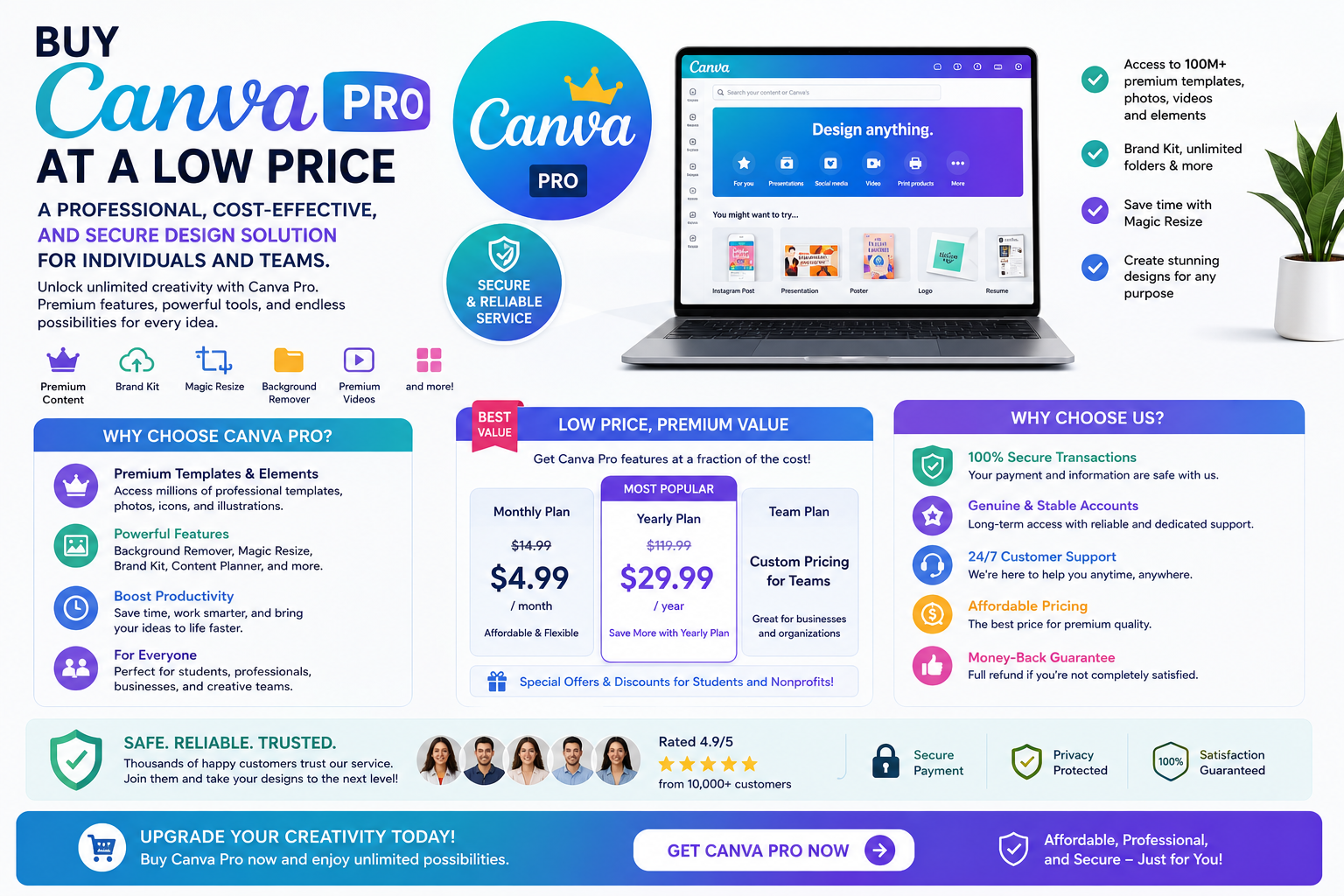
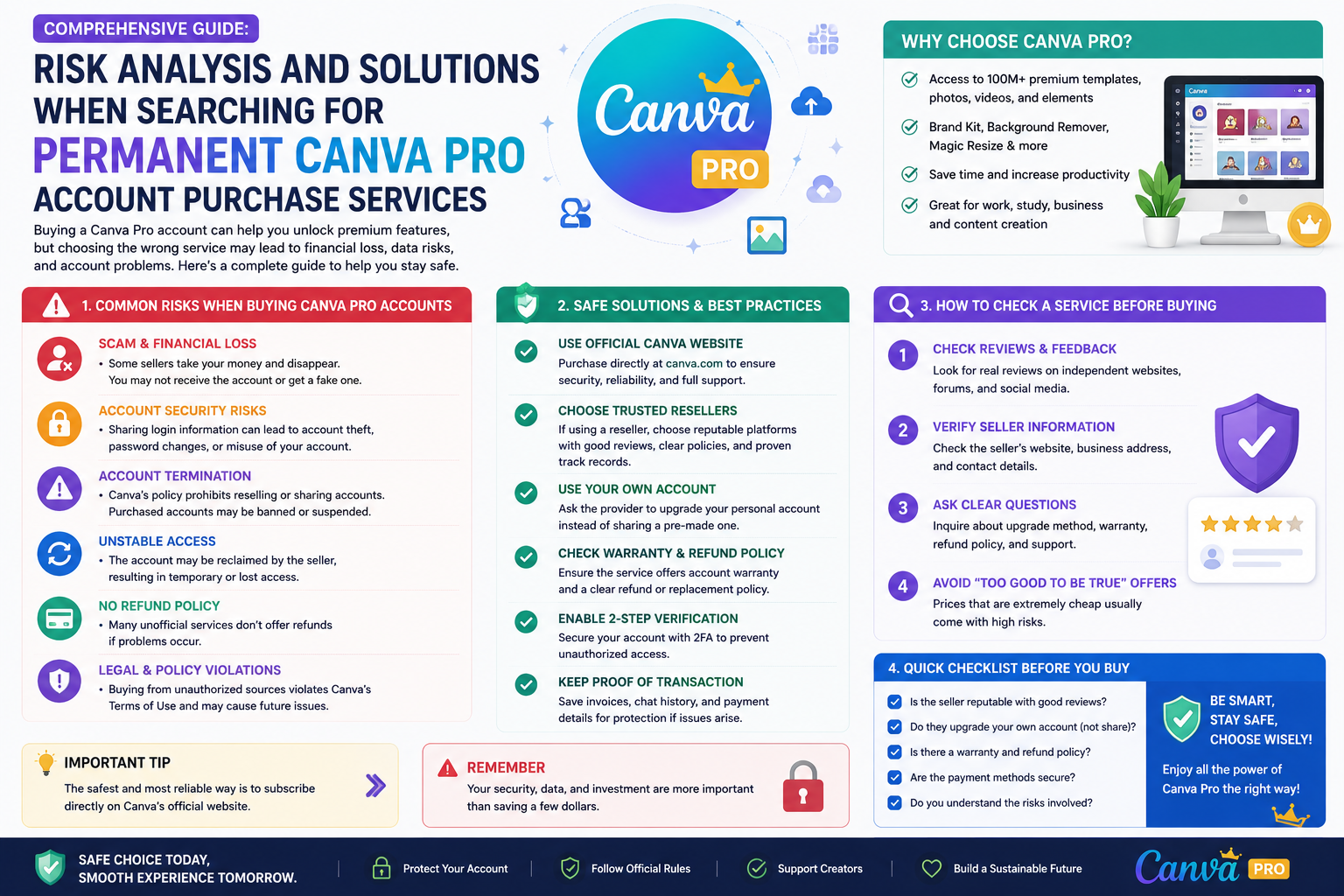
Genuine Cheap Canva Pro
39 USD
Plugin Retouch4me
69 USD
The Online Business Canvas Model: The ultimate solution for optimizing management and boosting sales in the digital age.
Nội dung
- 1. Understanding the true nature of the online business canvas model.
- 1.1. Definition and origins of the business model framework
- 1.2. Differences between the traditional model and the online version
- 2. Nine core pillars that make up a standard online business canvas.
- 2.1. Target Customer Segments
- 2.2. Value Propositions
- 2.3. Communication and Distribution Channels
- 2.4. Customer Relationships
- 2.5. Revenue Streams
- 2.6. Key Resources
- 2.7. Key Activities
- 2.8. Key Partnerships System
- 2.9. Operating Cost Structure
- 3. The outstanding benefits of applying the online business canvas to management.
- 3.1. Enhancing effective remote collaboration capabilities
- 3.2. Data visualization and simplification of strategic thinking
- 3.3. Maximizing savings in operating time and costs.
- 4. A step-by-step process for building a complete online business canvas.
- 4.1. Market research and data collection
- 4.2. Choosing the right online tool to suit your needs
- 4.3. Fill in the information in the 9 pillars in logical order.
- 4.4. Regularly check, evaluate, and update the model.
- 5. Common mistakes to avoid when planning on digital platforms.
- 5.1. Overcrowding with unnecessary details.
- 5.2. Lack of logical connection between elements in the diagram
- 5.3. Neglecting to solicit feedback from relevant departments.
- 6. Appvip.ai - A comprehensive solution for digitizing processes and optimizing business models.
- 7. Future trends in the development of planning tools.
- 7.1. Integrating artificial intelligence for automated data analysis.
- 7.2. Strong synchronization with internal management systems
- 8. CONCLUSION
Discover how to use the online business canvas to optimize your business model, accelerate team collaboration, and effectively digitize your business processes.
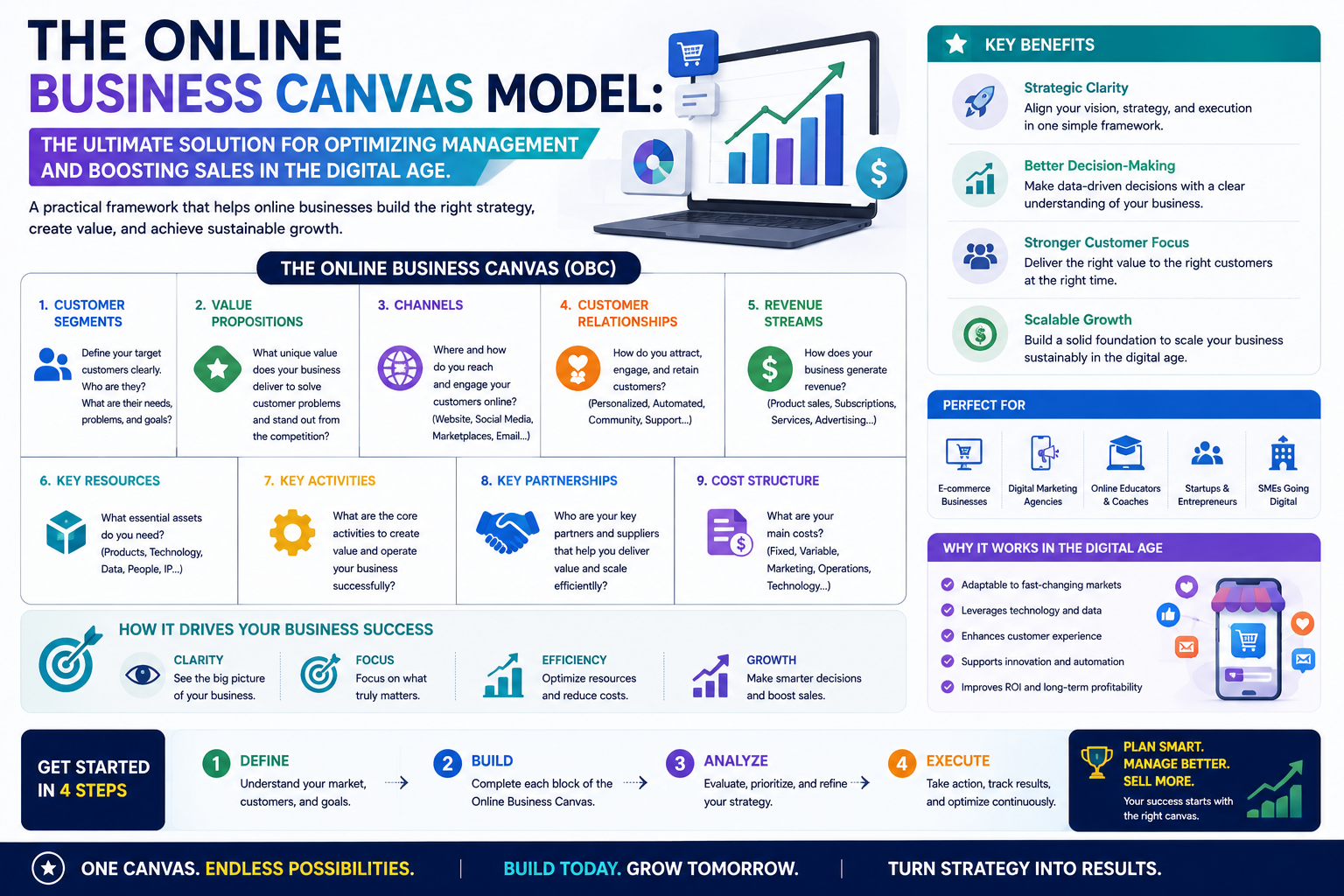
1. Understanding the true nature of the online business canvas model.
1.1. Definition and origins of the business model framework
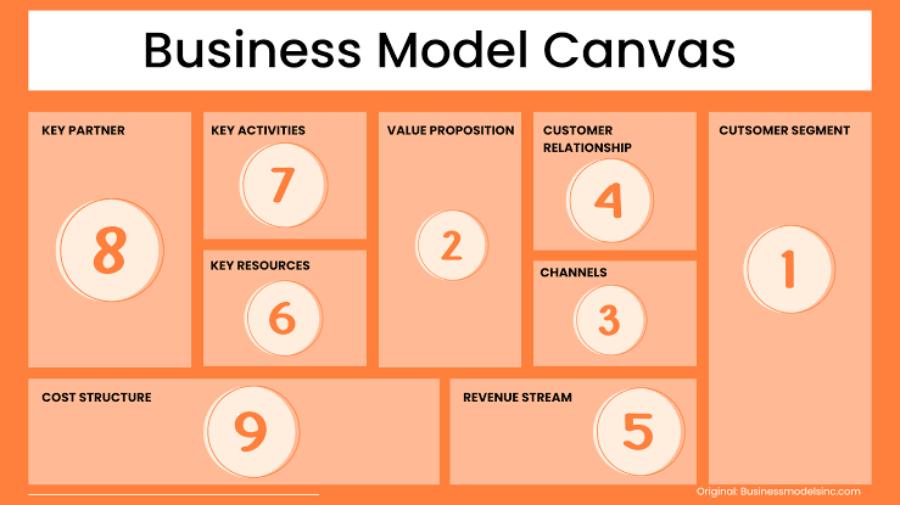
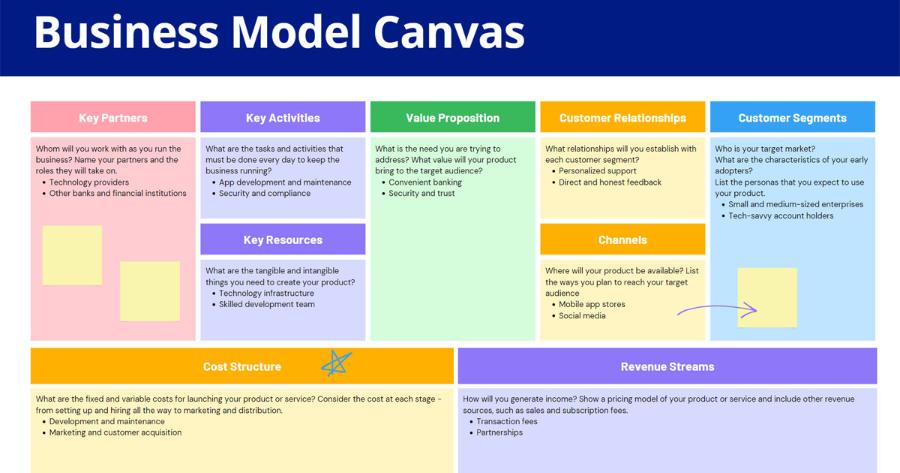
The Business Model Canvas was originally developed by economic theorist Alexander Osterwalder. It's a strategic management framework comprising nine core pillars representing the operational elements of a business. When translated into an online format, this tool allows users to work directly on web platforms, replacing traditional physical drawing boards and sticky notes.

1.2. Differences between the traditional model and the online version
The digital version offers unlimited storage and real-time editing capabilities. Users can easily drag and drop information tags, change colors to categorize items, and share access with the entire team via a single link. This flexibility helps businesses completely eliminate the risk of data loss or misinformation between departments.
2. Nine core pillars that make up a standard online business canvas.
2.1. Target Customer Segments
Clearly defining the target audience a business wants to serve is a crucial first step. Online tools help businesses categorize customer segments in detail, from mass market and niche markets to diverse groups, depending on their specific strategy.
2.2. Value Propositions
This section describes products or services that can solve customer pain points. The digital platform allows businesses to directly link product images or accompanying materials to clarify the unique value proposition they offer.

2.3. Communication and Distribution Channels
Businesses need to identify how to reach and deliver value to customers. These channels include both direct channels such as stores and websites, and indirect channels through distributors or dealer partners.
2.4. Customer Relationships
This factor shapes the type of engagement a business wants to build with each segment. Maintaining a good relationship can be achieved through personalized support, automated systems, or building self-governing user communities.
2.5. Revenue Streams
This pillar represents the revenue streams that a business generates from its customer segments. Common forms include direct asset sales, recurring subscription fees, leasing, or licensing.
2.6. Key Resources
These are the most important assets for a business model to operate smoothly. Resources can exist in the form of physical assets, intellectual property, human resources, or the financial resources of the organization.
2.7. Key Activities
Businesses need to list the necessary actions to create value and maintain operations. These activities often revolve around production processes, problem-solving, or building and developing the technical infrastructure.
2.8. Key Partnerships System
This section outlines a network of suppliers and partners that helps optimize the business model and minimize risks. Establishing strategic alliances allows businesses to maximize the advantages of external economies of scale.
2.9. Operating Cost Structure
All expenses incurred to maintain and operate the business model are summarized here. Businesses need to clearly distinguish between fixed and variable costs to create a balanced cash flow plan.
3. The outstanding benefits of applying the online business canvas to management.
3.1. Enhancing effective remote collaboration capabilities
The modern work environment demands constant connectivity between personnel in various locations. Online platforms allow dozens of people to participate in discussions, contribute ideas, and update plans simultaneously. This eliminates geographical barriers, ensuring seamless teamwork and maximum efficiency.
3.2. Data visualization and simplification of strategic thinking
Instead of having to read lengthy reports spanning dozens of pages, management can look at a comprehensive interface to assess the company's health. The combination of colors, icons, and visual information cards helps the brain absorb knowledge faster, leading to more accurate strategic decisions.
3.3. Maximizing savings in operating time and costs.
Using digital drawing tablets helps businesses completely eliminate printing and stationery costs for meetings. In addition, the ability to copy and duplicate pre-made diagram templates significantly saves time in preparing for new projects.
4. A step-by-step process for building a complete online business canvas.
4.1. Market research and data collection
Before starting to create a diagram, understanding the market and competitors is essential. Businesses need real-world data on user behavior to ensure that the assumptions included in the model are highly accurate.
4.2. Choosing the right online tool to suit your needs
The market currently offers many software programs to support mind mapping and business modeling. Businesses should consider factors such as cost, security, and ease of use before deciding on a platform for long-term use.
4.3. Fill in the information in the 9 pillars in logical order.
The setup process should begin with understanding the customer and the value proposition, then gradually move on to internal operational and financial elements. Systematically filling in the information helps to ensure an uninterrupted flow of thought.
4.4. Regularly check, evaluate, and update the model.
A business plan is never static in the face of market fluctuations. Regular reviews help businesses promptly identify operational bottlenecks and make appropriate adjustments.
5. Common mistakes to avoid when planning on digital platforms.
5.1. Overcrowding with unnecessary details.
The core purpose of this diagram is conciseness and visual clarity. Including too much lengthy text in the functional boxes would detract from the overall value and confuse the viewer.
5.2. Lack of logical connection between elements in the diagram
Each pillar in the model has a close cause-and-effect relationship with the others. If the value proposition is incompatible with the customer segment, or the cost structure exceeds the revenue stream, the model is completely unfeasible in practice.
5.3. Neglecting to solicit feedback from relevant departments.
A business plan developed from a single individual's biased perspective is often highly subjective. The lack of critical feedback from the business, technical, or financial teams can easily lead to serious mistakes during implementation.
6. Appvip.ai - A comprehensive solution for digitizing processes and optimizing business models.
To realize business ideas professionally and quickly, owning a smart tool is essential. The system at appvip.ai provides solutions to help businesses build modern strategic frameworks, integrating many advanced automation features. This platform standardizes data analysis processes, optimizes the display interface of models, and supports users in publishing strategic reports intuitively with just a few simple steps. Applying technology from this platform will be a solid leverage to help businesses accelerate in the digital transformation race.
7. Future trends in the development of planning tools.
7.1. Integrating artificial intelligence for automated data analysis.
Next-generation planning tools will go beyond simply displaying static information. AI technology will directly participate in analyzing financial indicators, forecasting market risks, and providing optimization suggestions for each business pillar based on big data.
7.2. Strong synchronization with internal management systems
The trend towards wireless connectivity allows strategic charts to link directly with a company's human resources, customer relationship management, and accounting systems. Any changes in actual sales or incurred costs are automatically updated to the overall chart in real time.
8. CONCLUSION
The shift from traditional management methods to the application of an online business canvas is an inevitable step for businesses in the digital age. This tool is not simply a strategic map, but also a means of connecting thinking, fostering creativity, and increasing collective strength. By deeply understanding the nine core pillars, combined with professional digital platforms that are continuously updated to reflect market changes, businesses will build a solid foundation for sustainable growth and overcome all future challenges.

















VIP Products





Best Selling Products
Adobe Premiere Pro Account
99 USD
Freepik Premium Account
59 USD
Adobe Photoshop Copyright - Full App
120 USD
Upgrade Duolingo Super
29 USD
Autodesk All App Account Copyright
120 USD
ChatGPT Plus Account (GPT-4)
16 USD
Copyright Adobe Lightroom Account
59 USD
MidJourney Account
29 USD
Capcut Pro 1 Year
39 USD
Windows 10 & 11 Pro Key
36 USD
Upgrade genuine Capture One account
120 USD
Upgrade Genuine Office 365
49 USD
Genuine Adobe Illustrator account
99 USD
Genuine Cheap Canva Pro
39 USD
Plugin Retouch4me
69 USD