Best Selling Products

Adobe Premiere Pro Account
99 USD

ChatGPT Plus Account (GPT-4)
16 USD

Upgrade Duolingo Super
29 USD

Genuine Cheap Canva Pro
39 USD

MidJourney Account
29 USD

Windows 10 & 11 Pro Key
36 USD

Capcut Pro 1 Year
39 USD

Autodesk All App Account Copyright
120 USD

Freepik Premium Account
59 USD

Upgrade Genuine Office 365
49 USD

Plugin Retouch4me
69 USD

Adobe Photoshop Copyright - Full App
120 USD

Genuine Adobe Illustrator account
99 USD

Upgrade genuine Capture One account
120 USD

Copyright Adobe Lightroom Account
59 USD
Tips for buying a quality used camera for beginners.
Nội dung
- 1. Do thorough research before buying.
- 2. Filter information and choose reputable sellers.
- 3. Check the machine's usage history.
- 4. Test the machine before making a decision.
- 5. Check the camera sensor.
- 6. Check the lens mount.
- 7. Check overall appearance.
- 8. Check the screen and viewfinder.
- 9. Focusing System Evaluation
- 10. Check the battery and charger.
- 11. Check the included accessories.
- 12. Compare prices before making a purchase.
Buying a used camera is an effective way to save money, but it carries many risks if you lack experience.
1. Do thorough research before buying.
The first and most important step when buying a used camera is to gather thorough information before making a decision. Many people rely solely on Google for information, but nowadays, social media platforms like Facebook, Zalo, and photography forums are also incredibly useful sources of data.
Facebook groups for buying and selling used cameras currently have a very large number of members. Here, users regularly post articles to exchange, buy, sell, and review products. Through these groups, you can get an idea of the general price range of the camera model you're interested in, learn about the actual condition of the product, and get advice from people who have used it before.
In addition to monitoring the selling price, you should also research information related to the camera model, year of manufacture, common problems, and future upgrade possibilities. This is crucial data that will help you accurately assess the true value of the camera being offered for sale.
Another advantage of consulting multiple sources of information is that it helps buyers avoid overpaying. Once you understand the market price range, you can negotiate more easily with sellers and make more informed decisions.
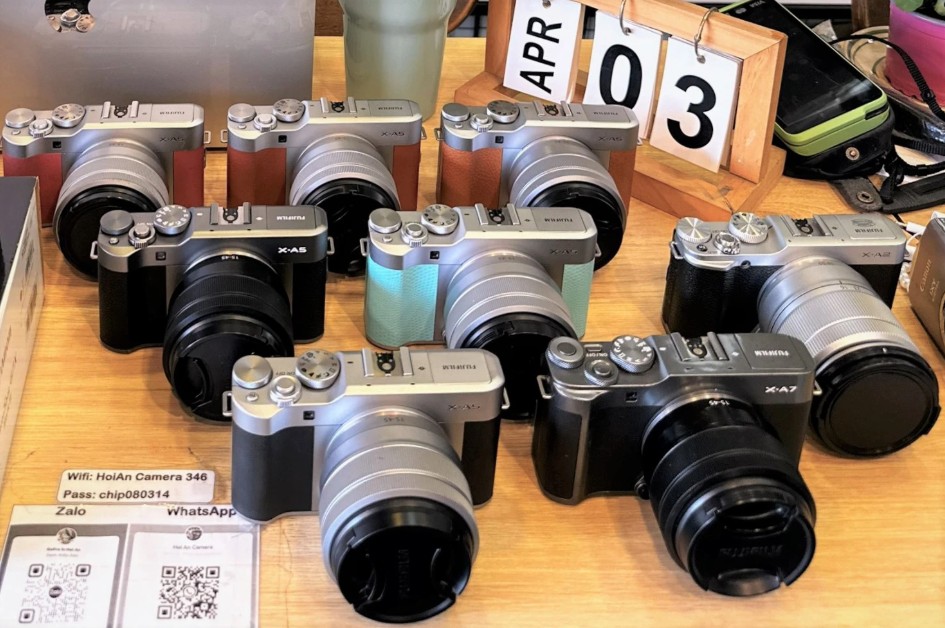
2. Filter information and choose reputable sellers.
After gathering information from various sources, the next step is to filter it to determine the most suitable option. Not all listings for used cameras are reliable. Therefore, carefully evaluating the seller and the product's origin is essential.
One common piece of advice is to prioritize buying cameras from individual users rather than from stores specializing in buying and reselling used cameras. The reason is that direct users usually understand the condition of their equipment, know its usage history, and can provide detailed information about the product. Meanwhile, some resale stores may have acquired equipment from various sources and may not have complete knowledge of the camera's history.
When considering a seller, you should pay attention to factors such as their time in the group, level of interaction, reviews from previous buyers, and transparency in providing information. Sellers who are willing to allow thorough inspection of the device, publicly share detailed images, and clearly answer questions are generally more trustworthy.
Additionally, you should be wary of listings with prices that are significantly lower than the market average. In many cases, an attractive price can be a sign of faulty or extensively repaired devices.
3. Check the machine's usage history.
An old camera can still function well after many years if properly maintained. Conversely, a new device used for a short time but continuously at high intensity may have already shown significant wear and tear.
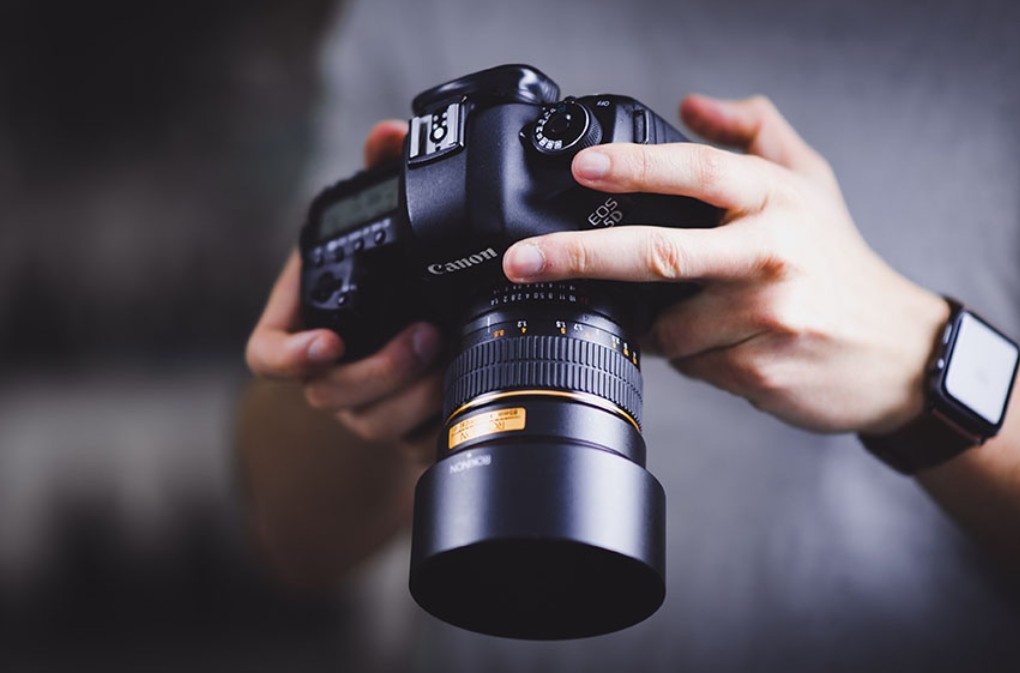
Therefore, before buying, you should research the product's usage history. Ask the seller about the ownership period, intended use, and frequency of use. Cameras used only for family photos or travel photography usually show less wear and tear than those used for event photography, weddings, or professional videography.
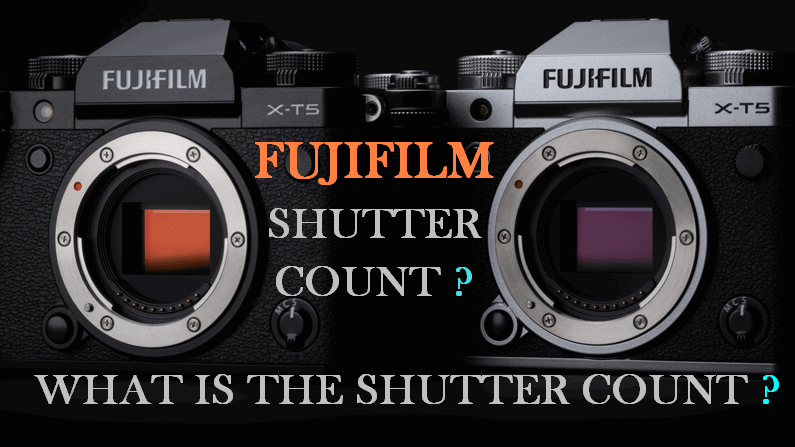
For DSLR cameras, the shutter count is a very important indicator. Each camera has a certain shutter lifespan limit. The higher the number of shots, the greater the risk of mechanical component failure. Therefore, checking the shutter count before purchasing is essential.
4. Test the machine before making a decision.
No matter how much the seller promises about the quality, a physical inspection is an indispensable step. This is considered the most important step when buying a used camera.
If you lack experience, you should ask someone knowledgeable about cameras to accompany you to help with the testing. During the testing process, try shooting in various modes, checking the focusing ability, continuous shooting speed, image saving capability, and the functionality of the buttons.
You should also test the video recording function to ensure the camera is working properly. At the same time, check the display, electronic viewfinder, or optical viewfinder for any signs of malfunction.
A quality camera will feel smooth to operate, respond quickly, and not exhibit errors such as freezing, constant loss of focus, or displaying error messages.

5. Check the camera sensor.
If we liken a camera to a living organism, then the sensor is the heart of the entire system. This is the part responsible for capturing light and directly determining image quality.
For mirrorless cameras, you simply remove the lens mount cap to directly observe the sensor. With DSLRs, you need to access the menu and activate the mirror flip function to check.
When inspecting the sensor, pay attention to signs such as dirt, scratches, dark spots, or unusual smudges. A scratched sensor can seriously affect image quality, and repair costs are often very high.
In addition to visual inspection, you should take a test photo against a white background with a small aperture to detect dead pixels or dust on the sensor. This is a simple but highly effective way to check.
6. Check the lens mount.
The lens mount is the connection point between the camera body and the lens. Although small in size, it plays a very important role.
Open the protective cover of the mount and carefully examine the metal surface. If there are too many deep scratches or signs of severe impact, the device may have been dropped or used intensively.
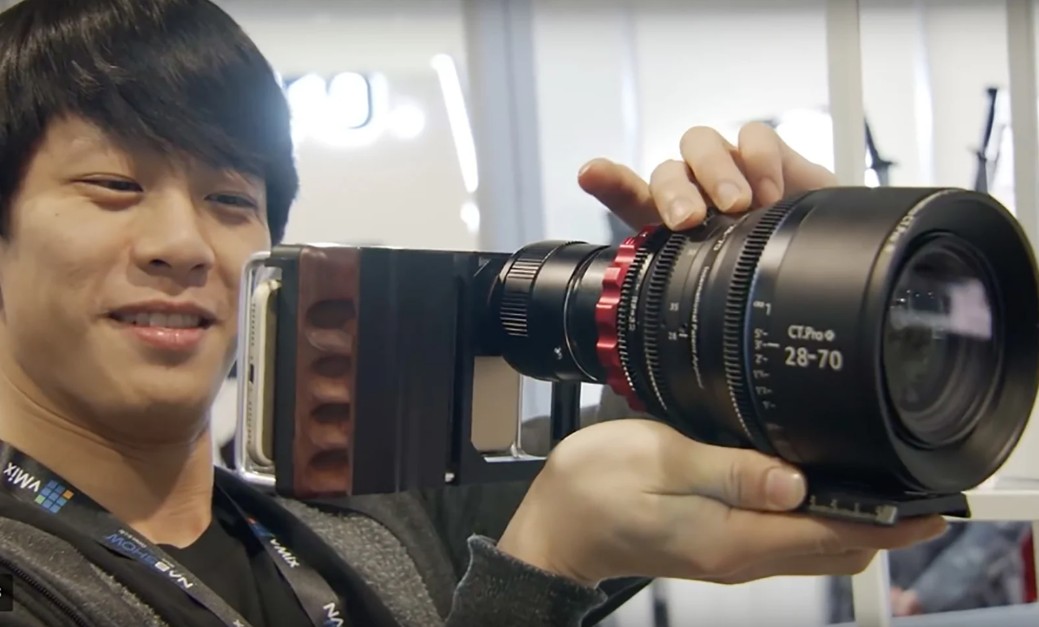
Additionally, the electronic contact pins on the mount should be checked. These pins must be aligned and not bent, misaligned, or broken. If the electronic contacts are faulty, the camera may not recognize the lens or may operate erratically.
Thoroughly inspecting the lens mount helps you assess the level of wear and tear on the equipment and avoid future repair costs.
7. Check overall appearance.
Appearance doesn't completely determine the quality of a device, but it does reflect, to some extent, how the previous owner used and maintained it.
A machine with too many scratches, dents, or chipped paint usually indicates careless use. Meanwhile, well-maintained machines typically have a clean appearance and few signs of wear and tear.
You should carefully examine the edges, grip area, buttons, screen, and ports. These details can reveal whether the device has been dropped or subjected to a strong impact.
8. Check the screen and viewfinder.
The screen is a frequently used component, making it susceptible to scratches or degradation over time.
Turn on the device and check the brightness, color, and display capabilities of the screen. If you detect dead pixels, color stripes, or unusual flickering, you should think carefully before buying.
For cameras with electronic viewfinders, check the image display, lag, and sharpness. A well-functioning viewfinder will make taking photos more accurate and convenient.
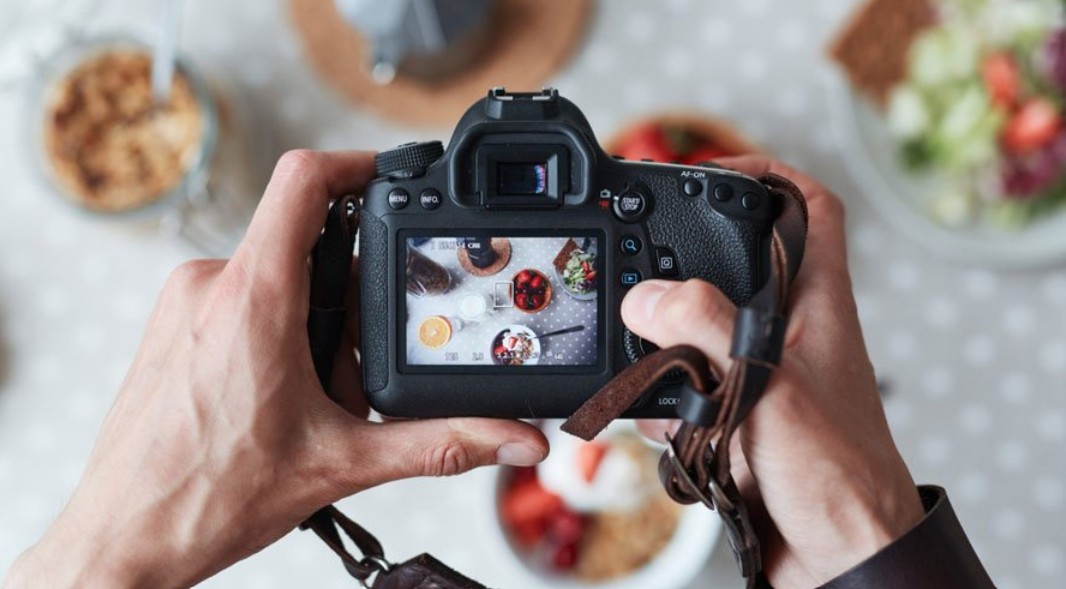
9. Focusing System Evaluation
The focusing system is one of the most important factors determining image quality.
When testing the camera, try focusing at different distances and in various lighting conditions. If the camera focuses slowly, consistently misses focus, or makes unusual noises, it's very likely that the focusing system is malfunctioning.
For portrait photographers, sports photographers, or videographers, the ability to focus accurately is an indispensable factor.
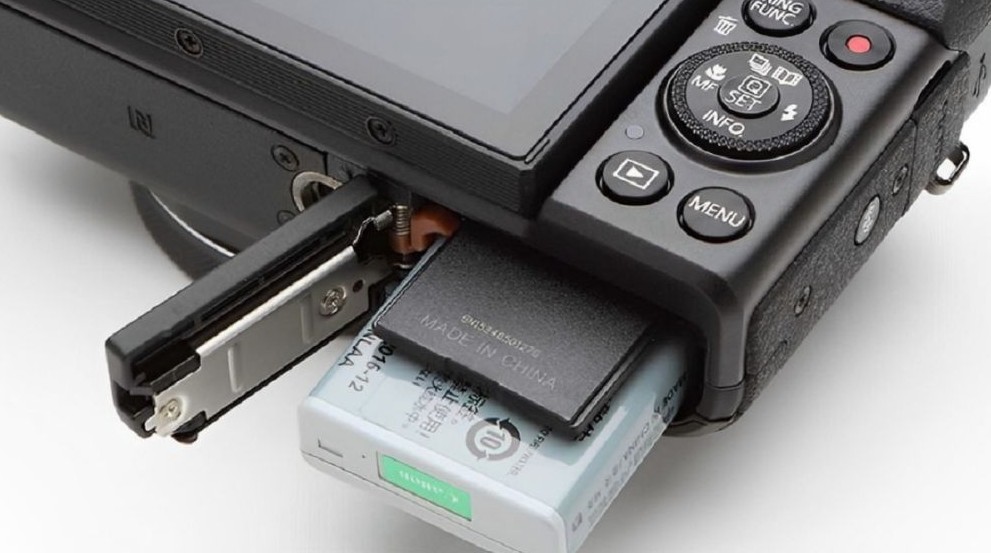
10. Check the battery and charger.
Batteries are components that naturally wear out over time. Therefore, when buying a used camera, you need to pay special attention to the battery's condition.
Ask the seller about the current battery life and actual usage time. If possible, test the device for a period of time to assess its power retention capabilities.
Additionally, it's important to check if the included charger is genuine. Using a low-quality charger can affect battery life and device safety.
11. Check the included accessories.
The included accessories also affect the overall value of a used camera. A complete set usually includes the box, instruction manual, strap, battery, charger, and original accessories from the manufacturer. Cameras with all accessories intact often show that the previous owner used and maintained them more carefully. This also increases their value when you want to resell them in the future.
12. Compare prices before making a purchase.
Before making a final decision, take the time to compare prices from multiple sources. Don't rush to buy just because you see an attractive price. Comparing multiple listings will help you accurately assess the product's true value and avoid overpaying. Additionally, it will give you more leverage to negotiate with the seller and achieve the most reasonable price.





















VIP Products








Best Selling Products
Adobe Premiere Pro Account
99 USD
ChatGPT Plus Account (GPT-4)
16 USD
Upgrade Duolingo Super
29 USD
Genuine Cheap Canva Pro
39 USD
MidJourney Account
29 USD
Windows 10 & 11 Pro Key
36 USD
Capcut Pro 1 Year
39 USD
Autodesk All App Account Copyright
120 USD
Freepik Premium Account
59 USD
Upgrade Genuine Office 365
49 USD
Plugin Retouch4me
69 USD
Adobe Photoshop Copyright - Full App
120 USD
Genuine Adobe Illustrator account
99 USD
Upgrade genuine Capture One account
120 USD
Copyright Adobe Lightroom Account
59 USD