Best Selling Products

Upgrade genuine Capture One account
120 USD
Genuine Adobe Illustrator account
99 USD

Freepik Premium Account
59 USD
Upgrade Genuine Office 365
49 USD
Adobe Premiere Pro Account
99 USD

Genuine Cheap Canva Pro
39 USD

ChatGPT Plus Account (GPT-4)
16 USD
Autodesk All App Account Copyright
120 USD

Copyright Adobe Lightroom Account
59 USD

Upgrade Duolingo Super
29 USD

MidJourney Account
29 USD
Windows 10 & 11 Pro Key
36 USD
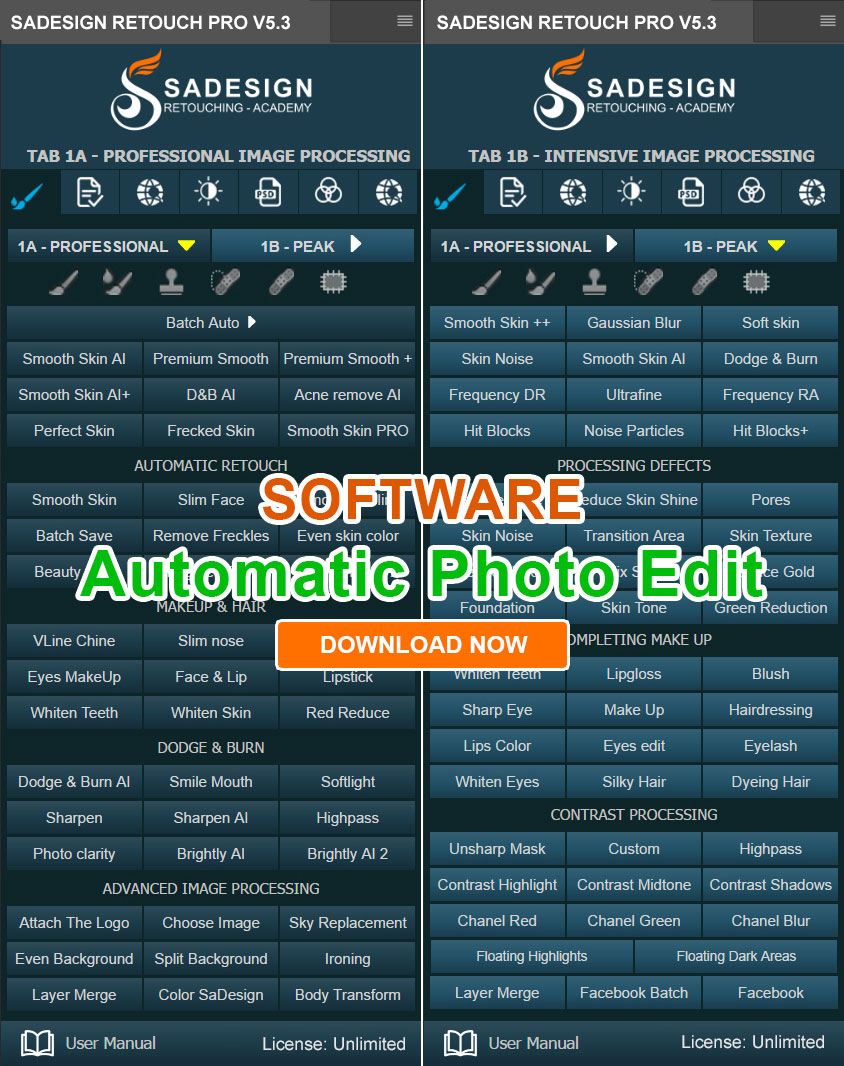
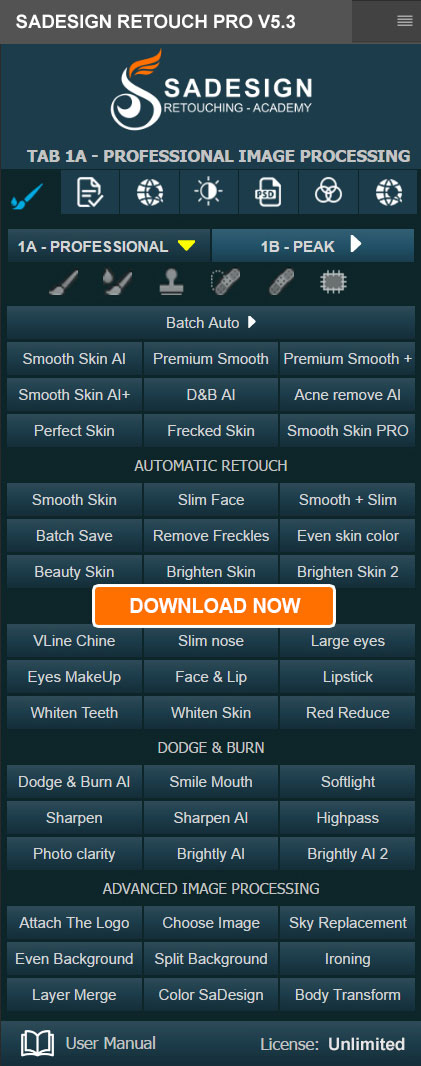
Plugin Retouch4me
69 USD
Adobe Photoshop Copyright - Full App
120 USD

Capcut Pro 1 Year
39 USD
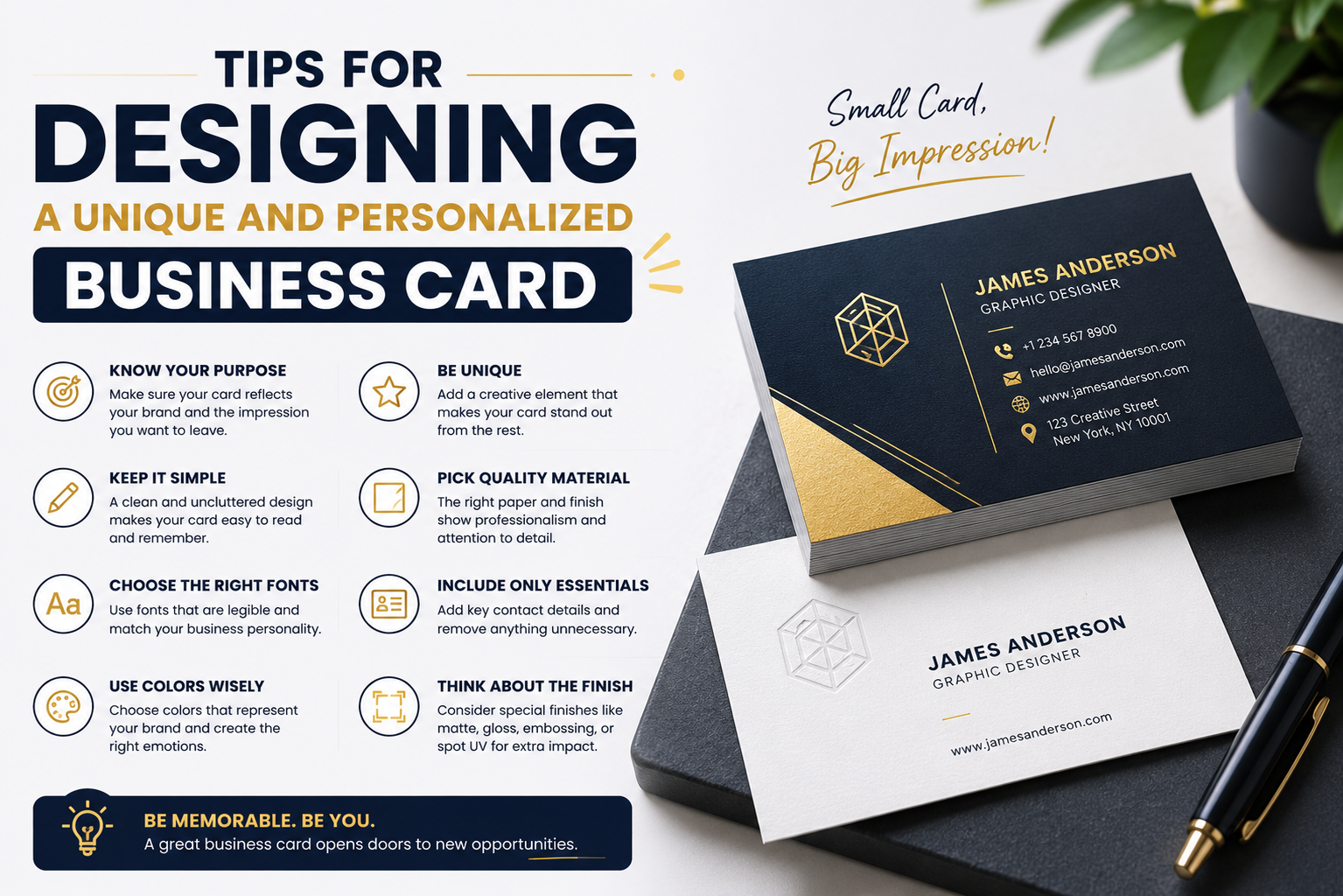
Tips for Designing a Unique and Personalized Business Card
Nội dung
- 1. What is a Business Card?
- 2. Essential components of a Business Card
- 3. The importance of designing business cards for every business and individual.
- 4. The role of Business Cards in business and branding.
- 5. Basic principles in business card design
- 5.1. Color Palette – An Element Shaping Emotions and Messages
- 5.2. Beautiful and appropriate business card design styles
- 5.3. Fonts – Small details, big impact
- 5.4. Shape and Size – Make a Great First Impression
- 5.5. Unique materials – Elevating the level of sophistication
- 5.6. Designing useful business cards – Reducing the risk of being forgotten.
- 5.7. Using recycled paper – A green message for the brand.
- 6. Tools for designing impressive business cards
- 7. Conclusion
For every businessperson, owning a business card is not just a tool for exchanging information, but also a way to showcase personal branding and professionalism in the eyes of partners and clients.
1. What is a Business Card?
A business card , also known as a name card , is a small, usually rectangular card used to introduce important personal or business information. It's a tool for connecting and exchanging information during meetings, conferences, or professional events. A well-designed business card not only conveys basic information like name, title, and contact details, but also reflects the personality, style, and brand values of its owner.
In a company's or business's brand identity , business cards are an indispensable item, playing a crucial role in building a professional image. Typically, the colors and design style of business cards are synchronized with the company's main colors and brand identity. This helps customers and partners easily remember the brand, while also demonstrating professionalism and consistency in all business activities.
2. Essential components of a Business Card
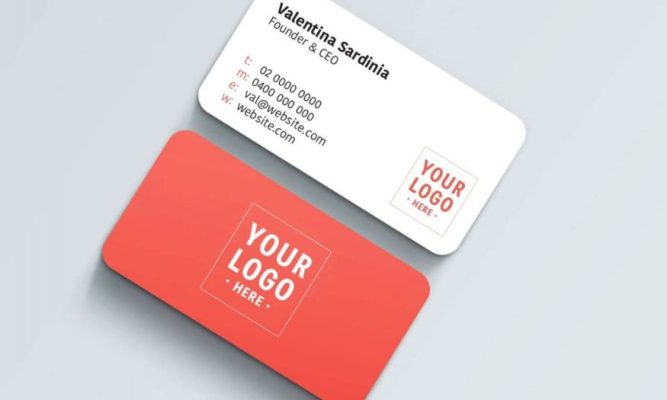
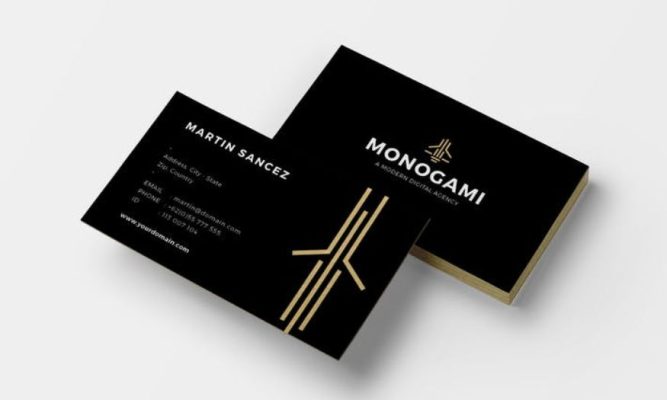
When designing a professional business card , you need to ensure it includes the following important elements:
- Logo : Represents brand identity and is the main highlight that helps customers easily recognize the brand.
- Company/business name or personal brand : Establishing reputation and position in the market.
- Name and title : This helps partners understand the role and responsibilities of the business card holder.
- Company/business address : Creates trust and convenience when customers want to contact you directly.
- Phone number : This is the quickest and easiest way to contact someone.
- Email : Facilitates professional information exchange and collaboration.
- Website : Provides more detailed information about the business, services, or products.
- Social media (if applicable) : Connect and expand your network online.
A well-designed business card not only conveys accurate and clear information but also serves as a tool for building a professional and trustworthy brand image.
3. The importance of designing business cards for every business and individual.
Business cards are not just basic communication tools; they also serve as "brand ambassadors" representing individuals and businesses. For entrepreneurs, business owners, or freelancers, a beautiful and professional business card makes a strong first impression. Business cards not only provide contact information but also convey brand identity through color, imagery, fonts, and design style. This clearly reflects the culture, values, and positioning that a business wants to communicate to partners and clients.
Each industry, field, or geographical area has a different business card design style, reflecting its unique characteristics. For example, in the creative industry, business cards often feature unconventional designs, vibrant colors, and unique styles, while financial or legal businesses tend to prioritize minimalism and sophistication. This difference makes business cards a tool for showcasing personality, professional style, and making a lasting impression on the recipient. A well-designed business card can become a powerful tool to help you stand out in a fiercely competitive market.
For individuals, business cards also showcase personal style and creativity. Freelancers can freely design their business cards with unique shapes, novel layouts, or high-quality printing materials to make a strong impression. The saying "small but mighty" perfectly applies to business cards – with just a small, compact card, you can open up countless opportunities for collaboration, build relationships, and elevate your personal and business image.

4. The role of Business Cards in business and branding.
Business cards offer significant value, not only in networking but also in brand promotion. They are an incredibly effective direct marketing tool , allowing you to convey information quickly and professionally. A complete business card can include essential information such as name, title, phone number, email address, physical address, and website, making it easy for customers to contact and remember you.
Here are some of the key roles of business cards in business and branding:
- Providing basic information: Helping partners and customers know precisely about the individual, company, or business.
- Showcase your industry and field of activity: Through the design and content, the recipient can clearly understand the industry in which you are doing business.
- Conveying corporate culture: The colors, layout, and materials of the business card reflect the values and unique identity of the company.
- Make a strong impression on customers: A unique, professional design will leave a lasting impression on the recipient, helping you stand out from the competition.
- As an effective communication tool: Business cards serve as a convenient and cost-effective way to promote brand image.
- Making a difference: Helping businesses position themselves in the market while showcasing creativity and professionalism.
5. Basic principles in business card design
5.1. Color Palette – An Element Shaping Emotions and Messages
Color is a crucial element in business card design , as it not only creates aesthetic appeal but also directly reflects personal personality or brand image. A carefully chosen color palette can convey a clear message about professionalism, creativity, or the level of trust you want to send to the recipient. For example, a business card from someone in the entertainment industry often features bright, vibrant colors to express dynamism and creativity. Meanwhile, a business card from a businessperson usually prioritizes muted, minimalist colors to create a sense of authority and reliability .
Furthermore, color choices can also be influenced by cultural and regional factors . In some countries, red symbolizes luck and prosperity, but in others it may signify warning or danger. Therefore, when choosing colors, you need to understand the psychology and culture of your target customers to avoid misunderstandings. Below are some common meanings of colors:
- Red: Passion, love, determination.
- Black: Power, elegance, mystery.
- Gold: Hope, energy, focus.
- Gray: Conservative, stable, traditional.
- White: Pure, minimalist, transparent.

5.2. Beautiful and appropriate business card design styles
To create a professional business card , determining the design style is crucial. Each style conveys a unique message, tailored to your industry and the brand image you want to build. For example, the modern style often uses bright colors, striking patterns, and eye-catching designs, making it extremely suitable for businesses in the technology or creative fields. This is the perfect choice if you want to make a strong first impression.
Additionally, minimalist style is also gaining popularity among individuals and businesses due to its sophistication and professionalism. This design style typically uses monochromatic tones, a clean layout, and large, clear typography. Furthermore, for fields requiring creativity such as marketing or art, a vibrant style with many colors and unique patterns can help you stand out and be more memorable to customers. Regardless of the style chosen, you need to ensure that it accurately reflects your brand's values and personality .
5.3. Fonts – Small details, big impact
Fonts may seem like a small detail, but they play a crucial role in enhancing the aesthetics and informational impact of a business card . Choosing the wrong font can make a business card look cluttered, unprofessional, or difficult to read. Designers often advise avoiding overly thin or ornate serif fonts , as they are prone to fading or loss of clarity during printing, especially on thin paper.
When choosing a font, you should consider both popularity and distinctiveness . Common fonts like Arial or Times New Roman, while easy to use, lack distinctiveness and can make a design look outdated. In business, sans serif fonts are often preferred for their modern and clear appearance, while arts or entertainment industries may opt for more creative, soft, and artistic fonts. Most importantly, the font must match the brand's personality while ensuring clear readability and memorability for the recipient.
5.4. Shape and Size – Make a Great First Impression
Most business cards today still adhere to the standard rectangular size, which is convenient for storage and easy to print. Some common sizes worldwide include: 88.9 x 50.8 mm (USA, Canada), 85 x 55 mm (Europe), or 91 x 55 mm (Japan). However, if you want to create a unique impression, you can break the traditional boundaries with more unconventional shapes such as squares, rounded corners, or designs that reflect your brand's distinctive features.
A distinctive shape not only makes the business card stand out but also sparks curiosity and interest in the recipient. However, you still need to ensure practicality – the card should be easy to store in a wallet or small bag. Don't be so creative that you lose sight of the basic function of a business card, because the balance between aesthetics and practicality is key to a successful design.
5.5. Unique materials – Elevating the level of sophistication
Most business cards in Vietnam are printed on paper due to their low cost and ease of mass production. However, if you want to stand out, experiment with unique materials such as clear plastic, thin metal, wood, or even lightweight stone. These materials not only offer a premium feel but also clearly demonstrate your investment and attention to detail in your brand.
However, when choosing materials, you need to consider convenience and storage . Business cards that are too thick, too heavy, or easily damaged will be difficult for recipients to keep, reducing the effectiveness of the connection. Choose a material that is both durable and easy to store, while also matching the image and budget of your business.
5.6. Designing useful business cards – Reducing the risk of being forgotten.
One reason business cards are often discarded is that they simply provide information without offering any other practical value. To overcome this, you can design multi-functional business cards – serving both as a business card and for other purposes. For example, a card could be folded into a phone stand, a mini ruler, or transformed into a small pouch for items like toothpicks or paper clips.
Such creative and useful business card designs will make customers appreciate and remember your brand for longer . At the same time, it helps you showcase your ingenuity and creative thinking, creating a unique experience for the recipient, thereby enhancing engagement and opening up opportunities for future collaboration.

5.7. Using recycled paper – A green message for the brand.
In an era where consumers are increasingly concerned about environmental protection, using recycled paper for business cards is not only a trend but also demonstrates corporate social responsibility. Recycled papers like Kraft paper offer a rustic, natural look while still ensuring durability and print quality. This is an excellent choice for brands operating in the green sector, selling natural products, or those that are environmentally friendly.
By using recycled materials, you not only build rapport with customers but also contribute to spreading the message of green living and sustainable development. At the same time, this is a way for your brand to showcase its uniqueness and affirm its long-term value, enhancing its professional image while creating a strong emotional connection with potential customers.
6. Tools for designing impressive business cards
To design a professional and impressive business card , you don't need to be a graphic designer. With the help of Canva , everyone from individuals to businesses can easily create their own unique business card design. Canva offers a diverse library of modern design templates suitable for many different industries. You simply drag and drop elements such as logos, images, colors, and fonts to turn your ideas into reality without needing complex design skills. Importantly, Canva also supports custom international standard sizes, giving you peace of mind when printing and using it in any business situation.
To fully utilize the advanced features, you should upgrade to Canva Pro . And a reputable and trusted source is AI Software World . When upgrading to Canva Pro here, you won't have to worry about receiving your account after payment. AI Software World 's professional support team is always ready to provide detailed step-by-step guidance, from installation to usage. All your questions will be answered quickly and attentively, ensuring you have a smooth, safe, and efficient experience. This is a smart choice that saves you time and money and allows you to quickly own a top-class business card design tool.

7. Conclusion
Above are some important tips to help you design an impressive business card that reflects your personal style and brand. Investing in business cards not only demonstrates professionalism but also creates a memorable image in the eyes of clients and partners. With the help of modern design tools, you can easily and quickly create unique card designs yourself. Start today to own a business card with your own unique touch, accompanying you on your path to success.















VIP Products




Best Selling Products
Upgrade genuine Capture One account
120 USD
Genuine Adobe Illustrator account
99 USD
Freepik Premium Account
59 USD
Upgrade Genuine Office 365
49 USD
Adobe Premiere Pro Account
99 USD
Genuine Cheap Canva Pro
39 USD
ChatGPT Plus Account (GPT-4)
16 USD
Autodesk All App Account Copyright
120 USD
Copyright Adobe Lightroom Account
59 USD
Upgrade Duolingo Super
29 USD
MidJourney Account
29 USD
Windows 10 & 11 Pro Key
36 USD
Plugin Retouch4me
69 USD
Adobe Photoshop Copyright - Full App
120 USD
Capcut Pro 1 Year
39 USD