
Best Selling Products

MidJourney Account
29 USD
Copyright Adobe Lightroom Account
59 USD

Autodesk All App Account Copyright
120 USD

Plugin Retouch4me
69 USD

Upgrade Duolingo Super
29 USD

Capcut Pro 1 Year
39 USD
Upgrade genuine Capture One account
120 USD

Adobe Premiere Pro Account
99 USD

ChatGPT Plus Account (GPT-4)
16 USD

Upgrade Genuine Office 365
49 USD

Genuine Cheap Canva Pro
39 USD

Freepik Premium Account
59 USD

Windows 10 & 11 Pro Key
36 USD

Adobe Photoshop Copyright - Full App
120 USD

Genuine Adobe Illustrator account
99 USD
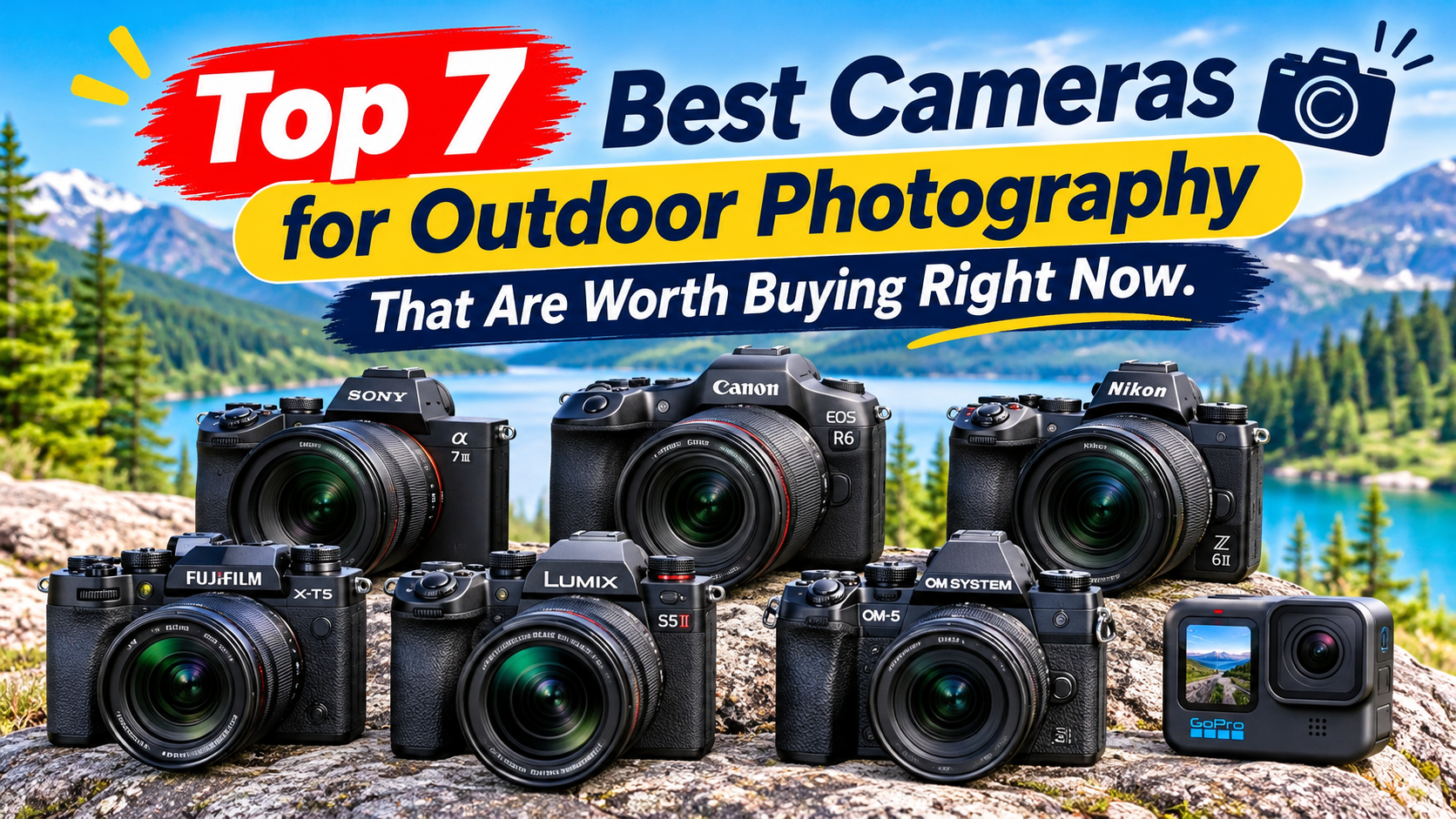
Top 7 best cameras for outdoor photography that are worth buying right now.
Nội dung
- 1. Canon EOS R50 – A suitable choice for beginners
- 2. Sony A6400 – Versatile for street and travel photography
- 3. Fujifilm X-M5 – For those who love artistic colors in their photos.
- 4. Canon EOS R10 – Capturing moving moments
- 5. Fujifilm X-T5 – Prioritizing landscape image quality
- 6. Fujifilm X-S20 – Combining outdoor photography and videography.
- 7. Nikon Z5 – A full-frame option for landscapes and portraits
- 8. Conclusion
Discover 7 outstanding outdoor cameras from Canon, Sony, Fujifilm, and Nikon. Compare their advantages to choose the right one for your needs.
1. Canon EOS R50 – A suitable choice for beginners
The Canon EOS R50 is an APS-C mirrorless camera aimed at general users and photography beginners. It features a 24.2 MP sensor, Dual Pixel CMOS AF II focusing system, and a flexible tilting touchscreen.
The Canon EOS R50 is well-suited for outdoor photography due to its combination of fast autofocus, compact design, and relatively easy-to-use functionality. When shooting portraits in parks, family photos during travel, or everyday moments on the street, the subject recognition system makes it easy to track subjects and increases the chances of capturing sharp images.
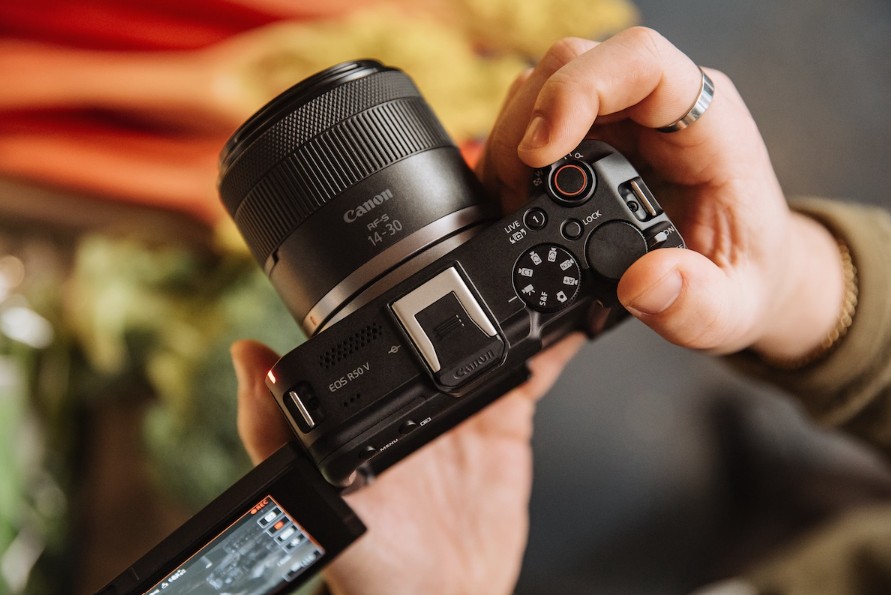
The flip-out screen is also a significant advantage. Users can shoot from a low angle to highlight the foreground, from a high angle to create a different composition, or take selfies while traveling alone. The 4K video recording capability makes the device well-suited for both photography and video recording needs.
For beginners, the Canon EOS R50 is a worthwhile option due to its versatility and ability to handle a wide range of situations. However, for better results when shooting landscapes or portraits, users should choose the right lens instead of relying on a single configuration.
2. Sony A6400 – Versatile for street and travel photography
The Sony A6400 is an APS-C mirrorless camera with a 24.2 MP sensor, Fast Hybrid AF focusing system, Real-time Eye AF technology, and a continuous shooting speed of up to approximately 11 frames per second.
The Sony A6400's strengths lie in its focusing and subject tracking capabilities. In outdoor environments, subjects often move or change position, such as pedestrians on the street, children playing, or tourists in action. The ability to focus on the eyes makes portrait photography easier, while the fast continuous shooting speed helps capture quick moments.
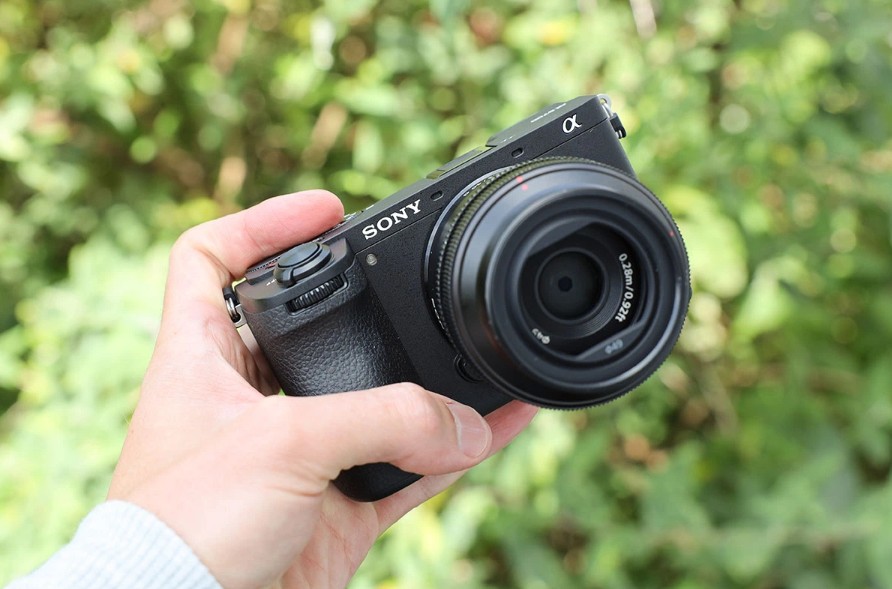
Another advantage is the wide variety of Sony E-mount lenses available. Users can choose wide-angle lenses for architecture and landscapes, standard lenses for everyday photography, or telephoto lenses for capturing distant subjects.
The relatively compact body is also suitable for long hiking trips. However, the Sony A6400 lacks in-body image stabilization, so users need to be mindful of shutter speed when shooting in low light. If you frequently shoot handheld, a lens with image stabilization would be a useful option.
3. Fujifilm X-M5 – For those who love artistic colors in their photos.
The Fujifilm X-M5 is equipped with a 26.1 MP APS-C X-Trans CMOS 4 sensor and an X-Processor 5 image processor. A highlight of this model is Fujifilm's signature film simulation modes, allowing users to create various image styles directly within the camera.
When shooting outdoors, color plays a crucial role in conveying emotion. With the Fujifilm X-M5, users can choose a color style that suits each scene, from soft hues for travel photos to bold tones for street photography. This reduces the need for post-processing for those who want to get great photos quickly.
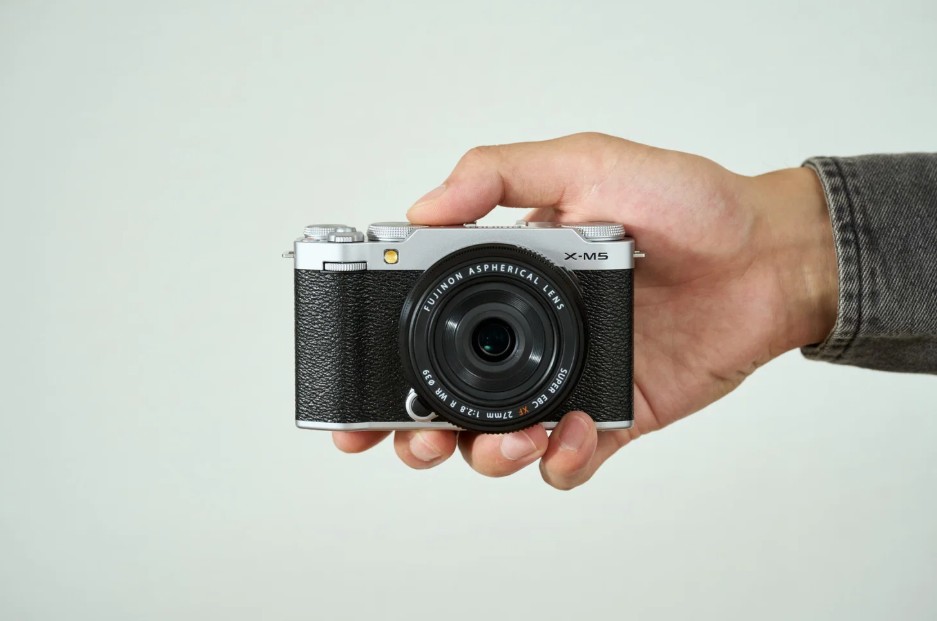
The compact design is another advantage. When going on picnics, sightseeing in the city, or traveling for several days, a lightweight camera will make it more comfortable for users to move around. The flip-out screen also supports creative composition and video recording.
However, the X-M5 lacks an electronic viewfinder and in-body image stabilization. When shooting in bright sunlight, observing the screen may not be as convenient as using the viewfinder. In low-light conditions, users should consider lenses with image stabilization or adjust the shutter speed accordingly.
4. Canon EOS R10 – Capturing moving moments
The Canon EOS R10 uses a 24.2 MP APS-C sensor and a Dual Pixel CMOS AF II focusing system. It stands out for its fast continuous shooting capability, achieving approximately 15 frames per second with the mechanical or first-stage electronic shutter, and up to 23 frames per second with the electronic shutter.
These features make the Canon EOS R10 a noteworthy choice for capturing outdoor scenes with lots of movement. In activities like running, cycling, outdoor sports, or photographing children playing, the high continuous shooting speed allows you to capture many different moments of the action. The photographer can then choose the frame with the best expression, pose, and composition.
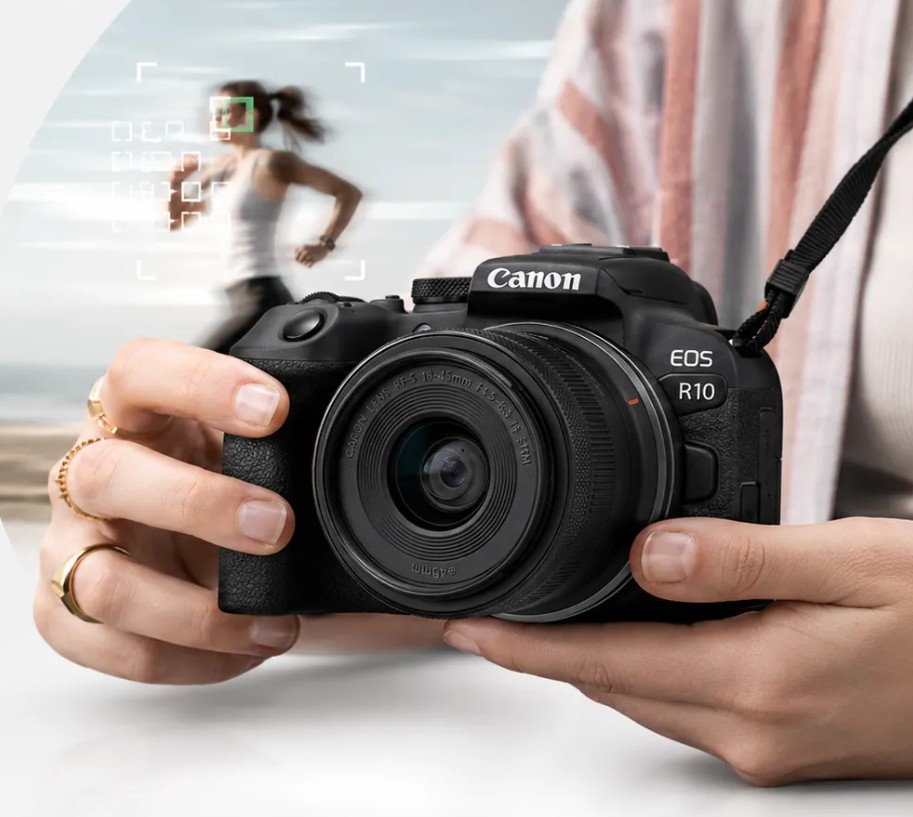
The autofocus system supports subject tracking, improving the ability to maintain focus even when the subject is moving. Additionally, the relatively lightweight body makes it convenient to carry during hikes or outdoor activities.
However, the Canon EOS R10 lacks in-body image stabilization. When shooting static landscapes in low light conditions, users should control the shutter speed or use a tripod if necessary.
5. Fujifilm X-T5 – Prioritizing landscape image quality
The Fujifilm X-T5 is a standout choice for those who prioritize still image quality. It features a 40.2 MP APS-C X-Trans CMOS 5 HR sensor, a 5-axis in-body image stabilization system with up to 7 stops of effective stabilization, and a high-resolution electronic viewfinder.
The high resolution of the Fujifilm X-T5 allows it to capture more detail in wide-angle scenes such as mountains, beaches, architecture, and nature. When cropping images or printing large-format photos, this added detail can provide a significant advantage.
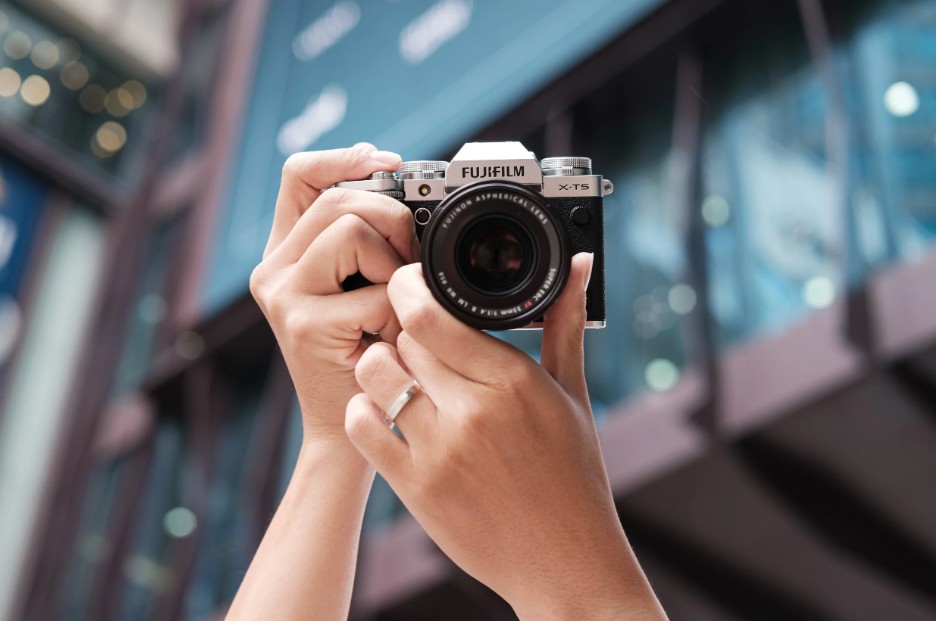
In-body image stabilization is also useful when shooting static subjects handheld. In some situations, the photographer can use a slower shutter speed while still maintaining sharpness. However, image stabilization cannot freeze the movement of people or animals.
Another advantage is the electronic viewfinder, which is especially useful when shooting outdoors in bright sunlight. The direct control system also allows users to quickly adjust exposure parameters as lighting conditions change.
A drawback of the Fujifilm X-T5 is that high-resolution image files can take up a lot of storage space. Users should prepare a suitable memory card and backup device if they frequently shoot in RAW.
6. Fujifilm X-S20 – Combining outdoor photography and videography.
The Fujifilm X-S20 features a 26.1 MP APS-C sensor, 5-axis in-body image stabilization with a claimed effectiveness of up to 7 stops, and an NP-W235 battery. According to the manufacturer's specifications, the battery life can reach approximately 750 photos under standard testing conditions. The camera also supports 6.2K and 4K video recording.
The reason the X-S20 is suitable for outdoor photography is its ability to balance still photography, video recording, and portability. During a trip, users can capture landscapes, portraits, street scenes, and simultaneously record videos documenting their journey.
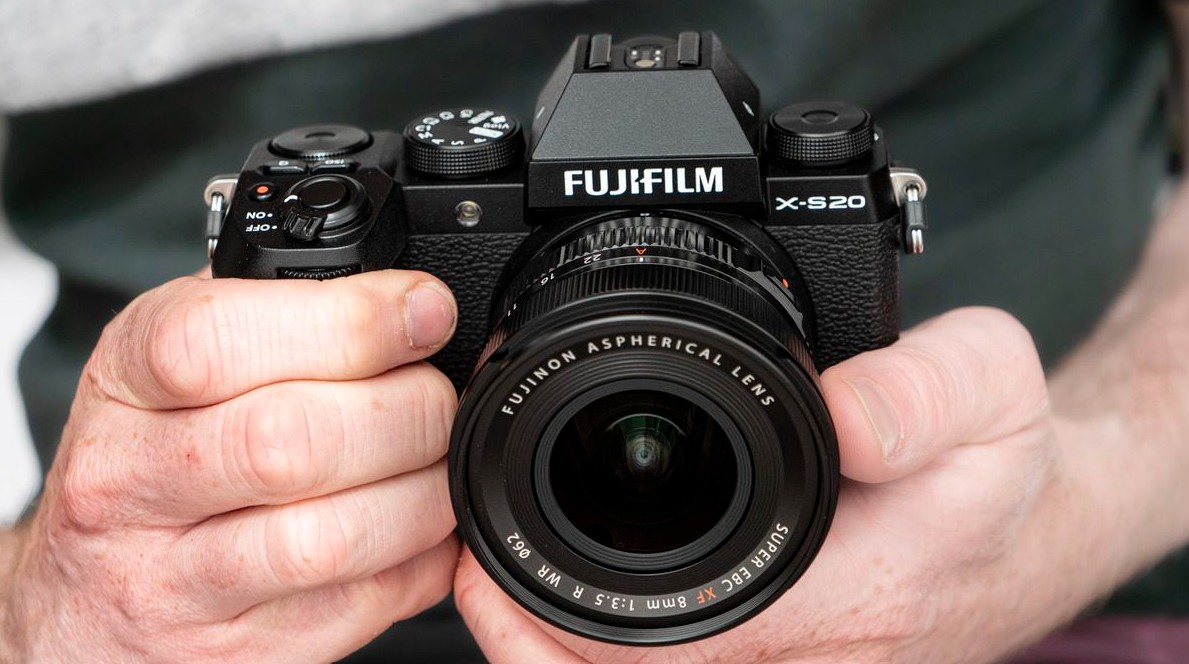
In-body image stabilization supports handheld shooting in low light, such as at sunset or in city environments at night. Good battery life is also an advantage when you're on the go all day and don't have the opportunity to charge frequently.
Additionally, the subject recognition system helps the camera adapt to various shooting situations. Users can combine it with a versatile zoom lens to reduce the need for frequent lens changes while on the go.
However, the X-S20 is not a weather-resistant camera. When shooting in rain, dust, or high humidity, a protective bag should be used, and direct contact with water should be avoided.
7. Nikon Z5 – A full-frame option for landscapes and portraits
The Nikon Z5 is a mirrorless camera using a 24.3 MP full-frame sensor. It features a 5-axis in-body image stabilization system, supports eye tracking and animal detection autofocus, and is designed to be dust and moisture resistant under suitable operating conditions.
Full-frame sensors have a larger surface area than APS-C sensors, offering advantages in light capture and depth of field control when paired with the right lens. These are useful characteristics when shooting landscapes, outdoor portraits, or scenes with significant light and shadow variations.
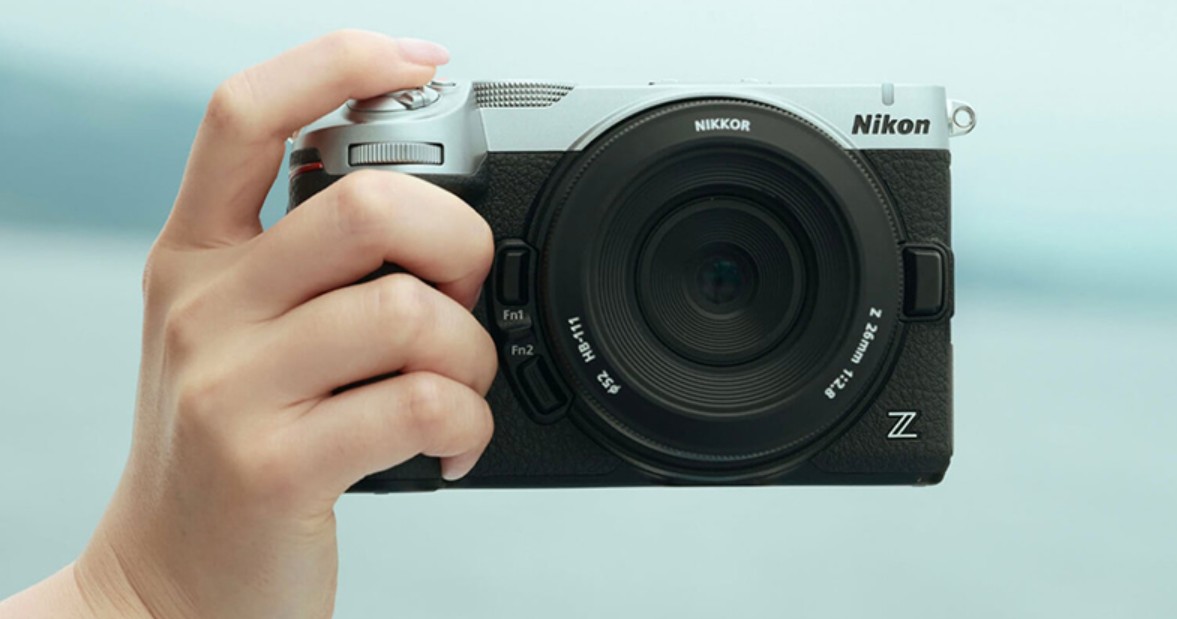
The in-body image stabilization system supports handheld shooting with slower shutter speeds in some situations. The ability to detect human and animal eyes also makes portrait or nature photography more convenient.
In addition, the dust and moisture-resistant design makes the Nikon Z5 more suitable for outdoor trips than devices without similar protection. However, users should still avoid heavy rain, seawater, and environments with a lot of sand or dust.
Compared to models that prioritize speed, the Nikon Z5 is more suitable for those who prioritize still photography and want to invest in a full-frame system. When choosing this model, you need to factor in the cost of lenses, as full-frame lenses can significantly increase the overall budget.
8. Conclusion
Choosing the right camera for outdoor photography depends on your intended use, photographic style, and budget. There is no single best model for every situation, as each device is designed with its own advantages and limitations.

















VIP Products







Best Selling Products
MidJourney Account
29 USD
Copyright Adobe Lightroom Account
59 USD
Autodesk All App Account Copyright
120 USD
Plugin Retouch4me
69 USD
Upgrade Duolingo Super
29 USD
Capcut Pro 1 Year
39 USD
Upgrade genuine Capture One account
120 USD
Adobe Premiere Pro Account
99 USD
ChatGPT Plus Account (GPT-4)
16 USD
Upgrade Genuine Office 365
49 USD
Genuine Cheap Canva Pro
39 USD
Freepik Premium Account
59 USD
Windows 10 & 11 Pro Key
36 USD
Adobe Photoshop Copyright - Full App
120 USD
Genuine Adobe Illustrator account
99 USD