Best Selling Products

Freepik Premium Account
59 USD

Upgrade genuine Capture One account
120 USD

Copyright Adobe Lightroom Account
59 USD

Windows 10 & 11 Pro Key
36 USD

Upgrade Genuine Office 365
49 USD
Genuine Cheap Canva Pro
39 USD
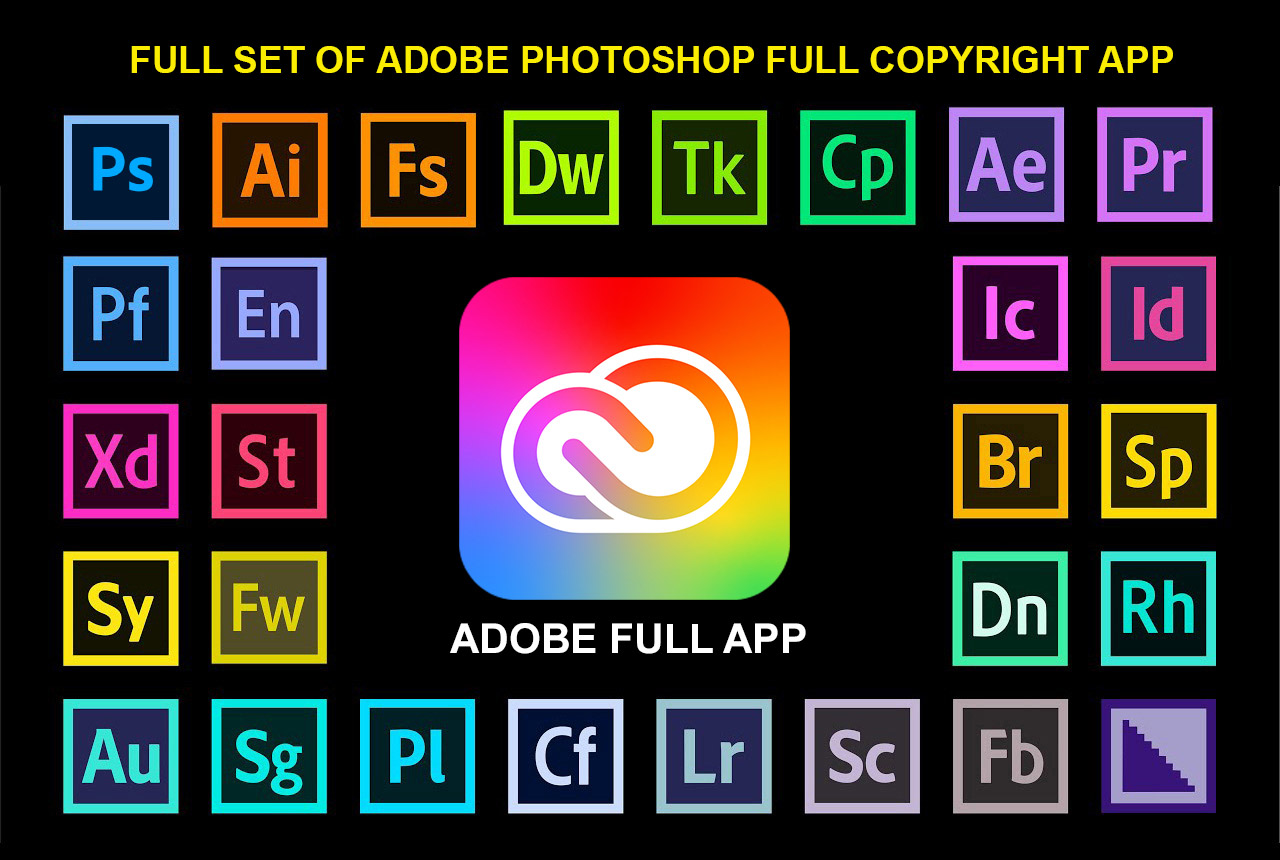
Adobe Photoshop Copyright - Full App
120 USD
Genuine Adobe Illustrator account
99 USD

Upgrade Duolingo Super
29 USD

Plugin Retouch4me
69 USD
Autodesk All App Account Copyright
120 USD

MidJourney Account
29 USD

Capcut Pro 1 Year
39 USD

ChatGPT Plus Account (GPT-4)
16 USD
Adobe Premiere Pro Account
99 USD
What Do Designers Do? Discover the 5 Hottest Design Branches of 2025
Nội dung
- 1. Overview of the Designer Profession
- 2. Types of Design
- 2.1 Graphic Design
- 2.2 Product Design
- 2.3 Web Design
- 2.4 Interior Design
- 2.5 Fashion Design
- 3. Essential Skills for Designers
- 3.1 Creative Skills
- 3.2 Technological Skills
- 3.3 Communication Skills
- 3.4 Time Management Skills
- 4. Education and training for designers
- 4.1 Training Programs
- 4.2 Design Certifications
- 4.3 Practical experience
- 5. Challenges in the design profession
- 5.1 Competitive pressure
- 5.2 Technology Updates
- 5.3 Managing customer feedback
Many people know about designers but don't fully understand the work they do every day. This article provides a comprehensive overview of the profession, its areas of expertise, and suitable career paths for beginners.
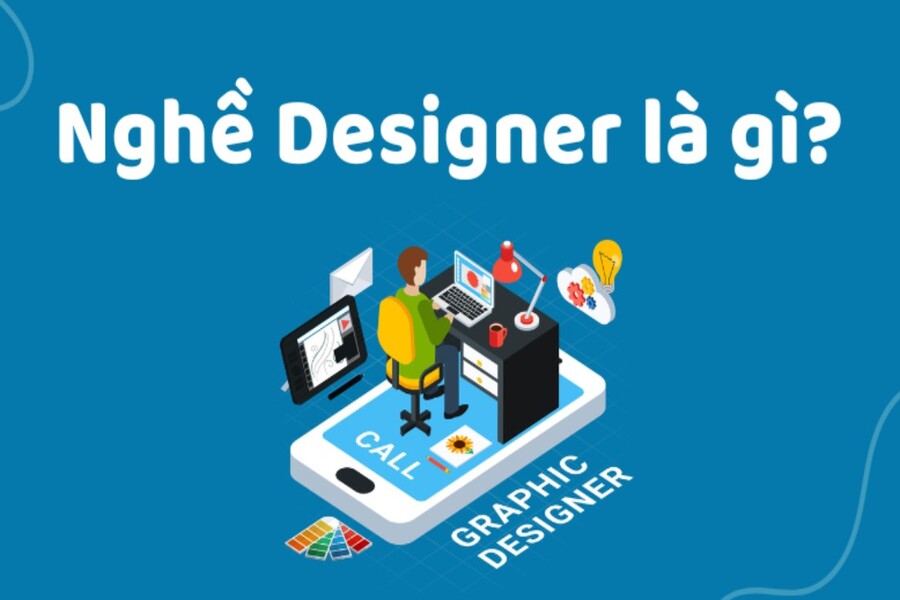
In the context of the booming creative technology, the design profession is becoming one of the most sought-after fields. Beyond simply creating visually appealing products, designers play a crucial role in brand strategy, user experience, and product market value. With the development of new technologies such as AI, AR/VR, digital design, and interactive online tools, the design profession is expanding its scope, creating diverse and attractive career opportunities. This article will provide an overview of the design profession, including types of design, necessary skills, training pathways, challenges, and development opportunities within the industry.
1. Overview of the Designer Profession
Designers are creative professionals responsible for transforming ideas into visual products or tangible experiences, meeting aesthetic, branding, or functional needs. A designer's role goes beyond simply "drawing beautiful designs"; it also includes problem-solving, strategic thinking, and optimizing the user experience. A successful designer needs to balance creativity, technological skills, and an understanding of the market and user behavior.
The profession of a designer can encompass a wide range of fields: from graphic design, web design, industrial products, interior design to fashion. Each field requires specialized skills, but the core of the profession is the ability to be creative, analytical, and to communicate ideas visually. The combination of technical skills and aesthetic sense is the key to a designer's success.
Modern designers not only work for traditional companies but also have the opportunity to become freelancers, taking on projects independently or joining creative startups. This offers flexibility in work and opportunities for income growth, while also requiring designers to learn independently, manage their time, and build their personal brand.
2. Types of Design
The design profession is not limited to one field, but spans many different types. Each type has its own characteristics in terms of skills, tools used, and career opportunities.
2.1 Graphic Design
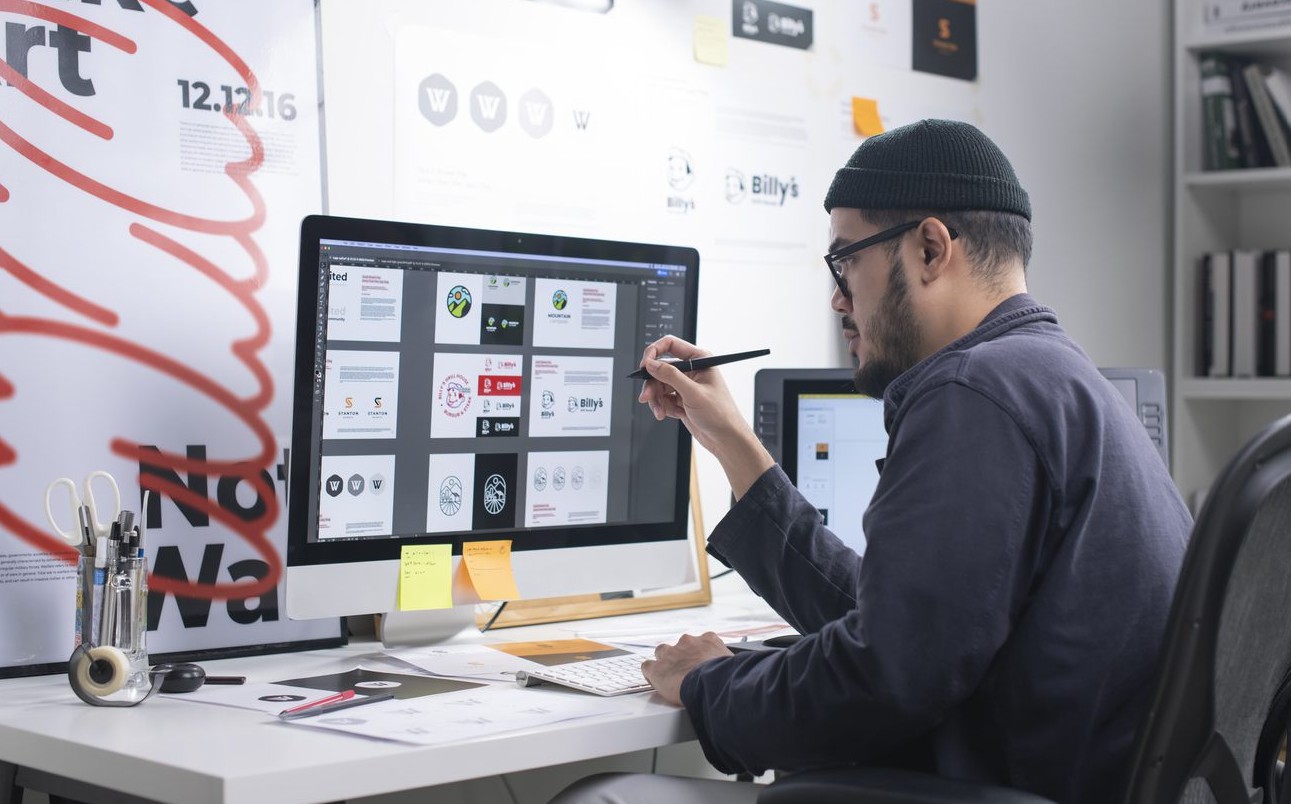
Graphic design is the most popular and widely known field. Graphic designers are responsible for creating visual products ranging from posters, logos, banners, brochures, and advertising materials to social media imagery. In the digital age, graphic design has expanded to include motion graphics, infographics, and multimedia experiences. Graphic designers need to master the principles of color, typography, layout, and how to effectively convey messages through images.
Graphic design is also closely related to marketing and branding. A well-designed product should not only be visually appealing but also convey a message, attract users, and enhance brand value. The combination of aesthetics and communication strategy is crucial for a successful graphic designer.
2.2 Product Design
Product design focuses on creating physical or digital products with clear functionality and aesthetics. Product designers are involved in the entire process, from ideation and sketching to 3D modeling, testing, and actual production. Products can include household goods, electronics, toys, or other industrial products.
For product design, designers need not only creativity but also a thorough understanding of materials, manufacturing techniques, industrial processes, and ergonomics. Successful designers in this field often combine aesthetic thinking with practical problem-solving skills, creating products that are both beautiful and functional.
2.3 Web Design
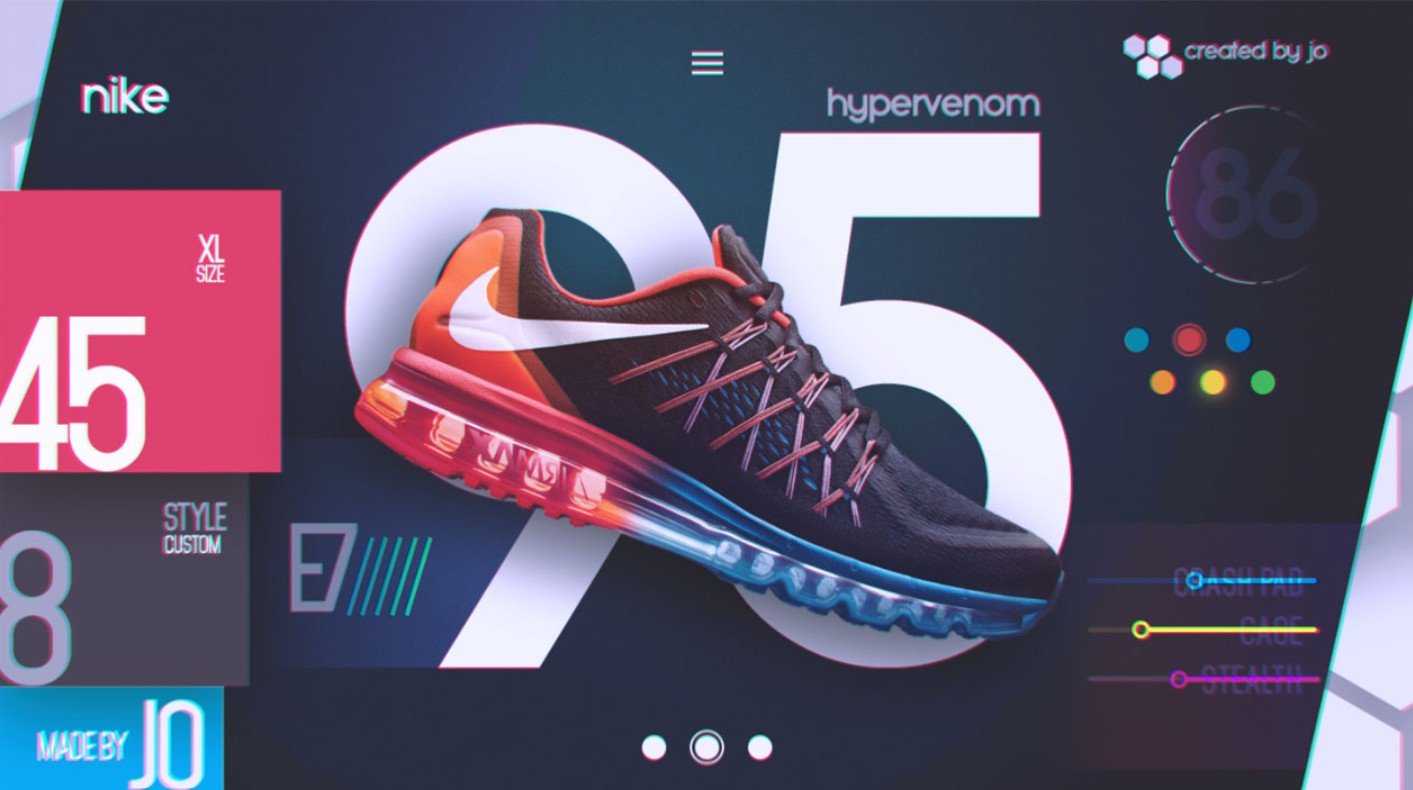
Web design is a field that combines aesthetics and technology. Web designers are responsible for building user interfaces (UI), user experience (UX), and ensuring that websites function effectively on different devices. Web design products include landing pages, e-commerce websites, web applications, and other online platforms.
Web designers need a basic understanding of HTML, CSS, and JavaScript, UX/UI principles, responsive design skills, and user experience optimization. They must also stay up-to-date with new web design trends such as minimalism, dark mode, micro-interactions, and user data-driven design. The combination of design skills and technology enables web designers to create intuitive and effective user experiences.
2.4 Interior Design
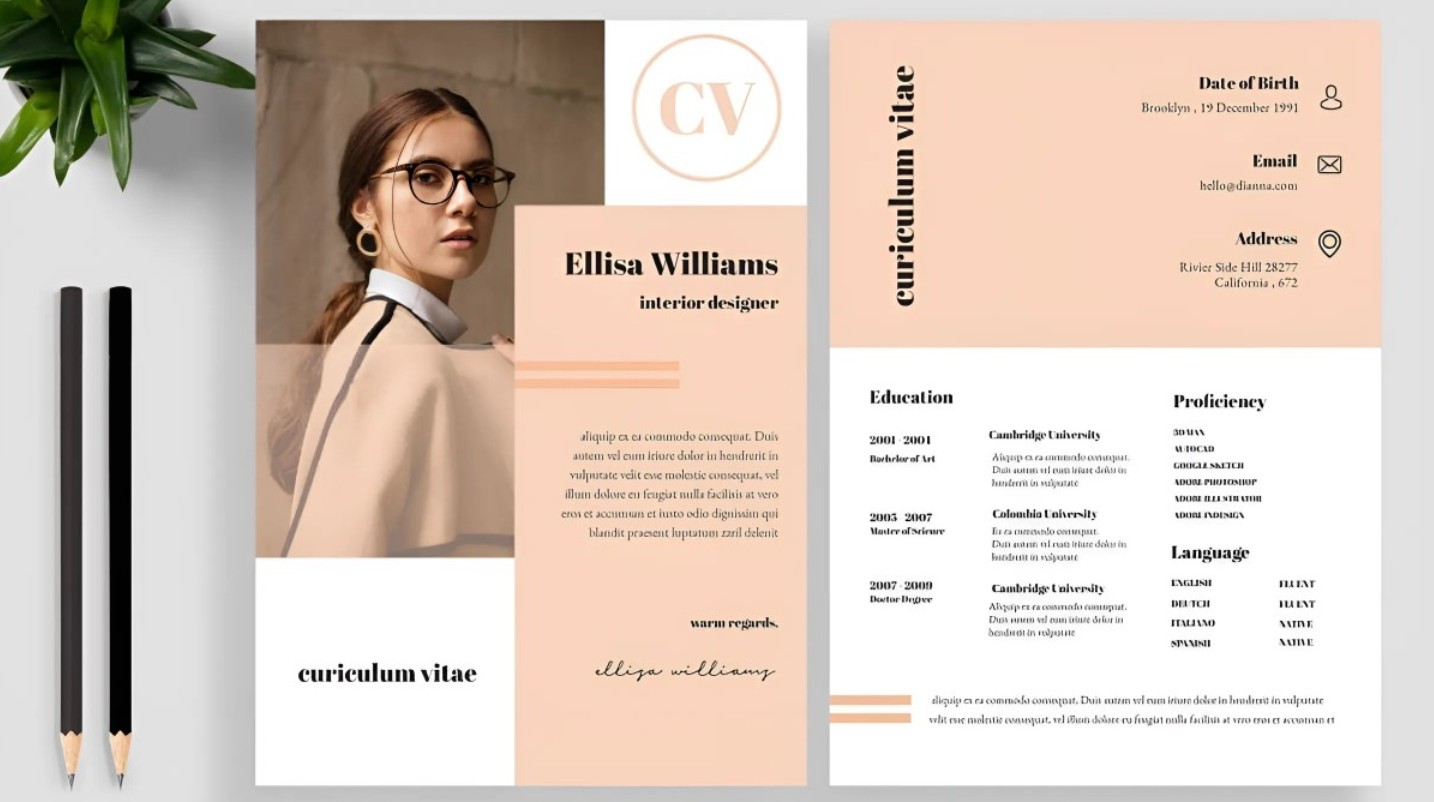
Interior design is a field focused on creating optimal, aesthetically pleasing, and functional living or working spaces. Interior designers must understand materials, lighting, color, spatial layout, and user needs. Projects can include homes, offices, shops, hotels, or other commercial spaces.
Interior designers need to combine creativity with technical knowledge such as measurement, architecture, building materials, and safety regulations. They must also consider feng shui, cultural factors, and user emotions. The ability to collaborate with architects, engineers, and clients is a crucial element for the success of an interior designer.
2.5 Fashion Design
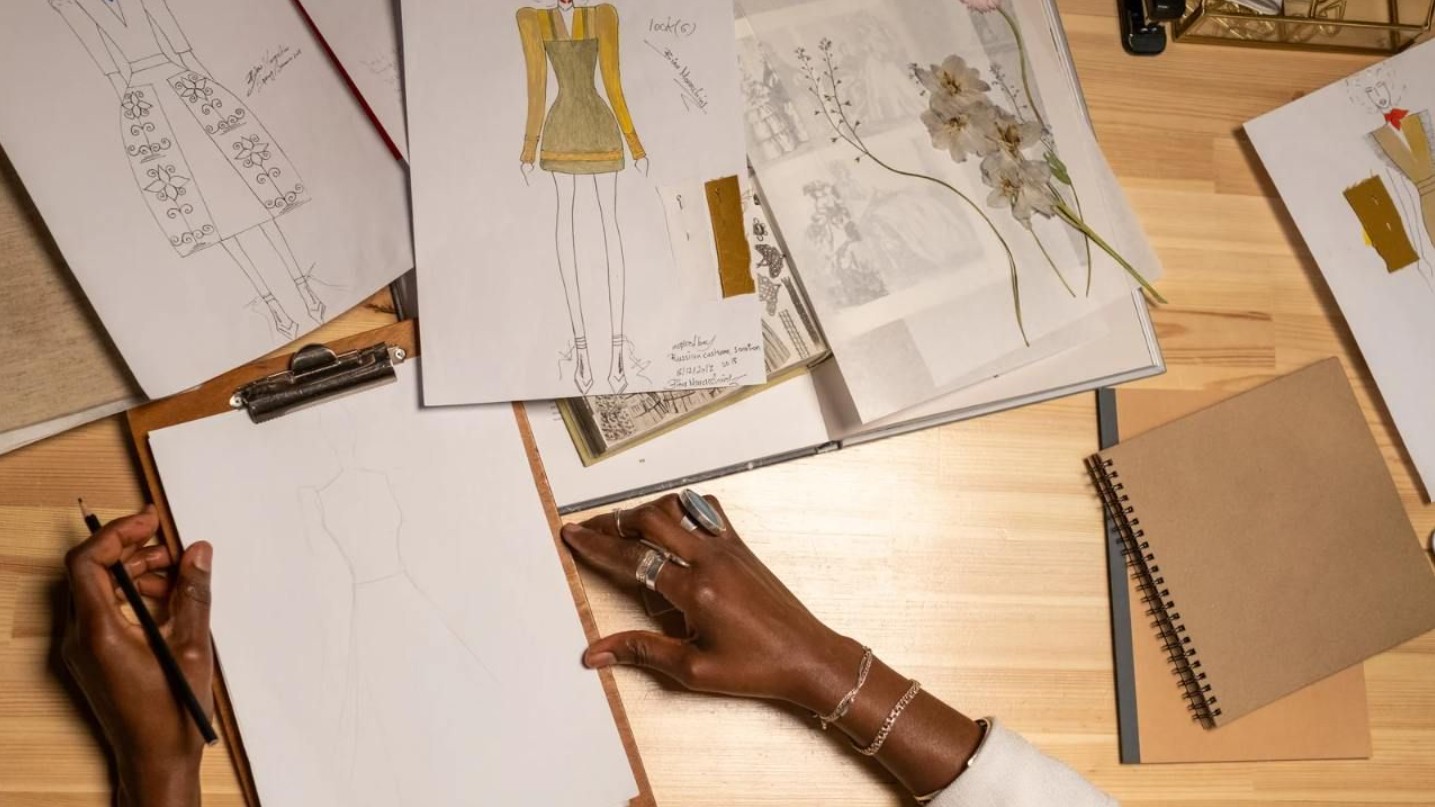
Fashion design is a specialized field requiring high creativity, trend awareness, and a thorough understanding of materials and garment techniques. Fashion designers create clothing, accessories, collections, and define the aesthetic direction for a brand. This field demands that designers possess a refined aesthetic sense, sketching and pattern-making skills, and knowledge of the fashion market.
Fashion designers must also keep up with international trends, participate in fashion weeks, and connect with manufacturers and brands. Success in this field depends not only on beautiful products but also on the ability to build a personal brand and influence in the market.
3. Essential Skills for Designers
To develop a career in any design field, designers need to combine many different skills, from creativity, technology, and communication to time management.
3.1 Creative Skills
Creativity is at the core of a designer's profession. Designers must know how to combine colors, images, layout, and ideas to create unique products that meet their intended purpose. Creative skills are not just about imagination, but also about problem-solving abilities, generating effective and practical ideas. Creative designers are always seeking new solutions, experimenting with different techniques, and combining unique styles with client requirements.
3.2 Technological Skills
In the digital age, technological skills are indispensable for designers. Proficiency in design software, 3D modeling tools, AI in design, web design platforms, or motion graphics is essential. Designers need to know how to apply technology to optimize processes, reduce project completion time, and improve product quality. Furthermore, the ability to quickly learn new technologies and apply them to their work is crucial for maintaining a competitive edge in the industry.
3.3 Communication Skills
Designers must know how to communicate effectively with clients, colleagues, partners, and other departments within the company. This skill helps designers understand client needs, feedback, and expectations, while clearly communicating creative ideas. Good communication skills also help designers negotiate, defend their ideas, and build trust in large projects.

3.4 Time Management Skills
Time management is crucial in the design industry, where deadlines are tight and quality is paramount. Designers need to know how to prioritize tasks, plan projects, manage timelines, and ensure timely completion. This skill reduces stress, increases productivity, and creates a positive impression on clients and superiors.
4. Education and training for designers
To become a professional designer, learning and acquiring knowledge are essential. Education and training in the design industry include formal training, professional certifications, and practical experience.
4.1 Training Programs
Many universities and colleges now offer in-depth design training programs. These programs not only teach theory but also focus on practical application, helping students master the skills necessary for real-world work. Students are guided on design principles, software tools, real-world projects, and creative methods, building a solid foundation for their future careers.
4.2 Design Certifications
In addition to degrees, designers can take short-term or online courses to obtain certifications from reputable organizations. Certifications help designers improve their professional skills, stay up-to-date with new technologies, and increase their competitiveness in the job market. Popular certifications include Adobe Certified Expert, UX/UI Certification, Motion Graphics Certification, etc. This is a quick and effective way to demonstrate competence, especially when seeking career advancement or changing design fields.
4.3 Practical experience
Practical experience is the most important factor in the design industry. Internships at design firms, freelance projects, or personal projects help designers accumulate skills, learn how to solve real-world problems, and build an impressive portfolio. A high-quality portfolio is direct evidence of creativity, technological skills, and how designers apply their knowledge to practice. Having practical experience means designers are more confident when applying for senior positions or working with large clients.
5. Challenges in the design profession
5.1 Competitive pressure
The graphic design and creative industry is fiercely competitive. Many talented designers from different universities and training programs enter the market simultaneously, creating high pressure to showcase their abilities and maintain a high level of creativity. Designers must constantly improve their skills, stay up-to-date with technology, and build outstanding portfolios to avoid being left behind.
5.2 Technology Updates
Technology in the design industry is changing rapidly, from graphic design software, 3D design, UX/UI, to AI, AR/VR. Designers need to keep up with trends and learn how to apply new technologies to real-world products. Failure to update will make designers outdated, reducing their opportunities for advancement and competitiveness in an increasingly digitized job market.
5.3 Managing customer feedback
Designers frequently receive feedback from clients, sometimes contradictory or requiring multiple revisions. Effectively managing feedback requires patience, communication, and the ability to explain ideas. A good designer knows how to balance personal creativity with client requirements while maintaining product quality and aesthetics.
The design profession combines creativity, technology, and practical problem-solving skills. In the context of the digital economy and the rapid development of technology, career opportunities for designers are increasingly abundant, but this also comes with the challenges of competition, keeping up with technology, and managing clients. By equipping themselves with creative skills, technology, communication, and time management, combined with professional education, certifications, and practical experience, designers can build a sustainable career, capitalize on development trends, and pursue attractive career opportunities in the future.

















VIP Products




Best Selling Products
Freepik Premium Account
59 USD
Upgrade genuine Capture One account
120 USD
Copyright Adobe Lightroom Account
59 USD
Windows 10 & 11 Pro Key
36 USD
Upgrade Genuine Office 365
49 USD
Genuine Cheap Canva Pro
39 USD
Adobe Photoshop Copyright - Full App
120 USD
Genuine Adobe Illustrator account
99 USD
Upgrade Duolingo Super
29 USD
Plugin Retouch4me
69 USD
Autodesk All App Account Copyright
120 USD
MidJourney Account
29 USD
Capcut Pro 1 Year
39 USD
ChatGPT Plus Account (GPT-4)
16 USD
Adobe Premiere Pro Account
99 USD