Best Selling Products

Windows 10 & 11 Pro Key
36 USD

Capcut Pro 1 Year
39 USD

Genuine Adobe Illustrator account
99 USD

Plugin Retouch4me
69 USD

MidJourney Account
29 USD

Upgrade Duolingo Super
29 USD

Freepik Premium Account
59 USD

Upgrade genuine Capture One account
120 USD

Upgrade Genuine Office 365
49 USD

Adobe Premiere Pro Account
99 USD

Copyright Adobe Lightroom Account
59 USD

Genuine Cheap Canva Pro
39 USD

Adobe Photoshop Copyright - Full App
120 USD

Autodesk All App Account Copyright
120 USD

ChatGPT Plus Account (GPT-4)
16 USD
What Is a VPN? Why Are More and More People Using VPNs Every Day?
Nội dung
VPNs are no longer tools reserved exclusively for tech enthusiasts. More and more people are using VPNs to protect their data, access restricted content, and enhance their online privacy.
1. Understanding VPNs
VPN stands for Virtual Private Network. It is a technology that allows you to create a secure and encrypted Internet connection between your device and the wider Internet. The primary purpose of a VPN is to protect your data while it travels across the Internet and to provide a greater degree of privacy for your online activities.
To better understand this, imagine the Internet as a massive highway system where billions of devices continuously send and receive data. Whenever you visit a website, send an email, or upload a file, your data travels through multiple intermediary points before reaching its destination. During that journey, if the data is not protected, people with certain technical skills may be able to observe or interfere with it.
A VPN works like building a private tunnel inside that highway system. When a VPN connection is activated, all data from your device is encrypted before leaving your machine. The encrypted data is then sent to a VPN server, where it continues on to the Internet. Anyone attempting to monitor your network traffic will only see encrypted information and will be unable to read the actual contents.
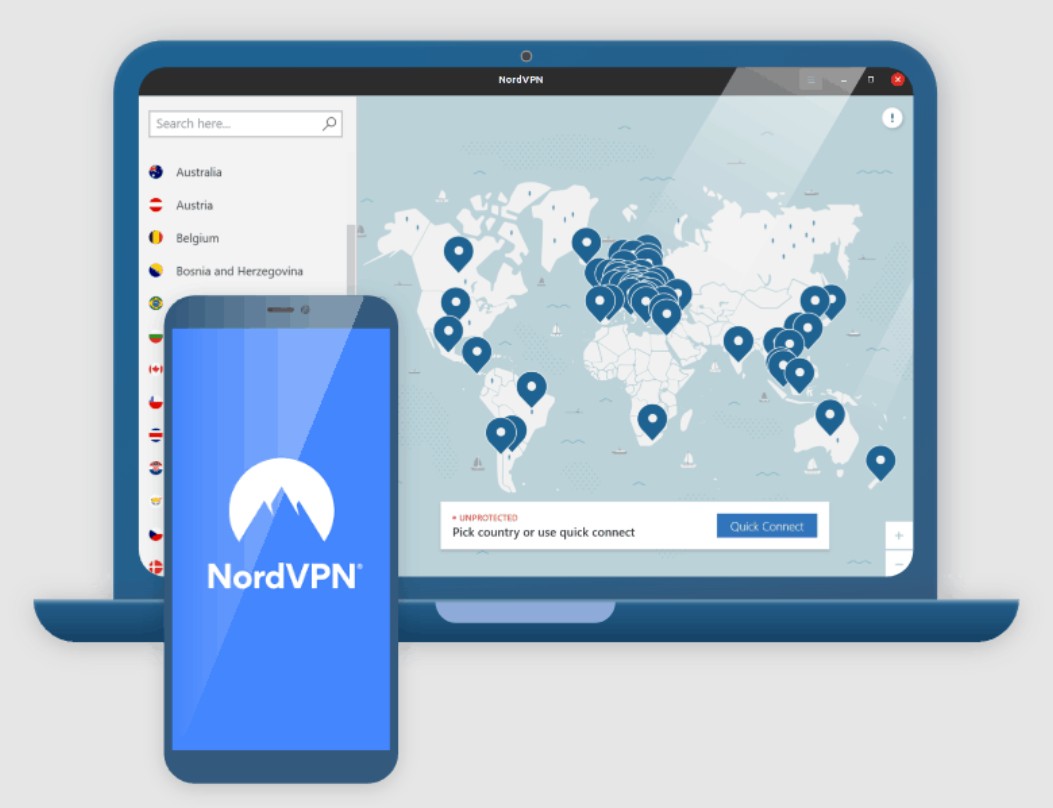
Another benefit of a VPN is that it changes the IP address websites see. Instead of seeing your real IP address, websites see the IP address of the VPN server. This increases privacy and, in some cases, allows you to access content that is available in different regions around the world.
For these reasons, VPNs are often considered an additional layer of protection for Internet activity. They do not replace other security measures but play an important role in protecting user data and privacy.
2. How Does a VPN Work?
To understand why VPNs are valuable, we need to look at how the Internet works under normal conditions. When you open a browser and visit a website, your device sends a request to your Internet service provider. The provider then forwards that request to the website's server. The server responds by sending data back to your device so the website can be displayed.
During this process, there are many points where data can potentially be observed. Internet service providers can know which websites you visit. Public WiFi networks may allow others on the same network to monitor data traffic. In some situations, unencrypted data can be intercepted or altered.
When a VPN is enabled, this process changes significantly. Data from your device is first encrypted using strong security algorithms. It is then sent to the VPN server through a secure connection. The VPN server decrypts the data and forwards the request to the website you want to access. When the website responds, the data returns to the VPN server, is encrypted again, and then sent back to your device.
.jpg)
This process creates an additional layer of protection because outside observers can only see traffic going to the VPN server. They cannot determine which websites you are visiting or what data is being transmitted. Additionally, your IP address is hidden because websites only see the VPN server's IP address.
3. Why Have VPNs Suddenly Become So Popular?
For many years, VPNs were primarily used by companies to allow employees to access internal networks while working remotely. However, over the past decade, several factors have made VPNs increasingly popular among individual users.
One of the most important factors is the rise of remote work. More companies now allow employees to work flexibly from home or anywhere with an Internet connection. This has made connection security more important because employees are no longer working exclusively within the tightly controlled network environments of corporate offices.
At the same time, public awareness of data privacy has increased significantly. Large-scale data breaches, debates about how technology companies collect user information, and the growth of behavior-based online advertising have encouraged many people to take a greater interest in protecting their personal data.
Another factor is the globalization of the Internet. Modern users frequently interact with content from many different countries. However, regional restrictions, copyright agreements, and content policies mean that the Internet experience is not the same everywhere. This makes VPNs useful tools for accessing information and services from different regions.
4. Protecting Work and Client Data
For people working in creative industries, digital data is often their most valuable asset. A graphic designer may spend weeks developing a concept for an advertising campaign. A photographer may store thousands of RAW images from a commercial shoot. A filmmaker may work with unreleased video edits. These files have not only creative value but also economic and legal value.
In many cases, creative projects also involve sensitive client information. Marketing strategy briefs, product launch plans, new packaging designs, or unreleased advertising campaigns all contain information that must be protected. If such data is leaked before its official release, the consequences can be severe for both the creator and the client.
In today's work environment, data sharing happens constantly. Files are uploaded to cloud storage services, sent via email, or shared through online collaboration platforms. If these activities take place over insecure network connections, the data may be monitored or stolen.
VPNs act as an additional layer of protection for these activities. By encrypting all Internet traffic, VPNs ensure that even if data is intercepted during transmission, the contents remain unreadable. This is particularly important when handling sensitive files or valuable intellectual property.
5. Risks of Public WiFi
Public WiFi has become a common part of modern life. We can easily connect to the Internet in cafés, airports, hotels, and conference centers. This provides tremendous convenience, especially for people who work while traveling.
However, public WiFi is also one of the highest-risk network environments. Unlike home or corporate networks that are carefully managed, many public WiFi networks have relatively weak security configurations. This creates opportunities for cyberattacks.
Some hackers may use techniques such as network traffic monitoring or creating fake access points to trick users into connecting. In such situations, transmitted data may be recorded, including login credentials or files being sent.
VPNs help reduce these risks by encrypting data before it leaves your device. Even if someone can observe network traffic, they will only see encrypted information and will be unable to understand its actual contents.
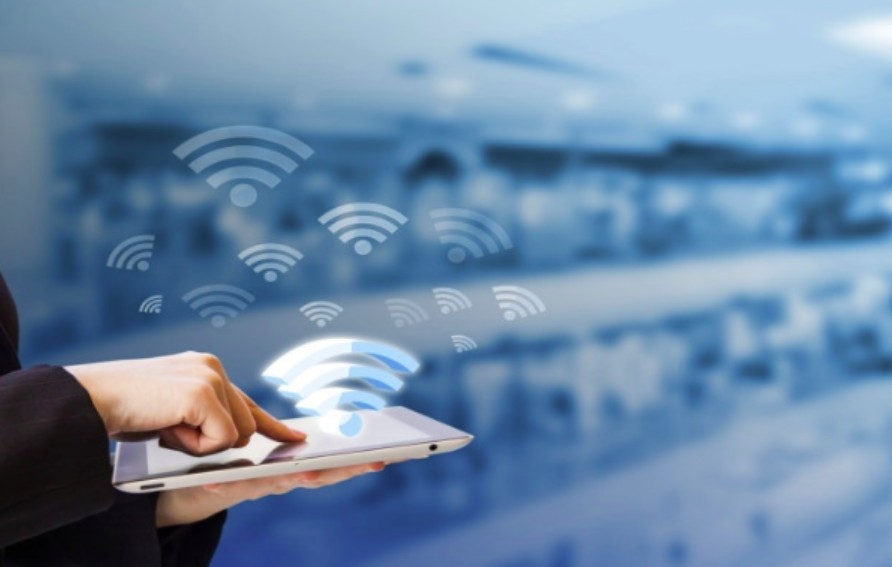
6. VPNs Enable Unlimited Research
For many creative professions, research is an essential part of the workflow. Designers need to follow global visual trends, filmmakers need to study storytelling approaches from different cultures, and marketing professionals need to understand how international brands communicate with their audiences.
However, the Internet is not always completely open. Some countries impose restrictions on certain websites, social media platforms, or news sources. This can make researching information or following international trends more difficult.
VPNs can help overcome these barriers by allowing users to connect to servers located in different countries. This makes it appear as though you are browsing from that geographic location. As a result, access to information expands significantly and helps creative professionals develop a more global perspective.
7. Internet Content Varies by Region
One interesting characteristic of the modern Internet is that many online services display different content depending on a user's location. This is often related to licensing agreements, business strategies, or legal regulations.
The most common example is streaming platforms. A movie or television series may be available in one country but unavailable in another. The same situation can apply to online services, app stores, and even e-commerce websites.
VPNs allow users to access the Internet through servers in different countries, making it possible to view content or use services as if they were physically located there. While many people use VPNs for entertainment purposes, this capability can also be useful for creative professionals conducting market research or seeking inspiration from diverse sources.
8. Is a VPN the Perfect Solution?
Although VPNs provide many benefits, they are not a magical solution for every security problem. VPNs only protect data while it is being transmitted and help conceal your IP address, but they cannot prevent every threat on the Internet.
For example, a VPN cannot protect you from downloading malware or falling victim to phishing emails. If you visit a fraudulent website and enter your login credentials, a VPN cannot prevent that.
For this reason, VPNs should be used as part of a broader security strategy. Users should still maintain safe habits such as using strong passwords, enabling two-factor authentication, and keeping software updated.
For creative professionals such as designers, illustrators, photographers, and filmmakers, VPNs offer many practical benefits. They help protect work data, safeguard client information, ensure secure network connections while working remotely, and expand access to global resources





















VIP Products








Best Selling Products
Windows 10 & 11 Pro Key
36 USD
Capcut Pro 1 Year
39 USD
Genuine Adobe Illustrator account
99 USD
Plugin Retouch4me
69 USD
MidJourney Account
29 USD
Upgrade Duolingo Super
29 USD
Freepik Premium Account
59 USD
Upgrade genuine Capture One account
120 USD
Upgrade Genuine Office 365
49 USD
Adobe Premiere Pro Account
99 USD
Copyright Adobe Lightroom Account
59 USD
Genuine Cheap Canva Pro
39 USD
Adobe Photoshop Copyright - Full App
120 USD
Autodesk All App Account Copyright
120 USD
ChatGPT Plus Account (GPT-4)
16 USD