Best Selling Products
Upgrade Genuine Office 365
49 USD

Freepik Premium Account
59 USD
Upgrade Duolingo Super
29 USD
MidJourney Account
29 USD

Copyright Adobe Lightroom Account
59 USD
Upgrade genuine Capture One account
120 USD

Windows 10 & 11 Pro Key
36 USD
Genuine Cheap Canva Pro
39 USD
Capcut Pro 1 Year
39 USD
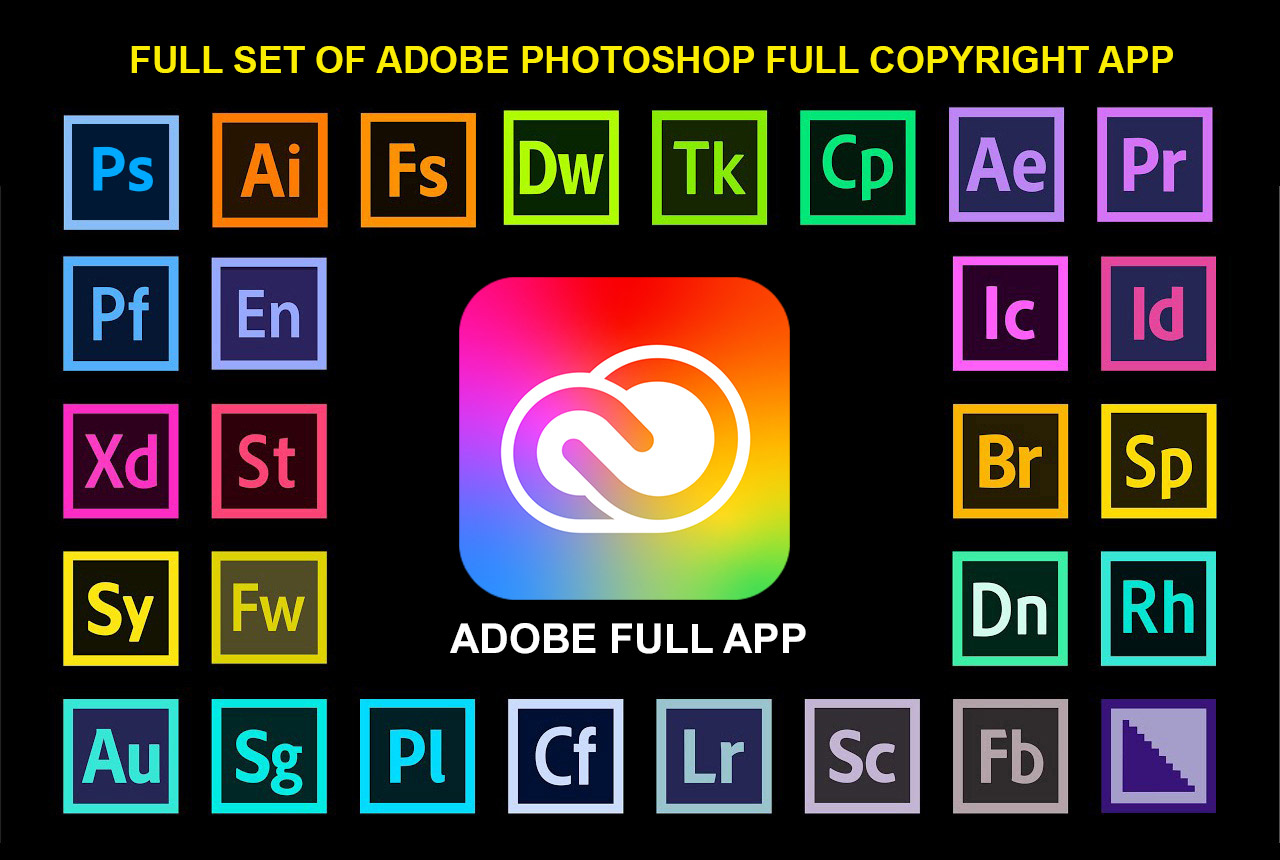
Adobe Photoshop Copyright - Full App
120 USD

Adobe Premiere Pro Account
99 USD

ChatGPT Plus Account (GPT-4)
16 USD

Autodesk All App Account Copyright
120 USD

Genuine Adobe Illustrator account
99 USD
Plugin Retouch4me
69 USD
What Is Google Local Guide? A Detailed Guide to Joining and Understanding the Google Local Guide Points System
Nội dung
- 1. What is Google Local Guide?
- 2. How to Start Your Local Guide Journey?
- 2.1 Participation Requirements
- 2.2 Steps to Join
- 3. Points and Level System
- 4. Why Do So Many People Enjoy Being a Local Guide?
- 5. Other Things You Should Know About the Program
- 6. How to Increase Points Quickly While Staying Sustainable
- 7. Should You Join Google Local Guide?
- 8. What Role Does Local Guide Still Play in 2026?
- 9. Conclusion
If you have ever noticed the Local Guide badge on Google Maps but were not sure what it means, this article will help you understand how the program works, how to earn points, and why so many people participate in this community. Let’s explore it with AppVip.ai!
1. What is Google Local Guide?
Local Guides is a global community program made up of people who write reviews, share photos, answer questions, add or edit places, and verify the accuracy of information on Google Maps. Millions of people rely on these contributions to decide where to go, what to do, and how to get around.
%20(1).png)
Simply put, Google Local Guide is a network of volunteer users helping Google Maps become more useful through their real-life experiences. Instead of only using maps for directions, participants also contribute data about places such as service quality, operating hours, venue photos, crowd levels, and small but important updates that benefit other users. This is what makes Local Guide more than just a points-based program—it is an ecosystem built on credibility and authenticity.
2. How to Start Your Local Guide Journey?
2.1 Participation Requirements
Users need a Google account, must use Google Maps, and meet the minimum age requirements in their country. The program is intended for individuals and does not apply to business accounts or business pages. After joining, you can immediately start contributing on Google Maps by reviewing places, adding photos, updating information, or responding to related questions.
%20(1).jpg)
2.2 Steps to Join
Users can open Google Maps, go to the Contribute section, review suggested contribution opportunities, and perform actions such as writing reviews, adding photos, updating opening hours, phone numbers, or verifying information that requires confirmation. Points usually appear on your profile within up to 24 hours after the content is published.
%20(1).jpg)
3. Points and Level System
One of the most attractive aspects of Google Local Guide is its gamification system. Each type of contribution earns a different number of points. According to Google, a review earns 10 points, a review longer than 200 characters receives an additional 10 bonus points, a photo earns 5 points, a video earns 7 points, an information edit earns 5 points, adding a new place or road earns 15 points, while activities such as rating places, answering questions, or verifying information also earn points at corresponding rates.
The current level system ranges from Level 1 to Level 10. The official point milestones are: Level 2 at 15 points, Level 3 at 75 points, Level 4 at 250 points, Level 5 at 500 points, Level 6 at 1,500 points, Level 7 at 5,000 points, Level 8 at 15,000 points, Level 9 at 50,000 points, and Level 10 at 100,000 points.
%20(1).png)
Starting from Level 4, users receive a Local Guides badge that is publicly displayed on Google Maps, making their contributions more noticeable. An important detail is that points do not expire automatically, but they can decrease if content is removed for violating policies. In other words, maintaining a high ranking requires consistent quality contributions rather than simply increasing quantity.
4. Why Do So Many People Enjoy Being a Local Guide?
First, Local Guide makes the Google Maps experience much more engaging. By directly reviewing and updating places, users are no longer passive consumers of information but active contributors helping improve digital data quality. This is especially valuable for newly opened areas, small businesses, local restaurants, or places where information changes frequently.
%20(1).png)
Second is the program’s recognition system. Points help users level up and may unlock certain benefits, such as early access to new features. Higher levels also increase a profile’s credibility within the community, especially when other users are searching for trustworthy reviews before making decisions.
Another often-overlooked benefit is the opportunity to connect with a community. Local Guides has its own forum called Local Guides Connect, where users can share experiences, learn how to contribute more effectively, and interact with others who are interested in travel, food, photography, or local exploration.
5. Other Things You Should Know About the Program
Although attractive, Google Local Guide is not a platform for those who only want quick rewards. While the community operates within a system of benefits and rewards, these are not fixed entitlements, are not guaranteed regularly, and may change over time. Therefore, people who join solely expecting material rewards may end up disappointed.
In addition, accumulating a high number of points requires time, persistence, and genuine experiences. Posting large amounts of content does not necessarily help because low-quality or policy-violating content may be removed, potentially reducing personal points. Furthermore, this program is not intended for businesses promoting their own locations. It is designed for individuals, which is why transparency and objectivity are always prioritized.
6. How to Increase Points Quickly While Staying Sustainable
The best strategy is not spamming reviews but focusing on contribution quality. A review with specific details, authentic experiences, clear photos, and useful information is always far more valuable than short and generic comments.
%20(1).png)
Beyond reviews, you should pay attention to less common but highly useful contributions such as correcting opening hours, updating inaccurate information, adding missing places, or verifying local data. These activities improve map accuracy and also provide a solid number of points. Google has even continued expanding contribution options on Maps to help users better track their impact. In April 2026, Google announced clearer display of total points directly within the Contribute tab, highlighted Local Guide levels on profiles, and updated the badge system to make each user’s contribution expertise easier to identify.
7. Should You Join Google Local Guide?
The answer depends on your goals. If you enjoy exploring restaurants, discovering new places, traveling, taking photos, or simply leaving helpful reviews for others, Local Guide is a highly worthwhile program. It transforms everyday experiences into community value and helps your Google Maps profile stand out more clearly.
%20(1).png)
On the other hand, if you are primarily looking for material rewards or direct income, Local Guide is not the right choice. Google does not describe it as a commission-based program. Instead, its focus is community contribution, profile credibility, and occasional benefits that may arise during specific periods.
8. What Role Does Local Guide Still Play in 2026?
As location data continues to play a growing role in search behavior, dining decisions, travel planning, and shopping habits, the importance of Google Local Guide remains very clear in 2026. Real reviews, authentic photos, and local updates help Google Maps rely less on static information, allowing it to reflect the real world more quickly and accurately. Google is also continuing to invest in the contributor experience through updates to the Contribute tab, badge systems, and methods for recognizing trusted contributors.
.jpg)
It can be said that in 2026, Local Guide is not merely an old community program being maintained—it is an important component in improving the quality of digital maps. As users increasingly trust real reviews over advertisements, accurate community contributions continue to hold significant value. This is why Local Guide remains relevant, especially in rapidly changing cities and destinations that require frequent updates.
9. Conclusion
Google Local Guide is ideal for those who want to turn personal experiences into shared community value. According to AppVip.ai, the program is easy to join, has a clear points system, creates motivation for contributions, and helps users build credibility on Google Maps. However, the true value of Local Guide does not lie in rewards—it lies in helping make location information on the internet more trustworthy, more useful, and more closely connected to real life.












VIP Products





Best Selling Products
Upgrade Genuine Office 365
49 USD
Freepik Premium Account
59 USD
Upgrade Duolingo Super
29 USD
MidJourney Account
29 USD
Copyright Adobe Lightroom Account
59 USD
Upgrade genuine Capture One account
120 USD
Windows 10 & 11 Pro Key
36 USD
Genuine Cheap Canva Pro
39 USD
Capcut Pro 1 Year
39 USD
Adobe Photoshop Copyright - Full App
120 USD
Adobe Premiere Pro Account
99 USD
ChatGPT Plus Account (GPT-4)
16 USD
Autodesk All App Account Copyright
120 USD
Genuine Adobe Illustrator account
99 USD
Plugin Retouch4me
69 USD