Best Selling Products
Upgrade Duolingo Super
29 USD
Copyright Adobe Lightroom Account
59 USD

MidJourney Account
29 USD

Freepik Premium Account
59 USD
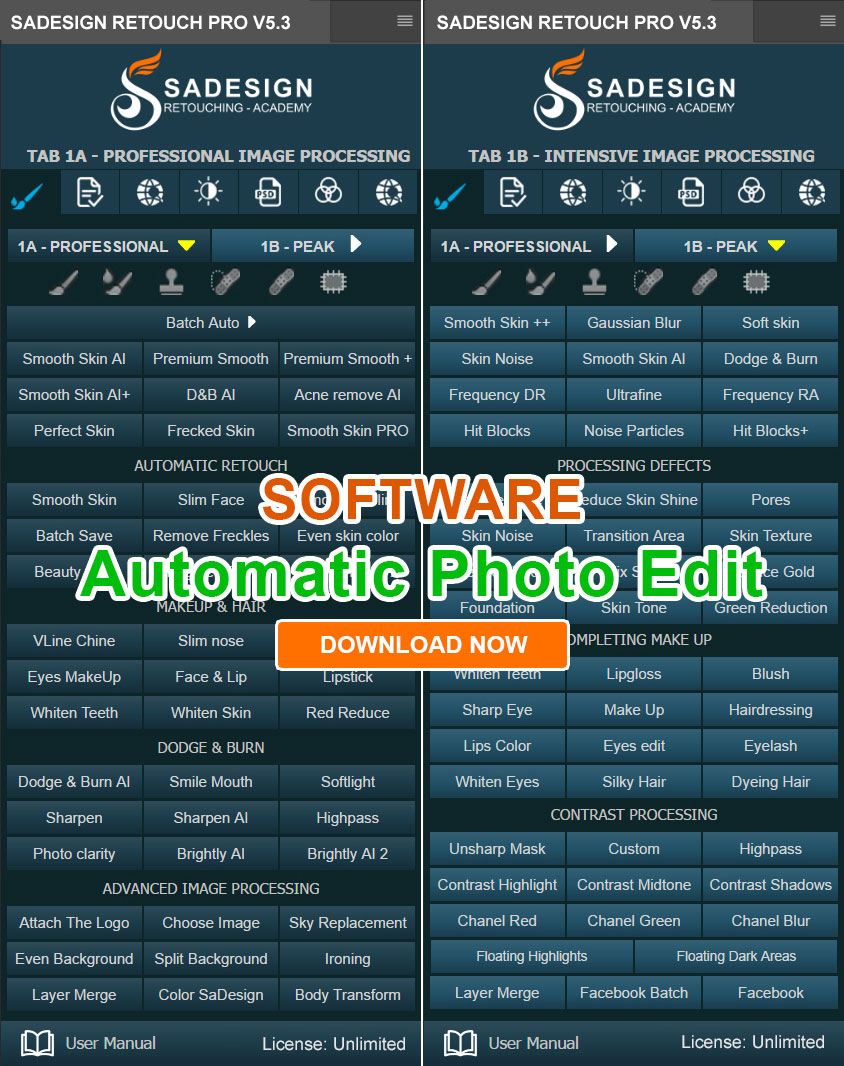
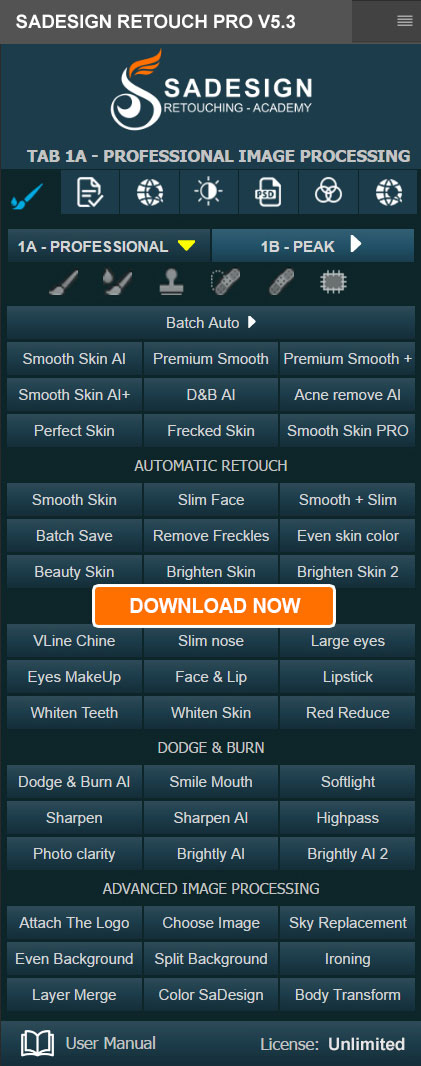
Plugin Retouch4me
69 USD
Windows 10 & 11 Pro Key
36 USD
Adobe Premiere Pro Account
99 USD
Genuine Adobe Illustrator account
99 USD
Adobe Photoshop Copyright - Full App
120 USD
Capcut Pro 1 Year
39 USD
Genuine Cheap Canva Pro
39 USD

ChatGPT Plus Account (GPT-4)
16 USD
Upgrade Genuine Office 365
49 USD
Upgrade genuine Capture One account
120 USD
Autodesk All App Account Copyright
120 USD
Why are Android phones always cheaper than iPhones, even though their specifications are not inferior?
Nội dung
Many Android models boast powerful hardware but are still priced significantly lower than iPhones. This article analyzes the underlying factors such as brand strategy, operating system, and market competition.
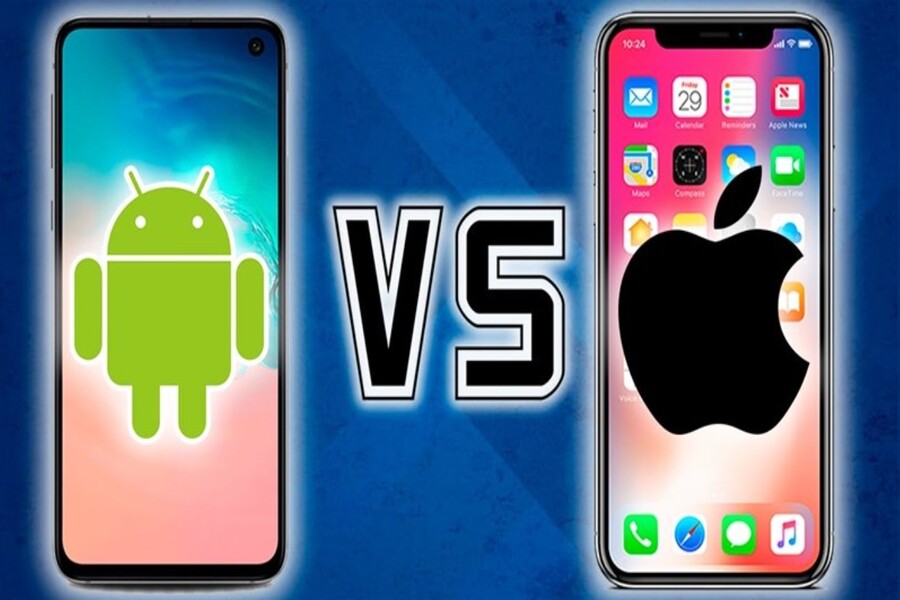
More than just a phone, the iPhone has long been seen as a symbol of value, contributing to Apple's superior sales compared to most Android brands for many years. This is no coincidence, but the result of a consistent and long-term brand positioning strategy.
Since the launch of the first iPhone in 2007, Apple has reshaped the entire smartphone market. Instead of following existing trends, the iPhone featured a large touchscreen, eliminated the physical keyboard, and offered a completely new way of interacting with the device. This decision was initially met with skepticism, but quickly became the standard for the entire industry.
Soon after, other companies, including Google, were forced to adapt. Android emerged and rapidly developed as a flexible, open, and free operating system, allowing hundreds of manufacturers to enter the smartphone market. Meanwhile, Apple chose the opposite path: tightly controlling every aspect, from hardware and software to user experience. This difference laid the foundation for the price gap between iPhones and Android phones today.
1. Android and iOS: Two parallel development philosophies
On the surface, Android phones and iPhones are becoming increasingly similar. Both boast large screens, powerful performance, high-quality cameras, and the ability to meet most modern user needs. However, beneath that surface lie two completely different development philosophies.
Apple develops iOS as an integral part of the iPhone hardware. Every element, from the processor chip, RAM capacity, screen, to battery life, is designed around the operating system. This allows the iPhone to avoid a specifications race while still delivering a smooth, stable, and consistent experience over many years of use.
In contrast, Android was built by Google as an open, free platform for manufacturers. Samsung, Xiaomi, OPPO, vivo, and dozens of other brands can all use Android, customizing the interface and hardware configuration to their liking. This creates an extremely vibrant market, but also leads to fragmentation and fierce price competition.
When there are too many options, price becomes the most important competitive weapon. And that's why Android phones, especially in the mid-range and budget segments, are always more affordable than iPhones.
If we only consider the technical specifications, it's difficult to explain why iPhones still sell so well despite their high price. The answer lies in the fact that the value of an iPhone doesn't just come from its hardware.
When buying an iPhone, users aren't simply buying a mobile device. They're buying assurance of quality, durability, and long-term usability. Apple is renowned for its long-term software support, typically providing at least five years of iOS updates for each device. This means an iPhone can be used reliably for a long time without worrying about software obsolescence.
Meanwhile, most Android phones only receive operating system updates for about 2–3 years, especially in the mid-range segment. Although Android manufacturers have improved their update policies in recent years, the difference in long-term commitment remains a factor that makes many people willing to spend more money on an iPhone.
Furthermore, iPhones offer a "low-risk" user experience. Their consistent interface, tightly controlled app system, and good compatibility with genuine accessories give users greater peace of mind, especially those who are not very tech-savvy.
2. The Apple Ecosystem: Why iPhone Prices Are Difficult to Lower
One of the most important factors that helps Apple maintain the high price of iPhones is its closed ecosystem of devices. Once an iPhone is owned, users easily get caught up in the cycle of AirPods, Apple Watch, iPad, and MacBook.
These devices not only connect with each other, but also operate seamlessly in a way rarely found in other ecosystems. Listening to music, receiving calls, copying data, or syncing work happens seamlessly, almost imperceptibly. Once accustomed to this experience, users are often hesitant to switch from their iPhone to another platform.
This very connection creates extremely high brand loyalty. Apple doesn't need to lower the price of the iPhone to compete, because they are selling a complete experience, not just a single phone. Once users have invested in the ecosystem, the high price of the iPhone becomes more "acceptable."
3. The Android Market: Fierce Competition and Price Pressure
In contrast to Apple, the Android market is a fierce battleground with dozens of manufacturers competing directly. Each company tries to differentiate itself through specifications, design, camera, or battery, but ultimately, price remains the deciding factor for the majority of consumers.
This competition offers clear benefits to buyers: more choices, better prices, and faster adoption of technology. However, it also makes it difficult for Android phone prices to remain high for long periods. A high-end Android model launched at the same price as an iPhone often quickly drops in price after only a few months, due to pressure from constantly released new products.
Furthermore, Android manufacturers also face the challenge of software optimization. Because they don't have complete control over Android like Apple does over iOS, they must customize the operating system to suit their hardware. This process isn't always perfect, leading to differences in user experience between manufacturers and even between different models within the same brand.
4. Differentiated production costs and business strategies
Another reason why Android phones are cheaper than iPhones lies in Apple's business strategy. Apple focuses on profit per product, willing to sell fewer models but with higher profit margins. Therefore, iPhones are typically positioned in the mid-to-high-end segment, with very few affordable options.
Conversely, many Android manufacturers choose a strategy focused on volume. They accept lower profit margins per device to expand market share, build brand recognition, or boost other business segments such as services, advertising, or accessories. This allows them to offer more competitive pricing, especially in developing markets.
Furthermore, using components from multiple suppliers and producing on a large scale helps Android manufacturers optimize costs, thereby reducing the final selling price to consumers.
One factor often overlooked when comparing prices is resale value. iPhones generally hold their value much better than Android phones. An iPhone can still be resold for a relatively high price after several years of use, while many Android models depreciate quickly.
This makes the long-term cost of owning an iPhone not as high as the initial figure. For many users, spending a large sum of money to buy an iPhone is seen as an investment, as they can use it for a long time or resell it when upgrading.
5. Does cheaper Android mean inferior?
Android phones being cheaper than iPhones doesn't mean they're of lower quality. In fact, Android offers greater flexibility, variety, and access to technology for a wider range of users. For the same budget, Android users can choose devices with larger screens, longer battery life, or more feature-rich cameras.
However, the iPhone wins in terms of consistency, stability, and brand value. That's why the two platforms coexist and serve different user groups, rather than eliminating each other.
Ultimately, the price difference between iPhones and Android phones isn't just about product quality. It's the result of brand strategy, ecosystem, consumer loyalty, and how each platform approaches the market.
Android is cheaper because it's designed for accessibility, competitiveness, and flexibility. iPhones are more expensive because Apple sells value, experience, and the feeling of owning a product that is meticulously controlled from start to finish. There's no absolute right or wrong choice, only the choice that best suits each user's needs, budget, and priorities.








VIP Products
Best Selling Products
Upgrade Duolingo Super
29 USD
Copyright Adobe Lightroom Account
59 USD
MidJourney Account
29 USD
Freepik Premium Account
59 USD
Plugin Retouch4me
69 USD
Windows 10 & 11 Pro Key
36 USD
Adobe Premiere Pro Account
99 USD
Genuine Adobe Illustrator account
99 USD
Adobe Photoshop Copyright - Full App
120 USD
Capcut Pro 1 Year
39 USD
Genuine Cheap Canva Pro
39 USD
ChatGPT Plus Account (GPT-4)
16 USD
Upgrade Genuine Office 365
49 USD
Upgrade genuine Capture One account
120 USD
Autodesk All App Account Copyright
120 USD