Best Selling Products

Capcut Pro 1 Year
39 USD

Plugin Retouch4me
69 USD

Adobe Photoshop Copyright - Full App
120 USD

MidJourney Account
29 USD

Autodesk All App Account Copyright
120 USD

Freepik Premium Account
59 USD

Copyright Adobe Lightroom Account
59 USD

Upgrade genuine Capture One account
120 USD

Upgrade Genuine Office 365
49 USD

Windows 10 & 11 Pro Key
36 USD

Upgrade Duolingo Super
29 USD

ChatGPT Plus Account (GPT-4)
16 USD

Adobe Premiere Pro Account
99 USD

Genuine Cheap Canva Pro
39 USD

Genuine Adobe Illustrator account
99 USD
What is Graphic Design? What do you study, what do you do, and is it easy to find a job?
Nội dung
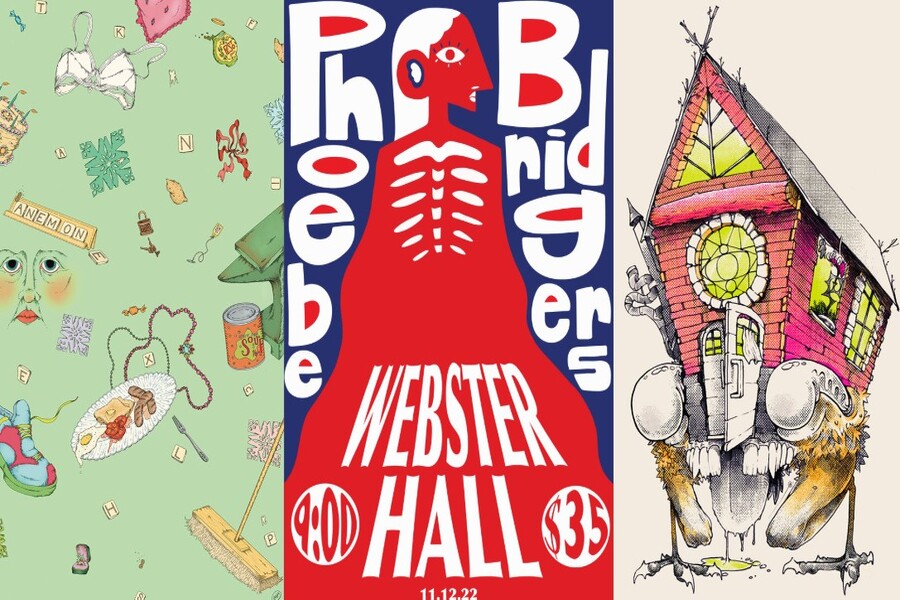
Graphic design is not only for those who love creativity, but it is also a field that combines art, communication, and technology to create professional visual communication products.
1. Introduction to Graphic Design
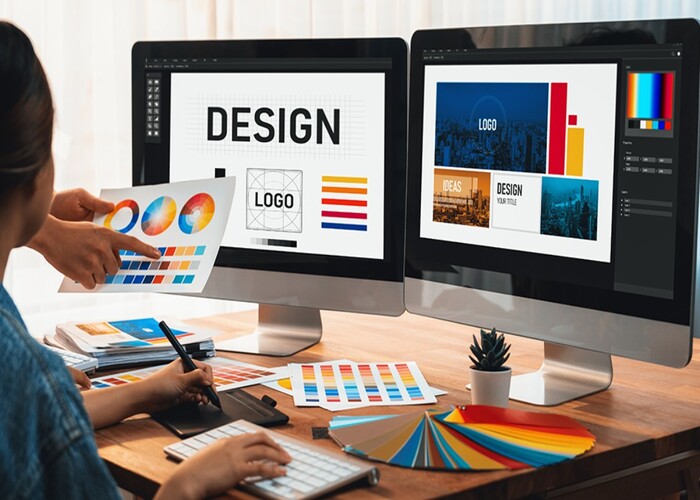
Graphic design is a field within applied arts that studies and creates visual communication products to convey messages in a visually appealing, understandable, and aesthetically pleasing way. Beyond simply creating visually stunning images, graphic designers must also solve communication, marketing, and brand identity challenges through color, layout, typography, shapes, and other visual elements.
Today, graphic design is present in almost every aspect of life. Businesses need logo and brand identity designs to build a professional image. Advertising companies need posters, banners, and promotional materials to reach customers. Digital platforms need website interfaces, applications, and visual content to enhance user experience. Even the gaming, film, and e-commerce industries require creative design teams.
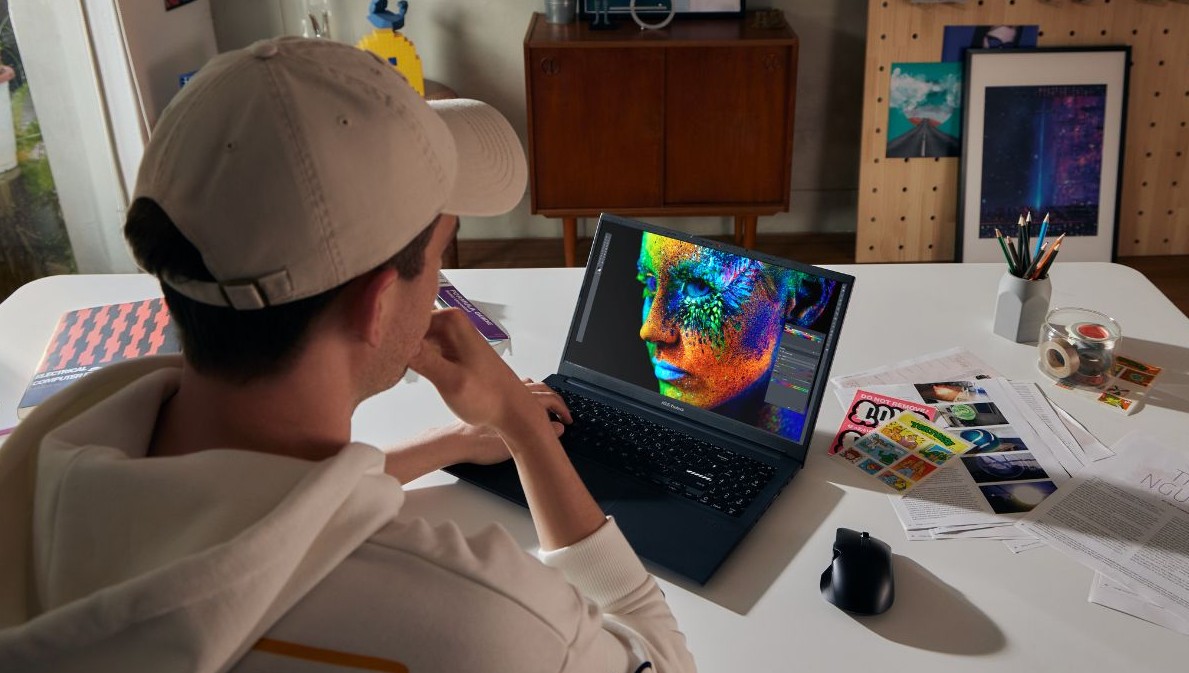
A common misconception is that studying Graphic Design means you have to be a great artist. In reality, artistic ability is only an advantage, not the deciding factor. More important are design thinking, observation skills, aesthetic sense, and the ability to use images to convey information. A good designer not only creates beautiful products but also understands the client's goals, the target audience, and chooses visual solutions appropriate for each project.
Graphic design can be described as an intersection of art, media, and technology. This combination is what makes the field so appealing in the context of the strong global digital transformation.
2. What do you study in Graphic Design?
The Graphic Design program is designed to strike a balance between foundational art knowledge, design skills, and technological proficiency. Students not only learn theory but also spend significant time practicing, creating products, and developing their personal portfolios.
In the initial stage, students will be equipped with fundamental knowledge of fine arts such as drawing, composition, perspective, color, visual principles, typography, type design, and art history. This is an important foundation that helps students understand how people perceive images and how to create harmonious and memorable compositions.
Next, students learn specialized subjects such as logo design, brand identity development, packaging design, advertising design, publishing design, digital media design, and user interface design. Through these modules, learners understand the process of developing a design product from the research and ideation stage to sketching and completion.

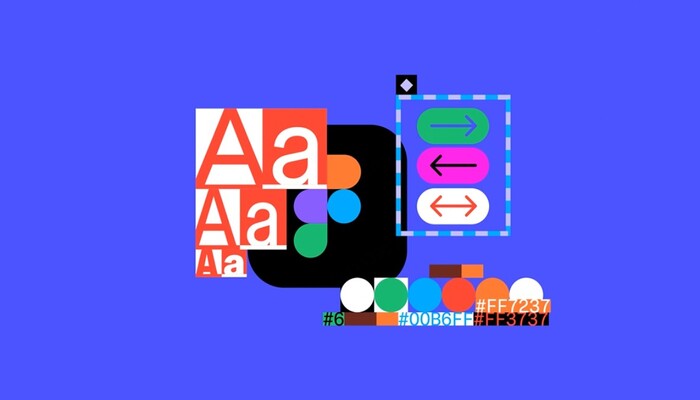
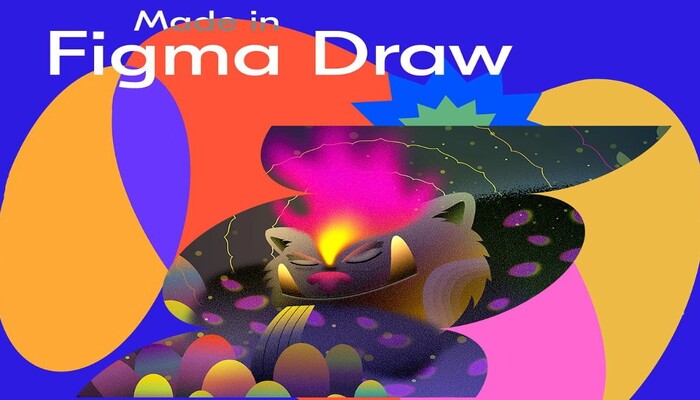
Besides professional knowledge, software skills are indispensable. Some popular tools include Adobe Photoshop for photo editing and image design, Adobe Illustrator for vector design, logos, and illustrations, and Adobe InDesign for layout of books, magazines, and print publications. For digital interfaces, Figma is becoming a widely used tool in website and application design. Additionally, Adobe After Effects helps create motion effects and video motion graphics, while Adobe Premiere Pro supports video editing and production.
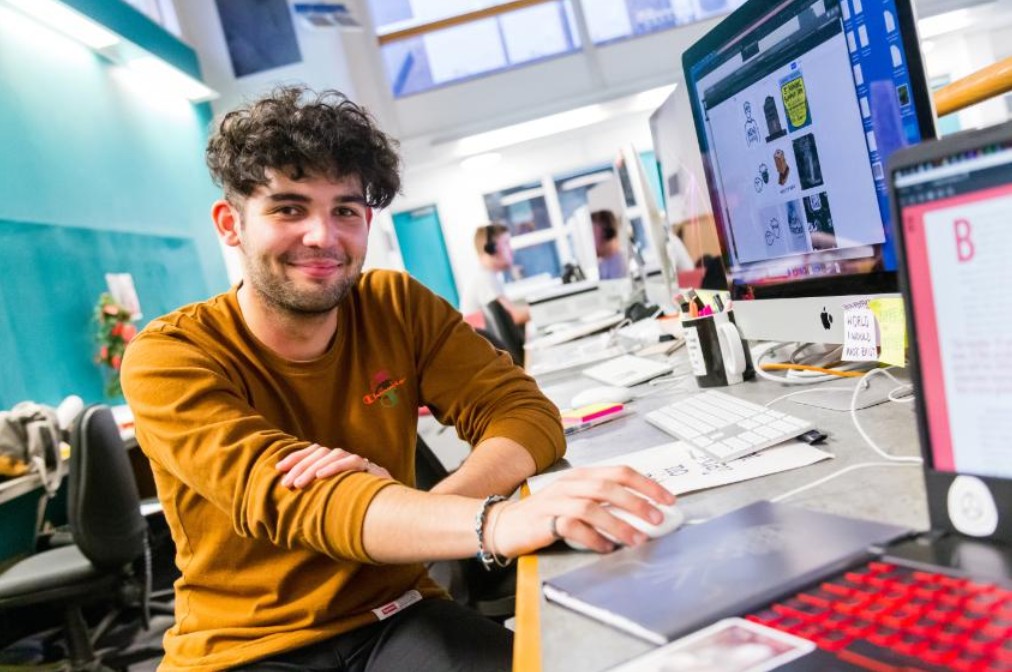
In addition to mastering software, students are also trained in design thinking. This includes the ability to analyze customer requirements, identify target users, conduct market research, and develop appropriate communication solutions. A product that is aesthetically pleasing but fails to convey the right message or meet business objectives cannot be considered a successful design.
During their studies, students frequently undertake individual and group projects. This provides an opportunity to apply their knowledge to real-world situations and build a portfolio – a crucial element when seeking employment later on. For employers, a high-quality portfolio is often worth far more than a transcript because it clearly demonstrates the candidate's creativity, thinking skills, and work style.
3. What kind of job can I get after graduation?
One of the most attractive aspects of Graphic Design is the wide range of career opportunities. Depending on their interests, skills, and career aspirations, students can choose from many different paths.
The most common position is Graphic Designer , responsible for designing posters, banners, catalogs, social media images, brochures, standees, and many other communication materials. This job is found in most businesses, advertising companies, agencies, and internal marketing departments. According to data from JobsGO, the average salary for a Graphic Designer is around 12.1 million VND/month , while the common salary range is from 10–14 million VND/month . A report by TopCV also shows that those with one to under three years of experience usually receive a salary of around 10–17 million VND/month , while those with three to under five years of experience can earn 12–20 million VND/month .
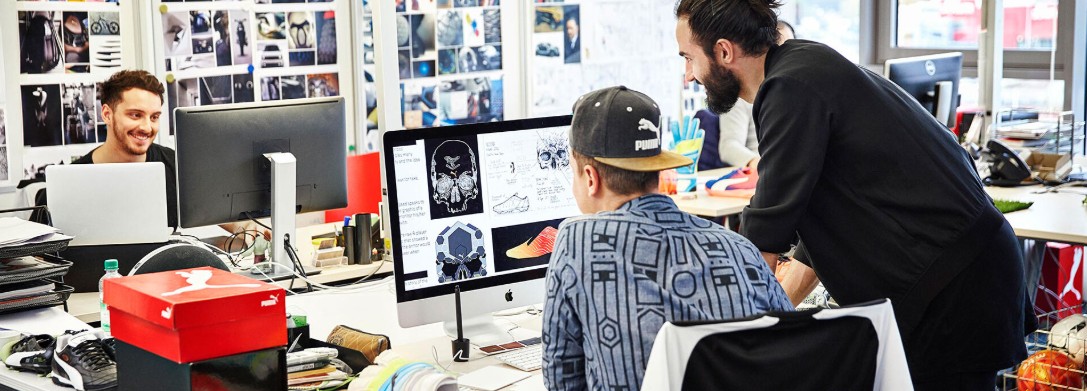
If you enjoy building brand image, you can become a Brand Designer or Packaging Designer . The job focuses on designing logos, brand identity, product packaging, and a unified visual system for a business. This field requires high creativity and strategic thinking about branding.
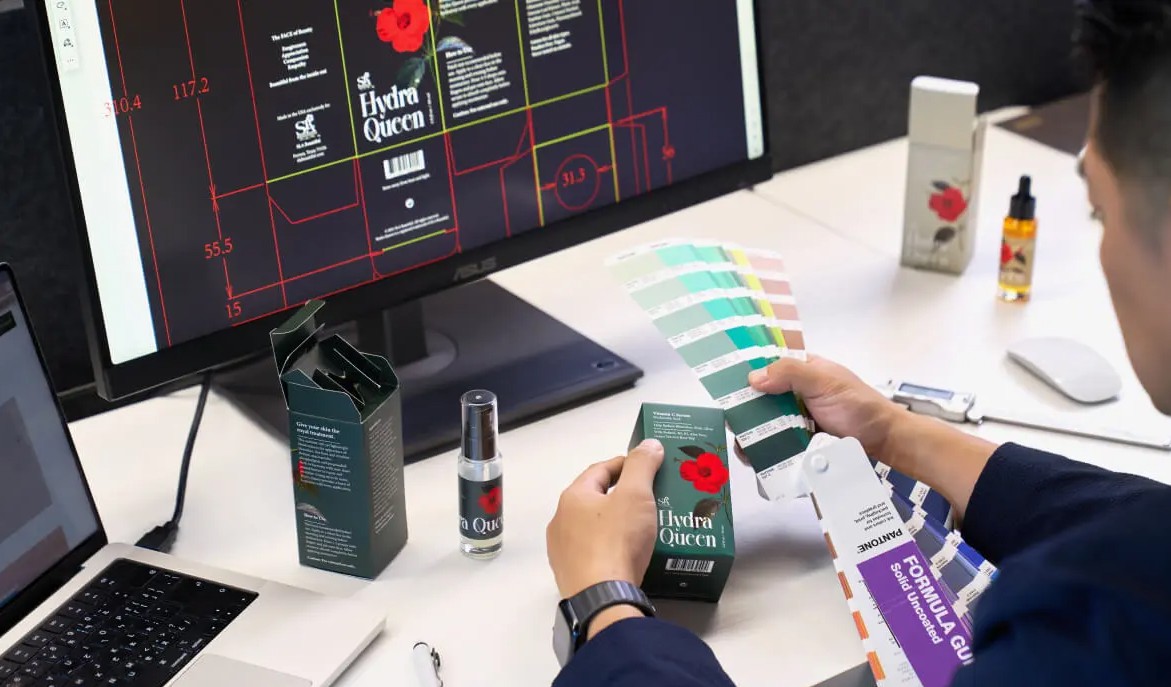
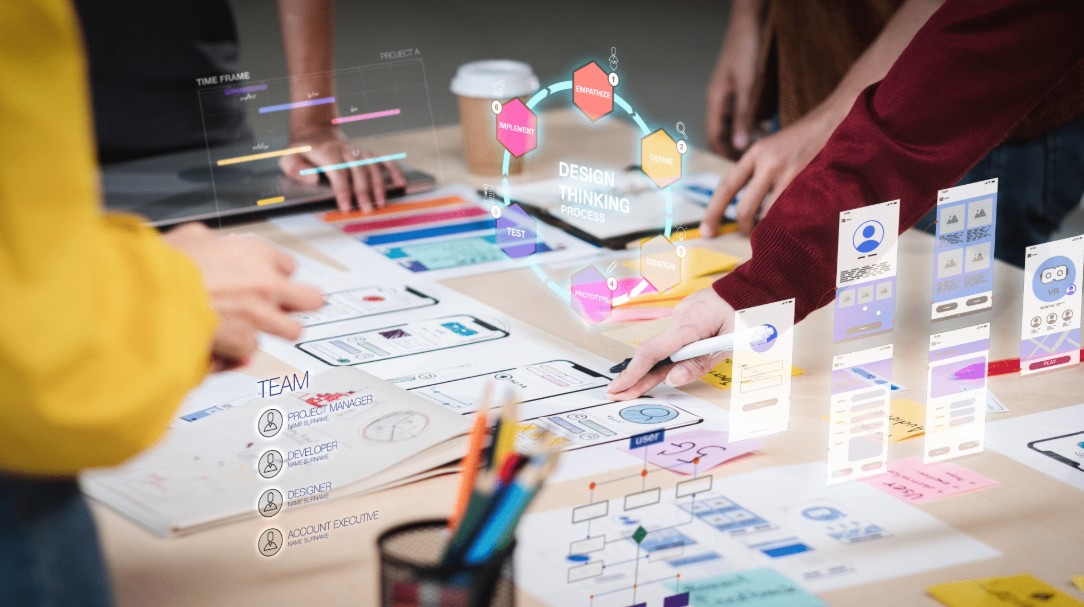
For those who love technology, UI Designer and UI/UX Designer are very worthwhile career choices. The job involves not only designing beautiful interfaces but also optimizing user experience on websites, applications, and software. According to TopCV, the median salary for a UI/UX Designer with one to under three years of experience ranges from approximately 9.7–14.4 million VND/month , while those with three to under five years of experience can earn 12.6–23.4 million VND/month . With accumulated experience and participation in large product projects, the income of this profession often increases quite rapidly.
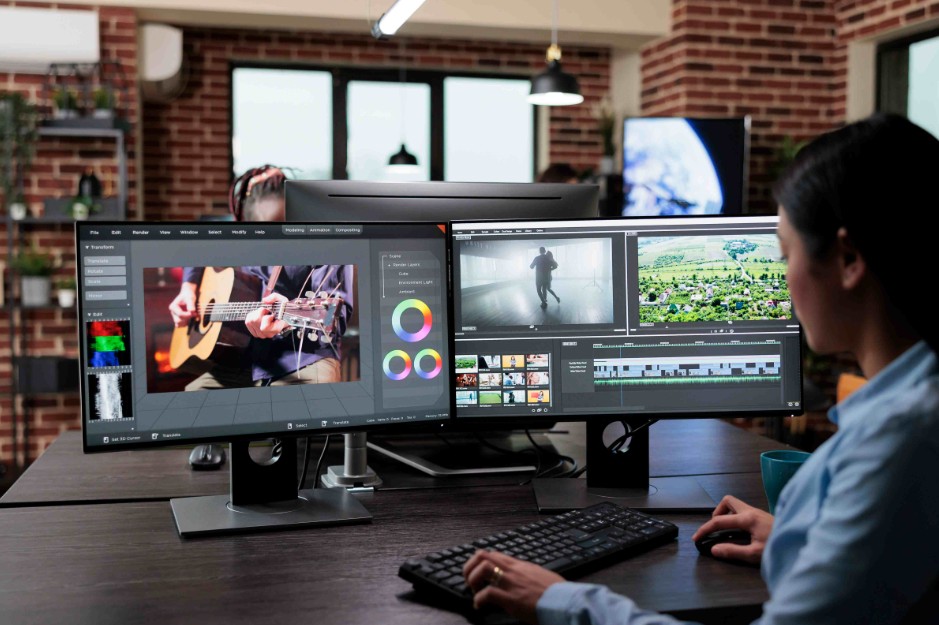
Another rapidly growing career path is Motion Graphic Designer . Those working in this field create animated videos, motion effects, TV commercials, marketing videos, and media content for digital platforms. According to VietnamWorks data, Motion Graphic Designers earn an average of 22–26 million VND per month . However, actual salaries depend on 2D and 3D skills, experience, and portfolio quality. Some job postings on JobsGO and CareerViet also show salaries ranging from 12–20 million VND per month for various motion graphics positions.
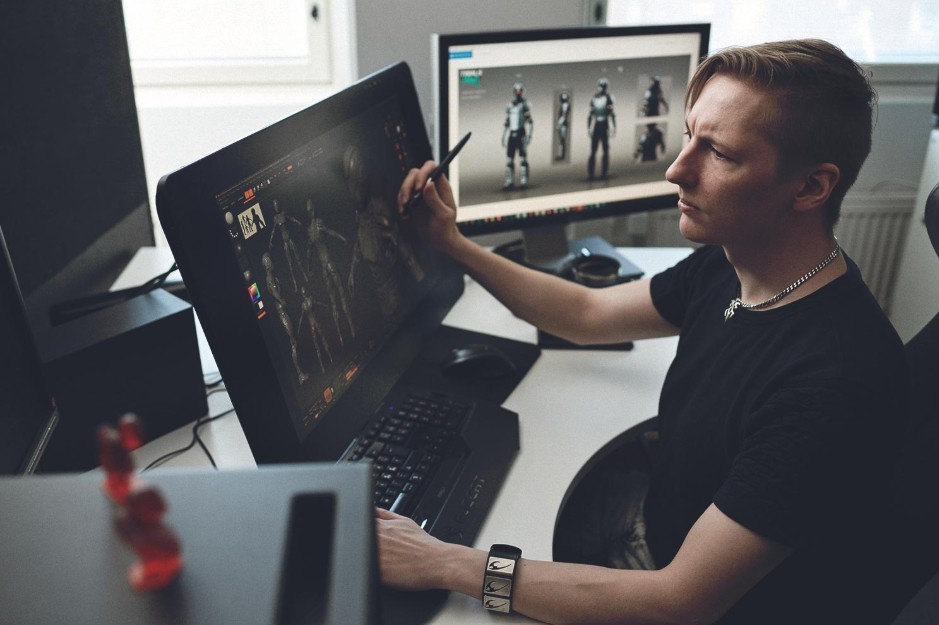
Additionally, students can become Game Artists , designing characters, environments, and interfaces for video games; or choose the freelance path , taking on projects from domestic and international clients. Freelancing offers flexibility in terms of time and opens up opportunities to access the international market if they possess professional skills and foreign language communication abilities.
As can be seen, salaries in the Graphic Design industry do not depend entirely on qualifications but are heavily influenced by experience, professional skills, portfolio quality, and the field in which the student pursues their studies.
4. Who is suitable for a career in Graphic Design?
Graphic design is a highly creative field, but not everyone who enjoys drawing is suited for it. More importantly, it requires observational skills, visual thinking, and a desire to use design to solve real-world communication problems.
If you love colors, layouts, typography, and pay attention to how brands build their image, that's a sign you might be a good fit for this field. In addition, students need a continuous learning attitude because design and technology trends are constantly changing.
A good designer also needs to know how to listen to client requirements, work according to the brief, and accept multiple revisions to achieve communication goals. In other words, graphic design is not pure free creativity, but rather a process of combining personal ideas with the practical needs of businesses and users.
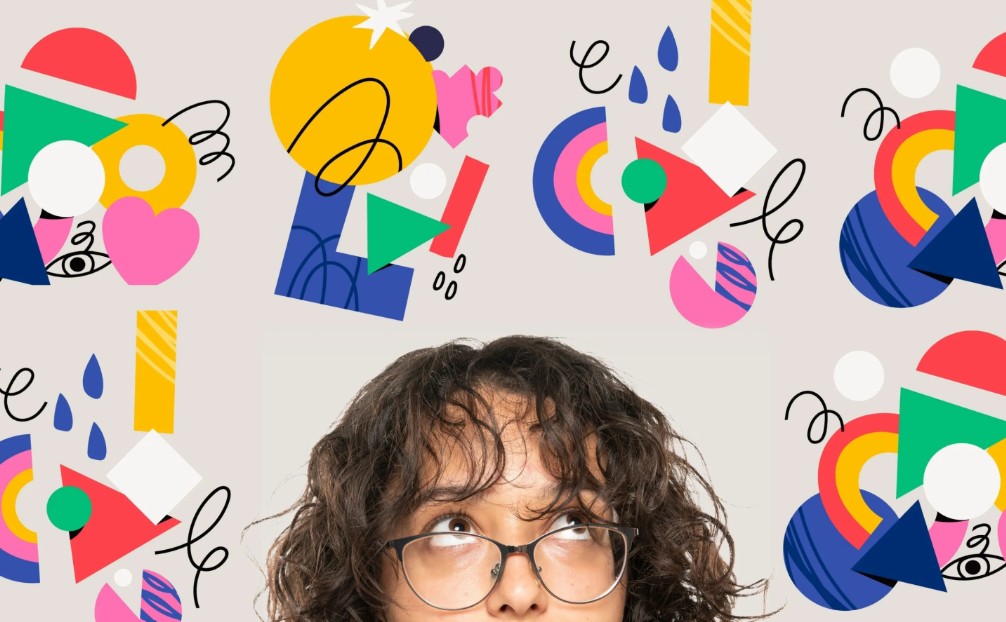
5. Opportunities for development in the era of AI and digital transformation
The explosion of artificial intelligence is creating many changes for the graphic design industry. AI tools such as Adobe Firefly, Canva AI, Midjourney, and ChatGPT can assist in idea generation, image editing, and automating many repetitive tasks, saving designers time.
However, AI is not completely replacing the role of graphic designers. Instead, the technology is becoming an assistant to support the creative process. Jobs requiring strategic thinking, brand identity building, user research, or digital experience development still need human creativity and decision-making abilities.
In the context of digital transformation, the demand for design professionals continues to increase in fields such as e-commerce, digital marketing, multimedia, technology, online education, and digital product development. This opens up many career opportunities for those who can combine design skills with the ability to use AI and stay up-to-date with new trends.
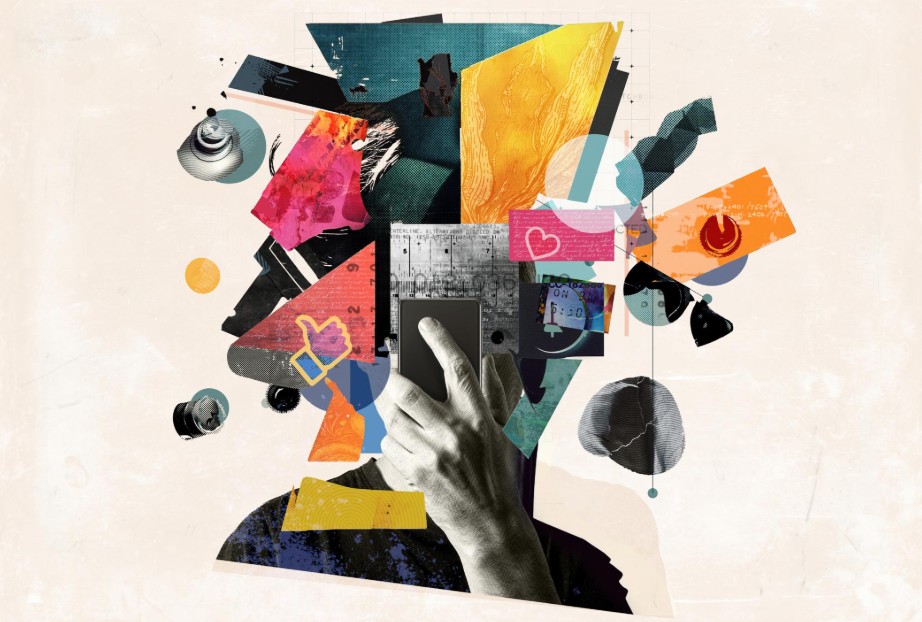
6. Conclusion
Graphic design is not just a field for those who appreciate beauty; it's also a discipline that combines art, communication, and technology to create effective visual communication solutions. Throughout their studies, students are equipped with knowledge of fine arts, design thinking, skills in using professional software, and opportunities for practical experience through numerous real-world projects.
After graduation, students can choose from many career paths such as Graphic Designer, Brand Designer, Packaging Designer, UI Designer, UI/UX Designer, Motion Graphic Designer, Game Artist, or Freelancer. With the development of AI and digital transformation, the Graphic Design industry maintains high demand and opens up many career development opportunities for those who continuously learn, create, and build professional skills. If you love visuals, want to turn ideas into valuable products, and are ready to adapt to new technologies, Graphic Design is a worthwhile choice for your future career





















VIP Products








Best Selling Products
Capcut Pro 1 Year
39 USD
Plugin Retouch4me
69 USD
Adobe Photoshop Copyright - Full App
120 USD
MidJourney Account
29 USD
Autodesk All App Account Copyright
120 USD
Freepik Premium Account
59 USD
Copyright Adobe Lightroom Account
59 USD
Upgrade genuine Capture One account
120 USD
Upgrade Genuine Office 365
49 USD
Windows 10 & 11 Pro Key
36 USD
Upgrade Duolingo Super
29 USD
ChatGPT Plus Account (GPT-4)
16 USD
Adobe Premiere Pro Account
99 USD
Genuine Cheap Canva Pro
39 USD
Genuine Adobe Illustrator account
99 USD