Best Selling Products
Genuine Cheap Canva Pro
39 USD
Adobe Photoshop Copyright - Full App
120 USD
Adobe Premiere Pro Account
99 USD
Autodesk All App Account Copyright
120 USD
Capcut Pro 1 Year
39 USD

ChatGPT Plus Account (GPT-4)
16 USD
Genuine Adobe Illustrator account
99 USD
Windows 10 & 11 Pro Key
36 USD
Upgrade genuine Capture One account
120 USD
Upgrade Duolingo Super
29 USD

Copyright Adobe Lightroom Account
59 USD

Freepik Premium Account
59 USD
Upgrade Genuine Office 365
49 USD

MidJourney Account
29 USD
Plugin Retouch4me
69 USD
Figma: A comprehensive design, collaboration, and AI platform for modern businesses.
Nội dung
- 1. Figma: A next-generation design and collaboration platform.
- 2. A unified creative space from idea to finished product.
- 3. Real-time collaboration
- 4. The power of AI in the Figma ecosystem
- 5. A comprehensive product ecosystem serving multiple user groups.
- 6. Build a Design System and optimize the product development process.
- 7. Why has Figma become the standard for modern design?
- 8. Conclusion
Figma is no longer simply UI/UX design software; it has become a comprehensive creative platform integrating AI, real-time collaboration, and an ecosystem of tools to support the entire digital product development process.
1. Figma: A next-generation design and collaboration platform.
Born with the philosophy of "design without limits," Figma is built entirely on a cloud-based platform, allowing users to access projects from anywhere with an internet connection. This eliminates the limitations of traditional work models, where team members have to send back and forth multiple versions of files or face the risk of data loss when working on multiple devices.
Figma's key selling point is its ability to bring the entire creative process into a single, unified space. Designers can design interfaces, Product Managers can track progress, Developers can check specifications, and the Marketing team can leverage those same resources to create marketing content without switching between different software programs.
Thanks to the ability to work directly in the browser and synchronize in real time, all changes are instantly updated to all team members. This not only saves time but also significantly reduces errors that arise during collaboration.
Today, Figma serves not only UI/UX design teams but is also used in website development, mobile app design, branding, digital product design, workshop organization, project planning, and many other creative fields.
2. A unified creative space from idea to finished product.
One of the greatest values that Figma brings is the ability to consolidate the entire product development process on a single platform.
Users can start by sketching ideas with FigJam, move on to designing the interface in Figma Design, build interactive prototypes with Prototype, and then hand them directly to the programmer via Dev Mode without needing to export files to multiple formats.
This significantly shortens the gap between departments. Instead of each team using a separate tool, all data is stored within the same project, ensuring consistency throughout the product lifecycle.
The Infinite Canvas design space also offers a significant advantage. Users can build multiple versions of interfaces, process diagrams, wireframes, mockups, and prototypes within the same file without being limited by workspace. This is especially useful for large-scale projects that need to manage hundreds of screens and multiple user experience streams.
In addition, features such as Auto Layout, Components, Variables, Styles, and Design System make the design process more efficient and ensure consistency across the entire product.
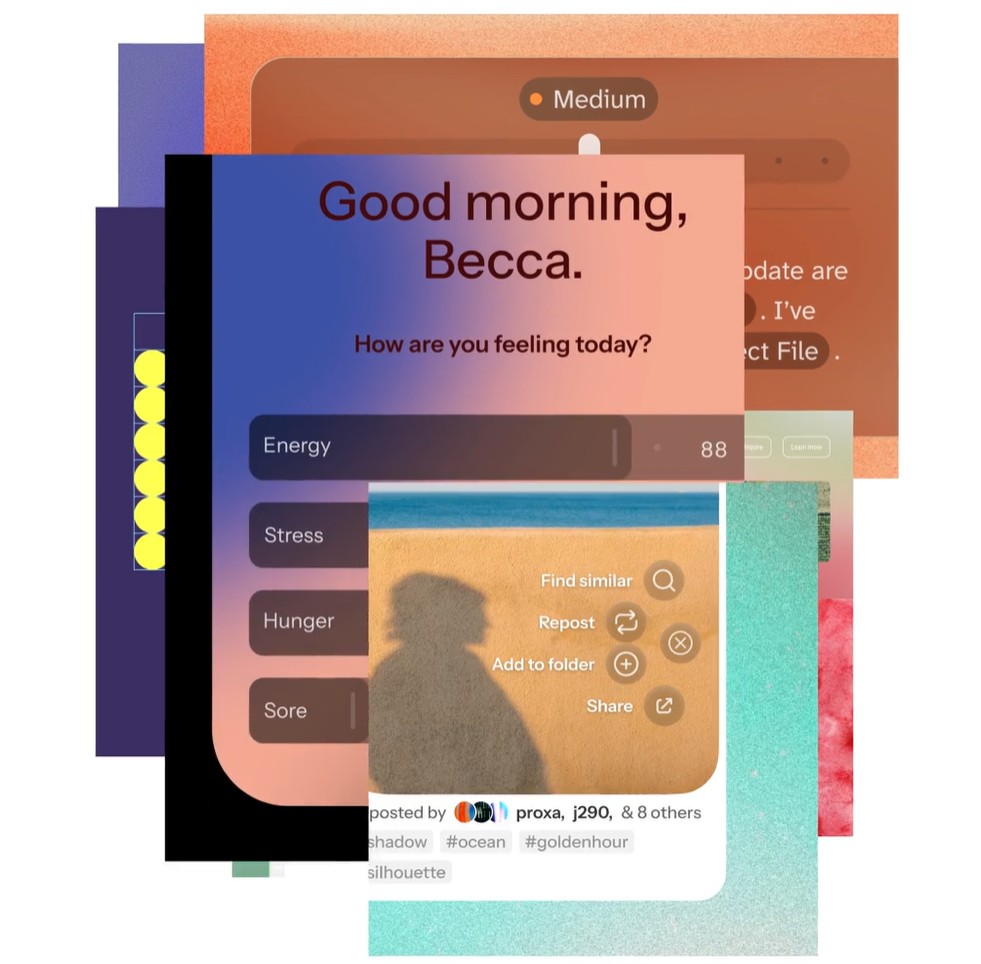
3. Real-time collaboration
While collaborative design previously often involved emails with multiple file attachments, Figma has completely revolutionized the way creative teams work.
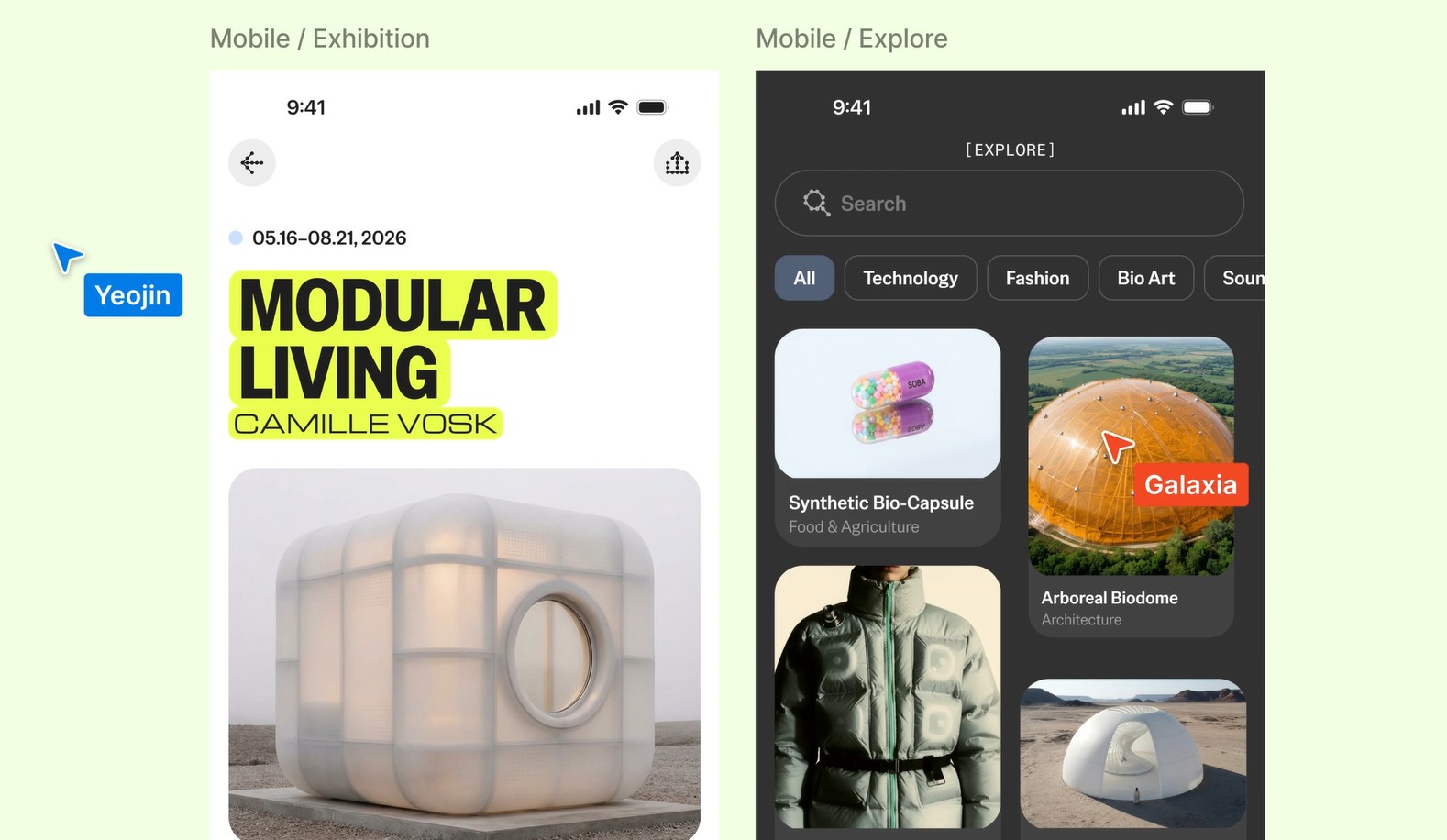
All members can open a project together, edit directly on the same file, and observe changes happening in real time. Each person's mouse cursor is clearly displayed, making communication much more intuitive.
The commenting system is integrated directly into the interface, allowing stakeholders to leave precise feedback at specific points in the design. This minimizes the need for communication via email or external messaging applications.
Additionally, Figma saves the entire editing history, allowing users to easily restore previous versions if needed. This is a particularly important feature for projects with multiple people involved or frequently changing requirements.
This collaborative capability not only enhances work efficiency but also contributes to building a transparent, rapid, and consistent product development process.
4. The power of AI in the Figma ecosystem
Artificial intelligence is becoming a core element in the innovation process, and Figma is one of the most comprehensive AI-integrated platforms available today.
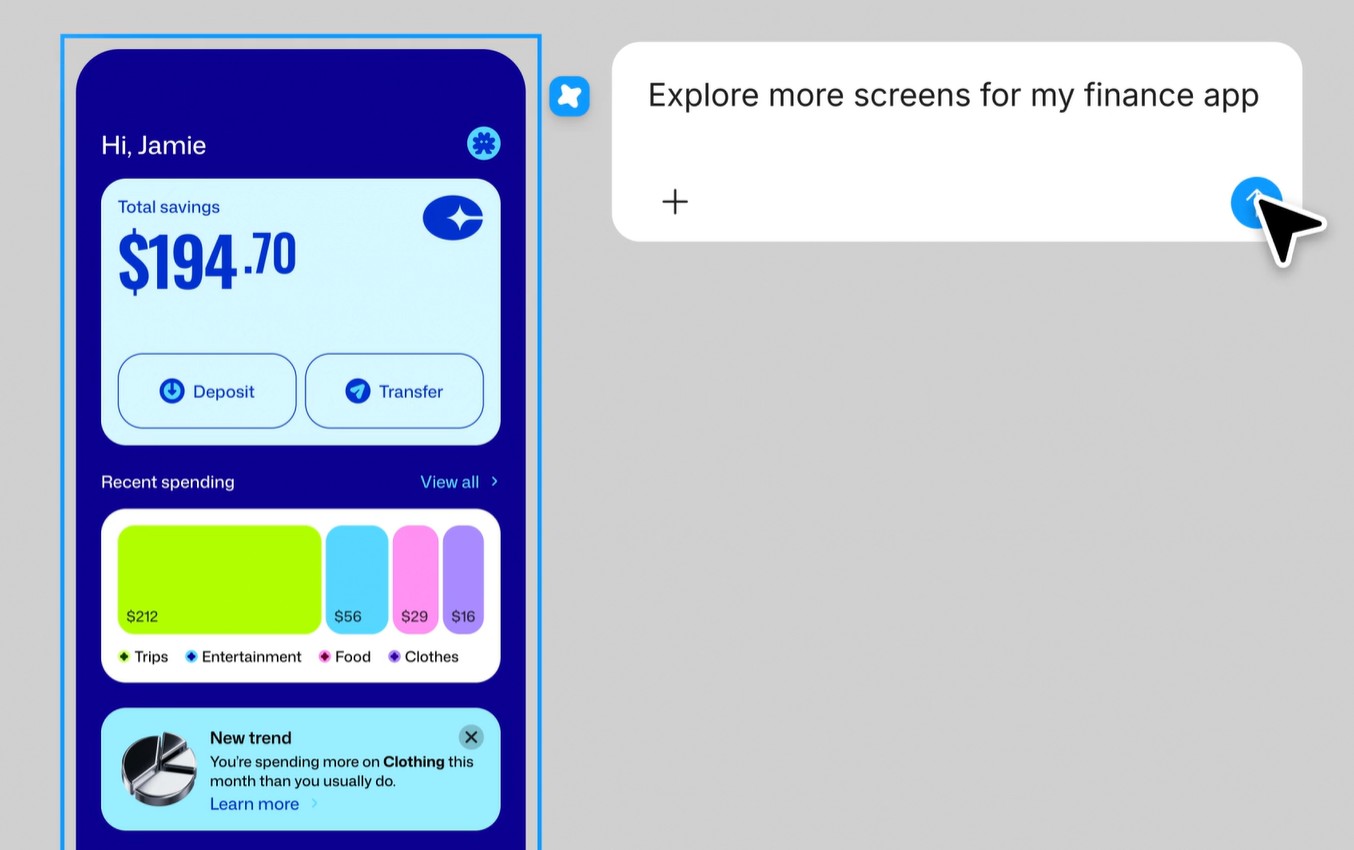
Figma AI is designed to assist users at almost every stage of the workflow. With just a simple command, the AI can generate initial wireframes, suggest interface layouts, create text content, rename layers, edit images, or translate entire design content into multiple languages.
For beginners, AI significantly reduces the time it takes to become familiar with software by automating many technical tasks. Meanwhile, professional designers can leverage AI to accelerate the idea testing process and optimize workflow efficiency.
One notable aspect is that Figma AI doesn't replace human creativity but acts as an intelligent assistant, helping with repetitive tasks so users can focus on design thinking and problem-solving.
Thanks to the combination of AI and real-time collaboration capabilities, Figma is creating a work environment where ideas are realized faster, more accurately, and more efficiently.
5. A comprehensive product ecosystem serving multiple user groups.
Instead of developing just one design tool, Figma has expanded into a diverse ecosystem to meet the needs of many departments within a business.
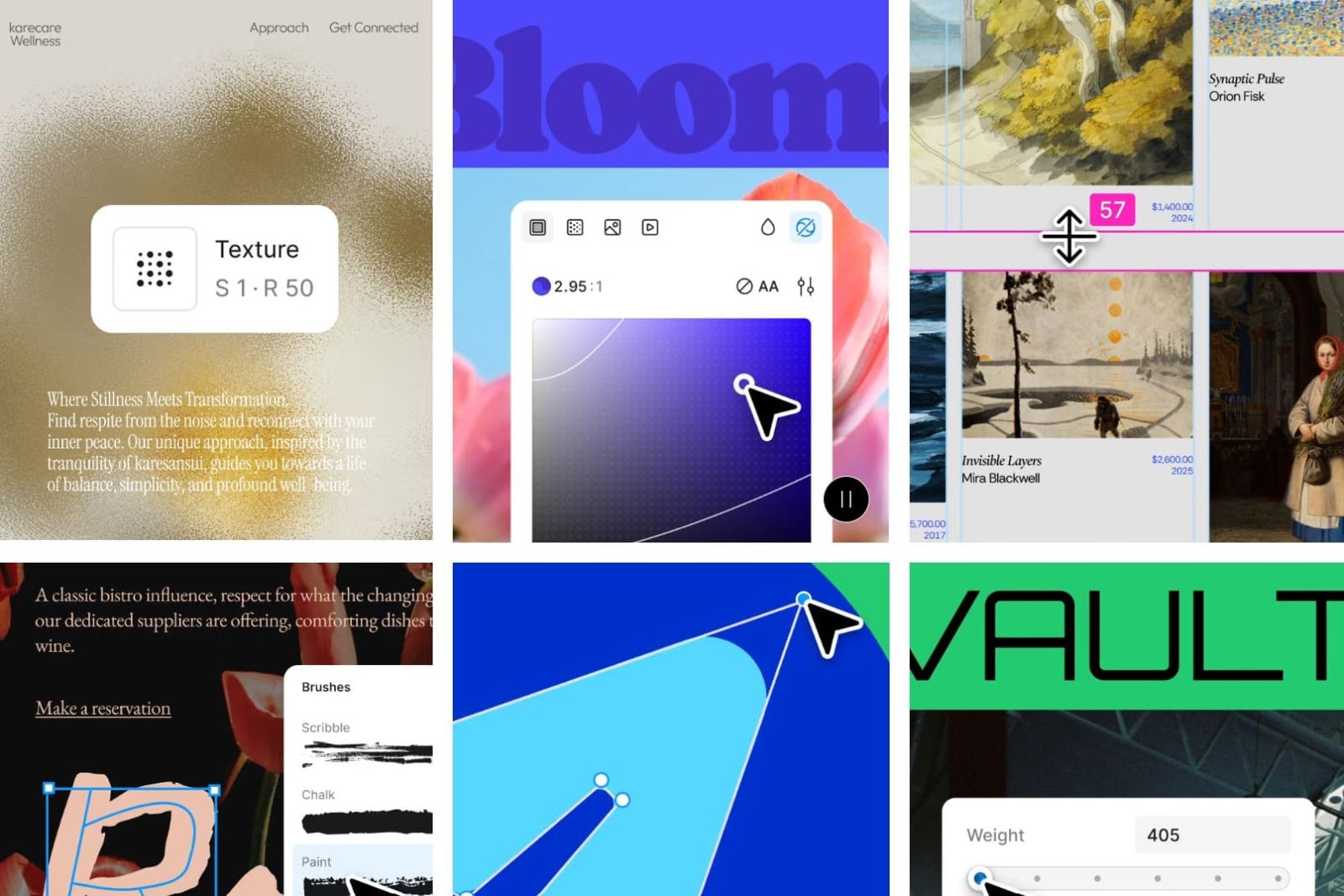
Figma Design remains the core of the platform, offering a full suite of UI design and prototyping tools. FigJam serves as an online whiteboard supporting brainstorming, mind mapping, workshops, and project planning.
Dev Mode allows developers to directly access specifications, colors, spacing, fonts, and design resources without having to consult the designer. This significantly reduces product delivery time and minimizes discrepancies between the design and the final implementation.
Figma Slides supports the creation of professional presentations directly within the Figma ecosystem, while Figma Draw expands the capabilities of vector illustration and graphic design.
In addition, Figma Sites helps create websites directly from design drafts, while Figma Buzz targets marketing teams with its ability to produce content based on brand identity using AI.
In particular, Figma Make marks a new step forward by allowing users to turn ideas into prototypes or working applications through natural commands, opening up a completely new approach in digital product development.
6. Build a Design System and optimize the product development process.
For businesses that develop multiple products or have large design teams, a Design System plays a crucial role in maintaining consistency.
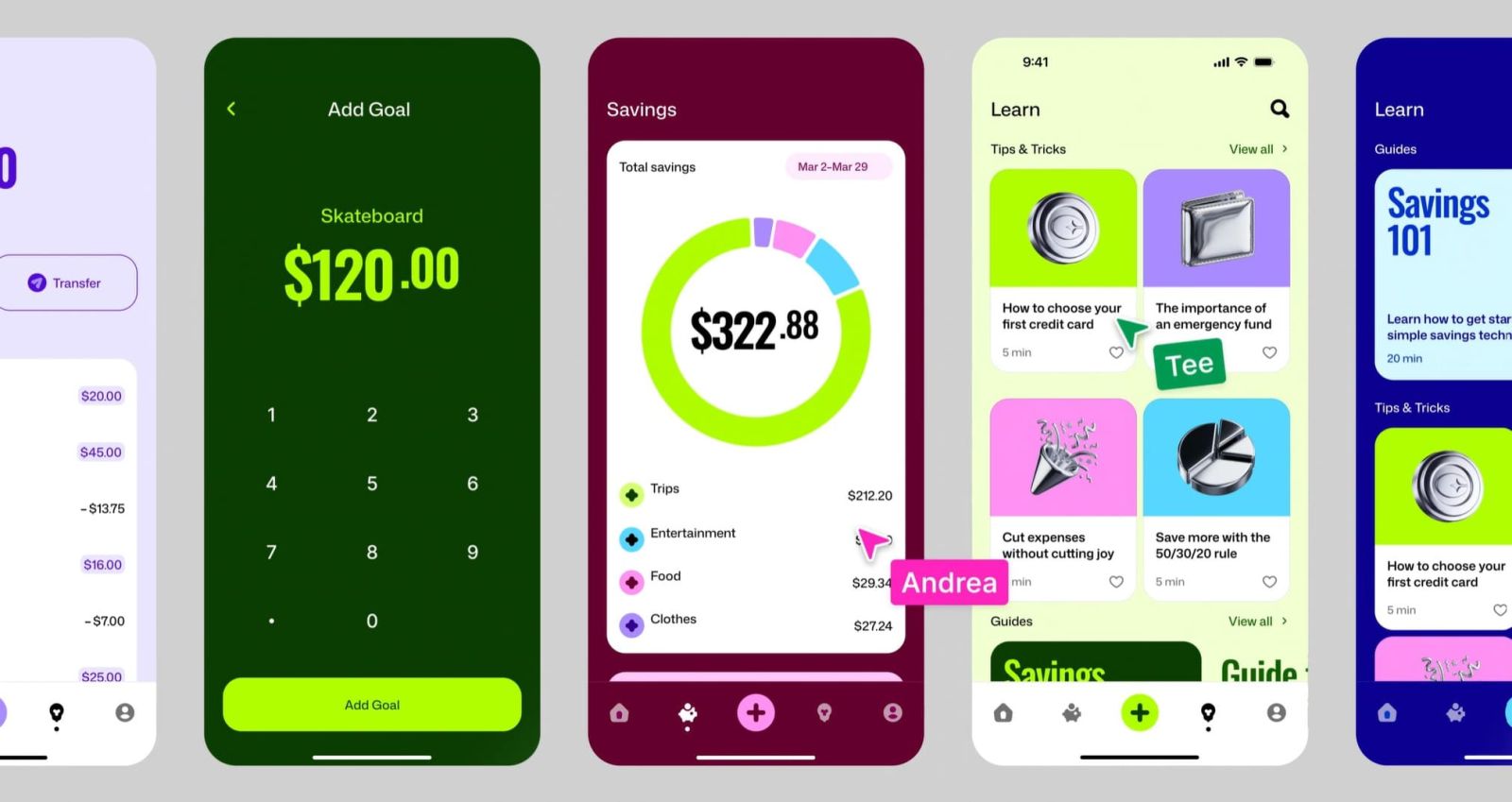
Figma provides a full range of tools for building and managing design systems, from Components, Variants, and Variables to Shared Libraries. Every change in the library is updated synchronously across the entire project, minimizing errors and significantly saving maintenance time.
Beyond simply serving designers, design systems also bridge the gap between design and programming. Standardized interface components make implementation easier for developers, while ensuring the final product closely adheres to the design specifications.
The combination of Design System and Dev Mode makes the product development process more seamless, minimizing repetitive revisions between teams.
7. Why has Figma become the standard for modern design?
Figma's remarkable success doesn't stem from a single feature, but rather from a combination of factors.
First, there's the ability to work on a cloud platform, allowing everyone to access projects from anywhere. Next is the real-time collaboration experience, providing a feel similar to online office applications but specifically designed for design.
The continuous updating of its AI also helps Figma keep pace with technological developments. New features not only accelerate the design process but also expand the scope of applications to marketing, website development, programming, and digital product building.
Furthermore, Figma's rich plugin ecosystem and large user community also enable its continuous growth. Thousands of free plugins, templates, and resources allow users to easily expand the platform's capabilities to meet their specific needs.
This is why Figma is increasingly being chosen by startups, technology companies, multinational corporations, and educational institutions as a standard in product design and development.
8. Conclusion
Figma is no longer simply a UI design tool; it has become an intelligent creative platform where every team member can work together to turn ideas into real products. From design, collaboration, building a Design System, prototyping, programming support, to applying AI in content creation, Figma provides a comprehensive ecosystem that optimizes work efficiency at every stage.
In the context of AI transforming the way people create digital products, Figma continues to assert its pioneering position with a vision to build a unified, flexible, and limitless work environment. For individuals, businesses, or product development teams, mastering Figma not only enhances productivity but also opens up many new creative opportunities, contributing to the creation of modern, professional, and distinctive digital experiences.











VIP Products


Best Selling Products
Genuine Cheap Canva Pro
39 USD
Adobe Photoshop Copyright - Full App
120 USD
Adobe Premiere Pro Account
99 USD
Autodesk All App Account Copyright
120 USD
Capcut Pro 1 Year
39 USD
ChatGPT Plus Account (GPT-4)
16 USD
Genuine Adobe Illustrator account
99 USD
Windows 10 & 11 Pro Key
36 USD
Upgrade genuine Capture One account
120 USD
Upgrade Duolingo Super
29 USD
Copyright Adobe Lightroom Account
59 USD
Freepik Premium Account
59 USD
Upgrade Genuine Office 365
49 USD
MidJourney Account
29 USD
Plugin Retouch4me
69 USD