Best Selling Products

ChatGPT Plus Account (GPT-4)
16 USD

Capcut Pro 1 Year
39 USD

Copyright Adobe Lightroom Account
59 USD

Autodesk All App Account Copyright
120 USD

Windows 10 & 11 Pro Key
36 USD
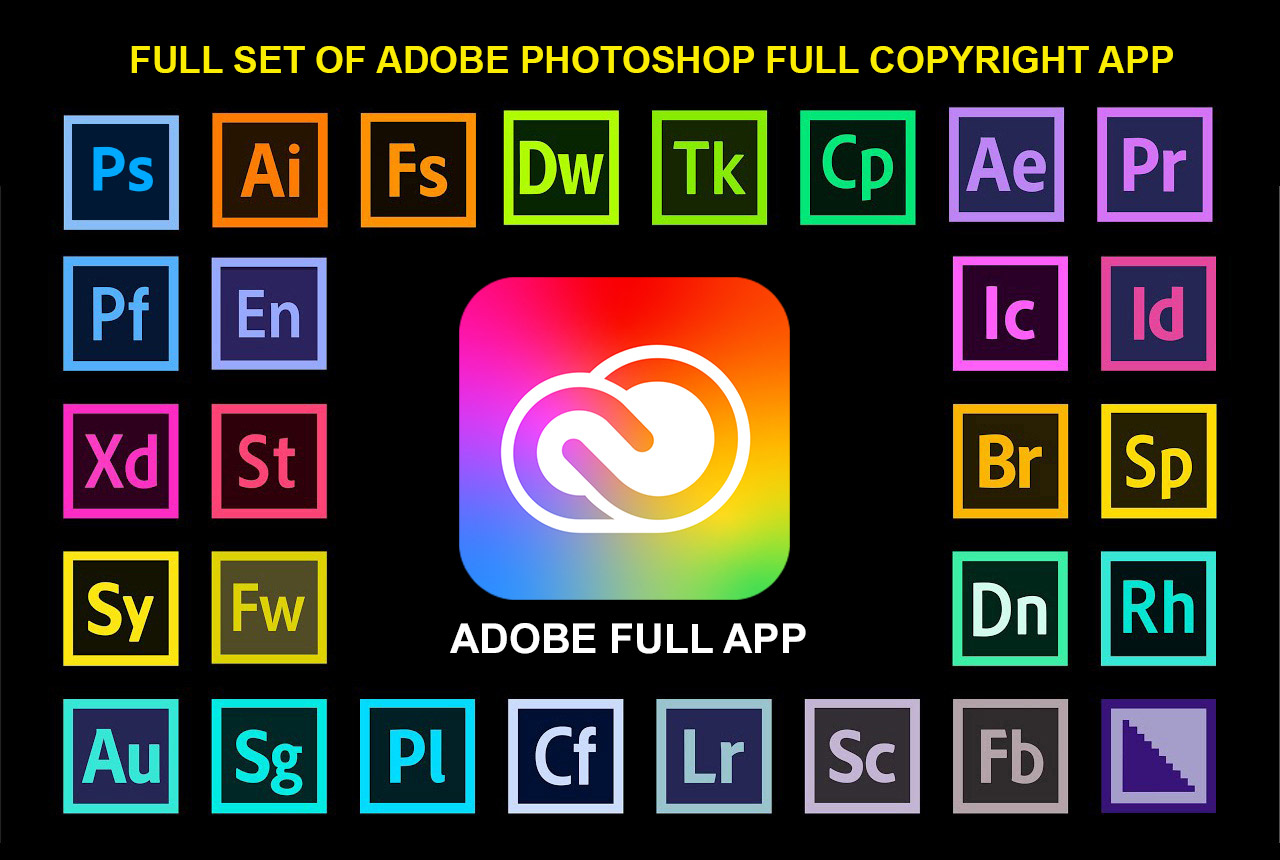
Adobe Photoshop Copyright - Full App
120 USD

MidJourney Account
29 USD

Freepik Premium Account
59 USD

Adobe Premiere Pro Account
99 USD

Upgrade Duolingo Super
29 USD

Upgrade genuine Capture One account
120 USD

Plugin Retouch4me
69 USD

Genuine Adobe Illustrator account
99 USD

Genuine Cheap Canva Pro
39 USD

Upgrade Genuine Office 365
49 USD
Why Does the Fujifilm X-Pro Still Have Such Special Appeal After So Many Years?
Nội dung
In a constantly changing camera market, the Fujifilm X-Pro maintains a unique position. This article analyzes the core design elements, philosophy, and user experience that keep this camera line from becoming outdated over time.

Why Does the Fujifilm X-Pro Still Have Such Special Appeal After So Many Years?
In a constantly changing camera market, the Fujifilm X-Pro maintains a unique position. This article analyzes the core design elements, philosophy, and user experience that keep this camera line from becoming outdated over time.
In a camera market increasingly dominated by specifications, processing speed, and AI-powered autofocus, the Fujifilm X-Pro stands proudly as an outsider. Not chasing the megapixel race, not promoting 8K video recording or complex tracking algorithms, the X-Pro exists as a statement about a pure photographic experience.
It's worth noting that, despite years without a new version, the X-Pro series continues to be talked about, discussed, and anticipated in the global photography community. While many other camera lines are quickly forgotten after just one or two generations, the X-Pro possesses a strange appeal: the less it is seen, the more its iconic value is solidified.
That appeal doesn't come from luck. It's the result of a consistent aesthetic strategy, a profound design philosophy, and above all, Fujifilm's courage in choosing a very different path in the modern camera industry. To understand why the Fujifilm X-Pro has such enduring appeal, we need to look back at how Fujifilm built its brand identity, as well as the special role the X-Pro holds within the entire X Series ecosystem.
Buy Genuine Licensed Software at Affordable Prices
1. Fujifilm and its iconic aesthetic strategy
It's no coincidence that in recent years, more and more major camera manufacturers have begun to focus on aesthetics and the emotional experience of the user. Nikon's addition of cinematic Picture Controls, Panasonic's development of in-camera color LUTs for Lumix, and the introduction of models like the Lumix S9 and Nikon ZF all demonstrate one thing: Fujifilm has been far ahead of the rest of the market in defining aesthetic value as a core element of its products.
From the very beginning of the X series, Fujifilm didn't view cameras simply as devices for capturing images. For them, cameras were cultural objects, personal creative tools, and even a part of a lifestyle. This is clearly demonstrated by how the company incorporated film simulation into its cameras, not just as a feature, but as part of the brand's DNA.
.jpg)
The addition of a film simulation dial on some Fujifilm models isn't simply for convenience. It's the company's way of reminding users of its film heritage, of the feeling of selecting a film roll before pressing the shutter button. When other companies started "imitating" this concept, they often only copied the surface, while Fujifilm has built an entire ecosystem around that philosophy.
Prior to the X-Pro and X100 era, Fujifilm didn't really have a consistent design language in the digital camera segment. Their products at that time had a rather generic look, lacking a clear distinguishing feature to set them apart from Canon, Nikon, or Sony. It was the introduction of the rangefinder style, combined with mechanical dials and inspiration from classic film cameras, that helped Fujifilm "find itself."
Importantly, once Fujifilm recognizes what truly works, they don't hesitate to protect and develop it. They don't change designs just because of trends or chase short-term fads. Instead, they accept not pleasing everyone, maintaining an identity that, at a glance, is instantly recognizable as Fujifilm.
2. The enduring appeal of the Fujifilm X-Pro
2.1. The most important camera in Fujifilm's history
Launched in 2012, the Fujifilm X-Pro was not only the first camera in the X series, but also marked a milestone in Fujifilm's "rebirth" in the world of digital cameras. At that time, mirrorless cameras were still a new concept and not yet highly regarded. Fujifilm's early entry into this market, much earlier than many competitors, demonstrated the company's long-term vision and courage.
.jpg)
The X-Pro was launched with its first three prime lenses: 18mm f/2, 35mm f/1.4, and 60mm f/2.4. These weren't lenses focused solely on specifications, but rather designed to optimize the photographic experience, with optical quality that was more "film-like" than absolute sharpness. From the outset, Fujifilm sent a very clear message: the X series isn't for everyone, but for those who truly love photography.
The X-Pro also laid the foundation for many elements that later became hallmarks of Fujifilm. From the X-Trans sensor with its unique pixel arrangement to the hybrid viewfinder combining optical and electronic elements, everything showed that Fujifilm didn't want to follow the beaten path. They wanted to create an experience that users couldn't find from any other brand.
Historically, without the X-Pro, Fujifilm likely wouldn't have built the robust X Series ecosystem it has today. Therefore, for many, the X-Pro is not just a camera, but a symbol of a crucial turning point in the company's history.
2.2. Pressure from being unique
The iconic success of the X-Pro has also become Fujifilm's biggest pressure point. For years, the user community has been eagerly awaiting a new version of the X-Pro. Its absence from the Fujifilm ecosystem has become increasingly apparent, especially as other models like the XT and XS are constantly being updated.
.jpg)
Fujifilm understands those expectations very well. Yuji Igarashi, General Manager of the company's Imaging Solutions division, has repeatedly stated that Fujifilm never intended to discontinue the X-Pro line. However, the issue isn't whether to launch it or not, but how to launch it.
According to Mr. Igarashi, simply upgrading to the new X-Trans sensor and X-Processor 5 and calling it the X-Pro4 would be too easy, but also too boring. For an iconic line like the X-Pro, each new generation should not just be an upgrade, but a step forward in thinking.
This pressure intensified when the X-Pro3, launched in 2019, received mixed reviews regarding its durability, particularly its hidden flip-out rear screen design. While this idea was bold and embodied the spirit of "shoot without looking back," not everyone was willing to accept the trade-offs in terms of usability.
It was this feedback that made Fujifilm more cautious than ever. Because with the X-Pro, even a small mistake could affect how users perceive the entire brand.
2.3. The Unique Features of X-Pro
According to Fujifilm itself, the X-Pro is a "very special" camera line. Special not only in its design or features, but also in how it is perceived and used. X-Pro owners often don't see it as a temporary tool, but as a camera they'll cherish for a long time, even one with significant sentimental value.
.jpg)
This is demonstrated through very small, yet meaningful details. For example, the Easter egg hidden in the camera only appears when the user has taken 100,000 photos. This isn't a marketing gimmick, but rather Fujifilm's way of showing appreciation to those who are truly dedicated to their camera. This detail has only recently been discovered by the community, making the X-Pro even more legendary in the eyes of its fans.
Fujifilm's willingness to make users wait for years for a new version stems from a deep understanding of the X-Pro's position. When a new X-Pro appears, it not only represents that product line but also becomes the benchmark against which the entire Fujifilm brand is judged.
And if it's to be a standard, it shouldn't just be "better than the old version," but nearly perfect. That's why Fujifilm isn't in a hurry. They understand that, sometimes, waiting is part of the value.
The enduring appeal of the Fujifilm X-Pro doesn't come from its technical specifications or flashy advertising campaigns. It stems from a consistent aesthetic strategy, a design philosophy that prioritizes experience and emotion, and Fujifilm's courage in defending its unique identity in a volatile market.



















VIP Products







Best Selling Products
ChatGPT Plus Account (GPT-4)
16 USD
Capcut Pro 1 Year
39 USD
Copyright Adobe Lightroom Account
59 USD
Autodesk All App Account Copyright
120 USD
Windows 10 & 11 Pro Key
36 USD
Adobe Photoshop Copyright - Full App
120 USD
MidJourney Account
29 USD
Freepik Premium Account
59 USD
Adobe Premiere Pro Account
99 USD
Upgrade Duolingo Super
29 USD
Upgrade genuine Capture One account
120 USD
Plugin Retouch4me
69 USD
Genuine Adobe Illustrator account
99 USD
Genuine Cheap Canva Pro
39 USD
Upgrade Genuine Office 365
49 USD