Best Selling Products
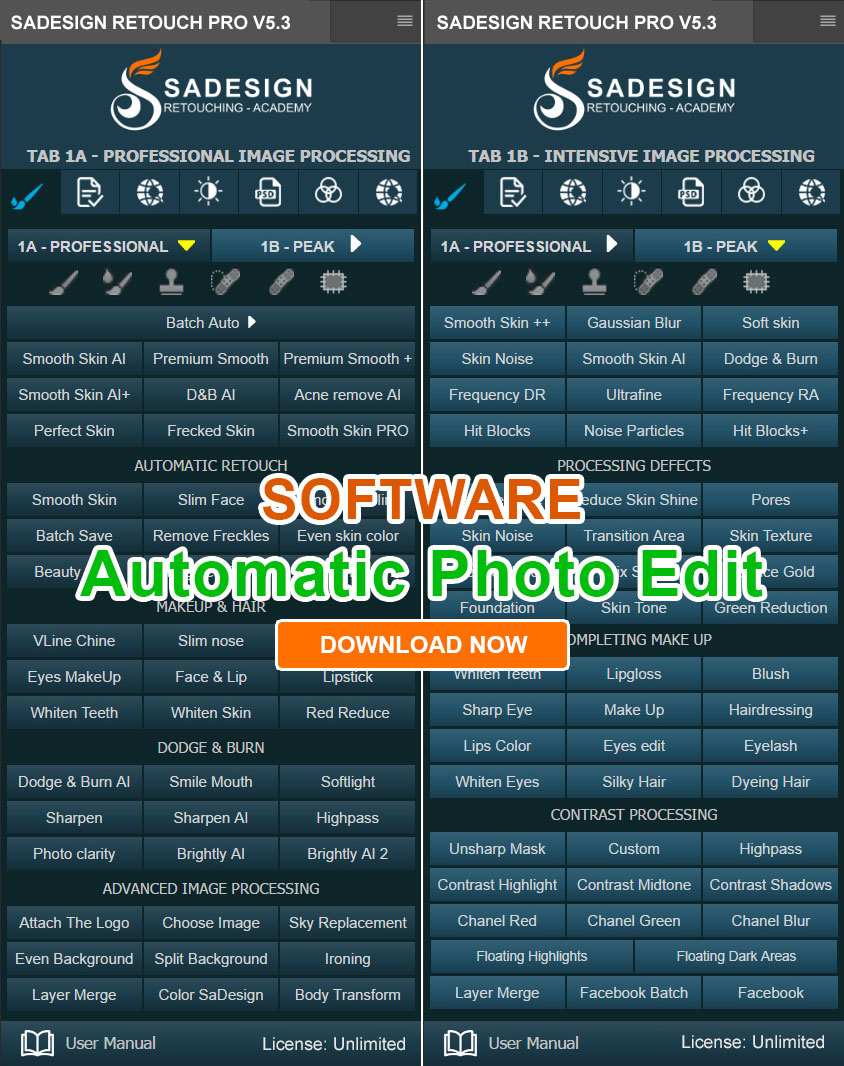
Plugin Retouch4me
69 USD
Autodesk All App Account Copyright
120 USD

Upgrade genuine Capture One account
120 USD
Upgrade Genuine Office 365
49 USD
Windows 10 & 11 Pro Key
36 USD

Capcut Pro 1 Year
39 USD

ChatGPT Plus Account (GPT-4)
16 USD
Adobe Premiere Pro Account
99 USD
Copyright Adobe Lightroom Account
59 USD

MidJourney Account
29 USD

Upgrade Duolingo Super
29 USD
Genuine Adobe Illustrator account
99 USD

Freepik Premium Account
59 USD
Genuine Cheap Canva Pro
39 USD
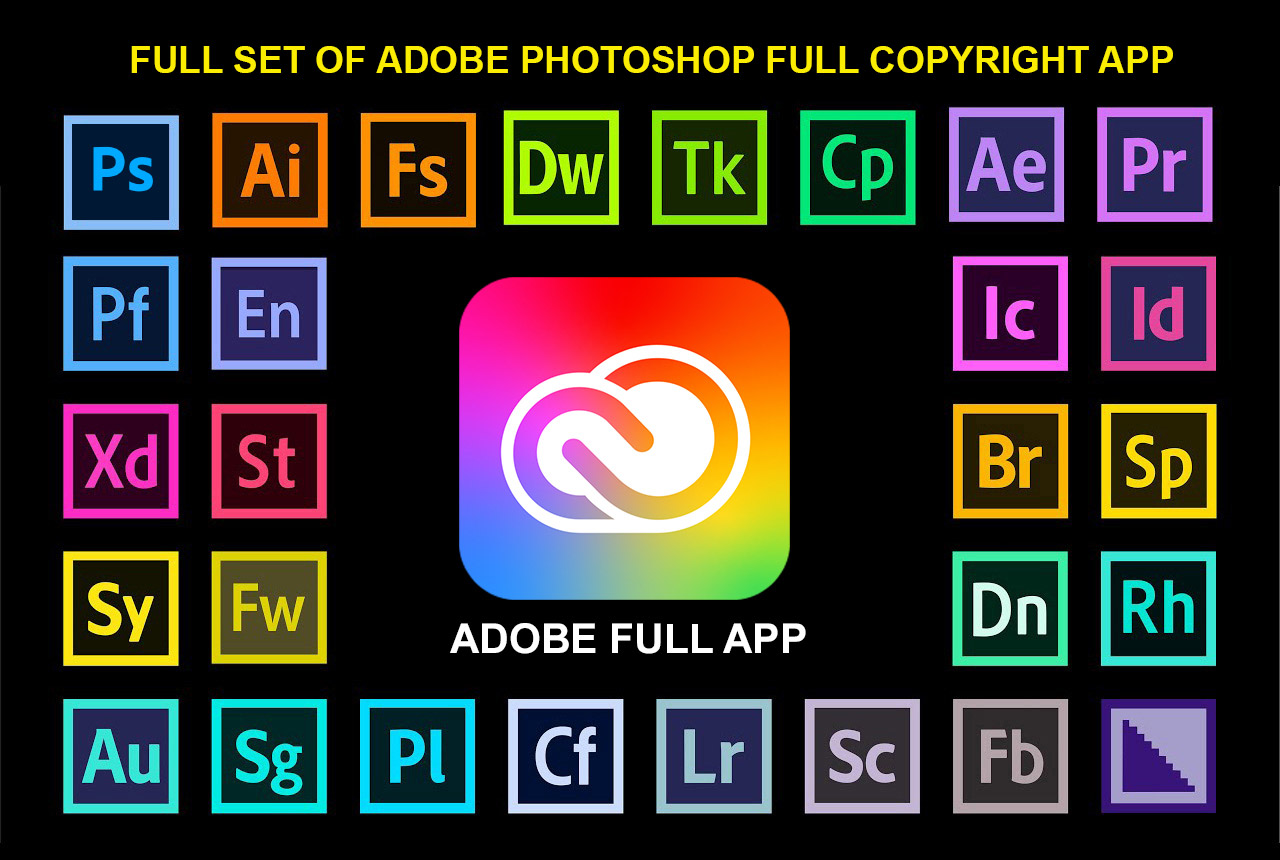
Adobe Photoshop Copyright - Full App
120 USD
Why has the 1980s illustration style suddenly become popular again?
Nội dung
- 1. Overview of 1980s-style illustration
- 2. The characteristic colors of the 1980s style
- 3. 3D fonts and retro text effects
- 4. Shapes and patterns with a futuristic feel.
- 5. The Influence of Synthwave and Early Cyberpunk
- 6. Common themes in 1980s illustrations
- 7. Applying 1980s illustrations to modern design.
- 8. The nostalgic value of 1980s style
1980s illustrations are a unique blend of vibrant neon colors, retro 3D typography, and futuristic graphic elements. This style recreates distinctive cultural elements such as cassette tapes, vintage televisions, padded-shoulder clothing, and early Synthwave and Cyberpunk effects.
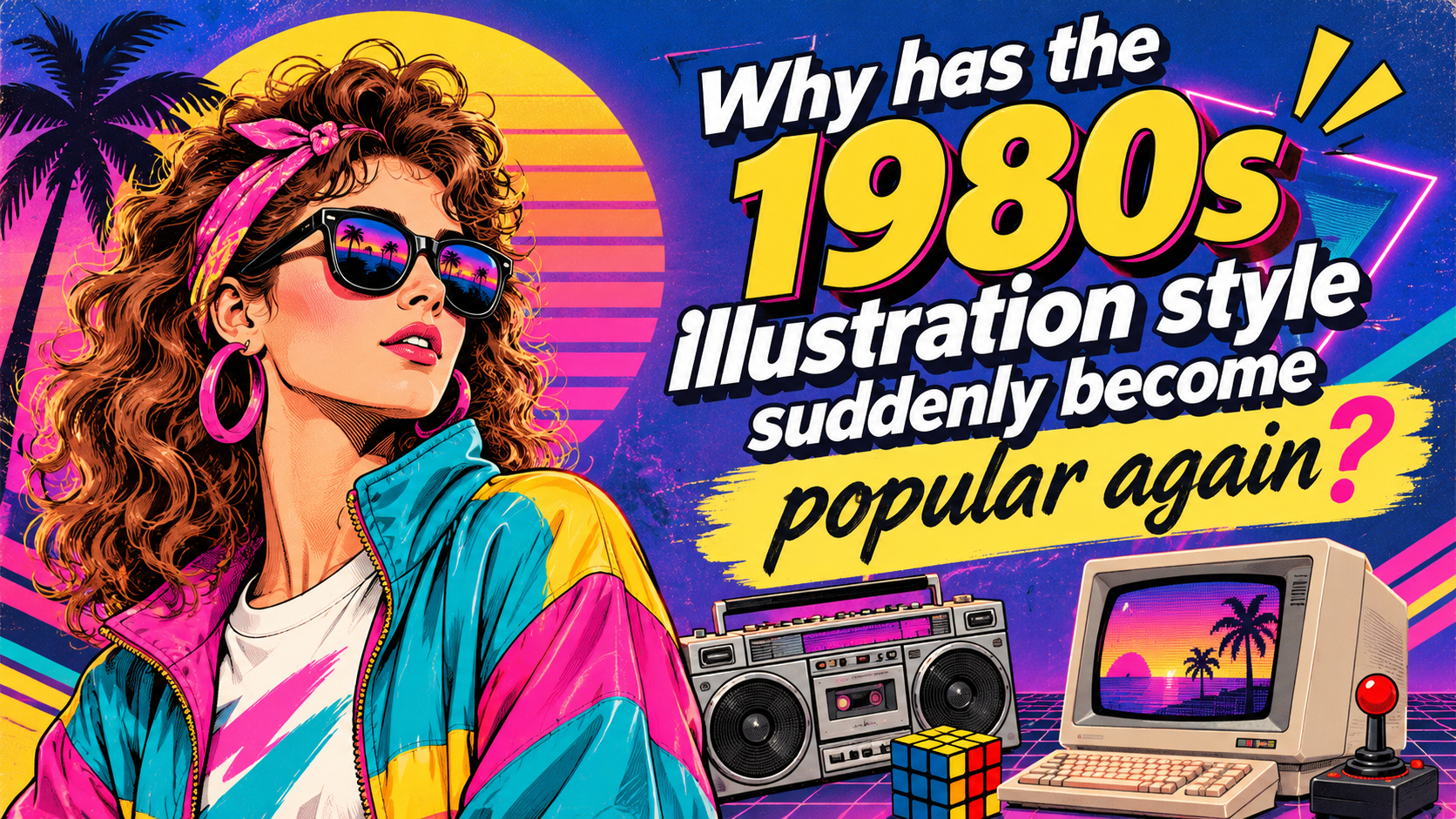
1. Overview of 1980s-style illustration
1980s illustration is a design style characterized by boldness, striking visuals, and strong symbolism. This period marked the rapid development of popular culture, electronic technology, music, and fashion, creating very distinct visual impressions. When mentioning the visual style of the 1980s, people often associate it with vibrant neon colors, glowing light effects, three-dimensional lettering, and futuristic graphic details.
Unlike many modern minimalist design styles, 1980s illustrations aim for striking visual impact. Designers often use high-contrast colors, clean geometric lines, and rudimentary digital effects to create a space that is both nostalgic and futuristic.
2. The characteristic colors of the 1980s style
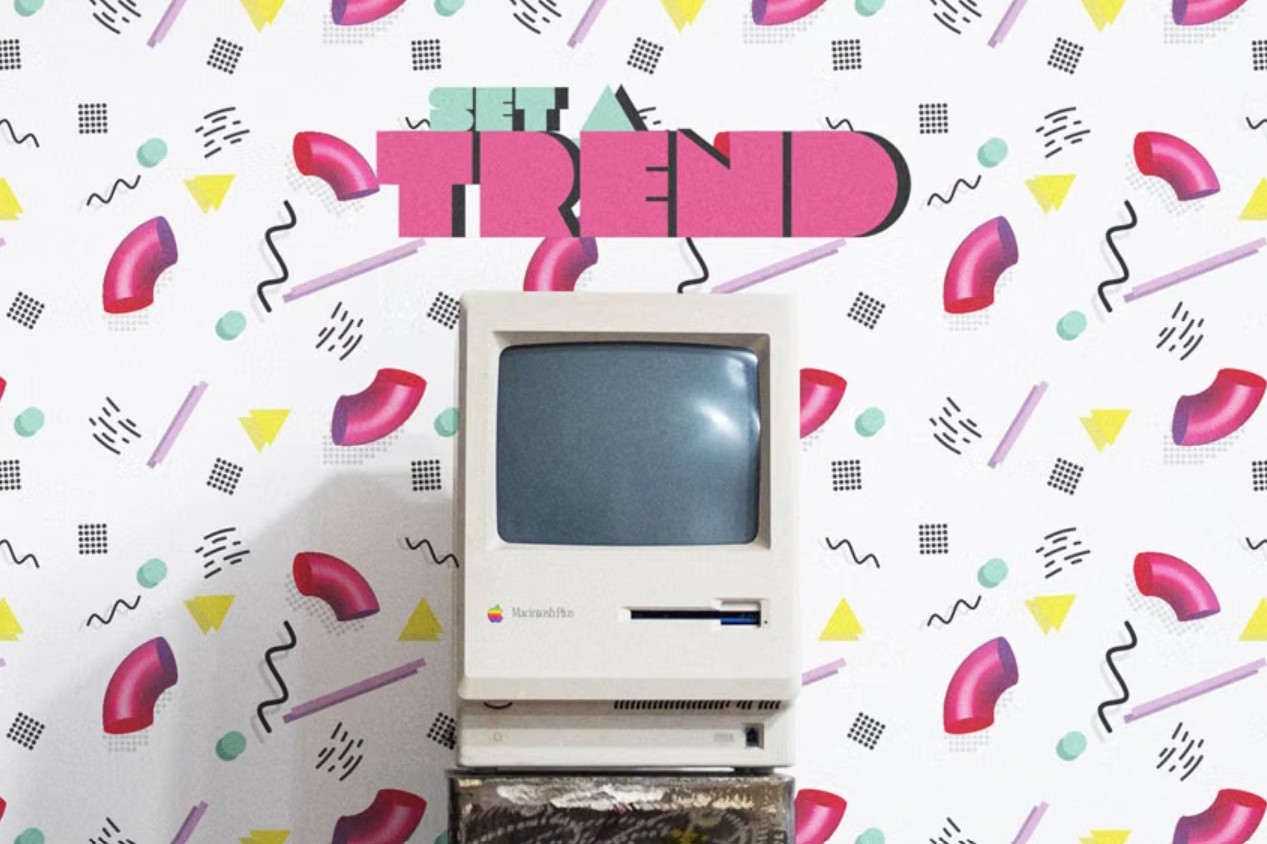
One of the most recognizable elements of 1980s illustration is its use of bold and vibrant colors. Instead of the neutral color palettes often seen in modern design, this style prioritizes colors that evoke a sense of dynamism, playfulness, and energy.
Neon colors such as glowing pink, turquoise, electric purple, and lemon yellow frequently appear throughout many of the works. When combined with a dark background, these colors create a high-contrast effect, making the details in the image stand out more.
Besides neon colors, 1980s illustrations also utilize warm, vintage-style color filters. This effect gives the images a vintage feel, as if they were taken or designed years ago. Light yellow, orange, or reddish-brown hues are often added to create depth and evoke images from VHS tapes, film cameras, or vintage television screens.
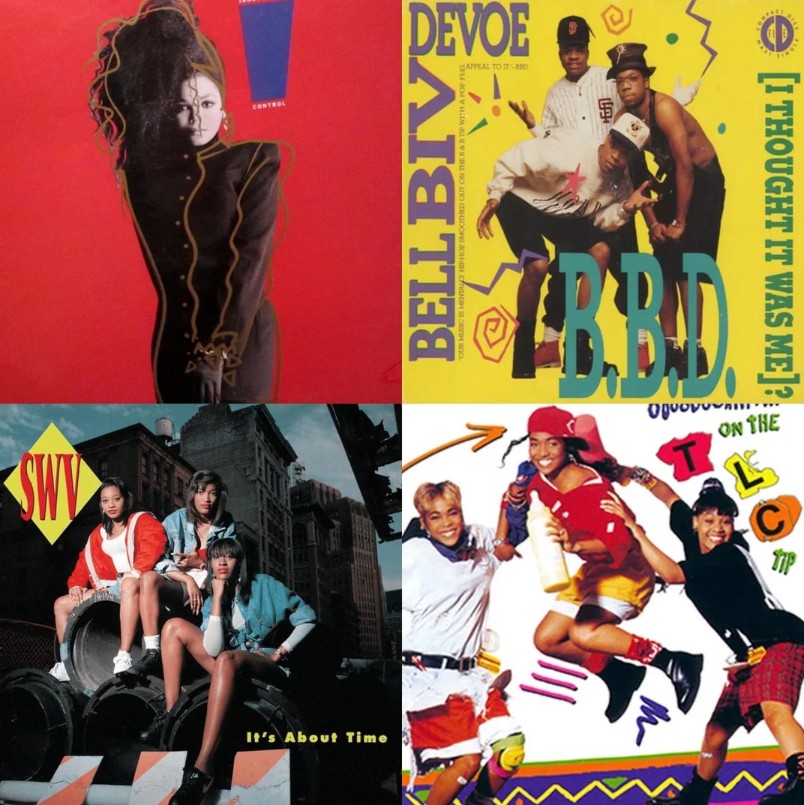
The blend of modern neon colors and vintage tones creates a unique look: it embodies both futuristic technology and a sense of nostalgia. This is also why the 1980s style can suit a wide range of creative forms, from music posters to personal images.
3. 3D fonts and retro text effects
A key feature of 1980s illustrations is the retro-styled 3D typography. During this period, computer graphics technology began to develop, allowing designers to experiment with typefaces that had depth, shadows, and lighting effects.
Large, angular fonts, metallic effects, reflective lighting, or gradient color transitions are often used in movie posters, album covers, and advertisements. The text not only conveys the message but also becomes a crucial part of the visual composition.
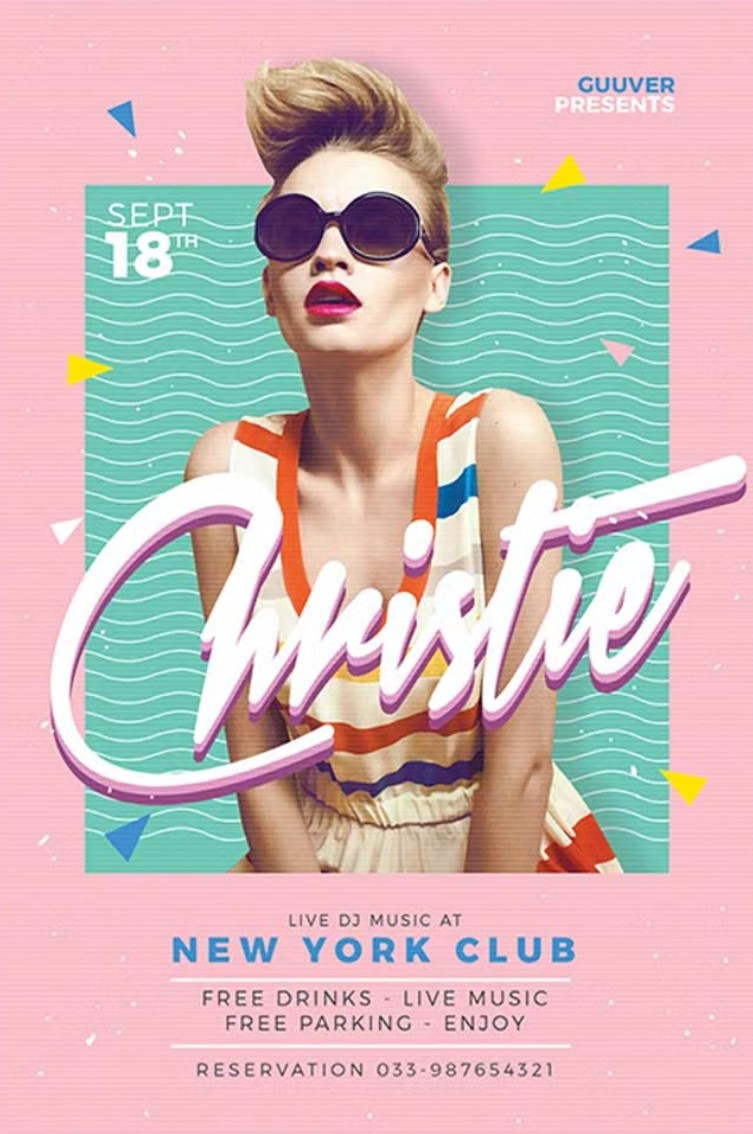
3D typography styles from the 1980s often evoke a sense of grandeur, reminiscent of science fiction films, early video games, or high-tech television shows. The shadow effect behind the letters creates the illusion of them rising from the background, making the design more dynamic.
Today, many creators still use this typeface to create retro-futuristic images, blending the past and the future. This is also one of the key elements that helps viewers quickly recognize a design inspired by the 1980s.
4. Shapes and patterns with a futuristic feel.
Beyond color and typography, 1980s illustrations were also notable for their geometric shapes and digital textures. These elements were often inspired by the development of computers, video games, and science fiction culture of the time.
One of the most popular motifs is the 3D grid perspective. This image simulates a grid-like plane extending towards the horizon, creating the feeling of stepping into a digital space. This motif appears frequently in Synthwave designs, a music and visual style heavily inspired by the 1980s.
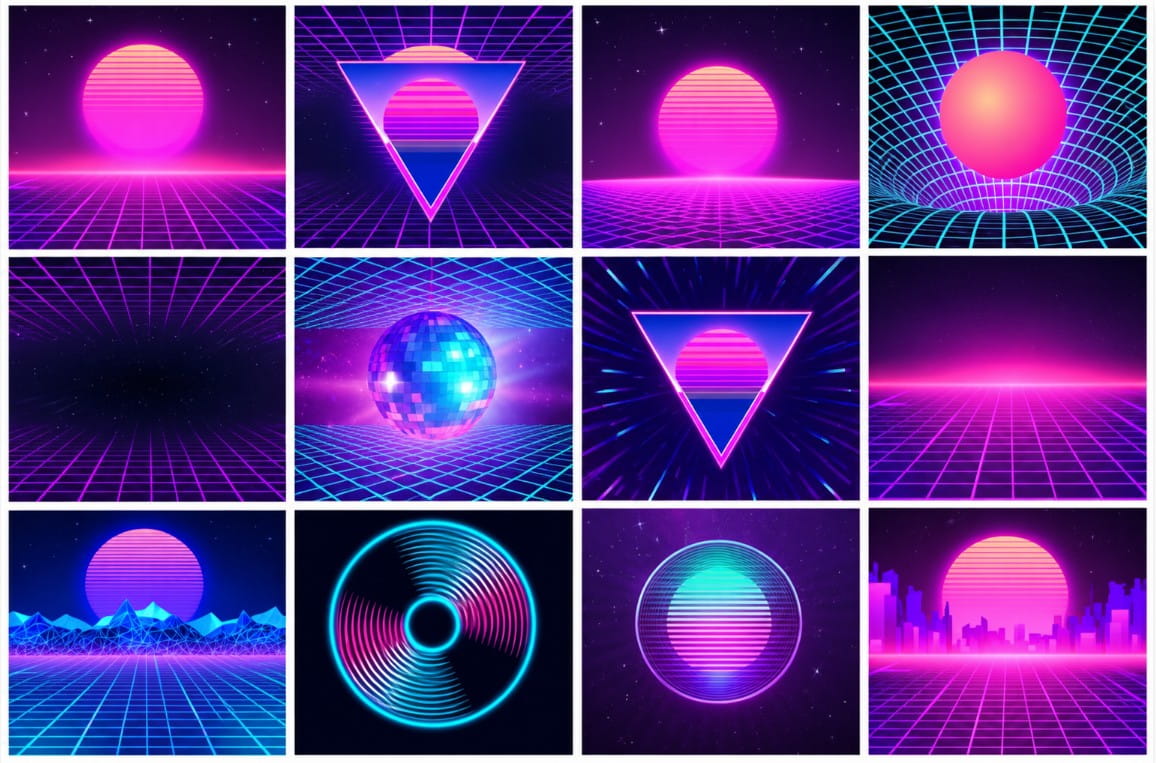
Besides 3D grids, glowing lines, neon rays, digital spheres, or simple geometric shapes are also commonly used. These details create a sense of movement and a futuristic, technological feel.
This graphic style is often referred to as a blend of retro and futuristic, meaning it simultaneously looks to the past and envisions the future. This is what sets 1980s illustrations apart from other nostalgic styles.
5. The Influence of Synthwave and Early Cyberpunk
When discussing 1980s illustration, the influence of Synthwave and early Cyberpunk cannot be ignored. These two styles had a significant impact on how images were constructed during this period, as well as on 1980s-inspired designs today.
Synthwave typically incorporates elements such as neon lighting, purplish-pink skies, digital skylines, and imagery reminiscent of futuristic technology. This style is influenced by electronic music, science fiction films, and arcade culture.
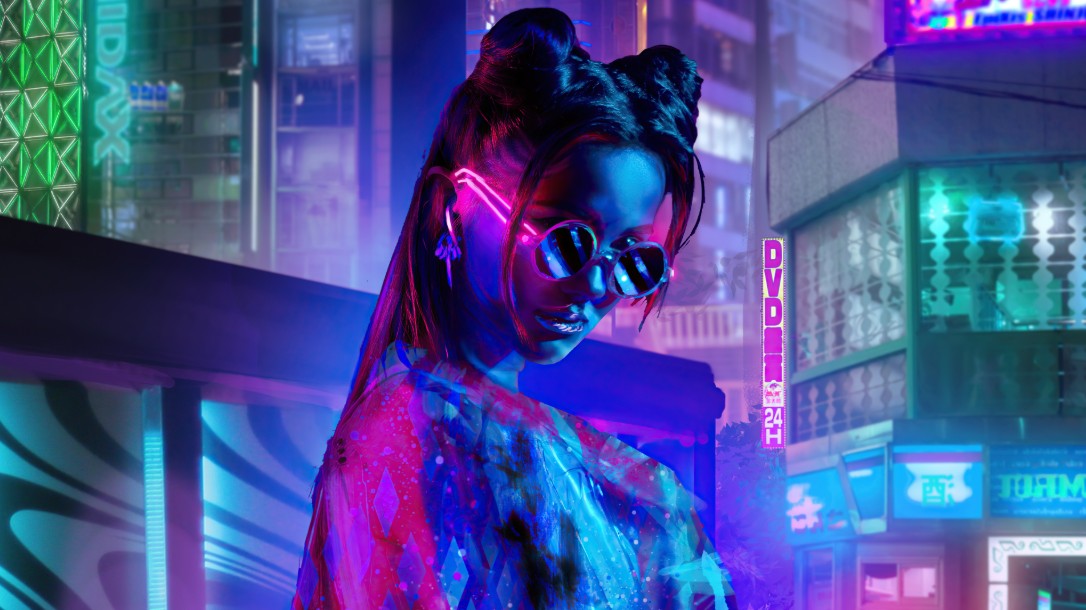
Meanwhile, early Cyberpunk focused more on the interplay between humans and technology. Futuristic cityscapes, neon lights in the dark, electronic devices, and digital spaces were common features.
The influence of these two styles contributed to the distinctive look of 1980s illustration. Despite appearing decades ago, these elements are still widely used in modern design, particularly in the fields of gaming, film, and digital art.
6. Common themes in 1980s illustrations
Illustrations in the style of the 1980s often revolve around symbols associated with the life and popular culture of that era. Technological gadgets, fashion, and lifestyles became important sources of inspiration for many works.
One of the most familiar images is the cassette tape. It's an iconic symbol of the analog music era, when listening to music via cassette players and tapes was still very popular. Images of cassette tapes in neon colors are often used to evoke a sense of nostalgia.
Old televisions are also a prominent topic. Curved screens, large buttons, or static effects evoke memories of a time when home technology was booming.
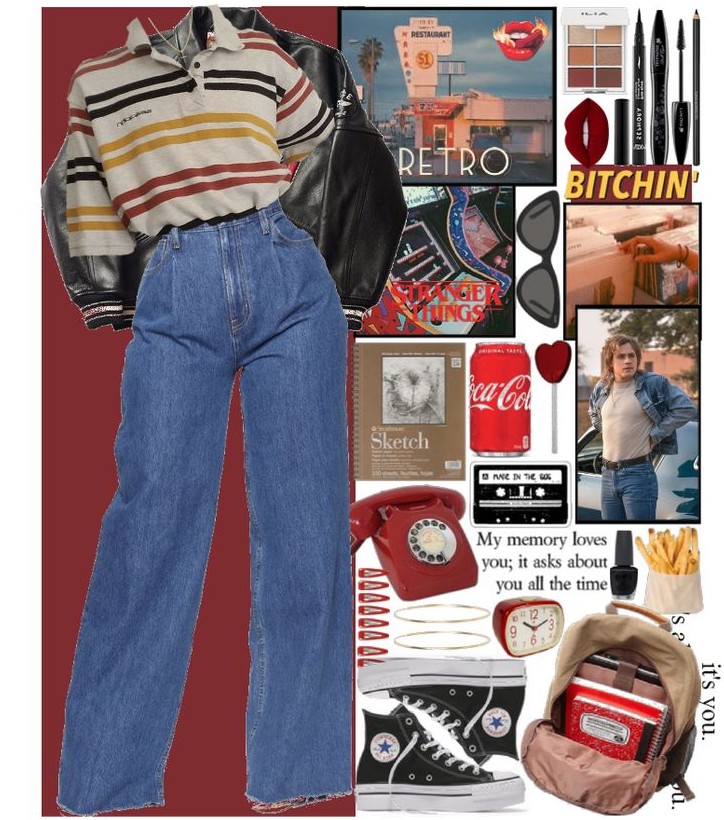
Additionally, 1980s fashion also played a significant role in the illustrations. Padded shoulders, bold hairstyles, striking accessories, and colorful outfits were often incorporated into portraits or posters to capture the strong, individualistic spirit of the era.
Classic studio portraits are also a popular subject. Images of subjects with strong lighting, vibrant backgrounds, and distinctive poses help recreate the atmosphere of fashion or advertising photoshoots from the 1980s.
7. Applying 1980s illustrations to modern design.
Despite the passage of decades, the illustration style of the 1980s retains its appeal in many creative fields. Designers today often combine retro elements with new technologies to create products that are both familiar and innovative.
In the media field, this style is used to design posters, cover photos, advertising banners, and social media images. The vibrant colors help content easily attract attention in an increasingly competitive digital environment.
In the fields of fashion and photography, the 1980s style helps create distinctive and unique photo shoots. Elements such as neon lighting, boldly colored clothing, and vintage film effects are often used to create a unique impression.
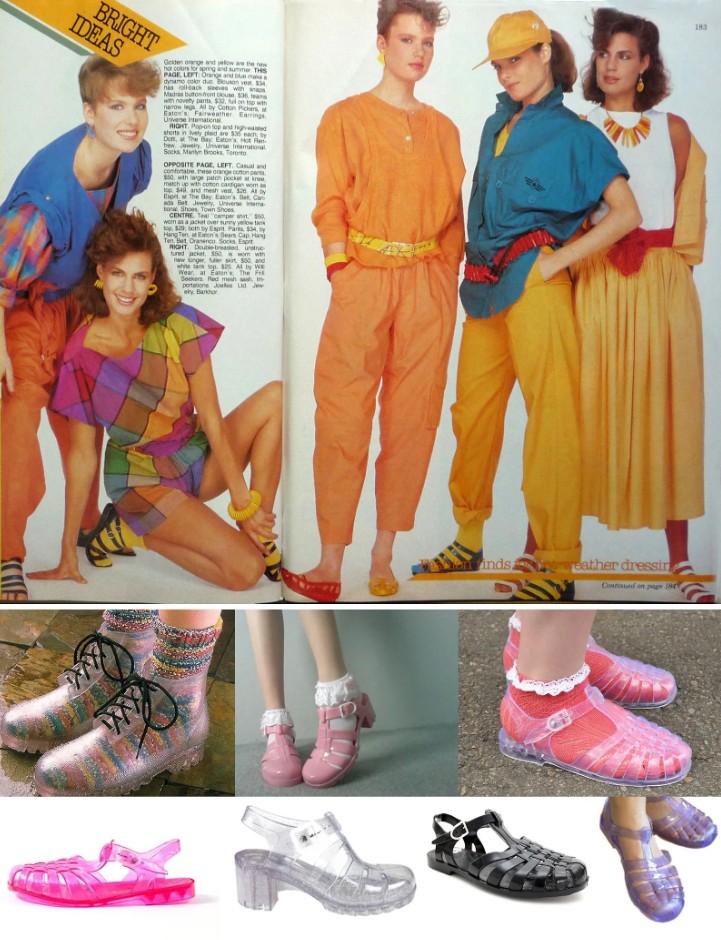
In particular, with the development of artificial intelligence technology, creating images in the style of the 1980s has become simpler. Users can recreate personal images, create posters, or build digital artworks with the colors, clothing, and settings characteristic of that era.
8. The nostalgic value of 1980s style
The appeal of 1980s illustrations lies not only in their colors or graphic effects, but also in the emotions they evoke. This style recalls a time of rapidly changing technology, when people began exploring the digital world while still retaining the simplicity of analog life.
Images such as cassette tapes, old televisions, neon lights, or striking fashion are not just decorative elements but also symbols of memory and culture. They help viewers perceive the interplay between the past and the future.
The unique blend of classic style, bold colors, and creative spirit has made 1980s illustration an enduring style. Not only does it represent a historical period, but this style continues to inspire generations of artists and designers in the digital age.










VIP Products


Best Selling Products
Plugin Retouch4me
69 USD
Autodesk All App Account Copyright
120 USD
Upgrade genuine Capture One account
120 USD
Upgrade Genuine Office 365
49 USD
Windows 10 & 11 Pro Key
36 USD
Capcut Pro 1 Year
39 USD
ChatGPT Plus Account (GPT-4)
16 USD
Adobe Premiere Pro Account
99 USD
Copyright Adobe Lightroom Account
59 USD
MidJourney Account
29 USD
Upgrade Duolingo Super
29 USD
Genuine Adobe Illustrator account
99 USD
Freepik Premium Account
59 USD
Genuine Cheap Canva Pro
39 USD
Adobe Photoshop Copyright - Full App
120 USD