Best Selling Products
Autodesk All App Account Copyright
120 USD
Upgrade genuine Capture One account
120 USD
Genuine Cheap Canva Pro
39 USD
Windows 10 & 11 Pro Key
36 USD
Copyright Adobe Lightroom Account
59 USD
Adobe Premiere Pro Account
99 USD
Genuine Adobe Illustrator account
99 USD
Adobe Photoshop Copyright - Full App
120 USD

Freepik Premium Account
59 USD
Capcut Pro 1 Year
39 USD
Upgrade Genuine Office 365
49 USD

ChatGPT Plus Account (GPT-4)
16 USD
Upgrade Duolingo Super
29 USD
MidJourney Account
29 USD
Plugin Retouch4me
69 USD
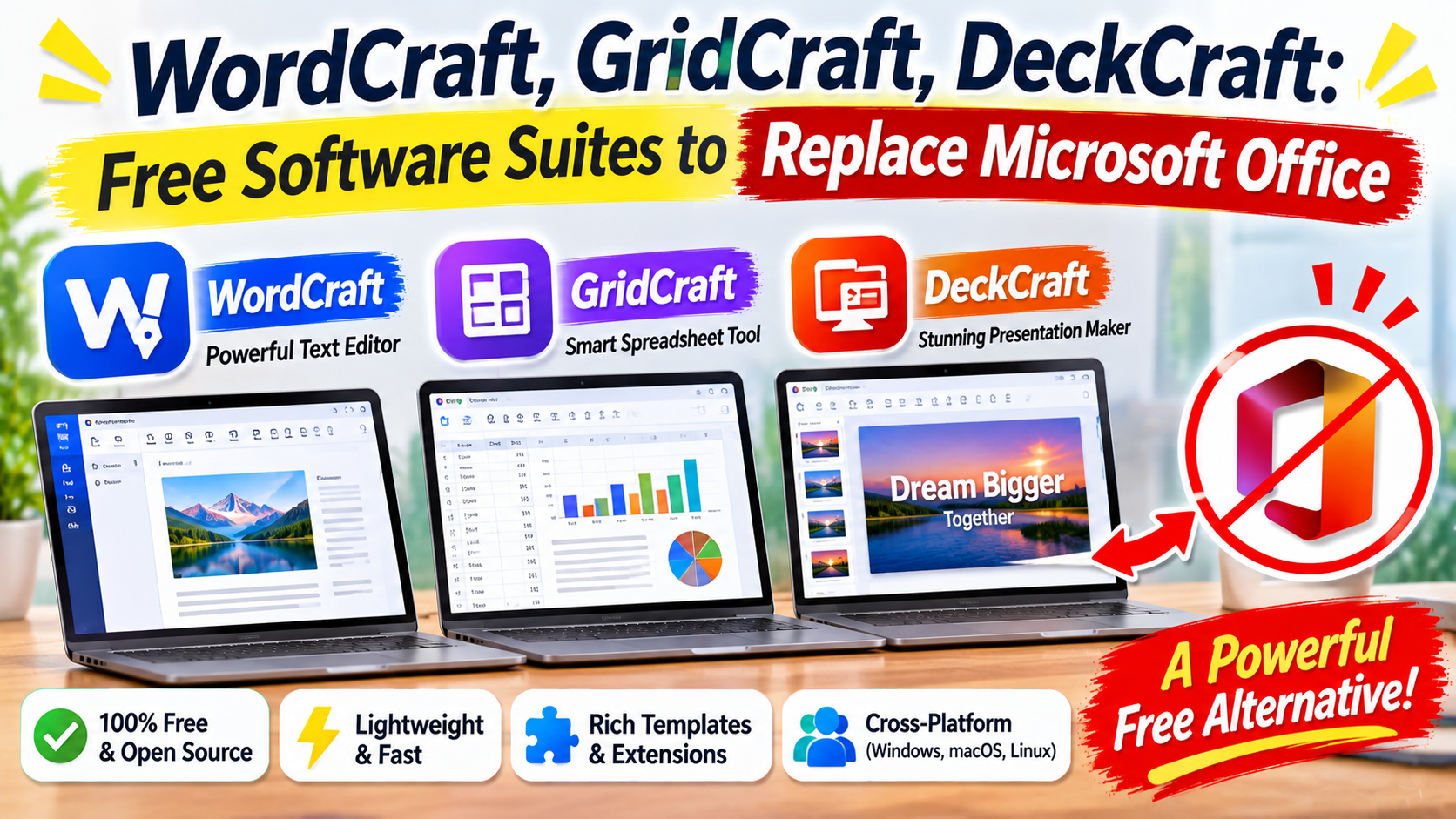
WordCraft, GridCraft, DeckCraft: Free software suites to replace Microsoft Office
Nội dung
- 1. What are the functions of WordCraft, GridCraft, and DeckCraft?
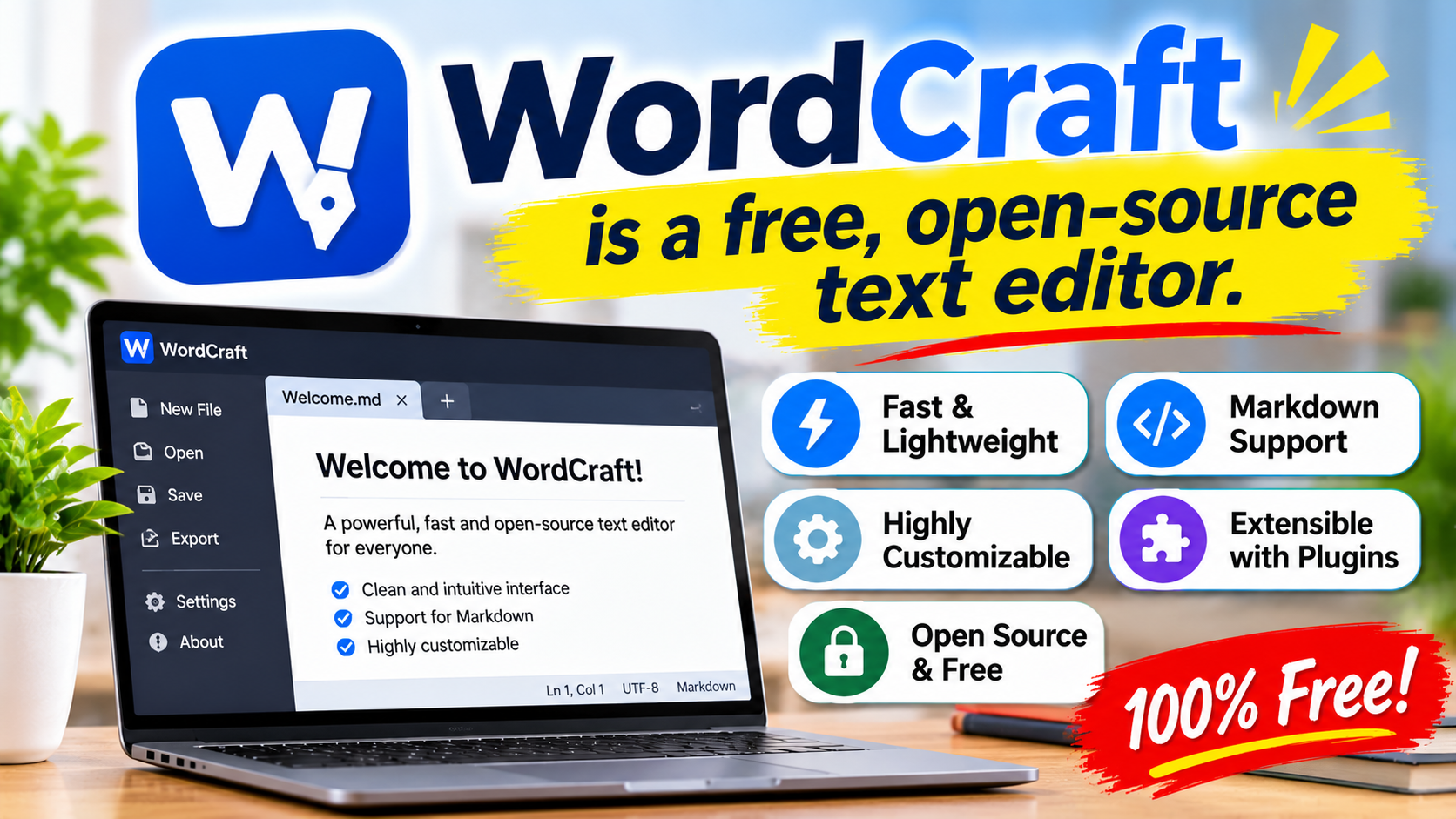
- 1.1. WordCraft: An alternative to Microsoft Word
- 1.2. GridCraft: A spreadsheet tool aimed at replacing Excel.
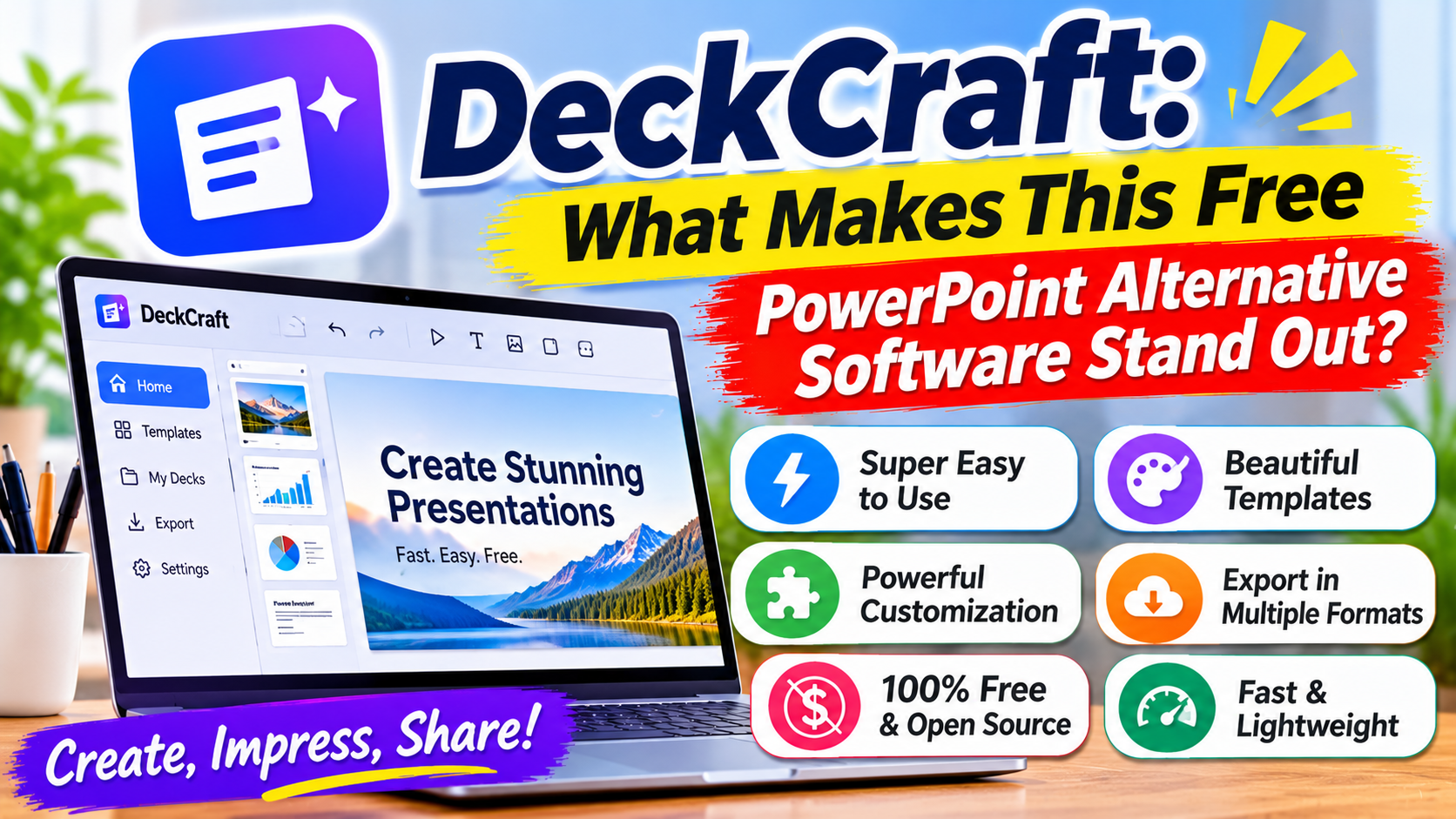
- 1.3. DeckCraft: An application for creating presentations similar to PowerPoint.
- 2. How did Claude help create the software?
- 3. Is open-source software truly free?
- 4. Why could these projects put pressure on Microsoft and Adobe?
- 5. Should I start using WordCraft, GridCraft, and DeckCraft right now?
- 6. Conclusion
The three open-source projects WordCraft, GridCraft, and DeckCraft are aiming to enhance the familiar functionalities of Word, Excel, and PowerPoint. This article analyzes their features, advantages, limitations, and what users need to know before trying them out.
1. What are the functions of WordCraft, GridCraft, and DeckCraft?
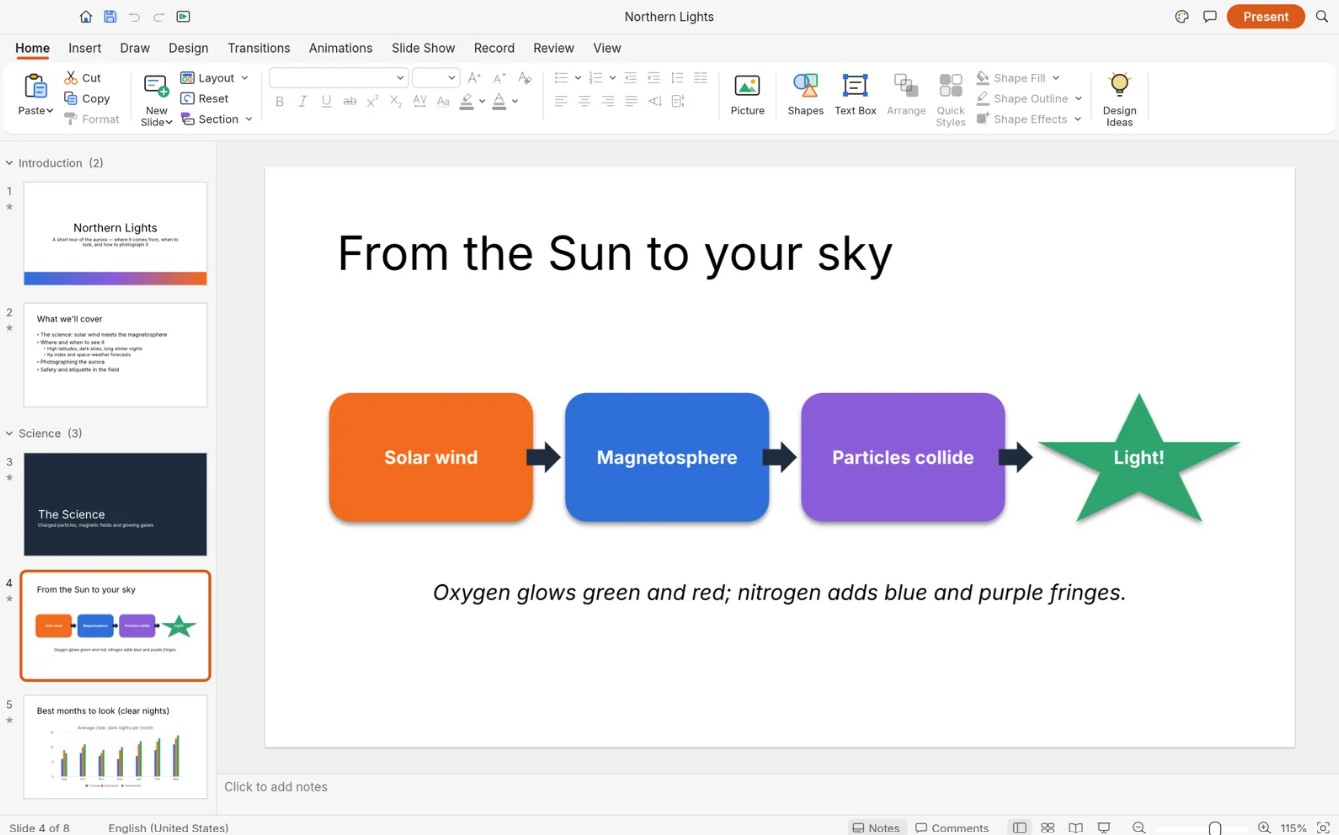
These three applications were developed with the aim of recreating familiar office tools, making it easy for users to recognize the interface and how the functions are organized.
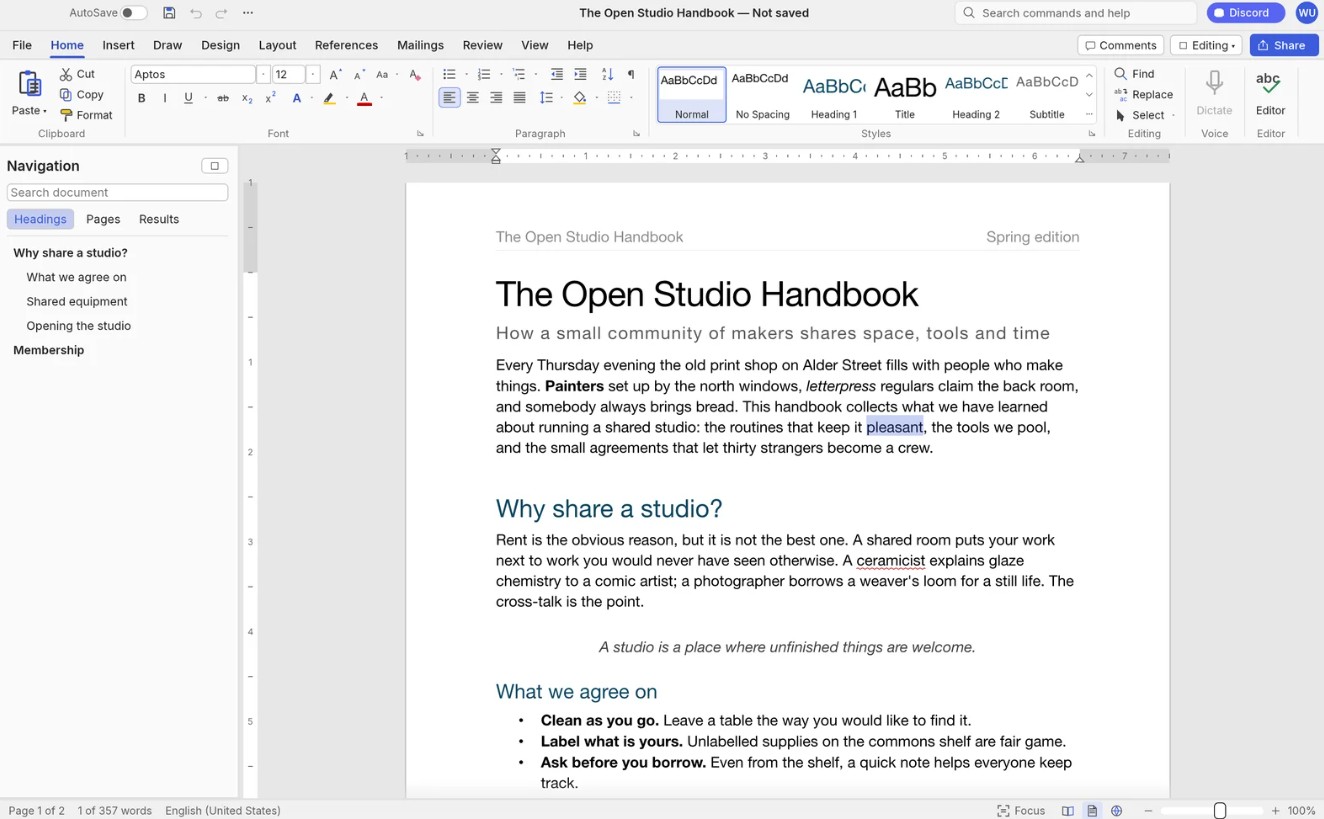
1.1. WordCraft: An alternative to Microsoft Word
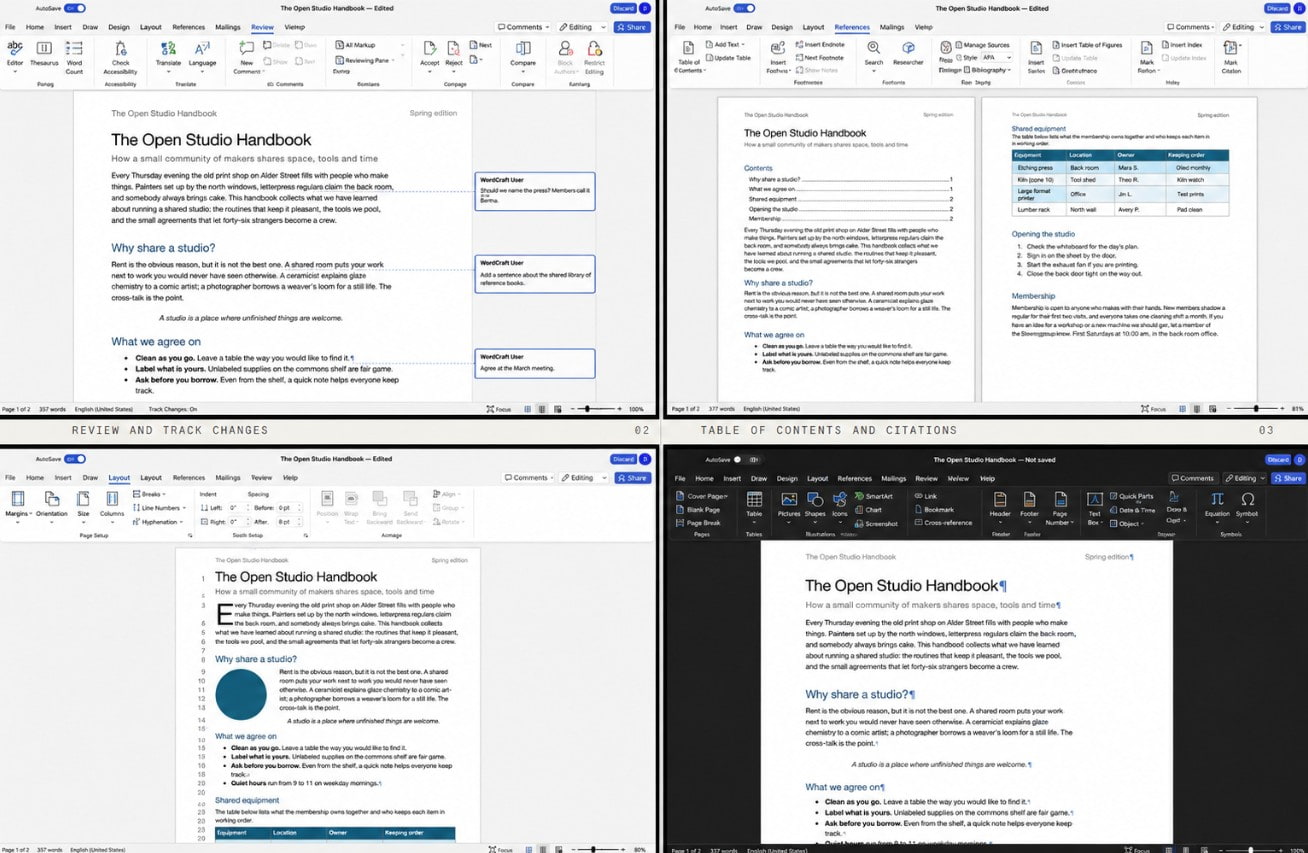
WordCraft focuses on word processing, with an interface designed to resemble the familiar workflow of Word. Its targeted functions include text formatting, font usage, table creation, and document organization.
The application focuses on reading and writing DOCX files, a format commonly used in office environments. If further improved, WordCraft could become a worthwhile option for users who frequently write documents but want to experiment with open-source software.
However, complex documents may require precise handling of layout, page numbering, table of contents, footnotes, edit tracking, and advanced formatting elements.
1.2. GridCraft: A spreadsheet tool aimed at replacing Excel.
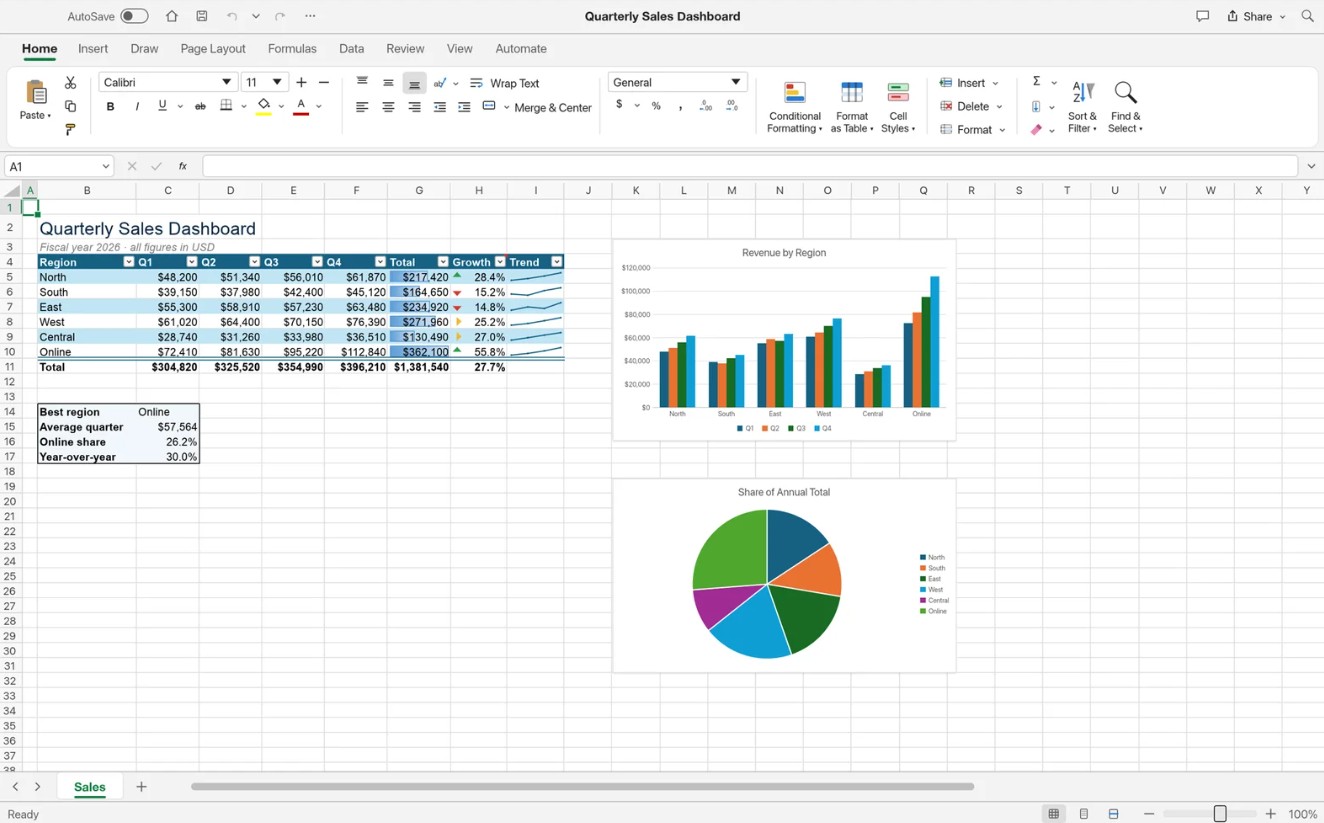
GridCraft is built with the goal of providing a working environment for tabular data, formulas, and charts. The application is geared towards the XLSX format, allowing users to access familiar spreadsheets from the Microsoft Office ecosystem.
For office work, spreadsheet software needs to not only display data but also handle formulas accurately, manage multiple worksheets, and preserve results when saving or opening files.
Therefore, the potential to replace Excel will depend heavily on the compatibility of formulas, charts, conditional formatting, and advanced features. Spreadsheets used for accounting, data analysis, or financial management need to be thoroughly tested before practical use.
1.3. DeckCraft: An application for creating presentations similar to PowerPoint.
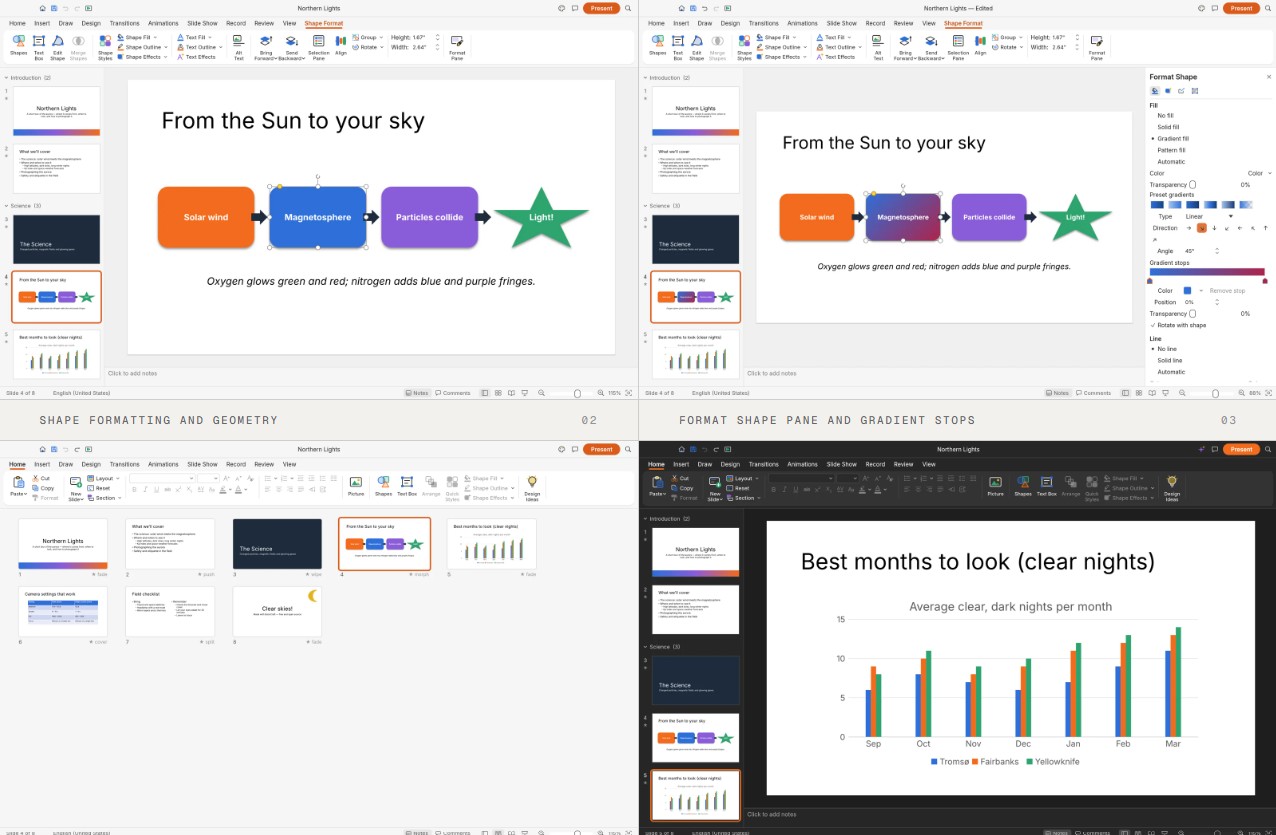
DeckCraft is geared towards the needs of creating and editing presentations. Its functions focus on organizing slides, arranging content, and building visually appealing presentations.
The application targets the PPTX format, which is widely used in schools, businesses, and organizations. However, the ability to open the file does not mean that all effects, fonts, animations, and layouts will be preserved.
Overall, all three applications have clear objectives, but still need development and testing time to prove their ability to meet daily work needs.
2. How did Claude help create the software?
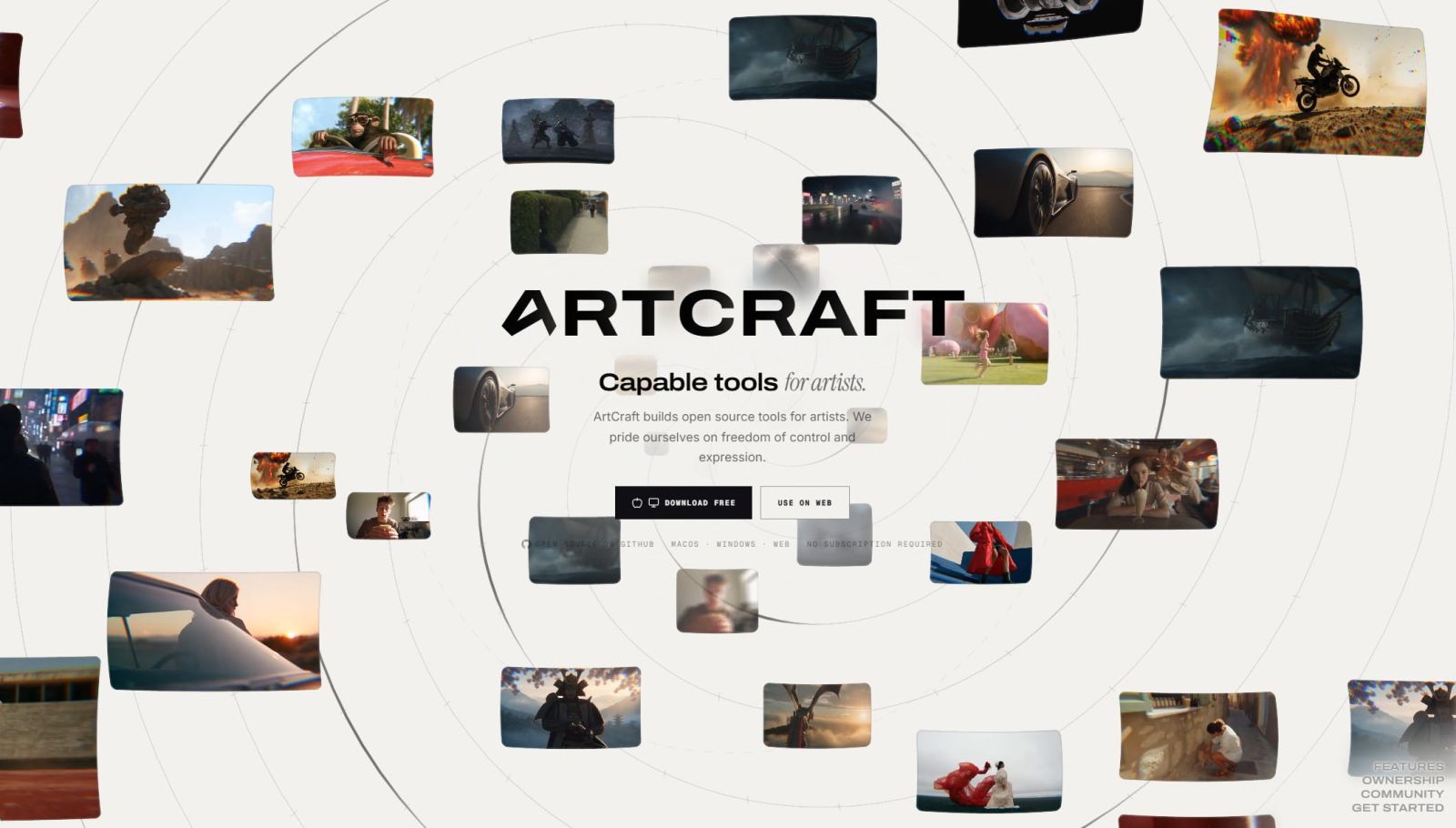
One of the factors that makes the ArtCraft project so appealing is the role of AI in the programming process. According to articles about the project, Thomas uses Claude from Anthropic to assist in developing applications with many functions and complex interfaces.
Modern AI models can assist programmers in creating source code, building application structures, analyzing errors, and suggesting ways to implement functionality. This allows developers to shorten the time spent on repetitive tasks and dedicate more resources to testing and improving the product.
This process typically involves identifying the functionality to be built, requesting AI assistance in writing the code, testing the application, detecting errors, and making further adjustments. AI can generate large amounts of source code in a short time, but human evaluation of its accuracy, performance, and security is still necessary.
This approach is often referred to as AI-assisted programming. Some people use the term "vibe coding" to describe application development that relies heavily on natural language instruction and AI-generated code.
However, the success of a software program cannot be judged solely by the amount of code or the speed of interface creation. Office applications need to operate stably, process documents accurately, and ensure that users do not lose data.
3. Is open-source software truly free?
One of the appealing aspects of WordCraft, GridCraft, and DeckCraft is their open-source orientation. Users can learn about the projects on GitHub and view the terms of use published with the source code.
However, it's important to distinguish between free-to-use and open-source software. Free software allows users to use it without paying, while open-source software involves specific licenses for accessing, modifying, and distributing the code.
Furthermore, open source doesn't mean all additional services are free. Some AI features generated within the ArtCraft ecosystem may involve the use of external models or services.
For users, the biggest benefit of open-source software is having more choices and greater control over technology. However, users still need to check licenses, software download sources, system requirements, and related policies before installing.
In particular, for applications that are still in the early stages of development, it is advisable to test them on sample data or copies of documents rather than immediately using them with critical records.
4. Why could these projects put pressure on Microsoft and Adobe?
The emergence of applications like WordCraft, GridCraft, and DeckCraft reflects a significant shift: AI can help reduce the time and resources required to build software products that function similarly to existing commercial tools.
Previously, creating a fully functional office suite with comprehensive interface, document processing capabilities, and advanced features typically required a large development team and a lengthy investment process. AI can assist a single programmer or small team in deploying initial versions more quickly.
If projects continue to improve in quality, users may have more options beyond paid products. This creates competitive pressure on price, features, compatibility, and user experience.
Open source also provides opportunities for community participation in development, bug detection, and improvement suggestions. For Linux users or those who want more control over their software environment, cross-platform applications can offer added flexibility.
However, there is not enough evidence to conclude that the new projects will significantly impact the revenue of Microsoft or Adobe. These companies possess large ecosystems, support services, integration capabilities, and years of product development experience. New projects need to demonstrate quality and reliability before they can compete on a large scale.
5. Should I start using WordCraft, GridCraft, and DeckCraft right now?
The answer depends on each user's needs and risk tolerance.
If you simply want to learn about new technology, experiment with interfaces, or contribute to open-source software, these projects are worth following. Users can start with simple documents, then compare the results before and after opening the file with different software.
Conversely, if you frequently handle administrative documents, financial spreadsheets, or important presentations, you shouldn't assume that new applications are fully compatible with Microsoft Office.
Before use, check the ability to open and save files, the accuracy of the formulas, the stability of the application, and the ability to maintain the layout. Always back up important data to avoid unexpected problems.
Users needing a free office suite might consider more mature solutions like LibreOffice, depending on compatibility needs and work environment. This is a more practical approach than transferring all work to a project that is still under development.
6. Conclusion
WordCraft, GridCraft, and DeckCraft demonstrate that AI is opening up new opportunities for programmers who want to build applications of greater scale and ambition. Instead of just assisting with a few minor tasks, AI can participate in many stages of development, from source code generation to bug fixing and functional improvements. However, the ability to create software with an interface similar to commercial products does not mean fully replicating the quality, stability, and ecosystem of those products. ArtCraft projects still need to demonstrate the ability to handle real-world documents, secure data, and maintain long-term operation.





VIP Products
Best Selling Products
Autodesk All App Account Copyright
120 USD
Upgrade genuine Capture One account
120 USD
Genuine Cheap Canva Pro
39 USD
Windows 10 & 11 Pro Key
36 USD
Copyright Adobe Lightroom Account
59 USD
Adobe Premiere Pro Account
99 USD
Genuine Adobe Illustrator account
99 USD
Adobe Photoshop Copyright - Full App
120 USD
Freepik Premium Account
59 USD
Capcut Pro 1 Year
39 USD
Upgrade Genuine Office 365
49 USD
ChatGPT Plus Account (GPT-4)
16 USD
Upgrade Duolingo Super
29 USD
MidJourney Account
29 USD
Plugin Retouch4me
69 USD