Best Selling Products

Plugin Retouch4me
69 USD

ChatGPT Plus Account (GPT-4)
16 USD

Freepik Premium Account
59 USD

Windows 10 & 11 Pro Key
36 USD

Upgrade Genuine Office 365
49 USD

Adobe Photoshop Copyright - Full App
120 USD

Upgrade genuine Capture One account
120 USD

Capcut Pro 1 Year
39 USD

Copyright Adobe Lightroom Account
59 USD

Genuine Adobe Illustrator account
99 USD

MidJourney Account
29 USD

Upgrade Duolingo Super
29 USD

Genuine Cheap Canva Pro
39 USD

Adobe Premiere Pro Account
99 USD

Autodesk All App Account Copyright
120 USD
Why should you use ChatGPT even if you already have Gemini? A detailed comparison.
Nội dung
- 1. Gemini is growing very rapidly.
- 2. Ability to comply with complex prompts
- 3. Long-term reliability
- 4. The feeling of personal interaction
- 5. Ability to create and edit images
- 6. Ability to search for and synthesize information
- 7. The Gemini ecosystem is expanding.
- 8. ChatGPT has the advantage of an open ecosystem.
- 9. Why do users still pay?
- 10. Conclusion
Gemini is thriving, leveraging its Google and Android ecosystems and deep integration with many familiar services. However, ChatGPT still retains a large number of paying users thanks to its responsiveness, ability to handle complex requests, and stable user experience.

1. Gemini is growing very rapidly.
Undeniably, Gemini has made significant strides in the AI race. Google has a distinct advantage as Gemini is connected to a vast ecosystem encompassing Search, Android, Gmail, Drive, Docs, Calendar, YouTube, and many other services.
Gemini is more than just a simple question-and-answer chatbot. Google is turning it into an assistant capable of interacting with users' data and applications. For example, Gemini can assist in searching for information in Gmail, Docs, and Drive, creating or managing events on Calendar, and working with Google Tasks or Keep when applications are connected.
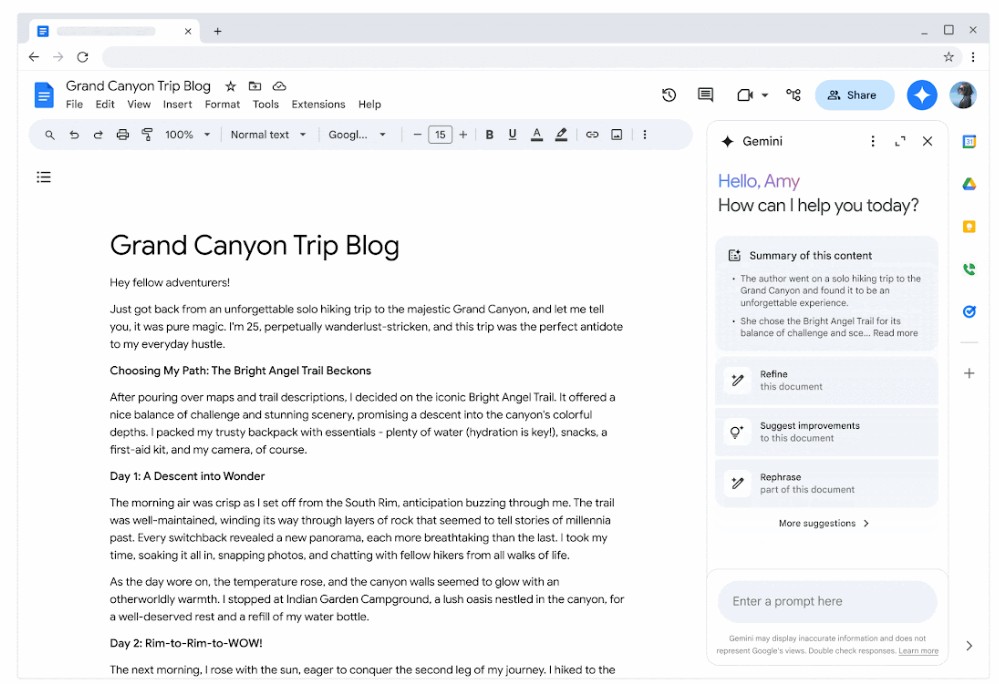
On Android, this advantage becomes even more apparent as AI can integrate with the device's applications and functions.
However, there's an important point: more features don't always mean a better experience. For users who pay for AI, a tool that can consistently do exactly what they need is often more valuable than a tool with a long list of features but inconsistent performance.
2. Ability to comply with complex prompts
One of the factors that influences users' ratings of chatbots is their ability to comply with requests.
With simple commands like "write a product description" or "summarize this content," most chatbots today can perform quite well. But when prompts are longer and contain more conditions, the difference begins to appear.
For example, a user might request:
"Write a blog post of approximately 1,500 words, divided into numbered sections from 1 to 8, avoiding excessive bullet points, retaining all the instructions in the guide, using a professional tone, targeting beginners, and adding an FAQ at the end."
Such a request contains many constraints. If the chatbot ignores even a few conditions, the user will have to request revisions.
This is why real-world experience is sometimes more important than benchmark results. Professional users not only need AI that "knows a lot," but also AI that performs exactly what they ask.
When working with long prompts, errors such as omitting a criterion, changing the structure, or arbitrarily shortening the content can cause users to spend a lot of time editing.
3. Long-term reliability
A chatbot might make a good impression in a short conversation, but it may not necessarily inspire trust when used consistently for weeks or months.
This is what makes switching from ChatGPT to Gemini not as simple as installing a new application.
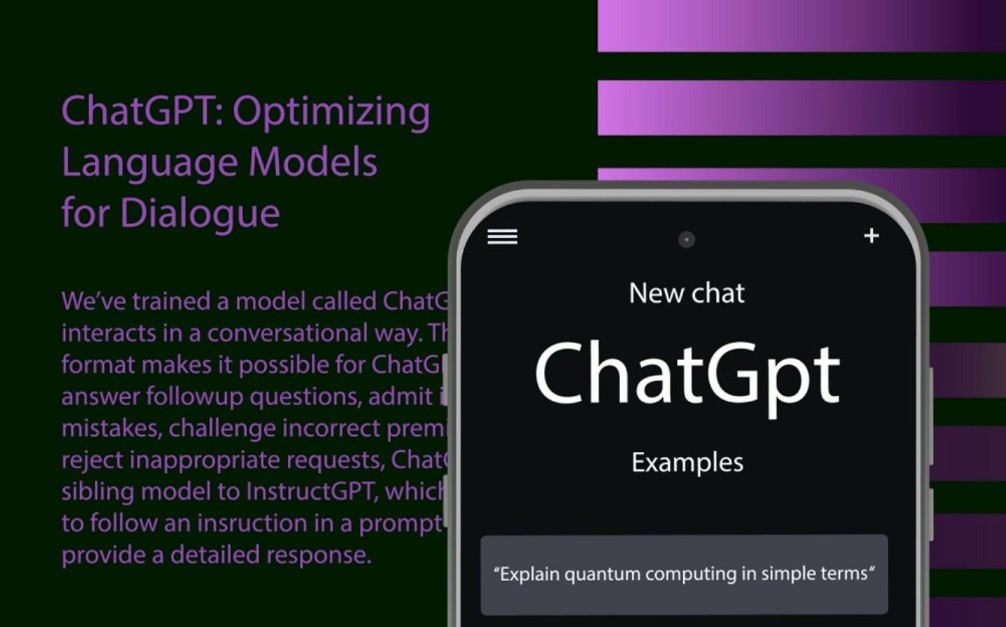
Users often build entire work habits around chatbots. They have chat histories, their own way of writing prompts, long conversations, and familiar ways of organizing their work.
When you've spent a significant amount of time building a workflow with a chatbot, the cost of conversion isn't just money. Users also need to familiarize themselves with the interface, how to respond, how to manage conversations, and how the chatbot handles familiar requests.
Gemini has the tools to help bring data and connect with the Google ecosystem, but transforming the personal experience still takes time.
Therefore, many people don't switch just because another chatbot has a few more attractive features.
4. The feeling of personal interaction
One factor that is difficult to measure with benchmarks is the feeling of "familiarity" during a conversation.
When using a chatbot for an extended period, users begin to develop expectations about how the AI should respond. They learn how to write prompts, how chatbots typically handle tasks, and what additional requests are needed for optimal results.
ChatGPT is used by many as a versatile assistant rather than just a search tool.

They might start with a conversation to brainstorm ideas, continue editing the content, and then use AI to analyze, rewrite, plan, or solve an entirely different problem.
Once this experience becomes familiar, switching to a new chatbot can feel uncertain.
This is also why some people still pay for ChatGPT even though Gemini can meet most of their basic needs.
5. Ability to create and edit images
AI image generation has become one of the key factors when evaluating modern chatbots.
Gemini has also made significant strides with its Nano Banana imaging models. However, image quality between systems can vary considerably depending on the prompt, image type, and editing requirements.
In some recent tests, TechRadar found that images generated by ChatGPT tended to be more realistic in some situations compared to Nano Banana 2, although Gemini still had faster image generation speeds.
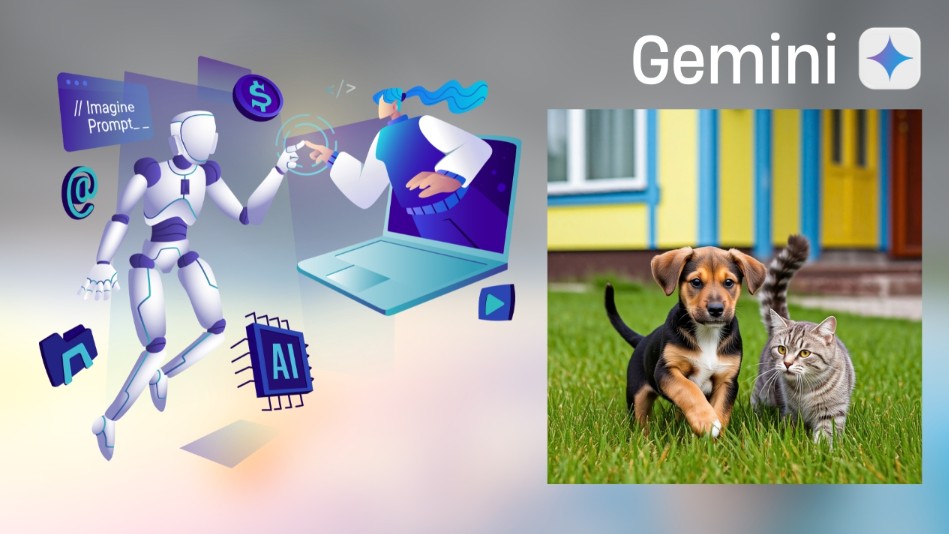
Specifically, users are not only interested in the ability to create a photo from scratch. They also want to edit existing images while preserving important elements such as faces, composition, colors, text, or style.
For example, a request might be:
"Change the background to a studio but keep the model, clothes, lighting on her face, and product colors the same."
If AI changes too many details beyond what was requested, the result, however beautiful, will not be truly useful.
That's why the ability to control the image can be just as important as the original image quality.
6. Ability to search for and synthesize information
One of the most common tasks using AI chatbots today is searching for and compiling information.
Users can request AI:
"Find the most important technology news of the week and summarize it into 5 topics."
Or:
"Monitor the latest changes to a product and explain how they affect users."

For tasks like these, a chatbot needs more than just good text. It needs to identify the right source, find relevant information, differentiate between new and old information, and then synthesize it into an easily understandable response.
Gemini has a huge advantage thanks to its connection with Google's Search ecosystem. However, the search experience isn't always the same across queries and time periods.
In practice, users often choose tools based on the results they've received repeatedly. If a chatbot consistently helps them find the right information and synthesizes it well, they'll be more likely to continue using that tool.
7. The Gemini ecosystem is expanding.
One important point to note is that Gemini is no longer limited to Gmail, Docs, Keep, or YouTube Music.
Google has expanded Gemini's Connected Apps. Depending on the account, region, and platform, Gemini can connect to a variety of Google services as well as several other apps. Current Google support documentation indicates that Gemini can interact with Spotify, YouTube Music, Google Photos, WhatsApp, and several other apps; on Android, Gemini can also support calling, messaging, and controlling some device functions.
With YouTube Music, Gemini can find, play music, or create playlists based on mood, activity, or artist.
This shows that Gemini's ecological advantages are actually quite significant.
However, the crucial question isn't "How many applications can Gemini connect to?", but rather "Are those applications part of my workflow?".
If someone uses Gmail, Drive, Docs, Calendar, and Android daily, Gemini could be an extremely attractive option. But if their workflow is already built around ChatGPT, other connections might be more valuable.
8. ChatGPT has the advantage of an open ecosystem.
ChatGPT's strength lies in the fact that it doesn't necessarily depend on a single hardware or service ecosystem.
Users can utilize ChatGPT for content writing, data analysis, programming, research, document processing, image creation, and many other tasks all within a single environment.
This creates a relatively consistent experience.
Instead of switching between multiple tools for each task, users can start with a conversation and develop it into a complete workflow.
For everyday AI users, this convenience is incredibly valuable.
9. Why do users still pay?
Ultimately, the reason many people continue to pay for ChatGPT isn't necessarily because they believe Gemini is inferior in every way.
In fact, Gemini has very clear advantages.
Frequent Google Workspace users may appreciate the ability to connect Gmail, Docs, Drive, Calendar, and Keep. Android users can also benefit from Gemini's ability to interact deeply with their devices and supported apps.
But for those already familiar with ChatGPT, the deciding factors might be stability, how well the chatbot adheres to prompts, the quality of responses in routine tasks, and the sense of familiarity after extended use.
A monthly fee can be justified if the chatbot helps save many hours of work each month.
For example, if someone uses AI for content writing, research, document processing, and daily planning, and the chatbot helps reduce just a few hours of repetitive work each week, the value received could far outweigh the subscription cost.
10. Conclusion
Gemini is growing at a very rapid pace and possesses a distinct advantage thanks to the Google ecosystem. Its ability to connect with Gmail, Docs, Drive, Calendar, YouTube, Android, and many other services makes Gemini an extremely attractive option.
However, that doesn't mean ChatGPT has lost its reason for users to pay.
For many, ChatGPT remains valuable due to its familiar experience, ability to handle a wide range of tasks, quality of response, and stability in daily use. Especially as AI becomes an integral part of work rather than just an experimental tool, reliability may be more important than a chatbot possessing a few new features.
Therefore, the question shouldn't be "Which is better, ChatGPT or Gemini?" but rather "Which chatbot helps me work more efficiently?"
If Gemini fully meets your needs, there's no compelling reason to pay for ChatGPT. However, if ChatGPT saves you time, helps you create better content, handles tasks more efficiently, or fits your personal workflow, the subscription fee might still be a worthwhile investment.





















VIP Products








Best Selling Products
Plugin Retouch4me
69 USD
ChatGPT Plus Account (GPT-4)
16 USD
Freepik Premium Account
59 USD
Windows 10 & 11 Pro Key
36 USD
Upgrade Genuine Office 365
49 USD
Adobe Photoshop Copyright - Full App
120 USD
Upgrade genuine Capture One account
120 USD
Capcut Pro 1 Year
39 USD
Copyright Adobe Lightroom Account
59 USD
Genuine Adobe Illustrator account
99 USD
MidJourney Account
29 USD
Upgrade Duolingo Super
29 USD
Genuine Cheap Canva Pro
39 USD
Adobe Premiere Pro Account
99 USD
Autodesk All App Account Copyright
120 USD