Best Selling Products

ChatGPT Plus Account (GPT-4)
16 USD

Adobe Premiere Pro Account
99 USD

Genuine Cheap Canva Pro
39 USD

Genuine Adobe Illustrator account
99 USD

Adobe Photoshop Copyright - Full App
120 USD

Upgrade Genuine Office 365
49 USD

Windows 10 & 11 Pro Key
36 USD

Copyright Adobe Lightroom Account
59 USD

MidJourney Account
29 USD

Freepik Premium Account
59 USD

Upgrade Duolingo Super
29 USD

Upgrade genuine Capture One account
120 USD

Autodesk All App Account Copyright
120 USD

Capcut Pro 1 Year
39 USD

Plugin Retouch4me
69 USD
Why will Naive Design become the most sought-after design trend of 2026?
Nội dung
- 1. What is Naive Design?
- 2. What does Naive Design look like?
- 3. Why will Naive Design become a prominent trend in 2026?
- 3.1. Resistance to Digital Perfectionism
- 3.2. The AI era enhances the value of the human imprint.
- 3.3. The Rise of Authenticity in Branding
- 3.4. Influence of Gen Z and Gen Alpha cultures
- 3.5. Emotional design reigns supreme.
- 4. How to create an effective Naive Design?
- 4.1. Let the imperfections tell the story.
- 4.2. The combination of chaos and order
- 4.3. Be bold with color.
- 4.4. Combining multiple visual materials
- 5. Which professions are best suited for Naive Design?
- 5.1. Children's and Educational Products
- 5.2. Food and Beverages
- 5.3. Fashion and Streetwear
- 5.4. Startups and creative agencies
- 5.5. Arts, Events and Festivals
- 5.6. Health and mental care
- 6. Conclusion
Naive Design is becoming one of the most prominent design trends of 2026 as brands shift from rigid perfection to authenticity and emotion.
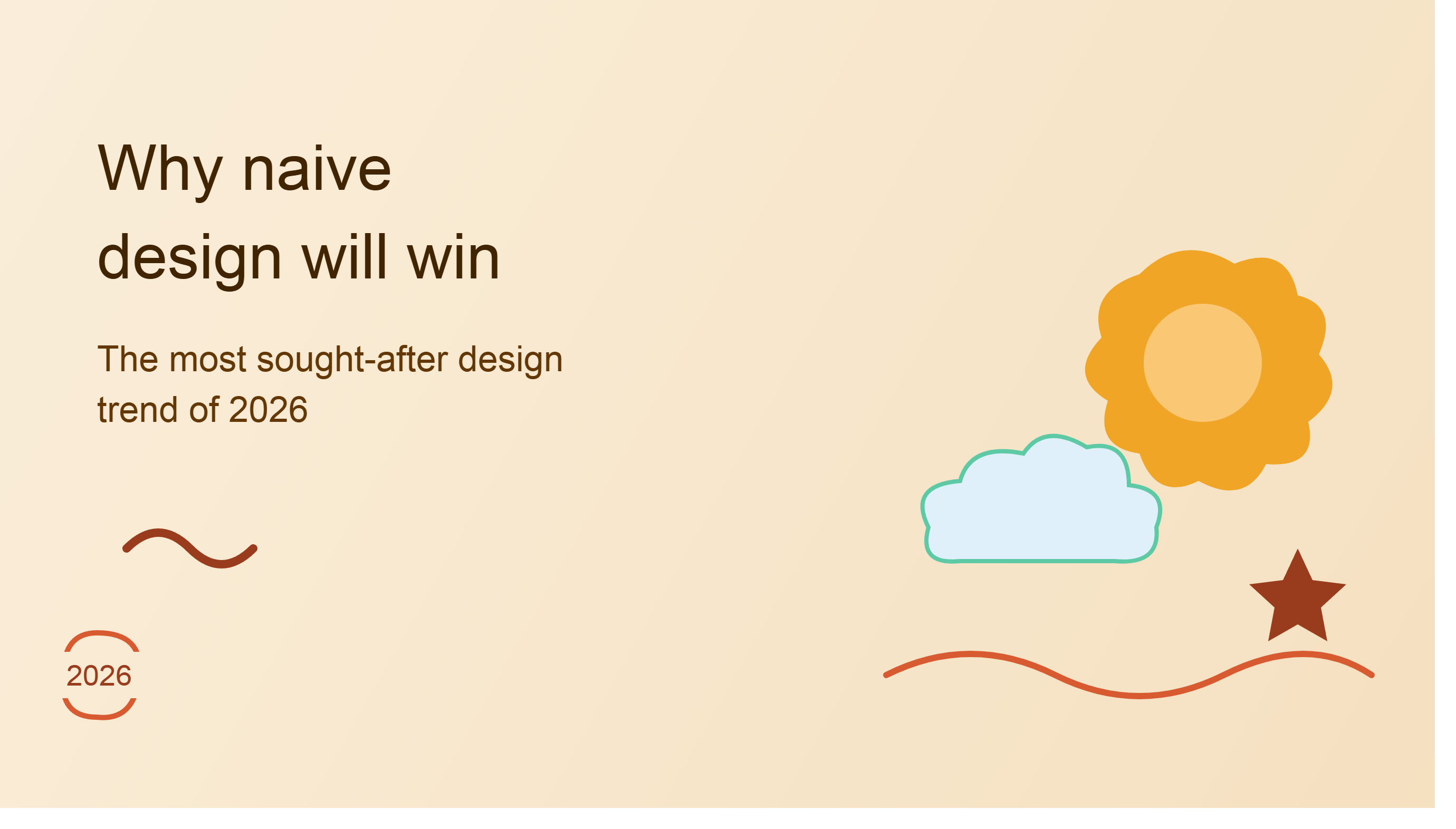
1. What is Naive Design?
Naive Design, also known as innocent design, is a style that uses visual elements with a handcrafted, spontaneous, and unpolished feel to create a sense of intimacy and authenticity.
It's important to understand that Naive Design isn't sloppiness or a lack of skill. It's not about ignoring fundamental design principles. On the contrary, the best designers usually have a thorough understanding of layout, visual balance, information hierarchy, and readability before intentionally breaking them.
Balance, hierarchy, and readability still exist in Naive Design. They are just applied in a more flexible way instead of rigidly.
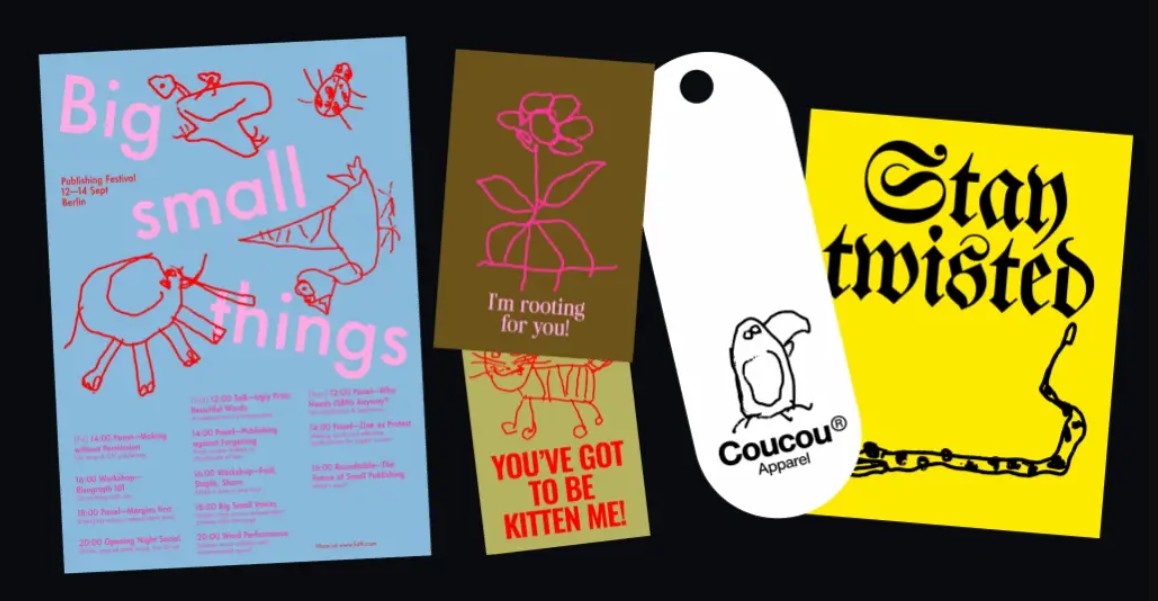
The imperfections in this style are a creative decision, not a technical error. Slightly skewed lines, uneven spacing, or details that appear to be hand-drawn all contribute to the sense of human presence behind the artwork.
While modern design styles often attempt to eliminate all traces of the product creation process, Naive Design does the opposite. It allows viewers to see the creator's "fingerprint."
That's why this style is particularly appealing in an age where AI is creating increasingly perfect, even emotionless, content.
2. What does Naive Design look like?
It offers a friendly, playful, and sometimes deliberately clumsy feel. If modern minimalist interfaces are like a perfectly presented business report, Naive Design is like a handwritten letter brimming with emotion.
The lines in Naive Design are rarely perfectly straight. They often have a slight vibration, are uneven, or give the impression of being quickly sketched with a pencil, marker, or paintbrush.
Typography is also a prominent identifying feature. Instead of sharp, precise geometric fonts, Naive Design often uses highly expressive typefaces, sometimes distorted, slanted, or with a handwritten feel. These create a more approachable rather than traditionally professional feel.
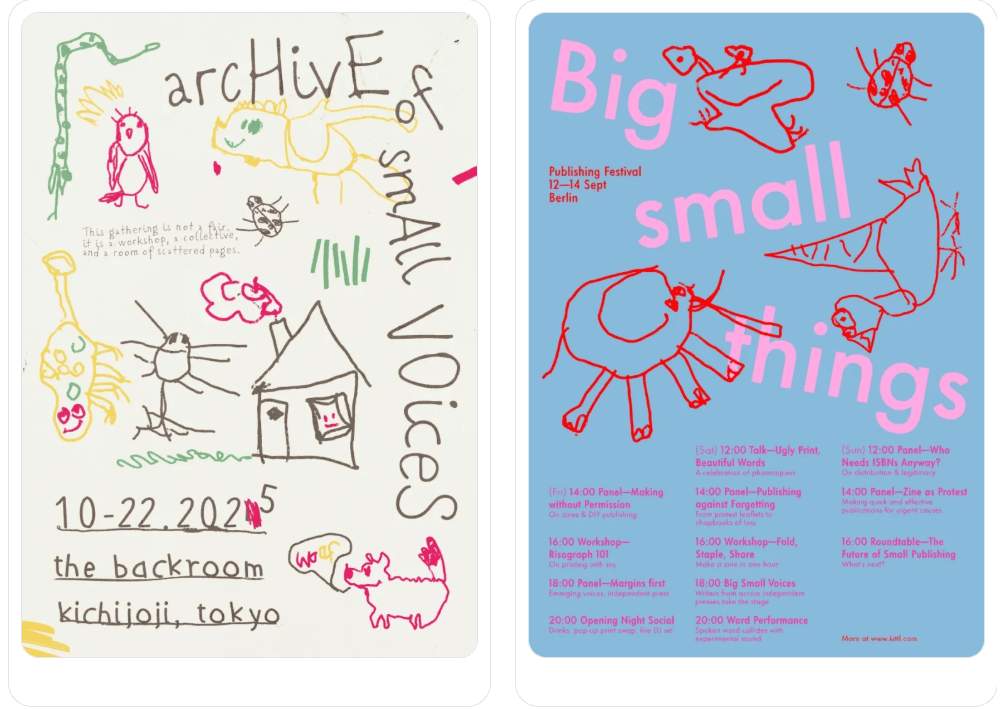
The colors in this style are often bold, bright, and emotional. Instead of complex gradient effects or elaborate shading systems, Naive Design prioritizes flat, clear color blocks with strong contrast.
The illustrations often feature doodle, sketch, or childlike drawing styles. Simple smiles, minimalist figures, stars, clouds, or seemingly random scribbles contribute to the distinctive vibrancy of the artwork.
The layouts are often less deep than modern designs. Instead of focusing on 3D effects or complex visual techniques, Naive Design prioritizes directness and naturalness.
These characteristics are what have led to the style appearing increasingly on startup websites, independent fashion brands, handcrafted packaging, art event posters, and youth-oriented marketing campaigns.
3. Why will Naive Design become a prominent trend in 2026?
The rise of Naive Design is not a random trend.
It reflects profound changes in consumer behavior, the technological environment, and the global culture of innovation.
3.1. Resistance to Digital Perfectionism
For many years, design was judged based on the level of technical perfection. Everything needed to be cleaner, sharper, and more optimized.
However, when all products pursue the same standard of perfection, the market begins to exhibit homogenization.
Users are no longer interested in identical interfaces. They are starting to seek more personalized and emotional experiences.
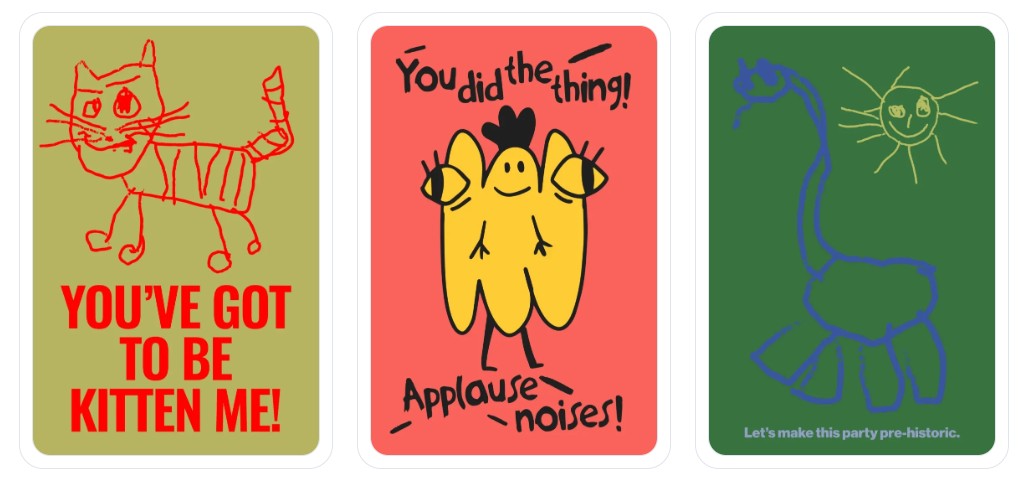
Imperfection becomes a differentiating factor. It helps brands break free from stereotypes and build a stronger, more unique identity.
3.2. The AI era enhances the value of the human imprint.
By 2026, AI will have become deeply involved in every creative field. From graphic design and content writing to video editing, the technology can produce products with incredible speed and quality. But this very perfection creates a paradox.
When everyone can create beautiful images using AI in just a few seconds, what makes a work memorable is no longer technical perfection but personality.
Naive Design has become a way for brands to demonstrate that behind the product are still real people with genuine emotions.
The hand-drawn strokes, handcrafted details, and asymmetry create a sense of realism that AI currently struggles to replicate naturally.
3.3. The Rise of Authenticity in Branding
Modern consumers are increasingly skeptical of overly polished marketing messages. They trust brands that present themselves authentically. Naive Design effectively supports this.
A brand that uses hand-drawn illustrations or spontaneous typography often feels much more approachable than a brand identity that is too perfect and distant.
Consumers don't just want to buy products. They want to connect with the story and the people behind the brand.
3.4. Influence of Gen Z and Gen Alpha cultures
Gen Z grew up surrounded by memes, stickers, doodles, and the early days of the internet. They are familiar with imperfect but expressive images. For this generation, authenticity is more appealing than polish. Naive Design capitalizes on that spirit very well.
The hand-drawn illustrations, playful symbols, and bold colors evoke DIY culture, scrapbooking, and highly personalized social media platforms. This makes the style particularly suitable for younger customers.
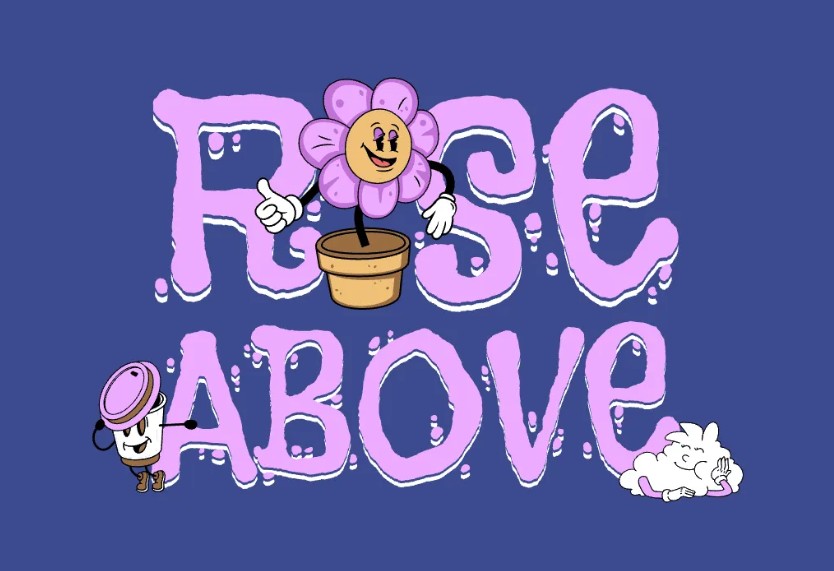
3.5. Emotional design reigns supreme.
Numerous studies on user experience show that emotions play an increasingly important role in purchasing decisions. Users may forget a feature, but they often remember the feeling a brand evokes. Naive design creates positive emotions almost instantly. It makes viewers feel relaxed, friendly, and approachable.
That's why this style is appearing more and more in community-building and branding campaigns that focus on emotional experiences.
4. How to create an effective Naive Design?
A common misconception is that Naive Design is easy to implement. The reality is quite the opposite. Many designs fail because they confuse intentional naivety with uncontrolled chaos. Good Naive Design is always built on a solid foundation of design thinking.
4.1. Let the imperfections tell the story.
Try hand-drawing instead of relying entirely on vector tools. Slightly asymmetrical curves, disproportionate shapes, or natural sketches will give your design a unique personality. However, imperfections should only be decorative. The main message should remain clear and easy to understand. Viewers might appreciate a spontaneous drawing style, but they don't want to waste time guessing the content.
4.2. The combination of chaos and order
One of the most important secrets of Naive Design is balance. A whimsical illustration will stand out much more when placed alongside clean typography and appropriate white space. If every element tries to be spontaneous, the design will quickly become uncontrollable. Let the playful details have room to breathe.
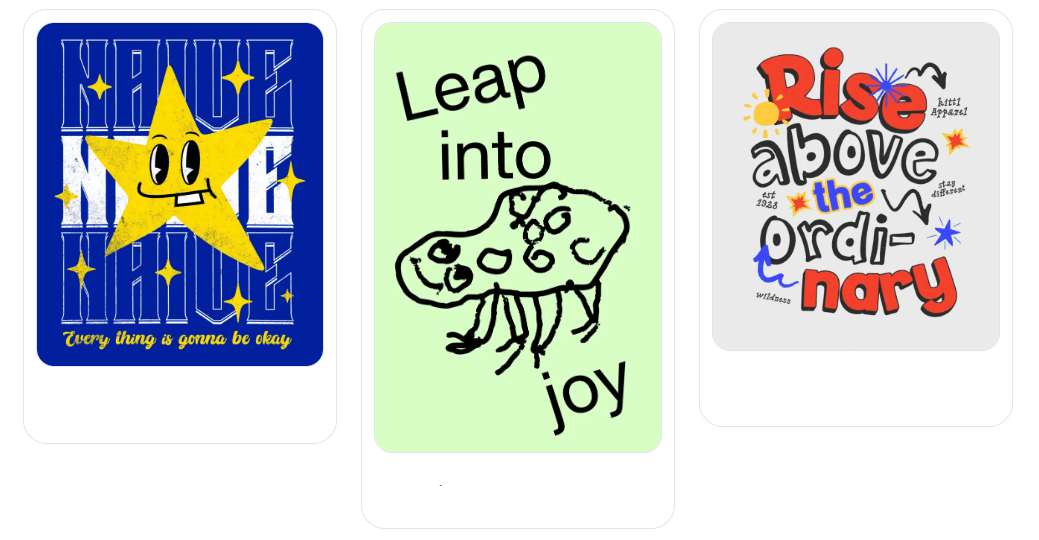
4.3. Be bold with color.
Naive Design isn't afraid to draw attention. Bold, vibrant colors and high contrast often work very effectively. Flat color blocks help the design maintain simplicity while still creating strong visual energy. Sometimes, just three or four primary colors, when used correctly, are enough to create a memorable brand identity.
4.4. Combining multiple visual materials
One of the most appealing aspects of Naive Design is its ability to blend. You can combine vector graphics with hand-drawn illustrations, modern typography with handcrafted doodles or photographs, and other spontaneous details. This style often has a cut-and-paste feel, but it still needs a clear purpose. The diversity of materials creates emotional depth that overly uniform design systems often lack.
5. Which professions are best suited for Naive Design?
Although applicable in many different fields, Naive Design is particularly effective in industries that require conveying emotion, personality, and storytelling ability.
5.1. Children's and Educational Products
This is an almost ideal environment for Naive Design. The playful illustrations and friendly colors create a sense of familiarity for children while building trust with parents and teachers. Children's books, educational toys, or learning materials can all benefit from this style.
5.2. Food and Beverages
Consumers are increasingly interested in craftsmanship and product origin. Naive Design helps food brands convey a sense of authenticity, intimacy, and care. Craft coffee brands, handmade pastries, and organic food brands often make excellent use of this visual language.
5.3. Fashion and Streetwear
The fashion industry is always looking for something different. Hand-drawn illustrations, unique typography, and bold colors help brands stand out in a highly competitive market. Naive Design is particularly well-suited for streetwear collections, local brands, and independent fashion projects.
5.4. Startups and creative agencies
Startups often want to project an innovative and approachable image, while creative agencies need to demonstrate their ability to think outside the box. Naive Design helps both groups build a more accessible image while maintaining the necessary creativity.
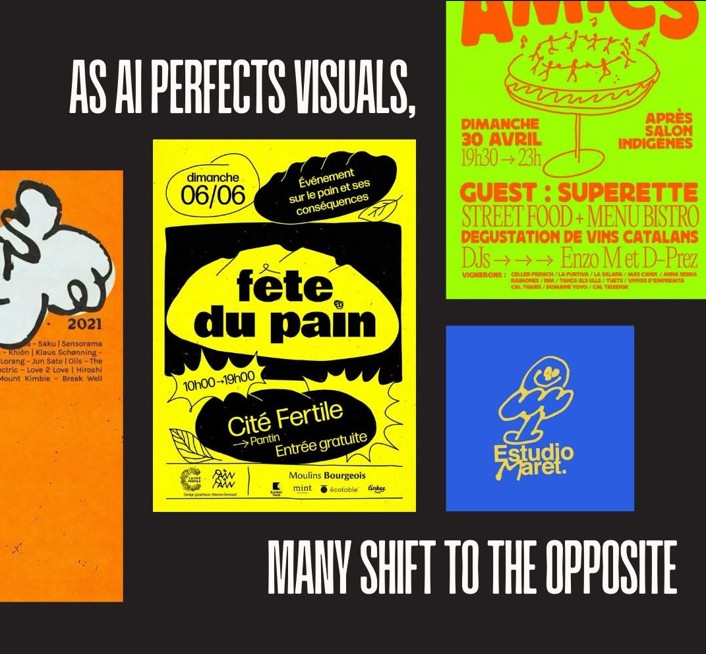
5.5. Arts, Events and Festivals
Cultural and creative events always require strong visual energy. Posters, tickets, brochures, or festival branding designed in the Naive style often create a more vibrant and emotionally engaging feel.
5.6. Health and mental care
Many wellness brands are gradually moving away from the rigid, medical image. Naive design helps soften the visual experience, creating a gentle and approachable feeling. Meditation apps, yoga studios, and natural cosmetics brands are typical examples.
6. Conclusion
In a world where everything is increasingly automated and optimized, imperfection becomes a new language of authenticity. Uneven lines, scribbles, and bold colors are no longer seen as flaws but as symbols of personality, emotion, and creativity. As users increasingly crave more authentic experiences, Naive Design is more than just a visual style. It's an affirmation that, in the age of technology, human fingerprints still hold special value.





















VIP Products








Best Selling Products
ChatGPT Plus Account (GPT-4)
16 USD
Adobe Premiere Pro Account
99 USD
Genuine Cheap Canva Pro
39 USD
Genuine Adobe Illustrator account
99 USD
Adobe Photoshop Copyright - Full App
120 USD
Upgrade Genuine Office 365
49 USD
Windows 10 & 11 Pro Key
36 USD
Copyright Adobe Lightroom Account
59 USD
MidJourney Account
29 USD
Freepik Premium Account
59 USD
Upgrade Duolingo Super
29 USD
Upgrade genuine Capture One account
120 USD
Autodesk All App Account Copyright
120 USD
Capcut Pro 1 Year
39 USD
Plugin Retouch4me
69 USD