Best Selling Products

Autodesk All App Account Copyright
120 USD

Genuine Cheap Canva Pro
39 USD

Genuine Adobe Illustrator account
99 USD

MidJourney Account
29 USD

Copyright Adobe Lightroom Account
59 USD

Adobe Premiere Pro Account
99 USD

Upgrade Duolingo Super
29 USD

Plugin Retouch4me
69 USD

Upgrade genuine Capture One account
120 USD

ChatGPT Plus Account (GPT-4)
16 USD

Upgrade Genuine Office 365
49 USD

Windows 10 & 11 Pro Key
36 USD

Adobe Photoshop Copyright - Full App
120 USD

Capcut Pro 1 Year
39 USD

Freepik Premium Account
59 USD
YouTube Gets Outsmarted: Edge Brings Premium Features to Free Users
Nội dung
Microsoft Edge Canary is gaining attention for offering the ability to play YouTube videos in the background without requiring a Premium subscription.

1. As YouTube increasingly tightens its restrictions on YouTube Premium.
With the introduction of YouTube Premium, Google not only provides an ad-free experience but also adds many convenient features such as offline video downloads, background video playback, and access to exclusive content.
Among these features, background video playback is considered one of the most important because it is directly linked to modern content consumption habits. Users no longer just "watch" but also "listen" to YouTube as an audio platform, from music and podcasts to educational videos. Background playback makes the experience more seamless, especially in the context of increasingly common multitasking.
However, to protect the value of its paid subscriptions, YouTube has implemented numerous measures to limit loopholes. Previously common methods such as using a browser to play videos in the background or leveraging third-party apps are now being strictly controlled. Continuous updates are being released to ensure that essential features are only available to paying users, thereby reinforcing its subscription-based revenue model.
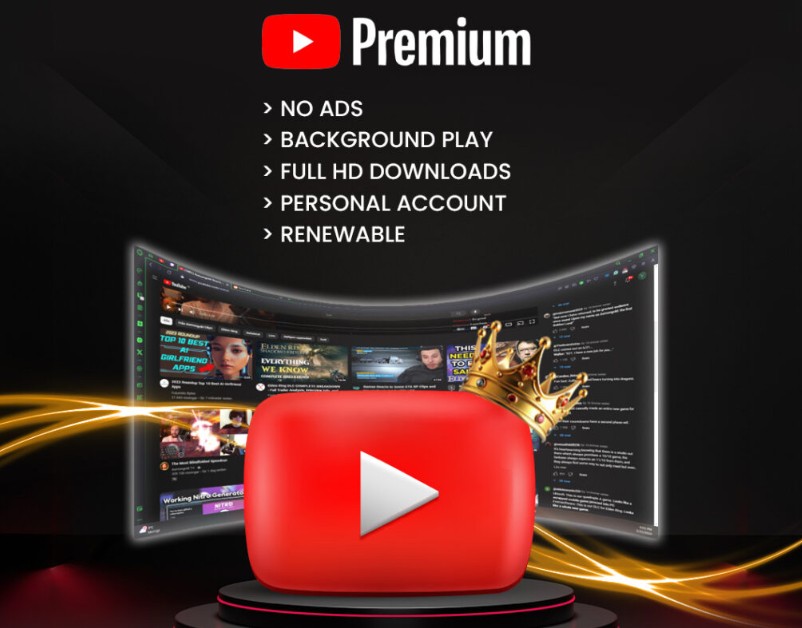
Furthermore, YouTube has enhanced other elements such as displaying more ads, limiting the experience in the free version, and optimizing premium features to create a clear distinction. This makes free users increasingly aware of the difference between the two experiences, thereby encouraging them to upgrade.
It is precisely in this context of such "tightening" regulations that any solution that can recreate the Premium experience without paying a fee quickly attracts attention. And that is why the appearance of Microsoft Edge became a hot topic in the tech community.
2. Microsoft Edge Canary and its surprising loophole.
The Microsoft Edge Canary version unexpectedly brought the ability to play YouTube videos in the background, a feature previously limited to non-paying users. When using Edge Canary on mobile devices, videos continue playing even when users switch to another app or return to the home screen, providing an experience nearly equivalent to YouTube Premium.
This immediately attracted the attention of the tech community because it showed a different approach to delivering value to users. Instead of forcing users to pay for a better experience, Microsoft leveraged the browser as an intermediary tool to expand usability, thereby increasing the appeal of its product.
Beyond just background playback, Edge also offers improvements related to audio management. Users can easily identify which tab is playing a video via the audio icon, and can turn the sound on or off directly without switching tabs. These seemingly small improvements contribute to an enhanced overall experience, especially for those who frequently open multiple content simultaneously.
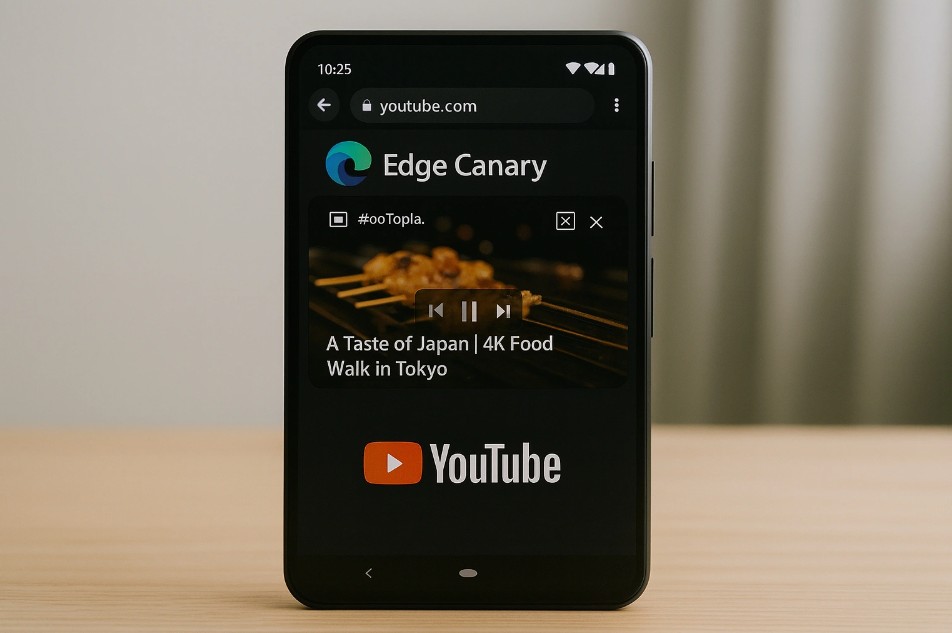
Furthermore, Edge leverages the advantages of a modern browser to optimize video playback performance, reduce resource consumption, and ensure smoother background playback. This makes the experience not only "free" but also stable enough for everyday use.
3. Why is background playback so important?
When a video stops abruptly when the screen is turned off, the experience is immediately interrupted. Users are forced to keep the screen on, which not only drains the battery but also affects convenience in situations such as traveling, working, or resting. For those who use YouTube daily for extended periods, this is a significant limitation, making the free experience less appealing.
Therefore, background playback has become one of the most important features of YouTube Premium. It allows users to multitask seamlessly, listening to content while using other applications without interruption. This is also a key factor in helping YouTube persuade users to switch to the paid plan, as it directly addresses their real-world needs.
When Microsoft Edge offered this feature for free, it almost recreated a core value of Premium. This caused users to begin reconsidering the cost and benefits: if they only needed background playback, they might no longer see paying as necessary. From a psychological perspective, when a premium feature becomes more accessible, the perceived value of the paid service is significantly affected.
This change doesn't just affect individual users; it also puts pressure on digital content platforms. As external tools can compensate for the limitations of free versions, paid services are forced to constantly upgrade and add new value to retain users. This contributes to fiercer competition but also fosters innovation.
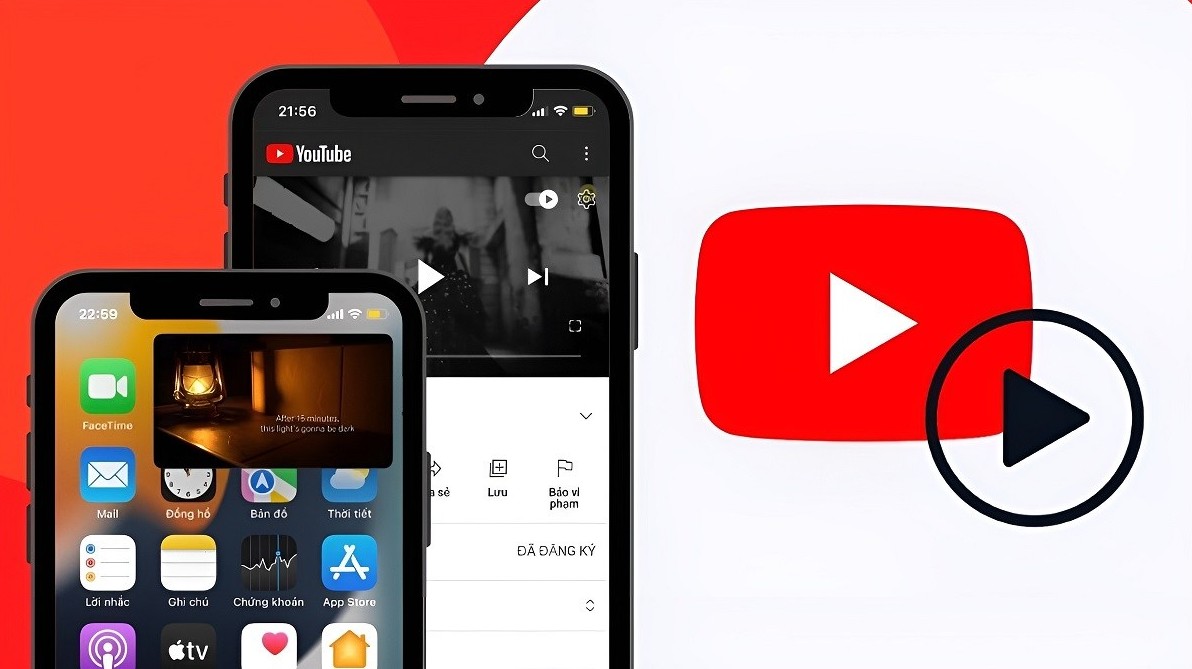
4. The silent rivalry between Microsoft and Google
Previously, Microsoft developed its own YouTube app for the Windows Phone operating system with many attractive features such as ad blocking and video downloading. However, Google quickly blocked the app for violating its terms of service. That event showed Google's willingness to aggressively protect its ecosystem, especially when it comes to advertising revenue and content control.
Currently, the competition is no longer on the app platform but has shifted to web browsers, specifically Microsoft Edge. This is a more complex "battleground" because the browser acts as an intermediary between the user and the service. It allows access to content without being completely dependent on the official app, thereby creating more room for experimentation and optimizing the user experience.
Unlike standalone applications, which can be tightly controlled through APIs and terms of use, browsers are more open. This makes it more difficult to completely block "loophole" practices. Microsoft is leveraging this advantage to deliver a different experience while challenging Google's control over its platform.
Furthermore, this move also reflects a long-term strategy by Microsoft: to transform Edge from just a browser into a tool that enhances the user experience. By integrating useful features that users truly need, Microsoft can gradually change browser usage habits, thereby expanding its market share in a market already dominated by major competitors.

5. Impact on users and the digital content market
For users, the benefits of this change are clear. They can enjoy background video streaming on YouTube without paying for YouTube Premium. This is especially helpful for those who frequently listen to music, podcasts, or longer content but don't want to pay monthly for a service they only use a fraction of the features of.
This feature not only saves costs but also offers flexibility in usage. Users can proactively choose tools that suit their needs instead of being tied to a specific ecosystem. This is crucial in a context where users increasingly prioritize personalized experiences and cost optimization.
However, the impact extends beyond individual users. If this feature is rolled out widely, it could directly affect YouTube's business model. When a core part of Premium's value is "freed up," the incentive for users to upgrade may decrease. This would force Google to rethink its pricing strategy and restructure its service packages to maintain their appeal.
Conversely, Microsoft could leverage this opportunity to attract users to Edge. In an already saturated browser market, where product differentiation isn't significant, a feature offering clear value like background video playback could become a substantial competitive advantage. This would not only increase user numbers but also solidify Edge's position within Microsoft's product ecosystem.

Microsoft Edge surpassing YouTube Premium is not only an interesting tech story but also a testament to the fierce competition in the digital industry. While Google strives to protect its business model, Microsoft seeks to deliver new value to users through innovative improvements.





















VIP Products








Best Selling Products
Autodesk All App Account Copyright
120 USD
Genuine Cheap Canva Pro
39 USD
Genuine Adobe Illustrator account
99 USD
MidJourney Account
29 USD
Copyright Adobe Lightroom Account
59 USD
Adobe Premiere Pro Account
99 USD
Upgrade Duolingo Super
29 USD
Plugin Retouch4me
69 USD
Upgrade genuine Capture One account
120 USD
ChatGPT Plus Account (GPT-4)
16 USD
Upgrade Genuine Office 365
49 USD
Windows 10 & 11 Pro Key
36 USD
Adobe Photoshop Copyright - Full App
120 USD
Capcut Pro 1 Year
39 USD
Freepik Premium Account
59 USD