Best Selling Products

Freepik Premium Account
59 USD
Windows 10 & 11 Pro Key
36 USD
Upgrade Genuine Office 365
49 USD

Capcut Pro 1 Year
39 USD
Genuine Adobe Illustrator account
99 USD
Copyright Adobe Lightroom Account
59 USD
Genuine Cheap Canva Pro
39 USD
Upgrade Duolingo Super
29 USD
Autodesk All App Account Copyright
120 USD
Plugin Retouch4me
69 USD

ChatGPT Plus Account (GPT-4)
16 USD
MidJourney Account
29 USD
Upgrade genuine Capture One account
120 USD
Adobe Photoshop Copyright - Full App
120 USD
Adobe Premiere Pro Account
99 USD
YouTube "kills off" AI channels specializing in creating fake videos: A wake-up call for creators.
Nội dung
- 1. YouTube takes drastic measures to shut down Screen Culture and KH Studio.
- 2. When AI trailers outshine official content.
- 3. The line between fan-made content and deceptive behavior is blurred.
- 4. Disney, Google, and the copyright battle in the AI era.
- 5. Where does YouTube's responsibility lie?
This incident shows that AI is no longer the "gray area" of creative freedom it once was. When fake content is exploited for profit, platforms are forced to intervene to protect viewers and copyright owners.
In recent years, artificial intelligence has become a familiar tool in the content creation industry. From graphic design and video editing to scriptwriting and human image reconstruction, AI opens up unprecedented possibilities, helping individuals and businesses create products faster, cheaper, and more accessible than ever before. However, like all technological revolutions, AI brings not only opportunities but also complex issues regarding ethics, copyright, and the line between creativity and deception.
YouTube's recent decision to shut down two major channels that used AI to create fake promotional videos for upcoming films has become a significant milestone. This isn't just a story about platform policy violations; it's a clear illustration of the escalating conflict between AI generation, the traditional entertainment industry, and global content distribution platforms. This incident raises many important questions: where is the line between fan-made content and misleading content? What is the platform's responsibility when AI is misused? And is Hollywood truly protecting copyright, or merely seeking to maximize profits in a new game?
1. YouTube takes drastic measures to shut down Screen Culture and KH Studio.
YouTube recently officially shut down Screen Culture and KH Studio, channels known for using artificial intelligence to create fake movie trailers. These two channels had over 2 million subscribers and over 1 billion cumulative views, a figure that demonstrates the significant impact this type of content had on YouTube users worldwide.
According to Deadline, Screen Culture is based in India, while KH Studio is believed to operate from Georgia. Before being completely shut down, YouTube had previously suspended ad display on both channels following allegations of posting fake advertising videos and using AI-generated images and content.
Notably, instead of immediately ceasing operations, these two channels attempted to circumvent the rules. They added descriptions stating that the videos were merely fan-made trailers and adjusted the titles to avoid being identified as official advertisements. However, according to YouTube, this action not only failed to resolve the issue but also seriously violated policies regarding spam and misleading metadata.
Deliberately imitating the title, thumbnail, and video structure of the official trailer, then changing the information after attracting a large number of views, is considered to be manipulating the search system and misleading users. This is why YouTube decided to completely terminate the operations of these two channels, instead of just issuing a warning or restricting monetization.
2. When AI trailers outshine official content.
What made the matter even more serious was the outcome of Deadline's investigation. According to the findings, Screen Culture used a rather sophisticated method: they combined official footage released by the studio with AI-generated images, then created complete trailers that closely resembled the actual promotional products.
These videos aren't just about "inspiration," they're designed to make viewers believe they're watching the official trailer for an upcoming film. From the pacing and sound effects to the voiceovers and the AI-generated inclusion of familiar actors' faces, every element is geared towards maximizing the confusion.
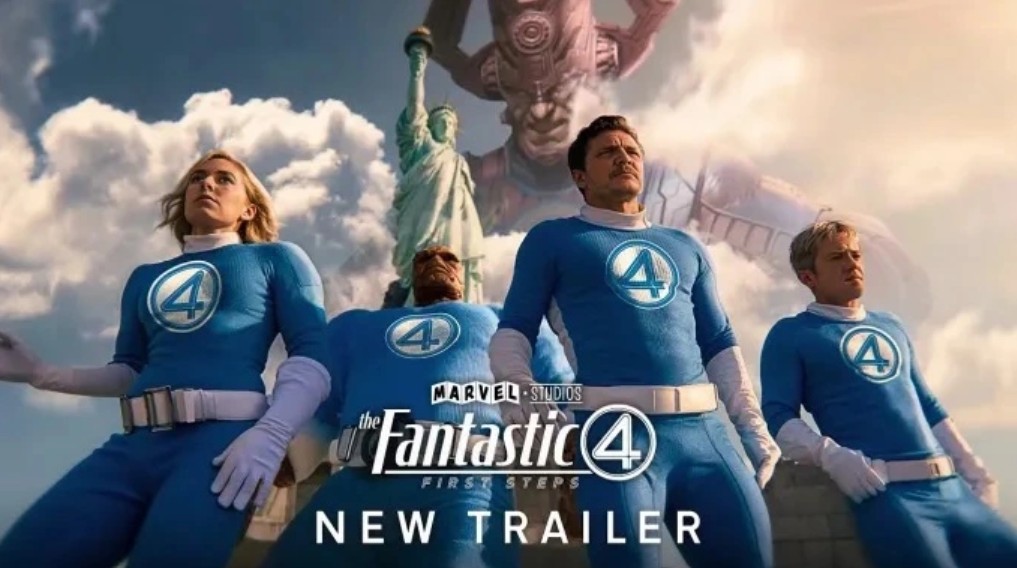
A prime example is the film The Fantastic Four: First Steps . In March alone, Screen Culture created 23 different trailer versions for the film. Even more remarkably, some of these videos ranked higher than the official trailer in YouTube search results, thanks to optimized titles, descriptions, and user behavior.
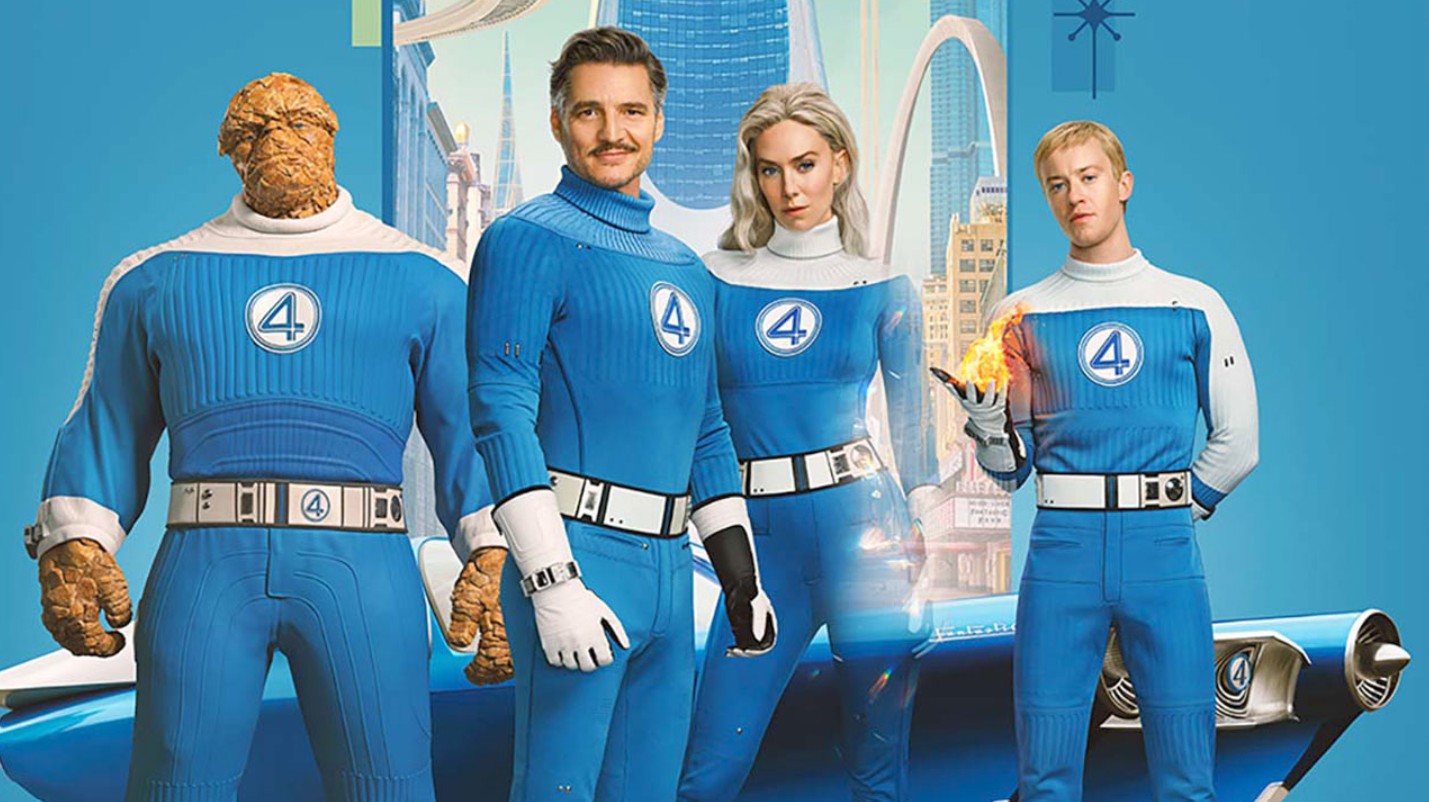
From an experience design perspective, this is an extremely worrying issue. When fake content is prioritized over legitimate content, viewers are easily misled, while the brand value of film studios is directly affected. It's not just about losing views, but about eroding audience trust in what they see on digital platforms.
3. The line between fan-made content and deceptive behavior is blurred.
For many years, fan-made content has been seen as a positive part of popular culture. Fan-made trailers, fantasy posters, or unofficial concept art are often highly creative and demonstrate a love for the original work. Most studios even encourage or ignore this type of content because it helps spread community interest.
However, the case of Screen Culture and KH Studio shows that the line between creative passion and deceptive behavior can become extremely thin when AI is involved in content production. When the tool is powerful enough to create images and videos that are almost indistinguishable from real, the responsibility of the content creator no longer stops at "I'm just a fan."
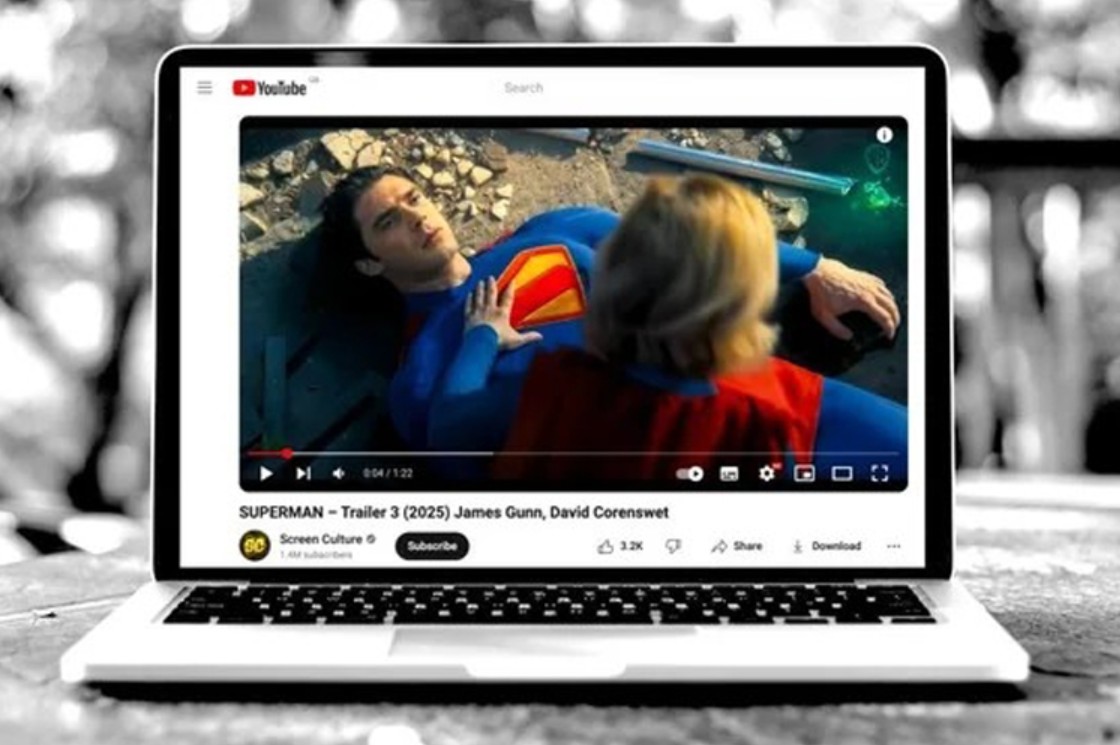
The problem isn't the use of AI, but the way it's used. Deliberately misleading viewers into believing it's the official trailer, and then exploiting this confusion for advertising revenue, has turned fan-made content into a commercial exploitation model based on deception.
From a design perspective, this is where creative ethics need to be considered. Design is not just about creating something visually appealing or attention-grabbing, but also about how information is conveyed honestly and responsibly.
4. Disney, Google, and the copyright battle in the AI era.
YouTube's strong action against these two channels didn't happen out of nowhere. It came shortly after Disney sent a letter to Google demanding an end to its copyright infringement related to artificial intelligence. In the letter, Disney accused Google's AI models and services of infringing on their copyrights on a "massive" scale.
According to Disney, the alarming aspect lies not only in the infringement itself but also in Google's leveraging of its dominant position in the field of generative AI, as well as in many other markets, to widely distribute AI services based on copyrighted data. In other words, Disney argues that these are not isolated violations, but a systemic problem.
From a creative industry perspective, this is a symbolic confrontation. On one side are technology corporations with superior data processing and AI capabilities, and on the other are entertainment companies with vast content libraries and long-standing brand value. AI becomes both the intersection and the point of conflict between these two worlds.
Interestingly, not all Hollywood studios reacted the same way as Disney. While Disney chose a direct confrontation and demanded an end to the infringement, some other studios, such as Warner Bros. Discovery and Sony, took a more pragmatic approach.
According to sources, instead of demanding the complete removal of videos using AI, these studios secretly offered YouTube guarantees that advertising revenue from those videos would belong to them. In other words, they accepted the existence of AI content, as long as the money flowed in the right direction.
This approach reveals a division within the entertainment industry. One side views AI forgery as a threat that needs to be eliminated, while the other sees it as a new revenue stream to be exploited. This complicates the copyright issue, as the line between right and wrong is not only determined by law, but also by economic interests.
5. Where does YouTube's responsibility lie?
In this overall picture, YouTube plays a central role. As the world's largest content distribution platform, YouTube not only provides a space for creativity but also shapes how content is accessed, prioritized, and monetized.
The closure of Screen Culture and KH Studio suggests YouTube is attempting to take a tougher stance against misleading AI content. However, the question remains whether these measures are sufficient to address the root of the problem, or merely a reaction to pressure from major entertainment corporations.
From a system design perspective, the challenge here is not just removing infringing content, but building a mechanism to clearly and transparently identify, classify, and label AI-generated content. When users can easily distinguish between official content and AI-generated content, the power of deceptive videos will be significantly reduced.
The Screen Culture and KH Studio case is not the end, but may only be the beginning of a stricter crackdown on AI content on major platforms. As AI becomes more accessible, the amount of "realistic" but unofficial content will continue to increase.
For creative professionals, especially in design and video, this is a time to re-evaluate their roles. AI is a powerful tool, but it cannot completely replace human responsibility in guiding information and building trust with audiences.
YouTube's closure of channels using AI to create fake trailers is not just a technical or legal move, but a clear warning to the entire digital content creation ecosystem. As the line between truth and falsehood blurs, the core value no longer lies in how quickly content is created, but in how honest and responsible that content is.
In the age of AI, creativity isn't just about leveraging new tools, but also about the wisdom to avoid sacrificing viewer trust for short-term views. And perhaps this is the biggest challenge that platforms, studios, and content creators will have to solve together in the coming years.Upgrade to Official YouTube Premium at a Low Price











VIP Products

Best Selling Products
Freepik Premium Account
59 USD
Windows 10 & 11 Pro Key
36 USD
Upgrade Genuine Office 365
49 USD
Capcut Pro 1 Year
39 USD
Genuine Adobe Illustrator account
99 USD
Copyright Adobe Lightroom Account
59 USD
Genuine Cheap Canva Pro
39 USD
Upgrade Duolingo Super
29 USD
Autodesk All App Account Copyright
120 USD
Plugin Retouch4me
69 USD
ChatGPT Plus Account (GPT-4)
16 USD
MidJourney Account
29 USD
Upgrade genuine Capture One account
120 USD
Adobe Photoshop Copyright - Full App
120 USD
Adobe Premiere Pro Account
99 USD