Best Selling Products
Genuine Adobe Illustrator account
99 USD

ChatGPT Plus Account (GPT-4)
16 USD
Upgrade genuine Capture One account
120 USD
Capcut Pro 1 Year
39 USD
Autodesk All App Account Copyright
120 USD
Copyright Adobe Lightroom Account
59 USD
Genuine Cheap Canva Pro
39 USD
MidJourney Account
29 USD
Upgrade Genuine Office 365
49 USD
Freepik Premium Account
59 USD
Plugin Retouch4me
69 USD
Upgrade Duolingo Super
29 USD
Windows 10 & 11 Pro Key
36 USD
Adobe Photoshop Copyright - Full App
120 USD
Adobe Premiere Pro Account
99 USD
YouTube tightens restrictions on its free experience, and familiar features risk becoming paid.
Nội dung
After cracking down on ad-blocking and background playback, YouTube is rumored to be adding another popular feature to its price list. The free experience is shrinking, forcing users to make clearer choices than ever before.
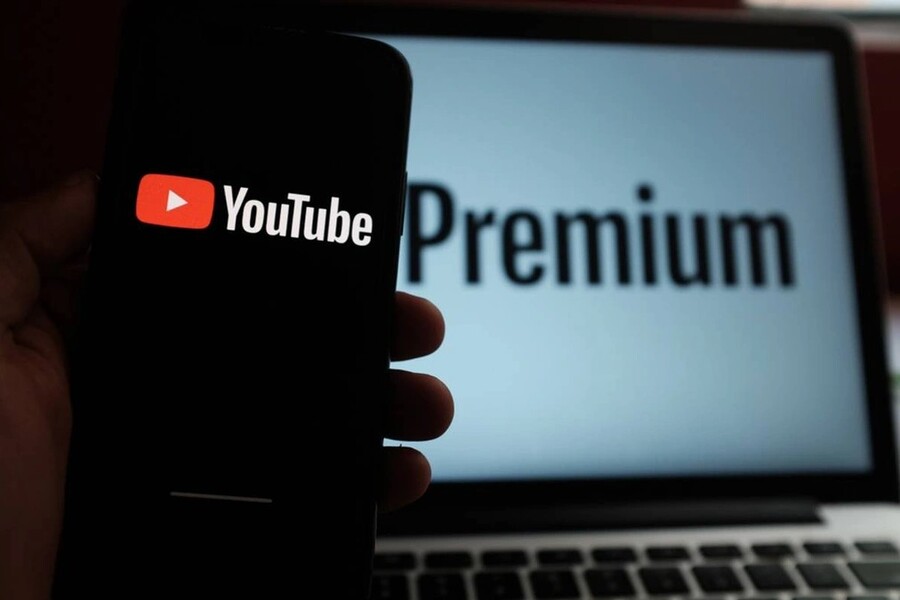
YouTube tightens restrictions on its free experience, and familiar features risk becoming paid.
After cracking down on ad-blocking and background playback, YouTube is rumored to be adding another popular feature to its price list. The free experience is shrinking, forcing users to make clearer choices than ever before.
From a simple video-sharing platform, YouTube has evolved into a massive content ecosystem where users can learn, entertain, stay updated on news, listen to music, watch movies, and even make a living. Billions of people access it daily, millions of hours of video are uploaded every minute, and countless businesses and individuals rely on YouTube as a primary channel of communication with the world.
However, the platform's rapid growth has also raised a familiar question in the digital age: "How much free is enough?" As operating costs increase, competition intensifies, and the limitations of an advertising-based business model become apparent, YouTube is gradually restructuring the user experience towards a "pay more, get more" approach. Recent changes show a clear trend: features once considered essential are gradually being moved into the Premium package. And if the latest rumors are true, one of YouTube's most beloved free features may soon no longer be free.
1. Google forces YouTube users to choose between paying or watching ads.
According to BGR, after taking a tough stance against free users by blocking background video playback through third-party browsers, YouTube is now reportedly about to add another basic feature to the list of premium features requiring payment.
For years, YouTube maintained a familiar model: free users watched ads, while Premium users paid to remove ads and access additional features. This model is common in the digital content industry, from Spotify and Netflix to online news and learning platforms.
However, in recent times, the line between "basic features" and "premium features" has been blurring. Previously, free users could still enjoy most of the core experience, only interrupted by ads. But now, YouTube seems to be experimenting with a different strategy: making the free experience less appealing, thereby encouraging users to switch to a paid plan.
.jpg)
This puts users in a clear choice: either accept paying a monthly fee, or continue using the free version with increasingly more restrictions.
2. YouTube uses advertising to pressure users.
For a long time, the YouTube community, especially those who don't want to subscribe to the Premium plan, have been sharing a little trick: instead of using the official app, they use mobile browsers like Microsoft Edge or Samsung Internet to play videos with the screen off. This is a simple way to listen to music, podcasts, or long videos without having to keep the screen constantly on.
However, those days of "bending the rules" have officially come to an end. In an interview with GSMArena, a YouTube representative confirmed: "Background video playback is an exclusive feature for Premium members. We have updated the experience to ensure consistency across all platforms."
This message is not merely a technical statement, but also reflects YouTube's strategic direction: to minimize "indirect free" options, forcing users to make a clear choice between free and paid options.
Meanwhile, the experience for free users is gradually becoming more frustrating. The number of ads has increased significantly, many are unskippable, longer, and appear more frequently. Long videos may be interrupted by ads multiple times, causing constant interruptions to the viewing experience.
.jpg)
Furthermore, YouTube is also cracking down on ad-blocking tools. If the system detects a user using an ad blocker, they may be restricted from watching videos or even blocked entirely. This shows that YouTube views advertising as its core source of revenue, and avoiding ads is no longer something to be taken lightly.
In this context, users gradually realize that the free version is no longer "truly free," but rather an experience that comes at the cost of time, patience, and sometimes even emotions.
3. Is the video playback speed adjustment feature the next goal?
What's causing the most concern in the community right now are rumors surrounding YouTube potentially charging for the video playback speed adjustment feature. This is one of the most frequently used features on the platform, especially in educational content, podcasts, interviews, and longer videos.
The ability to fast-forward at 1.25x, 1.5x, or 2x speeds saves users time, increases information absorption efficiency, and allows them to control their viewing experience according to their personal needs. Conversely, slow-motion viewing helps those learning a foreign language, music, or specialized skills to follow details more easily.
.jpg)
If this feature were included in the Premium package, the impact would be significant. It wouldn't just affect casual users, but would also strongly impact students, teachers, and those who use YouTube as a learning tool.
From a strategic perspective, this might seem like a logical business move: locking down frequently used features to increase the value of the paid plan. But from a user's perspective, it could create the feeling that even the most basic operations are being "removed behind the payment gateway."
4. The "subscription" model
It's not just YouTube; the entire tech industry is shifting to a subscription model. Netflix is raising prices and tightening account sharing restrictions. Spotify is increasing its Premium fees. Adobe is completely switching to Creative Cloud. Apple, Microsoft, and Google are all building ecosystems based on recurring subscriptions.
This model offers clear benefits for businesses: stable cash flow, good predictability, and increased long-term customer value. However, for users, it creates a new phenomenon: "digital service inflation."
Previously, users purchased software once and used it indefinitely. Now, they have to pay monthly fees for various services: music, movies, cloud storage, online learning, work tools, and now even video platforms.
When added up, these costs are not insignificant. This forces users to consider: which services are truly necessary and which can be cut back on.
.jpg)
5. User sentiment regarding YouTube's changes.
The community's reaction to YouTube's moves has been quite varied. Some are willing to pay because they appreciate the ad-free experience, background playback, offline video downloading, and advanced features. For them, YouTube Premium is a worthwhile investment for convenience.
However, many other users are disappointed. They argue that YouTube is becoming increasingly "commercialized" and devaluing the free version. In particular, those who primarily use YouTube for educational or informational purposes feel that charging for basic features is unfair.
Furthermore, in developing markets, subscription fees can be a major barrier. This may cause some users to seek alternative platforms or reduce their YouTube usage time.
YouTube's changes reflect a clear strategy: converting free users into paying users by restructuring the experience. This is a common strategy in the freemium model.
In digital product design, there's a key principle: the free version must be good enough to attract users, but restrictive enough to encourage upgrades. If the free version is too strong, users have no reason to pay. If the free version is too weak, they may leave the platform.
.jpg)
YouTube is currently testing a new balancing point. And this balancing point is not only related to revenue, but also directly impacts user loyalty.
If current trends continue, a future free version of YouTube could resemble traditional television more closely: lots of ads, little control, and a limited experience. Meanwhile, a paid version would become the "real YouTube"—ad-free, flexible, personalized, and fully featured.
The question is: will users accept this differentiation? And can YouTube maintain its dominant position if the free experience becomes increasingly less attractive?
If the video playback speed adjustment feature is actually charged for, it would be a significant milestone, showing that the line between "free" and "paid" is shifting more sharply than ever before. In the context of "digital service inflation," users are forced to carefully consider which services are worth maintaining and which platforms they are willing to abandon.





VIP Products
Best Selling Products
Genuine Adobe Illustrator account
99 USD
ChatGPT Plus Account (GPT-4)
16 USD
Upgrade genuine Capture One account
120 USD
Capcut Pro 1 Year
39 USD
Autodesk All App Account Copyright
120 USD
Copyright Adobe Lightroom Account
59 USD
Genuine Cheap Canva Pro
39 USD
MidJourney Account
29 USD
Upgrade Genuine Office 365
49 USD
Freepik Premium Account
59 USD
Plugin Retouch4me
69 USD
Upgrade Duolingo Super
29 USD
Windows 10 & 11 Pro Key
36 USD
Adobe Photoshop Copyright - Full App
120 USD
Adobe Premiere Pro Account
99 USD