Best Selling Products
Windows 10 & 11 Pro Key
36 USD
Upgrade genuine Capture One account
120 USD

Freepik Premium Account
59 USD
Upgrade Duolingo Super
29 USD
Genuine Cheap Canva Pro
39 USD
Capcut Pro 1 Year
39 USD
Upgrade Genuine Office 365
49 USD
Adobe Photoshop Copyright - Full App
120 USD
Adobe Premiere Pro Account
99 USD
ChatGPT Plus Account (GPT-4)
16 USD
Copyright Adobe Lightroom Account
59 USD
Genuine Adobe Illustrator account
99 USD
Autodesk All App Account Copyright
120 USD
Plugin Retouch4me
69 USD
MidJourney Account
29 USD
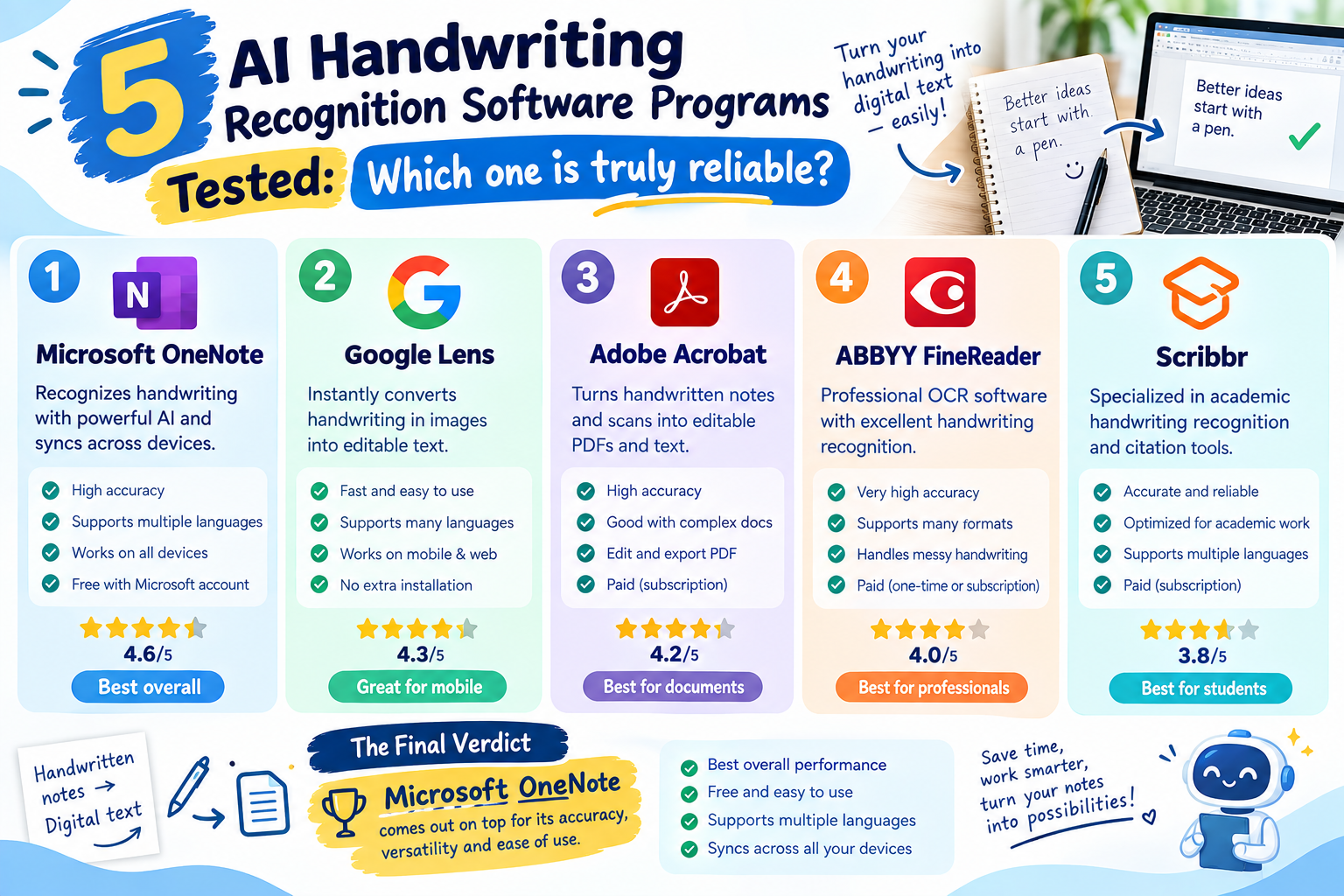
5 AI handwriting recognition software programs tested: Which one is truly reliable?
Nội dung
- 1. Pangram, the Most Confident Name in the AI Discovery Race
- 2. Grammarly, the familiar grammar assistant, is being tested with AI detection.
- 3. GPTZero: Protecting Human Values
- 4. Scribbr: Free and Convenient, But Not Sharp Enough.
- 5. Copyleaks: Half-baked Results Between Two AI Models
- 6. Conclusion
In a context where AI can generate polished texts almost indistinguishable from human writing, the question is increasingly being raised not only by teachers grading essays, but also by employers reviewing job applications, or simply by anyone browsing social media and wondering if the content they just read was machine-generated. To answer that question, a range of AI text detection tools have emerged, promising to identify the hallmarks of machine-written style. But can they truly do so accurately and consistently, or are these just convincing promises on paper?
1. Pangram, the Most Confident Name in the AI Discovery Race
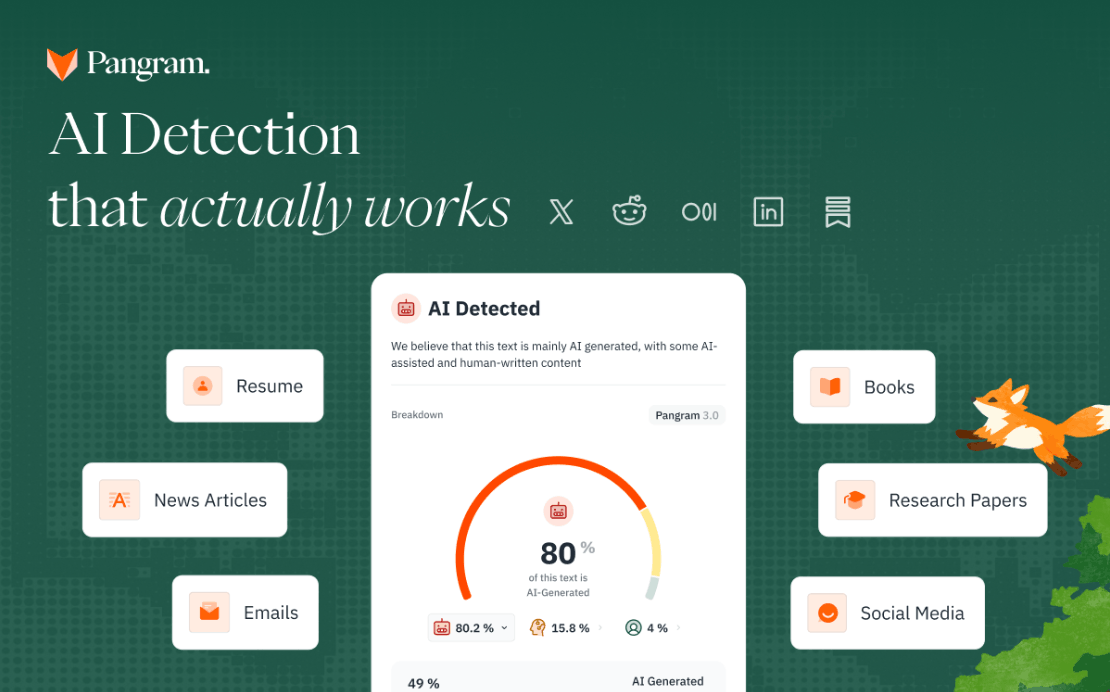
Pangram presents itself as a truly effective AI detection tool, and in fact, it has proven that claim to be well-deserved. Users can perform up to four free checks per day, while for higher limits and extended features like plagiarism detection, paid plans start at around $20 per month.
In the test, Pangram accurately identified both human-written texts as 100% human-generated, with a high level of confidence for each conclusion. When presented with texts written by ChatGPT and Claude, the tool also accurately identified both as entirely AI-generated text, and further explained the AI-specific phrases that led the system to that conclusion. With absolutely correct results across all four samples, Pangram proved to be the most reliable tool in the group tested.
2. Grammarly, the familiar grammar assistant, is being tested with AI detection.
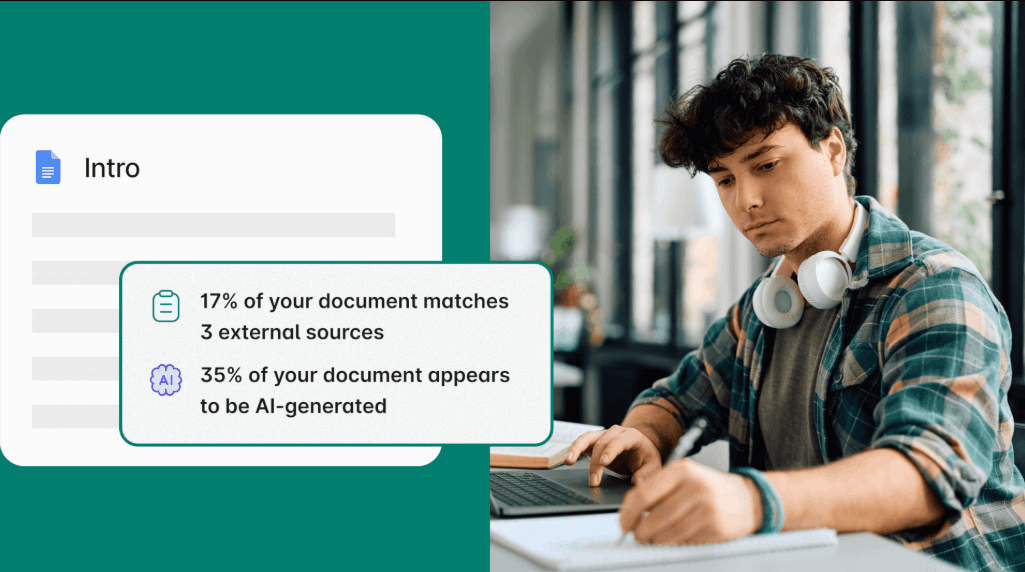
Long known as a spelling and grammar support tool, Grammarly has recently added AI text detection capabilities to its feature set. Users are granted three free checks per day, while paid plans starting at around $12 per month unlock higher limits and more features.
Similar to Pangram, both human-written text samples were assessed by Grammarly as showing no signs of AI, with zero percent being machine-generated text. However, when testing with passages from Claude and Gemini, the results showed a certain degree of caution, with these two samples only rated as sixty-eight percent and sixty-six percent likely to be AI-written, respectively. This suggests that Grammarly still recognizes characteristics of machine-generated text, but is not entirely certain of its conclusion. Nevertheless, considering all four tests, the tool still produced correct classification results in all cases.
3. GPTZero: Protecting Human Values
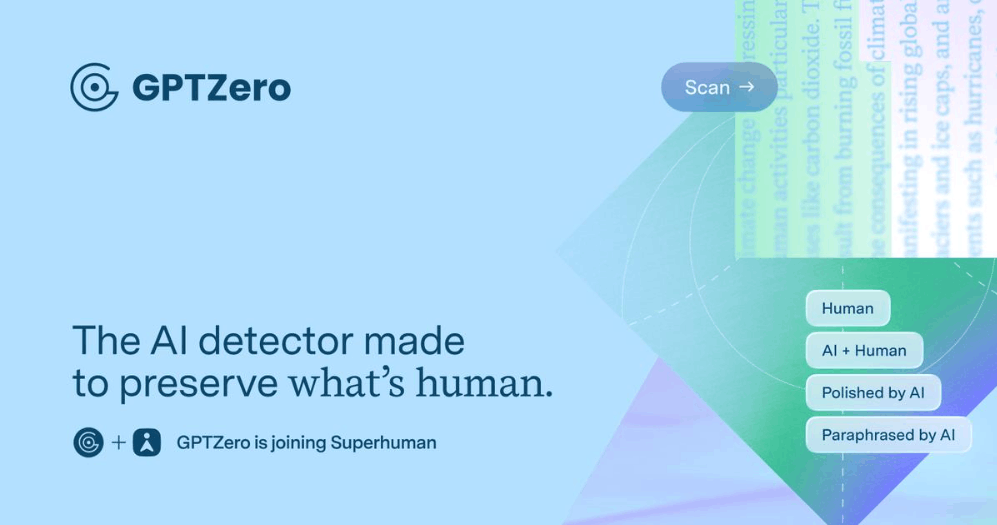
GPTZero positions itself with the goal of protecting human values in text, and this is clearly demonstrated through its AI-powered word recognition capabilities. A free account allows scanning up to 10,000 words per month, while paid plans starting at around $24 per month significantly expand the limit and offer more advanced features.
The test results showed that both human-written text samples were confirmed by GPTZero with a very high degree of reliability as entirely human-generated. When faced with text from Gemini and ChatGPT, the tool also accurately identified it as AI-generated text, even pointing out specific sentences that bore the strongest machine-like characteristics, although these suggestions were not always easily discernible to the naked eye. With correct results across all four samples, GPTZero is also among the most effective and reliable tools in this test.
4. Scribbr: Free and Convenient, But Not Sharp Enough.
Scribbr is the fourth tool to be tested, and it's better known for its text editing and proofreading services. The biggest advantage of this platform's AI-powered proofreading tool is that it's completely free and doesn't require users to register an account before they can start checking.
For human-written text samples, Scribbr correctly concluded that both were 100% human-generated texts, although the tool also included a warning that AI detection systems in general are not always absolutely reliable. However, the worrying point is that the text samples taken from ChatGPT and Claude were also assessed by Scribbr as showing absolutely no signs of AI, a conclusion completely inaccurate, and the tool showed high confidence in this very incorrect conclusion. With only 2 out of 4 samples correctly identified, this is the least convincing result among all the tools tested.
5. Copyleaks: Half-baked Results Between Two AI Models
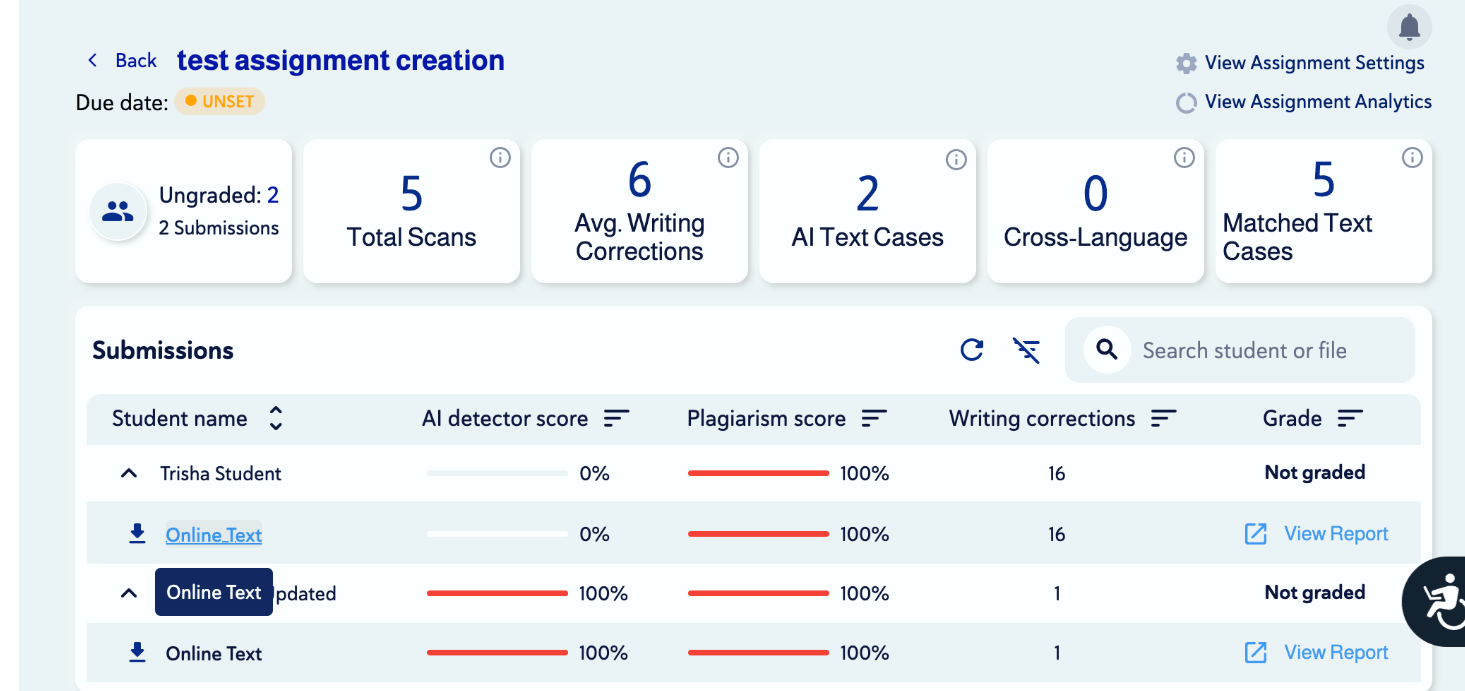
The final tool added to the testing list is Copyleaks, a platform that also offers AI-generated image and video detection capabilities. Users can check four text samples for free, while paid plans starting at around $17 per month provide more detailed reports and additional features.
Similar to previous tools, both human-written text samples were confirmed by Copyleaks to show no signs of AI. However, when tested with texts from Claude and Gemini, the results were inconsistent, with Claude's sample being incorrectly judged as showing no signs of AI, while Gemini's sample was correctly identified as entirely AI-written. With 3/4 correctly identified, Copyleaks shows that the system's corrections still have some areas that need improvement.
6. Conclusion
Looking back at the overall test results, a rather interesting commonality is that all five tools accurately identified human-written text in all cases, suggesting that determining what isn't AI-generated seems much easier than definitively asserting that something is a machine product. Conversely, the ability to detect AI text varied significantly between the tools, with Pangram and GPTZero achieving absolute accuracy, Grammarly correctly identifying text but being cautious in its reliability, while Scribbr and Copyleaks clearly missed some AI text samples.
This shows that AI detection tools still have some reference value, but should not be considered absolute proof to conclude whether a text was written by a machine. If a high degree of certainty is truly needed when assessing the authenticity of a text, a reasonable approach is to combine two or three different tools simultaneously, compare the results, and consider additional verification methods such as reviewing the text's editing history, instead of relying solely on a single test.




VIP Products
Best Selling Products
Windows 10 & 11 Pro Key
36 USD
Upgrade genuine Capture One account
120 USD
Freepik Premium Account
59 USD
Upgrade Duolingo Super
29 USD
Genuine Cheap Canva Pro
39 USD
Capcut Pro 1 Year
39 USD
Upgrade Genuine Office 365
49 USD
Adobe Photoshop Copyright - Full App
120 USD
Adobe Premiere Pro Account
99 USD
ChatGPT Plus Account (GPT-4)
16 USD
Copyright Adobe Lightroom Account
59 USD
Genuine Adobe Illustrator account
99 USD
Autodesk All App Account Copyright
120 USD
Plugin Retouch4me
69 USD
MidJourney Account
29 USD