Best Selling Products

Adobe Photoshop Copyright - Full App
120 USD

Autodesk All App Account Copyright
120 USD

Capcut Pro 1 Year
39 USD

Copyright Adobe Lightroom Account
59 USD

Freepik Premium Account
59 USD

Upgrade Genuine Office 365
49 USD

Adobe Premiere Pro Account
99 USD

Genuine Adobe Illustrator account
99 USD

Upgrade Duolingo Super
29 USD

Upgrade genuine Capture One account
120 USD

MidJourney Account
29 USD

ChatGPT Plus Account (GPT-4)
16 USD

Genuine Cheap Canva Pro
39 USD

Windows 10 & 11 Pro Key
36 USD

Plugin Retouch4me
69 USD
5 Latest Collage Design Styles for Designers in 2026
Nội dung
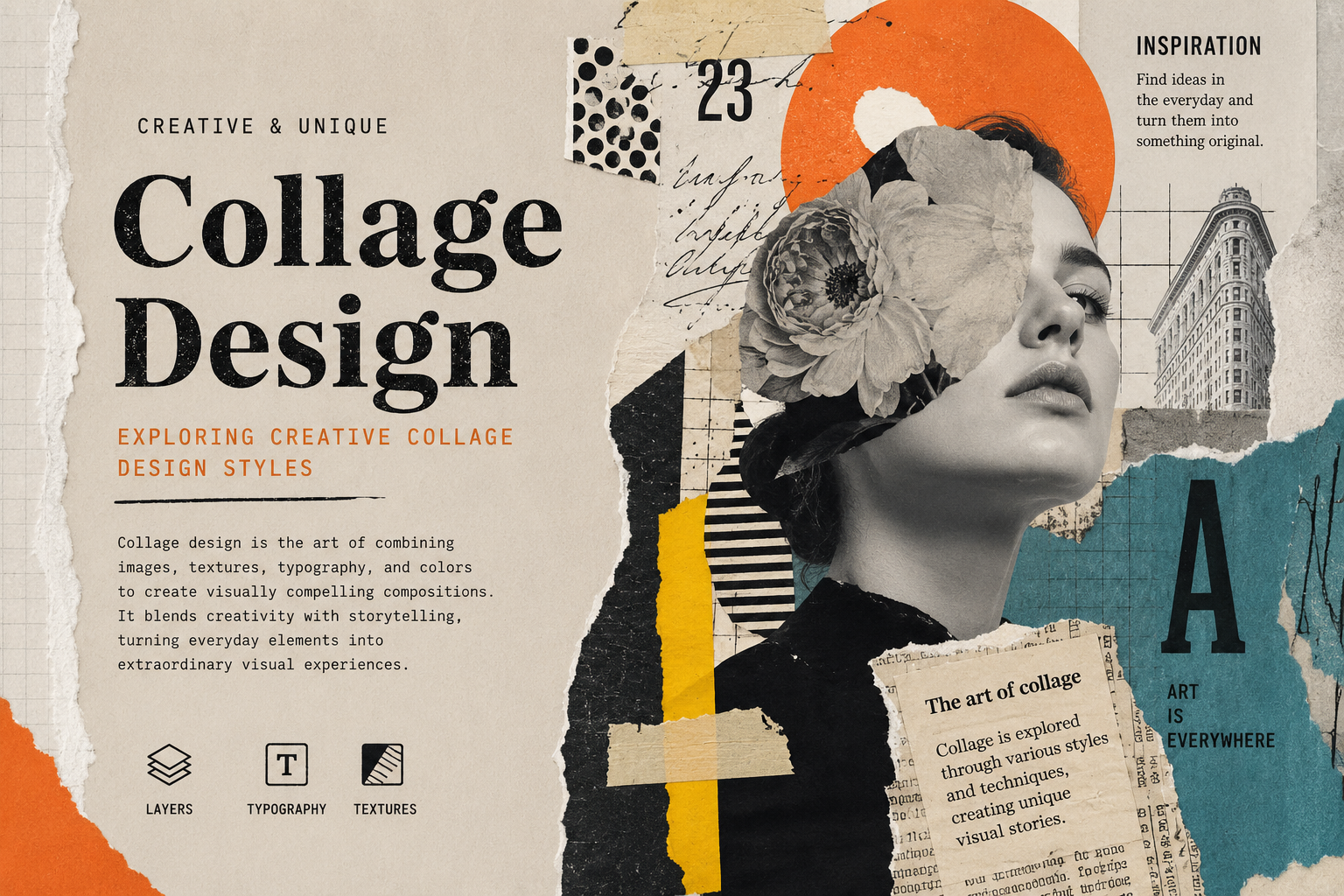
Collage design is one of the design styles that has the ability to transform seemingly unrelated images, objects, and materials into a whole rich in personality.
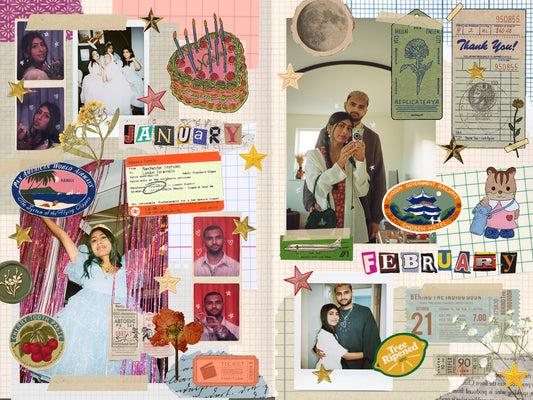
1. 3D Collage
3D Collage is a development style that combines 3D objects with photography, typography, and graphic elements. The biggest difference of this style lies in its ability to create depth. Instead of image layers simply overlapping on a flat surface, designers can build a sense of space, distance, and interaction between each element.
A 3D collage artwork can start with a photograph of a real person, then add a 3D object in the foreground, typography in the middle layer, and texture or graphic elements in the background. When handled appropriately with lighting, shadows, perspective, and color, the elements will create the feeling that they exist in the same space.
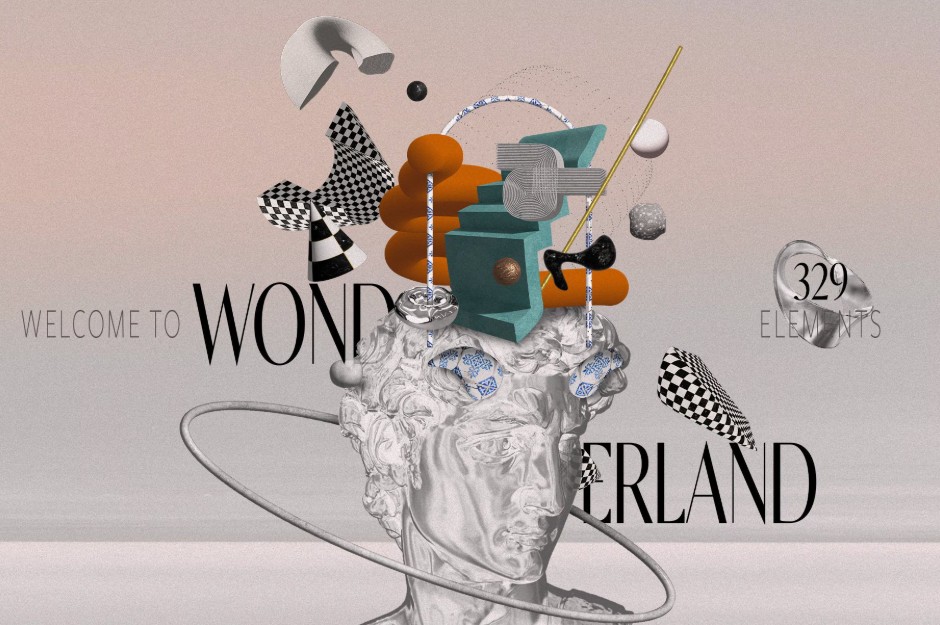
Photography plays a crucial role because it brings a sense of authenticity. Meanwhile, 3D objects create details that are difficult to achieve with conventional photography. Typography can be used as an object in space rather than just serving an informational purpose.
To create a basic 3D collage, the designer should first identify the main subject. Then, choose a suitable background and decide which objects will be in the foreground, middleground, or background. Dividing the layers from the beginning helps the artwork have a clearer structure.
Next, pay attention to the lighting. If the photography has light coming from the left but the 3D object casts a shadow in the opposite direction, the overall effect will lose its persuasiveness. Therefore, lighting, shadows, and color need to be consistent across all elements.
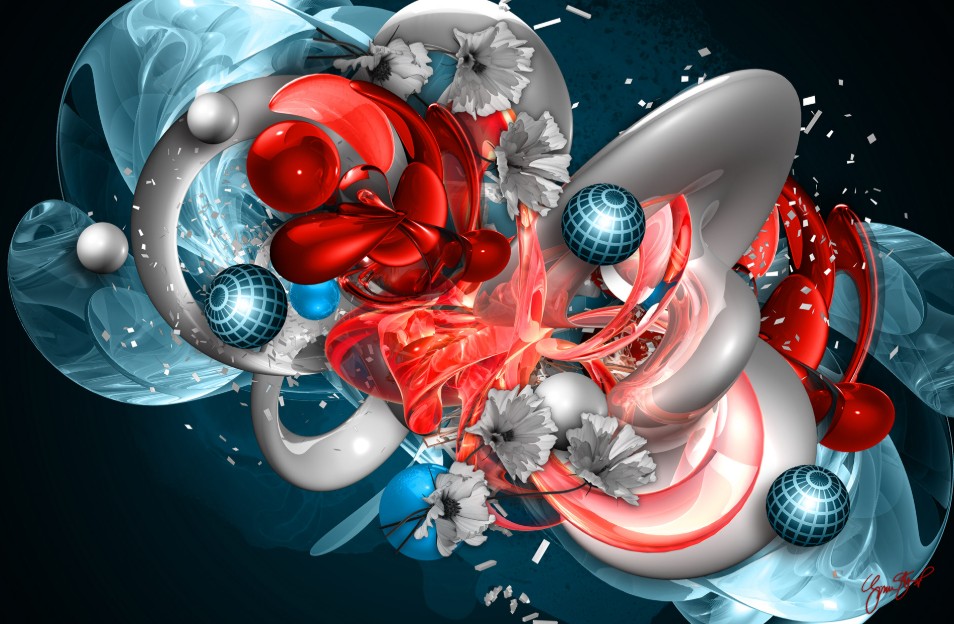
3D collage is particularly suitable for advertising posters, fashion campaigns, music artwork, product design, and social media. It also allows designers to transform traditional collage into a more modern visual language.
2. Digital Scrapbook
While traditional scrapbooks evoke images of pages filled with photographs, stickers, scraps of paper, handwritten notes, and mementos, digital scrapbooks bring that spirit to a digital environment. This trend is well-suited for designers who want to create emotionally rich artwork while maintaining a modern aesthetic.
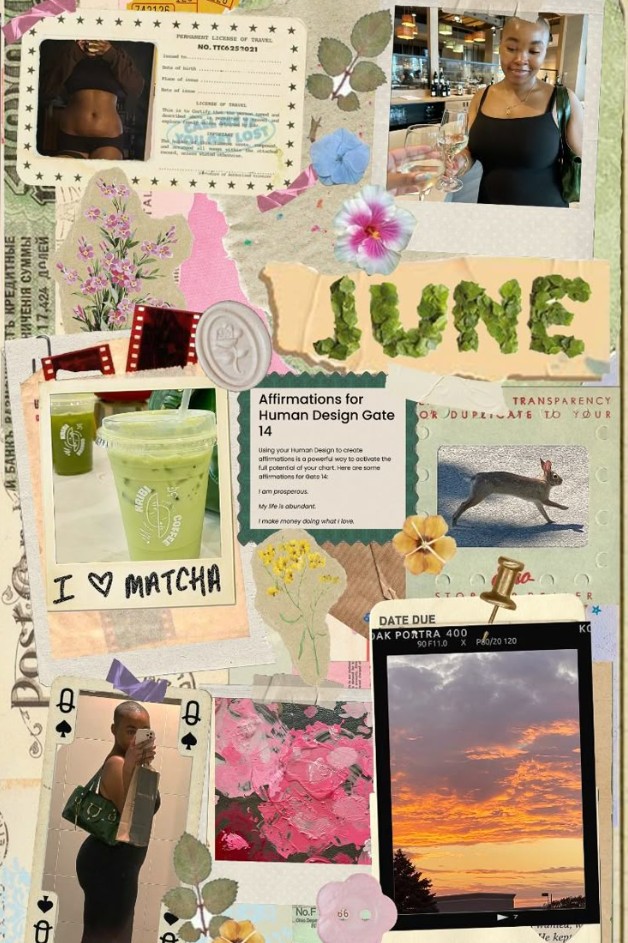
The appeal of a digital scrapbook lies in its intentional "imperfections." Instead of trying to create an overly clean layout, designers can use uneven cuts, torn paper, paper textures, stickers, tape, photographs, and small graphic pieces.
However, the digital scrapbook of 2026 doesn't necessarily have to be a direct copy of the classic scrapbook style. Physical elements can be simulated using digital textures, shadow effects, noise, grain, or modern typography details.
One effective approach is to start with a simple background. Then, place the main image in the center and add supporting elements around it. Designers can add scraps of paper, stickers, or typography to create the feeling that the artwork is built in layers.
It's important not to cram too many elements into one place. A digital scrapbook can feel spontaneous, but it still needs a visual system. Some elements should be used to create focal points, while others serve to fill empty spaces or guide the viewer's eye.
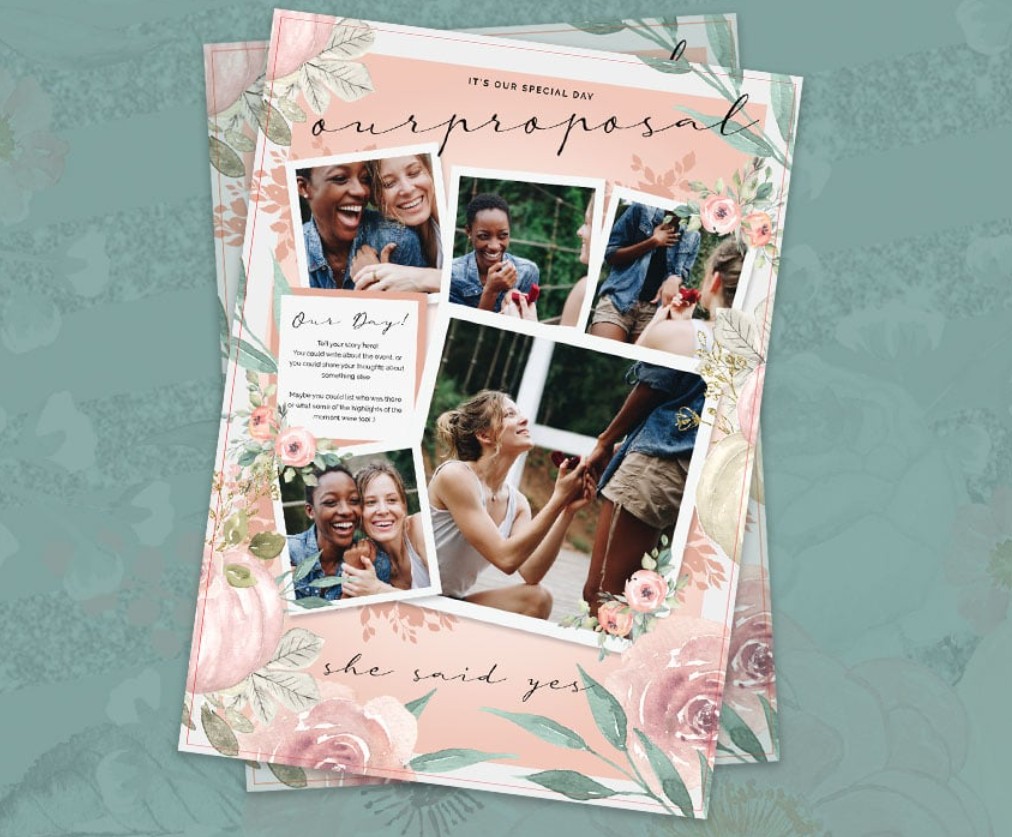
This style is particularly well-suited to lifestyle content, fashion, music, travel, photojournalism, and campaigns targeting young audiences. It's also very suitable for social media because it can create a sense of intimacy, personalization, and exploration.
3. Editorial Collage
Editorial Collage draws inspiration from the presentation style of magazines, newspapers, and editorial publications. Photography, typography, and collage elements are organized within a purposeful layout to not only create beautiful images but also tell a story.
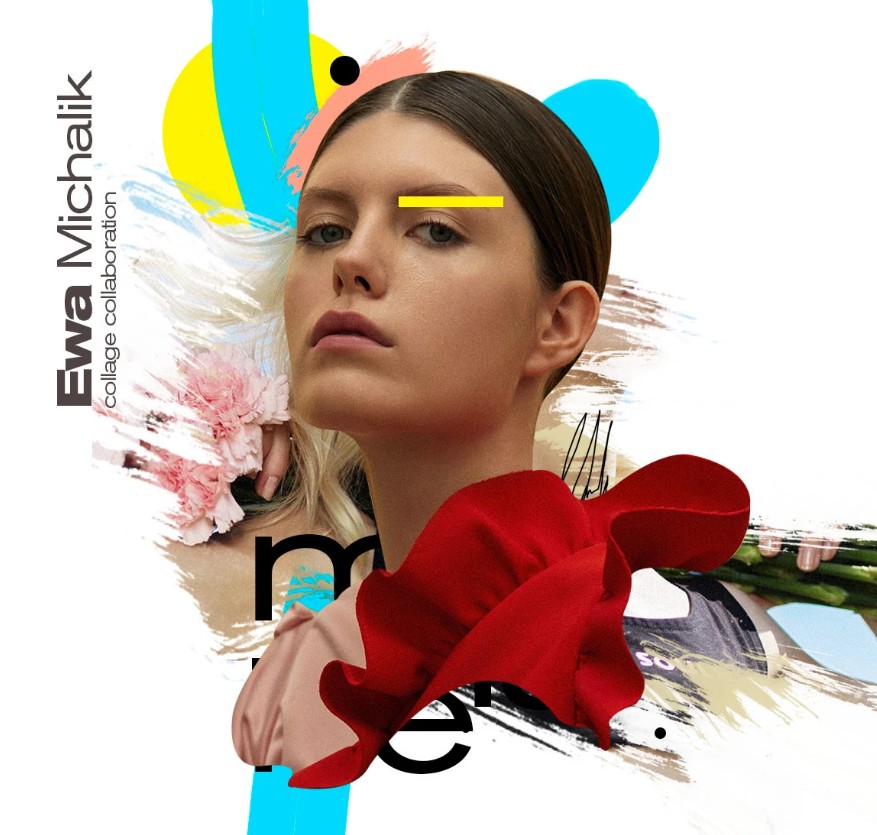
Unlike pure collages that focus on the surprise of individual pieces, editorial collages emphasize structure. Typography can become an important part of the composition, while photography plays a guiding role in conveying the content.
An editorial collage design might use a portrait photograph as the main subject, then place a large title, short text, and graphic elements around it. Some elements can be cropped from the background to create the feeling that they are breaking free from the layout's boundaries.
When implementing this style, designers should determine the hierarchy before beginning image manipulation. Viewers need to know which elements are most important, which are secondary information, and which are purely decorative.
Typography also needs to be carefully chosen. Combining serif and sans-serif fonts can create contrast, or using large-sized typography can create emphasis. However, fonts shouldn't compete too strongly with photography if the artwork has a prominent visual subject.
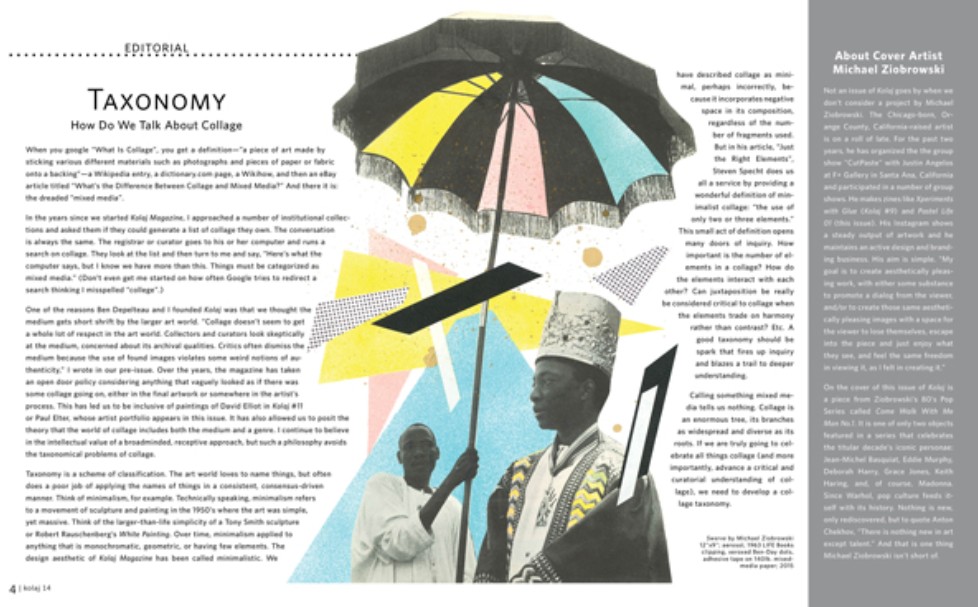
Editorial collages are suitable for fashion editorials, event posters, magazine covers, brand campaigns, and projects that need to convey a message through images. This is one of the most versatile collage styles because it balances artistic and informative elements.
It's worth noting that designers don't necessarily need to create a perfectly symmetrical layout. Large empty spaces, heavily cropped images, or off-grid typography can be used to create a contemporary feel.
4. Surreal Collage
Surreal Collage is an approach based on combining unrelated objects to create unrealistic situations. This unusual nature makes viewers pause and wonder what is happening in the image.
A person can appear in the middle of the ocean, a chair can be seen floating on clouds, or a familiar object can be magnified to enormous size. These combinations don't need to follow real-world logic, but they do require sufficiently convincing visual logic.
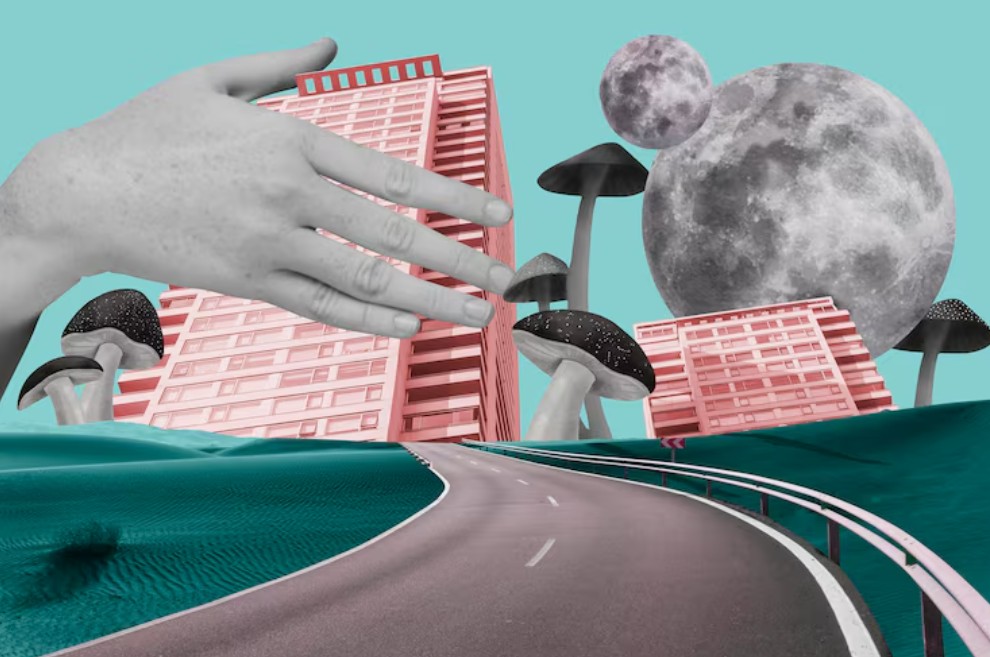
To create a Surreal Collage, the first step is to define the idea or message. Designers shouldn't just randomly put objects together. A good artwork often has a story or a question behind the absurdity.
Next, choose the main subject and supporting objects. Pay attention to the proportions between them. Variations in size can be a crucial tool for creating a surreal feel.
The next step is to separate the background and integrate the elements into a single composition. This stage requires attention to perspective, lighting, color, and shadows. If these elements are not consistent, viewers will easily perceive the components as being assembled from different sources.
Color grading can be used in the final step to bring the entire artwork to a consistent color tone. Some designs may use natural colors to create a sense of realism, while others intentionally use strong colors to emphasize unreality.
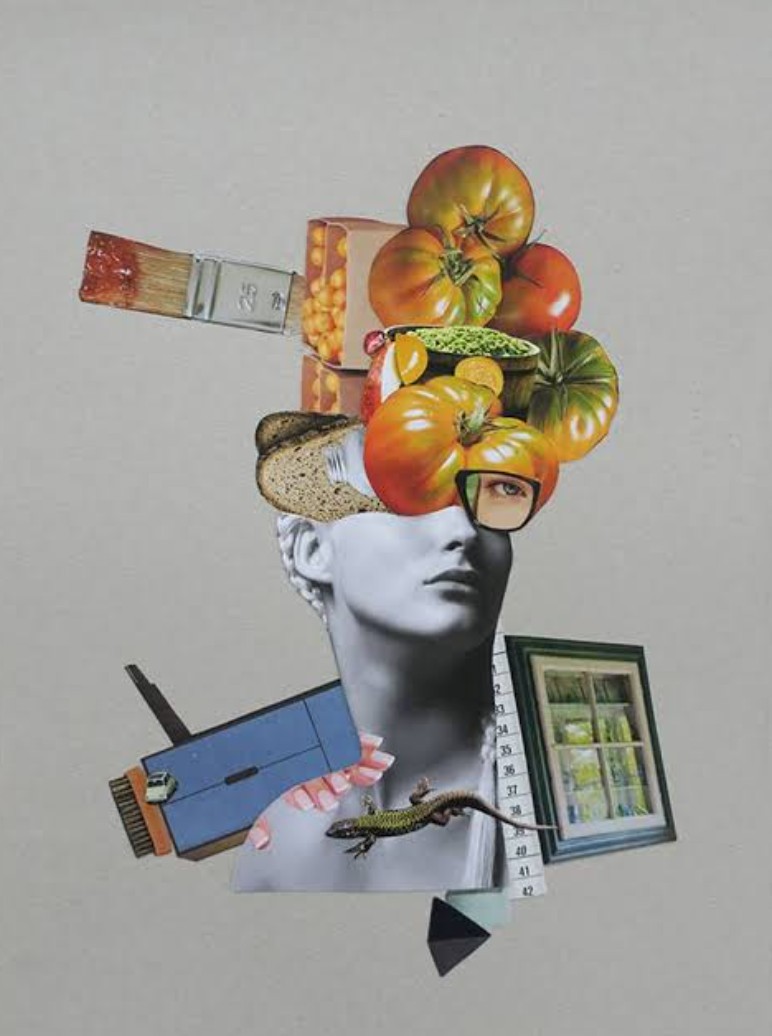
Surreal Collage is particularly well-suited for advertising, art posters, music artwork, fashion, and campaigns requiring a strong visual impact. It's also a style that can attract attention on social media platforms thanks to its unusual imagery.
5. Mixed-Media Collage
Mixed-Media Collage is a style that combines various materials and visual languages within a single artwork. Photography can be incorporated alongside illustration, 3D, texture, and hand-drawn elements. This style allows designers to fully explore the diversity of collage.
The unique aspect of mixed media lies in the fact that it doesn't need to maintain a single visual language for all its elements. A photograph can be combined with hand-drawn lines, while a 3D object is placed alongside paper textures or digital lines.
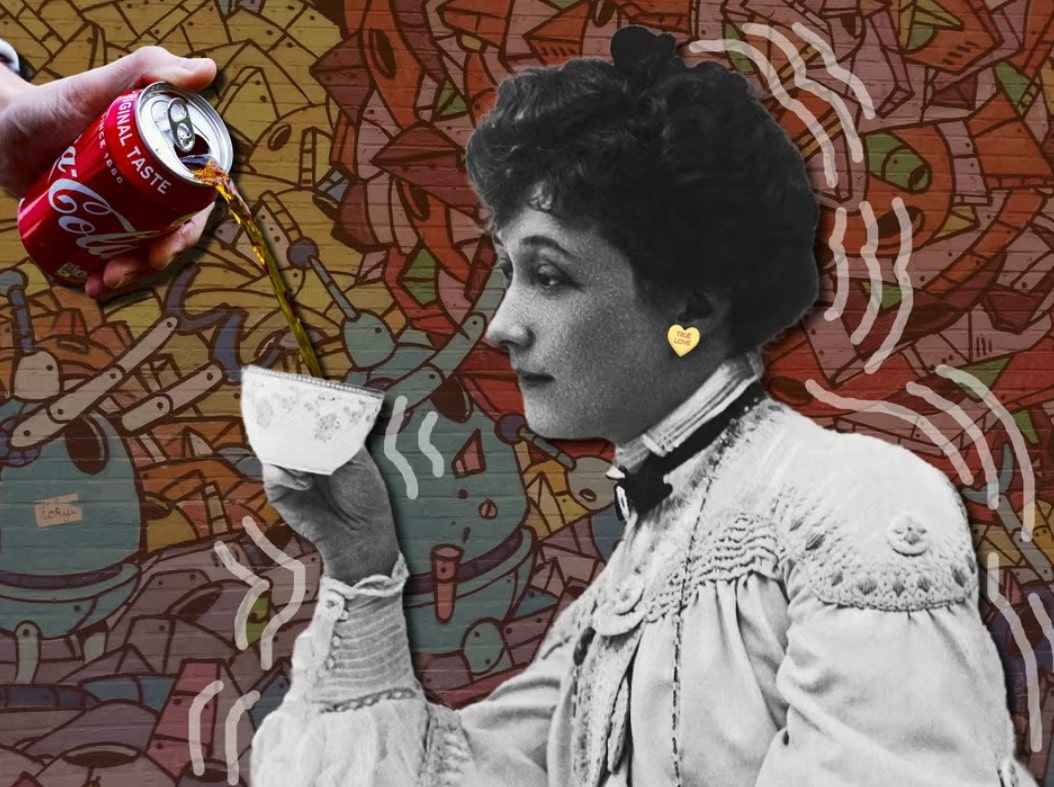
However, diversity doesn't mean artwork can be uncontrolled. If each element uses a completely different style without any connection, the design can easily become visually cluttered.
One way to create cohesion is to use a common color palette. Photography, illustration, 3D, and texture may differ in origin, but they are adjusted in color to coexist within a single system.
Texture is also an important tool. Designers can use paper, grain, noise, ink stains, or brushstrokes to break up the overly clean feel of digital design. These handcrafted details help artwork feel more personal.
Mixed-Media Collage is suitable for projects that require a strong expression of creative personality, such as posters, album covers, fashion campaigns, brand artwork, and digital content. It's also a worthwhile option when designers feel that a single visual method isn't enough to convey their ideas.
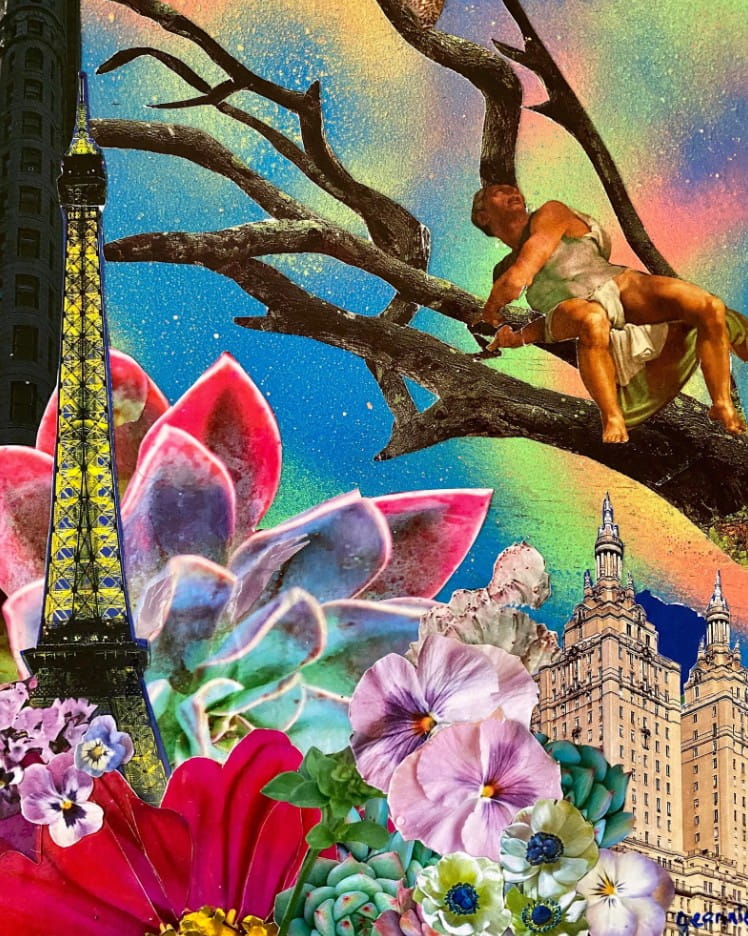
Most importantly, trends are just the starting point. The value of a Collage Design still lies in how the designer selects images, controls the layout, colors, typography, and transforms disparate elements into a unified visual concept. In 2026, the ability to combine various materials and visual approaches will allow Collage to continue to be a highly promising style in modern design.





















VIP Products








Best Selling Products
Adobe Photoshop Copyright - Full App
120 USD
Autodesk All App Account Copyright
120 USD
Capcut Pro 1 Year
39 USD
Copyright Adobe Lightroom Account
59 USD
Freepik Premium Account
59 USD
Upgrade Genuine Office 365
49 USD
Adobe Premiere Pro Account
99 USD
Genuine Adobe Illustrator account
99 USD
Upgrade Duolingo Super
29 USD
Upgrade genuine Capture One account
120 USD
MidJourney Account
29 USD
ChatGPT Plus Account (GPT-4)
16 USD
Genuine Cheap Canva Pro
39 USD
Windows 10 & 11 Pro Key
36 USD
Plugin Retouch4me
69 USD