Best Selling Products

Autodesk All App Account Copyright
120 USD

Copyright Adobe Lightroom Account
59 USD

Adobe Photoshop Copyright - Full App
120 USD

Genuine Cheap Canva Pro
39 USD

Adobe Premiere Pro Account
99 USD

MidJourney Account
29 USD

Windows 10 & 11 Pro Key
36 USD

Genuine Adobe Illustrator account
99 USD

Freepik Premium Account
59 USD

Upgrade Duolingo Super
29 USD

Upgrade genuine Capture One account
120 USD

Capcut Pro 1 Year
39 USD

Plugin Retouch4me
69 USD

Upgrade Genuine Office 365
49 USD

ChatGPT Plus Account (GPT-4)
16 USD
Collage Design: Exploring Creative Collage Design Styles
Nội dung
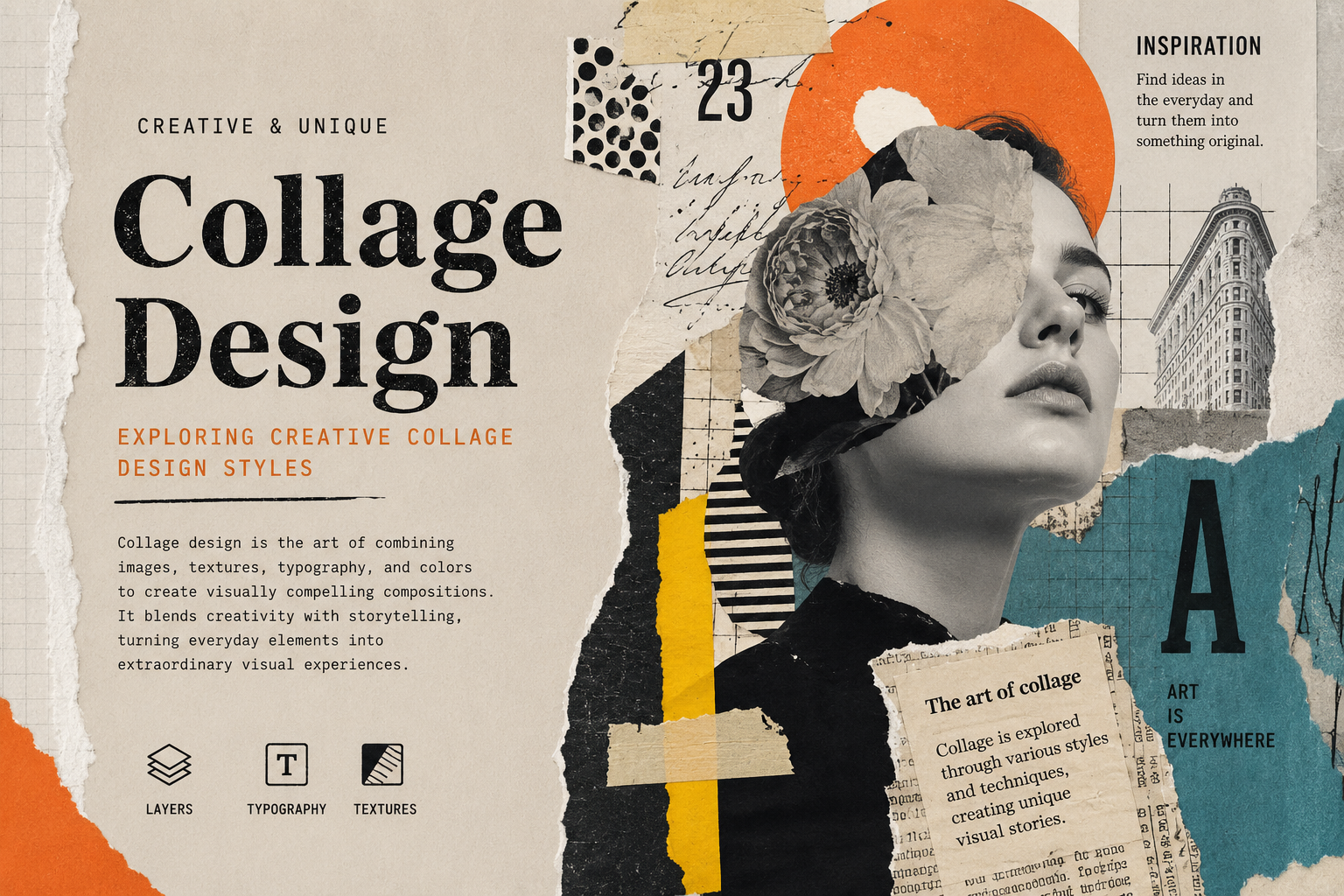
Collage design is a highly creative design style built by combining various images, materials, typography, and graphic elements within a single layout.
1. Learn about Collage Design
Collage design can be simply understood as a method of creating an artwork by combining various visual or graphic elements. The word "collage" originates from the French word "coller," meaning to glue or attach together. In traditional art, collage typically uses paper, photographs, newspapers, fabric, or other readily available materials to create a new artwork.
When applied to graphic design, this concept is significantly expanded. Designers don't necessarily have to use physical materials; the entire process can be done on a computer. Photography, illustration, typography, texture, shape, 3D objects, and many other graphic elements can be combined into different layers.

A collage design often features contrast between its elements. For example, a realistic portrait might be placed alongside a hand-drawn illustration. Large typography might be positioned behind the subject, while the paper texture appears in the background. These pieces create a layered feel and encourage viewers to observe the artwork for longer.
However, collage is not simply about "putting together as many elements as possible." The ultimate goal is still to create a meaningful layout. Each element in the design should have a specific purpose, whether it's to convey content, create emphasis, balance the layout, or build emotion.
Therefore, Collage Design can be seen as a combination of cutting and pasting techniques and compositional thinking. Designers need to know how to handle each element while also understanding how they interact with each other as a whole.
2. Why is Collage Design becoming so appealing?
One of the reasons Collage Design is attracting attention is its ability to create distinctive visuals. In the digital environment, viewers are exposed to a vast amount of images every day. Designs with overly familiar layouts are easily overlooked. Collage offers a different approach by allowing designers to combine elements that don't usually appear together.
The ability to create a sense of surprise is another advantage. When an object is placed in an unfamiliar context or a photograph is combined with illustration and typography, viewers may have to pause to understand the connection between the elements. This is particularly useful in advertising and visual communication.
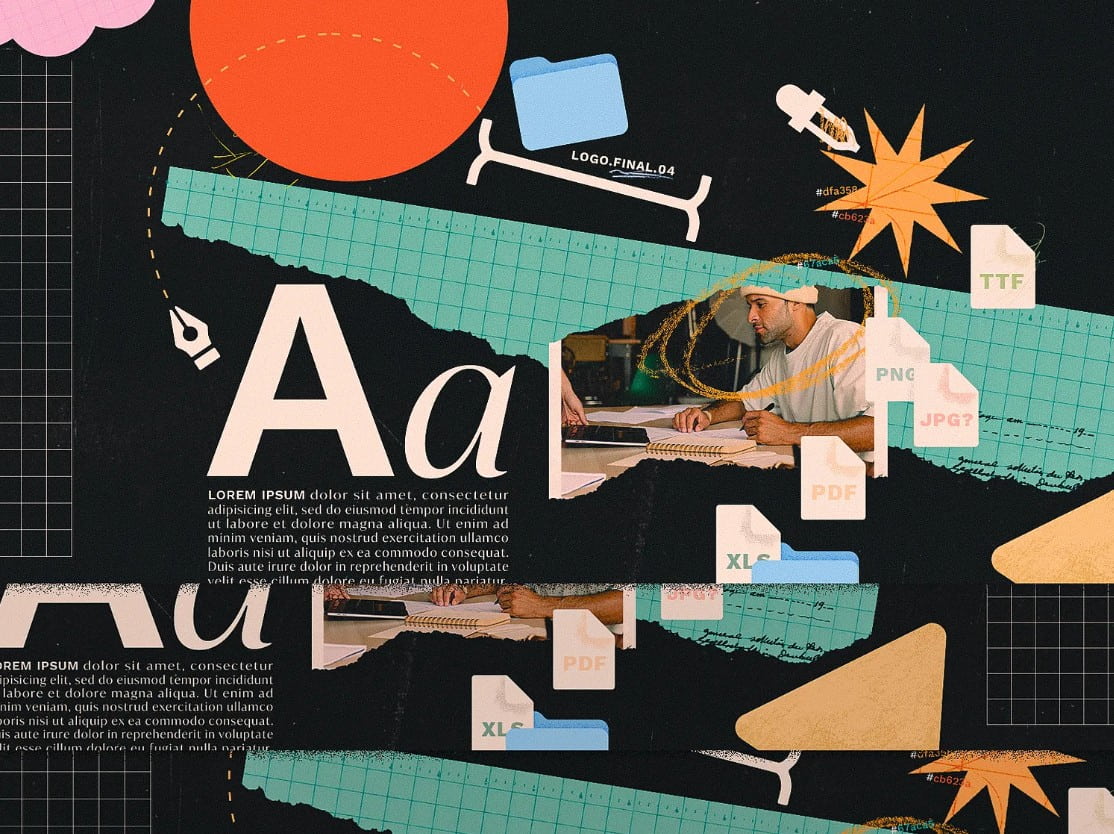
Collages also have the potential to express individuality. Designers can choose images, textures, fonts, and cutting and pasting techniques to create their own unique style. An artwork can evoke a sense of nostalgia through paper textures and vintage photos, but it can also become modern with 3D effects, bold typography, and contrasting colors.
Furthermore, collages are well-suited to the social media environment. Images with multiple layers, details, and unexpected combinations often create effective visual focal points. Especially when users continuously scroll through a variety of content, an artwork with a clear concept and distinctive composition can help a brand or personal content stand out.
The development of digital design tools has also contributed to expanding the capabilities of collage. Designers can now easily separate the subject from the background, edit colors, create textures, add typography, combine 3D elements, and perform many operations that previously required numerous manual steps.
3. Elements that make up a beautiful collage design
A beautiful collage first and foremost requires a clear idea . Before searching for images or starting to cut and paste, the designer should determine what the artwork wants to convey. This could be an emotion, a story, an advertising message, or simply a visual concept.
Once the concept is formed, the visuals become a crucial component. Not all images can be combined. Designers should pay attention to the quality, angle, lighting, color, and aspect ratio of each image source. Significant differences in lighting or resolution can cause the artwork to lose its coherence.
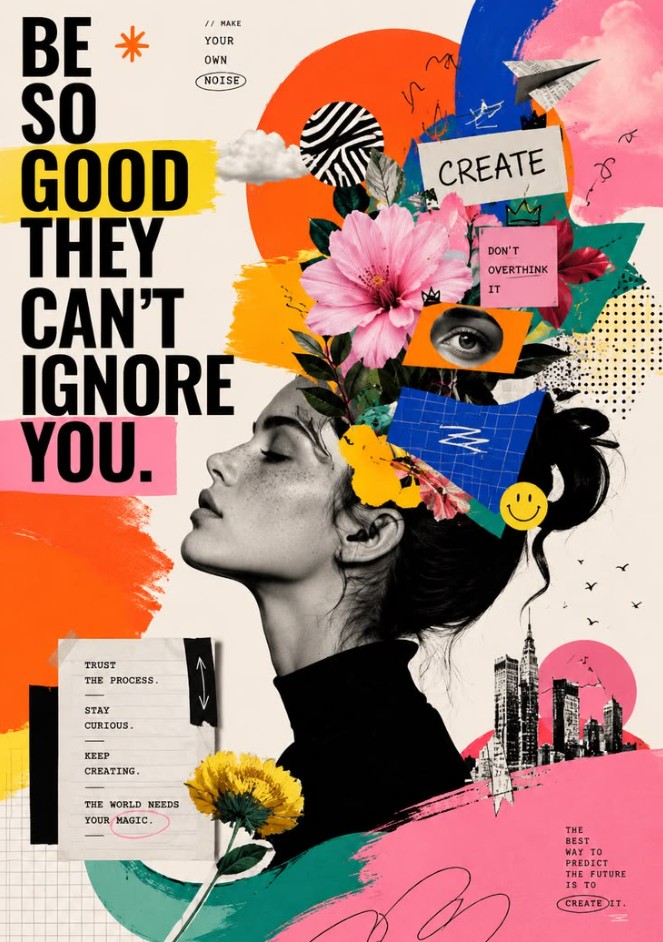
Layout also greatly determines the quality of a collage. A good design needs a main subject to attract attention. Supporting elements should complement the main subject rather than compete with it. Designers can use rules of hierarchy, spacing, and proportion to control the viewer's gaze.
Typography is an indispensable element. In many collage designs, text is not only used to provide information but also becomes part of the image. Text can be placed behind the subject, superimposed on the image, or cut into graphic sections. However, typography still needs to ensure readability if the artwork aims to convey information.
Color helps to connect elements from different sources. An image can be color-corrected to match an illustration or texture. When multiple elements use a common color palette, the overall effect often feels more unified.
Finally, there's texture and depth . Effects like grain, noise, paper texture, ink stains, or shadows can help to make artwork less flat. However, texture should be used sparingly. If every element has too many effects, the design can easily become heavy and cluttered.
4. Collage doesn't mean messy design.
A common misconception about collage is that the more elements it has, the better. In reality, collage design can be very complex, but it still requires a clear system.
The difference between a purposeful collage and a chaotic layout lies in how the designer controls the information. Viewers need to be able to identify the main point, the secondary elements, and the decorative details.
A simple way to check this is to scale down the artwork. When viewed at a smaller size, if the eye can still quickly recognize the main subject, then hierarchy is working well. Conversely, if all the elements are vying for attention, the designer should reduce the detail or adjust the size and contrast.
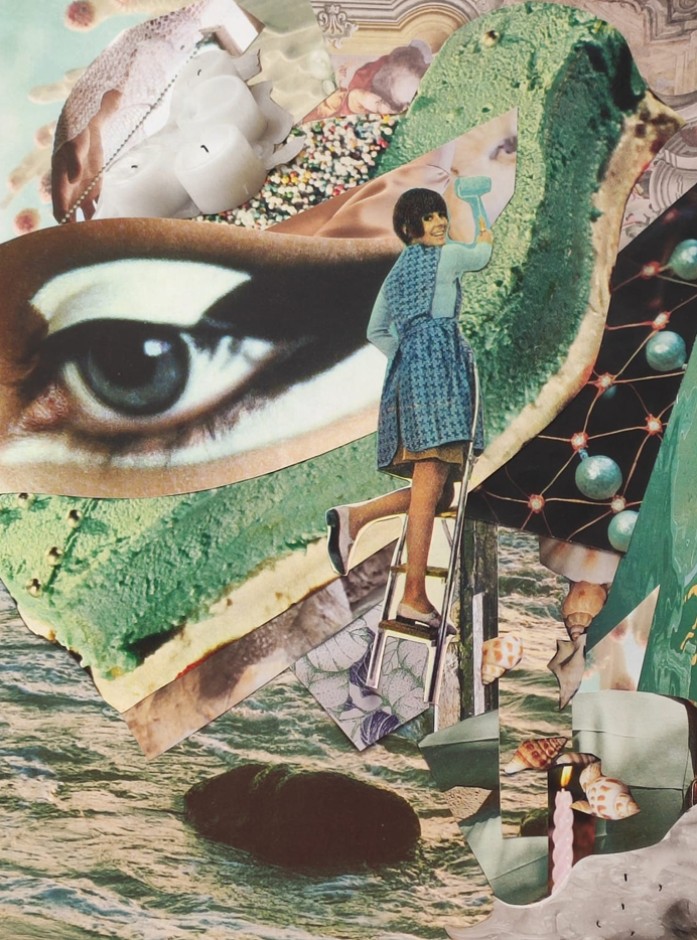
Empty space also plays an important role. Collage doesn't necessarily have to cover the entire canvas. A well-placed empty space can help the subject stand out and create a pause for the viewer.
Additionally, the elements should have a certain degree of connection. They can be linked through color, lines, texture, typography, or a common concept. This connection helps the different pieces become a unified artwork.
Therefore, Collage Design isn't about simply putting things together. It's about selection, arrangement, and elimination. Sometimes, removing an unnecessary detail can make the entire artwork stronger.
5. Where can Collage Design be applied?
Collage design has a very wide range of applications. In advertising , this style helps brands create distinctive and eye-catching images. Products or messages can be placed in unrealistic settings to create unique concepts.
In fashion , collage is often used in posters, campaigns, lookbooks, social media, and editorials. Photography can combine it with typography, texture, or illustration to create highly artistic images.

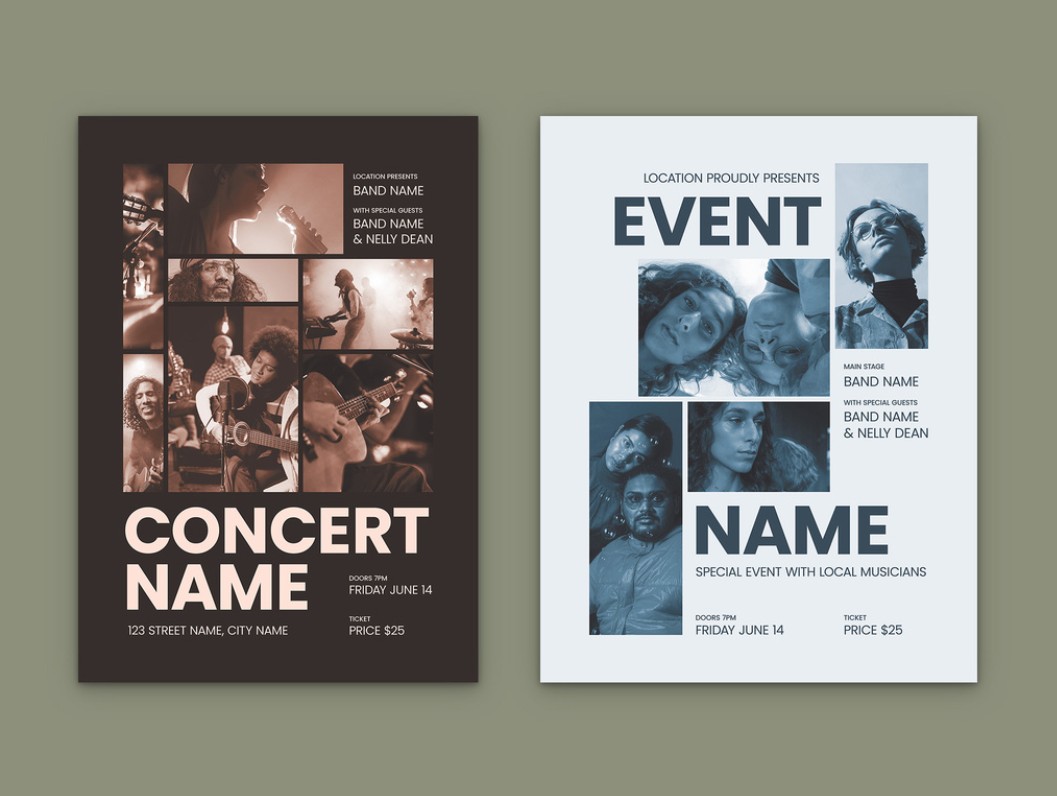
For music , Collage is suitable for album covers, concert posters, and promotional artwork. Designers can use artist images, typography, textures, and abstract elements to express the spirit of a song or album.
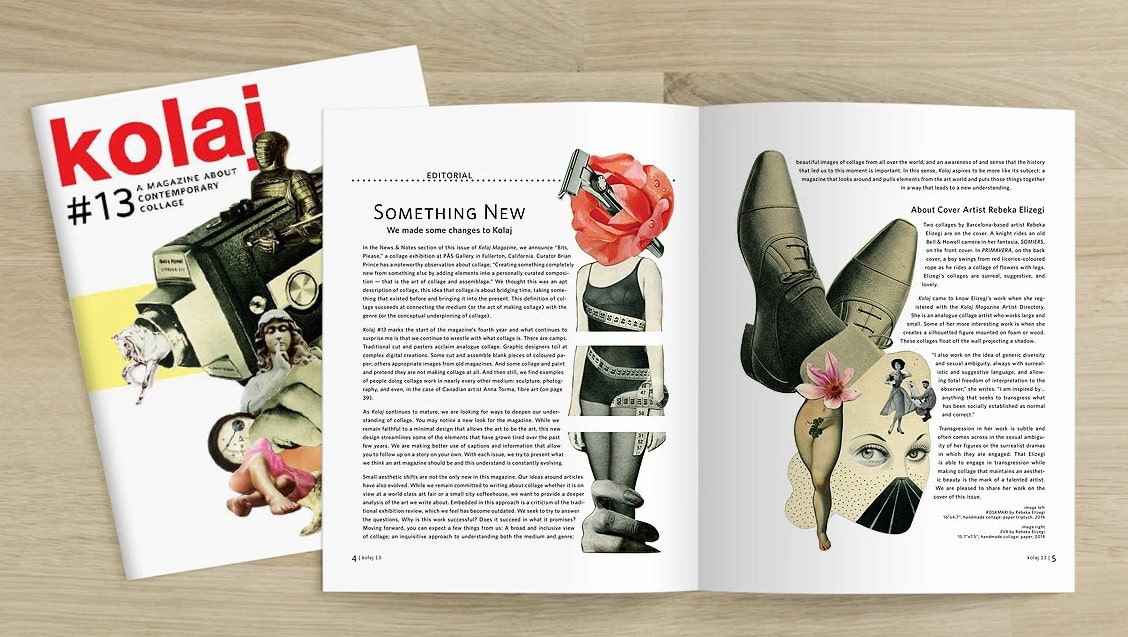
In editorial work , collage can combine photography and typography to illustrate articles or create magazine covers. This is a suitable environment for designers to explore the storytelling potential of these pieces.
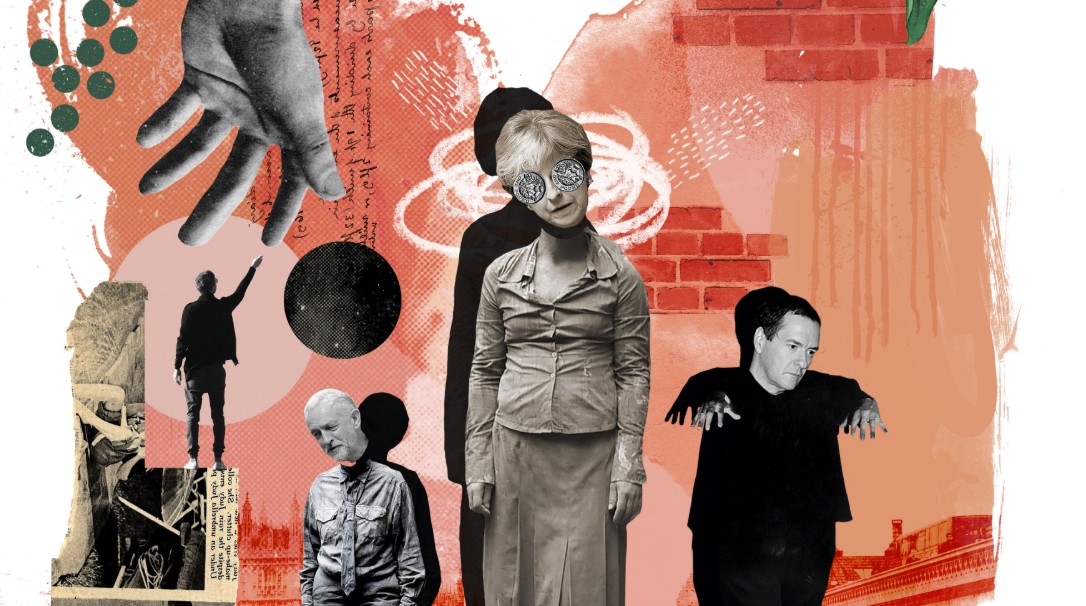
Collages are also widely used in social media . Posts, thumbnails, banners, or campaigns on digital platforms can use collages to create a consistent visual identity.

Furthermore, this style can also appear in branding , packaging, event posters, personal artwork, website design, and many other creative projects. For each field, designers can adjust the complexity and visual language to suit the target audience.
6. Conclusion
Collage design is a design method based on combining various elements to create a new image. From traditional collage techniques, collage has evolved into a flexible visual language in the digital environment.
The appeal of collages lies in their ability to create uniqueness, express personality, and tell stories through images. However, to create a beautiful collage, designers need not only image processing skills but also good control over ideas, layout, typography, color, texture, and hierarchy.
Most importantly, collage doesn't mean clutter. An artwork can contain many elements but still remain clear if each detail is placed correctly and serves the overall concept. Understanding this principle allows designers to freely experiment with photography, illustration, 3D, typography, and many other materials without losing the coherence of the design.
In the context of increasingly diverse digital imagery, collage continues to be a highly promising creative direction. It's not just a technique of combining images, but also a way for designers to transform disparate elements into a purposeful, personal, and impactful visual story.





















VIP Products








Best Selling Products
Autodesk All App Account Copyright
120 USD
Copyright Adobe Lightroom Account
59 USD
Adobe Photoshop Copyright - Full App
120 USD
Genuine Cheap Canva Pro
39 USD
Adobe Premiere Pro Account
99 USD
MidJourney Account
29 USD
Windows 10 & 11 Pro Key
36 USD
Genuine Adobe Illustrator account
99 USD
Freepik Premium Account
59 USD
Upgrade Duolingo Super
29 USD
Upgrade genuine Capture One account
120 USD
Capcut Pro 1 Year
39 USD
Plugin Retouch4me
69 USD
Upgrade Genuine Office 365
49 USD
ChatGPT Plus Account (GPT-4)
16 USD