Best Selling Products

Windows 10 & 11 Pro Key
36 USD
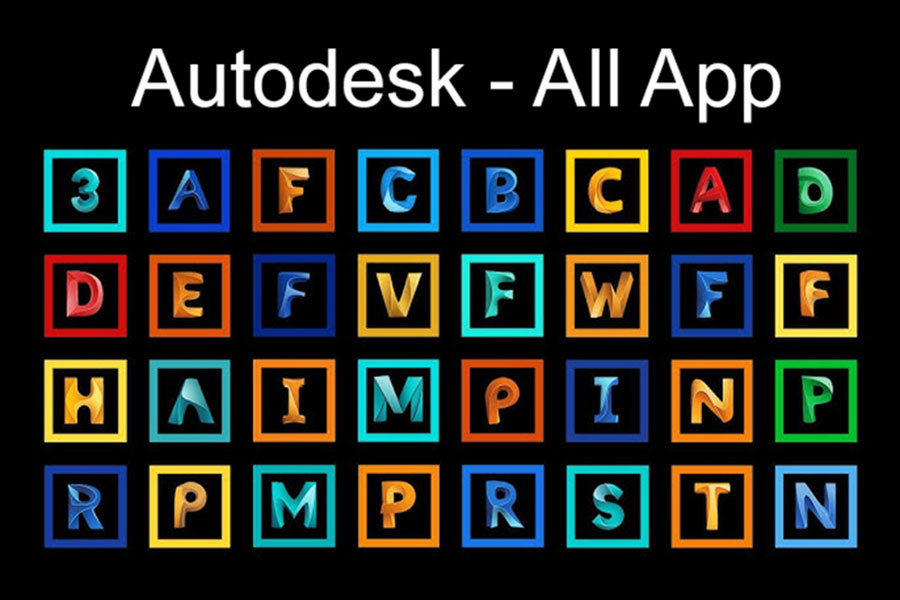
Autodesk All App Account Copyright
120 USD

Capcut Pro 1 Year
39 USD
Genuine Adobe Illustrator account
99 USD

Copyright Adobe Lightroom Account
59 USD

MidJourney Account
29 USD
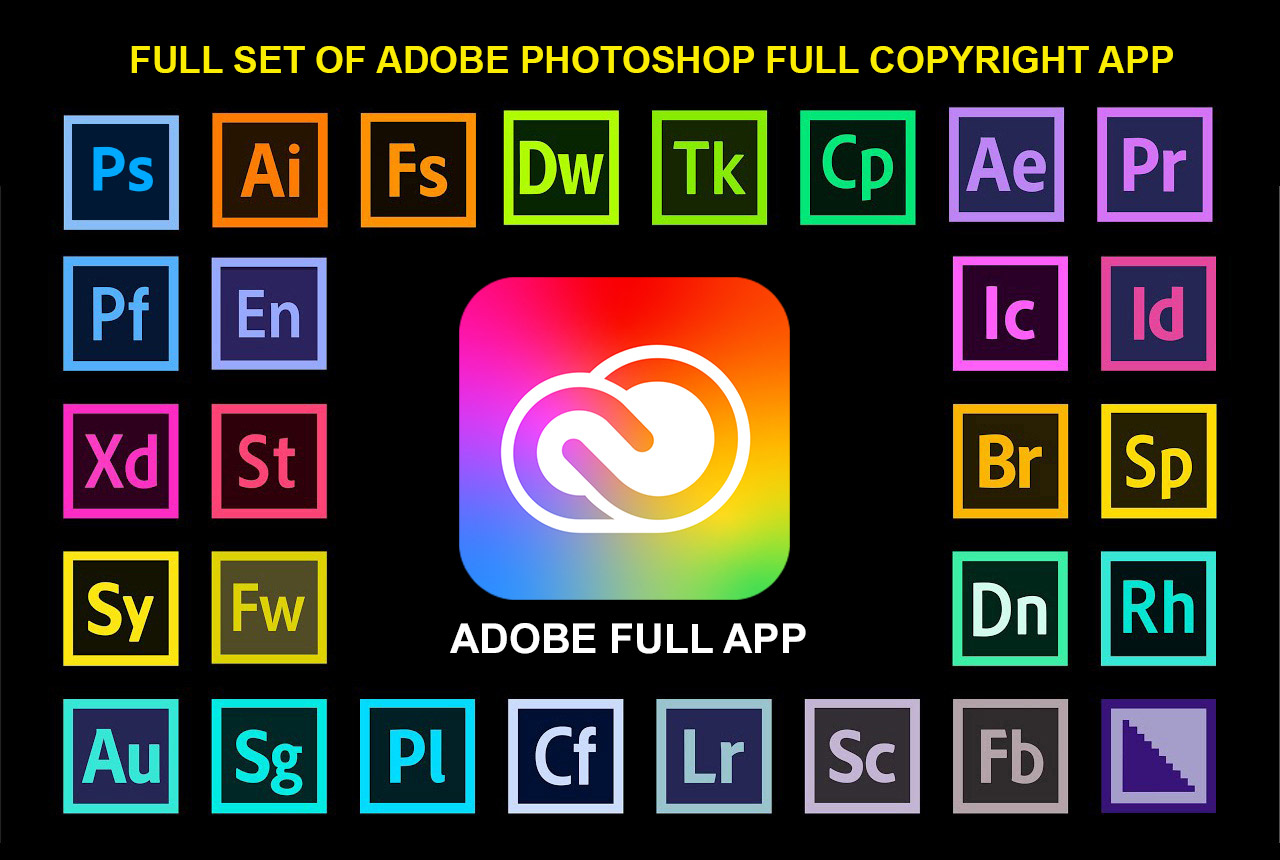
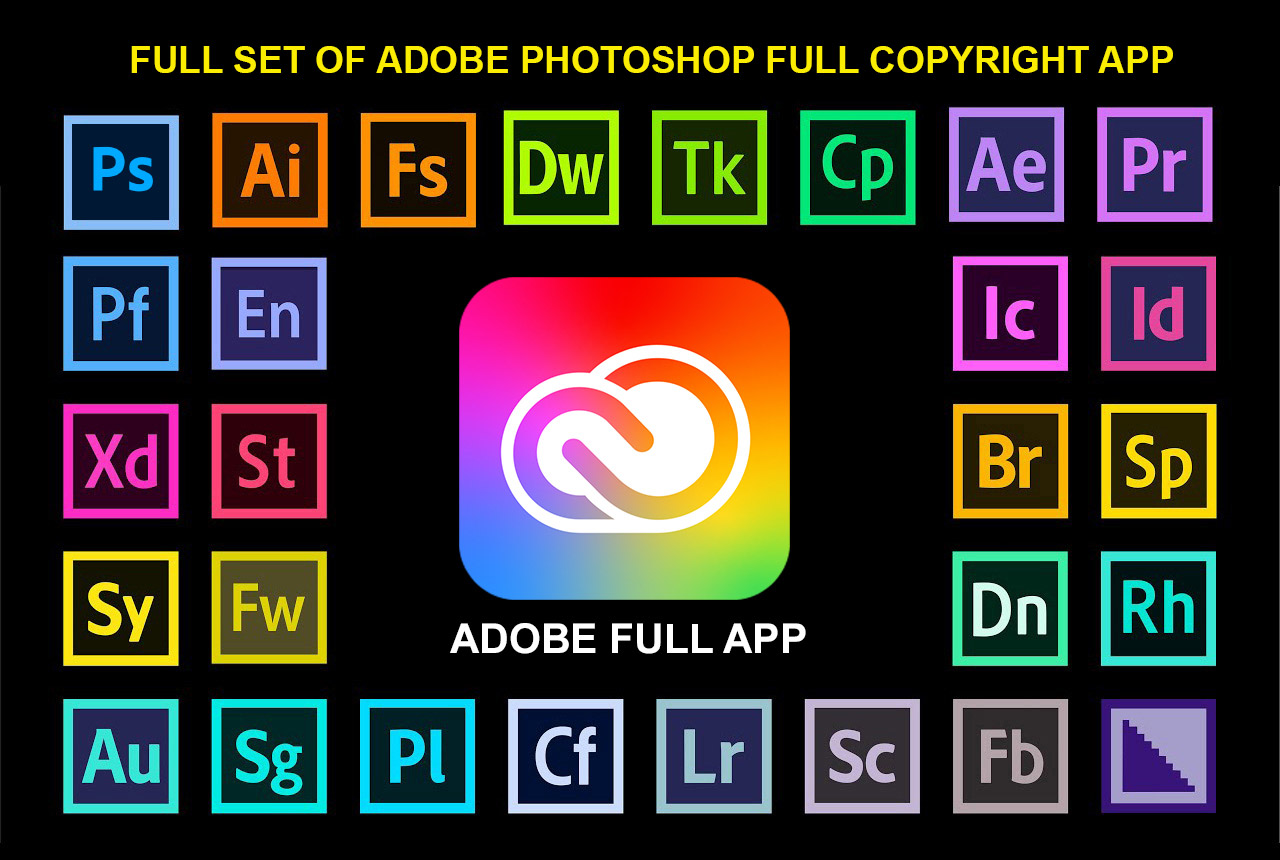
Adobe Photoshop Copyright - Full App
120 USD

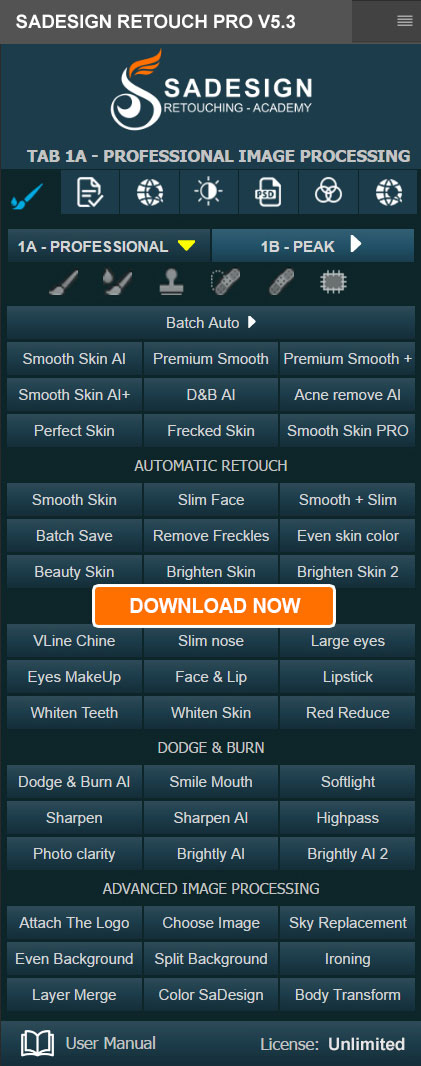
Plugin Retouch4me
69 USD

Upgrade Duolingo Super
29 USD

Upgrade Genuine Office 365
49 USD

Upgrade genuine Capture One account
120 USD

Adobe Premiere Pro Account
99 USD

ChatGPT Plus Account (GPT-4)
16 USD

Genuine Cheap Canva Pro
39 USD

Freepik Premium Account
59 USD
5 Standout UX/UI Trends in 2026 That Designers Can’t Afford to Ignore
Nội dung
From multimodal interfaces to AI-powered personalization, UX/UI is becoming smarter and more flexible. These changes help digital products deliver more intuitive and engaging experiences for users. These are the trends every designer needs to understand to avoid falling behind.
1. Immersive Experiences with Augmented Reality (AR) and Virtual Reality (VR)
One of the most significant UX/UI design trends in 2026 is the shift from traditional flat interfaces to three-dimensional environments. In the past, most digital products were designed around 2D screens with components such as buttons, menus, and navigation bars. However, with the advancement of augmented reality and virtual reality, users now have more opportunities to experience digital content within vibrant 3D spaces.
Augmented reality allows digital elements to be integrated directly into the user’s physical surroundings. Through device cameras or specialized wearable devices, users can see virtual objects appear in real-world environments and interact with them as though they were real. This opens up new opportunities in industries such as retail, education, tourism, and entertainment.
.jpg)
In e-commerce, AR enables users to place virtual product models directly into their living spaces before making a purchase decision. For example, a furniture application may allow users to virtually place a chair or table in their living room to see whether it fits the space and décor. This experience helps users make more informed purchasing decisions and reduces return rates for businesses.
Virtual reality is also creating new opportunities for user experience design. In VR environments, users can enter fully virtual worlds and interact with digital objects through gestures, eye tracking, or body movements. This creates a strong sense of immersion, making users feel as though they are truly present within the digital world.
For UX/UI designers, the rise of AR and VR introduces new design challenges. Instead of focusing solely on flat layouts, they must think about how interface elements are arranged in three-dimensional spaces, how users move and interact within virtual environments, and how visual feedback is delivered through sound, lighting, and motion.
2. Multimodal Interfaces with Voice and Gestures
Another important trend in UX/UI design is the rise of multimodal interfaces, where users can interact with systems through multiple methods such as touch, voice, and gestures. Among these, voice interfaces are becoming one of the most common interaction methods thanks to the advancement of virtual assistants and natural language processing technology.
Voice interfaces allow users to control devices and perform tasks simply by speaking to the system. This is especially useful in situations where users cannot use their hands, such as while driving, cooking, or multitasking across multiple devices.
.jpg)
In modern UX design, voice is no longer just an additional feature but is becoming a major input method. Designers need to create user flows that enable systems to understand and respond naturally to spoken commands. This includes designing conversational states, system responses, and fallback mechanisms when commands cannot be recognized.
Alongside voice interaction, gestures are becoming increasingly important in modern devices. Motion sensors and cameras can recognize hand gestures or body movements to control interfaces. This opens the door to touchless interactions, allowing users to operate devices in more convenient and natural ways.
The combination of voice, gestures, and traditional interaction methods is creating flexible multimodal experiences. In the future, users may begin a task through voice commands, continue it using gestures, and complete it through touch, all within a seamless experience.
3. Glass and Transparent Materials in User Interface Design
A notable interface design trend in recent years has been the use of material effects to create depth and liveliness within digital interfaces. Rather than relying solely on simple flat elements, modern design systems are increasingly simulating real-world materials such as glass, metal, and plastic to create richer visual experiences.
Transparent glass effects are among the most prominent trends in modern UI design. Interface surfaces can dynamically change transparency levels, reflect light, or create refraction effects as background content moves. These effects add a sense of depth and make interfaces feel more contemporary.
.jpg)
In addition, elements such as navigation bars, content cards, and application windows are being designed with softer curves and subtle lighting effects. As users scroll or move content, interface components can react with gentle motion, creating the feeling of interacting with physical objects in space.
This trend represents a transition from flat design toward material- and motion-based design. Designers must pay attention to how lighting, shadows, and depth influence users’ visual experiences. When implemented correctly, these elements can make interfaces more engaging and intuitive.
Beyond application interfaces, material design aesthetics are also influencing other fields such as icon design, brand graphics, and advertising visuals. Modern app icons increasingly incorporate 3D effects with glass or metallic materials to convey a premium and sophisticated appearance.
4. Micro-Interactions and Animation
In modern UX/UI design, motion effects and small interactions are playing an increasingly important role in enhancing user experiences. These elements not only make interfaces feel more dynamic but also provide visual feedback for user actions.
Micro-interactions are small motion effects that appear when users perform specific actions. For example, when someone taps a “Like” button on social media, the heart icon may gently pulse or change color to confirm the action. Such small details help users understand that the system has successfully registered their input.
.jpg)
Beyond micro-interactions, motion-based storytelling is also becoming a popular trend in UX/UI design. Through scroll effects, hover states, and drag-and-drop interactions, website content can be presented in layers, similar to a story unfolding step by step.
This approach allows users to explore content in a more natural and engaging way. Rather than reading a static information page, they can interact with graphics, images, and videos to gain a deeper understanding of the content. This is especially effective for product showcases, brand storytelling, and marketing campaigns.
The combination of micro-interactions and animation helps create emotionally rich digital experiences. When every user action is acknowledged through subtle motion, the interface does more than communicate information—it creates a genuine sense of interaction.
5. Personalizing Design with Artificial Intelligence
In the era of data and artificial intelligence, personalization is becoming one of the most important aspects of user experience. Today’s users expect digital products to understand their needs and deliver content tailored to their preferences.
Through real-time data analysis, AI can track user behavior and adjust interfaces or content to match individual habits. For example, a shopping application can reorganize product categories based on search history or recommend products similar to items the user has previously viewed.
From a UX design perspective, this requires systems to be built with flexible rules that allow interfaces to adapt according to context. However, these changes must be implemented carefully to avoid confusing users.
.jpg)
AI is also beginning to play a direct role in the design process itself. AI-powered design tools can help designers generate layouts, suggest color palettes, or build interface prototypes in a short amount of time. This accelerates the creative process and allows designers to experiment with a wider range of ideas.
Through the combination of data and artificial intelligence, future user experiences will become more personalized than ever before. Each user may encounter a different version of an interface based on their unique needs and preferences.
In the future, the role of UX/UI designers will extend beyond creating visually appealing interfaces to include a deep understanding of user needs, emotions, and behaviors. As technology becomes increasingly complex, the mission of UX/UI is to make that technology simple, accessible, and genuinely valuable to people’s lives. Those who understand these trends and know how to apply them effectively will gain a significant advantage in the rapidly evolving digital landscape.
















VIP Products





Best Selling Products
Windows 10 & 11 Pro Key
36 USD
Autodesk All App Account Copyright
120 USD
Capcut Pro 1 Year
39 USD
Genuine Adobe Illustrator account
99 USD
Copyright Adobe Lightroom Account
59 USD
MidJourney Account
29 USD
Adobe Photoshop Copyright - Full App
120 USD
Plugin Retouch4me
69 USD
Upgrade Duolingo Super
29 USD
Upgrade Genuine Office 365
49 USD
Upgrade genuine Capture One account
120 USD
Adobe Premiere Pro Account
99 USD
ChatGPT Plus Account (GPT-4)
16 USD
Genuine Cheap Canva Pro
39 USD
Freepik Premium Account
59 USD