Best Selling Products

Autodesk All App Account Copyright
120 USD

ChatGPT Plus Account (GPT-4)
16 USD

Copyright Adobe Lightroom Account
59 USD

Genuine Cheap Canva Pro
39 USD

Upgrade Genuine Office 365
49 USD

Upgrade Duolingo Super
29 USD

Adobe Premiere Pro Account
99 USD

Freepik Premium Account
59 USD

Genuine Adobe Illustrator account
99 USD

Upgrade genuine Capture One account
120 USD

Capcut Pro 1 Year
39 USD

Plugin Retouch4me
69 USD

Windows 10 & 11 Pro Key
36 USD

MidJourney Account
29 USD

Adobe Photoshop Copyright - Full App
120 USD
Who Is a VFX Artist? The “Visual Wizards” Behind Spectacular Movie Scenes
Nội dung
Behind massive explosions, giant monsters, and fantasy worlds in films lies the work of VFX Artists. They use technology and digital techniques to turn seemingly impossible ideas into reality.
1. Who Is a VFX Artist and Their Role in the Creative Industry
VFX Artists are professionals who create and manipulate digital visual effects to enhance or replace elements within live-action footage. The term VFX stands for “Visual Effects” and refers to techniques that use computer-generated imagery to create scenes that cameras cannot capture directly. In modern media productions, VFX plays a crucial role in improving visual quality and delivering impressive viewing experiences to audiences.
One of the most important responsibilities of a VFX Artist is creating visual elements that traditional filmmaking cannot achieve. For example, in science fiction or fantasy films, they may build entire virtual worlds that include cities, planets, creatures, or futuristic vehicles. These elements are then integrated with live-action footage to create complete and realistic scenes.
.jpg)
In addition to creating entirely new visuals, VFX Artists also participate in enhancing and refining live-action footage. They may remove unwanted details, replace skies, add smoke and fire, create weather effects, or adjust lighting to better fit the narrative. These changes are often subtle and difficult to notice, yet they play a vital role in perfecting the final product.
The role of a VFX Artist extends beyond technical execution and is closely connected to storytelling. A successful visual effect is not created merely to impress audiences but also to support the narrative and emotional impact of the story. VFX Artists must understand the setting, characters, and message of a project in order to create appropriate effects. When executed effectively, audiences perceive everything on screen as natural and seamlessly integrated into the story’s world.
In large-scale productions, VFX Artists often work within teams composed of various specialists such as 3D modelers, simulation experts, lighting artists, and compositing artists. Each professional is responsible for a specific stage of the production pipeline, collectively creating complex and lifelike scenes. This collaboration enables large VFX projects to be completed efficiently while maintaining high-quality standards.
2. The Work and Skills Required of a VFX Artist
To become a professional VFX Artist, individuals need a wide range of skills that combine both technical expertise and artistic ability. Their work typically begins with analyzing project requirements and determining how to create effects that support the content. Depending on the project, a VFX Artist may need to build 3D models, simulate physical effects, or combine multiple image layers to create a complete visual composition.
One of the most important skills for a VFX Artist is proficiency with industry-standard software. Tools such as Adobe After Effects, Nuke, Houdini, Maya, and Cinema 4D allow artists to create sophisticated effects and perform highly detailed image processing. Mastering these applications enables them to produce everything from simple animations to complex physical simulations such as explosions, smoke, water, and rain effects.
(1).jpg)
In addition to technical expertise, VFX Artists must also possess strong aesthetic judgment. Visual effects must align with the composition, lighting, and color palette of a scene to achieve overall harmony. If effects are not designed appropriately, audiences can easily distinguish between digital elements and real footage. Therefore, knowledge of photography, lighting, and visual composition is extremely valuable for professionals in this field.
Problem-solving ability is another essential skill. Visual effects production often involves technical challenges such as software issues, hardware limitations, or last-minute changes requested by directors. VFX Artists must be capable of finding creative solutions while maintaining project timelines and quality standards.
Furthermore, teamwork skills are critical because VFX projects are often large-scale productions requiring collaboration among multiple departments. A VFX Artist not only works closely with fellow artists but also communicates with directors, producers, and other teams to ensure that the effects align with the project’s creative vision.
3. The Process of Creating Visual Effects (VFX)
The VFX production process typically consists of multiple stages, beginning with planning and ending with the final completed output. The first stage is pre-production, during which the VFX team becomes involved in project preparation. At this stage, they collaborate with directors and production teams to identify scenes that require visual effects and develop an implementation plan.
Once filming is complete, artists move into the effects production stage. During this phase, they create 3D models, establish lighting setups, and build the digital elements that will appear in the footage. These assets may include characters, vehicles, buildings, or other objects depending on the project’s requirements.
The next stage involves animation and simulation, where models are brought to life through movement and realistic effects. Artists may simulate natural phenomena such as smoke, fire, and water or create complex movements for characters and objects.
.jpg)
The final stage of the process is compositing, where all visual elements are combined into a finished frame. During this step, artists adjust lighting, colors, and fine details to ensure that digital assets blend seamlessly with live-action footage. Once completed, the shot is rendered and passed into the final post-production workflow of the film or video.
4. Applications of VFX Across Industries
Today, visual effects extend far beyond filmmaking and are widely used across numerous industries. In the film industry, VFX enables filmmakers to create spectacular scenes without constructing expensive physical sets. Blockbuster movies featuring fantasy worlds, mythical creatures, and large-scale battles all rely on VFX technology to deliver unforgettable visual experiences.
In the video game industry, VFX plays a vital role in creating environments and action effects for characters. Effects such as magic spells, explosions, and dynamic weather systems help make games more immersive and engaging.
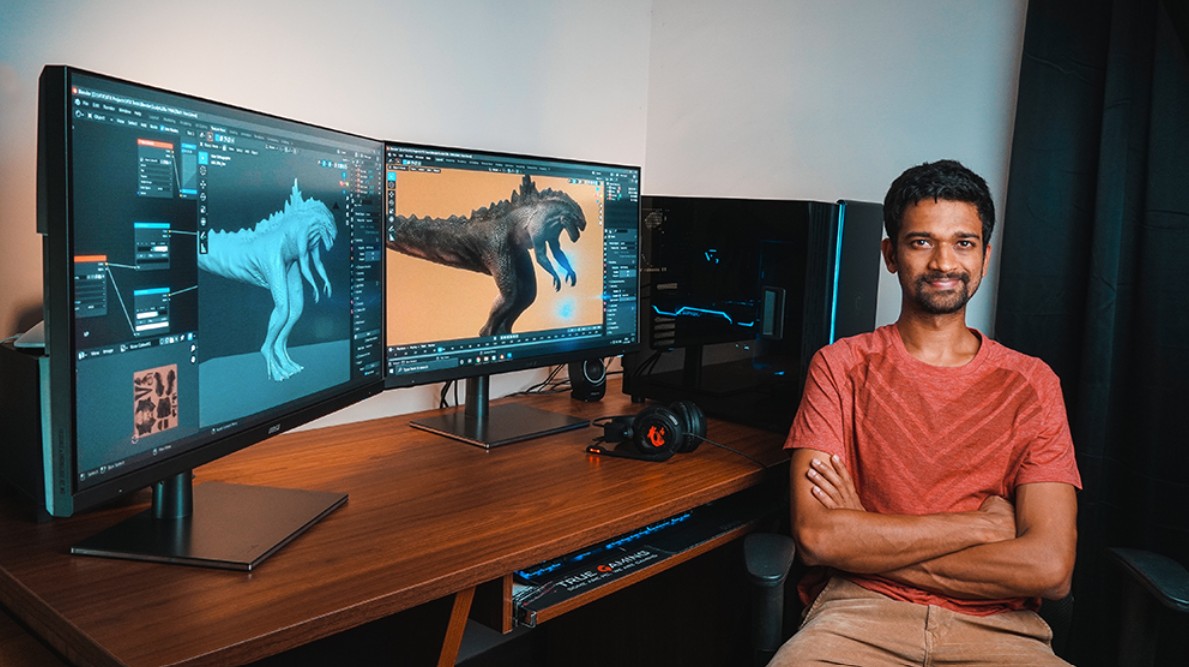
The advertising industry is another sector where VFX is heavily utilized. Brands frequently employ visual effects to produce creative advertisements that capture audience attention. Through VFX, concepts that would be impossible to execute in real life can become unique and compelling visuals on screen.
In addition, VFX is increasingly applied in education, architecture, and scientific simulation. Three-dimensional models and visual effects help illustrate complex concepts in a more intuitive and understandable way.
5. Career Development Paths for VFX Artists
A VFX Artist’s career often begins with entry-level positions in visual production studios. During the early stages, they may work as compositing artists, motion graphic designers, or 3D artists to gain experience and develop a deeper understanding of the VFX production pipeline.
After acquiring sufficient experience, they can advance into more specialized roles such as FX Artist, Lighting Artist, or Lead Compositor. These positions require advanced technical skills and the ability to work on increasingly complex projects.
At higher career levels, professionals with extensive experience may become VFX Supervisors or Creative Directors. In these roles, they oversee the entire visual effects production process and ensure that the final results align with the project’s creative vision.
Beyond working at major studios, many VFX Artists choose freelance careers, allowing them to participate in a wide variety of projects. This path offers greater flexibility and opportunities to collaborate with diverse clients across the creative industry.
VFX Artists are the creative professionals behind the breathtaking visuals seen in modern media productions. By combining artistic creativity with digital technology, they transform imaginative ideas into vivid on-screen experiences. Thanks to their contributions, films, games, and advertising content continue to become more engaging, immersive, and emotionally impactful.





















VIP Products








Best Selling Products
Autodesk All App Account Copyright
120 USD
ChatGPT Plus Account (GPT-4)
16 USD
Copyright Adobe Lightroom Account
59 USD
Genuine Cheap Canva Pro
39 USD
Upgrade Genuine Office 365
49 USD
Upgrade Duolingo Super
29 USD
Adobe Premiere Pro Account
99 USD
Freepik Premium Account
59 USD
Genuine Adobe Illustrator account
99 USD
Upgrade genuine Capture One account
120 USD
Capcut Pro 1 Year
39 USD
Plugin Retouch4me
69 USD
Windows 10 & 11 Pro Key
36 USD
MidJourney Account
29 USD
Adobe Photoshop Copyright - Full App
120 USD