Best Selling Products
Upgrade Genuine Office 365
49 USD
Genuine Cheap Canva Pro
39 USD
Adobe Premiere Pro Account
99 USD
Autodesk All App Account Copyright
120 USD

Freepik Premium Account
59 USD

Capcut Pro 1 Year
39 USD
Upgrade genuine Capture One account
120 USD
Genuine Adobe Illustrator account
99 USD

MidJourney Account
29 USD

ChatGPT Plus Account (GPT-4)
16 USD
Windows 10 & 11 Pro Key
36 USD
Upgrade Duolingo Super
29 USD
Copyright Adobe Lightroom Account
59 USD
Plugin Retouch4me
69 USD
Adobe Photoshop Copyright - Full App
120 USD
What Is a Poster? Exploring the History, Trends, and Principles of Modern Poster Design
Nội dung
From classic advertising posters to today's digital posters, this form of communication has undergone many transformations. This article will help you understand how posters have evolved over time and how to design an effective poster in today's media landscape.
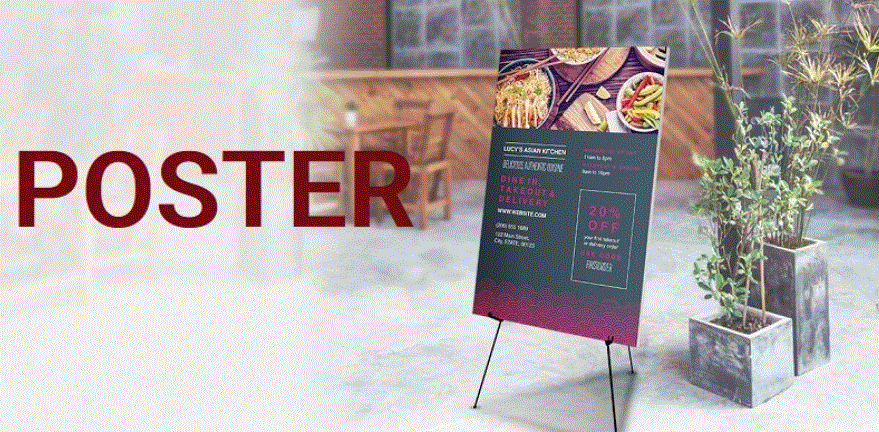
1. What Is a Poster and the Role of Posters in Communication
A poster is a form of graphic design that combines images and text to communicate a message to viewers quickly and visually. In its traditional form, a poster is usually printed in a large format and displayed in high-traffic locations such as streets, train stations, movie theaters, or shopping centers. The primary goal of a poster is to capture attention within a few seconds and communicate the core message effectively. By looking at a poster, viewers should immediately understand the main purpose, whether it is promoting a product, announcing an event, or conveying a social message.
The effectiveness of a poster lies in its ability to combine imagery and language in a concise way. While text provides information, images can convey emotions and create strong visual impressions. When these two elements are combined effectively, a poster becomes a highly powerful communication tool. This is why posters are widely used in commercial advertising, arts and culture, education, social communication, and even politics.
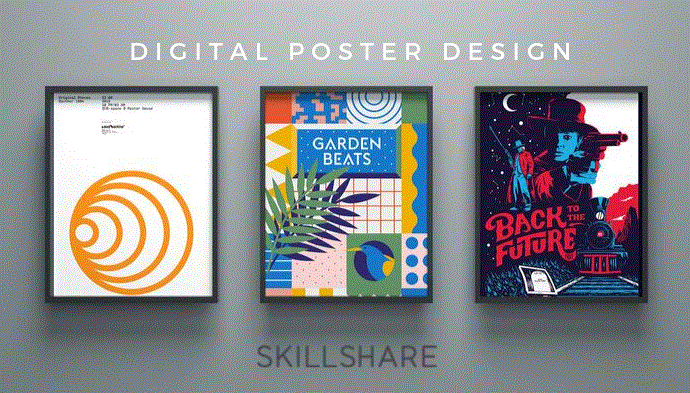
In modern marketing, posters continue to play an important role despite the emergence of many digital advertising formats. A well-designed poster can become the representative image of an entire communication campaign, helping audiences remember a brand or event. Furthermore, posters have strong viral potential on the Internet. When shared on social media, an eye-catching poster can quickly attract the attention of thousands of people, significantly expanding the reach of its message.
Posters also play an important role in building the visual identity of a brand or organization. Through color palettes, design styles, and typography, posters can communicate a brand’s personality and values. For example, a poster that uses minimalist colors and modern typography may create a professional and sophisticated impression, while a poster featuring vibrant colors and lively illustrations may feel youthful and energetic. This demonstrates that posters are not only communication tools but also mediums for creative expression.
2. The Evolution of Posters Through Different Eras
Modern posters began to emerge in the late 19th century when color lithography technology advanced. Before that time, printing color images was complicated and expensive, making posters difficult to produce on a large scale. The development of lithographic printing made poster production more accessible and paved the way for the rapid growth of this communication medium. During the early period, posters were mainly used to promote artistic performances, theaters, exhibitions, and entertainment events. These posters often reflected the artistic style of the era, featuring elegant lines, vib rant colors, and decorative compositions.
(1).jpg)
In the early 20th century, posters began to play an important role in political propaganda campaigns. During the World Wars, many countries used posters to encourage military enlistment, raise financial support for the war effort, or promote government policies. These posters often employed powerful imagery and concise slogans to create a strong psychological impact on viewers. It was during this period that posters demonstrated their effectiveness as a mass communication tool.
From the 1920s to the 1930s, poster design was heavily influenced by modern art movements. Design schools such as Bauhaus introduced new approaches to layout organization and typography. Instead of elaborate decorative imagery, posters shifted toward minimalism, emphasizing geometric forms, primary colors, and logical compositions. This made messages clearer and easier to understand.
By the 1960s and 1970s, posters had become symbols of popular culture. During this era, music posters, concert posters, and street art posters became increasingly common. Design styles embraced experimentation, featuring vibrant colors, abstract imagery, and distinctive typography. Posters were no longer solely promotional tools but also expressions of creativity and cultural identity.
From the 1990s to the present, the rise of digital technology has transformed poster design dramatically. Graphic design software allows designers to experiment with various styles and create complex visual effects. Posters are no longer limited to print media but have expanded to digital platforms such as websites, social media, and electronic advertising screens. This evolution has enabled posters to reach audiences more quickly and adapt more flexibly to communication needs.
3. Common Types of Posters Today
In today's diverse communication landscape, posters have evolved into different categories to serve specific purposes. One of the most common types is the advertising poster. This type is widely used in marketing to promote products, services, or brands. Advertising posters typically feature striking visuals and concise messages designed to attract customer attention.
Event posters are used to introduce and promote activities such as concerts, seminars, exhibitions, or festivals. These posters usually include important information such as the event name, date, location, and organizer. Beyond providing information, event posters must also create excitement and curiosity to encourage participation.
Art posters focus more heavily on creativity and aesthetics. These posters may be displayed as artworks or used in exhibitions and creative projects. Unlike advertising posters, art posters are generally less constrained by commercial objectives and can freely explore unique design styles.
(1).jpg)
There are also educational posters and community posters. These are commonly used in schools, hospitals, or social campaigns to provide valuable information to the public. Examples include environmental awareness posters, traffic safety campaigns, and healthcare information posters.
4. Principles of Professional Poster Design
Designing an effective poster requires a balance between creative thinking and a solid understanding of fundamental design principles. First, designers must clearly define the poster’s objective and target audience. By understanding both the message and the intended viewers, it becomes easier to select an appropriate design style, imagery, and color palette. This helps prevent the design from becoming unfocused or overloaded with unnecessary information.
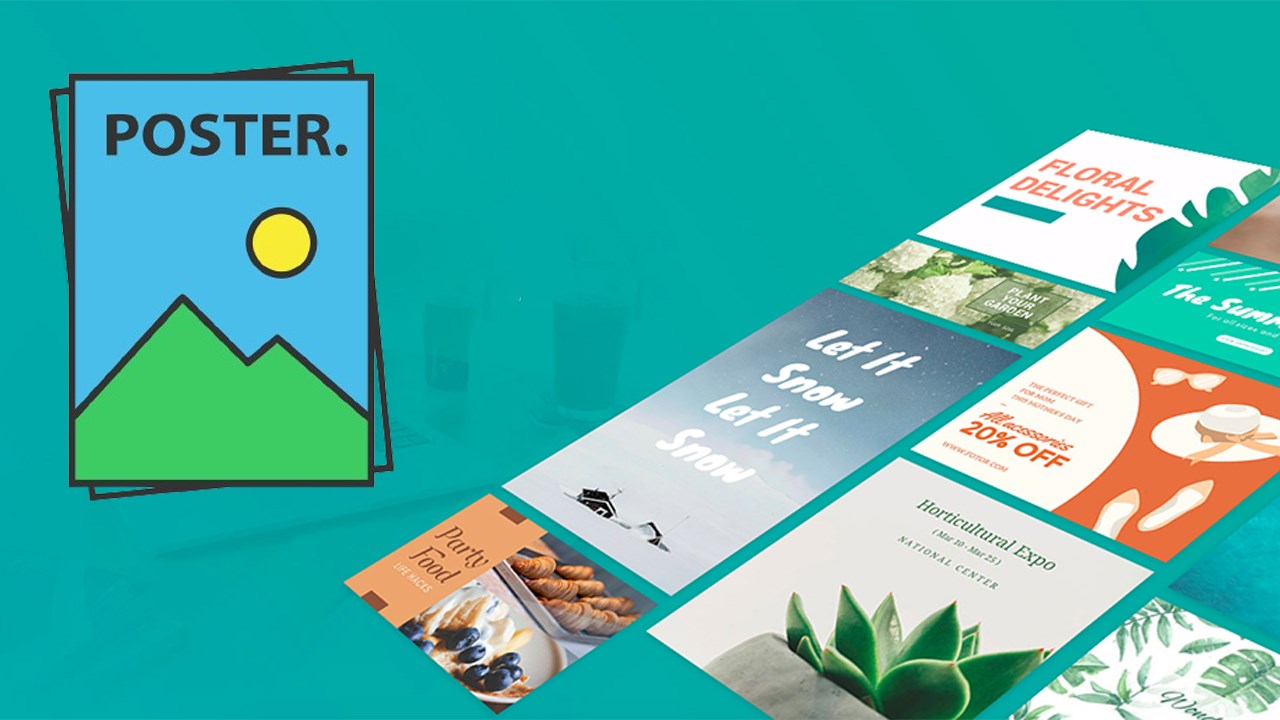
Layout is a crucial element in organizing poster content clearly and logically. A successful poster should have a strong visual hierarchy, where the headline, main image, and supporting information are arranged in order of importance to guide the viewer’s eye. The effective use of white space, balanced elements, and grid systems helps create a clean, readable design with clear focal points.
Color also plays a critical role in attracting attention and evoking emotions. A professional poster typically uses a color palette with balanced harmony and contrast to ensure that the content remains visually appealing and easy to read. Typography must be selected carefully because typefaces significantly influence the overall style of the poster. In most cases, using only two or three fonts helps maintain consistency and prevents visual clutter. When images, colors, and typography are combined effectively, a poster becomes both aesthetically pleasing and highly effective in communicating its message.
5. Poster Design Trends in the Digital Age
The development of technology has introduced many new trends in poster design. One of the most notable trends is the motion poster, where visual elements include subtle animations to increase engagement on digital platforms such as social media and electronic advertising displays. These effects make posters more dynamic and help them stand out in fast-paced media environments.
At the same time, interactive posters are becoming increasingly popular. Through technologies such as QR codes and augmented reality (AR), viewers can interact directly with posters to access additional information, watch videos, or participate in events. This transforms posters from static images into components of a multimedia communication experience.
Another growing trend is the combination of classic design aesthetics with modern technology. Traditional poster styles are being recreated using digital design tools, resulting in works that feel both nostalgic and contemporary. Alongside this, minimalist design continues to gain popularity because its simplicity, clarity, and focused layouts help messages remain easy to understand and remember in today’s information-saturated world.
Posters have evolved for more than a century and continue to play an important role in modern communication. From printed event advertisements to digital posters shared across social media, this communication format has consistently adapted to technological and societal changes. Posters are not only advertising tools but also creative mediums that reflect the visual culture of each era.










VIP Products


Best Selling Products
Upgrade Genuine Office 365
49 USD
Genuine Cheap Canva Pro
39 USD
Adobe Premiere Pro Account
99 USD
Autodesk All App Account Copyright
120 USD
Freepik Premium Account
59 USD
Capcut Pro 1 Year
39 USD
Upgrade genuine Capture One account
120 USD
Genuine Adobe Illustrator account
99 USD
MidJourney Account
29 USD
ChatGPT Plus Account (GPT-4)
16 USD
Windows 10 & 11 Pro Key
36 USD
Upgrade Duolingo Super
29 USD
Copyright Adobe Lightroom Account
59 USD
Plugin Retouch4me
69 USD
Adobe Photoshop Copyright - Full App
120 USD