Best Selling Products
Adobe Photoshop Copyright - Full App
120 USD

ChatGPT Plus Account (GPT-4)
16 USD
Capcut Pro 1 Year
39 USD
Upgrade genuine Capture One account
120 USD
Adobe Premiere Pro Account
99 USD

MidJourney Account
29 USD
Upgrade Genuine Office 365
49 USD
Genuine Cheap Canva Pro
39 USD
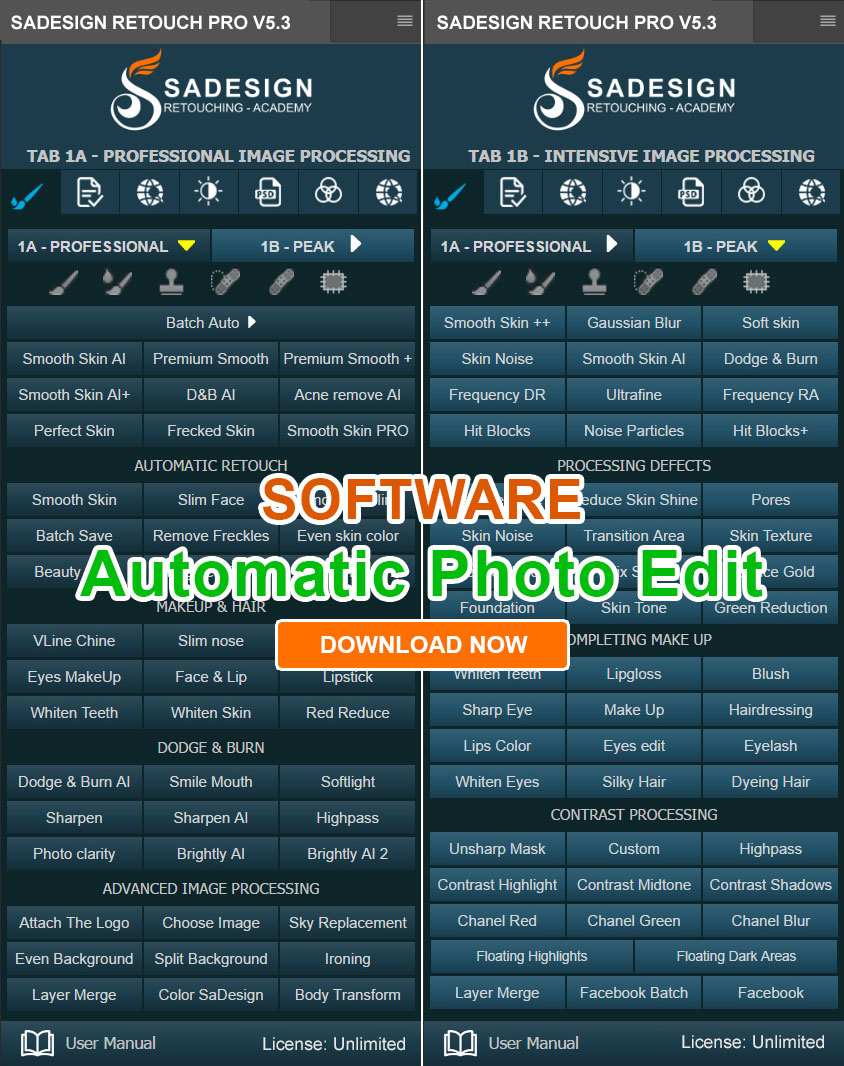
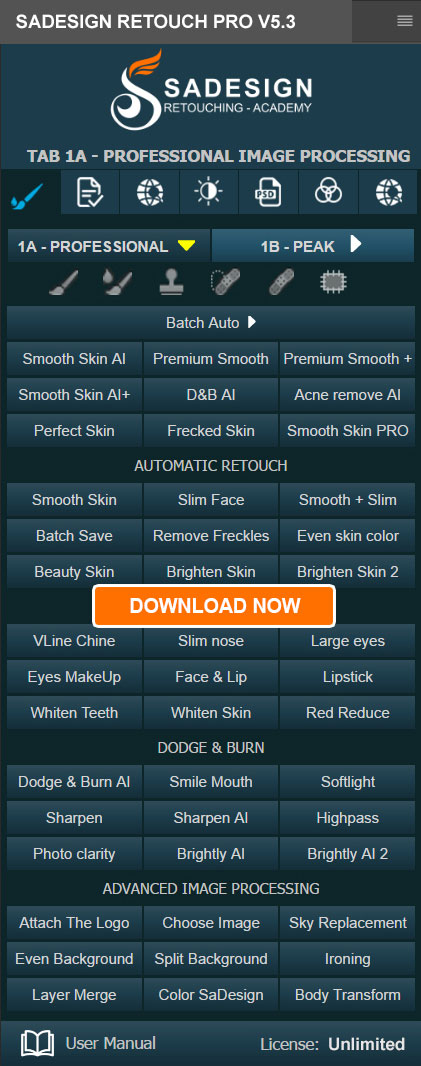
Plugin Retouch4me
69 USD
Upgrade Duolingo Super
29 USD
Windows 10 & 11 Pro Key
36 USD
Copyright Adobe Lightroom Account
59 USD

Genuine Adobe Illustrator account
99 USD
Freepik Premium Account
59 USD
Autodesk All App Account Copyright
120 USD
A guide to using ChatGPT to create a social media content plan in 5 minutes.
Nội dung
- 1. Why should you use ChatGPT for social media content planning?
- 2. Guide to using ChatGPT to create a social media content plan in 5 minutes.
- Step 1: Define content goals and target audience.
- Step 2: Ask ChatGPT for content ideas.
- Step 3: Create a detailed posting schedule.
- Step 4: Develop the idea into complete content.
- Step 5: Review, optimize, and finalize the plan.
- 3. Tips for using ChatGPT to create more engaging content plans
- 3.1. Write the statement as specifically as possible.
- 3.2. Combining multiple content formats
- 3.3. Adapting content for each platform
- 3.4. Regularly update the plan based on actual results.
- 4. Things to note when using ChatGPT for social media planning.
- 5. Conclusion
Instead of spending hours thinking about what to post each day, you can leverage ChatGPT to significantly shorten the planning process. This AI tool can suggest topics, build posting schedules, divide content by goals, and suggest implementation methods suitable for each platform. With just some basic information and the right commands, you can create a relatively complete content plan in about 5 minutes. Let''s explore how to use ChatGPT to build a quick, scientific, and effective social media plan with Sadesign!

1. Why should you use ChatGPT for social media content planning?
One of the biggest challenges in managing social media is maintaining a fresh stream of ideas over the long term. You might easily come up with some catchy topics in the early days, but when you have to post continuously every week, finding relevant content becomes more difficult. ChatGPT can help solve this problem by suggesting many ideas based on your industry, target audience, and communication goals. Instead of starting from a blank slate, you have a ready-made list of topics to choose from and develop.
In addition, ChatGPT helps organize ideas into a clear, structured plan. You can request the tool to divide content by week, day, or by different thematic groups. For example, a cosmetics brand could combine articles sharing skincare knowledge, instructional videos, product introductions, and interactive posts with customers. This distribution method makes the social media page more diverse, avoids focusing solely on advertising, and fosters long-term connections with followers.
In particular, ChatGPT can tailor its plan to each platform. An idea can be developed into a short video on TikTok, a photo post on Instagram, or in-depth content sharing on Facebook. This saves content creators research time and provides them with a clearer direction for implementing a consistent marketing campaign.

2. Guide to using ChatGPT to create a social media content plan in 5 minutes.
To create an effective content plan, you don't need overly complex commands. The key is to provide sufficient information about your brand, target audience, and desired outcomes. Below is a 5-step process to help you leverage ChatGPT to quickly build a content calendar.
Step 1: Define content goals and target audience.
First, access ChatGPT and define the goals you want to achieve through your social media channels. Some common goals include increasing reach, attracting new followers, building brand awareness, increasing engagement, or boosting sales. Defining your goals from the outset helps ChatGPT understand your direction and provide more relevant ideas, rather than suggesting general topics.
Next, you need to provide information about your target audience. Describe their age, interests, needs, social media habits, and common concerns. For example, if you sell cosmetics for women aged 18 to 30, you could prioritize topics like skincare, daily makeup, cosmetic selection, and budget-friendly beauty tips. The more specific you are, the more accurate your ChatGPT results will be in meeting real-world needs.
You can use the following statement:
"You are a social media content strategy expert. I am in the [industry/product] business, targeting [customer description] customers. My goal is [increase engagement/increase brand awareness/increase sales]. Please analyze the needs, interests, and topics that this customer group is likely to be interested in. Present this concisely and clearly, and suggest appropriate content strategies."
Step 2: Ask ChatGPT for content ideas.
After identifying your goals and target audience, move on to the idea generation phase. This is often the most time-consuming step because you need to constantly innovate your topics to keep your followers engaged. With ChatGPT, you can request dozens of ideas with just one command. The tool will use the information you provide to suggest topics related to your business and customer needs.
To prevent your idea list from becoming monotonous, you should ask ChatGPT to divide the content into different categories. For example, knowledge-based content, entertainment content, interactive posts, brand stories, product introductions, and customer feedback. Combining these thematic groups helps your social media page achieve a balance between informational value and business goals. You should also ask the tool to suggest catchy titles with specific angles for easy adaptation into articles or videos.
Suggested command:
"Based on the provided information about the brand and target audience, propose 30 social media content ideas. Divide them into 5 groups: knowledge sharing, entertainment, interaction, brand building, and product promotion. Each idea should have an engaging title, main content, and appropriate format. Prioritize topics that are relatable, easy to implement, and likely to attract customer attention."

Step 3: Create a detailed posting schedule.
Once you have a list of ideas, you need to organize them into a specific posting schedule. A good plan is not simply a collection of good topics, but also requires a reasonable allocation of time, format, and goals. You can ask ChatGPT to build a content schedule for 7, 14, or 30 days depending on your needs. The tool will help divide topics by day, and suggest posting times and formats for easy tracking.
For example, if you manage a Facebook sales page, you could allocate content as follows: Monday: Share helpful information; Tuesday: Post product introductions; Wednesday: Create engaging content; Thursday: Share customer reviews; Friday: Post short videos; Saturday: Launch promotional programs; and Sunday: Post a brand story. This is a sample schedule for reference; you can adjust the frequency based on your resources and the actual effectiveness of your channel.
Suggested command:
"Please create a 30-day social media posting schedule for the brand [brand name/category]. Each day should have a specific theme, post title, content goal, posting format, and a suitable call to action. Balance the content to provide value, entertainment, engagement, and sales. Present it in a table format for easy tracking and implementation."
Step 4: Develop the idea into complete content.
A posting schedule is only truly useful when you can quickly turn each idea into concrete content. After completing the schedule, select relevant topics and then request ChatGPT to write detailed articles. Depending on the platform, you can request the tool to generate Facebook captions, TikTok video scripts, Instagram carousel content, or in-depth LinkedIn posts.
To make your content engaging, provide specific requirements regarding tone, length, opening style, and the message you want to convey. For example, for TikTok videos, you could request a script with an attention-grabbing opening, concise content, and a natural call to action. For Facebook, content can be more approachable, easy to read, and include questions to encourage viewer comments. Adapting your writing style to each platform will help ensure your content is more relevant to user behavior.
Suggested command:
"Develop the idea [topic name] into a complete Facebook post. The content should have an engaging title, an intriguing opening, clearly presented main information, and a natural call to action. Use accessible, easy-to-understand language, keep it concise, and be appropriate for your target audience [target]."
Step 5: Review, optimize, and finalize the plan.
Before implementing the plan, you should take the time to review all the content suggested by ChatGPT. Check for duplicate topics, ensure the posting schedule is balanced across content groups, and verify that each post serves the original goal. If you find any unsuitable topics, you can request ChatGPT to replace them or adjust them to be more creative.
Additionally, don't forget to request the tool to suggest effective tracking metrics. Depending on your goals, you might be interested in reach, video views, engagement rate, shares, link clicks, or the number of orders generated. After a period of implementation, compile the actual results and provide them to ChatGPT for analysis of the performing content, thereby adjusting the plan for the next phase.
Suggested command:
"Review the 30-day content plan you just created. Evaluate the diversity of topics, the ability to attract customers, and the balance between interactive and sales-oriented content. Identify areas for improvement, suggest ways to enhance it, and create a list of metrics to track for effective evaluation."
3. Tips for using ChatGPT to create more engaging content plans
3.1. Write the statement as specifically as possible.
The quality of results from ChatGPT depends heavily on how you phrase your questions. Simply entering a request like "Create a Facebook posting plan for one month" will often result in very general suggestions. Instead, provide information about your business sector, target audience, brand style, communication goals, and posting frequency. You can also include some examples of your preferred content to help ChatGPT understand your desired style.
3.2. Combining multiple content formats
Don't let your social media feed be limited to long posts or product showcases. Leverage ChatGPT to create a diverse content plan with short videos, infographics, experience-sharing articles, interactive Q&A sessions, behind-the-scenes content, and real-life stories. Each format offers a unique way of conveying your message, helping your brand reach a wider audience and preventing boredom.
3.3. Adapting content for each platform
Facebook, TikTok, Instagram, and LinkedIn have different user characteristics and content distribution methods. Therefore, you shouldn't simply copy and paste a post across all channels. Instead, ask ChatGPT to transform the same topic into multiple versions, such as a detailed Facebook post, a short video script on TikTok, and a set of visual content on Instagram. This saves effort and ensures your message is conveyed more effectively.
3.4. Regularly update the plan based on actual results.
A content plan shouldn't remain fixed for months. After posting, you need to monitor audience feedback to identify which topics are popular, which formats are effective, and which content hasn't met expectations. Feed this data into ChatGPT and request analysis and comparison to find a more suitable direction. However, it's crucial to verify the findings using data from each platform's analytics tool, avoiding complete reliance on AI evaluations.

4. Things to note when using ChatGPT for social media planning.
While ChatGPT can assist in many stages, it's not a tool that can completely replace the creative thinking and judgment of a content creator. The ideas proposed are sometimes too general, failing to accurately reflect market trends or the specific characteristics of your target audience. Therefore, you should consider the results from ChatGPT as a reference plan, then adjust it based on your experience, real-world information, and brand direction.
In addition, pay attention to verifying the accuracy of the information used in the post, especially data, product information, prices, and content related to the platform's policies. Do not copy entire AI-generated content without proofreading and editing it first. Adding real-world experiences, your own unique style, and brand imagery will make the post more natural, distinctive, and build greater trust.
Another important point is the need to protect internal data when using ChatGPT. Do not upload customer information, business data, or confidential documents to the tool without first assessing the appropriate data processing settings and policies. Select only the information necessary for planning purposes and maintain a review process before publishing content.

5. Conclusion
Using ChatGPT to create a social media content plan in 5 minutes is a useful solution that saves time, sparks ideas, and organizes work more efficiently. With just a few appropriate commands, you can define content direction, build a list of topics, schedule posts, and develop ideas into specific articles. However, for long-term effectiveness, combine the AI's support capabilities with creativity, experience, and real-world data monitoring. When used correctly, ChatGPT will become a powerful assistant to help you maintain consistent social media activity and build a more professional brand image.












VIP Products

Best Selling Products
Adobe Photoshop Copyright - Full App
120 USD
ChatGPT Plus Account (GPT-4)
16 USD
Capcut Pro 1 Year
39 USD
Upgrade genuine Capture One account
120 USD
Adobe Premiere Pro Account
99 USD
MidJourney Account
29 USD
Upgrade Genuine Office 365
49 USD
Genuine Cheap Canva Pro
39 USD
Plugin Retouch4me
69 USD
Upgrade Duolingo Super
29 USD
Windows 10 & 11 Pro Key
36 USD
Copyright Adobe Lightroom Account
59 USD
Genuine Adobe Illustrator account
99 USD
Freepik Premium Account
59 USD
Autodesk All App Account Copyright
120 USD