Best Selling Products
Upgrade Genuine Office 365
49 USD
Freepik Premium Account
59 USD
Plugin Retouch4me
69 USD
Autodesk All App Account Copyright
120 USD
Adobe Premiere Pro Account
99 USD
Copyright Adobe Lightroom Account
59 USD
Genuine Cheap Canva Pro
39 USD
Adobe Photoshop Copyright - Full App
120 USD

Genuine Adobe Illustrator account
99 USD
Upgrade genuine Capture One account
120 USD
Upgrade Duolingo Super
29 USD
ChatGPT Plus Account (GPT-4)
16 USD
MidJourney Account
29 USD
Windows 10 & 11 Pro Key
36 USD
Capcut Pro 1 Year
39 USD
Anthropic and OpenAI: The race to control access to powerful AI models
Nội dung
- 1. Why is access to AI becoming a major issue?
- 2. Anthropic and Mythos-Fable Strategy
- 3. OpenAI is also adopting a two-tier model.
- 4. AI is becoming the "gatekeeper" of cybersecurity.
- 5. Benefits of selective access
- 6. But selective access also creates gaps.
- 7. The challenge of balancing safety and commercialization.
Anthropic and OpenAI are changing the way we deliver AI models with strong cybersecurity capabilities through selective access.
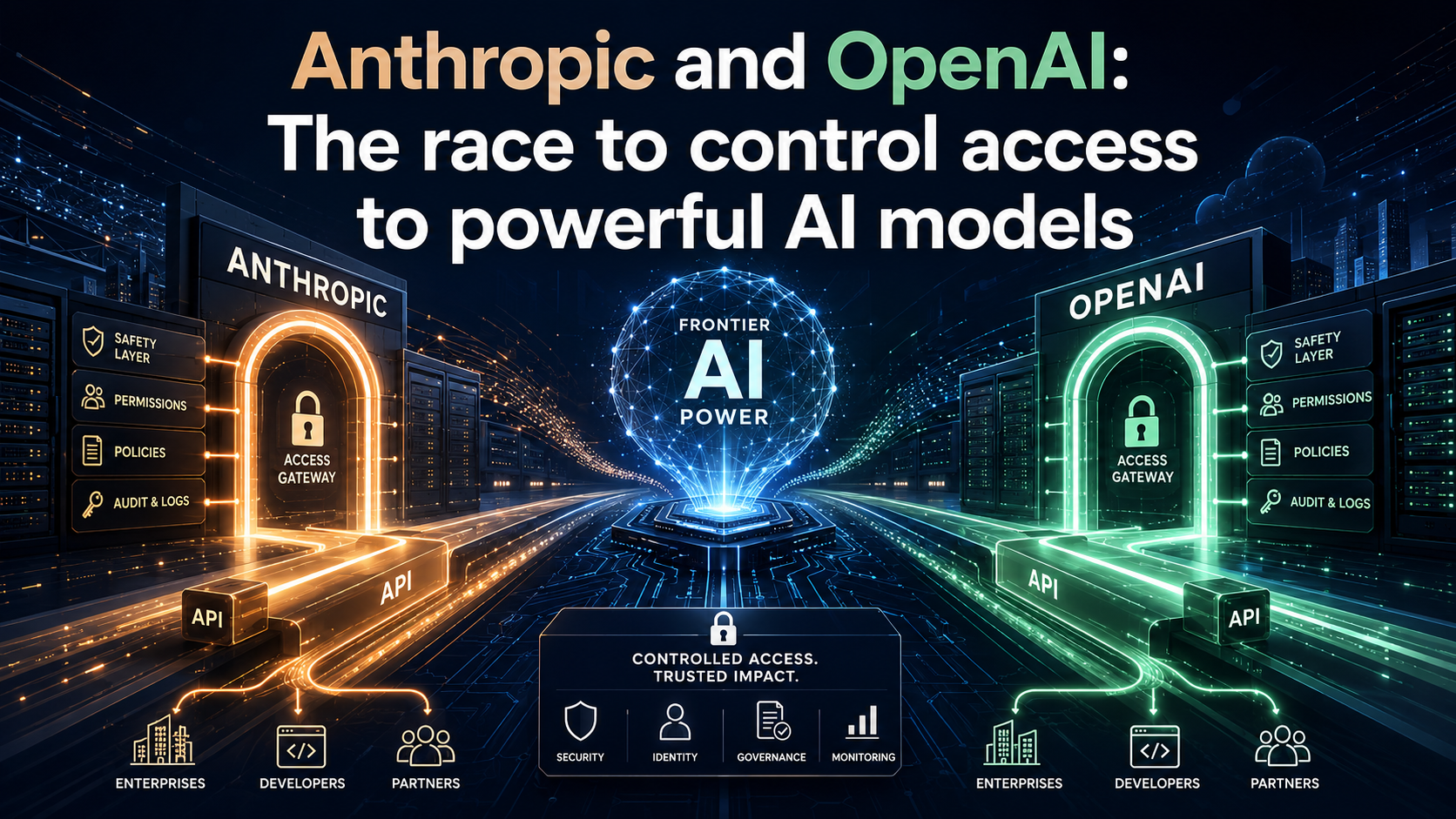
1. Why is access to AI becoming a major issue?
For many years, the cybersecurity industry's competitive advantage has relied primarily on skilled professionals, high-quality data, and computing infrastructure. However, the development of AI is adding a new element: access to advanced models.
A powerful AI model can assist experts in analyzing large amounts of source code, detecting anomalies, investigating vulnerabilities, or automating many time-consuming tasks. This is particularly noteworthy as AI becomes increasingly capable of performing complex sequences of tasks rather than simply answering individual questions.
Therefore, the same technology can create significant benefits for the defensive side, but at the same time, it can also be exploited if it falls into the hands of those with malicious intent. The challenge for AI companies becomes more difficult: how to provide powerful enough tools for those who need them without turning the technology into an easily accessible attack tool for everyone?
2. Anthropic and Mythos-Fable Strategy
Anthropic is one of the leading companies in this approach. The company has built a highly capable Mythos model team for cybersecurity-related tasks.
Instead of making Mythos' full capabilities available to the general public, Anthropic introduced Fable 5 as a version with added protection mechanisms. Fable 5 is widely available but will block some high-risk requests in the cybersecurity and biometrics fields. In some cases, requests will be redirected to Claude Opus 4.8 instead of directly using the more powerful capabilities.
It's worth noting that Anthropic acknowledges this approach can be quite cautious. Some legitimate cybersecurity work may also be restricted or redirected by the system. This is the price the company accepts to reduce the risk of sensitive capabilities being misused.
Meanwhile, those participating in the Mythos Preview program who were limited were upgraded to Mythos 5. Anthropic is also developing a formal trusted access program to identify which individuals and organizations can continue to use Mythos 5 or future models with fewer restrictions.
3. OpenAI is also adopting a two-tier model.
Anthropic isn't the only company pursuing this direction. OpenAI has also implemented a similar system.
OpenAI conducts assessments of cybersecurity researchers and organizations to determine who can use the models designed to support defensive operations. The company also provides a GPT-5.5 version with fewer restrictions to selected professionals, for tasks such as finding security vulnerabilities, researching malware, and analyzing or reproducing attacks.
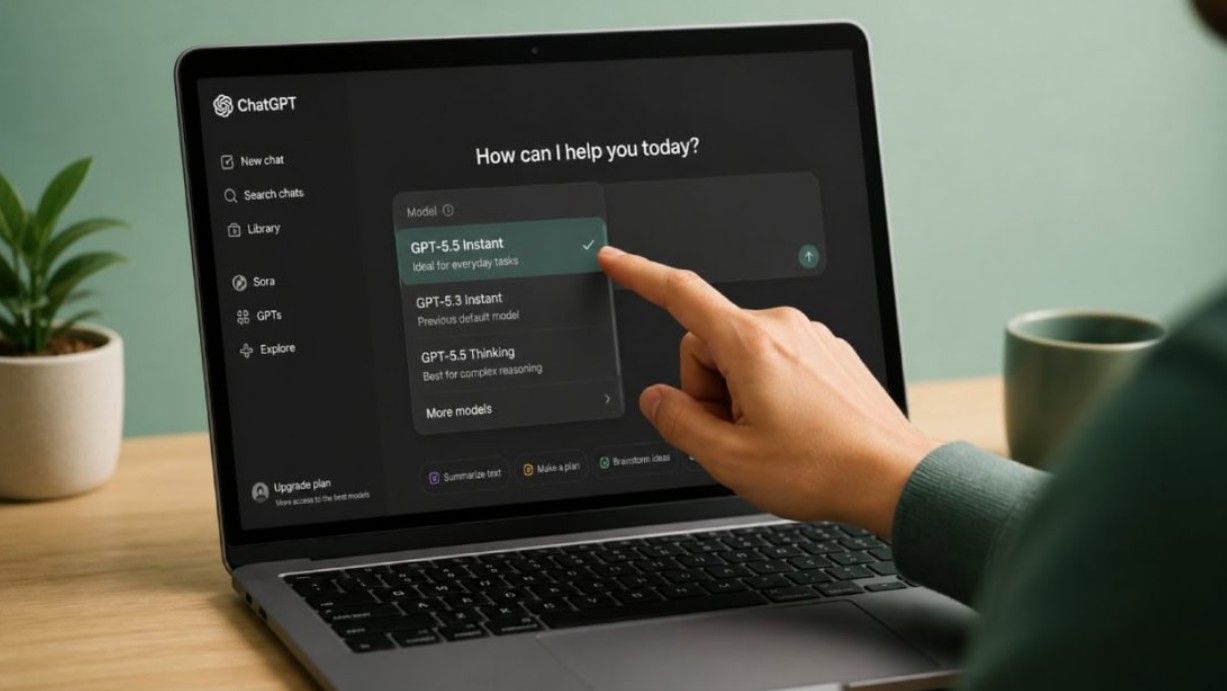
The key point here is that OpenAI isn't simply choosing between "completely open" or "completely closed." Instead, the company is creating multiple levels of access.
General users can access a more heavily protected version. Meanwhile, verified cybersecurity professionals may be granted access to more powerful capabilities.
This approach allows AI to continue being applied in cybersecurity without necessarily making every sensitive capability available to millions of users simultaneously.
4. AI is becoming the "gatekeeper" of cybersecurity.
One of the most striking takeaways from this story is the changing role of AI companies.
Previously, an AI company was primarily seen as a technology developer. They built models, provided services, and expanded the user base. But as the models became capable of performing increasingly sensitive tasks, the AI company had to be involved in deciding who could use that technology.
This makes Anthropic and OpenAI the new “gatekeepers” of the cybersecurity industry. Security companies, researchers, and critical infrastructure operators may need to convince AI providers that they qualify for access to more powerful models.
Many organizations have sought access to Mythos Preview, while Anthropic has expanded its program to over 200 companies and governments. This demonstrates the significant demand for advanced AI models in the security field.
5. Benefits of selective access
In terms of safety, selective access offers several clear advantages. First, it reduces the likelihood of dangerous capabilities being disseminated widely. Second, AI companies can better control how the models are used in practice. Third, they can observe feedback from expert teams before deciding to expand access.
For the cybersecurity industry, this model also has positive aspects. Verified experts can still use powerful AI to find vulnerabilities, research malware, and build defenses. As a result, AI isn't completely shut down simply because of the risk of misuse.
Another benefit is that AI companies have more time to refine their defense systems. Instead of releasing a robust model and then dealing with the consequences, they can deploy it in stages and adjust policies based on real-world data.
6. But selective access also creates gaps.
This model is not entirely without its downsides. When access to the most powerful AI is selectively allocated, the gap between granted and denied organizations can widen.
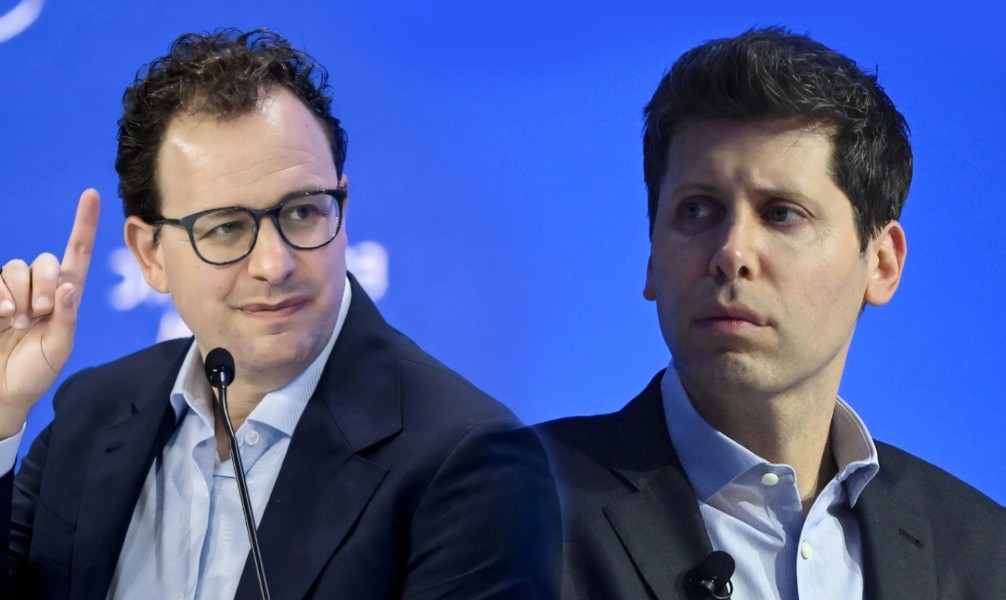
A cybersecurity company with access to advanced models can detect vulnerabilities faster, automate more tasks, and develop new products ahead of competitors. Meanwhile, businesses without access may fall behind.
This makes access to AI not just a technical issue, but also a matter of business competition.
7. The challenge of balancing safety and commercialization.
AI labs are facing a clear dilemma. On the one hand, they want to develop and commercialize increasingly powerful models. On the other hand, they must manage the risks associated with those models potentially producing unpredictable impacts.
Selective access partially resolves this conflict. Companies can still monetize advanced models but don't necessarily have to publicly disclose their full capabilities.
This could be a way for Anthropic and OpenAI to both control alarming attack capabilities and commercialize increasingly powerful models as the two companies pursue larger business goals.
However, the true effectiveness of this strategy will depend on the ability to assess user behavior. If the authorization criteria are unclear, overly strict, or inconsistent, it could spark new debates about transparency and fairness.
The story of Anthropic and OpenAI controlling access to the most powerful AI models shows that the AI industry is entering a more mature phase. The competition now revolves not only around which company creates the smartest model, but also around who gets to use that model, under what circumstances, and with what degree of freedom .









VIP Products

Best Selling Products
Upgrade Genuine Office 365
49 USD
Freepik Premium Account
59 USD
Plugin Retouch4me
69 USD
Autodesk All App Account Copyright
120 USD
Adobe Premiere Pro Account
99 USD
Copyright Adobe Lightroom Account
59 USD
Genuine Cheap Canva Pro
39 USD
Adobe Photoshop Copyright - Full App
120 USD
Genuine Adobe Illustrator account
99 USD
Upgrade genuine Capture One account
120 USD
Upgrade Duolingo Super
29 USD
ChatGPT Plus Account (GPT-4)
16 USD
MidJourney Account
29 USD
Windows 10 & 11 Pro Key
36 USD
Capcut Pro 1 Year
39 USD