Best Selling Products
Upgrade Duolingo Super
29 USD
Copyright Adobe Lightroom Account
59 USD
Adobe Photoshop Copyright - Full App
120 USD
Upgrade genuine Capture One account
120 USD
Plugin Retouch4me
69 USD
Genuine Cheap Canva Pro
39 USD

Upgrade Genuine Office 365
49 USD
Autodesk All App Account Copyright
120 USD

ChatGPT Plus Account (GPT-4)
16 USD
Windows 10 & 11 Pro Key
36 USD

MidJourney Account
29 USD
Genuine Adobe Illustrator account
99 USD
Adobe Premiere Pro Account
99 USD

Capcut Pro 1 Year
39 USD

Freepik Premium Account
59 USD
CGI and AI in visual creation: Which solution should you choose for your marketing campaign in 2026?
Nội dung
- 1. Decoding the term CGI in the digital imaging industry.
- 2. How does CGI technology work?
- 3. Artificial intelligence enters the field of image creation.
- 4. Comparing CGI and AI based on core criteria.
- 5. Situations where CGI should be prioritized
- 6. Situations where AI excels
- 7. The process of combining CGI and AI in actual production.
- 8. Legal and copyright barriers businesses need to be aware of in 2026
- 9. Conclusion
As brands need to produce visual content faster and more affordably, the debate between CGI and artificial intelligence is more heated than ever in 2026. Many marketing teams are facing a very real question: should they invest in traditional 3D rendering or switch to AI-generated imagery? This article clarifies the nature of each technology, compares them across key business criteria, points out the appropriate time to use each solution, and updates on the legal and copyright issues businesses need to understand this year.
1. Decoding the term CGI in the digital imaging industry.
CGI stands for Computer-Generated Imagery. This term refers to still images, animations, and virtual environments created using 3D graphics software instead of being recorded directly with a camera. In other words, every element in the frame, from shapes and textures to lighting, is designed and constructed by humans in digital space.
Many people are surprised to learn that CGI isn't a new technology. The first experiments with interactive computer graphics appeared in the 1960s, notably Ivan Sutherland's Sketchpad system in 1963. In the 1970s and 1980s, filmmaking began incorporating digital effects, with works like Westworld and Tron. By 1995, Toy Story became the first feature film created entirely using computer graphics, ushering in a new era for animation and visual effects. Thus, CGI has been developing for nearly six decades, far longer than the wave of AI generation we are currently witnessing.
CGI can be envisioned as a form of digital sculpture. The artist starts from a blank space and then deliberately creates each detail, from the curve of a product's edge to the way light reflects off a metal surface. This deliberate nature explains why CGI is considered a reliable choice for commercial applications, where every pixel needs a reason to exist.
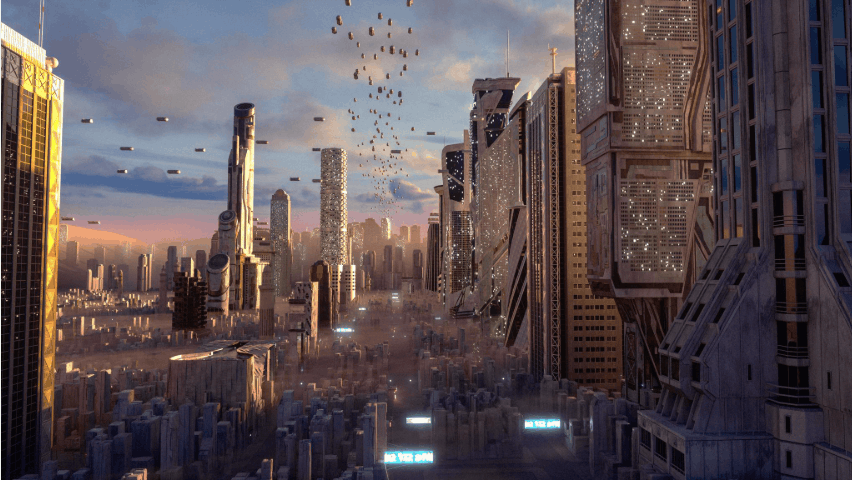
Today, CGI is present in many fields. Film uses it to create impossible scenes and digital characters. The gaming industry relies on CGI to build vivid 3D worlds. Architects use CGI to present projects before construction begins. E-commerce and consumer goods brands use it to showcase unproduced products, and advertising agencies leverage CGI to launch campaigns without the need for expensive, in-person photoshoots.
2. How does CGI technology work?
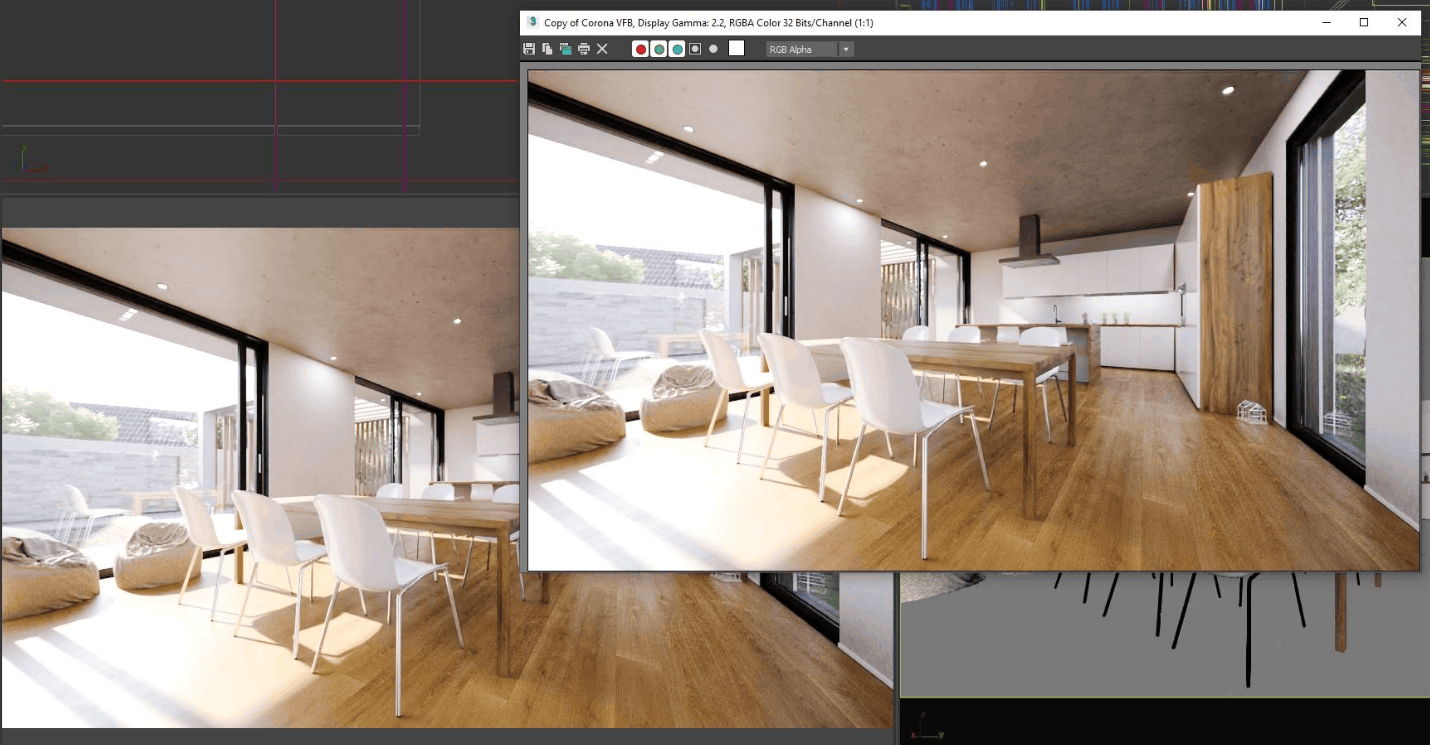
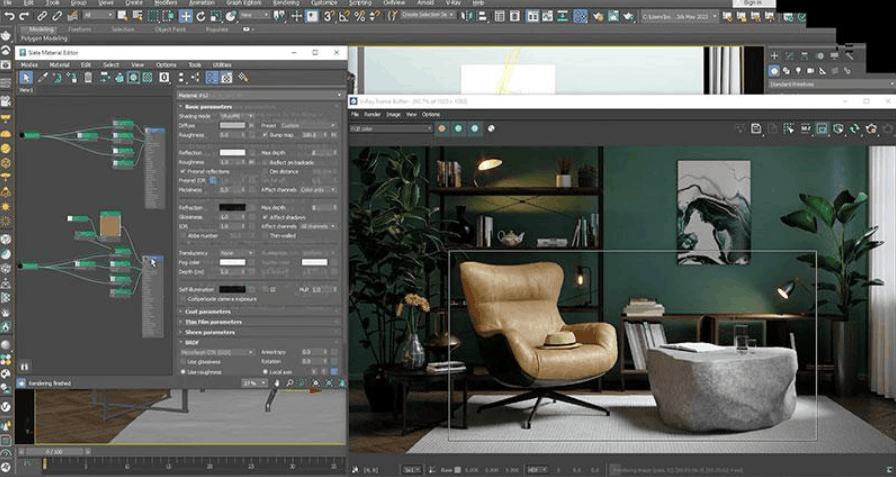
Essentially, CGI is a complete production process, combining modeling, materialization, lighting setup, rendering, and post-production in a tightly controlled workflow. For marketers, the value of this technology lies in specific commercial applications such as realistic product imagery, architectural interior renderings, and animated advertising.
The CGI production process typically goes through six main steps.
- 3D modeling. Artists create digital models based on the actual dimensions of the product or architectural drawing, ensuring accurate proportions from the start.
- UV coating and material creation. The surface is assigned realistic textures such as wood grain, metallic reflectivity, or fabric texture, often based on materials that simulate physical properties.
- Lighting setup. Virtual light sources simulate natural or studio lighting, determining the mood and realism of the image.
- Position the camera. The chosen angle is intentionally designed to highlight the key features of the product or space.
- Image rendering. The software calculates the interaction between light and materials to create a complete image.
- Post-production. Images are color-corrected, layered, and fine-tuned one last time to meet brand identity standards.
The biggest advantage of CGI lies in its complete control. Clients can request a change from oak to walnut wood, shift the lighting from midday to sunset, or alter the camera angle without having to start from scratch. These changes are precise and repeatable, which is especially important when brands need to maintain consistency across multiple campaigns and distribution channels. Furthermore, once approved, the 3D model becomes a reusable digital asset for still images, videos, augmented reality applications, or interactive product configurators.
3. Artificial intelligence enters the field of image creation.
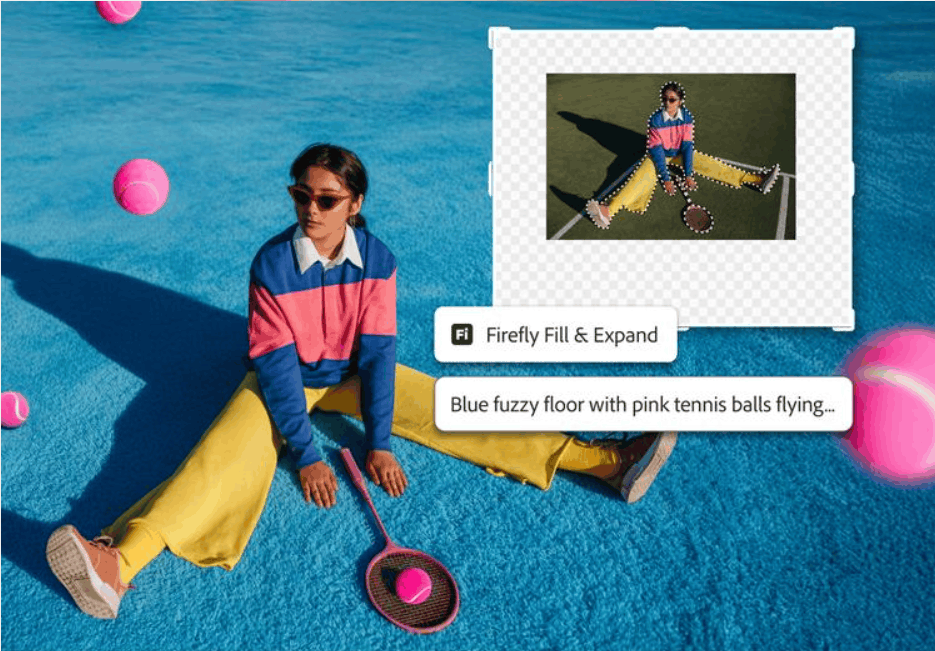
When discussing AI in image creation, people often mention generation tools like Midjourney, Stable Diffusion, Adobe Firefly, Runway, Google Imagen, or OpenAI's image generation models. These systems use machine learning models trained on massive datasets of images—potentially hundreds of millions or billions—to learn rules about shape, color, composition, and style. From there, they can generate entirely new images based on text descriptions entered by the user.
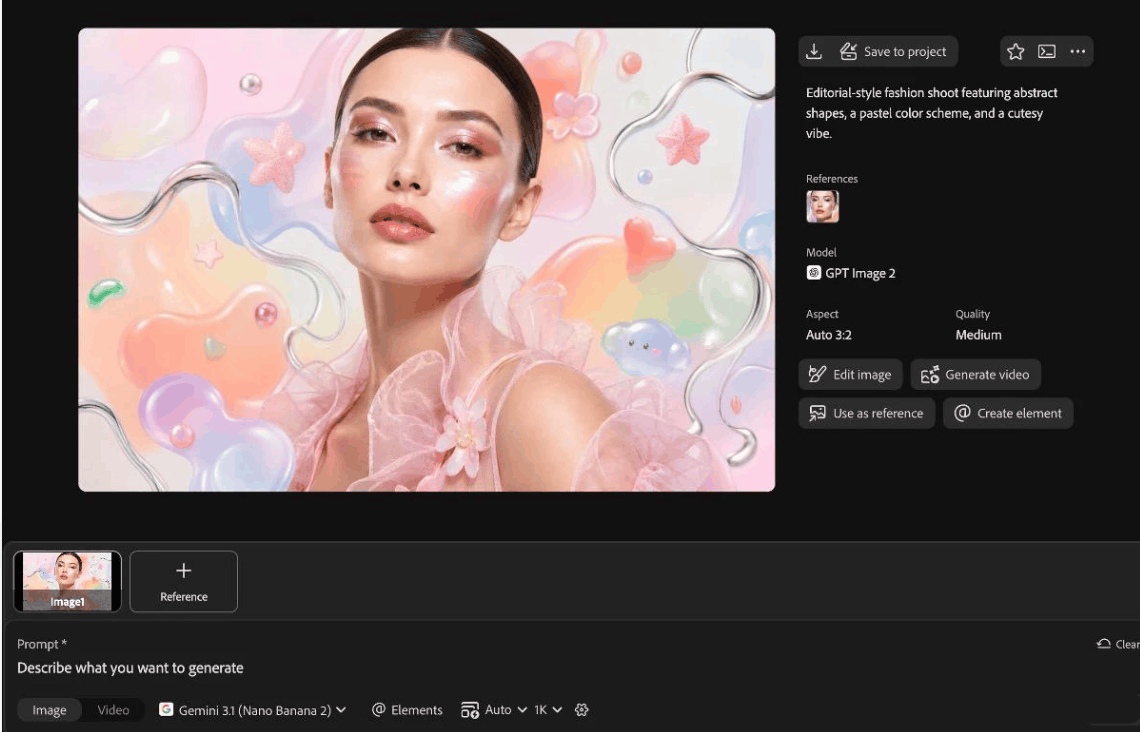
The process of creating images using AI typically works as follows: The user writes a command describing the desired image, such as a modern kitchen with marble countertops. The model analyzes the command, compares it to what it has learned during training, and then synthesizes various variations. The user selects the desired result or adjusts the command to create additional versions, which can then be processed in post-production to correct any inconsistencies. For video, current tools operate on a similar principle, although maintaining consistency between frames remains a significant challenge.
The core difference lies in probabilistic factors. AI results are generated probabilistically, meaning the same command can produce different proportions, materials, or layouts each time it's run. This flexibility is valuable when generating ideas, but it carries risks when brands require precise reproduction of product specifications, identity standards, or legal compliance requirements. In reality, AI sometimes distorts proportions, invents non-existent details, warps text and logos, or misrepresents product materials.
4. Comparing CGI and AI based on core criteria.
When comparing CGI and AI based on practical business criteria, the differences become quite clear. First, it's necessary to clarify a common misconception: CGI is not a form of AI. CGI is a human-led production method that uses 3D software to create each element. AI is an automated, data-driven process where machine learning models generate images from commands. Both run on computers and produce digital images, but the methods of creation, the level of control, and ownership of the results are completely different. The confusion often stems from the media using AI as a general term for all computer-generated content, and from the fact that many CGI studios now incorporate AI tools into their processes to speed things up.
The creative process. Two technologies reflecting two opposing philosophies. CGI emphasizes human intent, control, and repeatability. AI emphasizes speed and discovery. Neither is absolutely superior, as the appropriate choice depends on the goals of each campaign.
Accuracy and control. With realistic product imagery, CGI allows for accurate reproduction of verified dimensions, material properties, and controlled light reflections. AI can create eye-catching images, but it struggles to guarantee accuracy down to the smallest detail. In e-commerce and advertising, this gap often determines customer trust and return rates.
Production speed. AI can generate ideas in seconds, while CGI requires hours or days to model and render. However, this picture is incomplete. AI is fast in the sketching phase, but each new variation must be recreated from scratch, making it difficult to guarantee an exact match to the approved version. Conversely, completed CGI assets can be reused across multiple campaigns. Therefore, which is faster depends on whether you need a single idea or a consistent, scalable asset system.
Cost and Scalability. Looking solely at price can be misleading. AI tools have relatively low entry costs, often based on monthly subscriptions, credit limits, or usage patterns. CGI is different; you typically pay for a production service rather than a self-operating tool, resulting in higher initial costs. In return, this cost includes controlled assets, artistic direction, precise materials and lighting, editing cycles, and reusable final results. With AI, the hidden costs lie in multiple re-creations, image cleanup, repeated approvals, and inconsistencies between iterations. Therefore, the correct comparison isn't about cheap or expensive, but rather low initial cost versus long-term control.
5. Situations where CGI should be prioritized
CGI is more suitable when images need to be approved, repeated, adjusted to each format, or trusted as a true representation of the final product or space. Because CGI assets are built according to approved brand guidelines, including Pantone color codes, material libraries, and logo placement, the results are always consistent across channels. This level of consistency is difficult to achieve with AI, as each creation can produce a different result.
In product presentation and advertising, CGI is a trust-building tool. Customers expect product images to accurately reflect the actual goods. CGI fulfills this expectation, while AI can lead to inaccuracies, resulting in returns and damage to brand reputation. This is especially important for industries such as luxury goods, automotive, yachts, and real estate, where images directly influence customer purchasing decisions.
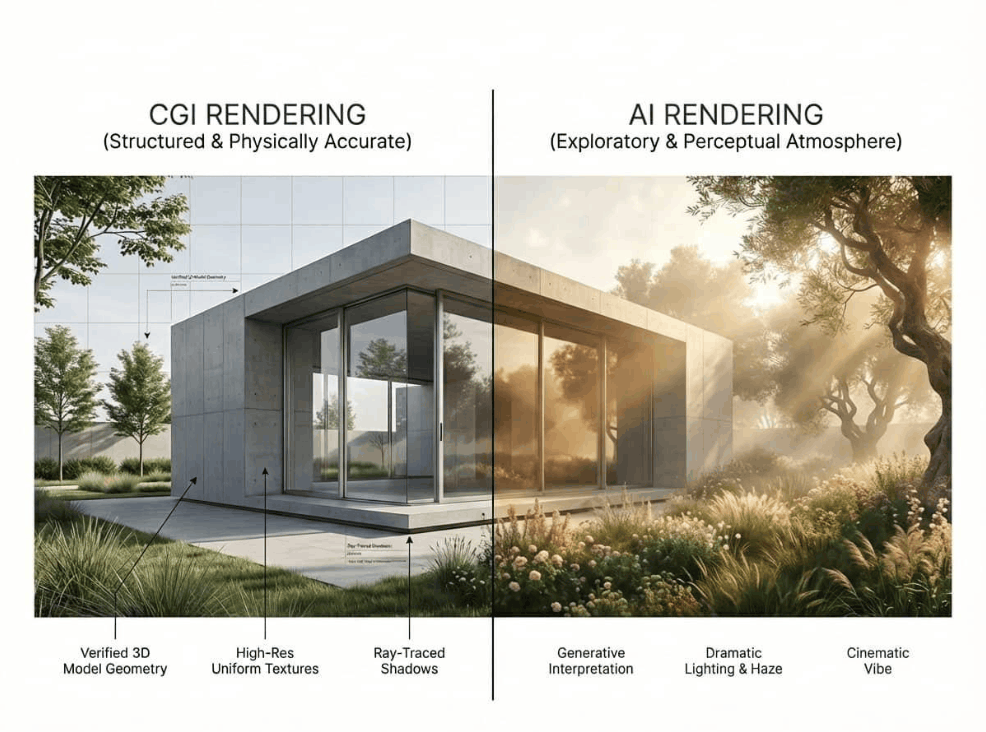
CGI is also a natural choice when a product or project doesn't yet exist in real life. A developer can sell apartments before construction begins thanks to exterior and interior renderings and animated videos. A manufacturer can unveil new equipment before the production line starts operating without having to build expensive physical prototypes. Additionally, CGI should be prioritized in the following cases.
- When it is necessary to accurately reproduce the approved dimensions, materials, colors, and technical specifications.
- When a set of images needs to be reused for multiple campaigns, sizes, and platforms.
- When a project requires animation with camera movement and lighting controlled frame by frame.
- When businesses want clear intellectual property rights, it's because man-made assets are eligible for copyright protection.
- Images can serve as a means of making a commitment to customers, such as in sales materials, legal documents, or planning documents.
6. Situations where AI excels
AI works best when speed and experimentation are more important than accuracy and repeatability. Creative teams can use AI for brainstorming, preliminary campaign directions, internal presentations, and quick visual explorations before committing to full production. For content like social media posts or internal documents, the speed of AI is invaluable. Testing twenty different visual directions in an hour is nearly impossible with traditional CGI, but AI can do it.
In the early stages of the creative process, AI helps teams explore various styles, color palettes, and layouts. This allows designers to avoid investing in detailed CGI production for final ideas that aren't selected. Using AI for discovery and CGI for execution forms the foundation of a hybrid model, optimizing both speed and quality while reducing waste on rejected options.

AI also works well with creative products that have an acceptable margin of error, for example, book illustrations, background images, iconic imagery, or content requiring large quantities with a limited budget. In many cases, an illustration set that would take hundreds of hours to create using CGI can be completed in just a few dozen hours with AI, while still maintaining client satisfaction. The key is to choose the method according to the specific task, not to follow trends. A responsible production company will be willing to recommend AI when it delivers equivalent results at a lower cost.

However, one must be mindful of the hidden costs of AI. As a project moves to a stage requiring precise editing, multiple output formats, detailed reviews, and consistent imagery across channels, the cost and time equation will begin to change, and the initial advantage of AI may diminish significantly.
7. The process of combining CGI and AI in actual production.
The debate over AI versus CGI often overlooks a crucial point: modern studios are using both. The hybrid model has become the de facto standard, where AI accelerates the conceptualization and material creation phases, while CGI ensures final accuracy and brand identity compliance. A typical hybrid workflow can be implemented in the following steps.
- AI-powered idea exploration. The creative team quickly generates multiple directions for layout, color, style, and atmosphere, then narrows them down to one or two approaches with the client.
- Standardize the requirements. The chosen approach will translate into a clear technical description, including dimensions, materials, color palette, camera angles, and mandatory branding requirements.
- CGI modeling: 3D artists build products or spaces according to real-world specifications, creating verifiable and reusable original assets.
- AI-powered material and background support. The AI tool can suggest textures, backgrounds, or decorative options, which are then reviewed and adjusted by the artist to fit the model.
- Rendering and lighting control. The final image is calculated using CGI, ensuring accuracy of reflections, shadows, and detail.
- Post-production is aided by AI. Tools for noise reduction, resolution enhancement, and background expansion help save processing time.
- Legal review and labeling. Before release, the team checks the tool's usage rights, property ownership, and disclosure requirements for AI-based content.
In this model, AI handles discovery, while CGI handles execution. This allows brands to achieve the speed of technology-driven creation while maintaining the reliability of a human-controlled process. In the long run, the lines between the two technologies will blur as tools continuously advance, but the core distinction remains: one representing human creative control, the other the ability to generate content automatically. Businesses that master this combined process will have a clear competitive advantage in both speed and quality. For artists and designers, this is also the time to shift the focus from purely technical manipulation to artistic direction, visual thinking, and quality control—skills essential for any tool.
8. Legal and copyright barriers businesses need to be aware of in 2026
Beyond technical differences, the comparison between CGI and AI also carries significant legal implications. 2026 is a year of significant change, so brands need to closely monitor the following three groups of issues.
Copyright for AI-generated works. In the United States, on March 2, 2026, the Supreme Court refused to hear Dr. Stephen Thaler's appeal in the case of Thaler v. Perlmutter, upholding previous rulings that AI-generated works without human authorship are not protected by copyright. The principle requiring human authorship remains the foundation of US copyright law. The US Copyright Office also clarified in its report on the protectability of AI-generated works that the commands alone are not sufficient to create copyright. In the case of Zarya of the Dawn, the office recognized copyright for the text and image arrangement, but refused to protect individual images created by Midjourney, even though the author entered numerous commands. When registering copyright, applicants must declare the parts involving AI. Meanwhile, human-generated CGI assets are, in principle, eligible for protection, and this is a significant legal advantage for brands investing in long-term image assets. It should be noted that regulations vary between countries; for example, China has ruled that AI-generated images can be protected under certain conditions, meaning a work may be protected in one country but not in another.
Training data and infringement risks. The question of whether AI models trained using copyrighted images are legitimate remains unresolved. In the UK, in November 2025, the High Court ruled in the Getty Images v. Stability AI case, winning on several trademark points but losing on a secondary copyright infringement claim, as Getty failed to prove that its images were used in the training process. The case illustrates the difficulties copyright holders face in gathering evidence, but also reminds businesses that the legal risks surrounding training data are far from over. Furthermore, each AI platform has its own terms of use regarding commercial rights, ownership of results, and liability in case of disputes—terms that legal departments need to carefully review before incorporating images into campaigns.
Transparency obligations under the European Union's AI Act. Article 50 of the AI Act requires transparency regarding content created or edited by AI. The amendments, known as the Digital Omnibus on AI, were adopted by the European Parliament on June 16th and ratified by the Council of the European Union on June 29th, 2026. Accordingly, the majority of Article 50's transparency obligations came into effect on August 2nd, 2026, including the requirement for the implementer to clearly disclose when images, audio, or video created or edited by AI mimic real people, places, or events – i.e., deepfake content. The obligation to label AI content using machine-readable formats, which was previously scheduled for AI system vendors that had already launched their products before August 2, 2026, has been postponed to December 2, 2026. Any brand with content reaching customers in Europe should prepare its AI content labeling policy now, and may refer to the Voluntary Code of Conduct on AI Content Transparency coordinated by the European Union AI Office.
Based on these developments, businesses can implement several practical measures.
- Categorize image assets by importance, and only use AI for items where the lack of copyright protection would not cause significant damage.
- Documenting all human creative contributions during the work process, such as sketches, edits, selections, and arrangements, is essential to proving authorship when necessary.
- The contract with the studio and partners should clearly stipulate the transfer of ownership, scope of use, whether or not AI tools are used, and liability for compensation in case of disputes.
- Review the commercial terms of each AI tool, as well as the licenses for the 3D model libraries, materials, and backgrounds used.
- Establish a process for labeling and publishing content that incorporates AI, especially images that simulate real people, places, or events.
- Stay up-to-date on legal changes, as AI regulations are rapidly evolving and vary significantly between markets.
The information provided above is for reference only and does not replace the advice of a lawyer knowledgeable in intellectual property matters in the market in which you operate.
9. Conclusion
CGI and AI are not mutually exclusive adversaries, but rather tools serving different goals. CGI offers accuracy, consistency, reusable assets, and clear ownership, making it suitable for the final visual products of a campaign. AI offers speed, low access costs, and unlimited experimentation, making it ideal for the ideation phase and low-risk content. The optimal answer for most businesses in 2026 is a purposeful, integrated process where each technology is strategically placed, and decisions are made based on project goals rather than trend appeal.










VIP Products


Best Selling Products
Upgrade Duolingo Super
29 USD
Copyright Adobe Lightroom Account
59 USD
Adobe Photoshop Copyright - Full App
120 USD
Upgrade genuine Capture One account
120 USD
Plugin Retouch4me
69 USD
Genuine Cheap Canva Pro
39 USD
Upgrade Genuine Office 365
49 USD
Autodesk All App Account Copyright
120 USD
ChatGPT Plus Account (GPT-4)
16 USD
Windows 10 & 11 Pro Key
36 USD
MidJourney Account
29 USD
Genuine Adobe Illustrator account
99 USD
Adobe Premiere Pro Account
99 USD
Capcut Pro 1 Year
39 USD
Freepik Premium Account
59 USD