Best Selling Products
Plugin Retouch4me
69 USD

Copyright Adobe Lightroom Account
59 USD

Upgrade Genuine Office 365
49 USD
ChatGPT Plus Account (GPT-4)
16 USD

Windows 10 & 11 Pro Key
36 USD

Adobe Premiere Pro Account
99 USD
Upgrade genuine Capture One account
120 USD
Capcut Pro 1 Year
39 USD
Autodesk All App Account Copyright
120 USD

MidJourney Account
29 USD

Adobe Photoshop Copyright - Full App
120 USD
Genuine Cheap Canva Pro
39 USD

Genuine Adobe Illustrator account
99 USD

Freepik Premium Account
59 USD
Upgrade Duolingo Super
29 USD
Claude Sonnet 4.5: Accelerate Programming with Intelligent and Flexible AI
Nội dung
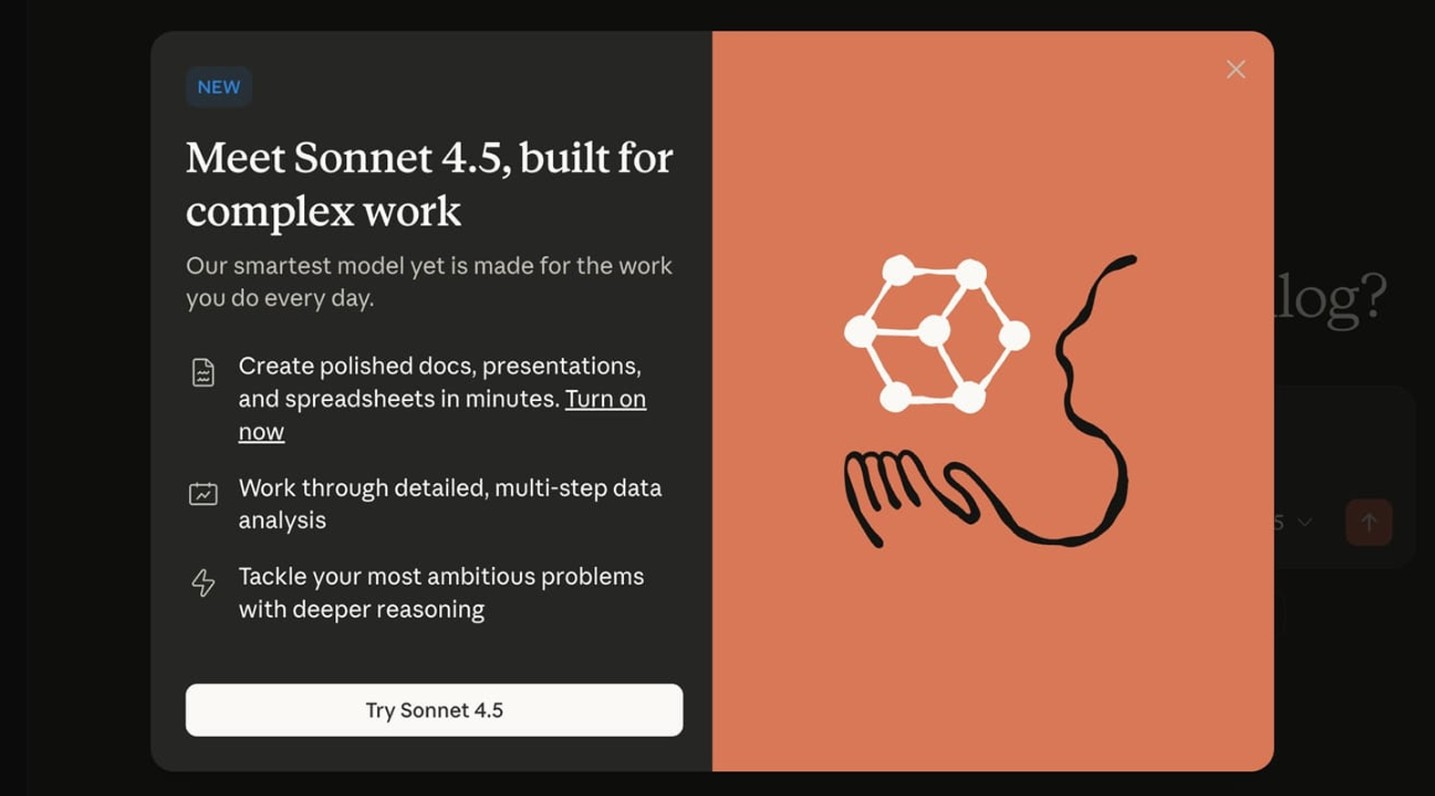
The upgraded version of Claude supports programming, multi-step task management, and improves the ability to think and make automated decisions for large AI projects.
Anthropic, a pioneering company in the field of AI, recently announced Claude Sonnet 4.5, the latest version of their renowned AI model. Claude Sonnet 4.5 not only marks a significant leap forward in programming capabilities and thinking, but also integrates numerous tools and features to enhance user experience and provide maximum support for developers in building complex AI agents. This launch promises to bring new opportunities, expand creative potential, and set a new standard for performance in next-generation AI models.
1. A detailed introduction to Anthropic and Claude
Anthropic was founded by veteran AI researchers with a philosophy of developing safe, transparent, and human-friendly AI models. Unlike many companies that focus primarily on language generation or content creation, Anthropic aims to build AI models capable of logical thinking, programming, long-term information management, and providing complex solutions to technical problems. Previous versions of Claude, from Claude 1 to Claude Sonnet 4.0, have been gradually refined, from the ability to create natural content and write text, to data processing, programming, and solving logical problems.
Claude Sonnet 1–3 was highly regarded for its content creation capabilities; however, it still struggled with long-term programming tasks or handling complex logic. Claude Sonnet 4.0 significantly improved focus and context management, but still had limitations in maintaining performance on projects lasting many hours or days. Claude Sonnet 4.5 was released to completely overcome these limitations, offering the ability to maintain continuous context for over 30 hours and execute code directly, minimizing reliance on IDEs or external programming environments.
With a philosophy of developing safe and user-friendly AI, Anthropic has equipped Claude Sonnet 4.5 with risk control mechanisms to limit the creation of harmful or inappropriate content, while supporting developers in deploying automated solutions that are both safe and compliant with legal regulations.
2. New features in Claude Sonnet 4.5
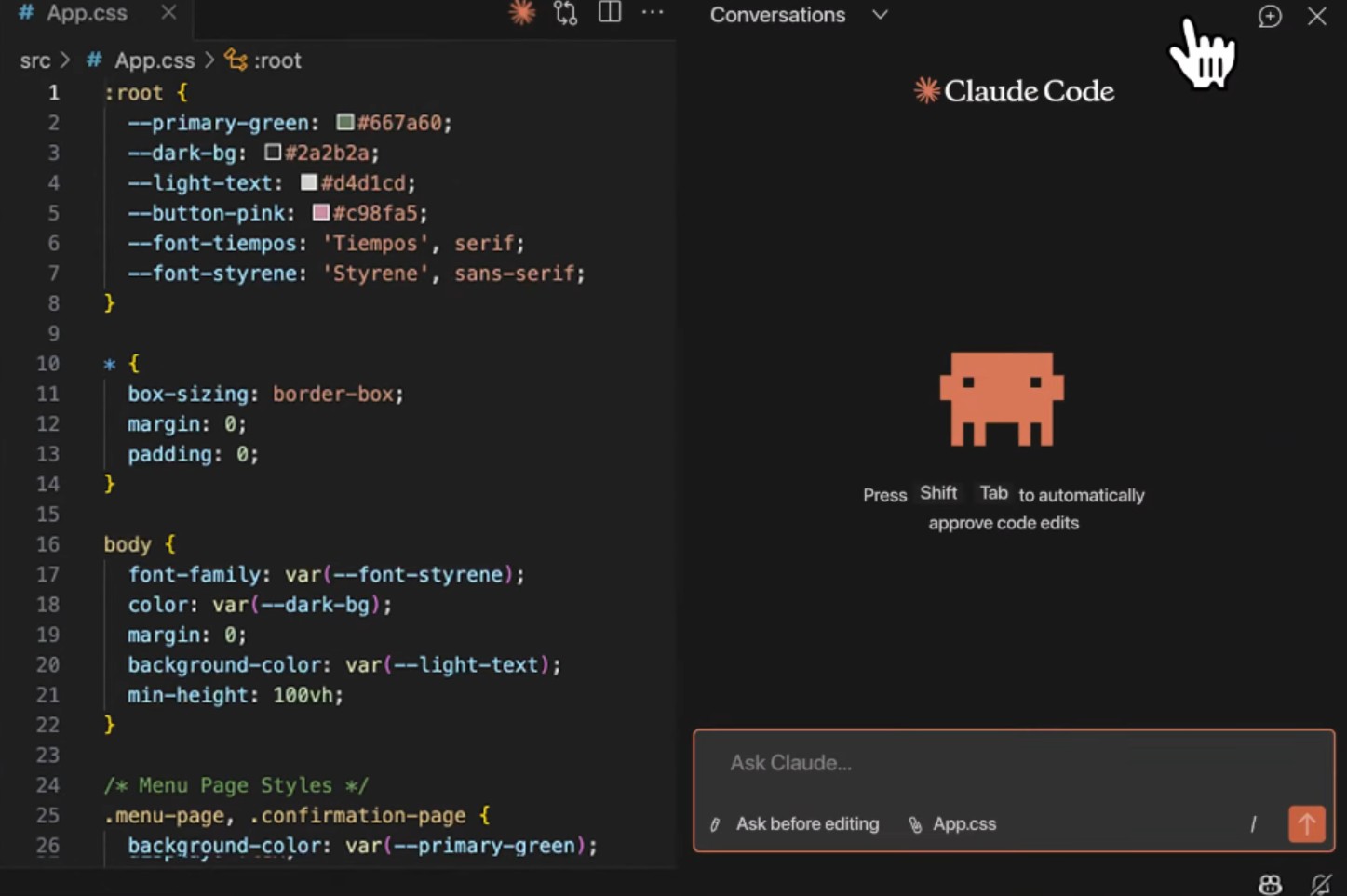
Claude Sonnet 4.5 is equipped with a range of new features to enhance the user experience and expand its application capabilities in programming and logical thinking. One of the highlights is Claude Code Checkpoints, which allows users to save their work progress at any point. This is crucial for long-term projects, as developers can revert to a previous state if they encounter errors or want to experiment with different approaches without fear of data loss. For example, in a complex web application development project, if the AI generates unsuitable code, the developer can quickly return to a previous checkpoint and try a different approach, saving time and effort.
Claude's API has also been upgraded, allowing for context editing, memory expansion, and management of lengthy tasks without being limited by context windows. This enables developers to build complex AI systems, automate data processing, or manage multi-step tasks without worrying about losing critical information. The ability to execute code directly within Claude applications reduces the need to switch between different tools, creating a seamless workflow from coding and testing to product deployment.
The Claude Agent SDK is a toolkit that helps developers build AI agents, leveraging the long-term memory management, direct code execution, and checkpoint saving capabilities of Claude Sonnet 4.5. For example, a company wanting to create an AI agent to automatically respond to emails, schedule appointments, or analyze customer data can use the SDK to build bots with high accuracy and the ability to operate continuously without supervision. This is a significant step forward, opening up the possibility of deploying complex AI agents in many different fields, from business and education to scientific research.
3. Practical applications of Claude Sonnet 4.5
Claude Sonnet 4.5 can be applied in many fields, especially programming, data research, education, and AI agent development. In software programming, Claude can write code based on user requirements, perform automated testing, detect errors, and provide alternative solutions. For example, when a developer wants to create a sales management application, Claude can automatically write backend code, test functionality, and suggest performance optimizations.
In data research, Claude Sonnet 4.5 helps analyze big data, generate comprehensive reports, predict trends, and simulate results. Researchers can import raw data into Claude, have the AI analyze it, visualize the results, and create detailed reports without complex manual steps.
In education and training, Claude Sonnet 4.5 helps students and beginners quickly grasp the knowledge. The AI can explain programming logic, suggest efficient code writing methods, and automatically check for errors. This is a great tool for online programming courses or personal learning environments, helping learners develop skills quickly without the need for a large teaching staff.
Claude is also an ideal platform for developing automated AI agents. For example, a company wanting to create a customer service bot could use the Claude Agent SDK to build an AI agent capable of answering thousands of questions daily, remembering customer interaction history, and providing relevant suggestions, all continuously without manual intervention.
4. Comparing Claude Sonnet 4.5 with its competitors
Claude Sonnet 4.5 is highly rated when compared to competitors such as ChatGPT Enterprise, Microsoft Copilot, and Google Gemini. Compared to ChatGPT Enterprise, Claude excels in its ability to maintain context over the long term and handle complex multi-step programming tasks. While ChatGPT may struggle with projects lasting many hours, Claude maintains stable performance.
Compared to Microsoft Copilot, Claude is more flexible in creating automated AI agents. Copilot focuses primarily on supporting code writing within an IDE environment, while Claude has the ability to execute code directly and manage tasks outside the IDE, allowing developers to build more complex automation solutions. When compared to Google Gemini, Claude is better optimized for long-term programming projects, with the ability to save checkpoints, edit context, and manage extended memory usage, providing a seamless user experience.
5. Detailed instructions for using Claude Sonnet 4.5
To get the most out of Claude Sonnet 4.5, users need to take a few basic steps. First, create an account and log in to Claude Sonnet 4.5 via the web interface or a compatible application. Once logged in, developers can create new projects, import programming requirements or task scripts, and use tools like Code Checkpoints to save progress.
Next, users can create AI characters or agents using the Claude Agent SDK, combining it with direct code execution capabilities to build complex functionalities such as automated data analysis or system management. When deploying a programming project, developers can leverage context-sensitive editing to optimize logic, while using Claude's long-term memory to store critical state and data, enabling multi-step task processing without data loss.
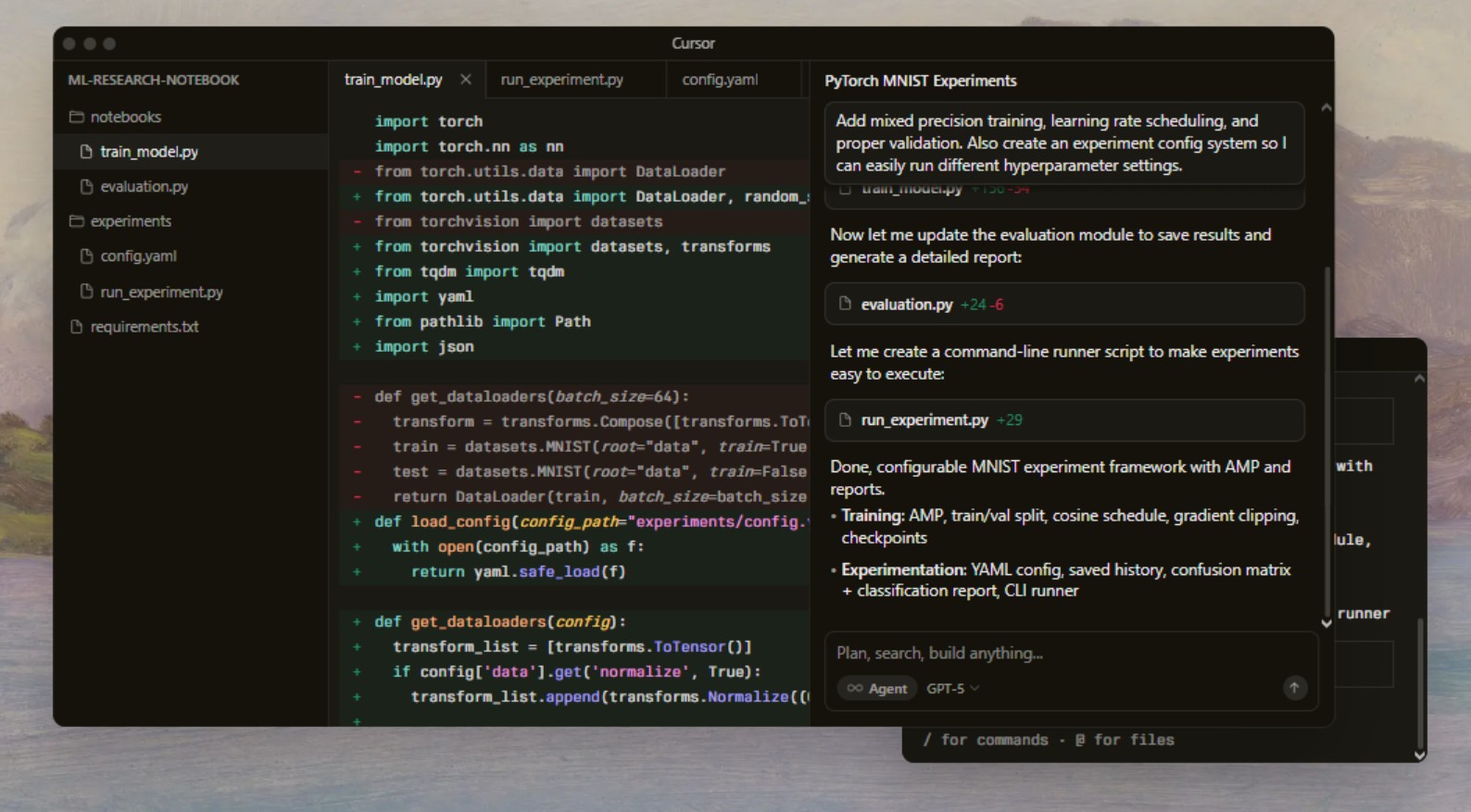
Furthermore, integrating Claude with other tools such as IDEs, data management systems, or application deployment platforms expands its usability. For example, a web project can integrate Claude to automate content generation, feature testing, data updates, and user notifications without requiring constant manual intervention.
With its superior performance, ability to maintain long-term focus, and a host of developer-support features such as Claude Code Checkpoints, API upgrades, and the Claude Agent SDK, Claude Sonnet 4.5 is not just a tool, but a reliable partner in solving complex technical problems. The launch of Claude Sonnet 4.5 strengthens Anthropic's position in the AI industry, directly competing with giants like OpenAI, Microsoft, and Google, while opening up numerous opportunities for innovation and practical applications for developers worldwide. With Claude Sonnet 4.5, developers not only have a powerful tool, but also a platform that helps them explore their creative potential and solve technical challenges more effectively than ever before.
















VIP Products





Best Selling Products
Plugin Retouch4me
69 USD
Copyright Adobe Lightroom Account
59 USD
Upgrade Genuine Office 365
49 USD
ChatGPT Plus Account (GPT-4)
16 USD
Windows 10 & 11 Pro Key
36 USD
Adobe Premiere Pro Account
99 USD
Upgrade genuine Capture One account
120 USD
Capcut Pro 1 Year
39 USD
Autodesk All App Account Copyright
120 USD
MidJourney Account
29 USD
Adobe Photoshop Copyright - Full App
120 USD
Genuine Cheap Canva Pro
39 USD
Genuine Adobe Illustrator account
99 USD
Freepik Premium Account
59 USD
Upgrade Duolingo Super
29 USD