Best Selling Products

Adobe Premiere Pro Account
99 USD
Upgrade Duolingo Super
29 USD

Copyright Adobe Lightroom Account
59 USD

MidJourney Account
29 USD
Windows 10 & 11 Pro Key
36 USD

Genuine Cheap Canva Pro
39 USD

Capcut Pro 1 Year
39 USD
Plugin Retouch4me
69 USD
Adobe Photoshop Copyright - Full App
120 USD

Freepik Premium Account
59 USD
Genuine Adobe Illustrator account
99 USD
Upgrade genuine Capture One account
120 USD

ChatGPT Plus Account (GPT-4)
16 USD
Autodesk All App Account Copyright
120 USD
Upgrade Genuine Office 365
49 USD
Comparing Google Home and Apple Home in 2026: Which smart home platform should you choose?
Nội dung
- 1. Overview of the two platforms
- 2. Device compatibility and ecosystem
- 3. Virtual assistants: Gemini and Siri
- 4. Automation and intelligent scenarios
- 5. Cameras, doorbells, and home security.
- 6. Privacy and data security
- 7. Central device and accompanying hardware
- 8. Investment costs and maintenance costs
- 9. Who should choose Google Home, and who should choose Apple Home?
- 10. Conclusion
Smart homes are no longer a concept exclusive to tech enthusiasts. By 2026, a light might turn on on a schedule, a lock might unlock automatically when the homeowner returns, and a camera might distinguish between family members and strangers. The question for many is no longer whether or not to build a smart home, but rather what foundation to lay it on. Google Home and Apple Home are two of the most prominent options, each representing a different philosophy on how technology should serve the home. This article analyzes each aspect in detail to help you make a decision that suits your needs and habits.
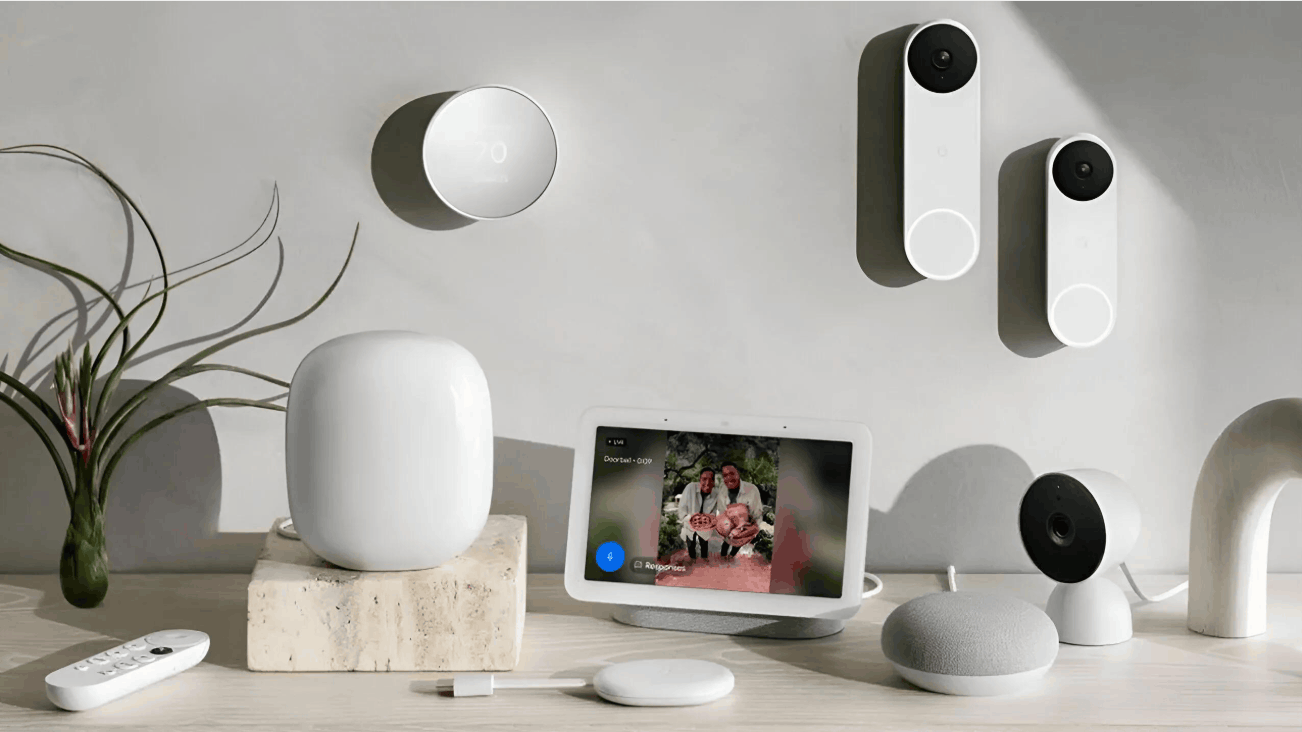
1. Overview of the two platforms
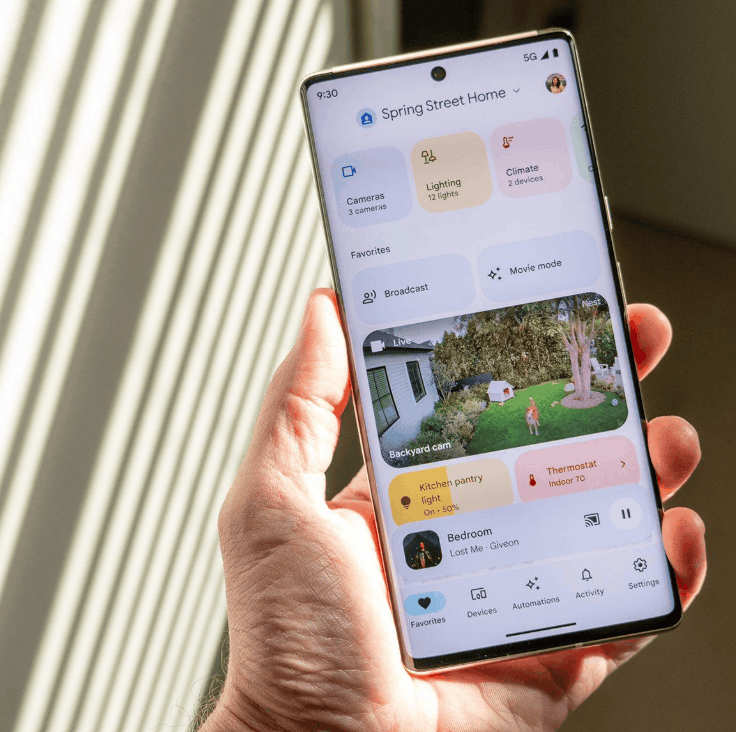
Google Home is Google's smart home management platform, running on both Android and iOS, seamlessly integrating with Nest smart speakers, displays, cameras, and doorbells, along with the Gemini assistant which is gradually replacing Google Assistant in home devices. Google's philosophy is scalability, flexibility, and intelligence powered by artificial intelligence. The platform prioritizes contextual understanding, allowing users to control their homes using natural language and create automations by describing their needs.
Apple Home is Apple's smart home application and platform, deeply integrated into iPhone, iPad, Mac, Apple Watch, Apple TV, and HomePod. Apple's philosophy is simplicity, stability, and prioritizing privacy. Everything is designed to work seamlessly within the Apple ecosystem, in return requiring users to accept a certain level of attachment to the company's products.
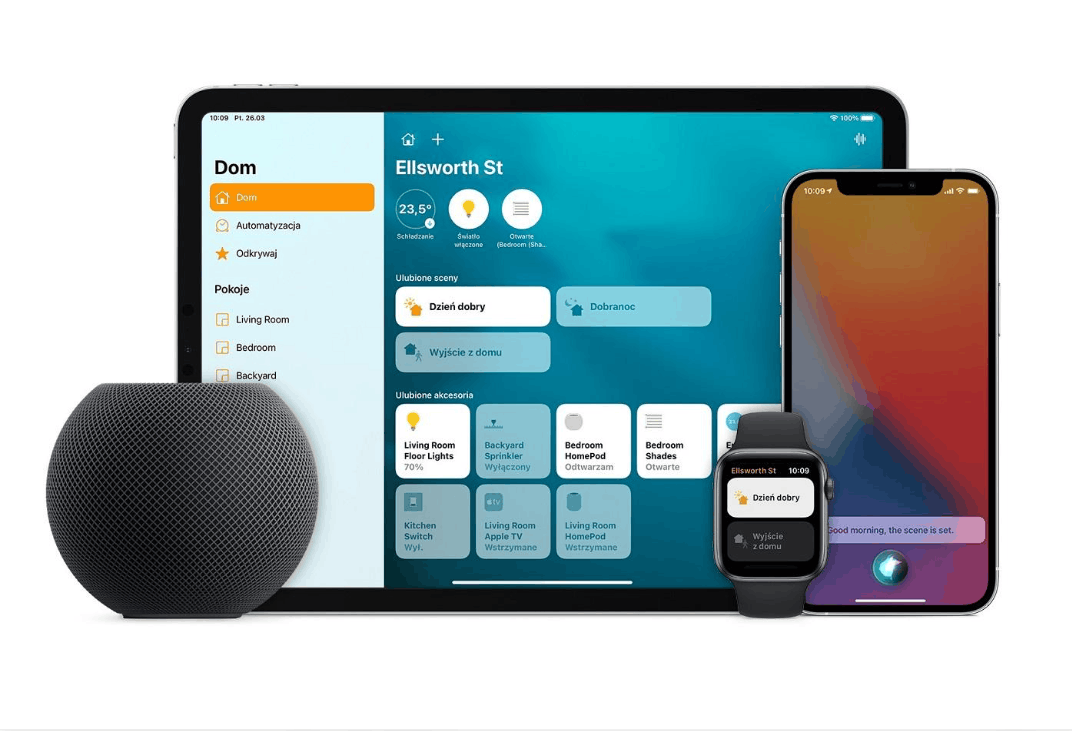
The core difference lies in the fact that Google builds a platform based on cloud-based services and artificial intelligence, while Apple builds a platform based on devices and local processing. From this difference, most of the advantages and disadvantages in the sections below can be explained.
2. Device compatibility and ecosystem
Before delving into the features, the most practical question is what phone you're using. Google Home works well on both Android and iPhone, so users can choose their platform without changing phones. This is especially important for families with members using different devices, as everyone can participate in controlling the home without any barriers.
Apple Home requires Apple devices to fully utilize. You need an iPhone or iPad to set it up, and a central device like Apple TV or HomePod to remotely control it and run automations when no one is home. For families already invested in the Apple ecosystem, this is a huge advantage because everything works almost automatically together. For families using Android, Apple Home is almost certainly not a viable option.
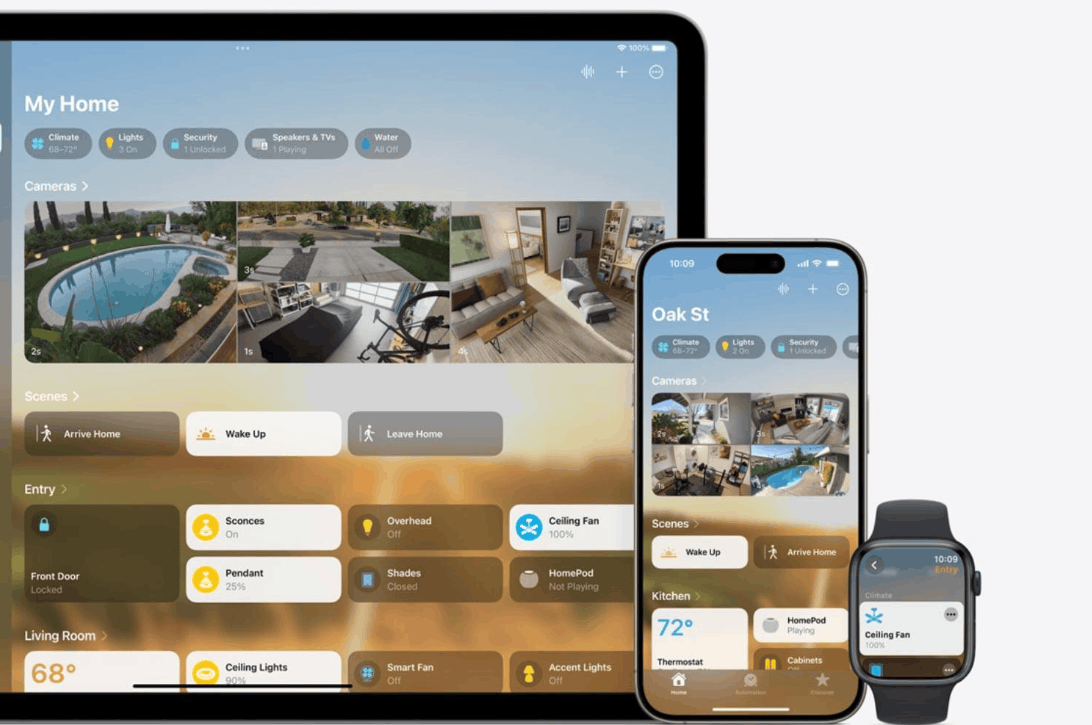
In terms of compatible devices, Google Home has a wider catalog thanks to its long-standing support for both the Matter protocol and thousands of its own integrated devices. Apple Home was once considered selective about accessories due to its strict certification requirements, but the popularity of Matter has significantly narrowed this gap. Currently, most major brands such as Philips Hue, IKEA, Aqara, Eve, Nanoleaf, and Yale support both platforms.
3. Virtual assistants: Gemini and Siri
This is the most competitive area in 2026. Google has shifted home devices to Gemini, allowing users to converse naturally instead of having to remember the exact syntax of commands. You can say long, multi-meaning sentences, such as asking to turn off the living room lights, lower the temperature, and ask if you need an umbrella today, all at once. Gemini also supports continuous conversation, understands the context of the previous question, and handles ambiguous requests better than previous generations of assistants.
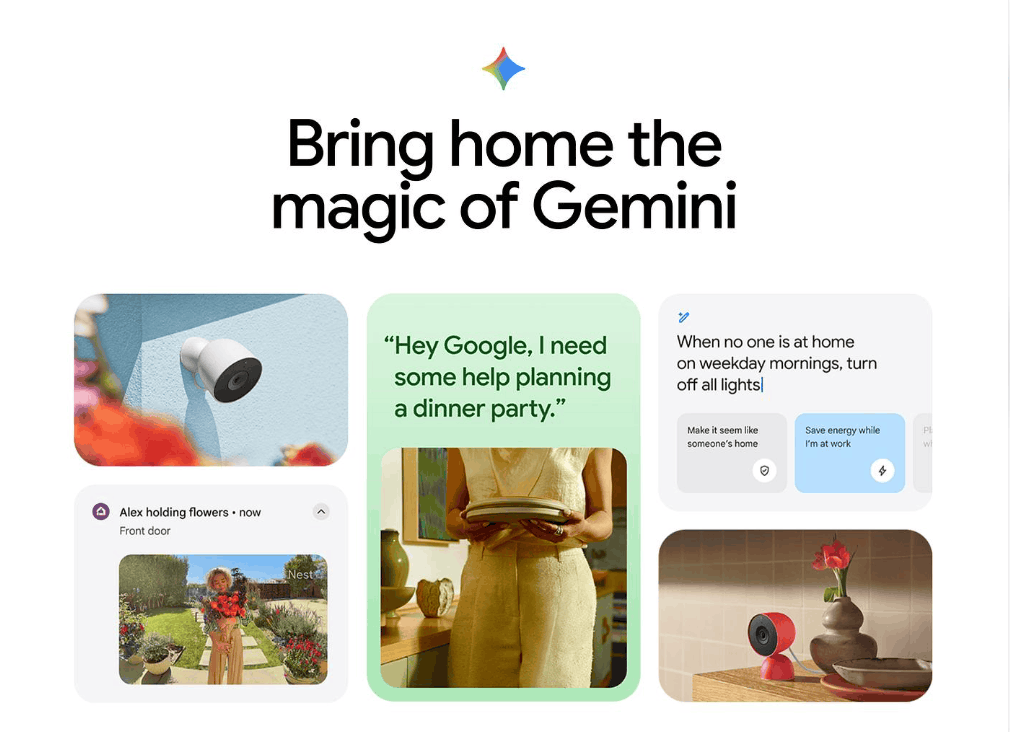
Siri within the Apple ecosystem has been significantly improved thanks to Apple Intelligence, with the ability to understand personal context and perform actions across multiple apps. Siri's strengths lie in its integration with on-device data, such as calendars, messages, and location, along with its on-device prioritization of data to protect privacy. However, in terms of conversational flexibility and the ability to answer open-ended questions, Google is still considered superior by many, and the rollout of new Siri features may vary by region and language.
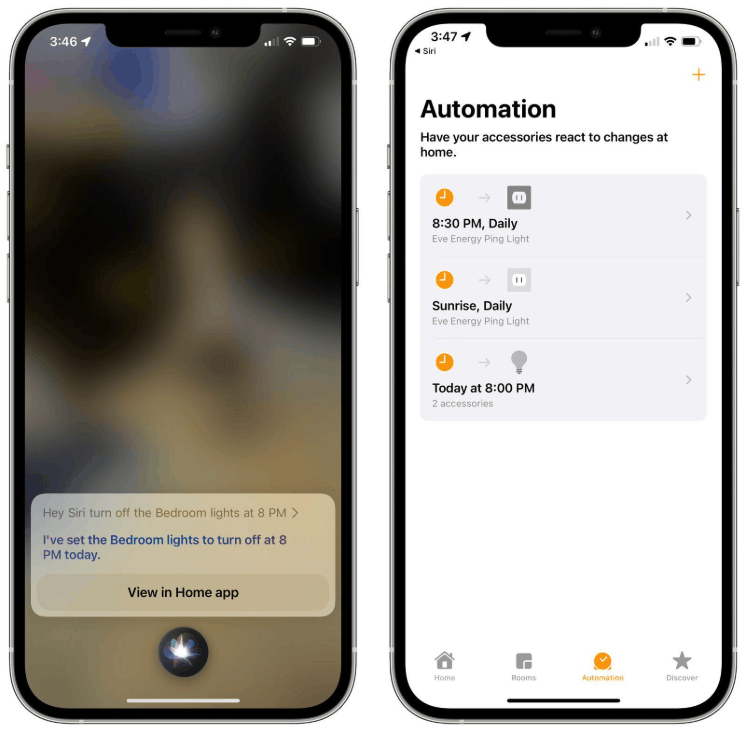
An important note for Vietnamese users is the lack of Vietnamese language support. Both assistants have a certain level of Vietnamese comprehension, but the quality of voice recognition, especially for controlling home devices, varies depending on the product line and software version. In practice, many families still choose to give commands in English or use the app and physical switches for tasks requiring high precision. You should test the product in real-world conditions before making a significant investment.
4. Automation and intelligent scenarios
Automation is where smart homes truly demonstrate their value. Google Home allows you to create automations using an intuitive editor with various trigger conditions such as time, sunrise and sunset, location, device status, or sensor status. A notable feature for 2026 is the ability to use Gemini to create processes using descriptive voice commands; for example, you can simply say you want the hallway lights to dim when someone walks by at night, and the system will suggest the corresponding configuration. This significantly reduces the barrier to entry for new users.
Apple Home offers automation based on people, location, time, sensors, and accessories, along with scenarios called Scenes. The system is highly reliable because automation runs locally on the central device, with minimal reliance on an internet connection. User-triggered conditions, for example when the last person left the house, work smoothly thanks to accurate location data from the iPhone. However, the complex conditional logic with multiple branches remains a weakness compared to more in-depth platforms.
In summary, Google Home excels in accessibility and AI support, while Apple Home excels in stability and local responsiveness.
5. Cameras, doorbells, and home security.
Google owns the Nest camera and doorbell lineup, with a new generation of products integrating Gemini, capable of recognizing people, pets, and vehicles, and creating event summaries in natural language. Instead of just receiving motion alerts, you can get specific descriptions, such as a delivery person leaving a package at your door. These advanced features are tied to a Google Home Premium subscription, so the actual cost should be factored in.
Apple doesn't manufacture its own cameras but relies on a partner ecosystem, providing HomeKit Secure Video for compatible cameras. Video data is analyzed in-home by a central device, then end-to-end encrypted before being saved to iCloud, and Apple cannot view this content. Facial recognition, person recognition, pet recognition, and vehicle recognition are all processed locally. In return, the list of supported cameras isn't as extensive, and you need an iCloud plan with sufficient storage to save video.
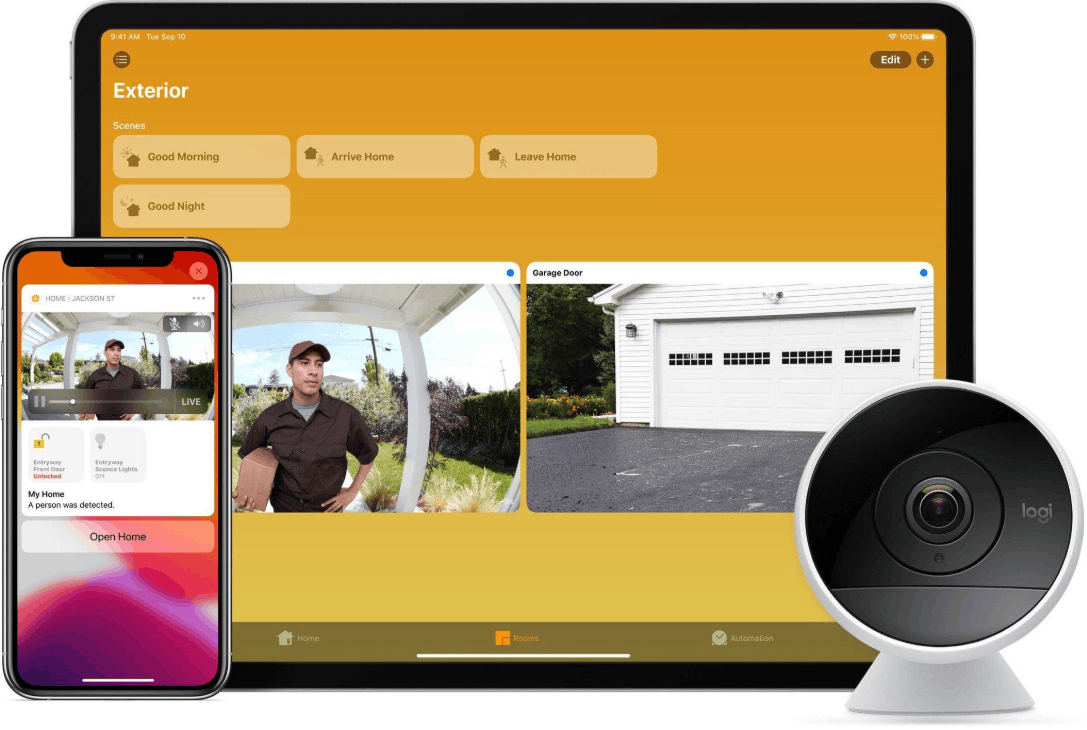
If your priority is smart features and a wide range of hardware options, Google has the advantage. If your priority is absolute privacy with indoor video, Apple is a more compelling choice.
6. Privacy and data security
Privacy is the point Apple emphasizes most. The majority of smart home data is processed locally, requests sent to servers are designed to minimize identity linking, and Apple doesn't rely on an advertising-based business model. For those who consider household data sensitive, this is a very strong argument.
Google has added several control tools such as activity review and deletion, options to disable audio storage, and security handling mechanisms to Gemini features. However, the fundamental nature of Google's platform is cloud-based and AI-powered, so many advanced features require data to be processed on servers. This doesn't mean data can be misused, but users should carefully read the policies and configure access permissions.
In terms of technical security, both employ encryption, two-factor authentication, and regular software updates. The main difference lies in their philosophy: one prioritizes in-house processing, while the other prioritizes the power of the cloud.
7. Central device and accompanying hardware
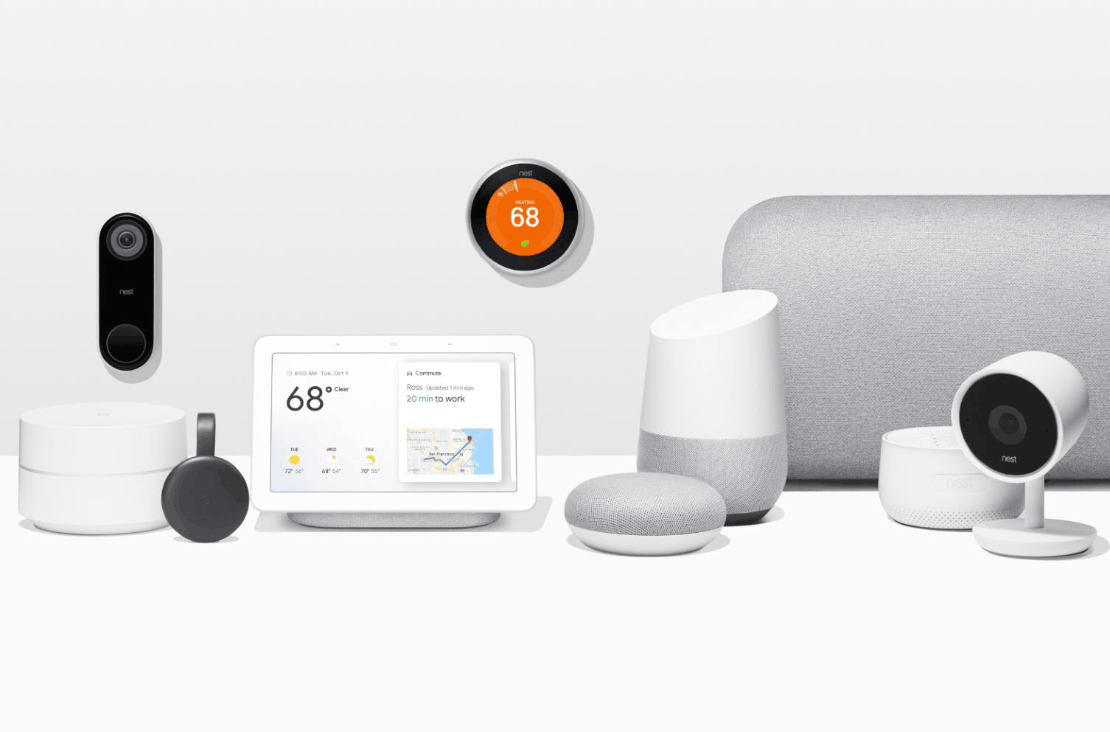
Google offers a diverse range of products, from the affordable Nest Mini speaker and Nest Hub smart display to the next-generation Google Home speaker for Gemini, along with the Google TV Streamer which can act as a central hub. The low starting price makes building an initial system easier, especially for beginners.
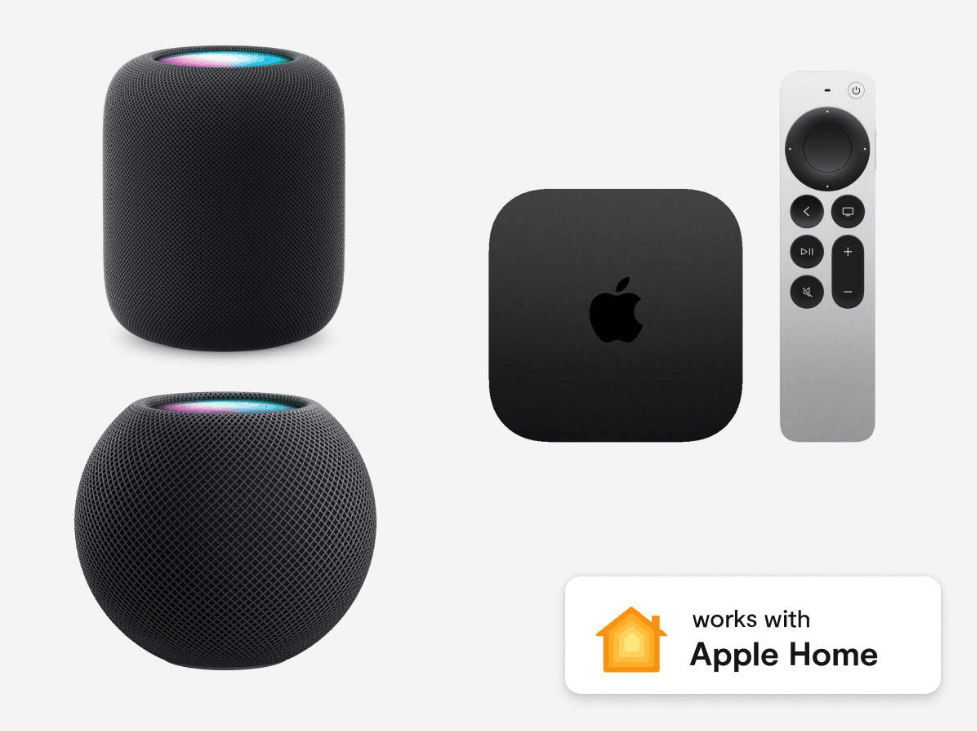
Apple offers fewer but consistently high-quality options, with the affordable HomePod mini, the HomePod with superior sound quality, and the Apple TV 4K as a central control unit. In terms of sound quality, the HomePod line is generally considered superior to many products in its segment. Apple has also been rumored to be launching a smart home hub with a display, but the exact timing depends on the company's roadmap, so you shouldn't include it in your current purchase plans without official information.
8. Investment costs and maintenance costs
In terms of initial cost, Google is generally cheaper thanks to its low-cost hardware and many products in the mainstream segment. A basic system consisting of a few speakers, some lights, and smart plugs can be set up on a very reasonable budget. Apple tends to be more expensive in terms of the hub device and some certified accessories, but if you already own an Apple TV or HomePod, the additional cost is almost zero.
Regarding maintenance costs, you need to factor in subscription plans. Google Home Premium unlocks advanced camera and Gemini assistant features, while Apple requires an iCloud Plus plan to save video from cameras compatible with HomeKit Secure Video. Both approaches have recurring fees, so when comparing total cost of ownership over three to five years, the gap between the two platforms can be much narrower than the initial hardware price.
9. Who should choose Google Home, and who should choose Apple Home?
Google Home is suitable if your family uses Android or has many different devices, if you want a versatile conversational assistant, if you need a camera with rich smart features, or if initial budget is a key factor. It's also a reasonable choice for beginners who want to experiment with smart home technology on a low cost.
Apple Home is suitable if your whole family already uses iPhones, if you value privacy and stability, if you prefer a minimalist and seamless experience between devices, or if you already have Apple TV and HomePod. It's an ideal choice for those who want a system that runs smoothly, requires minimal tweaking, and is less dependent on the cloud.
If you're still undecided, the safe strategy is to prioritize standard Matter accessories. This allows you to start with one platform and switch to the other as needs change, without discarding previous investments.
10. Conclusion
No platform will be a clear winner in 2026. Google Home leads in flexibility, AI, and device coverage, while Apple Home leads in privacy, stability, and seamless integration within its own ecosystem. The right decision depends on three specific factors: the type of phones your family uses, how much you value privacy, and your budget for both hardware and subscription costs. Start with the actual needs of your home, experiment with a few small devices, and gradually expand once you're satisfied with the experience. Thanks to Matter, making the wrong choice initially isn't as big a risk as it used to be.

















VIP Products




Best Selling Products
Adobe Premiere Pro Account
99 USD
Upgrade Duolingo Super
29 USD
Copyright Adobe Lightroom Account
59 USD
MidJourney Account
29 USD
Windows 10 & 11 Pro Key
36 USD
Genuine Cheap Canva Pro
39 USD
Capcut Pro 1 Year
39 USD
Plugin Retouch4me
69 USD
Adobe Photoshop Copyright - Full App
120 USD
Freepik Premium Account
59 USD
Genuine Adobe Illustrator account
99 USD
Upgrade genuine Capture One account
120 USD
ChatGPT Plus Account (GPT-4)
16 USD
Autodesk All App Account Copyright
120 USD
Upgrade Genuine Office 365
49 USD