Best Selling Products
Capcut Pro 1 Year
39 USD
Autodesk All App Account Copyright
120 USD
Adobe Photoshop Copyright - Full App
120 USD

Freepik Premium Account
59 USD

MidJourney Account
29 USD

Windows 10 & 11 Pro Key
36 USD

Upgrade Genuine Office 365
49 USD
Genuine Adobe Illustrator account
99 USD
Genuine Cheap Canva Pro
39 USD
Copyright Adobe Lightroom Account
59 USD
Plugin Retouch4me
69 USD
Upgrade genuine Capture One account
120 USD

ChatGPT Plus Account (GPT-4)
16 USD
Upgrade Duolingo Super
29 USD
Adobe Premiere Pro Account
99 USD
Discover the Process of Creating Design Thinking
Nội dung
- 1. What is design thinking?
- 2. The effectiveness of design thinking
- 3. The 5 Stages of Design Thinking
- 3.1 Phase 1: Empathy – Researching the needs and preferences of the target audience
- 3.2 Phase 2: Definition – Identifying the needs and problems of the target audience
- 3.3 Phase 3: Ideas – Challenging assumptions to generate new ideas
- 3.4 Phase 4: Prototyping – Transforming Ideas into Real Solutions
- 3.5 Phase 5: Testing and evaluating solutions
- 4. The Importance of Design Tools
- 5. The role of tools in design thinking
- 6. Software that helps implement design thinking.
- 7. Conclusion
Design thinking has become a crucial method for creative problem-solving and product development. This process is not simply a design method, but a way of thinking that helps people view and solve challenges from the user's perspective.
1. What is design thinking?
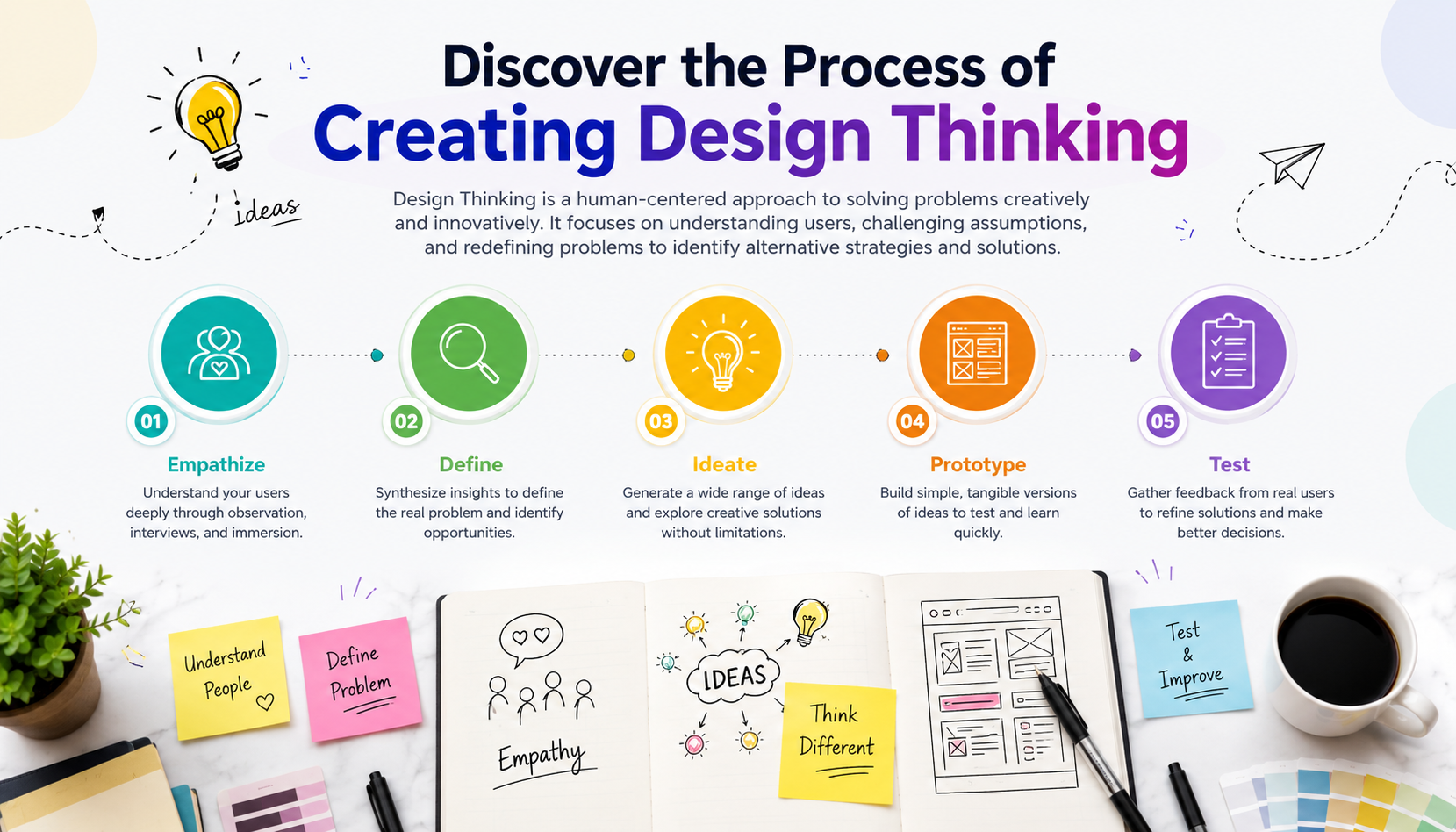
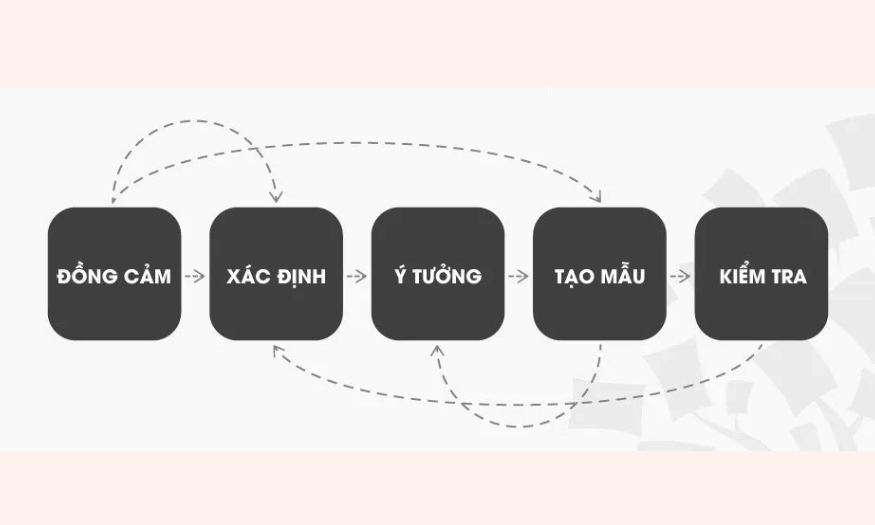
Design thinking is a creative approach to problem-solving that focuses on user needs and experiences. Unlike traditional methods, design thinking is not a linear process but a non-linear one, allowing for repeated iterations to optimize results. Designers use this method to gain a deep understanding of the target audience's desires, thereby formulating and testing assumptions, redefining the problem, and developing innovative solutions.
The design thinking process typically unfolds through five basic steps: empathy, identification, ideation, prototyping, and testing. Each step is important and closely interconnected. In particular, the iterative nature of these steps allows designers to flexibly adjust and refine the solution based on user feedback.
Design thinking isn't just for designers; it can be applied to any field, from business to education. The core idea is to create real value for users, helping them solve the problems they face. Therefore, design thinking becomes a powerful tool for enhancing customer experience and satisfaction.

2. The effectiveness of design thinking
Design thinking was first mentioned in 1969 by Nobel laureate Herbert A. Simon in his work "The Sciences of the Artificial". He contributed numerous studies that helped build the principles of design thinking. These principles not only clarify how design thinking works but also provide a solid theoretical basis for practical applications.
Today, design thinking is increasingly important in many fields, especially in graphic design. It encourages designers to adapt product development trends, focusing on people and delving into user insights. Through this, designers can solve difficult and unresolved problems, thereby creating solutions that better meet real-world needs.
Furthermore, design thinking helps businesses and organizations implement improvements in their operations. By applying this method, managers can enhance their creativity, gain insights into problems, and thereby find new approaches tailored to specific customer segments.
3. The 5 Stages of Design Thinking
We will focus on the five-stage model proposed by Hasso-Plattner from the Stanford Design Academy (d.school). This is a pioneering school in teaching design thinking, with a deep and practical approach. According to d.school, the five stages in design thinking include: empathy, problem definition, ideation, prototyping, and testing. Let's explore each stage to better understand this creative process.
3.1 Phase 1: Empathy – Researching the needs and preferences of the target audience
The first stage in design thinking is empathy. This is the most important step, helping designers discard subjective assumptions and better understand user needs. Empathy goes beyond simply gathering information; it's about feeling and experiencing the user's life.
Designers can use various methods to gather information, from in-depth interviews and surveys to observing real-world behavior. For example, in a mobile application design project, the design team might conduct interviews with users to understand their phone usage habits. Through this, they can discover the difficulties users face and unmet needs.
Empathy helps designers see problems from the user's perspective, creating a solid foundation for subsequent stages. By better understanding user emotions and needs, designers are able to develop more appropriate and effective solutions.
3.2 Phase 2: Definition – Identifying the needs and problems of the target audience
After gathering information from the empathy phase, the next phase is problem definition. This is the process of synthesizing the information and drawing conclusions based on what has been gathered. The goal here is to clearly identify the core problems that users are facing.
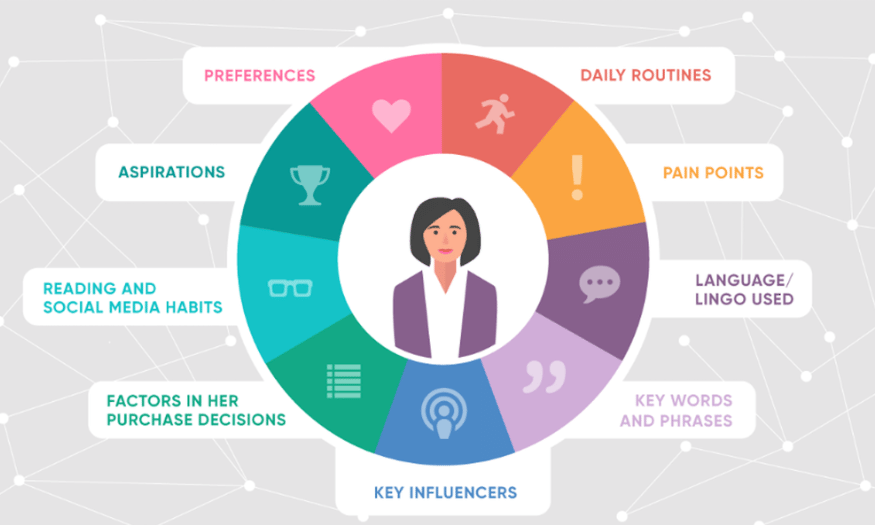
Designers often use the method of creating personas – characters that represent different user groups. For example, if the project involves designing an e-commerce website, personas can be built based on information about the age, interests, and shopping habits of consumers. This helps designers gain deeper insights into customer needs and desires.
Clearly defining the problem not only helps designers focus on the key points but also minimizes risks during product development. Once the problem is precisely defined, the design team will have a solid foundation to develop innovative ideas in the next phase.
3.3 Phase 3: Ideas – Challenging assumptions to generate new ideas
The ideation phase is when designers begin to challenge existing assumptions and seek creative solutions. Building on the knowledge gained from the previous two phases, the design team will brainstorm to develop various ideas.
During this phase, no idea is too crazy. Designers encourage creativity and the search for unique problem-solving methods. For example, if the team is designing a new product for children, they might consider using gamification to create a fun and engaging experience.
Creating a long list of ideas will give the team more options. After gathering enough ideas, the team will evaluate and select the most feasible solutions to develop in the next phase. This not only optimizes the design process but also creates products that truly meet user needs.
3.4 Phase 4: Prototyping – Transforming Ideas into Real Solutions
The prototyping phase is the next step in the design thinking process, where ideas are realized into physical prototypes. Prototyping helps designers find the best solution for each specific problem.
During this phase, the design team often creates miniature versions of the product to test their ideas. For example, if they are developing an application, they might create a simple interface with only basic functions. This allows them to evaluate how users interact with the application without investing too much time and money.
The prototyping process also helps the team identify potential problems and improve the product before mass production. User feedback during this phase is crucial, as it helps designers fine-tune and optimize the product.

3.5 Phase 5: Testing and evaluating solutions
The testing phase is the final step in the design thinking process, but it's not the end. Here, designers evaluate the solutions developed during the prototyping phase. They gather user feedback and analyze it to better understand the product's effectiveness.
What's unique about this stage is that design thinking is an iterative process. If the product doesn't meet requirements, the team can go back to previous stages to adjust and improve. For example, if users are having trouble with a specific feature, the team can go back to the definition stage to better understand the problem and redevelop the solution.
The flexibility in this process allows designers to continuously improve the product, ensuring that the final product not only meets user needs but also provides the best possible experience. As a result, design thinking becomes a powerful tool in developing high-quality products and services.
These are the five stages of design thinking. Importantly, these stages do not necessarily have to be sequential but can be flexibly adjusted depending on the requirements of each project. The ultimate goal remains to achieve a deep understanding of the user and find the most suitable solutions.
4. The Importance of Design Tools
According to research by Alves, R., and Jardim Nunes, over 164 design-related methods and tools have been collected and categorized. These tools are grouped based on various aspects such as motivation, target audience, and representational forms. Most of these methods are used to define problems; therefore, selecting the appropriate design tool is particularly important in the initial stages of the design thinking process.
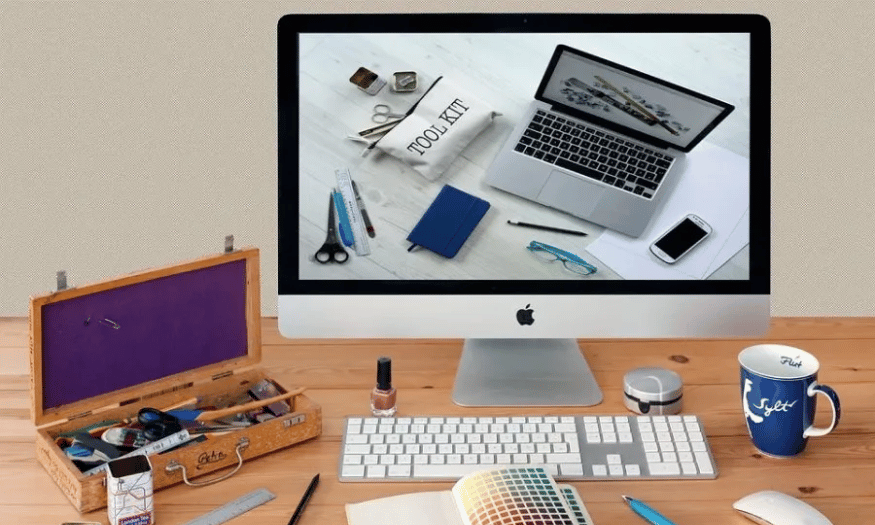
Using design tools not only helps designers organize and manage information effectively but also assists them in creating prototypes and evaluating the feasibility of ideas. For example, tools such as pens, paper, drawing boards, or graphic design software allow designers to realize their ideas visually and vividly. This enhances communication among design team members as well as with clients.
An important point to note is that design tools are often physical, but can also include digital tools. The combination of physical and digital tools gives designers flexibility in choosing the most appropriate method for each stage of the design process.
5. The role of tools in design thinking
In design thinking, tools play a key role, helping to implement the stages of the process effectively. From the empathy stage to the testing stage, each tool has its own function and application. For example, in the empathy stage, research tools such as interviews and surveys help gather information from users, while in the prototyping stage, tools such as design software or physical models support the realization of ideas.
Design tools also help designers create prototypes to evaluate the feasibility of ideas. These prototypes not only allow users to experience the product but also provide valuable information for adjusting and improving the design. By using criteria such as visualization techniques or communication capabilities, designers can choose the most appropriate tool for each specific situation.
Furthermore, the flexibility in applying tools also helps designers continuously improve their workflows. This means they can adjust and optimize designs based on user feedback, thereby enhancing the effectiveness of the final product.
6. Software that helps implement design thinking.
Canva is a powerful online graphic design tool that makes it easy for users to create high-quality designs without needing extensive experience. With its user-friendly interface, Canva allows users of all skill levels, from beginners to professional designers, to quickly create documents, images, and graphics.
Canva offers a rich library of design templates, from social media posts and posters to presentations. Users can customize these templates with their own text, images, and icons. The drag-and-drop feature makes adjusting design elements simple and intuitive.
One of Canva's strengths is its collaborative capabilities. Users can share designs with colleagues or friends to edit together and receive immediate feedback. This is very helpful in design thinking, where gathering opinions and improving the product is crucial.
Furthermore, Canva supports various export formats, making it easy for users to save and share their creations. Thanks to these features, Canva is not only a design tool but also an effective platform for supporting design thinking, helping users realize their ideas quickly and creatively.
7. Conclusion
Design thinking is not only a useful tool in product and service development, but also a philosophy that helps people develop creative thinking and effective problem-solving skills. Through applying this process, individuals and organizations can create solutions that better meet the real needs of users, thereby enhancing value and satisfaction. Understanding and implementing each step in the design thinking process will not only help you become a better designer but also contribute to building a creative and innovative work environment.












VIP Products

Best Selling Products
Capcut Pro 1 Year
39 USD
Autodesk All App Account Copyright
120 USD
Adobe Photoshop Copyright - Full App
120 USD
Freepik Premium Account
59 USD
MidJourney Account
29 USD
Windows 10 & 11 Pro Key
36 USD
Upgrade Genuine Office 365
49 USD
Genuine Adobe Illustrator account
99 USD
Genuine Cheap Canva Pro
39 USD
Copyright Adobe Lightroom Account
59 USD
Plugin Retouch4me
69 USD
Upgrade genuine Capture One account
120 USD
ChatGPT Plus Account (GPT-4)
16 USD
Upgrade Duolingo Super
29 USD
Adobe Premiere Pro Account
99 USD