Best Selling Products

Capcut Pro 1 Year
39 USD

Freepik Premium Account
59 USD

Upgrade Duolingo Super
29 USD
Copyright Adobe Lightroom Account
59 USD
Windows 10 & 11 Pro Key
36 USD
Genuine Cheap Canva Pro
39 USD

MidJourney Account
29 USD
Adobe Premiere Pro Account
99 USD
Plugin Retouch4me
69 USD
Genuine Adobe Illustrator account
99 USD
Adobe Photoshop Copyright - Full App
120 USD
Upgrade Genuine Office 365
49 USD

ChatGPT Plus Account (GPT-4)
16 USD
Autodesk All App Account Copyright
120 USD
Upgrade genuine Capture One account
120 USD
Secrets to Creating the Perfect Gradient Design
Nội dung
- 1. Secret 1: Understand colors clearly
- 2. Secret 2: Choose saturation and brightness
- 3. Secret 3: Use supporting tools
- 4. Secret 4: Apply basic design principles
- 5. Secret 5: Experiment with different shapes
- 6. Secret 6: Explore trendy Gradient trends
- 7. Secret 7: Create depth with special effects
- 8. Secret 8: Combine Gradient with images
- 9. Secret 9: Practice continuously
- 10. Choose the right Gradient design software
- 11. Conclusion
In the world of modern graphic design, gradients have become a powerful tool that enhances aesthetics and attracts viewers’ attention. Using gradients is not simply about color coordination, but also the art of combining shades, brightness, and saturation to create unique effects. However, not everyone knows how to create a perfect gradient design. In this article, Appvip will explore with you the secrets and techniques so you can master and apply gradients effectively in your design projects.
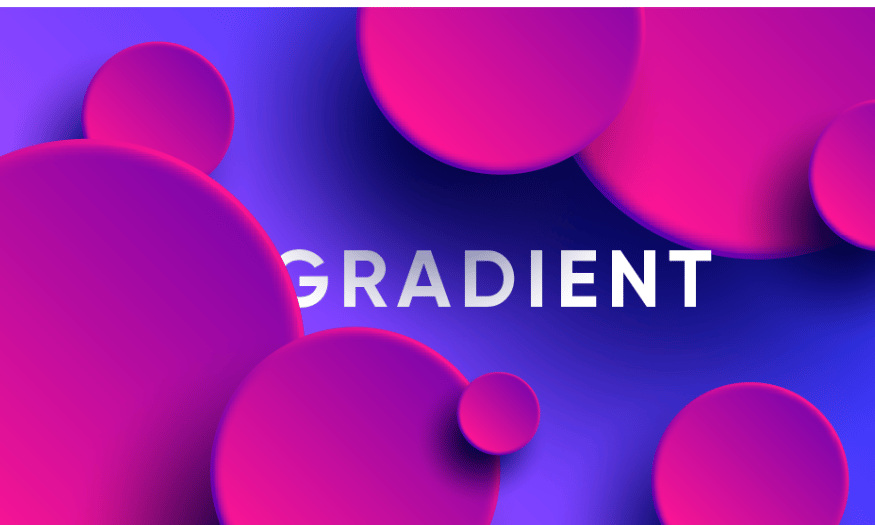
1. Secret 1: Understand colors clearly
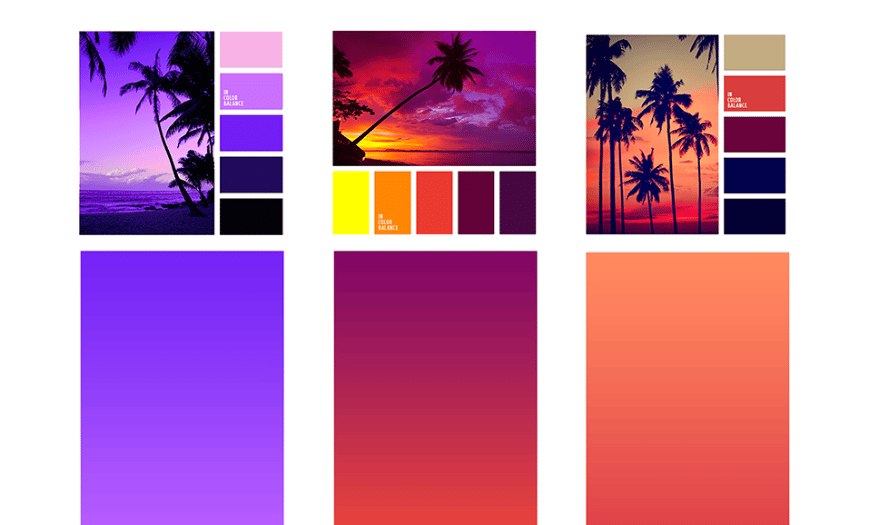
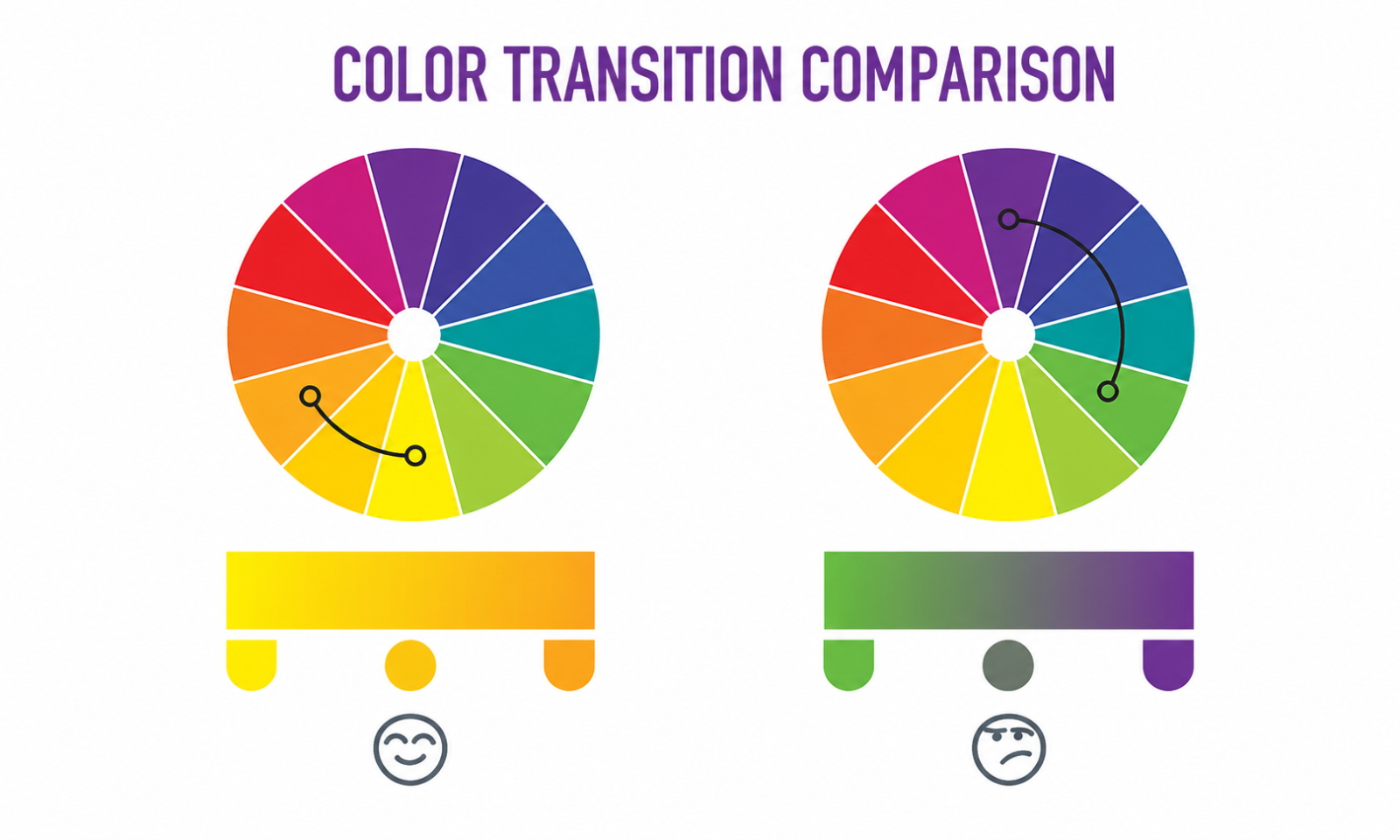
One of the most important secrets to creating the perfect gradient design is understanding colors clearly. Colors are not simply individual tones, but also a rich interactive system among them. When working with gradients, you need to master color coordination rules such as contrast, complement, and harmony. Using tools such as the color wheel can help you easily identify compatible colors, thereby creating sharp and attractive effects.
In addition, consider the mood you want to convey through colors. Each color carries its own meaning and emotion. For example, green is often associated with freshness and nature, while red expresses strength and passion. Choosing suitable colors not only makes your gradient beautiful but also enhances the message you want to deliver.
Finally, understanding colors clearly also helps you avoid common mistakes. Many young designers often make the mistake of combining incompatible colors, leading to less attractive products. Through research and practice, you will develop a better aesthetic taste, thereby creating gradient designs that are both harmonious and impressive.
2. Secret 2: Choose saturation and brightness
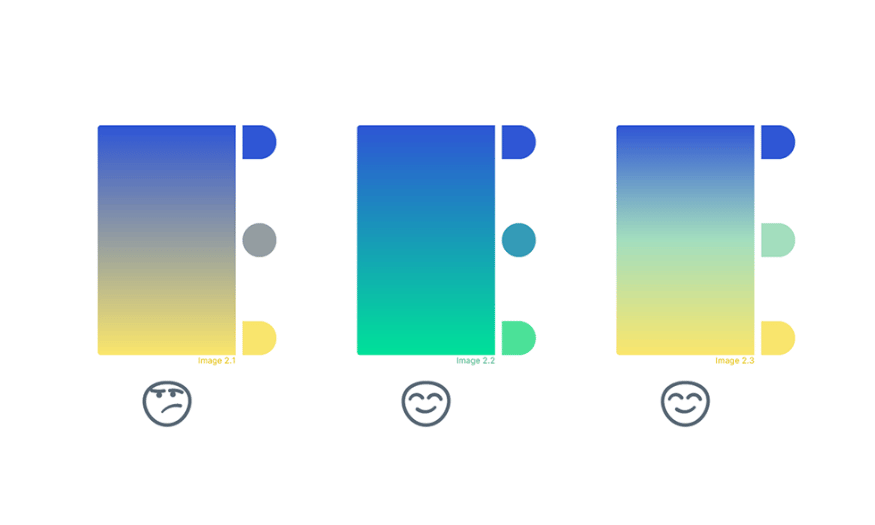
When creating gradients, the saturation and brightness of colors are two factors that cannot be ignored. Saturation determines the vividness of the color, while brightness affects how that color is perceived in the design space. A perfect gradient usually includes a smooth transition between different levels of saturation and brightness, creating depth and richness for the work.
Experiment with different levels of saturation to find the most satisfying combination. You can start with a main color and from there create lighter or darker shades. This not only enhances aesthetics but also creates movement, guiding the viewer’s eye from one part to another part of the design. This practice will help you form a better sense of how colors interact with each other in the design space.
Mastering saturation and brightness also allows you to create special effects. For example, you can use a gradient from light to dark to create depth, or conversely, from dark to light to create emphasis. These techniques not only make your design more vivid but also help you express your own personality and style.
3. Secret 3: Use supporting tools
Finally, using supporting design tools is an indispensable secret in the process of creating the perfect gradient. There are many modern software programs and applications that provide features for creating gradients easily and quickly. From Adobe Illustrator, Photoshop to online tools such as Figma or Canva, each software has its own advantages, helping you easily implement your ideas.
In addition, available color and gradient libraries are also valuable resources. You can refer to pre-designed gradient templates for inspiration or adjust them to suit your project. This not only saves time but also helps you expand your creativity, thereby creating more unique and impressive products.
Getting familiar with these tools and resources also helps you become more confident in the design process. Once you have mastered how to use them, you will be able to focus on creativity and idea development instead of being distracted by technical issues. Take advantage of these tools to improve your skills and expand your creative ability in the field of gradient design.
4. Secret 4: Apply basic design principles
An important secret in creating the perfect gradient is applying basic design principles. Principles such as balance, emphasis, and harmony not only help you organize elements in the design but also make the gradient stand out more. Balance is a decisive factor in distributing colors; if one part of the design stands out too much with a strong gradient, you need to ensure that the other parts are balanced to create a harmonious whole.
Besides that, the principle of emphasis is also very important. You can use gradients to draw attention to a specific area of the design, such as a button or title. Using brighter colors or higher saturation in the gradient will help create a clear focal point. This not only makes the design more attractive but also helps viewers easily identify important information.
Finally, harmony among the elements in the design is essential. When you use a gradient, make sure it matches other elements such as images, text, and the overall layout. A beautiful gradient design that does not harmonize with other elements can make viewers feel confused. Therefore, always consider how the gradient interacts with other components in your design.
5. Secret 5: Experiment with different shapes
A great way to enhance your gradient design is to experiment with different shapes. Gradients can create completely different effects depending on the shape to which you apply them. For example, a gradient on a circle can bring a soft and pleasant feeling, while on a square it creates a solid and powerful impression. By changing shapes, you can discover new creative possibilities and create unique products.
In addition, combining gradients with complex shapes can also create strong impacts. Try using gradients on lines, patterns, or decorative elements to create richness in the design. Smooth transition gradients on these shapes will create depth and vividness, making your design more interesting.
Finally, do not be afraid to change the size and proportion of shapes when applying gradients. This not only creates diversity in the design but also helps you find more interesting layouts. Flexibility in how you use shapes will help you develop a unique and easily recognizable design style.
6. Secret 6: Explore trendy Gradient trends
The world of design is always changing and developing, and gradients are no exception. To create designs that keep up with trends, regularly explore and update the latest gradient trends. Following outstanding designs on social media, blogs, or design platforms will help you recognize rising trends, from colors to gradient combinations.
One prominent trend today is the use of multi-color gradients with rich color transitions, creating eye-catching and modern effects. Experiment with new color palettes and do not hesitate to combine many different shades to create unique gradients. This not only makes your design stand out but also shows creativity and the ability to adapt to changes in the design industry.
Participating in design communities is also very useful. You can connect, exchange ideas, and receive feedback from other designers. Contributions from the community will help you broaden your perspective and improve your skills. Remember that creativity has no limits, and combining new trends with your own style will create impressive and unique gradient designs.
7. Secret 7: Create depth with special effects
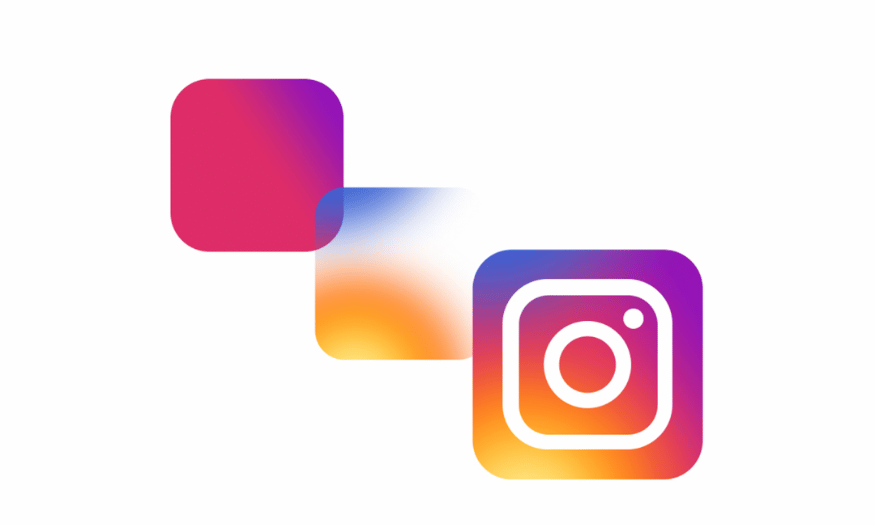
One of the effective ways to make your gradient design more impressive is to create depth through special effects. Effects such as drop shadows, reflections, or fade effects can create a three-dimensional feeling for elements in the design. By applying gradients combined with these effects, you can make the components stand out more while creating an interesting interaction for viewers.
For example, when applying a gradient to a button, you can add a drop shadow to create the feeling that the button is raised above the surface. This not only makes it more attractive but also makes users feel like interacting with it. Similarly, if you use a gradient on an image, applying a fade effect can create a soft and captivating space, guiding the viewer’s eye.
Remember that when using these effects, subtlety is very important. Overusing them can make the design look confusing and lose professionalism. Therefore, experiment and adjust until you find the perfect balance between the gradient and special effects.
8. Secret 8: Combine Gradient with images
A great secret to enriching your design is combining gradients with images. Using a gradient as an overlay on an image can create powerful effects, highlight the image, and at the same time create a certain atmosphere for the design. This helps you not only create beautiful photos but also express ideas and messages more clearly.
When applying a gradient to an image, consider the color and transparency of the gradient. A gentle gradient can soften the image, while a bold gradient can create strong contrast. You can experiment with different gradient directions to see how they interact with the image, thereby finding the best way to enhance aesthetic value.
In addition, combining gradients with images also allows you to create consistency in the design. If you have a certain color palette for your brand, using corresponding gradients on images can help create a stronger connection, making your brand easier to recognize in consumers’ minds.
9. Secret 9: Practice continuously
One of the most important secrets to becoming a good gradient designer is continuous practice and receiving feedback from others. Design is a constantly developing field, and practice will help you improve your skills and expand your understanding of how to use gradients. Spend time experimenting with different projects, from small to large, to find your own style and improve your creative ability.
Receiving feedback from others is also very important. You can join design communities, forums, or social media groups to share your work and receive suggestions. This feedback will help you view your design from another perspective and help you recognize your strengths and weaknesses.
Finally, keep looking for inspiration from other designers, new trends, and other artworks. Learning from those who came before will help you develop quickly and accumulate much valuable experience in the field of gradient design.
10. Choose the right Gradient design software
Choosing suitable design software is an important factor in the process of creating perfect gradients. Among the available software programs, Adobe Photoshop stands out as one of the most powerful and flexible tools for designers. With high image processing capability and rich features, Photoshop allows users to create sophisticated and unique gradients.
Photoshop provides a wide range of tools to create and edit gradients, from choosing colors to adjusting saturation, brightness, and gradient direction. You can easily create simple gradients with just a few clicks, or experiment with more complex effects such as gradient masks to create depth and interaction in the design. In addition, the Layer Styles feature in Photoshop allows you to add special effects such as drop shadows or opacity, helping enhance the aesthetic value of gradient designs.
However, to make the most of Photoshop’s features, upgrading to the latest version is necessary. At Appvip, we recommend upgrading Photoshop so you can access the latest features and receive the best support from the developer. The new version not only improves performance but also adds many new tools and features, helping you save time and improve work quality.
Appvip provides Photoshop upgrade services with a simple and fast process. We are committed to bringing you the best experience when working with this design software. Appvip’s team of specialists is always ready to support you in installing and customizing features, helping you become more confident in applying gradients to your projects.
11. Conclusion
Creating a perfect gradient design does not rely only on technique, but also on creativity and personal feeling. By applying the secrets we have discussed, you can improve your design ability and create eye-catching and impressive products. Remember that practice and experimentation are the key to finding your own style. Do not hesitate to explore and create with gradients, because what you create can become a source of inspiration for others.












VIP Products


Best Selling Products
Capcut Pro 1 Year
39 USD
Freepik Premium Account
59 USD
Upgrade Duolingo Super
29 USD
Copyright Adobe Lightroom Account
59 USD
Windows 10 & 11 Pro Key
36 USD
Genuine Cheap Canva Pro
39 USD
MidJourney Account
29 USD
Adobe Premiere Pro Account
99 USD
Plugin Retouch4me
69 USD
Genuine Adobe Illustrator account
99 USD
Adobe Photoshop Copyright - Full App
120 USD
Upgrade Genuine Office 365
49 USD
ChatGPT Plus Account (GPT-4)
16 USD
Autodesk All App Account Copyright
120 USD
Upgrade genuine Capture One account
120 USD