Best Selling Products
Genuine Cheap Canva Pro
39 USD

Capcut Pro 1 Year
39 USD
Adobe Photoshop Copyright - Full App
120 USD

Copyright Adobe Lightroom Account
59 USD
Genuine Adobe Illustrator account
99 USD

Freepik Premium Account
59 USD
Adobe Premiere Pro Account
99 USD
Upgrade Duolingo Super
29 USD
Upgrade Genuine Office 365
49 USD

ChatGPT Plus Account (GPT-4)
16 USD
Autodesk All App Account Copyright
120 USD
Upgrade genuine Capture One account
120 USD

MidJourney Account
29 USD
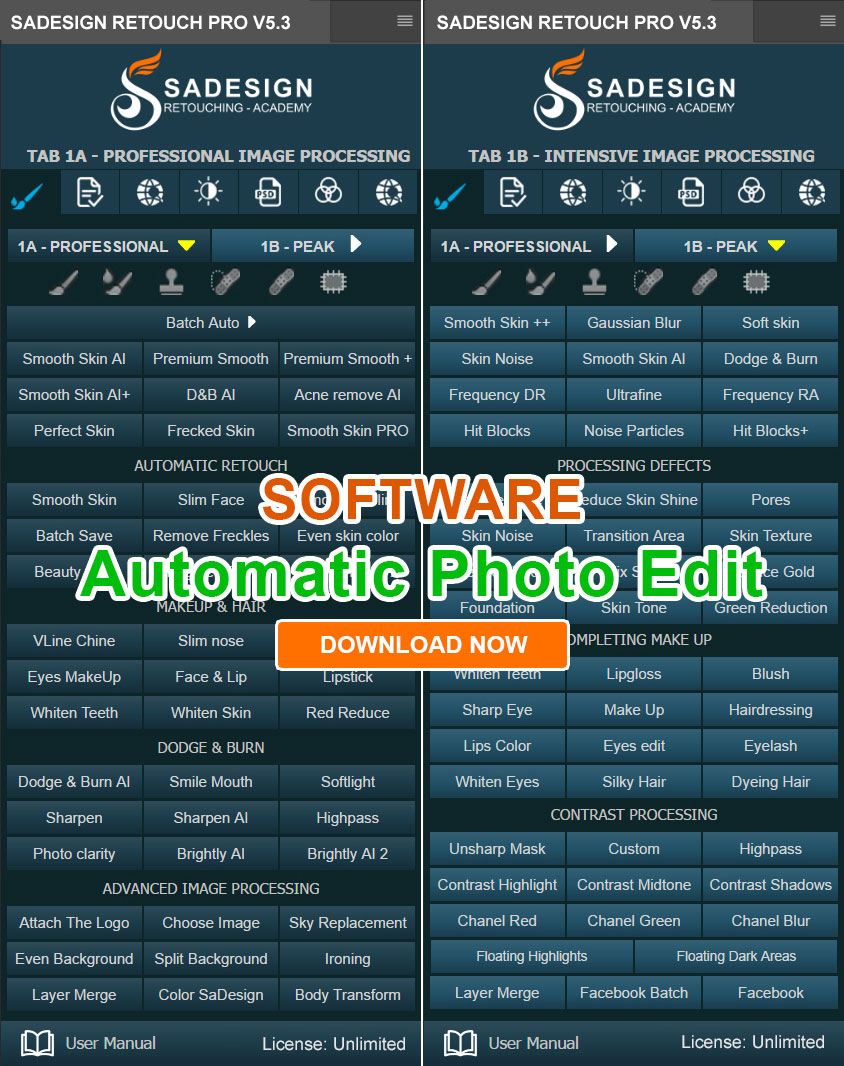
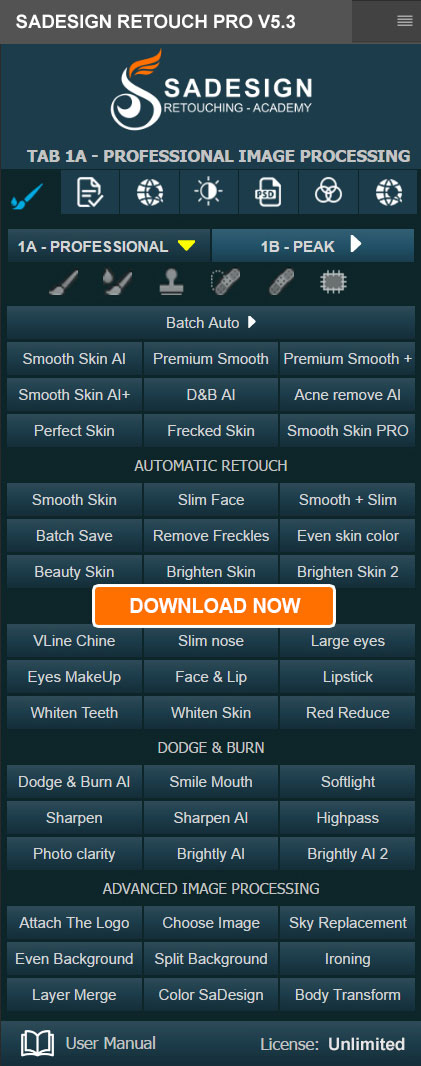
Plugin Retouch4me
69 USD

Windows 10 & 11 Pro Key
36 USD
What Is a Brief? How to Create an Effective Design Brief
Nội dung
- 2. Classification of Briefs
- 2.1 Communication Brief
- 2.2 Creative Brief
- 3. How Designers Read a Brief
- 3.1 Project objectives
- 3.2 Budget, progress
- 3.3 Target audience
- 3.4 Project scope
- 3.5 Overall style
- 4. Preliminary steps to have an effective Design Brief
- 4.1 Step 1: Identify the design project
- 4.2 Step 2: Find the right designer for the project
- 4.3 Step 3: Have a conversation – designer and customer
- 4.4 Step 4: Final design summary
- 5. What does a Design Brief look like?
- 6. Why is a Design Brief important?
- 7. Perfect Design Brief design tool
- 8. Conclusion
In the process of product development and design, one important element that cannot be missing is the design summary, also known as a design brief. So what is a "brief"? It is not simply a document but also a strategic tool that helps guide and communicate information between relevant parties. An effective design brief will help designers clearly understand customer requirements, thereby creating products that meet expectations. In this article, let’s explore with Appvip the concept of a brief, its importance, and the steps to create a perfect design brief.
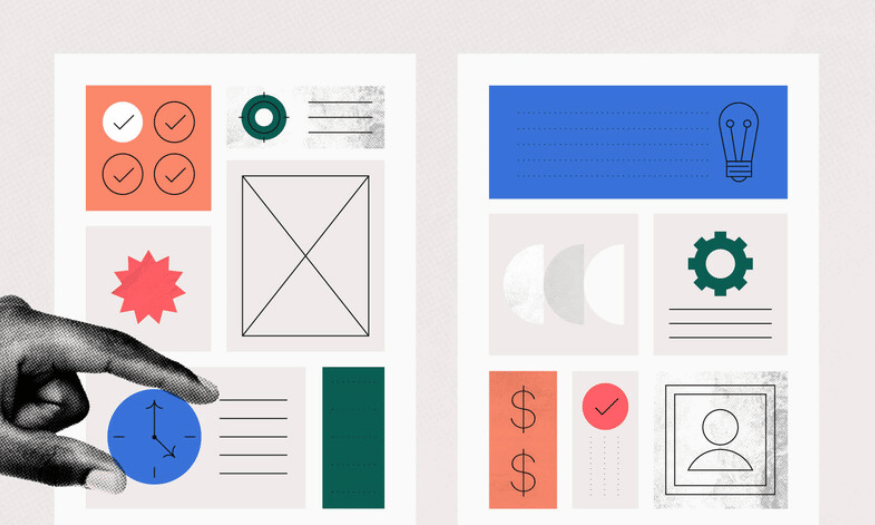
1. What is a Brief?
A brief, also known as a design summary, is a core document that helps shape and manage a design project. It is not simply a list of requirements but also a powerful strategic tool, allowing designers and customers to agree on goals and implementation direction. A well-built brief will help clearly define the scope, scale and important details of the project, thereby serving as the foundation for every design decision.
When a brief is carefully drafted, it becomes a guideline for the creative process. It not only helps designers clearly recognize customer expectations but also helps them avoid unnecessary obstacles throughout the working process. This is especially important in a dynamic working environment, where time and resources are always limited.
A good design summary also creates effective cooperation between relevant parties. When both designers and customers participate in building the brief, they will have the opportunity to exchange opinions and agree on goals, thereby ensuring that the final product will meet expectations. This clarity not only helps save time but also creates a positive and creative working environment.
.png)
2. Classification of Briefs
2.1 Communication Brief
A communication brief is a type of summary used between customers and the Account department in agencies. This type of brief focuses on highlighting important information related to the project, such as customer information, project objectives, conveyed message and implementation budget. An effective communication brief will help managers plan in detail for each stage of the project.
In this brief, factors such as the investor’s unit name, project description, background information about the brand, as well as communication objectives will be presented clearly. This helps ensure that everyone understands the overall goals and strategy, thereby facilitating coordination between departments.
In addition, the communication brief also helps identify the target audience and the main message that the campaign wants to convey. This not only creates consistency in the message but also helps enhance the effectiveness of the campaign when implemented.
2.2 Creative Brief
A creative brief is a type of summary used to guide the creative team during the idea development process. After receiving the communication brief, managers will select important information and transfer it to the creative team in the shortest and most concise way. The creative brief helps focus on the essential factors that the creative team needs to understand in order to perform the work effectively.
The main content of a creative brief usually includes a specific description of the work that the creative team needs to perform, information about the target customer and the differences of the product. This not only helps the creative team better understand the requirements but also inspires creativity through important keywords of the campaign.
An effective creative brief will create clarity in the work and help the creative team develop ideas suitable for the project’s objectives. When everyone clearly understands each other’s responsibilities and expectations, the ability to achieve good results will be much higher.
.png)
3. How Designers Read a Brief
In the field of design, clearly understanding the brief is an important starting step that every designer needs to carry out. The first responsibility of a designer is to grasp all the goals and wishes of the customer. Below are the key points you need to pay attention to in order to understand the brief in the most effective way.
3.1 Project objectives
To create a successful design product, the most important thing is that you must clearly understand the customer’s wishes. Start by asking essential questions: What product is the project aiming for? What is the design idea? In what context will it be used? Understanding this information not only helps you develop a product that meets expectations but also creates real value for the customer.
In addition, you should also learn about the customer’s long-term goals. Do they have plans to expand the brand? What difference do they want to create in the market? These factors will affect the direction of the design, helping you not only create a product but also build an attractive brand story.
3.2 Budget, progress
Many times, customers may hesitate to reveal the project budget, fearing that they will be "overcharged". A smart approach is to provide them with multiple service packages at different prices, from which you can grasp the psychology and payment capacity of the customer. Remember that clear communication about the budget not only helps you shape the design but also builds trust with the customer.
Regarding progress, discuss carefully to ensure that you and the customer have the same expectations. Many customers often want the product completed in a short time, but you need to consider quality and feasibility. If the customer needs completion in a short time, you can suggest increasing the budget to ensure everything is done on time and meets high standards.
.png)
3.3 Target audience
Every design product must aim at a certain target audience. The differences in aesthetics and psychology of each customer group can determine the success of the design. Carefully learn about the audience that the customer wants to reach: Who are they? What are their behaviors and preferences? If the design is not suitable for the audience, it will not bring the expected effect.
Along with that, consider the cultural factors and current trends of the target audience. Integrating these factors into the design will create a deeper connection with customers, helping the product easily win sympathy and attention.
3.4 Project scope
A design project does not stop at only one aspect. For example, design for a product before launch will be completely different from design after the product has appeared on the market. Or design for e-commerce will have different requirements compared to packaging design. Clearly understanding the project scope will help you create a more suitable design product.
Moreover, you should also clearly identify the stages in the design process. Each stage will need different requirements and criteria. This not only helps you organize work effectively but also ensures that every aspect of the project is focused on.
3.5 Overall style
Grasping the trending design style will be a great advantage for you. Provide customers with a few style options that you feel are suitable for the product. This not only helps customers visualize more easily but also creates an opportunity for you to develop more creative ideas.
Pay attention to combining current trends with the product’s own style. This helps you create designs that are not only beautiful but also highly applicable. At the same time, expand the customer’s vision about new and creative styles, thereby helping them feel more excited about the final product.
.png)
4. Preliminary steps to have an effective Design Brief
Now we begin working. So how do you create a design summary that effectively communicates your final goal? Before you start the first steps to build a design summary, there are some important things that need to be resolved first.
4.1 Step 1: Identify the design project
First, you need to clarify the objective of the design project. Do you need images for a social media communication campaign or for printing? Where will that image be used and what are its size or ratio? Clearly identifying these requirements will help you have a more general and specific view of the final product.
In addition, make sure that you clearly specify the factors related to the project such as completion time and the specific goals you want to achieve. This will help you keep the design summary focused and suitable for actual needs.
4.2 Step 2: Find the right designer for the project
Once you have understood what needs to be designed, the next step is to find a suitable designer. Consider your budget and start searching on recruitment platforms such as Malu Design or other websites specializing in design.
Choosing the right designer is not only based on skills but also must be suitable for the style and vision of the project. A designer who understands your field will help you achieve the best results.
4.3 Step 3: Have a conversation – designer and customer
Communication is the key factor to complete the design summary. Customers and designers should organize an exchange, which may be a phone call or texting, to discuss every aspect of the project. The questions asked and the notes made will help shape the customer’s requirements more clearly.
This is also an opportunity for you to clarify unclear issues and ensure that both sides are moving in the right direction. Understanding and agreement from both sides will be a solid foundation for the design process later.
4.4 Step 4: Final design summary
After collecting enough information, the designer will compile everything into the Design Brief. When the summary is ready, all parties participating in the project need to review and agree on the content. This needs to happen before starting the design implementation.
An effective design summary is not simply a guiding document, but also a tool to ensure that everyone has the same vision and goals. Make sure that all necessary information is included to avoid confusion during the working process.
.png)
5. What does a Design Brief look like?
A design brief is actually not simply about the external form, but more importantly about the content inside. An effective design brief needs to be presented visually, clearly and easy to follow. It should include all necessary information such as project objectives, target audience, budget, completion time and other specific requirements. Scientific and easy-to-understand arrangement will help everyone easily grasp the content and follow the project’s progress.
In addition, using charts, illustrative images and specific examples can also increase the visual nature of the summary. This not only helps readers understand more easily but also creates inspiration for the entire design team.
6. Why is a Design Brief important?
Designing without a design summary is like trying to build Legos in the dark. The design brief is the foundation for every design project, providing clear and specific guidance for designers. It helps identify the core elements of the project, from objectives to target audience, and from budget to completion time.
Furthermore, the design brief also acts as an effective communication tool between relevant parties. It ensures that everyone has the same vision and clearly understands what needs to be achieved. When there is a clear design summary, avoiding confusion and conflict during the working process will be much easier, helping optimize the efficiency and quality of the final product.
7. Perfect Design Brief design tool
In the design development process, using an effective tool to create the design brief is extremely important. Canva stands out as one of the leading online design platforms, providing users with a wide range of tools and resources to easily create attractive and professional design summaries. With a friendly interface, Canva allows even people with no design experience to create visual documents in just a few clicks. Users can choose from thousands of available templates, then customize the content according to the specific needs of the project.
In addition to creating design briefs, Canva also supports many other types of documents such as presentations, infographics and images for communication campaigns. Canva’s drag-and-drop feature helps you easily add images, charts and text, creating a clear and easy-to-understand design summary. Moreover, with the ability to share and collaborate online, team members can work together on a project, ensuring that all ideas and feedback are recorded and integrated promptly.
At Appvip, upgrading and optimizing Canva for specific design needs is a strategic move. By combining Canva with Appvip’s own tools and separate processes, the design team can make the most of the advantages of this platform. Integrating custom templates, brand guidelines and exclusive design elements will help enhance the effectiveness of the design brief, while creating a consistent design experience for every project. This upgrade not only saves time but also improves the quality of the final product, better meeting the needs of customers and the market.
.png)
8. Conclusion
In summary, creating an effective design brief not only helps save time and resources but also strengthens cooperation between relevant parties. A clear and detailed brief will be the guideline for the creative process, ensuring that the final product not only meets requirements but also exceeds expectations. Remember that a successful design brief is not only a document, but also a bridge between ideas and reality.














VIP Products



Best Selling Products
Genuine Cheap Canva Pro
39 USD
Capcut Pro 1 Year
39 USD
Adobe Photoshop Copyright - Full App
120 USD
Copyright Adobe Lightroom Account
59 USD
Genuine Adobe Illustrator account
99 USD
Freepik Premium Account
59 USD
Adobe Premiere Pro Account
99 USD
Upgrade Duolingo Super
29 USD
Upgrade Genuine Office 365
49 USD
ChatGPT Plus Account (GPT-4)
16 USD
Autodesk All App Account Copyright
120 USD
Upgrade genuine Capture One account
120 USD
MidJourney Account
29 USD
Plugin Retouch4me
69 USD
Windows 10 & 11 Pro Key
36 USD