Best Selling Products
Upgrade genuine Capture One account
120 USD

Windows 10 & 11 Pro Key
36 USD

Copyright Adobe Lightroom Account
59 USD
Plugin Retouch4me
69 USD

Freepik Premium Account
59 USD
Genuine Cheap Canva Pro
39 USD

ChatGPT Plus Account (GPT-4)
16 USD
Adobe Premiere Pro Account
99 USD
Autodesk All App Account Copyright
120 USD
Upgrade Duolingo Super
29 USD

Capcut Pro 1 Year
39 USD
Adobe Photoshop Copyright - Full App
120 USD
Upgrade Genuine Office 365
49 USD
Genuine Adobe Illustrator account
99 USD

MidJourney Account
29 USD
What Is Pattern? Popular Types of Patterns in Design
Nội dung
- 1. Definition of Pattern
- 2. Applications of Pattern
- 2.1 Fashion
- 2.2 Interior design
- 2.3 Brand identity
- 2.4 Graphic design
- 2.5 Photography
- 3. Common types of Pattern in design
- 3.1 Geometric pattern
- 3.2 Abstract pattern
- 3.3 Modern pattern
- 3.4 Minimalist pattern
- 3.5 Nature pattern
- 3.6 Watercolor pattern
- 3.7 Character pattern
- 3.8 Illustration and cartoon pattern
- 3.9 Classic pattern
- 4. Tool for creating perfect Pattern: Photoshop
- 5. Conclusion
In the world of design, the concept of "pattern" is not simply images or decorative motifs. Pattern plays an important role in creating harmony, consistency, and attraction in design products. From graphics, fashion to architecture, different types of patterns are used to convey messages, create emotions, and improve user experience. In this article, Appvip will explore more deeply with you what "pattern" is, as well as popular types of patterns in design, helping you better understand their importance and application in practice.
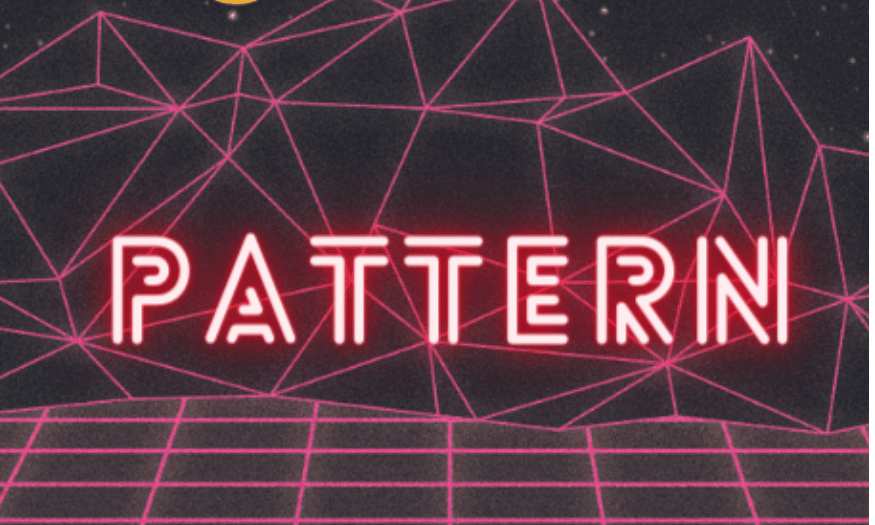
1. Definition of Pattern
The word "pattern" originates from "patron", first appearing around the period from 1325 to 1375, meaning "a person who provides or supports financially". By the 16th century, the second syllable of this word had changed, making "pattern" become an independent concept, referring to decorative motifs that are repeated over and over. In the field of design, pattern is not simply images, but also the combination of many components arranged and repeated, forming a harmonious and seamless layout.
Pattern has proven its strong influence not only in design but also in daily life. Its high visual impression ability makes us easily notice the presence of pattern in familiar items around us, from clothing, product packaging to architectural spaces. The diversity and flexibility of pattern help it become an essential tool in attracting attention and creating engaging experiences for users.
.png)
2. Applications of Pattern
2.1 Fashion
In the fashion industry, pattern is not only a decorative element, but also a symbol expressing the style and personality of the wearer. A prominent example is Burberry's check pattern, which has become a symbol of luxury and elegance. These pattern designs not only create highlights for outfits, but also help designers express creativity and breakthroughs in each collection. Combining many different pattern styles when coordinating outfits has become a trend, giving wearers the freedom to express themselves while still maintaining harmony.
Not only stopping at clothing, pattern also appears in accessories such as handbags, shoes, and even jewelry. This diversity not only creates eye-catching outfits but also makes the wearer feel more confident. Thanks to the richness of pattern, the fashion industry is always full of vitality and constantly developing, opening up many opportunities for creativity.
2.2 Interior design
In the field of interior design, pattern plays an important role in creating impressive and inspiring living spaces. Look around your house: from wallpaper, ceramic tiles to carved details, all carry the mark of unique motifs. Each pattern not only brings a different feeling but also represents a separate design style, from classic to modern.
If you are looking for a way to refresh your living space, choosing wallpaper or wall paint designs with pattern will be a great choice. These motifs not only create highlights but also help the room become more lively. A space decorated with suitable patterns will bring a comfortable and cozy feeling, creating an ideal home for every family.
2.3 Brand identity
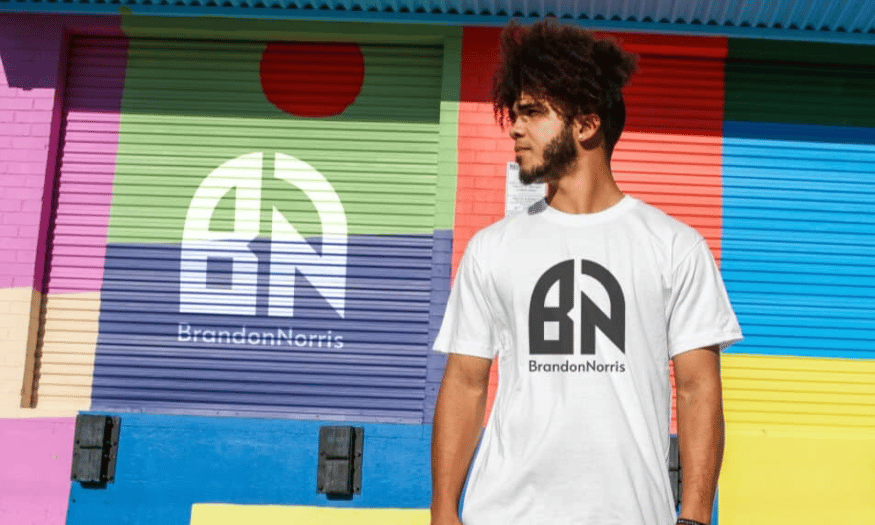
In today's competitive world, a unique brand identity is necessary to attract customers. Pattern is a powerful tool that helps brands affirm their own identity. Using characteristic motifs not only creates a strong impression but also helps customers easily recognize the brand immediately.
A successful brand often knows how to harmoniously combine patterns into logo design, product packaging, and advertising materials. This not only increases aesthetic value but also creates a consistent, memorable image in consumers' minds. Creativity in applying pattern will help the brand stand out more among countless choices in the market.
.png)
2.4 Graphic design
In graphic design, pattern is considered an indispensable element to create impressive visual products. Not only able to create strong visual effects, pattern also helps convey the content and emotions of the message without having to use many words. Unique motifs can attract viewers and make them feel the message more strongly.
Designers often use pattern to create backgrounds, highlight images, or create focal points in layouts. Skillfulness in choosing and combining patterns will help the design work become more vivid and attractive, bringing a great experience to viewers. Graphic design with pattern is not simply creative work but also the art of visual communication.
2.5 Photography
In photography, pattern is present everywhere, from images in nature to man-made urban structures such as buildings and sidewalks. Identifying and using pattern effectively will help photographers create unique photos that attract the eye. When combining pattern with elements such as composition, lighting, and shooting angle, photos can become more impressive than ever.
Using pattern not only highlights the subject but also creates depth and richness for the image. Repeated lines and shapes can guide the viewer's eyes, creating an attractive visual story. Therefore, pattern is not only a part of photography but also a powerful language of expression, helping convey emotions and meanings to viewers.
3. Common types of Pattern in design
Below are some unique pattern designs and their applications so you can better understand where and when to use them.
3.1 Geometric pattern
Geometric pattern uses basic shapes such as triangles, rectangles, hexagons, circles, and diamonds. These shapes are combined and repeated in a cohesive way, creating interesting and attractive layouts. Not simply static images, these geometric designs also create movement and rhythm, making the design become more lively.
When applied, geometric designs are often used in web graphics, product packaging, and even fashion. They not only help create highlights but can also bring a modern and professional feeling. Combining geometric patterns with bright colors can increase attraction, guiding viewers' eyes to important elements in the design.
.png)
3.2 Abstract pattern
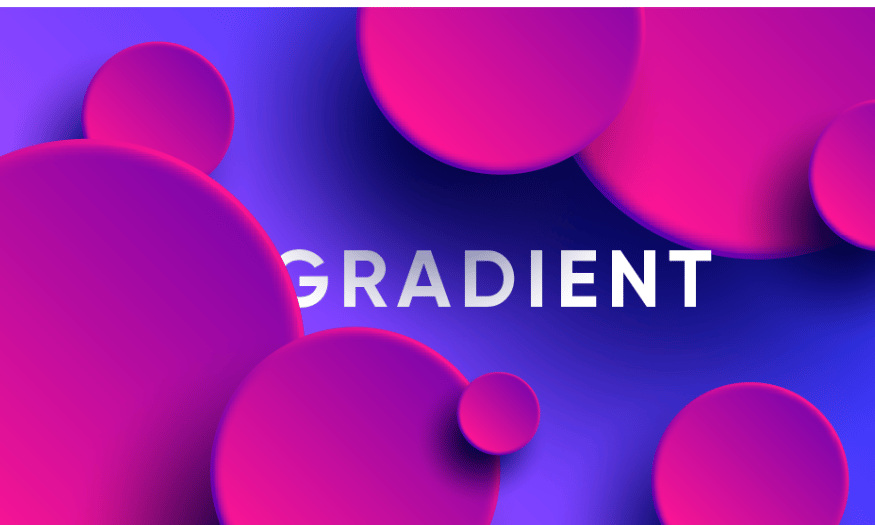
Abstract pattern often brings an artistic feeling and stimulates viewers' imagination. Instead of using specific images, these designs use shapes and colors freely, creating unique and modern works. This helps designers express unlimited creativity, while also creating space for imagination to fly far.
However, when using abstract pattern, it is necessary to pay attention to arrangement and balance in the design. If not careful, these designs can make the layout become messy and difficult to see. Make sure that other elements in the design can highlight or create accents for these abstract designs, thereby creating a harmonious and attractive whole.
3.3 Modern pattern
Inspired by the Art Deco movement of the early 20th century, modern pattern often combines simple geometric shapes and bright colors. The repetitive structures of symmetrical shapes create a unique visual world, making the design stand out and be easy to remember. These designs are not only beautiful but can also convey strong emotions to viewers.
When applied in design, modern patterns are often used for website backgrounds, product packaging, or decorative motifs. They have the ability to attract attention naturally, while also creating a youthful and dynamic atmosphere. The perfection in every detail and color of these designs helps elevate the value of the product, making it more attractive in customers' eyes.
.png)
3.4 Minimalist pattern
Minimalist pattern often focuses on using negative space and minimal elements to create elegance. With few colors and shapes, these designs not only help create an airy space but also bring a pleasant feeling to viewers. White space is the important highlight, allowing the eyes to rest and remember more easily.
Minimalist pattern has become a popular trend in advertising design, because it helps brands stand out without causing visual confusion. Other design elements can become the focal point thanks to this minimalist background. When used properly, minimalist pattern can create luxury and sophistication, increasing value for any product.
3.5 Nature pattern
The richness and diversity of nature is always an endless source of inspiration for designers. From floral motifs, animals to natural landscapes, nature pattern brings a close and warm feeling. They can convey messages of freshness, freedom, and harmony with nature, making viewers feel relaxed and comfortable.
Nature pattern is often applied in interior design, fashion, and product packaging. They not only create a close living space but also help brands remind people of natural and sustainable values. When using this design, designers can easily bring a pleasant and inspiring atmosphere to consumers.
.png)
3.6 Watercolor pattern
Watercolor pattern has become a popular trend in design, favored for the natural beauty and softness it brings. Watercolor motifs can create a relaxing and artistic feeling for any design. From advertisements on digital devices to printing, watercolor design always brings freshness and uniqueness.
When applying watercolor pattern, designers can use it as a background for logos, titles, or product images. The combination of colors and free drawing strokes creates a unique style, helping the product stand out more. Watercolor designs also work well with handwritten fonts, creating an artistic and friendly design that easily attracts viewers' attention.
3.7 Character pattern
Character pattern is often associated with images of cute cartoon characters, such as rabbits, foxes, or bears. These designs are not only suitable for children's brands but can also work well for cheerful and dynamic brands such as Red Bull or Oreo. Character pattern brings liveliness and fun to the design, making the product become more familiar and accessible to consumers.
The application of character pattern is very diverse, from product packaging, flyers, to advertising materials. They not only attract children's attention but also create a strong impression on parents. Using characters in design helps create an emotional connection, making consumers easily remember the brand.
.png)
3.8 Illustration and cartoon pattern
Illustration and cartoon pattern always have strong attraction, especially for children. Colorful and vivid illustrations not only create interest but also make products become more attractive. This pattern design is often used in packaging design, flyers, posters, and many other types of advertising materials.
The combination of cartoon and illustration in design helps create a cheerful space, bringing a positive feeling to viewers. These designs never become boring, because they can always be refreshed and created in many different ways. Using illustration pattern will help the brand stand out and easily leave a mark in customers' minds.
3.9 Classic pattern
If you love classic style and want to add traditional features to your design, classic pattern is the perfect choice. Classic motifs often use many rich shapes and colors, creating a luxurious and noble beauty. Inspired by previous decades, these designs bring a nostalgic feeling, but still remain very modern.
In design, classic motifs can be used for product packaging, interior decoration, or even fashion. They help create a stylish and elegant space, making any product become more special. The combination of tradition and modernity in classic pattern will bring high aesthetic value and create a strong impression on consumers.
.png)
4. Tool for creating perfect Pattern: Photoshop
Photoshop is one of the most powerful tools for creating unique and rich pattern designs. With a user-friendly interface and many flexible features, users can easily design patterns from basic to complex. To begin, you only need to create an image with the desired size, then use drawing tools, colors, and effects to create your own motif.
One of Photoshop's outstanding features is the ability to save and apply pattern. After completing the design, you can save the pattern as a preset and reuse it in other projects. In addition, you can also combine multiple layers and effects to create 3D designs or create depth for pattern. With Photoshop, your creative ability is unlimited, helping you easily create impressive pattern designs for any design.
5. Conclusion
In short, pattern is not only decorative images but also a powerful tool in design. Understanding the types of pattern and how to use them can help designers create products that are not only beautiful but also effective in communicating with users. Whether you are working in the field of graphics, fashion, or architecture, applying types of pattern intelligently will enhance the value of your design, making the product stand out and be more memorable in consumers' hearts. Explore and create with patterns to bring wonderful experiences to users!











VIP Products



Best Selling Products
Upgrade genuine Capture One account
120 USD
Windows 10 & 11 Pro Key
36 USD
Copyright Adobe Lightroom Account
59 USD
Plugin Retouch4me
69 USD
Freepik Premium Account
59 USD
Genuine Cheap Canva Pro
39 USD
ChatGPT Plus Account (GPT-4)
16 USD
Adobe Premiere Pro Account
99 USD
Autodesk All App Account Copyright
120 USD
Upgrade Duolingo Super
29 USD
Capcut Pro 1 Year
39 USD
Adobe Photoshop Copyright - Full App
120 USD
Upgrade Genuine Office 365
49 USD
Genuine Adobe Illustrator account
99 USD
MidJourney Account
29 USD