Best Selling Products
Upgrade genuine Capture One account
120 USD
Genuine Adobe Illustrator account
99 USD

Upgrade Duolingo Super
29 USD
Upgrade Genuine Office 365
49 USD
Autodesk All App Account Copyright
120 USD

MidJourney Account
29 USD
Adobe Premiere Pro Account
99 USD
Copyright Adobe Lightroom Account
59 USD
Windows 10 & 11 Pro Key
36 USD

Freepik Premium Account
59 USD
Genuine Cheap Canva Pro
39 USD
Plugin Retouch4me
69 USD
Adobe Photoshop Copyright - Full App
120 USD
Capcut Pro 1 Year
39 USD

ChatGPT Plus Account (GPT-4)
16 USD
Everything You Need to Know About Video Editing: What to Learn and How to Get There
Nội dung
- 1. Learn about Video Editor
- 1.1. Definition of a Video Editor
- 1.2. Who would be suitable for a career in Video Editing?
- 2. The actual work of a Video Editor
- 2.1. The process of creating a professional video
- 2.2. Working environment and professional culture
- 3. Skills needed to become a professional video editor
- 3.1. Technical skills
- 3.2. Creative Skills
- 3.3. Developing soft skills and career guidance
- 4. The reality and career development of a Video Editor
- 4.1. Human resource needs and the job market
- 4.2. Income and career development opportunities
- 4.3. The future of careers in the age of AI
Discover the fundamental and creative skills a video editor needs.
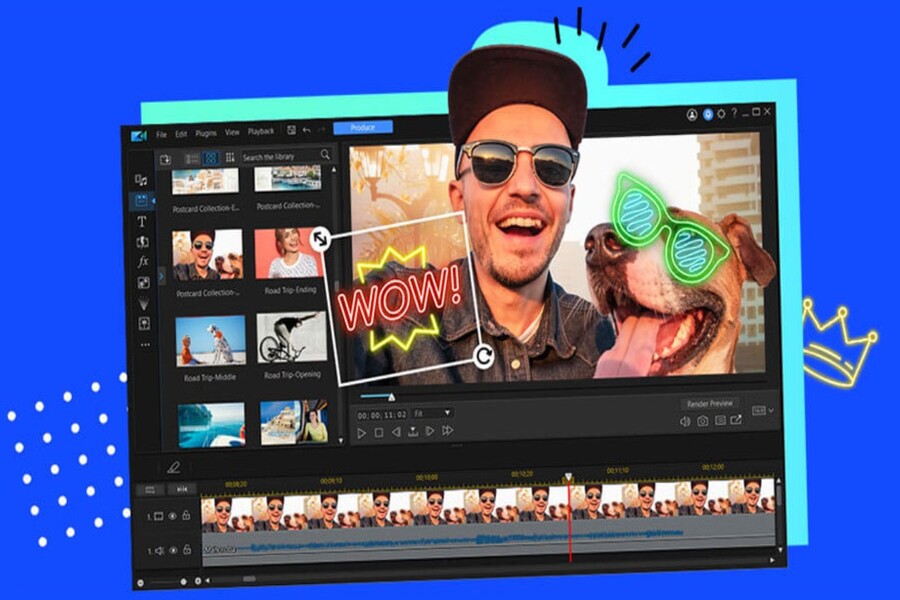
While video was once primarily used in film and television production, it is now present in almost every field: advertising, education, entertainment, e-commerce, corporate communications, art, personal vlogs, and even modern journalism. And to create a high-quality video, the video editor plays a role just as important as the director or cinematographer. They transform disjointed footage into a complete story, adjusting the emotions, composition, and rhythm to keep viewers engaged from beginning to end. A skilled video editor can even turn a bland idea into a product that attracts millions of views.
This article will provide a comprehensive overview of the Video Editor profession, from its definition, suitable candidates, practical tasks, necessary skills, to future career opportunities. This in-depth analysis will help you understand the nature of the profession and provide clear direction if you wish to pursue a career as a professional video editor.
1. Learn about Video Editor
1.1. Definition of a Video Editor
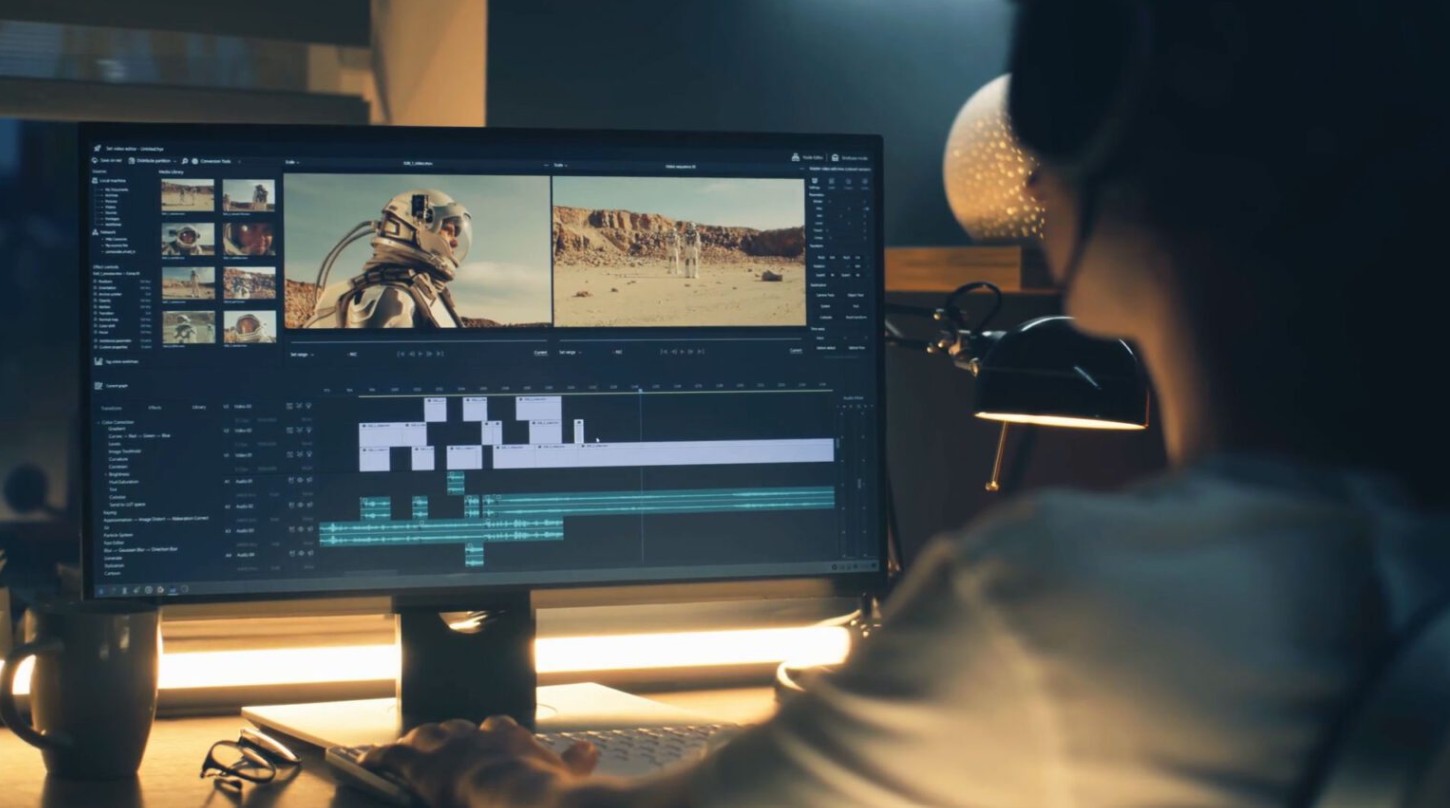
A video editor is responsible for processing, organizing, and creating raw video footage into a finished product. This work goes beyond simply cutting and splicing footage; it also includes color correction, audio processing, adding effects, inserting text, building rhythm, and ensuring the final product meets the project's objectives.
At the professional level, video editors are considered "visual storytellers" because they determine how emotions are conveyed, how the story unfolds, and how viewers perceive it. No matter how beautiful the visuals are, if the editing is poor, the video will lose its appeal. Therefore, the profession of video editor requires both creativity and high technical skills, as well as flexible visual thinking abilities.
Today, video editors work on a wide variety of projects, from TV commercials and viral videos to short TikTok videos, vlogs, documentaries, music videos, and internal training videos. This diversity makes the profession attractive but also requires editors to constantly update their knowledge of trends and develop their skills.
1.2. Who would be suitable for a career in Video Editing?
Not everyone is suited to the job of a Video Editor, as it requires a combination of art and technology. Those who are well-suited usually possess a good aesthetic sense and a keen visual perception. They understand how to combine images, colors, background music, and movement elements to evoke emotions in the viewer. Aesthetic sense is not just about the ability to see what looks good, but also about the ability to accurately convey the spirit of the content.
Furthermore, storytelling skills are crucial for video editors to create engaging videos. Whether short or long, a video needs a logical beginning, climax, and ending. Video editors need to understand the story structure, know how to guide emotions, create highlights, and keep viewers engaged. This is a skill many beginners often overlook, but it's what differentiates an average video editor from a professional one.
Creativity and flexibility also play a crucial role. Each project has different requirements and a different style. Editors must constantly innovate their perspective, experiment with new techniques, and find solutions that suit each piece of content. This flexibility prevents editors from becoming monotonous in their editing style and allows them to easily adapt to audience tastes.
Excellent concentration is crucial. Video editing work often requires hours of continuous work in front of a screen, processing frame by frame, adjusting every second of audio or effect. This demands patience and meticulous attention to detail. Someone who is easily distracted or lacks perseverance will struggle to keep up with the pressure of the job.
Finally, a passion for technology and a spirit of continuous learning are essential. Video editing software changes rapidly, from Premiere Pro, Final Cut, and DaVinci Resolve to CapCut and AI video tools. Video editors need to stay up-to-date with technology to avoid falling behind. New technologies open up more modern and convenient editing methods, but only those willing to learn can fully utilize their benefits.
2. The actual work of a Video Editor
2.1. The process of creating a professional video
Producing a professional video is a multi-stage process requiring coordination between departments and tight organizational skills. Video editors are typically involved in many different steps, depending on the operating model of each company or project.
The first step is receiving the brief and script. This is when the editor needs to clearly understand the goals, message, and emotions the client wants to convey. An unclear brief will prolong the entire editing process, so the editor should always ask many questions to deeply understand the nature of the video.
Next comes the concept exchange phase. The editor discusses with the copywriter, director, cinematographer, or client to agree on the visual style, music, editing pacing, and main color tone. Each concept will determine the direction of the video production, so this is a crucial stage to avoid multiple revisions later.
Once the style is agreed upon, the editor begins building the rough cut. This is the first version of the video, arranging the key shots, cutting out unnecessary parts, and establishing the basic rhythm and composition. During this stage, the editor needs a keen eye to select the best shots and ensure they connect seamlessly.
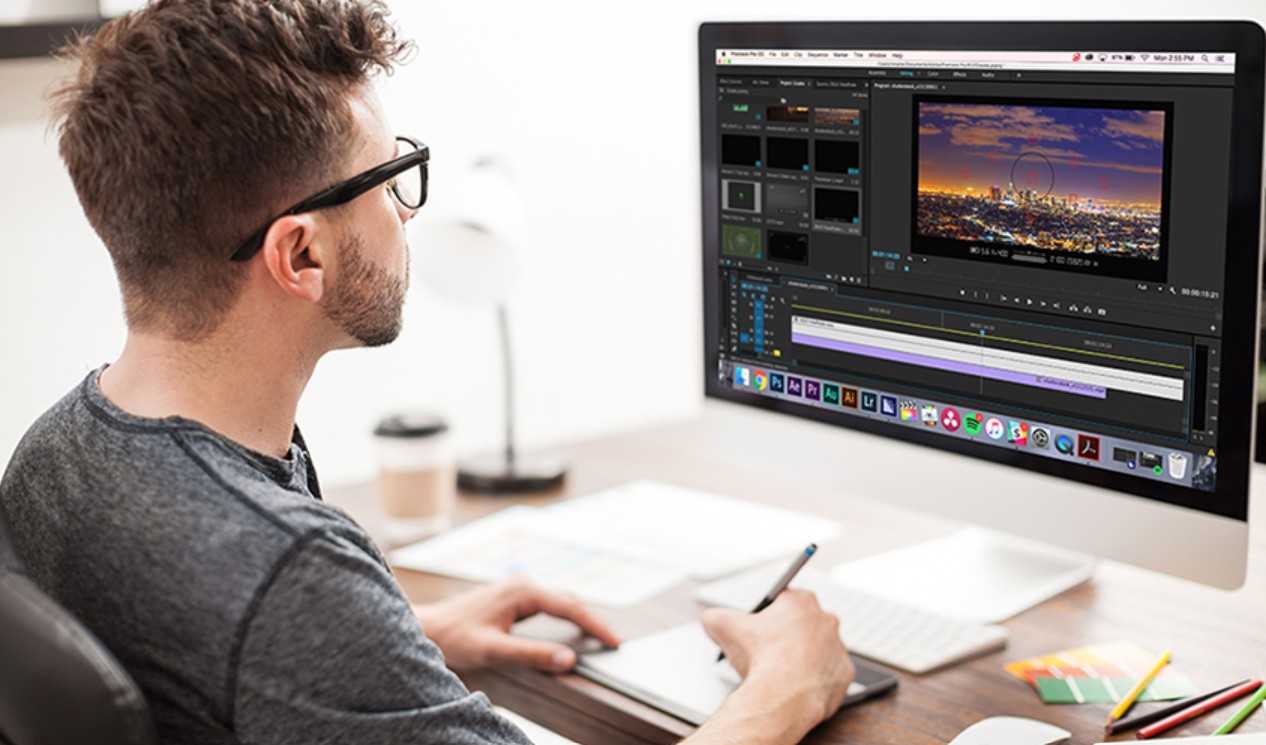
Next, it's crucial to gather feedback from the client or director. This is often the most time-consuming step, as each person will have a different perspective. A video editor needs to know how to listen, explain technical issues, and maintain a professional viewpoint while still meeting the client's requirements.
The detailed editing phase begins after receiving feedback. This is when the editor optimizes color, processes sound, adds transition effects, inserts text, adjusts pacing, and ensures the video is smooth in every frame. This phase requires a high level of technical skill and a keen aesthetic sense.
Finally, it's time to publish and deliver the final product. The video editor needs to choose the right format for each platform, such as YouTube, TikTok, Facebook, or television. The product must ensure the best possible color, resolution, and sound quality when played on various devices.
2.2. Working environment and professional culture
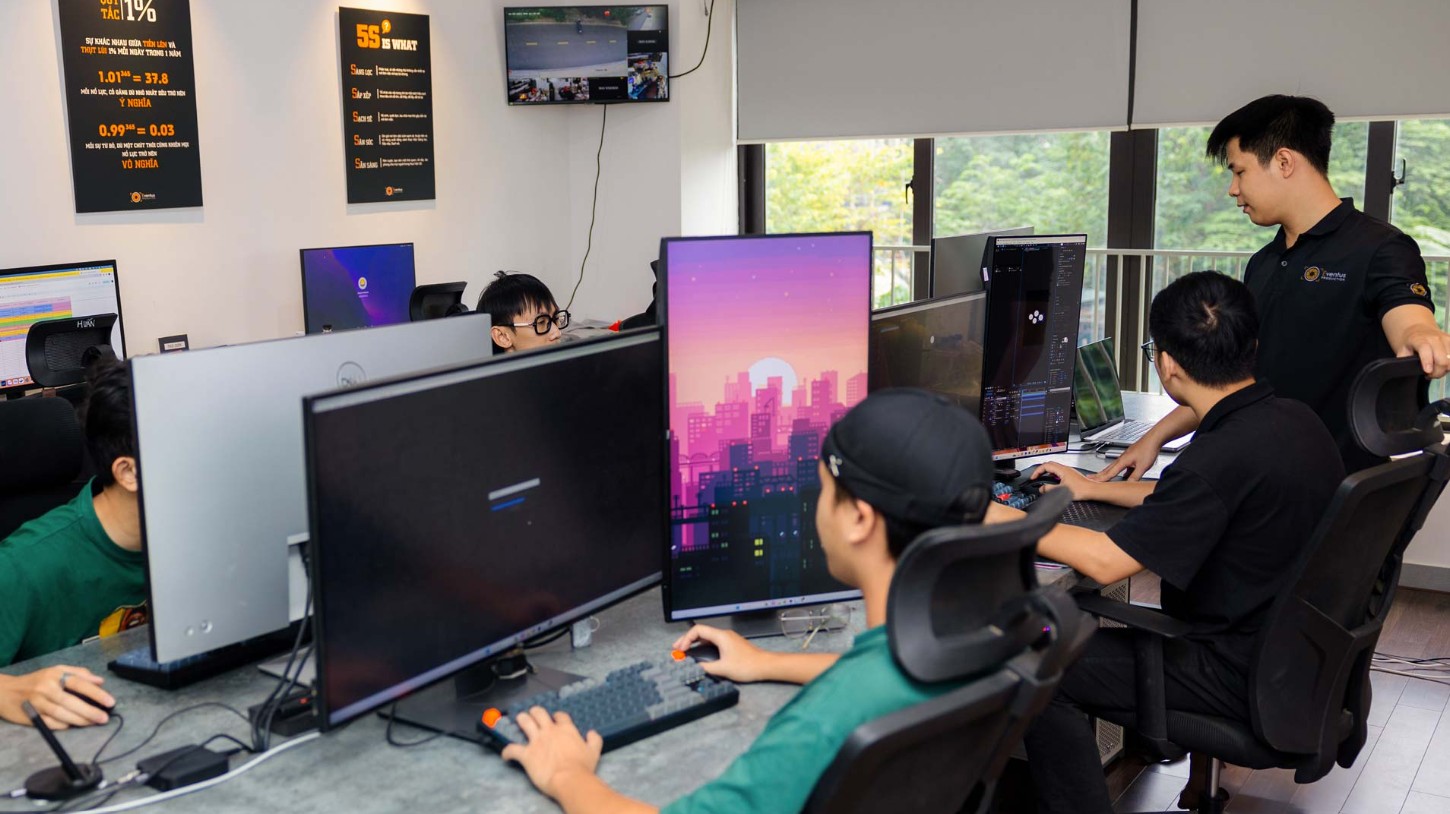
Video editors can work in a variety of environments, each with its own work culture and professional requirements. In advertising agencies, editors often have to handle multiple projects simultaneously with tight deadlines. This is a high-pressure environment, but it helps editors learn quickly and improve their communication skills with clients.
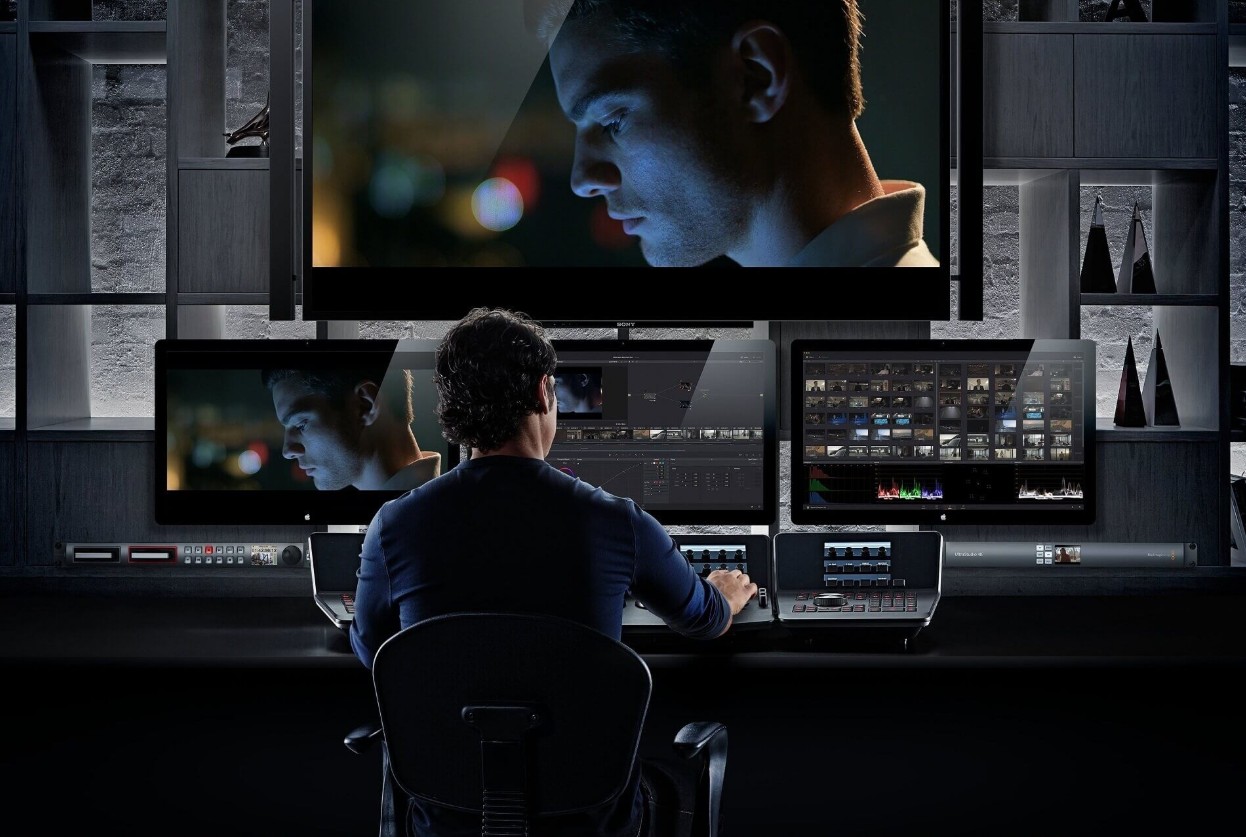
Post-production studios prioritize detail and technical skill. Here, editors have the opportunity to work on large-scale projects such as music videos, TV commercials, short films, or art videos. This environment demands high concentration, advanced color grading skills, and strong creativity.
Freelancing is a suitable option for those who want time freedom. However, freelancers must manage their own clients, contracts, time, and even personal finances. This gives them flexibility but also demands discipline and self-control.
3. Skills needed to become a professional video editor
3.1. Technical skills
To advance in this profession, technical knowledge is essential. Video editors must master video editing software such as Adobe Premiere Pro, Final Cut Pro, or DaVinci Resolve. Additionally, the ability to color grade using Lumetri Color or DaVinci Resolve is crucial to ensure videos have harmonious and professional colors.
Video editors need to understand audio, know how to handle noise, and balance dialogue, background music, and sound effects into a harmonious whole. In many projects, sound accounts for up to 50% of the video's emotional impact and is a key element in keeping viewers engaged.
In addition, editors need knowledge of aspect ratios, frame rates, video formats, and how to publish videos for each platform. This ensures that the final product displays the correct quality without losing sharpness or color distortion.
3.2. Creative Skills
Creative skills lie not only in creating visually stunning effects but also in the ability to tell stories through images. Video editors need to learn how to build composition, pacing, develop a sense of rhythm, understand viewer psychology, and know when to create impactful moments. A good video must have a logical rhythm, natural transitions, and consistent emotion.
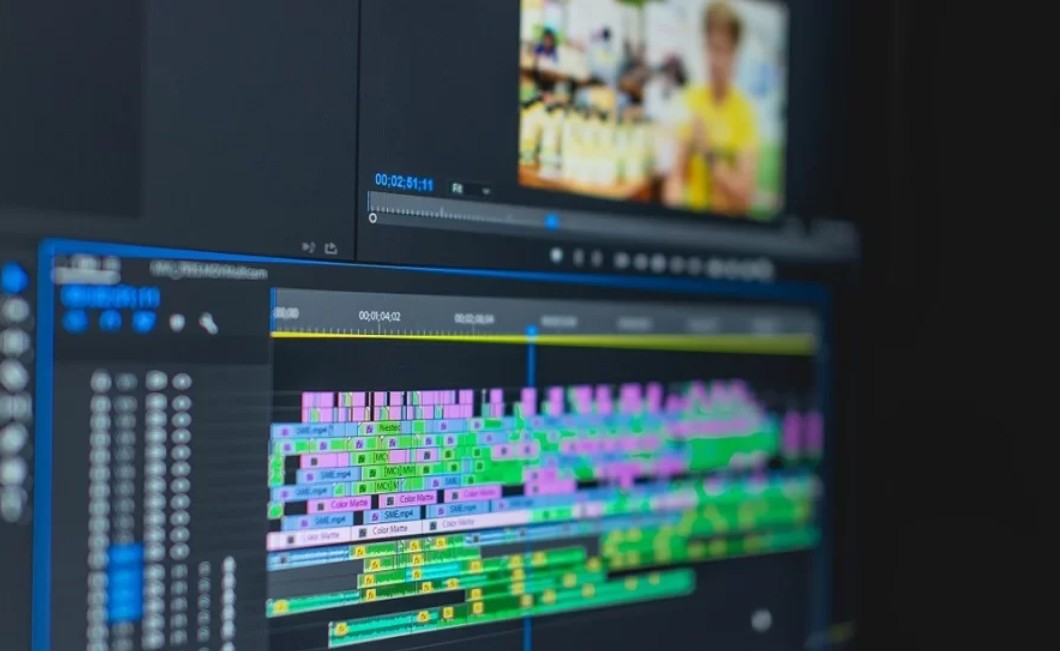
Furthermore, creativity is demonstrated through the selection of appropriate music, the discovery of new effects, and the combination of visuals in a unique style. Many successful editors succeed not because of their excellent software skills, but because they have a clear aesthetic sense and a unique editing style.
3.3. Developing soft skills and career guidance
In addition to professional expertise, video editors also need soft skills such as communication, problem-solving, and time management. This profession often requires constant communication with directors, clients, and relevant departments. Without good communication skills, editors can easily fall into misunderstandings or lose control of the project.
Organizational skills are also crucial. A professional editor always knows how to store documents systematically, name files clearly, and create a logical timeline. This not only ensures smooth workflow but also makes subsequent editing easier.
4. The reality and career development of a Video Editor
4.1. Human resource needs and the job market
The video market is growing faster than ever. From small businesses to large corporations, everyone needs video to promote their brand. Platforms like TikTok and YouTube Shorts have driven up the demand for video production, creating thousands of opportunities for video editors. Even education, health media, and e-commerce need video every day. Therefore, video editors will never be short of work if they have the right skills.
4.2. Income and career development opportunities
Video editors' incomes vary widely, depending on skills and work environment. Beginners can start with simple projects at a moderate salary, but with experience, they can earn a high income. Editors skilled in color grading, motion graphics, or with a unique editing style often earn very good salaries.
Additionally, a Video Editor can advance to positions such as Senior Editor, Colorist, Motion Designer, Creative Director, or even open their own studio.
4.3. The future of careers in the age of AI
The emergence of AI tools has led many to worry that video editing may be replaced. However, AI only assists with repetitive tasks such as scene cutting, audio recognition, or basic color optimization. Artistic flair, emotion, and storytelling remain areas where AI can hardly replace human editors. Conversely, AI helps editors save time, allowing them to focus more on the creative aspects.
As AI develops, the opportunities for video editors increase, provided they know how to use AI as a powerful tool instead of competing with it.
The job of a Video Editor is not simply about cutting and pasting video clips; it's an art of storytelling through images and sound. It requires a combination of technical skill, aesthetics, emotion, and creative thinking. With video becoming the dominant form of media, Video Editors face countless attractive career opportunities. Whether you're a creative person, prefer freelance work, or aspire to a professional career in media, Video Editor is a worthwhile starting point.











VIP Products

Best Selling Products
Upgrade genuine Capture One account
120 USD
Genuine Adobe Illustrator account
99 USD
Upgrade Duolingo Super
29 USD
Upgrade Genuine Office 365
49 USD
Autodesk All App Account Copyright
120 USD
MidJourney Account
29 USD
Adobe Premiere Pro Account
99 USD
Copyright Adobe Lightroom Account
59 USD
Windows 10 & 11 Pro Key
36 USD
Freepik Premium Account
59 USD
Genuine Cheap Canva Pro
39 USD
Plugin Retouch4me
69 USD
Adobe Photoshop Copyright - Full App
120 USD
Capcut Pro 1 Year
39 USD
ChatGPT Plus Account (GPT-4)
16 USD