Best Selling Products

Autodesk All App Account Copyright
120 USD

ChatGPT Plus Account (GPT-4)
16 USD

Capcut Pro 1 Year
39 USD

Adobe Photoshop Copyright - Full App
120 USD

Plugin Retouch4me
69 USD

Upgrade Duolingo Super
29 USD

Upgrade Genuine Office 365
49 USD

Freepik Premium Account
59 USD

Upgrade genuine Capture One account
120 USD

Adobe Premiere Pro Account
99 USD

Copyright Adobe Lightroom Account
59 USD

MidJourney Account
29 USD

Genuine Adobe Illustrator account
99 USD

Genuine Cheap Canva Pro
39 USD

Windows 10 & 11 Pro Key
36 USD
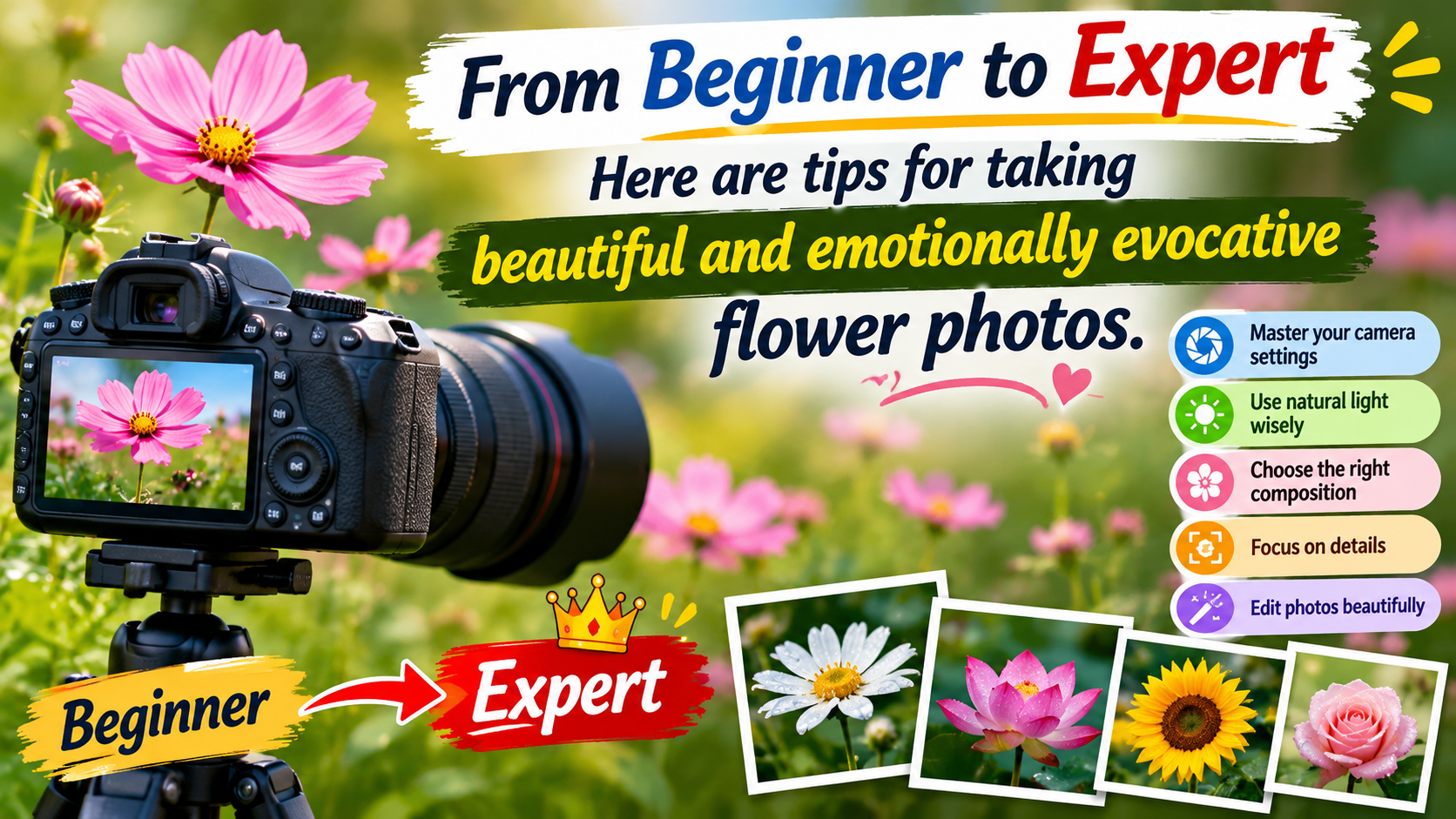
From beginner to expert, here are tips for taking beautiful and emotionally evocative flower photos.
Nội dung
- 1. Basics of Flower Photography
- 1.1 Choose a suitable shooting location
- 1.2 Foundations of Close-Up Flower Photography
- 1.4 Composition in flower photography
- 2. Creative ideas for photographing flowers
- 2.1 Focus on one type of flower or one color of flower
- 2.2 Documenting the life cycle of a flower
- 2.3 Try taking photos of flowers right at home.
- 3. Common mistakes to avoid when photographing flowers.
- 4. Conclusion
Flowers are everywhere, from backyard gardens and neighborhood parks to vases on desks. But this very familiarity leads many to believe that photographing flowers is easy. In reality, to capture a truly impressive flower photograph, a photographer needs more than just pointing the lens at the flower and pressing the shutter. The angle, background, lighting, focus point, and depth of field can all completely change how a flower appears in the frame. This article will guide you through the fundamental principles, creative ideas, and common mistakes, so that each time you photograph flowers, you are proactive and purposeful.
1. Basics of Flower Photography
Before pressing the shutter button for the first time, take the time to consider four factors: location, subject, shooting angle, and background. These decisions often affect the final result more than the value of the equipment you're using. A basic camera in the hands of someone with keen observation skills can still produce far better pictures than an expensive setup used without careful consideration.
1.1 Choose a suitable shooting location
You don't need a faraway or unique destination to practice photographing flowers. A garden, backyard, balcony, nearby park, or even a vase in your living room can offer countless opportunities. Botanical gardens are particularly useful, as they bring together many plant species in a relatively small space, with convenient access and diverse environments. In greenhouses, you can even capture spring-like photos in the middle of winter.
When surveying a location, don't just look at the flower. Pay attention to the direction and quality of light, distracting objects behind the subject, surrounding colors, space for movement and repositioning, as well as wind and weather conditions. An ordinary flower can become far more remarkable when its surroundings contribute to the composition.
Additionally, clearly define what your photograph is about before you press the shutter. It could be the entire flower, a single petal, the central pistil, a repeating texture, surface details, stems and leaves, or a cluster of blossoms. This decision will govern the focus point, lens choice, aperture, and composition. If the texture of the petals is the main subject, a close-up shot will work well. If you want to tell the story of an entire field of flowers, step back and include the surrounding environment in the frame.
1.2 Foundations of Close-Up Flower Photography
Macro photography is particularly well-suited to flowers because it reveals details that are difficult for the naked eye to notice when viewing the entire plant. A macro photograph can show the texture of petals, pollen grains, the structure of the pistil, or tiny water droplets remaining after a rain shower.
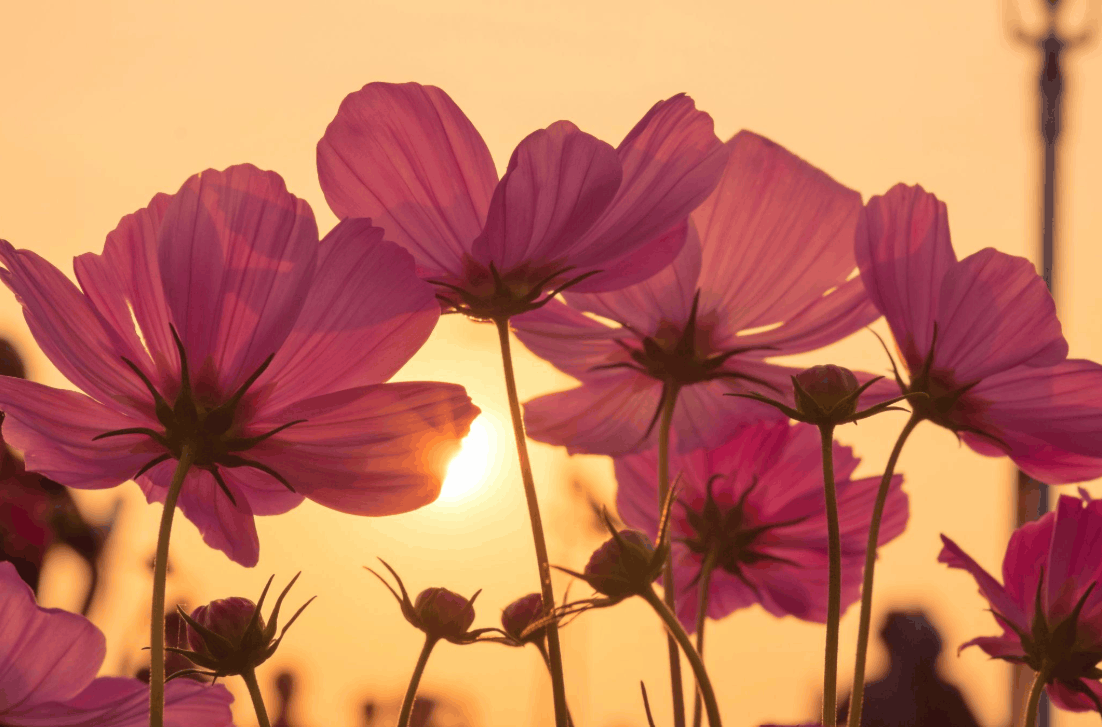
Lighting plays a crucial role. Soft, diffused light helps reveal subtle colors and textures while minimizing harsh shadows and glare. Therefore, cloudy days are often ideal for photographing flowers outdoors. Direct sunlight can also be effective if used strategically. Side lighting highlights surface textures, while backlighting makes delicate, translucent petals appear radiant, as if glowing. Reflectors help add light to shadows, while diffusers soften harsh sunlight. When shooting indoors, artificial lighting is also a useful option.
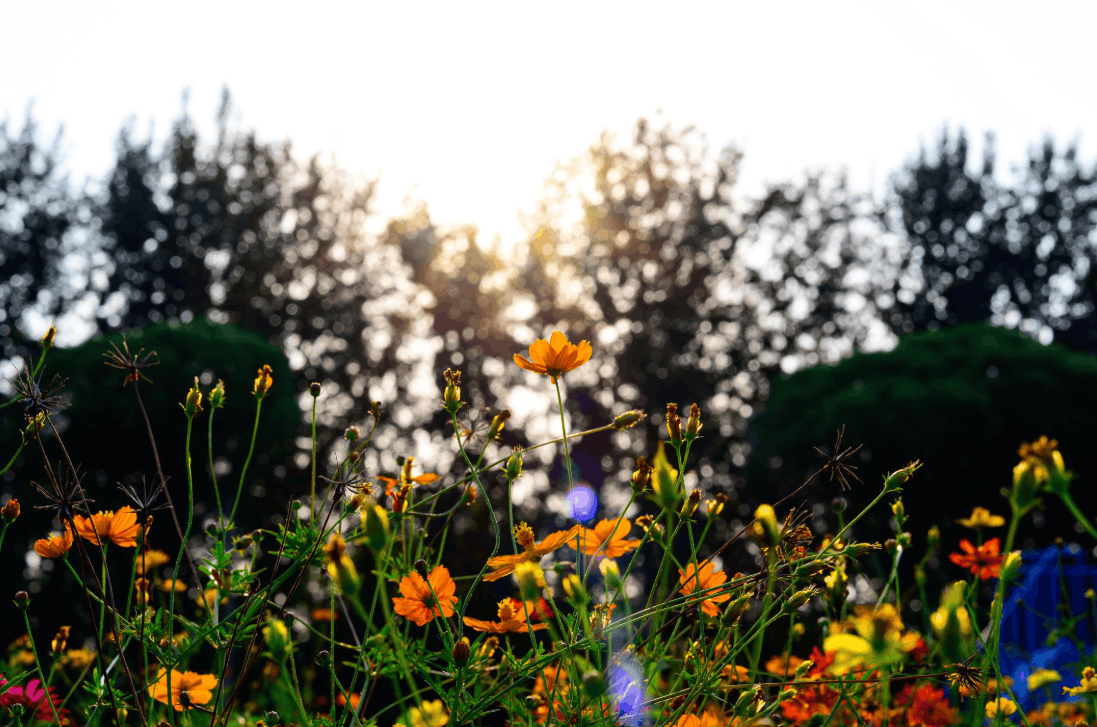
The depth of field in macro photography is very shallow, especially when you're very close to the subject. A large aperture like f/2.8 creates a beautiful blurred background, but only a small portion of the flower is in focus. Closing the aperture to f/5.6 or f/8 widens the area in focus, although the specific result depends on the camera, lens, focusing distance, and subject. There's no single aperture that's right for every situation. Choose the aperture based on the portion of the subject you want to keep in focus. For a single petal or a small detail, a large aperture can create a stunning effect. For an entire flower, a smaller aperture is usually more appropriate. When you need to set the focus point very precisely, use a single focus point or equivalent precision focusing mode, and for extremely close scenes, manual focus is often the most reliable option.
1.3 Equipment for close-up flower photography
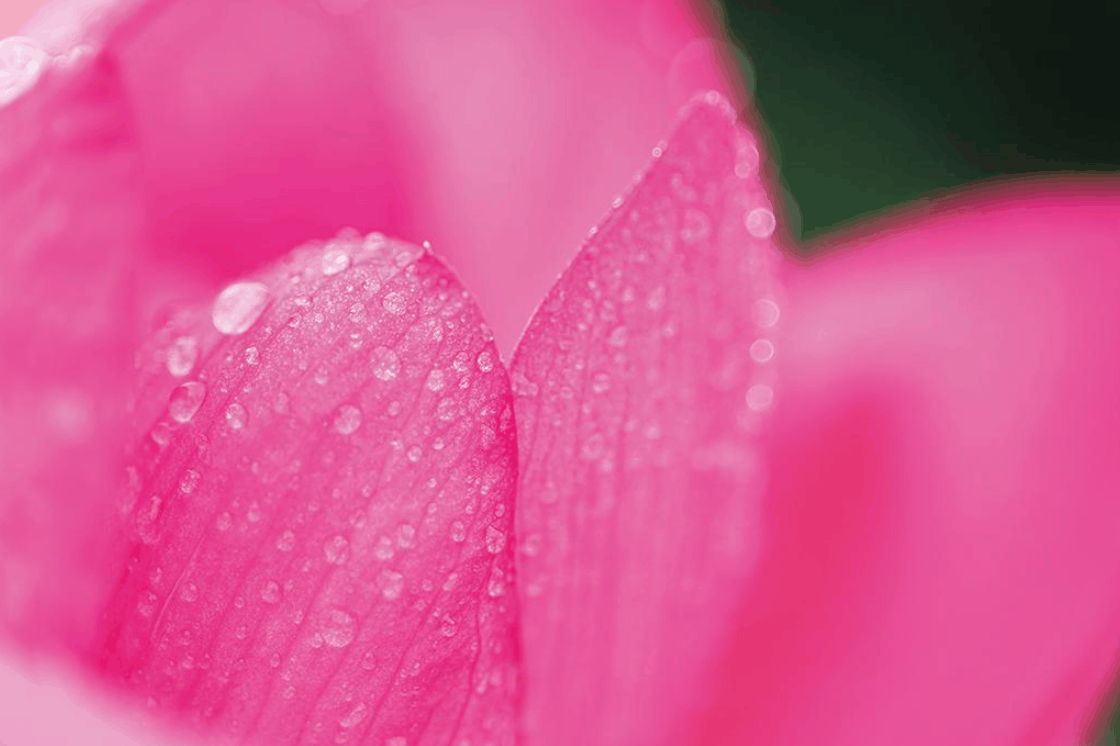
A dedicated macro lens is the most direct option for close-up shots. Macro lenses come in various focal lengths, and the right choice depends on your camera system and working distance. Longer focal length macro lenses offer a greater distance between the front lens and the subject, which is useful when photographing delicate flowers or easily swatted insects.
Macro extension tubes are a worthwhile solution to try. This accessory increases the distance between the lens and the sensor, allowing for closer focusing with compatible lenses. However, you don't necessarily need specialized equipment to get started. A regular zoom or fixed lens can still produce attractive close-up shots if you work within its closest focusing range.
Lighting accessories such as reflectors, diffusers, and tripods will significantly improve image quality. Ring flashes and macro lighting systems allow for precise light control, but they are not essential for beginners. Most importantly, understand your existing equipment and upgrade only when necessary.
1.4 Composition in flower photography
While macro photography encourages focusing on fine details, traditional composition principles remain relevant. The rule of thirds is a helpful starting point, where the main subject is placed near the grid intersections rather than in the center of the frame. However, don't let that rule restrict you. Symmetry, centering, empty space, repetition, and abstract patterns can all work particularly well with flowers.
Consider the visual relationship between the flower and the background, between the center of the flower and the petals, between light and shadow, between sharp and blurred areas, between warm and cool tones, and between a single flower and the entire cluster. Before pressing the shutter, check the edges of the frame. A brightly colored leaf, a stem, or a misplaced object might draw attention away from the main subject without you noticing.
2. Creative ideas for photographing flowers
Once you've mastered the basics, try looking at the same subject in different ways. Challenging yourself with small projects will help you develop your own style and transform disparate photos into a collection with depth.
2.1 Focus on one type of flower or one color of flower
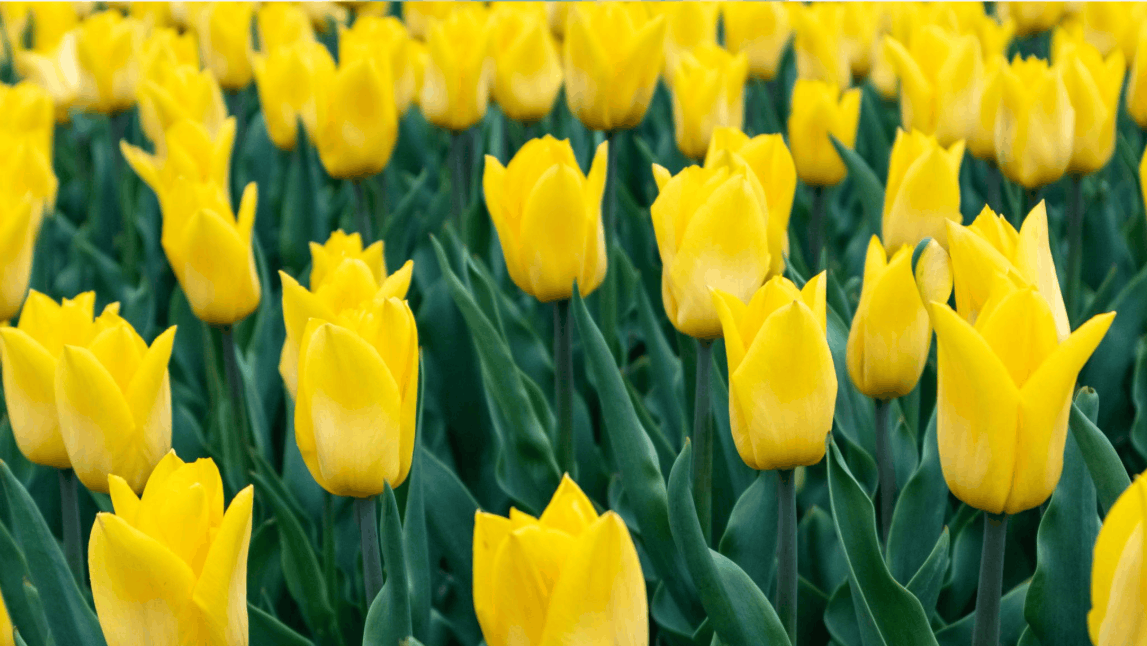
Challenge yourself to photograph only flowers of the same color or species. This limitation forces you to look for differences in shape, texture, lighting, and composition, rather than relying on the inherent diversity of the subject. When working with the same element, your eye will become more sensitive to noticing the smallest variations.
Instead of viewing each photo as a standalone product, try to create a cohesive series. Consistency in color or theme makes the series more cohesive, and this is also a great way to build a personal project or a professional collection to showcase to viewers.
2.2 Documenting the life cycle of a flower
The life cycle of a flower provides a natural structure for an entire series of photographs. Photograph the same plant as it develops from a closed bud, through full bloom, and then gradually fades. This approach transforms individual flower photographs into a visual narrative of growth, change, and passing away.
For consistent results, maintain the same shooting angle, distance, and lighting across shots. You can also combine this idea with time-lapse techniques, where the camera is mounted on a tripod and automatically shoots at regular intervals to capture the moment a flower bud opens or a petal rotates in the light. When doing this, keep the composition, lighting, and exposure constant throughout the sequence; otherwise, variations between frames will be distracting to the viewer.
2.3 Try taking photos of flowers right at home.
Photographing flowers indoors gives you great control over the overall shooting conditions. Place the flower near a window and experiment with the direction of natural light. Move the flower closer to or further away from the window to change the contrast and shape of the shadows. You can use simple materials like paper, fabric, or cardboard to create a background, and use a reflector to brighten the shadows.
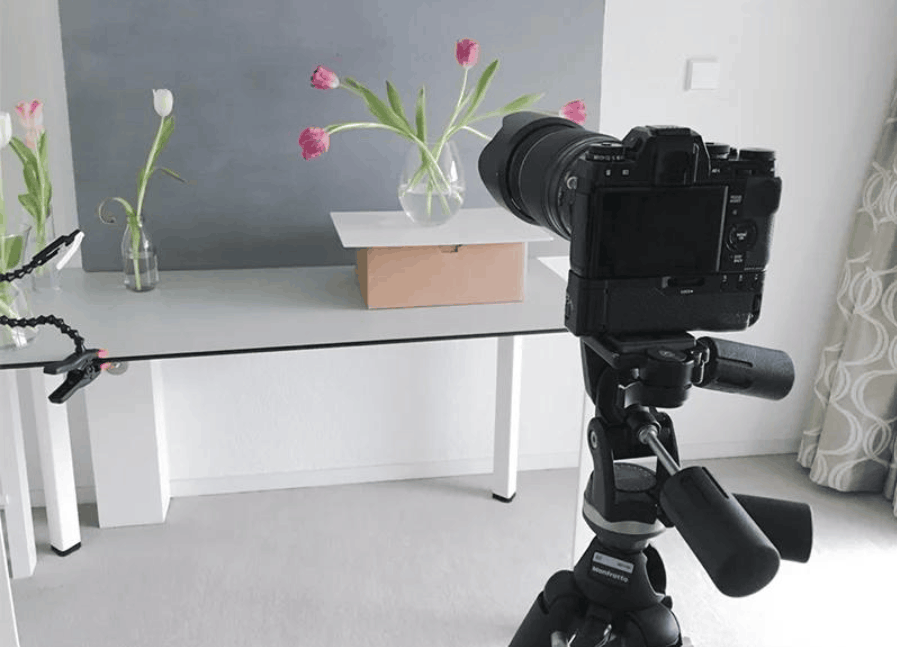
A small vase, a single flower, even a fallen petal can be the subject of an entire photoshoot. Furthermore, experimenting with black and white photography sometimes yields surprising results, as removing color brings out the texture of the petals, the shapes, the symmetry, the light, and the shadows. This approach is particularly effective for photographs where color isn't the primary source of appeal.
In post-processing, always prioritize naturalness. Start with basic adjustments like exposure, white balance, contrast, and color, then make localized adjustments as needed. Selectively increase sharpness, avoiding making the petals look harsh. For color, adjust subtly, as excessive saturation can diminish the delicate hues of brightly colored petals. For macro photography, the multi-focusing technique can also help you achieve a wider area of focus when necessary.
3. Common mistakes to avoid when photographing flowers.
Despite having passion and good equipment, many people still repeat some common mistakes when photographing flowers. Identifying these errors early will help you improve your results quickly.
- Photograph every flower from eye level. This habit makes photos monotonous. Move around the subject and explore different perspectives.
- Ignore the background. A cluttered background can ruin the entire photo. Check the entire frame before pressing the shutter button.
- Always use the widest aperture. A large aperture creates a beautiful blurred background but also makes the area of focus very thin. Choose the aperture based on the part of the flower you want to be in sharp focus.
- Shoot in strong winds without adjusting. Find a sheltered spot, wait for the wind to die down, or increase the shutter speed.
- Excessive saturation. Vibrant colors don't necessarily mean a good photo. Adjust colors moderately to maintain a natural tone.
- Assuming a macro lens is a must, you can absolutely start with your current equipment and upgrade when necessary.
- By default, the focus is on the entire flower. Decide which detail or feature will be the visual focal point of the photo.
- Use artificial elements to attract insects. Photograph insects in their natural behavior; it's both ethical and produces more authentic images.
- Over-sharpening the petals is a mistake. Apply sharpness selectively to areas that need emphasis.
- Always place the subject in the center. Experiment with symmetry, the rule of thirds, and empty space in the frame.
4. Conclusion
The secret to capturing memorable flower photos isn't about finding a rare species, but about the ability to see familiar things in a new light. Change your shooting angle, carefully observe the background, experiment with lighting, and ask yourself which details you want the viewer to focus on. When working at close range, be especially mindful of depth of field and subject movement.
Once you've captured the desired shots, post-processing should focus on refining what's already there, rather than altering the fundamental nature of the image. Moderate adjustments to color, light and dark tones, detail, and the removal of distracting elements, when done with tools like Luminar Neo, will help the flower retain its natural look while still standing out. Most importantly, be patient and maintain a regular shooting routine, because each flowering season, each morning, and each new perspective offers another opportunity to tell emotionally resonant visual stories.



















VIP Products








Best Selling Products
Autodesk All App Account Copyright
120 USD
ChatGPT Plus Account (GPT-4)
16 USD
Capcut Pro 1 Year
39 USD
Adobe Photoshop Copyright - Full App
120 USD
Plugin Retouch4me
69 USD
Upgrade Duolingo Super
29 USD
Upgrade Genuine Office 365
49 USD
Freepik Premium Account
59 USD
Upgrade genuine Capture One account
120 USD
Adobe Premiere Pro Account
99 USD
Copyright Adobe Lightroom Account
59 USD
MidJourney Account
29 USD
Genuine Adobe Illustrator account
99 USD
Genuine Cheap Canva Pro
39 USD
Windows 10 & 11 Pro Key
36 USD